
Tabelog 100 #99
Our verdict
Koise places Sakata’s sushi culture in the context that matters: port-city access to fish, a compact counter format, and recognition on Tabelog’s Sushi EAST 100 selection for 2025. The appeal is not Tokyo-style theatre transplanted north, but a Yamagata coastal address where seafood, Japanese cooking, sake, and small-room hospitality sit close together.

Pearl is the En Primeur Club membership app — saves, bookings, and concierge access live there. Same editors, same standards.
- Address
- 1 Chome-3-25 Aioicho, Sakata, Yamagata 998-0032, Japan
- Phone
- +81 234-24-1741
- Hours
- Mon–Tue ClosedWed–Sun 11 AM–1:30 PM, 5–8:45 PM
- Website
- oising.jp
- Directions
- Get directions
- Booking
- Book on the venue's website
The menu
What to order
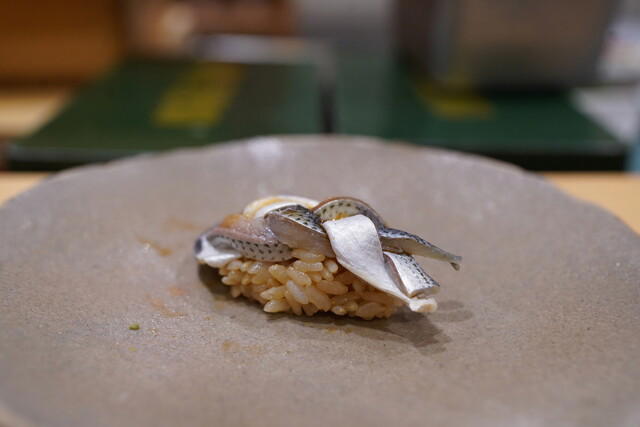
- Seasonal local fish nigiri
- Nodoguro aburi
- Ara nigiri
- Gasaebi nigiri
- Iwashi nigiri
Approaching a sushi restaurant in Sakata carries a different charge from arriving at a metropolitan sushi counter. The city has long faced the Sea of Japan, and that geography shapes expectations before a seat is taken: seafood is not an imported luxury language here, but part of the region’s working identity. In that setting, Koise reads as a local sushi address with national signal, selected for Tabelog’s Sushi EAST 100 in 2025.
Sakata does not sell sushi through the same lens as Ginza or Akasaka. The appeal is less about choreographed scarcity and more about proximity: coastal food culture, rice country, sake culture, and a dining rhythm that can accommodate regional regulars as well as visiting diners. That matters for travellers because regional sushi in Japan is rarely just a cheaper substitute for the capital. It can show a different value system, one in which seafood context and local hospitality carry as much weight as polish.
Sakata sushi is judged by fish first, not ceremony
Yamagata’s coastal cooking sits at the meeting point of seafood and rice, a pairing that gives sushi here a natural grammar. The listed categories, sushi, Japanese cuisine, and seafood, are broad, but they point to the right frame: this is not merely a restaurant to read through omakase mystique. The dining identity is wider, closer to the way regional Japanese restaurants often operate, with sushi at the centre and Japanese seafood cooking nearby.
The strongest editorial signal is the category itself. Koise is listed for sushi, Japanese cuisine, and seafood, which is not a decorative combination in a port city. In Sakata, seafood carries local expectation, and restaurants cannot lean only on technique if the underlying product disappoints. A Tabelog score of 3.61 and inclusion in Sushi EAST 100 in 2025 put the restaurant in a recognized regional tier, but the more useful point for travellers is how that recognition intersects with place. The award groups it with eastern Japan sushi addresses, while the experience remains rooted in a smaller city with its own supply logic and social pace.
That distinction is useful when planning a Yamagata food itinerary. Fruit Shop Aomoriya, Chuka Soba Dokoro Konpiraso, Don Quixote, アル・ケッチァーノ, and Remède nikaho all point to the breadth of dining across the wider region, from casual sweets and ramen to more composed restaurant cooking. Koise belongs to the seafood-and-sushi strand of that map, where the reason to detour is not novelty but regional clarity.
The room suits regional sushi rather than big-city theatre
Japanese sushi culture often splits between two modes: the counter, where timing and handwork dominate, and the more social meal, where dining becomes part of local routine. Koise is best read through that regional lens rather than through assumptions borrowed from luxury city counters. The important point is not a published seat count or a named room configuration, but the way a Sakata sushi restaurant can serve both serious eating and everyday hospitality.
For travellers, that changes the tone. A regional sushi address occupies a different cultural lane from a whisper-quiet urban counter designed around a single performance. The experience can be read as sushi embedded in local life, not sealed off from it. Drinks and pacing should be checked directly with the restaurant, but the broader Yamagata context still matters. Sake is not an afterthought to coastal cooking here; it is part of the prefectural conversation around rice, water, and fermentation.
The setting gives the meal a scale that suits Sakata. It does not need to imitate the capital’s luxury codes. Recognition from Tabelog places it on a wider radar, but the more persuasive argument is local fit: seafood, sushi, Japanese cooking, and a coastal city all reinforcing one another. That is a compact portrait of how regional Japanese restaurants often carry more than one role at once.
Where it fits in a Sakata itinerary
Koise is best understood as a reason to treat Sakata as a food stop rather than a transit point. The city’s appeal is not built on volume or late-night density, so the smarter itinerary gives meals breathing room and ties them to coastal context. Visitors comparing categories can start with Our full Sakata restaurants guide, then widen the trip through Our full Sakata hotels guide, Our full Sakata bars guide, Our full Sakata wineries guide, and Our full Sakata experiences guide.
For readers building a broader Japan dining route, the contrast is instructive. A sushi-led stop in Sakata sits far from meat-focused dining, charcoal-led casual formats, cafe formats, and other urban restaurant styles. It also differs from regional casual rooms elsewhere in Japan, where the appeal may come from entirely different ingredients, service rhythms, or price expectations.
The comparison becomes sharper when set against meat, burger, mountain-hut, sake-bar, and onigiri formats. Those categories map how specific formats define a meal. In Sakata, the defining format is fish-led regional Japanese cooking with sushi as its anchor.
The critical takeaway is simple: Koise is compelling because the city gives the restaurant context. Awards establish credibility, but geography explains the draw. In Sakata, sushi can be read through supply, season, sake, and regional dining culture rather than through metropolitan status anxiety. That is the reason to place it on a Sakata dining plan.
Frequently asked questions
Is Koise okay with children?
Check Koise directly for the latest guidance on children, reservations, and seating. The confirmed public details here are its Sakata location, sushi, Japanese cuisine, and seafood categories, and its Tabelog Sushi EAST 100 recognition in 2025.
What's the vibe at Koise?
Koise reads as a regional sushi and seafood restaurant in Sakata rather than a generic big-city dining room. Its Tabelog 100 Sushi EAST 2025 selection signals a serious regional following.
What does dinner at Koise typically cost?
Pricing at Koise is listed as Dinner: JPY 6,000 - JPY 7,999; Lunch: JPY 3,000 - JPY 3,999.
What are the opening hours for Koise?
Check Koise directly for the latest schedule before visiting.
Where is Koise in Sakata?
Sakata.
What's the standout thing about Koise?
Its most concrete credential is selection for Tabelog 100 Sushi EAST 2025, alongside a Tabelog score of 3.61. Add the Sakata setting and the sushi, Japanese cuisine, and seafood categories, and it reads as a dependable local sushi stop rather than a generic city restaurant.
At-a-Glance Comparison
Comparable venues by cuisine and price in the same metro.
| Venue | Cuisine | Price | Awards | Notes |
|---|---|---|---|---|
| KoiseThis venue — the venue you are viewing | Edomae Sushi | Not listed | Tabelog 100 #99 | Not listed |
| Kumasotei | Traditional Satsuma Cuisine | Not listed | Not listed | Higashi Sengoku-cho |
| tonkatsu.jp表参道 | Premium Tonkatsu Specialist | $20–30 | Tabelog 100 #86 | Omotesando |
| 1000mヒュッテ 1000m Hut | Mountain Café - Japanese & Western | Not listed | Not listed | Niseko Grand Hirafu |
| Koiya (こいや) | Traditional Japanese River Fish and Soba | Not listed | Not listed | Hakuba-mura |
| Japanese Soba Noodles Tsuta (Japanese Soba Noodles 蔦) | Michelin-Starred Japanese Soba Ramen | $20–30 | Tabelog 100 #32 | Yoyogi-Uehara |
Recognition history
Dated appearances from independent guides and award organizations, with the underlying list record or original source where available.
Tabelog 100 #99 · No. 99
Tabelog · Tabelog 100 - Sushi - EAST - 2025
Details
- Classic
- Quiet
- Cozy
- Business Dinner
- Group Dining
- Special Occasion
- Casual Hangout
- Historic Building
- Standalone
- Sake Program
- Local Sourcing
- Sustainable Seafood
- A La Carte
- Counter Dining
- Set Menu
- Sake
- Pescatarian Friendly
Current opening hours
- Monday
- Closed
- Tuesday
- Closed
- Wednesday
- 11 AM–1:30 PM, 5–8:45 PM
- Thursday
- 11 AM–1:30 PM, 5–8:45 PM
- Friday
- 11 AM–1:30 PM, 5–8:45 PM
- Saturday
- 11 AM–1:30 PM, 5–8:45 PM
- Sunday
- 11 AM–1:30 PM, 5–8:45 PM
Hours can change for holidays and private events. Last verified .
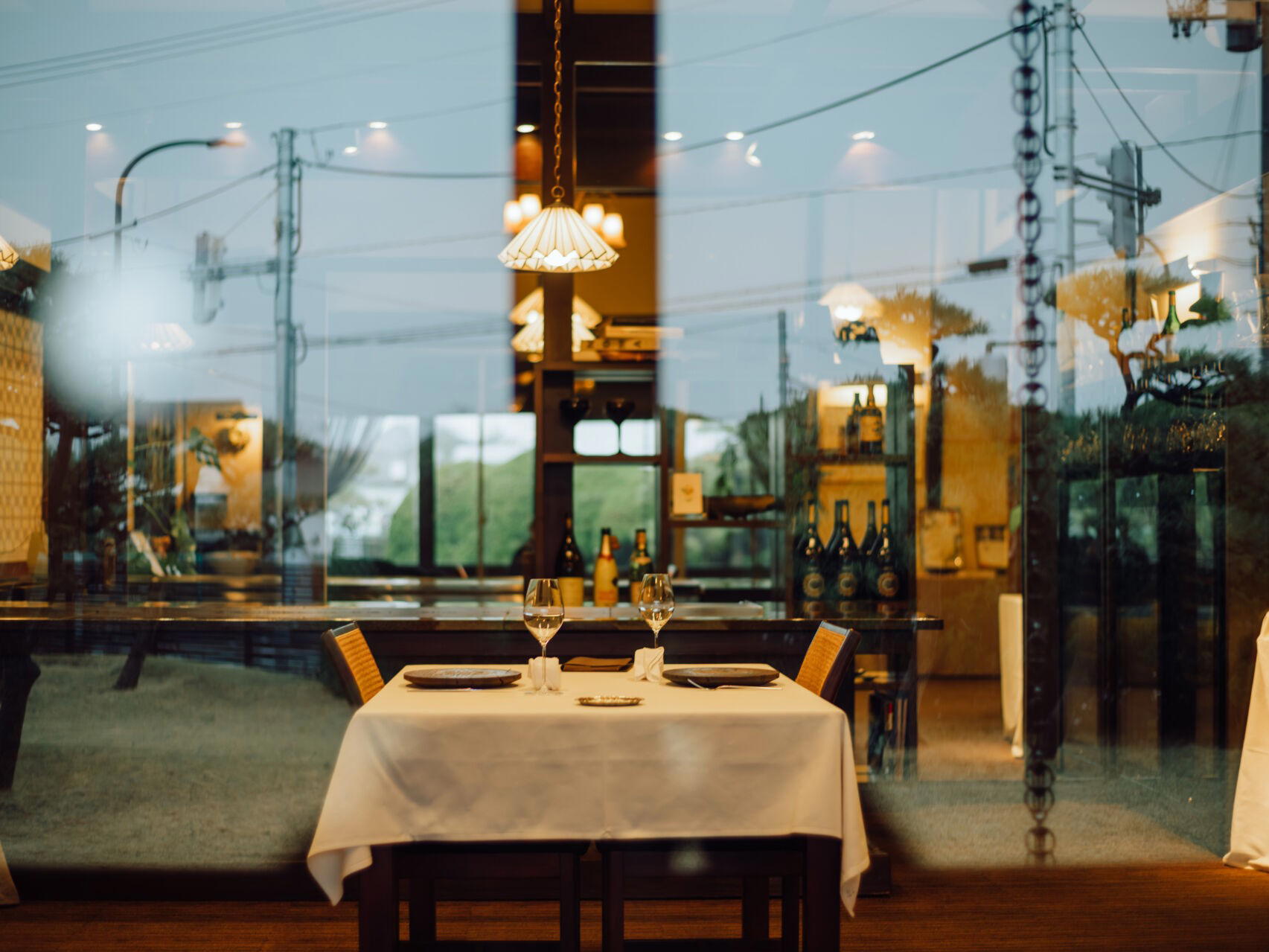
A calm, historic-feeling sushi house with a subdued, traditional atmosphere and counter-focused seating.