
Tabelog 100 #91
Our verdict
Fruit Shop Aomoriya gives Tsuruoka’s fruit culture a casual parlour format rather than a formal dessert-counter frame. The draw is the fruit parlour, cake, and juice-stand overlap, backed by selection for Tabelog 100 - Sweets - EAST - 2023 and a price bracket that keeps it accessible for a daytime stop in Yamagata.

Pearl is the En Primeur Club membership app — saves, bookings, and concierge access live there. Same editors, same standards.
- Address
- 7-24 Suehiromachi, Tsuruoka, Yamagata 997-0015, Japan
- Phone
- +81 235-22-0341
- Hours
- Daily 10:30 AM–6:30 PM
- Website
- aomoriya0235220341.co.jp
- Directions
- Get directions
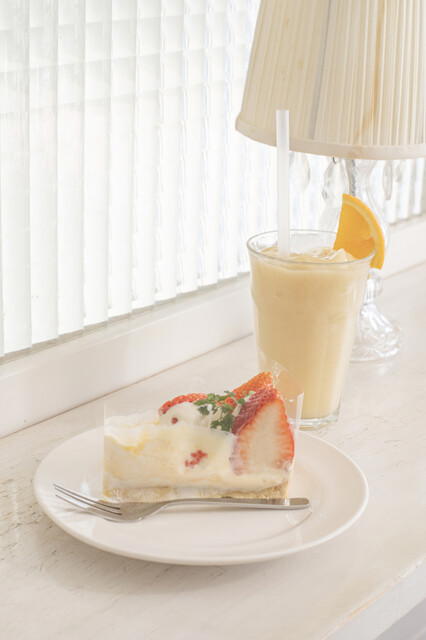
The menu
What to order
- Fruit tarts
- Cake and drink set
- Fruit juice
A fruit parlour changes the rhythm of dessert. The room can be casual, the format familiar, and the ordering low-pressure, yet the serious work sits upstream: ripeness, supply, handling, and the ability to turn fruit into cake, juice, and café service without losing sight of the ingredient. In Tsuruoka, a city better known to travelling diners for ramen, Shonai produce, and destination regional cooking, Fruit Shop Aomoriya occupies that lighter but revealing register: a sweets stop where fruit is treated as the reason to visit, not a garnish.
That matters in Yamagata. The prefecture has a strong agricultural identity, and fruit carries more cultural weight here than it does in cities where dessert culture is led by patisserie technique alone. A fruit parlour sits between greengrocer intelligence and café hospitality. The craft is not only baking or blending; it is selection. When the category works, the pleasure comes from a direct line between orchard seasonality and the counter.
Tsuruoka's dessert counterpoint to ramen and Shonai cooking
Tsuruoka’s dining map tends to pull visitors toward two poles. One is the everyday noodle culture represented by Chuka Soba Dokoro Konpiraso and other Tsuruoka ramen rooms, where value, speed, and local appetite shape the experience. The other is the produce-led regional table associated with アル・ケッチァーノ, which helped bring attention to Shonai ingredients through a restaurant lens. A fruit parlour belongs to neither camp, but it explains the same city from a softer angle.
The useful comparison is not with formal dessert tasting menus. It is with Japan’s long-running kissaten and parlour tradition, where fruit, cakes, juices, and café service can sit inside a single everyday sweets vocabulary. Fruit Shop Aomoriya’s listed categories, fruit parlour, cake, and juice stand, place it firmly in that tradition. The format also matters: this is not a destination built only around ceremony. It works for travellers who want a pause between movement, visits, or a longer meal elsewhere in the city.
Recognition gives the stop a clearer editorial signal. Selection for Tabelog 100 - Sweets - EAST - 2023 puts it inside a national conversation about sweets specialists beyond the Tokyo-centred circuit. Tabelog’s East sweets list is crowded with urban patisseries and dessert counters, so a Tsuruoka fruit parlour appearing there says something about how regional sweets culture can travel without adopting a metropolitan format.
Fruit as sourcing discipline, not decoration
Fruit-led venues are easy to misunderstand because the format looks simple. The margin for error is narrower than at many cake shops: fruit cannot be rescued by elaborate technique if the base ingredient is weak. A parlour has to read season, maturity, storage, and service timing. Juice exposes dilution and balance. Cake exposes moisture and texture. Café service exposes whether the product remains compelling in a casual, accessible setting.
That is the editorial reason to pay attention here. The venue’s sweets identity is built around categories where sourcing is visible. In a region with a strong agricultural reputation, the fruit parlour format becomes a small but telling expression of place. It is less theatrical than a full regional tasting menu, but it may be more legible to a traveller with limited time: fruit, cake, juice, and café service compress local ingredient culture into a short visit.
The price bracket reinforces that role. This is not a luxury dessert counter positioned for scarcity, nor a convenience sweet grabbed without thought. It occupies the accessible specialist tier: enough structure to reward a planned stop, enough ease to fit around other Tsuruoka eating. In practical terms, that makes it a useful counterweight to noodle shops, casual meals, and longer produce-driven restaurants on a Shonai itinerary.
How to place it on a Tsuruoka food itinerary
The strongest use case is daytime. Tsuruoka rewards a staggered eating schedule: a ramen lunch, a fruit-led pause, then a fuller evening built around regional cooking. Fruit Shop Aomoriya suits the middle slot, especially for travellers who want sweets without committing to a formal dessert course. Its café-parlour identity makes it easier to fold into a mixed day of eating than many more specialised counters.
For broader planning, the surrounding EP Club city pages are more useful than treating any single stop as the whole story. Start with Our full Tsuruoka restaurants guide for the city’s food map, then use Our full Tsuruoka hotels guide, Our full Tsuruoka bars guide, Our full Tsuruoka wineries guide, and Our full Tsuruoka experiences guide to decide how much time to give the city. Travellers comparing Japanese regional dining beyond Yamagata can also look more broadly at other regional restaurants, sweets counters, casual rooms, and specialist bars as points of contrast.
The verdict is simple: come for the ingredient signal. Tsuruoka’s serious food culture is not confined to tasting menus or ramen counters, and a recognised fruit parlour shows how regional produce can appear in a format that is casual, affordable, and easy to schedule. Fruit Shop Aomoriya is strongest when treated as part of a day’s eating rather than the climax of one.
Frequently asked questions
Would Fruit Shop Aomoriya be comfortable with kids?
Fruit Shop Aomoriya reads as an approachable fruit parlour, cake, and juice stand in Tsuruoka, so it can work as a relatively easy sweets stop for mixed groups.
Is Fruit Shop Aomoriya better for a quiet night or a lively one?
It reads more as a fruit-led café and sweets stop than a late-night room. Plan it as an easygoing visit in Tsuruoka rather than as an evening scene.
What's the pricing like at Fruit Shop Aomoriya?
Pricing at Fruit Shop Aomoriya is listed as JPY 1,000 - JPY 1,999.
Is Fruit Shop Aomoriya open every day?
Check the latest opening details directly before visiting, as specific hours are not part of the verified venue information here.
What part of town is Fruit Shop Aomoriya in?
Tsuruoka.
What is Fruit Shop Aomoriya known for?
It is listed as a fruit parlour, cake shop, and juice stand, and it was selected for Tabelog Sweets EAST 2023 in the Tabelog 100. Expect a price range of JPY 1,000 to JPY 1,999.
Comparison Snapshot
Comparable venues by cuisine and price in the same metro.
| Venue | Cuisine | Price | Awards | Notes |
|---|---|---|---|---|
| Fruit Shop AomoriyaThis venue — the venue you are viewing | Fruit Parlor / Cafe | $10–20 | Tabelog 100 #91 | Not listed |
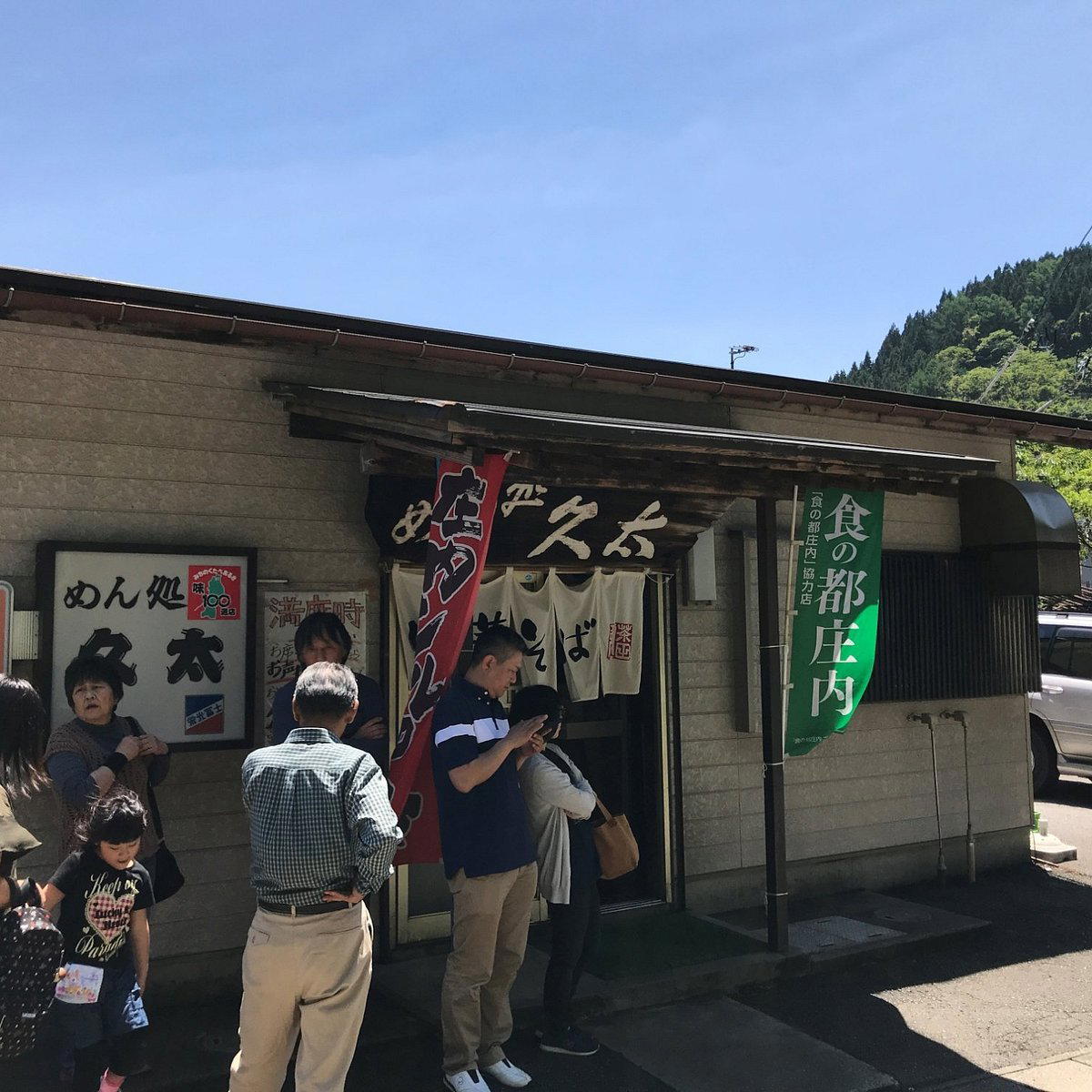
| Mendokoro Kyuta | Traditional Ramen & Tsukemen | $1–10 | Not listed | Atsumi Onsen |
| 中華そば処琴平荘 | Traditional Japanese ramen (chuka soba) | $1–10 | Tabelog 100 #12 | 三瀬 |
| アル・ケッチァーノ | Hyper-local Italian | $50–100 | Tabelog 100 #58 | Ogawara |
| Chuka Soba Dokoro Konpiraso | Traditional Japanese ramen (chuka soba) | $1–10 | Tabelog 100 #12 | Sanze |
| Iyoshi Cola | Craft Cola Specialty | $1–10 | Not listed | Jingumae, Shibuya |
Recognition history
Dated appearances from independent guides and award organizations, with the underlying list record or original source where available.
Tabelog 100 #91 · No. 91
Tabelog · Tabelog 100 - Sweets - EAST - 2023

Details
- Quiet
- Cozy
- Modern
- Solo
- Family
- Casual Hangout
- Brunch
- Standalone
- Zero Proof
- Local Sourcing
- A La Carte
- Fruit Juice
- Soft Drinks
Current opening hours
- Monday
- 10:30 AM–6:30 PM
- Tuesday
- 10:30 AM–6:30 PM
- Wednesday
- 10:30 AM–6:30 PM
- Thursday
- 10:30 AM–6:30 PM
- Friday
- 10:30 AM–6:30 PM
- Saturday
- 10:30 AM–6:30 PM
- Sunday
- 10:30 AM–6:30 PM
Hours can change for holidays and private events. Last verified .
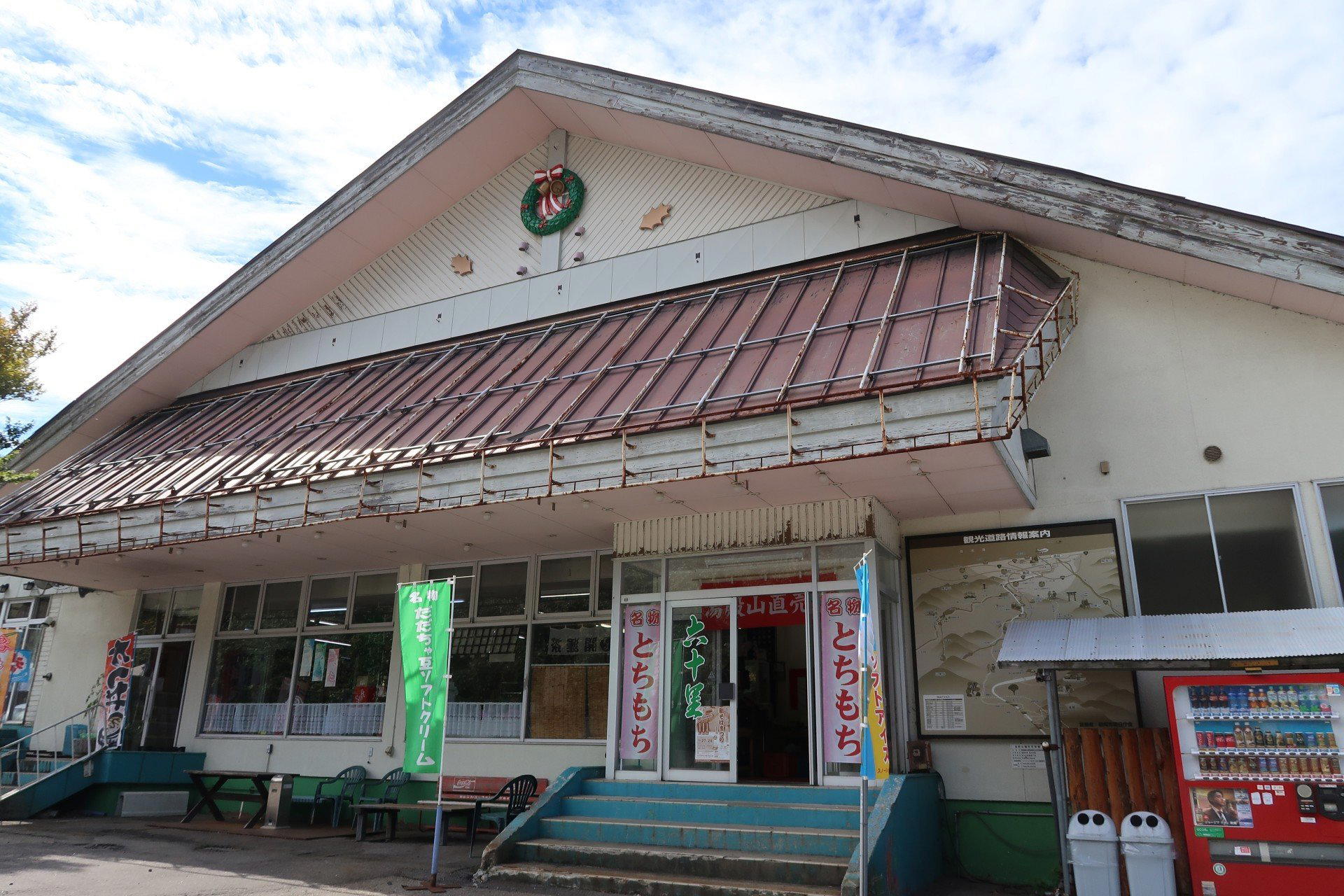
A quiet, casual fruit cafe with a relaxed afternoon-tea feel and a shop-and-cafe layout.