
A compact Susenji Chinese restaurant with Tabelog 100 Chinese WEST 2026 recognition, Chuka Sensai Renge sits in Fukuoka’s value-conscious dining lane rather than the trophy-counter lane. The appeal is the combination of regional Chinese cooking, tantan-men without broth, vegetables, fish, take-out, and a small 20-seat room that keeps the experience local in scale.
Pearl is the En Primeur Club membership app — saves, bookings, and concierge access live there. Same editors, same standards.
- Address
- 2 Chome-7-7 Susenji, Nishi Ward, Fukuoka, 819-0373, Japan
- Phone
- +81 92-807-0676
- Website
- japoncompany.business
 Saves & bookings on Pearl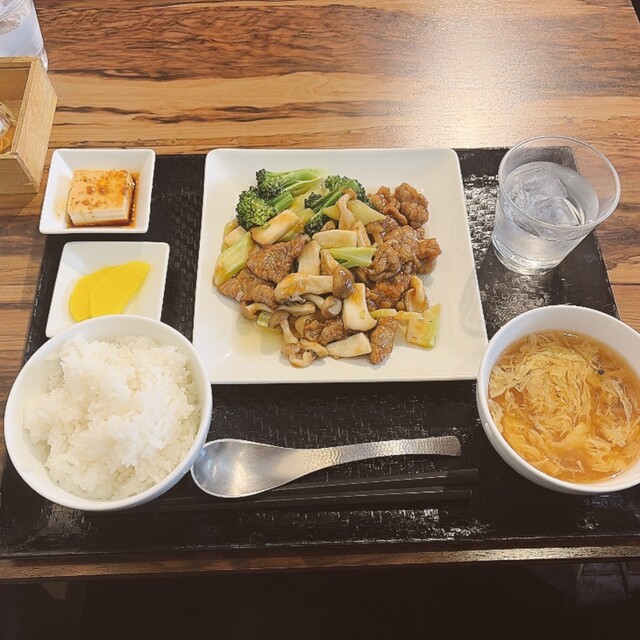
The approach to Susenji shifts the Fukuoka dining conversation away from canal-side nightlife and central shopping districts. Around the station, meals are judged less by ceremony than by how much precision a kitchen can deliver without turning dinner into an expense-account event. Chuka Sensai Renge fits a useful traveler category: a small Chinese restaurant whose value lies in cooking focus, not grand-room theater.
Fukuoka is often reduced to ramen, yatai, and seafood, but its eating culture is broader. Chinese cooking has a natural place here because Kyushu’s port history made the region receptive to mainland flavors, while local expectations keep pricing disciplined. A serious neighborhood restaurant can carry more weight than its footprint suggests. Selection for Tabelog 100 Chinese WEST 2026 gives this address a public marker in that field, and its Tabelog score of 3.63 places it in the local conversation that matters in Japan: repeated diner approval, not imported hype.
Susenji value, Chinese technique, and a room scaled for regulars
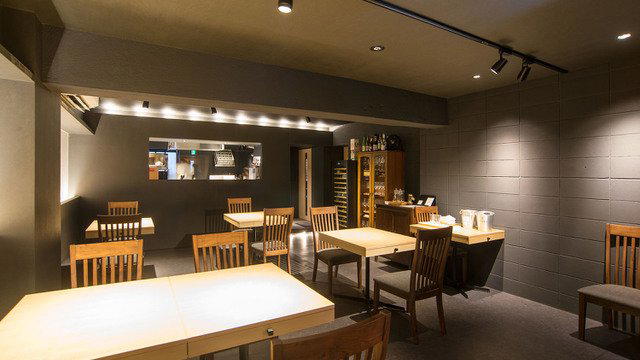
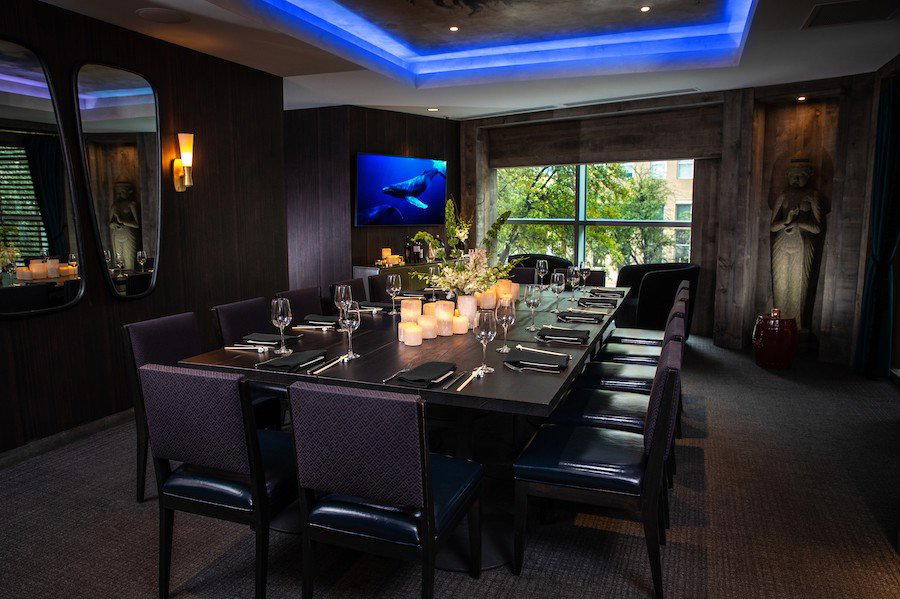
The format is compact: 20 seats in a house-restaurant setting. In Japan, a small dining room often changes the economics of attention: fewer covers, tighter pacing, and less distance between the kitchen’s rhythm and the table. This is neither the luxury tasting-menu model of bigger-city Chinese dining rooms nor the quick turnover of a counter ramen shop. It sits between those poles, which is why the proposition is interesting.
The listed categories, Chinese and tantan-men without the broth, give a clearer editorial signal than a broad cuisine label. Shirunashi tantan-men has become a Japanese urban staple because it compresses Sichuan influence into a personal format: noodles, seasoning, texture, and heat balance rather than soup volume. Paired with notes around vegetables, fish, and vegetarian options, the promise is not merely spice. It suggests a kitchen working across lighter and sharper edges of Chinese cooking as well as the noodle dish anchoring its public identity.
In Fukuoka value terms, this is far from the high-ticket end represented by Teppanyaki Hiyori, where dinner pricing enters another bracket. It also asks a different question from Fukuchan Ramen Taguma honten, whose appeal is the reliable ramen lane at everyday spend. Pizzeria da Ciruzzo occupies another imported-craft category. Chuka Sensai Renge is better understood as a neighborhood Chinese address with award-list validation, rewarding diners who want an itinerary to include something more specific than another bowl of tonkotsu.
That distinction helps when building a Fukuoka eating route. Central Tenjin has broad international range, including South Asian cooking at 106 South Indian Fukuoka tenjin ten and spice-led cooking at Afterglow. Traditional local meals can pull toward Aji Dokoro Taro Gen Sougyou ten, fried fish specialists such as Aji Furai Shokudo Kaba, or katsudon culture at Aji no Katsueda. Susenji adds another axis: a suburban station-area Chinese meal with enough recognition to justify the detour for diners looking beyond the central grid.
What the award signal actually means here
Tabelog’s Hyakumeiten lists are useful because they often capture restaurants below the international-award radar yet important inside Japanese dining habits. The Chinese WEST 2026 selection places this restaurant within a regional category, not a single-city popularity contest. Prior selection in 2023 adds a repeat signal rather than a single-year spike. For travelers, that matters more than a vague claim of popularity: it suggests consistency in a competitive western Japan Chinese field.
The public details point to practicality rather than ceremony. Reservations are available, take-out is offered, children are welcome, private rooms are not part of the format, and parking is unavailable. Payment is cash-oriented: credit cards, electronic money, and QR code payments are not accepted. Those facts shape the experience before the food arrives. Plan lightly but precisely: treat it as a small-room meal, bring cash, and do not assume a suburban location means drive-up convenience.
Alcohol options across shochu, wine, and cocktails widen the meal without making drinks the headline. That suits the tier. The better read is a kitchen-first local restaurant with flexibility for different diners: noodle-focused, vegetable-aware, fish-capable, and viable for families. In a city where visitors can spend every meal chasing ramen fame, it reminds diners that Fukuoka’s more interesting days often come from category switching.
How to place it in a Fukuoka itinerary
The decision is less whether this is a destination restaurant internationally and more whether a Fukuoka trip has room for a precise neighborhood meal. Diners staying centrally may pair it with a west-side afternoon rather than treating it as a casual walk-in between Hakata and Nakasu. Susenji Station is the practical anchor, and the small seating count makes timing more relevant than at a large casual chain.
For a fuller city plan, use Our full Fukuoka restaurants guide to balance Chinese, ramen, seafood, curry, and local set-meal options. Hotels affect how convenient the west side feels, so Our full Fukuoka hotels guide helps when choosing between Hakata, Tenjin, and coastal or suburban bases. After dinner, drinking plans belong in Our full Fukuoka bars guide, while regional producers and food-adjacent day trips sit in Our full Fukuoka wineries guide and Our full Fukuoka experiences guide.
Readers comparing Japanese city dining more broadly can see how value categories differ nationwide: beef-focused dining at -Grilled beef Sukiyaki- KAMAKURA TANUKIAN 鎌倉 たぬき庵 in Kamakura, seafood-and-charcoal casual dining at. 鮪と炭火焼き うお炭 秋葉原店 in Tokyo, cafe culture at.cafe in Osaka, Kumamoto’s contemporary lane at.know in Kumamoto, Vietnamese cooking at (Shoku) Vietnam in Kawasaki, and specialist curry at [Curry Senmon Ten] Maruyama Kyoju. in Sapporo. Abroad, Japanese-format dining takes other forms, from Jōdo Saké Bar in Los Angeles to Onigiri Time in Pasadena. Against that wider map, Chuka Sensai Renge reads as a Fukuoka-specific value play: small room, defined Chinese category, repeat Tabelog recognition, and enough local specificity to justify leaving the obvious dining path.
Recognition, Side-by-Side
Nearby venues at a similar price tier for orientation.
| Venue | Cuisine | Price | Notes |
|---|---|---|---|
| Chuka Sensai RengeThis venue — the venue you are viewing | Chinese noodles and Tantan-men | $ | Not listed |
| Coffee Bimi | Traditional Japanese kissaten & specialty coffee | $ | Chūō |
| French Kashi 16 Ku | Traditional French patisserie and cakes | $ | Chūō |
| Tempura Dokoro Hirao Honten | Casual Tempura Specialist | $ | Hakata |
| Chocolate Shop Hakata no Ishidatami | Japanese Western-style chocolate & cake shop | $ | Hakata |
| Cafe Ospitale | Italian cafe specializing in Neapolitan sfogliatella | $ | Hakata |
Recognition history
Dated appearances from independent guides and award organizations, with the underlying list record or original source where available.
Tabelog 100 #49 · No. 49
Tabelog · Tabelog 100 - Chinese cuisine - WEST - 2026

At a Glance
- Casual Hangout
- Solo
- After Work
- Standalone
Current opening hours
- Monday
- 11:30 AM–2:30 PM, 5:30–9:30 PM
- Tuesday
- Closed
- Wednesday
- 11:30 AM–2:30 PM, 5:30–9:30 PM
- Thursday
- 11:30 AM–2:30 PM, 5:30–9:30 PM
- Friday
- 11:30 AM–2:30 PM, 5:30–9:30 PM
- Saturday
- 11:30 AM–2:30 PM, 5:30–9:30 PM
- Sunday
- 11:30 AM–2:30 PM, 5:30–9:30 PM
Hours can change for holidays and private events. Last verified .