Château de Wallerand
Château de Wallerand sits in the Ardennes village of Vireux-Wallerand, where the Meuse valley's agricultural depth shapes what ends up on the table. The setting carries the weight of a working French château tradition rather than polished resort hospitality, placing it firmly in a category where provenance and place matter more than spectacle.
Pearl is the En Primeur Club membership app — saves, bookings, and concierge access live there. Same editors, same standards.
- Address
- 14 Rue du Général Bertrand, 08320 Vireux-Wallerand, France
- Phone
- +33324598110
- Website
- chateaudewallerand.com
- Directions
- Get directions
 Saves & bookings on Pearl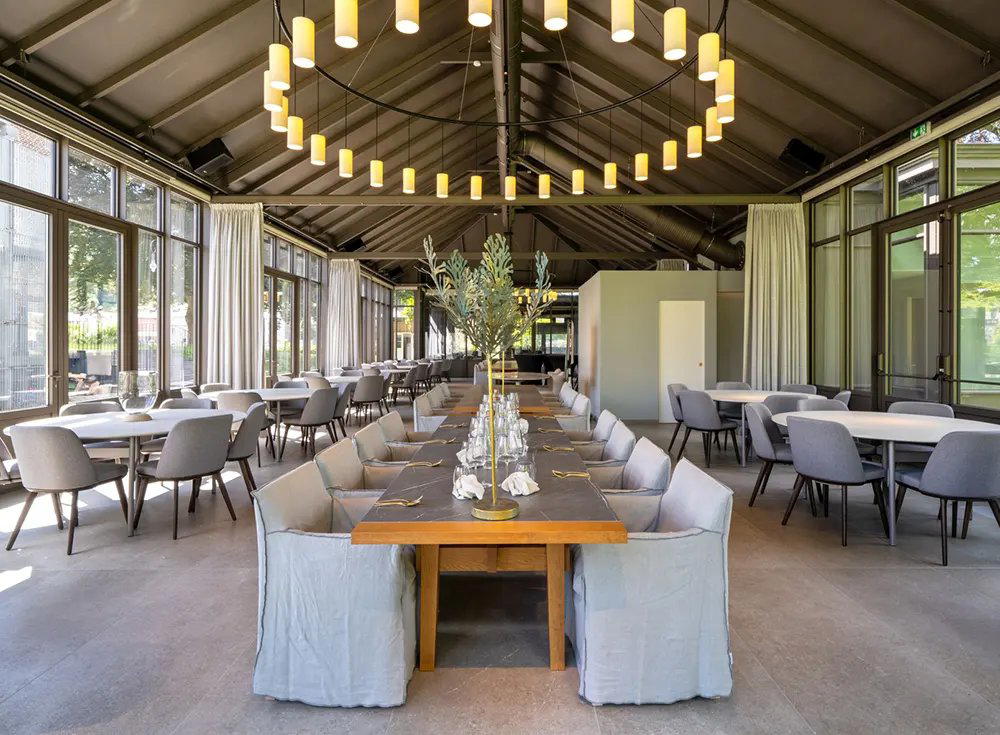
Where the Ardennes Puts Itself on the Plate
The Ardennes is not a region that announces itself with refinement. The landscape here, dense forest, river valley, small-farm agriculture, operates on a different register from the Burgundian village dining rooms or the Provençal terraces of places like L'Oustau de Baumanière in Les Baux or La Table du Castellet. What the northern Ardennes offers instead is directness: game from its own forests, river fish from the Meuse, and the kind of agricultural produce that rarely travels far before it reaches a kitchen. Vireux-Wallerand sits along the Meuse at the point where France meets Belgium, a town that functions as a quiet administrative and agricultural commune rather than a gastronomic destination in the conventional sense. Château de Wallerand is a French gastronomic restaurant at 14 Rue du Général Bertrand, 08320 Vireux-Wallerand, France.
Approaching the Property
The physical approach to a French château in a small Ardennes commune carries a particular character. These are not the grand Loire Valley façades built for aristocratic display; they are more functional, stone-heavy structures rooted in the agricultural and administrative history of a border region. Arriving in Vireux-Wallerand along the Meuse corridor, the château sits within a setting defined by river geography and the compressed scale of a town that has never tried to be more than what it is. The stone work, the proportions, the relationship between building and surrounding land, all of it reads as genuinely placed rather than curated for effect. This matters for how a guest orients themselves before a meal: the context is rural French tradition, not resort hospitality.
The Ardennes Sourcing Argument
French cuisine's most durable regional argument has always been that geography determines flavor, and in the Ardennes that argument has particular force. The department's game traditions are among the more intact in northern France. Wild boar, venison, and hare from managed forests, freshwater species from the Meuse and its tributaries, and dairy and produce from small farms that supply local rather than national markets, these are the raw materials that have defined Ardennes table culture for generations. When properties in this region work closely with those supply chains, the result is a mode of cooking that three-star kitchens in Paris work hard to replicate through sourcing agreements and import arrangements. In Vireux-Wallerand, the supply chain is simply shorter. Compare this approach to the elaborate sourcing infrastructure that defines something like Bras in Laguiole, where the kitchen's relationship to the Aubrac plateau is foundational to its identity, or the sourcing discipline at Auberge du Vieux Puits in Fontjoncouse, where the village supply network shapes every seasonal menu. In each case, geography is not backdrop, it is argument.
The broader pattern across French regional dining is that kitchens in smaller communes often operate with ingredient advantages that urban restaurants price heavily to replicate. Seasonal game, locally pressed oils or fats, river fish taken within kilometers of service, these are not premium add-ons in an Ardennes context; they are baseline. The question a property like Château de Wallerand poses is whether the kitchen exploits that baseline with the same seriousness of intent that defines the generation of French regional houses, from Auberge de l'Ill in Illhaeusern to Maison Lameloise in Chagny, that built their reputations on exactly this logic.
Vireux-Wallerand in the Northern French Dining Context
The northern Ardennes sits outside the circuits that French gastronomy criticism tends to reward. The Michelin Guide's three-star geography in France clusters heavily in Paris, Lyon, and the prestige regions, Alsace, Burgundy, the Côte d'Azur. Properties like Flocons de Sel in Megève or Le 1947 à Cheval Blanc in Courchevel benefit from an established luxury travel infrastructure that routes high-end visitors through their regions as a matter of course. Vireux-Wallerand does not have that infrastructure. It sits on the Belgian border in a department that the French tourism industry tends to frame as a transit zone or a cycling destination rather than a gastronomic one. For a property operating here, that absence of external validation pressure can produce either complacency or a sharper focus on local identity. The region's leading tables tend toward the latter.
Comparison is instructive. Kitchens that operate in high-profile settings, Alléno Paris au Pavillon Ledoyen, Mirazur in Menton, carry the weight of international visibility and price accordingly. Their ingredient sourcing is rigorous but often global in reach: Japanese technique applied to Mediterranean produce, or Nordic preservation logic applied to French coastal ingredients. The Ardennes table, at its most coherent, makes a simpler and in some ways more demanding argument: that what grows or moves through this specific valley is sufficient, and that cooking it well is enough.
Planning a Visit
Vireux-Wallerand is accessible by road from Charleville-Mézières, the Ardennes departmental capital, approximately 50 kilometers to the southeast, or by train to nearby Givet and then a short transfer by road. Reservations are recommended. Those planning around the Ardennes hunting season, which runs from autumn into early winter, will find regional game menus at their most representative during that window.
How Château de Wallerand Fits the Wider French Regional Picture
The tradition of French château hospitality in rural communes predates the modern hotel and restaurant categories that now classify it. These properties operated as nodes of local agricultural and social life before they became destinations in the travel-editorial sense. Strong examples among them, whether in the Dordogne, the Auvergne, or the northern Ardennes, maintain a version of that original function: they are places where the region expresses itself through hospitality rather than places that import a hospitality concept into a regional setting. That distinction is the one that separates houses like Georges Blanc in Vonnas or Les Prés d'Eugénie in Eugénie-les-Bains from properties that have drifted toward generic luxury. Château de Wallerand, by geography and context, sits in the former category by default. Whether it earns that position through the quality of its kitchen and table is the question that any visit is ultimately about. For reference points on what French regional hospitality at its most committed looks like, Troisgros in Ouches and Paul Bocuse's Auberge du Pont de Collonges remain the benchmarks against which the ambition of any French regional table is implicitly measured. Further afield, the community-dining format of Lazy Bear in San Francisco and the French technique of Le Bernardin in New York City demonstrate how far the logic of sourced, place-rooted cooking has traveled from its French regional origins.
Comparison Snapshot
Comparable venues nearby, for context on price, style, and recognition.
| Venue | Cuisine | Price | Notes |
|---|---|---|---|
| Château de WallerandThis venue — the venue you are viewing | French Gastronomic | $$$$ | Not listed |
| Alain Ducasse Baccarat | Avant-garde French fine dining in a crystal-clad Maison Baccarat setting | $$$$ | 16th arrondissement |
| Atelier de Candale | Seasonal French wine‑country restaurant in the vineyards | $$$ | Saint-Laurent-des-Combes / Saint-Émilion vineyards |
| Rillons | Modern French Bistronomique | $$$$ | Templeuve-en-Pévèle |
| Comptoir De Vie | Modern French Tasting Counter-Bar | $$$ | 2nd Arrondissement |
| La Vigneraie | Modern French Bistro | $$$ | central Reims |
Continue exploring
More in Vireux Wallerand
Restaurants in Vireux Wallerand
Browse all →
Bars in Vireux Wallerand
Browse all →
Hotels in Vireux Wallerand
Browse all →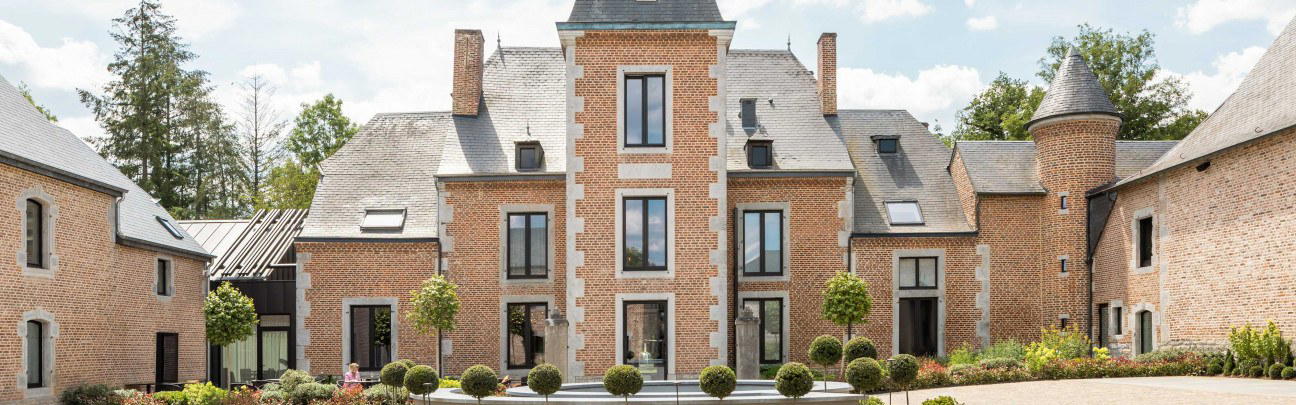
At a Glance
- Romantic
- Elegant
- Sophisticated
- Scenic
- Date Night
- Special Occasion
- Historic Building
- Terrace
- Waterfront
- Local Sourcing
- Organic
- Waterfront
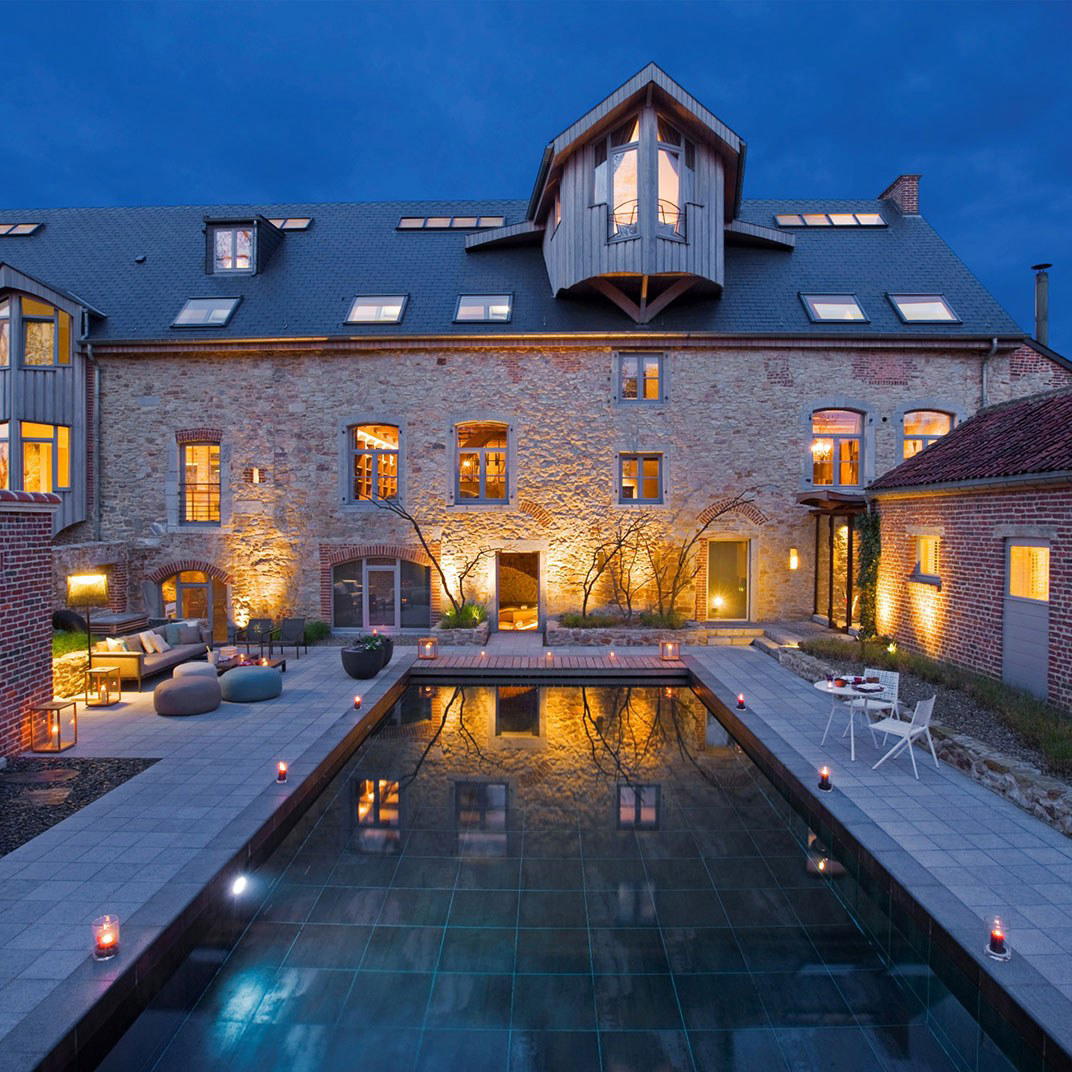
Refined and romantic atmosphere in a beautifully renovated classic château with contemporary luxury and riverside terrace.