On the Danforth, Toronto's Greek corridor, Christinas has held its place as a neighbourhood reference point for cooking that draws on the street's Mediterranean roots without stopping there. The kitchen applies technique to local ingredients in a way that reads as specific to this stretch of east Toronto rather than generic to any one tradition. Booking ahead is advisable, particularly for weekend tables.
Pearl is the En Primeur Club membership app — saves, bookings, and concierge access live there. Same editors, same standards.
- Address
- 492 Danforth Ave, Toronto, ON M4K 1P6, Canada
- Phone
- +14164634418
- Website
- christinas.ca
- Directions
- Get directions
 Saves & bookings on Pearl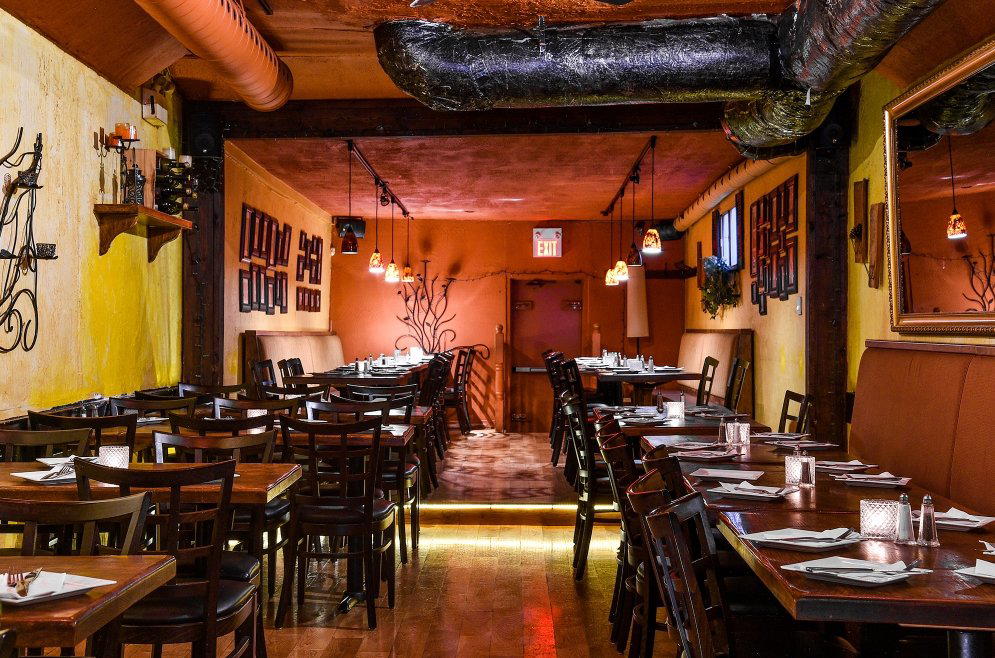
The Danforth and What It Asks of a Kitchen
The stretch of Danforth Avenue between Broadview and Pape has carried Toronto's Greek dining identity for decades. Souvlaki joints, mezze counters, and family-run tavernas have defined the corridor long enough that the neighbourhood's culinary character is now part of the city's geography rather than just its restaurant listings. Against that backdrop, any kitchen operating with a broader frame of reference has to answer a quiet but persistent question: what does it actually owe the street it sits on? At 492 Danforth Ave, Christinas on the Danforth occupies that tension directly. The address puts it inside one of Toronto's most legible dining traditions. The cooking doesn't simply reproduce it.
That positioning matters because the Danforth's restaurant scene has been sorting itself for years. The Greek-Canadian dining tradition here runs deep enough to have produced both its own canon and its own clichés. Kitchens that have earned sustained local attention in this corridor tend to do so not by escaping that tradition but by using it as a foundation for something that incorporates technique or ingredient sourcing from outside the immediate reference set. That intersection of local materials and imported method is increasingly where the more interesting neighbourhood restaurants across Canadian cities are finding their register, and it's the frame through which Christinas reads most clearly.
Technique as Neighbourhood Context
The broader shift in Canadian cooking over the past decade has been toward what might be called applied localism: kitchens that source provincially or regionally but apply methods drawn from French, Japanese, or contemporary international training. You see this pattern at different price points and in different cities. Tanière³ in Quebec City has made it the explicit premise of its tasting menu, working northern Quebec ingredients through techniques that reference European fine dining. Restaurant Pearl Morissette in Lincoln does something similar in Ontario's wine country. AnnaLena in Vancouver applies the same logic on the West Coast. The pattern is consistent enough to be a defining feature of the current generation of serious Canadian cooking rather than an individual kitchen's quirk.
On the Danforth, that pattern takes a specific form. The Mediterranean tradition already in the street's DNA gives a kitchen like Christinas a different starting vocabulary than a restaurant opening cold into a generic Toronto neighbourhood. Olive oil, legumes, fresh herbs, grilled proteins: these are not imports but the baseline. What technique adds, when applied with discipline, is precision of execution and a willingness to read those ingredients through more than one culinary lens. The result, when it works, is cooking that feels grounded in a place rather than airlifted into it.
For readers comparing options at Toronto's higher-end addresses, this distinction in register matters. Alo, Sushi Masaki Saito, and Aburi Hana each operate at the city's fine-dining ceiling, with price points and formality to match. Christinas sits in a different register: a neighbourhood room with specific local roots, where the editorial interest lies in how a kitchen handles a particular culinary inheritance rather than in the mechanics of an omakase or tasting menu format. The Italian addresses further along Toronto's dining map, DaNico and Don Alfonso 1890, offer a useful parallel: rooms where a defined culinary tradition frames how the kitchen's choices are read. The Danforth provides Christinas with the same kind of inherited frame.
What the Room Signals
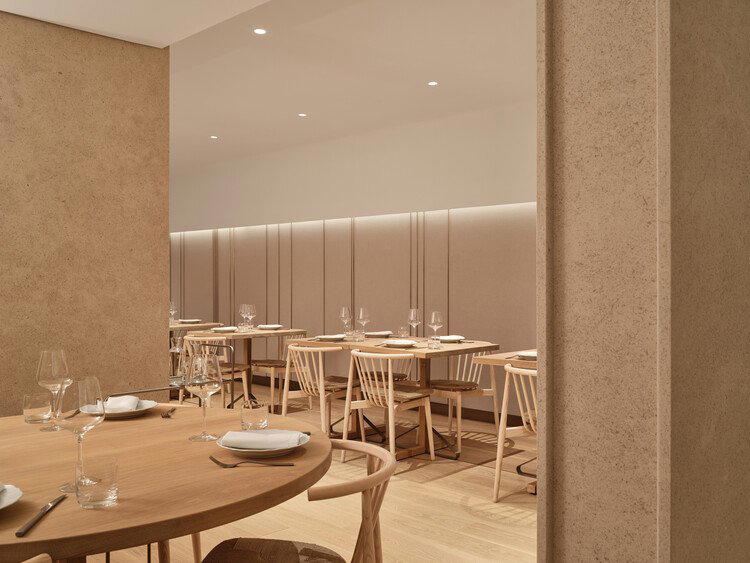
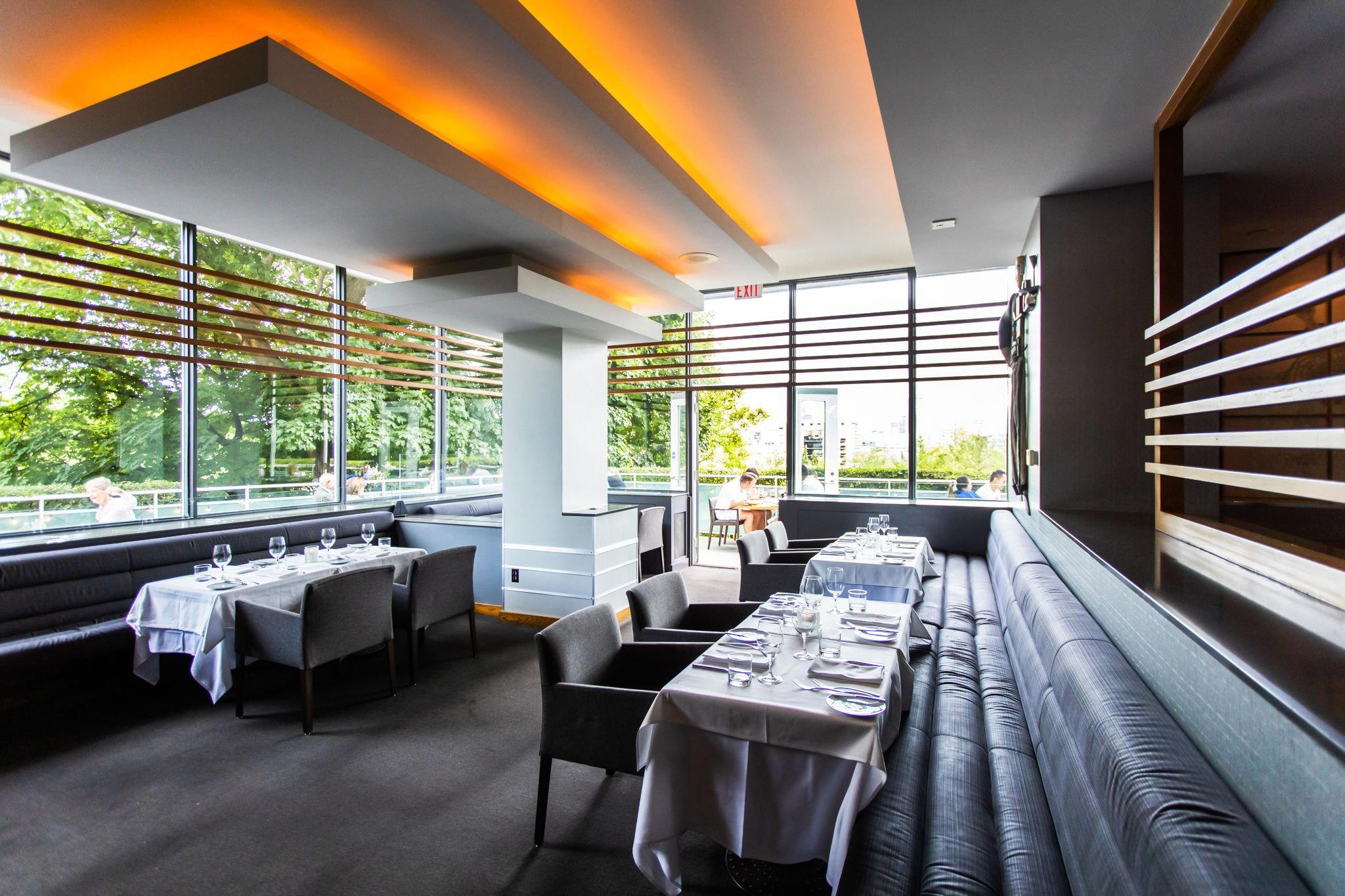
Danforth Ave at this stretch runs wide enough that the restaurants lining it face onto a corridor that feels more like a main street than a strip. The room at 492 is positioned as a neighbourhood restaurant in the proper sense: a place that serves the people who live within walking distance as readily as it draws from elsewhere in the city. That orientation tends to produce a different hospitality register than destination dining. Tables turn with less ceremony. The interaction between front and back of house reads as practical rather than performative. For a certain kind of reader, that is exactly the point.
Canadian neighbourhood rooms that have built durable reputations, from Cafe Brio in Victoria to Eigensinn Farm in Singhampton, tend to share a quality of operating outside the formal metrics of awards recognition while maintaining a consistent clientele that requires no marketing to sustain. Whether Christinas has reached that tier of neighbourhood permanence is a question the local track record answers better than any external credential. What the address and the corridor's character suggest is that the conditions for that kind of durability are present.
For broader Canadian dining context, our full Toronto restaurants guide maps the city's dining tiers in detail. Further afield, Fogo Island Inn Dining Room in Joe Batt's Arm and Narval in Rimouski represent the furthest extension of the local-ingredient, imported-technique framework into remote Canadian contexts. Jérôme Ferrer - Europea in Montreal and Busters Barbeque in Kenora show how differently that framework can resolve depending on setting and ambition. Internationally, Le Bernardin in New York City and Lazy Bear in San Francisco represent two distinct ways the global technique conversation has been absorbed into North American dining. The Pine in Creemore offers another Ontario reference point for how local ingredients get handled outside the city.
Price and Recognition
Comparable venues nearby, for context on price, style, and recognition.
| Venue | Cuisine | Price | Notes |
|---|---|---|---|
| Christinas on the DanforthThis venue — the venue you are viewing | Not listed | $$ | Not listed |
| Goose Island Brewhouse Toronto | Saint Lawrence, American Gastropub | $$ | Not listed |
| Milagro | Not listed | $$ | Entertainment District, Traditional Mexican Cantina |
| El Rancho | Not listed | $$ | Harbord Village, Latin American Steakhouse |
| Levant | Not listed | $$ | Dovercourt-Wallace Emerson-Junction, Levantine Sicilian Pizza Fusion |
| Pantheon Restaurant | Greektown, Authentic Greek | $$ | Not listed |
Continue exploring
More in Toronto
Restaurants in Toronto
Browse all →
Bars in Toronto
Browse all →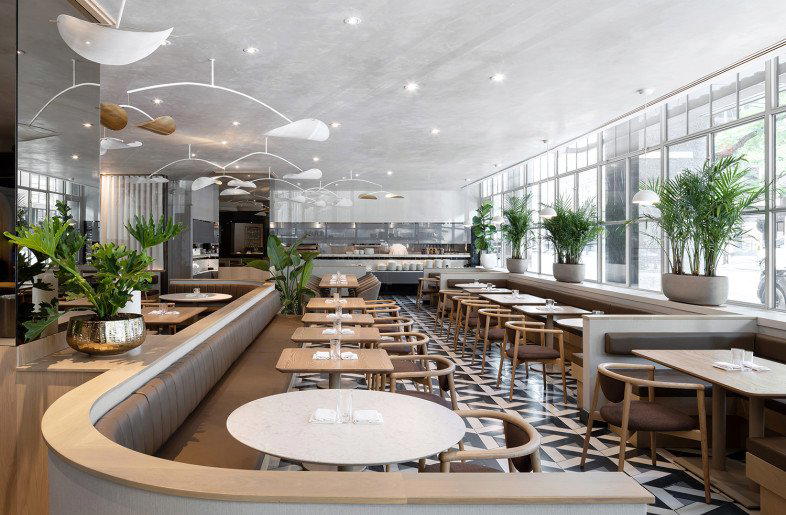

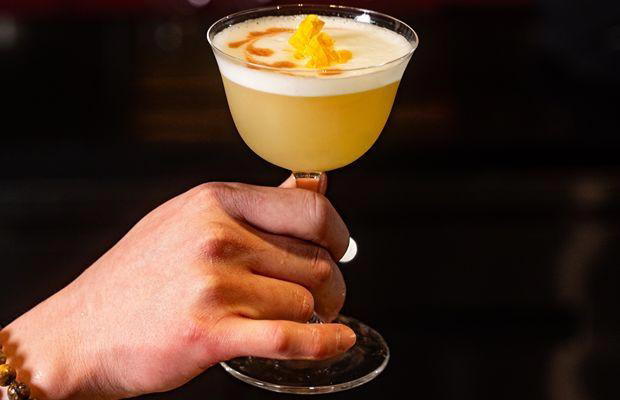
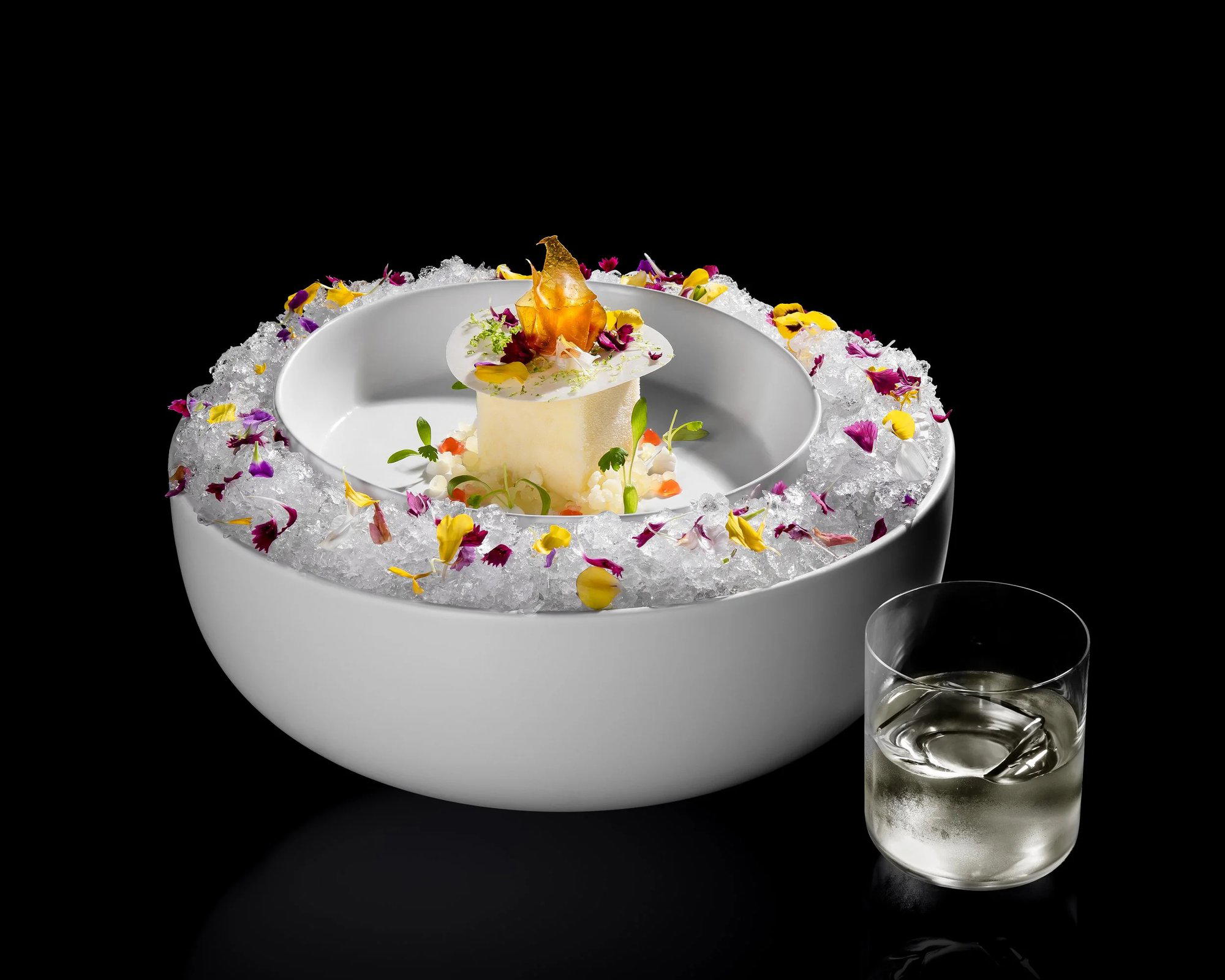
Hotels in Toronto
Browse all →
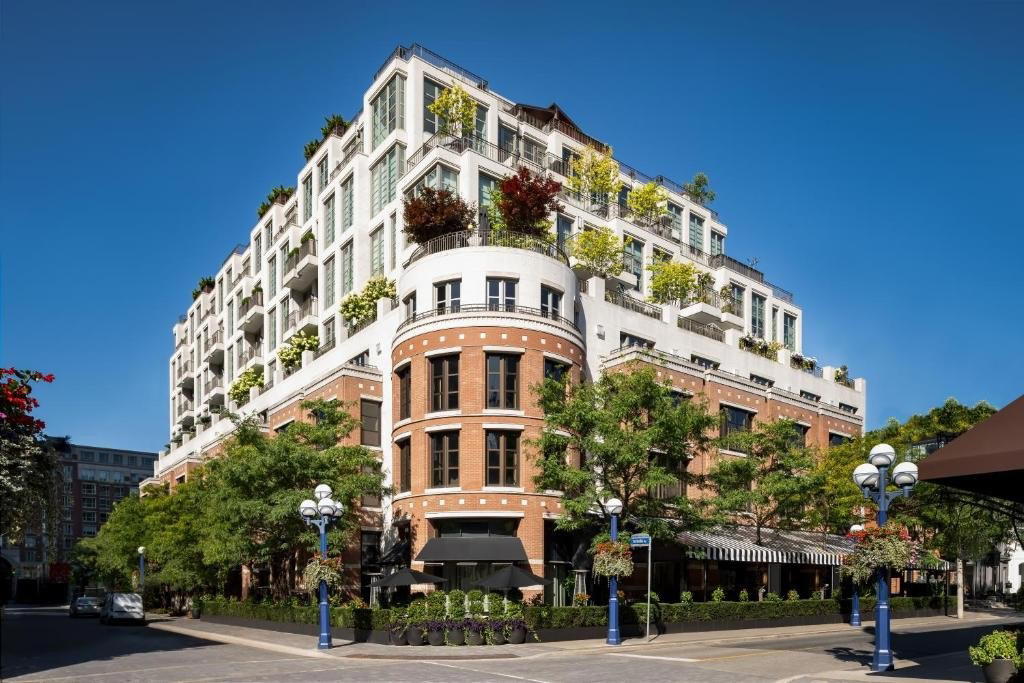
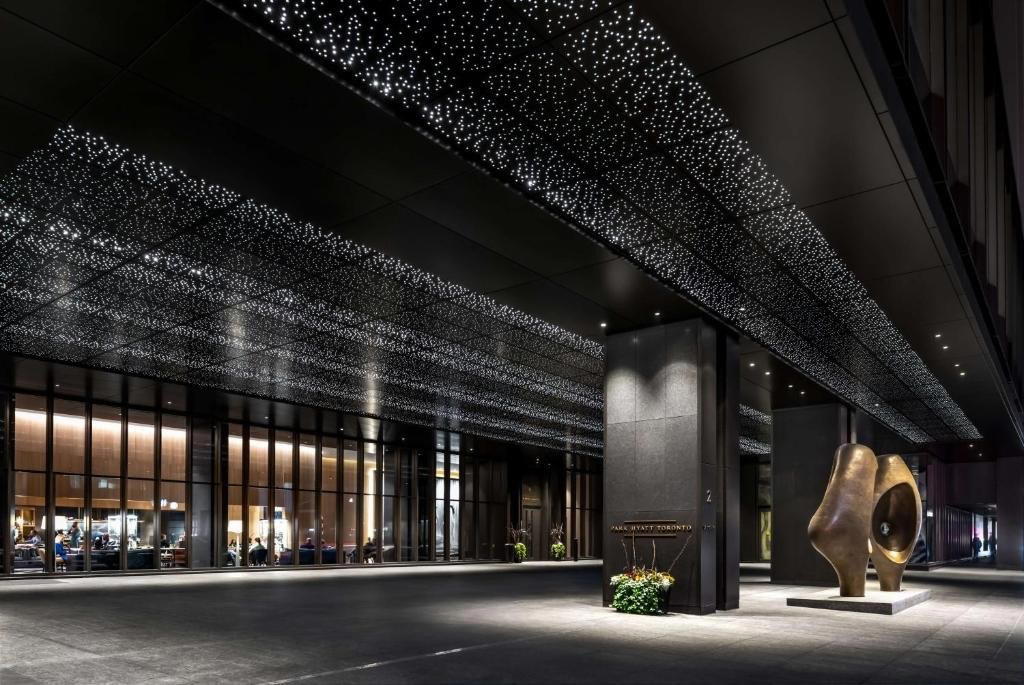



At a Glance
- Cozy
- Lively
- Classic
- Family
- Group Dining
- Celebration
- Live Music
- Terrace
- Extensive Wine List
Cozy atmosphere with live music, moderate noise, and tasteful decor.