A chocolate specialist on Gasthuisstraat in the small Antwerp-province town of Brecht, Chocolatjeeke sits within a Belgian confectionery tradition that prizes cacao sourcing and craft over volume. The shop operates in a market where ingredient provenance has become the central argument for premium pricing, placing it alongside artisan producers who treat origin and process as the primary editorial statement.
Pearl is the En Primeur Club membership app — saves, bookings, and concierge access live there. Same editors, same standards.
- Address
- Gasthuisstraat 16, 2960 Brecht, Belgium
- Phone
- +3232846388
- Website
- chocolatjeeke.be
- Directions
- Get directions
 Saves & bookings on Pearl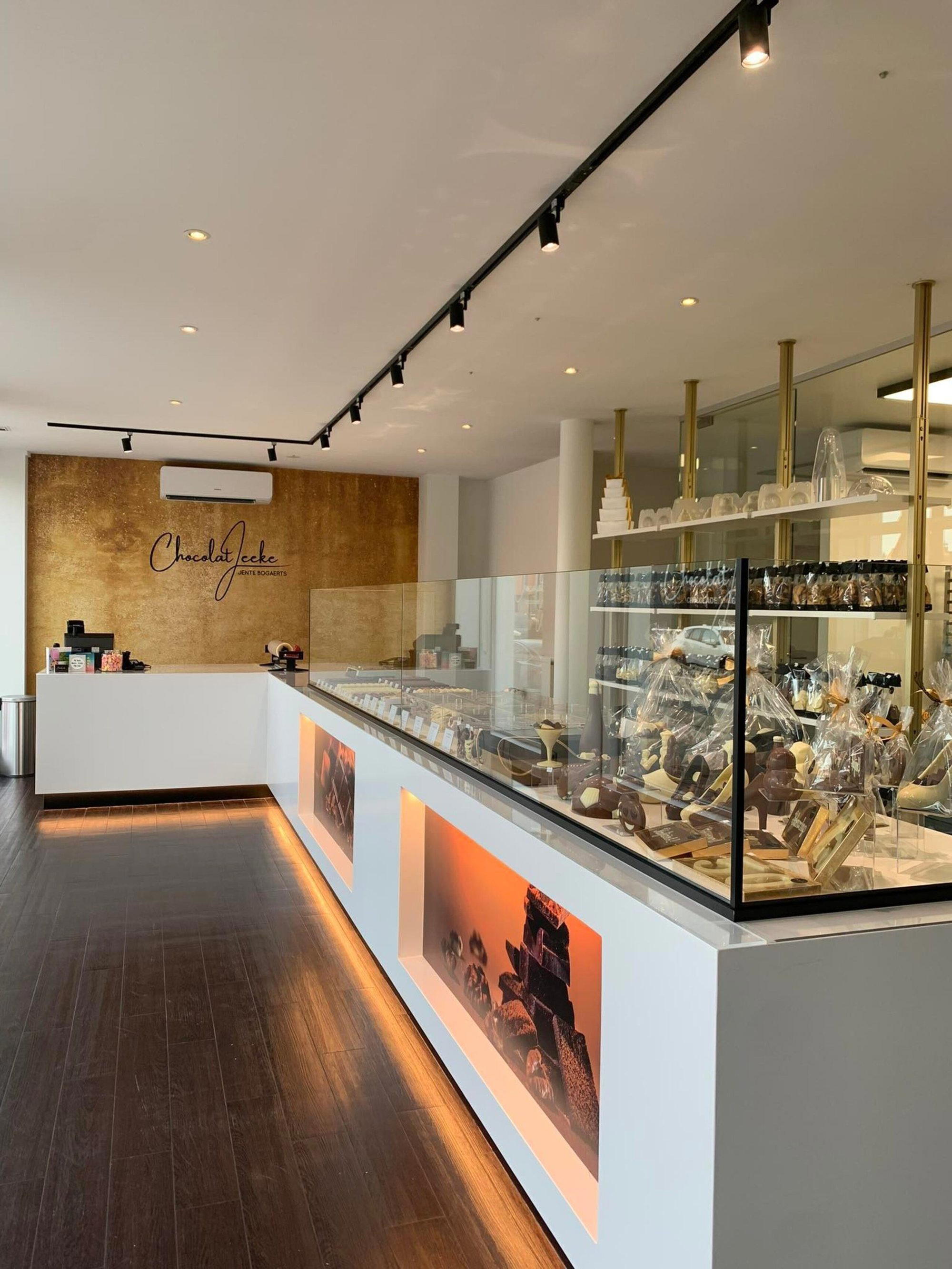
A Town, a Street, and the Argument for Provenance
Small-town Belgium has long sustained a particular kind of specialist food shop that larger cities tend to absorb into broader retail formats. In Brecht, a quiet municipality in the Antwerp province roughly 25 kilometres north of the city, Gasthuisstraat functions as the kind of main-street address where these specialists still hold ground. Chocolatjeeke occupies that context at Gasthuisstraat 16, operating as a chocolate-focused address in a country whose confectionery tradition is, by any international measure, among the most technically developed in the world.
Belgium's relationship with chocolate is not simply a matter of national pride. It rests on a specific production infrastructure: the country developed industrial conching and praline techniques in the late nineteenth and early twentieth centuries that set the template for what the world now recognises as Belgian chocolate. The question worth asking of any Belgian chocolate specialist today is whether it is drawing on that heritage in a meaningful way, or simply trading on the national reputation. At addresses like Chocolatjeeke, the answer tends to be found in the sourcing choices and the care given to the primary ingredient rather than in any single award or headline credential.
Where the Cacao Comes From, and Why It Matters
The ingredient-sourcing argument has restructured the premium end of Belgian chocolate retail over the past two decades. As single-origin cacao became the benchmark for serious producers, the conversation shifted from technique alone to the supply chain behind the technique. Producers working with beans from specific farms in Ecuador, Madagascar, São Tomé, or Peru now frame those origins as the primary quality signal, in the same way that wine producers cite appellation and vineyard before winemaker biography.
For a small specialist like Chocolatjeeke, operating in a market town rather than a major urban centre, the sourcing question is particularly pointed. The shop sits outside the main tourist circuit that drives footfall to pralineries in Bruges, Brussels, or Antwerp's historic centre. Its customer base is largely local and regional, which means the product has to justify itself on repeat purchase rather than on the one-time visitor experience. That commercial reality tends to produce either genuine quality commitment or comfortable mediocrity. Specialists that survive on local repeat trade in Belgium's smaller towns generally earn that loyalty through consistency and through knowing their raw material.
Belgian chocolate culture also makes a clear distinction between couverture-based work, where the maker sources high-quality couverture from specialist suppliers and applies craft at the finishing stage, and bean-to-bar production, where the transformation begins with the raw cacao. Both are legitimate positions, but they represent different cost structures, different skill sets, and different sourcing stories. The premium end of the Belgian market now includes addresses across both categories, from Boury in Roeselare demonstrating what ingredient rigour looks like at the fine-dining tier to smaller artisan producers who have built reputations on single-estate sourcing. For context on how Belgian kitchens and food producers at the higher end approach ingredient provenance, the broader scene around Zilte in Antwerp, Vrijmoed in Gent, and Hof van Cleve in Kruishoutem illustrates how seriously the country's food culture takes primary-ingredient quality across categories.
The Brecht Setting and What It Signals
Brecht is not a destination dining town in the way that Ghent, Antwerp, or even smaller Flemish addresses with Michelin-starred restaurants have become. It functions as a residential municipality, part of the suburban and semi-rural spread north of Antwerp, and its food retail reflects a community-serving rather than destination-seeking character. That context matters for understanding what Chocolatjeeke is and what it is not. It is not positioned against the praline houses of the Galeries Royales Saint-Hubert in Brussels or the luxury confectionery addresses that cluster around Antwerp's fashion quarter. It is positioned against the local bakeries, confectionery shops, and specialist food retailers that serve the Antwerp-province hinterland.
Within that competitive set, a chocolate specialist that maintains clear sourcing standards and production discipline occupies a genuinely distinct position. The Antwerp province has produced serious food addresses in unlikely locations before; Ralf Berendsen in Neerharen and Cuchara in Lommel demonstrate that Belgian food culture does not require a major urban postcode to sustain quality. For a fuller picture of where Brecht sits within the regional food scene, our full Brecht restaurants guide maps the broader options.
Gasthuisstraat itself is a walkable main-street environment, accessible from the centre of Brecht without requiring specific transport planning. For visitors arriving from Antwerp, the town is reachable by regional train or road in under half an hour, making it a plausible addition to a broader Antwerp-province itinerary rather than a standalone destination trip. The shop format, as is typical for Belgian artisan chocolate specialists of this scale, is likely oriented toward counter sales rather than a sit-down experience, though specific hours and format details are not confirmed in available records and should be verified directly before visiting.
Belgian Chocolate in a Wider Frame
Belgium's confectionery specialists exist on a spectrum that runs from large-format luxury brands with international airport presence to single-address artisans whose output is measured in kilograms per week rather than tonnes per year. The smaller, locally rooted end of that spectrum has proven resilient partly because Belgian consumers maintain a high baseline expectation for chocolate quality and are willing to support local specialists who meet it. Addresses like La Paix in Anderlecht, Le Chalet de la Forêt in Uccle, and Bozar Restaurant in Brussels each demonstrate, in their respective categories, how Belgian food culture sustains quality outside the obvious international showcase venues.
For readers whose interest in ingredient-led food extends beyond Belgium, the sourcing rigour applied by leading Belgian chocolate producers has direct parallels in what serious kitchens at addresses like Le Bernardin in New York City or Lazy Bear in San Francisco apply to their own primary materials. The argument is the same across categories: the quality of what arrives before any technique is applied sets the ceiling for what the finished product can be.
Planning a Visit
Chocolatjeeke is at Gasthuisstraat 16, 2960 Brecht. Current hours, pricing, and contact details are not confirmed in available records; checking directly before visiting is advisable. Brecht is accessible from Antwerp by regional train via the Noorderkempen line, with the station a short walk from the town centre. For visitors building a broader Flemish itinerary, pairing Brecht with an Antwerp visit makes geographical sense, and the city's own chocolate and food specialist scene provides useful comparison context.
How Chocolatjeeke Brecht compares with similar nearby venues.
| Venue | Cuisine | Price |
|---|---|---|
| Table Vaccin | Modern Cuisine | €€€ |
At a Glance
- Casual Hangout
Current opening hours
- Monday
- Closed
- Tuesday
- 10 AM–5 PM
- Wednesday
- 10 AM–5 PM
- Thursday
- 10 AM–5 PM
- Friday
- 10 AM–5 PM
- Saturday
- 9 AM–4 PM
- Sunday
- Closed
Hours can change for holidays and private events. Last verified .
Know Before You Go
- Getting there
- Gasthuisstraat 16, 2960 Brecht, Belgium