Chin's Szechwan - Point Loma
Our verdict
A Point Loma fixture on Rosecrans Street, Chin's Szechwan has served San Diego's west side for years as one of the neighborhood's reliable anchors for Szechwan-style Chinese cooking. The daytime and evening services attract noticeably different crowds, making it a useful case study in how a mid-tier Chinese restaurant functions across the full day. For the area around the naval base and Liberty Station, it fills a specific gap in the local dining grid.

Pearl is the En Primeur Club membership app — saves, bookings, and concierge access live there. Same editors, same standards.
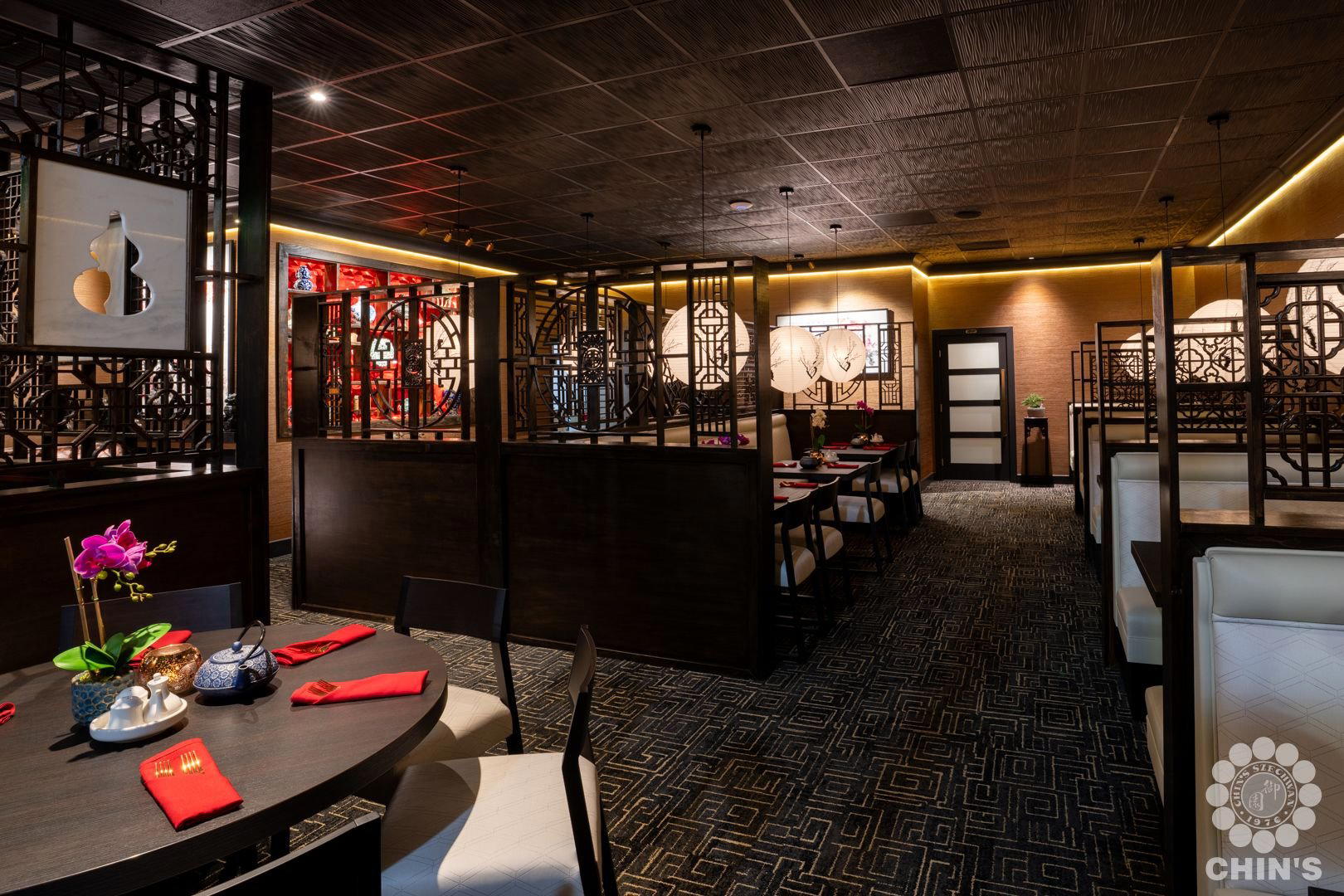
Point Loma's Chinese Cooking Reference Point
Rosecrans Street in Point Loma is not the address most San Diego dining conversations start from. The strip runs through a working-class military neighborhood — Naval Base Point Loma sits close, Liberty Station draws weekend foot traffic from across the city — and the restaurants along it tend toward the practical rather than the fashionable. Within that context, Chin's Szechwan occupies a specific role: a sit-down Chinese restaurant that has maintained a presence in a part of the city where the competition for that category is thin. San Diego's Chinese dining scene skews heavily toward the Convoy Street corridor in Kearny Mesa, where high-volume Cantonese and Taiwanese operations cluster and compete for the same informed diner. Point Loma sits at the opposite end of that geography, and Chin's Szechwan functions less as a destination than as a neighborhood institution.
That distinction matters when calibrating expectations. Diners who make the drive to Convoy for hand-pulled noodles or regional Sichuan hotpot are operating in a different register than those who sit down at Chin's on a Tuesday evening. The cuisine category, Szechwan, in the restaurant's own spelling, signals a tradition built on chili-forward heat, numbing Sichuan peppercorn, and layered fermented-bean sauces.
How the Day Splits: Lunch Service Against Evening Dinner
The lunch-versus-dinner divide at casual Chinese restaurants in American cities is a well-documented pattern, and Chin's Szechwan fits the template in ways that are worth spelling out for anyone planning a visit. Lunch service at neighborhood Chinese spots tends to pull a different crowd than the dinner hour: office workers on a schedule, military personnel from the nearby base, regulars who know the abbreviated midday format and use it accordingly. The pace is faster, the format often leans on combination plates and abbreviated menus, and the value-per-dollar skews toward the practical. Dinner slows the room down, draws families and groups, and often allows the kitchen to run the fuller menu.
For a Szechwan-focused kitchen, this split has real menu implications. The dishes that define the tradition, mapo tofu with fermented black bean depth, dry-fried green beans with preserved vegetable, cold-dressed proteins with chili oil, are not inherently lunch-unfriendly, but they are better suited to a dinner pacing where an order of three or four dishes lands together and the table works through them without a clock running. Szechwan cooking rewards sharing-format meals. A solo diner at a lunch counter gets a fraction of the logic that the cuisine is built around. That is less a criticism of Chin's Szechwan specifically than an observation about the format: if you are choosing between lunch and dinner here, dinner gives the kitchen more room to show what the cuisine can do.
This pattern appears across mid-tier Chinese restaurants nationwide. Unlike the tasting-menu format at a place like Addison in Del Mar, where the kitchen's program unfolds on its own terms regardless of the hour, a neighborhood Chinese restaurant lives and dies by how well its service format matches the cuisine's actual logic. Szechwan cooking's logic is the shared table, multiple dishes, and the kind of unhurried order in which the heat builds gradually across a meal.
Where It Sits in San Diego's Dining Grid
San Diego's restaurant conversation in 2024 and 2025 has been weighted toward a handful of marquee addresses. Soichi in Ocean Beach draws the omakase crowd; 1450 El Prado and 777 G St operate in the downtown dining corridor that serves hotel guests and convention-center traffic. 94th Aero Squadron near the airport serves a different function entirely, a themed dining experience positioned at the intersection of nostalgia and geography. Chin's Szechwan does not compete with any of these.
That positioning is not a concession, it is a category. Cities with mature dining ecosystems need functioning mid-tier options in residential neighborhoods, and Point Loma's relative distance from the Convoy Street cluster makes Chin's Szechwan a practical choice for anyone living or staying on the western side of the city who wants Chinese food without committing to a cross-town drive. The most celebrated Szechwan and regional Chinese cooking in the United States tends to concentrate in dense urban corridors, the San Gabriel Valley outside Los Angeles, Flushing in New York, Houston's Bellaire strip. San Diego's Chinese dining scene is less concentrated but still active, and Rosecrans Street represents the outer rim of that activity.
For context on what ambitious restaurant programming looks like at the national level, the gap between a neighborhood Chinese spot and the country's most recognized dining rooms is significant: Le Bernardin in New York City, The French Laundry in Napa, and Lazy Bear in San Francisco operate in an entirely different category of investment, format, and expectation. Closer in format and ambition to Chin's Szechwan are the kinds of neighborhood anchors that keep residential dining functional, reliable, familiar, and valued not for novelty but for consistency. Emeril's in New Orleans, Providence in Los Angeles, Smyth in Chicago, Single Thread Farm in Healdsburg, Blue Hill at Stone Barns in Tarrytown, The Inn at Little Washington, Frasca Food & Wine in Boulder, Atomix in New York City, and Atelier Moessmer Norbert Niederkofler in Brunico all represent the higher end of what formal restaurant programming achieves globally. Chin's Szechwan exists in a different register, serving a different need.
For a fuller picture of where San Diego's dining scene is moving, EP Club's full San Diego restaurants guide maps the city's options across neighborhoods and price tiers.
Know Before You Go
- Address: 3373 Rosecrans St, San Diego, CA 92110
- Neighborhood: Point Loma, west San Diego, close to Naval Base Point Loma and Liberty Station
- Cuisine category: Szechwan Chinese
- Hours, pricing, and booking:
- How hard is it to get a table at Chin's Szechwan Point Loma?
- Point Loma is not a high-competition reservation neighborhood the way downtown San Diego or the Gaslamp Quarter can be on weekends. For weekend dinner, calling ahead is a sensible precaution regardless of likely availability.
- Is Chin's Szechwan Point Loma suitable for diners who don't eat spicy food?
- Szechwan cuisine is defined by two distinct heat signatures: chili-forward spice and the numbing effect of Sichuan peppercorn, which produces a tingling rather than a burning sensation. Most Szechwan-focused menus include dishes that sit at varying heat levels, and many kitchens accommodate heat-level requests. Diners with low spice tolerance should communicate that clearly when ordering, as the cuisine's default register is considerably hotter than Cantonese or northern Chinese styles.
Frequently asked questions
What's the address for Chin's Szechwan - Point Loma?
Chin's Szechwan - Point Loma is located at 3373 Rosecrans St, San Diego, CA 92110, San Diego.
Is Chin's Szechwan in Point Loma a good option for diners who don't usually eat spicy food?
Szechwan cuisine sits at one end of China's regional cooking spectrum, where chili oil and Sichuan peppercorn are structural ingredients rather than optional additions. That said, most Szechwan restaurants in the United States offer a range of preparations, including milder stir-fries and braised dishes that carry the cuisine's depth without full heat intensity. Confirming specific options directly with the Point Loma location at 3373 Rosecrans St is the most reliable step before visiting.
What dish is Chin's Szechwan - Point Loma famous for?
Chin's Szechwan draws from the Szechwan tradition, a regional Chinese cooking style defined by bold spicing, numbing peppercorn heat, and technique-driven sauces. The Point Loma location on Rosecrans Street has built a following among the neighborhood's military and civilian regulars, though specific signature dishes are best confirmed by calling or visiting directly, as menus shift with availability and season.
How hard is it to get a table at Chin's Szechwan - Point Loma?
Chin's Szechwan operates in a neighborhood-restaurant format on Rosecrans Street, not as a destination dining address requiring weeks of advance planning. Walk-in availability tends to be more accessible at lunch than during peak dinner hours, a pattern consistent with casual Chinese restaurants across American cities. For weekend evenings, arriving early or calling ahead is the practical approach.
Where the Accolades Land
| Venue | Cuisine | Price | Awards | Notes |
|---|---|---|---|---|
| Chin's Szechwan - Point LomaThis venue — the venue you are viewing | Szechwan Chinese | $20–30 | Not listed | Not listed |
| Addison | Modern California Fusion Fine Dining | $300–500 | 3 Michelin Stars · World's 50 Best #31 | French, Contemporary |
| Callie | Modern Mediterranean | $50–100 | Michelin Bib Gourmand · Wine Spectator Best of Award of Excellence | Not listed |
| Trust | Modern American Wood-Fired Small Plates | $30–50 | Michelin Plate | Not listed |
| Sushi Tadokoro | Traditional Edomae-Style Omakase | $50–100 | Michelin Plate | Not listed |
| Soichi | Modern Japanese Omakase | $150–200 | 1 Michelin Star | Japanese |