South Park Brewing Company
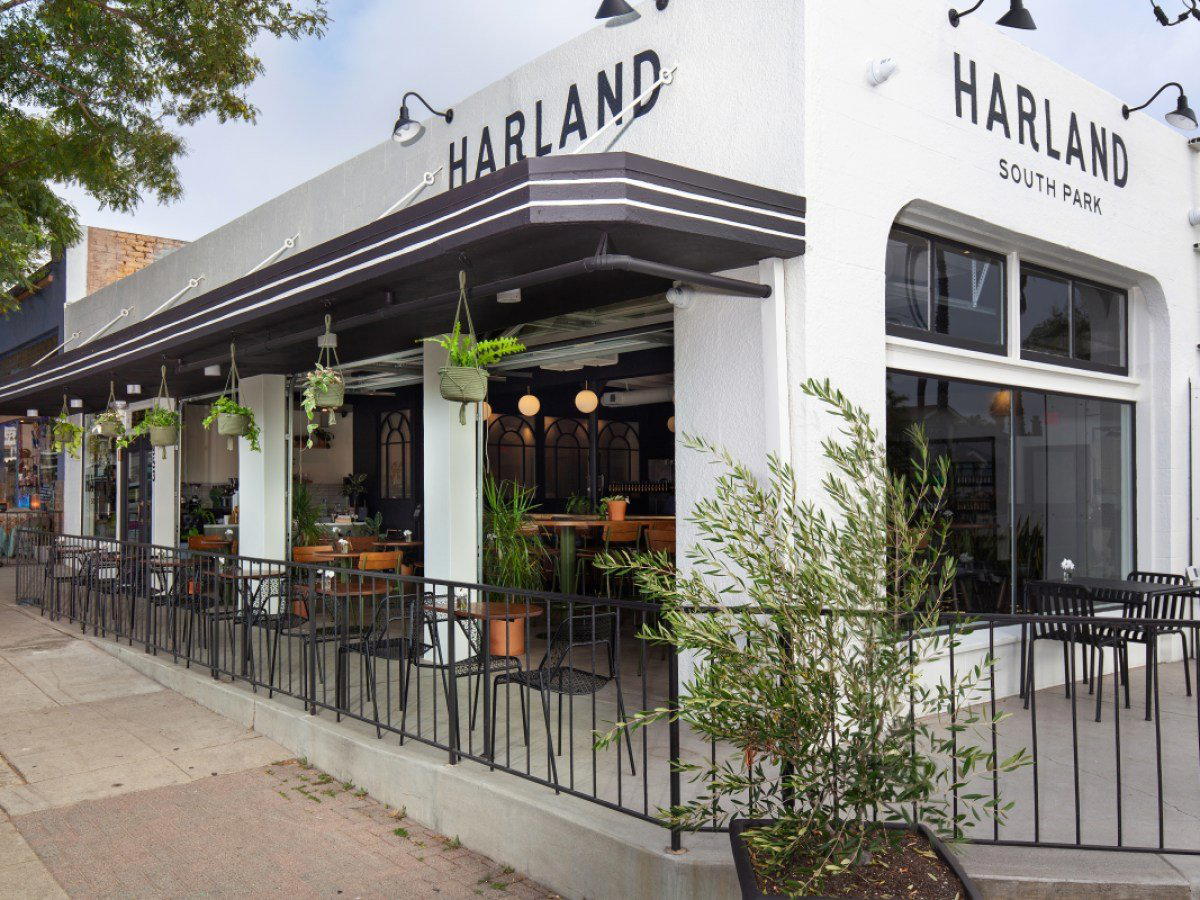
South Park Brewing Company occupies a corner of San Diego's South Park neighborhood at 1517 30th St, where the craft beer culture that reshaped this part of the city over the past decade is most legible. The brewery sits in a residential-commercial strip that has evolved from overlooked to one of the more coherent independent dining and drinking corridors in the city. It represents the neighborhood-brewery model that now anchors community identity across San Diego's inner suburbs.
Pearl is the En Primeur Club membership app — saves, bookings, and concierge access live there. Same editors, same standards.

South Park and the Neighborhood Brewery Turn
San Diego's craft beer identity was built on production scale and distribution ambition. The city's early brewery wave, which accelerated through the 2000s and peaked in the mid-2010s, concentrated around industrial corridors in Miramar and Mission Valley, optimizing for volume over place. The correction came gradually, through a quieter wave of smaller, neighborhood-anchored operations that tied their fortunes to specific streets and zip codes rather than wholesale accounts. South Park Brewing Company at 1517 30th St is a San Diego Brewery Pub with a casual dress code, walk-in friendly service, and an estimated $25 per person spend.
South Park the neighborhood had its own arc. The strip along 30th Street evolved through the 2010s from a loosely connected run of independent shops into something more deliberate, a walkable corridor where bars, restaurants, and coffee roasters reinforced each other's foot traffic. That kind of organic density is what neighborhood breweries depend on, and it explains why this stretch of San Diego supports the format better than most. The brewery at this address is not operating in isolation; it is part of a block-by-block ecosystem that rewards the kind of dwell time a taproom requires.
How the Format Has Shifted
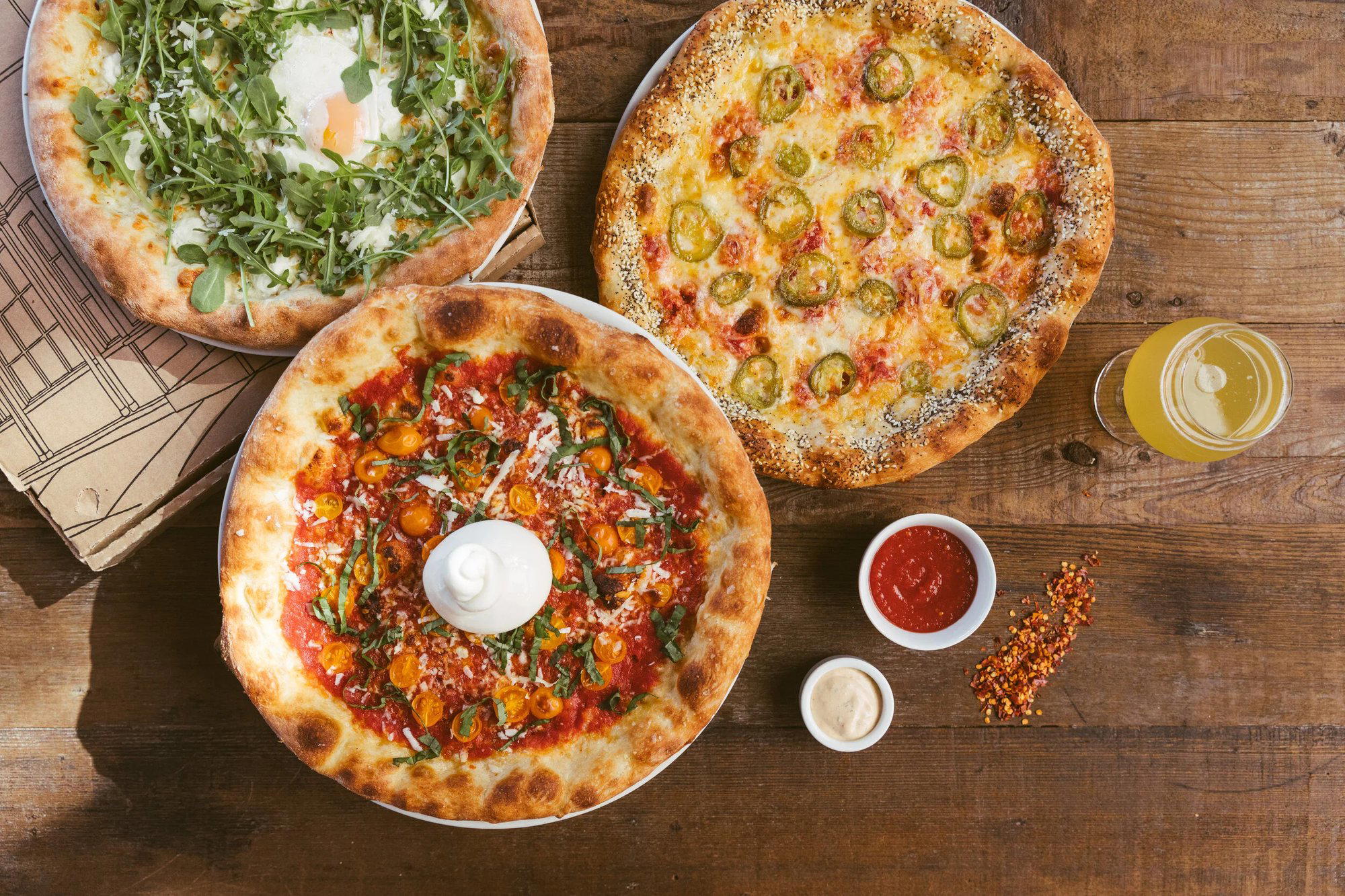
The evolution of the neighborhood taproom as a format is worth tracking, because it clarifies what South Park Brewing Company is and is not. The first generation of San Diego taprooms functioned largely as tasting annexes to production facilities, places where you sampled a flight and bought a growler to go. The second generation, of which this is an example, functions more like a local bar that happens to make its own product on-site, with longer visit windows, food programs that go beyond bar snacks, and programming that keeps regulars returning through the week rather than just on weekends.
That pivot matters for how you approach a visit. The question is not which flagship IPA to order in a flight, though San Diego's hop-forward heritage means the IPA program here will draw on a deep regional tradition. The more useful frame is: what kind of evening does this place support? A 30th Street address in South Park puts you within walking distance of enough complementary venues that brewery visits here fit naturally into a longer neighborhood evening rather than standing as a destination in their own right.
For comparison, San Diego's high-end dining tier, anchored by venues like Addison (French, Contemporary) in Del Mar or Soichi (Japanese) in the city, operates on a completely different logic: advance booking, fixed formats, tasting menus. The neighborhood brewery sits at the opposite end of the accessibility spectrum, which is precisely its function. It is where the neighborhood gathers without occasion or reservation.
The South Park Corridor in Context
Understanding 30th Street helps calibrate expectations. The street runs through a residential grid that tilts toward younger owner-occupiers and renters who arrived partly because of the independent food and drink scene rather than despite the neighborhood's rougher earlier edges. That demographic shift, visible in San Diego's inner neighborhoods over the past fifteen years, created the consumer base that sustains places like this. The brewery is as much a social infrastructure node as it is a drinking destination, which is a distinction that matters when you are deciding how to spend an evening.
Other venues in the broader San Diego orbit serve different functions. 1450 El Prado and 777 G St operate in the Balboa Park and downtown corridors respectively, while 94th Aero Squadron draws on a different part of the city's historical identity altogether. South Park Brewing Company's geography places it in the inner-neighborhood tier, which has its own internal logic and comparable set.
San Diego's drinking culture has also been shaped by proximity to the broader California craft movement. Breweries in this city compete against a statewide benchmark, and the ones that survive past their first three years typically do so by building loyalty that insulates them from the constant new-opening noise. A 30th Street address, embedded in a walkable neighborhood with strong regular traffic, is a structural advantage that production-focused operations in industrial parks do not have.
Where This Fits in the Wider Craft Beer Conversation
Zooming out further, the neighborhood brewery model in San Diego reads as a local expression of a national pattern. The high-concept, destination-dining framework that drives venues like Lazy Bear in San Francisco, Smyth in Chicago, or Providence in Los Angeles is built on scarcity and occasion. The neighborhood brewery is built on frequency and familiarity. Both models are coherent; they are just answering different questions about what hospitality is for.
Breweries that have navigated this successfully, nationally and in San Diego specifically, have generally done so by committing clearly to one of those two logics rather than trying to occupy both. The ones that added elaborate tasting menus and reservation systems mostly struggled to maintain the accessibility that made the format appealing. The ones that stayed anchored to walk-in, pint-by-pint hospitality retained the social function that drives regular return visits.
For readers planning a San Diego trip, the practical implication is that South Park Brewing Company is better treated as part of a neighborhood evening rather than a standalone booking. Walk the 30th Street strip, use the brewery as an anchor point, and build the rest of the evening around what you find on either side. The San Diego restaurants guide covers the broader city if you are mapping a longer itinerary that includes higher-end stops alongside neighborhood-anchored ones.
Planning Your Visit
The 30th Street address in South Park is accessible by car with street parking, which makes it a reasonable late-afternoon or evening stop without a driving commitment. No advance booking is required for a standard visit, which is part of the point. The neighborhood taproom format runs on walk-in traffic, and South Park's residential density means the place operates leading on weekday evenings when regulars anchor the room, and on weekend afternoons when the street has more foot traffic.
The Short List
Comparable venues nearby, for context on price, style, and recognition.
| Venue | Cuisine | Price | Notes |
|---|---|---|---|
| South Park Brewing CompanyThis venue — the venue you are viewing | $$ | ||
| Louisiana Purchase | North Park, Elevated Cajun & Creole | $$ | |
| Hob Nob Hill | Uptown, Classic American Homestyle | $$ | |
| SODA & SWINE | Peninsula, American Meatball House | $$ | |
| Grand Ole BBQ Flinn Springs | Flinn Springs, Central Texas Style BBQ | $$ | |
| Corvette Diner | $$ | Midway-Pacific Highway, Classic American Diner |
Continue exploring
More in San Diego
Restaurants in San Diego
Browse all →Bars in San Diego
Browse all →At a Glance
- Lively
- Cozy
- Trendy
- Casual Hangout
- Group Dining
- After Work
- Open Kitchen
- Beer Program
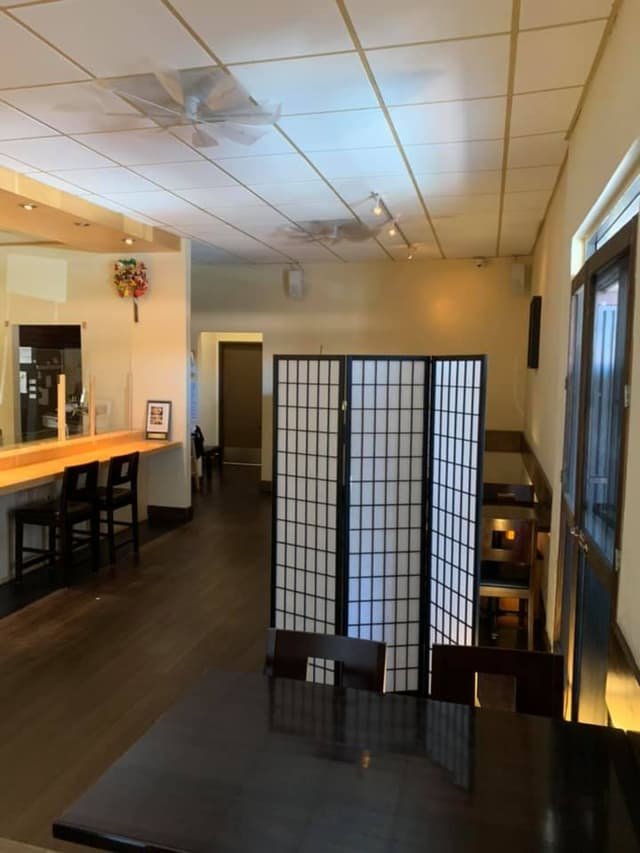
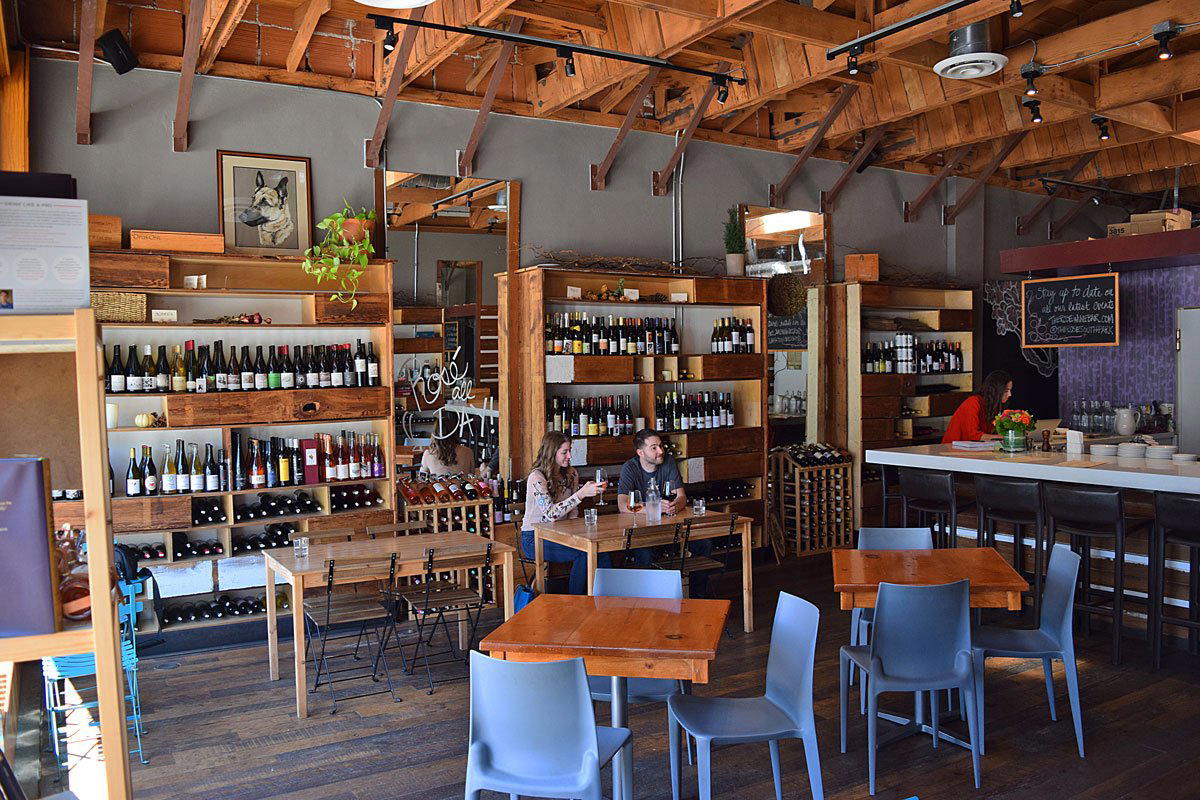
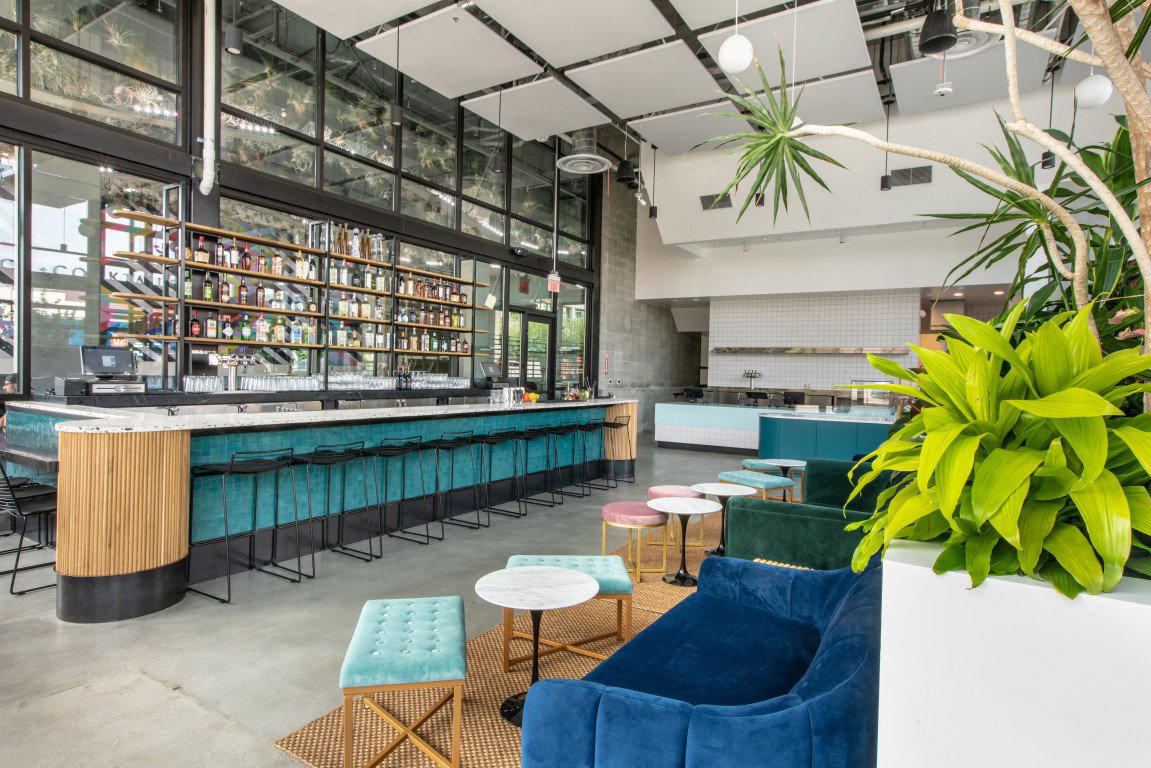
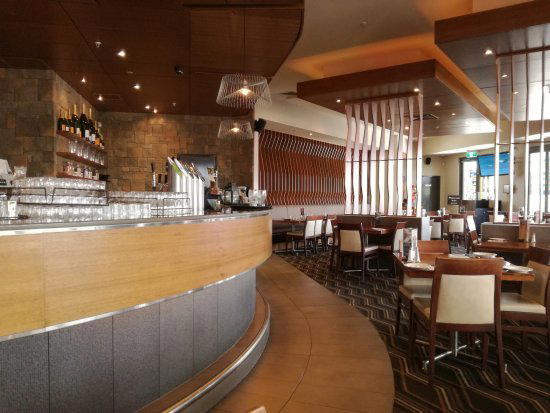
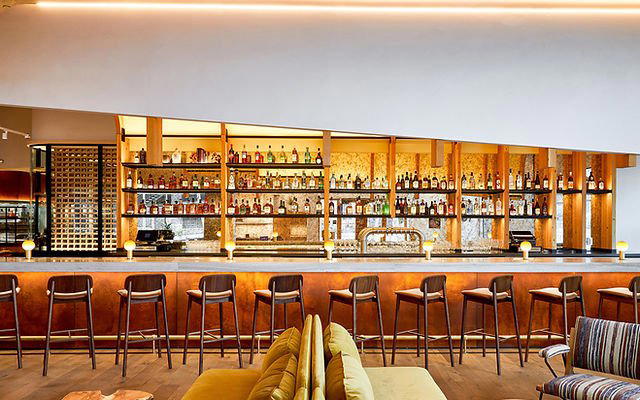
Laid-back pub atmosphere with good vibes and classic bar games like pool and shuffleboard.