Saint James French Diner
On Sixth Avenue in San Diego's Gaslamp Quarter, Saint James French Diner occupies a distinct position in a city where French-inflected dining sits between Addison's grand tasting-menu format and casual neighbourhood bistros. The diner format signals something more approachable than white-tablecloth tradition, with French technique applied at everyday scale. It merits attention from anyone mapping the city's mid-register European dining options.
Pearl is the En Primeur Club membership app — saves, bookings, and concierge access live there. Same editors, same standards.
- Address
- 830 Sixth Ave, San Diego, CA 92101
- Phone
- +16196781007
- Website
- saintjamesfrenchdiner.com
- Directions
- Get directions
 Saves & bookings on Pearl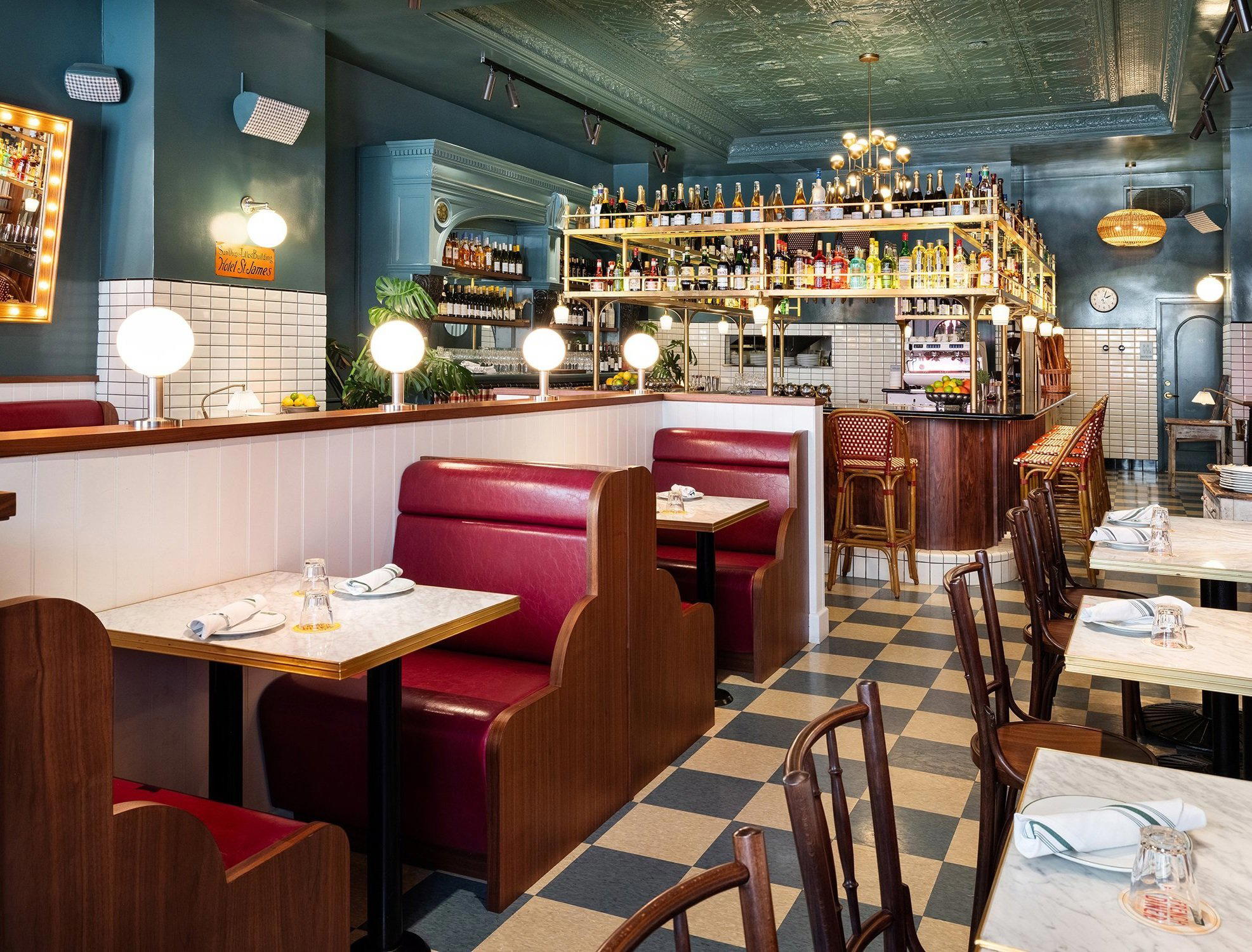
French Diner Format in a City That Rarely Does It
San Diego's French dining scene runs a wide spectrum. At one end, Addison (French, Contemporary) operates at the highest formal register the city offers, with a tasting-menu format and price point that positions it against national peers like The French Laundry in Napa and Le Bernardin in New York City. At the other end, the city's casual European corridor runs through neighbourhood spots that borrow French vocabulary without committing to it. The diner format sits somewhere deliberately between those poles: French technique applied to an accessible, repeatable format, the kind of place where you return on a Wednesday rather than only for anniversaries.
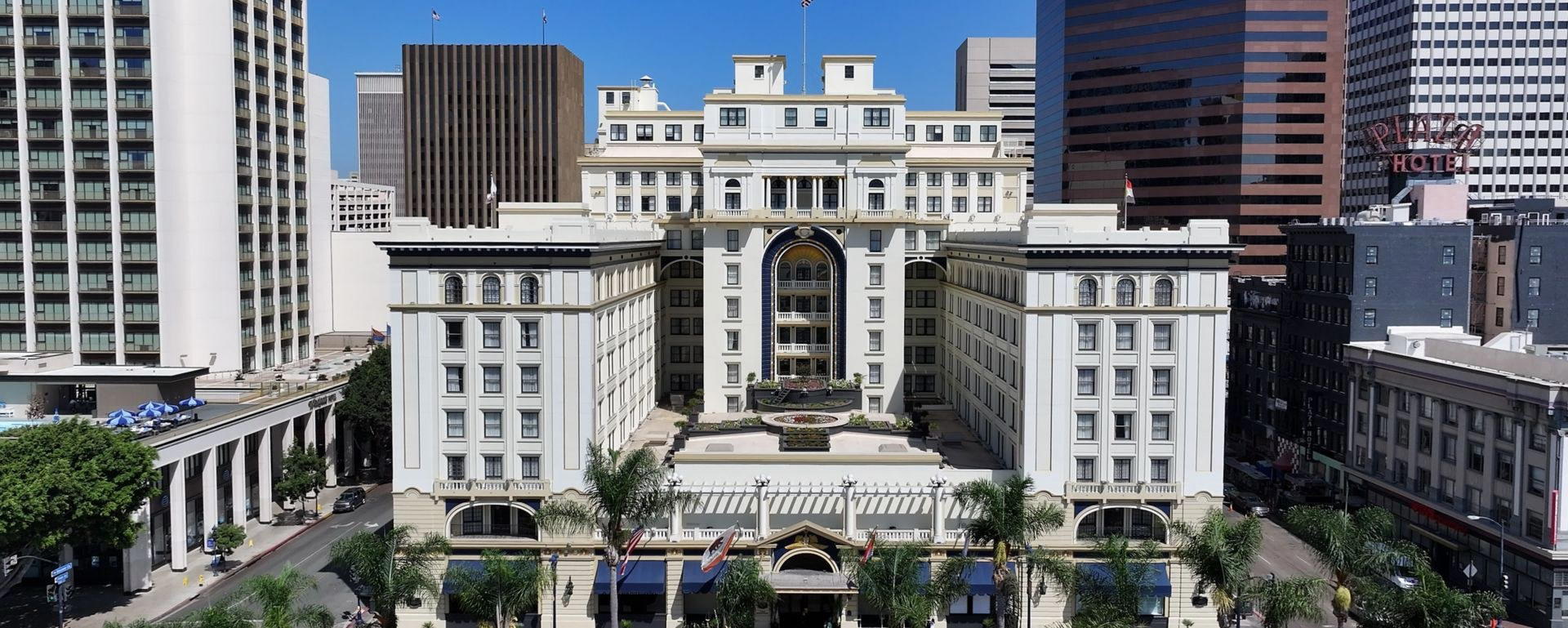
Saint James French Diner is a French Bistro Diner at 830 Sixth Ave, San Diego, CA 92101. The Gaslamp's dining character is largely driven by volume and tourism throughput, which makes a venue with a French diner identity an outlier in the district rather than a representative of it. That positioning is worth understanding before you arrive: this is not a place calibrated to the surrounding block's energy.
What the Diner Format Actually Means for French Cooking
The French diner as a format has a clearer lineage in cities like Lyon, where bouchons have operated for centuries on the principle that classical cooking need not be ceremonial. What travels across that lineage is a set of commitments: hearty preparation, ingredient economy, and dishes that make sense across the full week rather than only on special occasions. Terrines, braised proteins, simple roasted preparations, and sauces built from stock reduction rather than luxury additions are the grammar of the format.
In the American context, the French diner sits alongside a broader movement toward what might be called democratic fine dining, where technical discipline is applied at accessible price registers. Restaurants like Lazy Bear in San Francisco and Bacchanalia in Atlanta have each, in different ways, asked how classical training translates outside the formal tasting-menu frame. The diner format is one answer: it keeps the kitchen discipline while removing the ceremony.
For a city like San Diego, where the broader dining scene includes Soichi (Japanese) at the high end of omakase and 1450 El Prado occupying the cultural-institution dining category, a French diner fills a format gap that the city's other European-leaning venues do not address in quite the same way.
Ethical Sourcing and the French Diner's Natural Alignment
The sustainability argument for the French diner format is stronger than it first appears. Classical French cooking, particularly in its bouchon and bistro forms, was built around waste reduction long before the term entered restaurant marketing. Whole-animal butchery, stock-making from trim and bones, and preparations that transform secondary cuts into primary plates are foundational to the tradition rather than additions to it. Terrine, rillettes, and braised cheek preparations exist precisely because the format demands that nothing be discarded.
American fine dining has spent the past decade foregrounding this relationship between classical technique and environmental responsibility. Blue Hill at Stone Barns in Tarrytown and Single Thread Farm in Healdsburg represent the high-investment, farm-integrated version of this commitment. The diner format operates the same logic at a different scale: shorter supply chains are easier to maintain when the menu does not require exotic ingredients, and classical preparations are inherently suited to working with what is available and in season rather than sourcing against a fixed menu.
California's supply infrastructure supports this approach at a practical level. San Diego sits within reach of some of the country's most productive agricultural zones, and the state's fishing industry provides access to Pacific seafood that aligns naturally with the French coastal tradition. The format itself creates structural conditions for that kind of kitchen discipline.
The Gaslamp Quarter as Context
Sixth Avenue runs through the southern reach of the Gaslamp, a district that has shifted considerably over the past two decades from a post-industrial entertainment zone toward a denser, more mixed-use dining corridor. The neighbourhood's strengths are foot traffic and late-night volume; its weaknesses are that volume pressure tends to favour formats built for throughput over those that reward longer tables and quieter service rhythms.
Venues in the Gaslamp that have managed to hold a distinct identity against that pressure include the 94th Aero Squadron San Diego, which operates through a strong theme-led format, and 94th Aero Squadron, which similarly relies on environment to differentiate from the surrounding competition. A French diner format works differently: it builds its identity through menu and rhythm rather than décor spectacle.
For visitors to San Diego, the Gaslamp's central location makes it a logical anchor for an evening, with the district walkable from most downtown accommodation.
Where Saint James Sits in the National French Conversation
French cooking in the United States is currently in an interesting transitional moment. The formal French restaurant, which dominated American fine dining through the 1980s and 1990s, has narrowed to a smaller set of high-commitment venues: places like The Inn at Little Washington in Washington, Alinea in Chicago (which draws on French technique even as it deconstructs form), and Providence in Los Angeles. Internationally, formats like 8 1/2 Otto e Mezzo Bombana (Hong Kong) in Hong Kong and Atomix in New York City show how European classical training continues to operate as a reference point even as it moves through different cultural contexts.
What has grown in the space between formal French and casual bistro is the diner format, which allows the technique to reach a broader audience at a sustainable price register. Emeril's in New Orleans made a version of this argument early, applying classical foundations to an accessible American register. The French diner makes it more explicit: this is French cooking as a daily practice rather than a periodic ceremony.
Know Before You Go
Awards and Standing
Comparable venues nearby, for context on price, style, and recognition.
| Venue | Cuisine | Price | Notes |
|---|---|---|---|
| Saint James French DinerThis venue — the venue you are viewing | French Bistro Diner | $$ | Not listed |
| Little Frenchie | French Bistro & Bar À Vin | $$ | Coronado |
| Candelas on the Bay | Dining | Not listed | San Diego |
| Davanti Enoteca | Contemporary Italian with Wood-Fired Pizza | $$ | Downtown |
| Dunedin | New Zealand-Inspired Organic Burgers & Casual Grill | $$ | North Park |
| Black Radish | Seasonal California-French Bistro | $$$ | North Park |
Continue exploring
More in San Diego
Restaurants in San Diego
Browse all →
Bars in San Diego
Browse all →
At a Glance
- Elegant
- Cozy
- Trendy
- Brunch
- Casual Hangout
- Happy Hour
- Hotel Restaurant
- Craft Cocktails
Current opening hours
- Monday
- 7 AM–9 PM
- Tuesday
- 7 AM–9 PM
- Wednesday
- 7 AM–9 PM
- Thursday
- 7 AM–9 PM
- Friday
- 7 AM–9 PM
- Saturday
- 7 AM–9 PM
- Sunday
- 7 AM–9 PM
Hours can change for holidays and private events. Last verified .
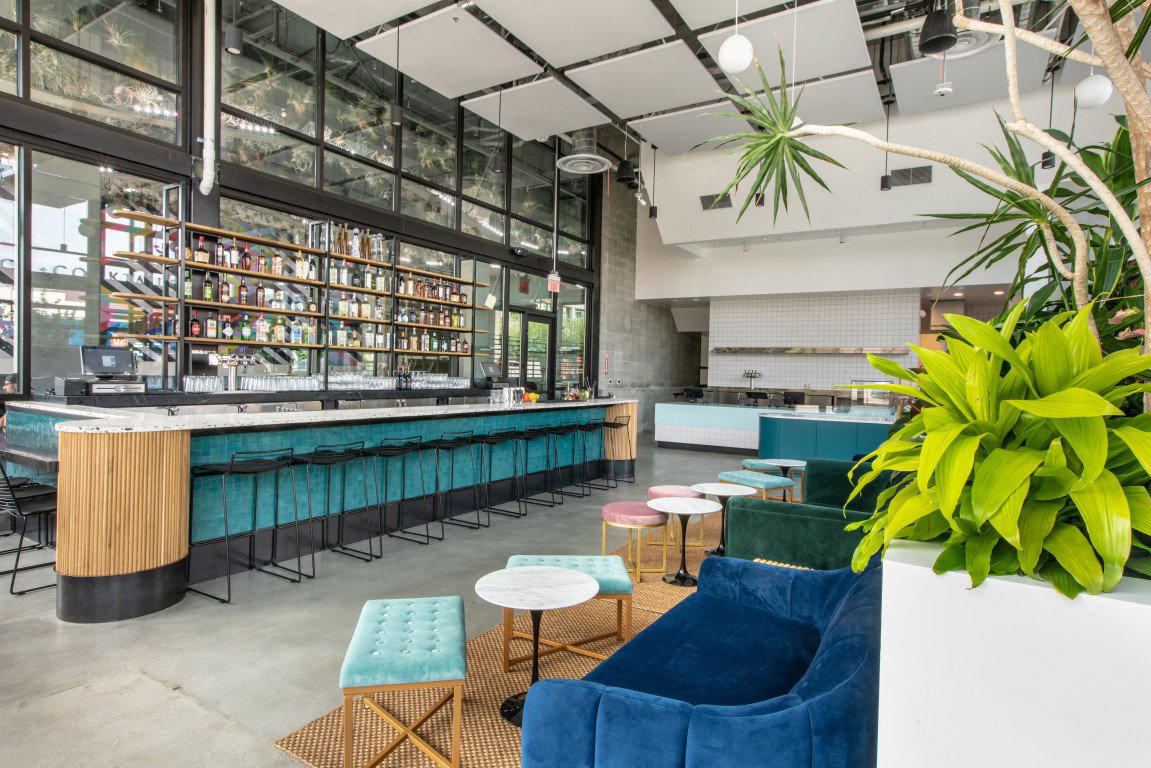
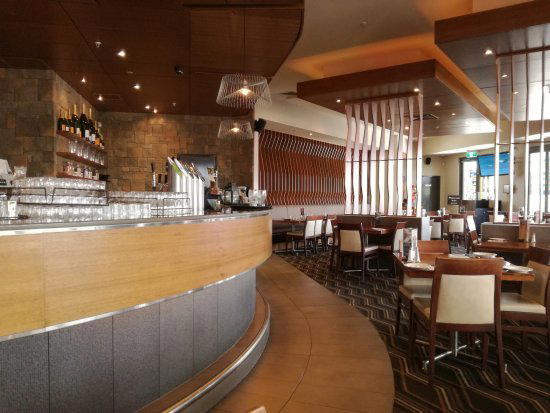
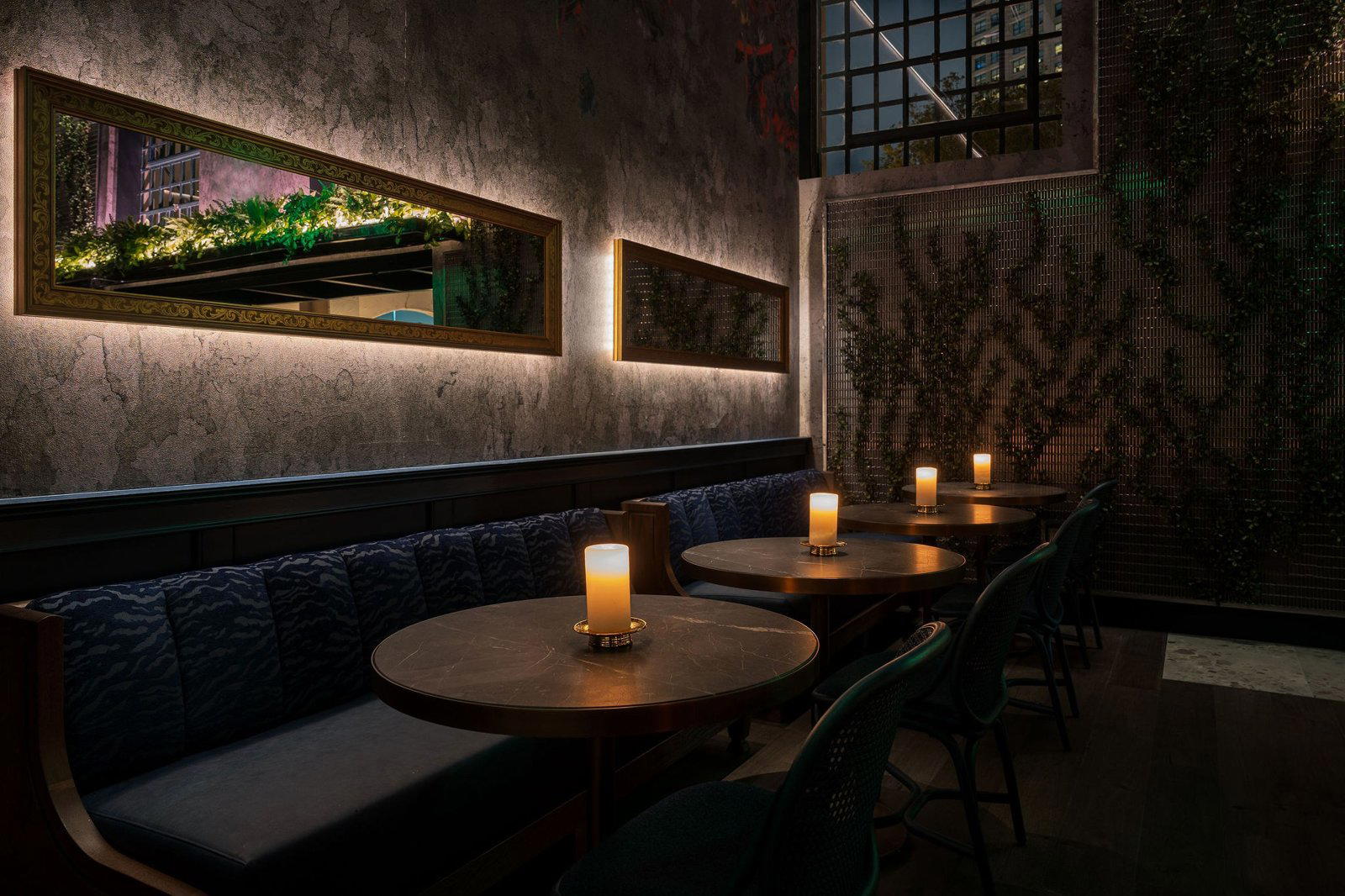
Chic vintage atmosphere with teal walls, maroon booths, and bustling bar.