Our verdict
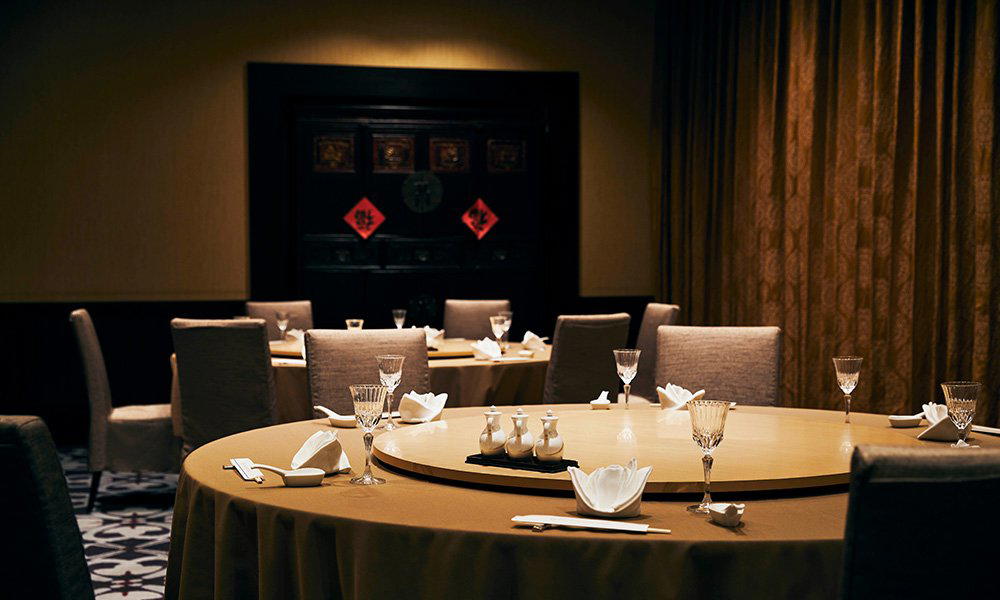
Chinese Dining Nan-en sits in Nishishinjuku, placing Chinese dining inside Tokyo’s hotel-and-business district rather than the city’s smaller neighbourhood restaurant circuit. The appeal is contextual: a central Shinjuku address, a cuisine category with deep roots in Japan’s urban dining culture, and a setting that suits mixed-generation meals, business dinners, and travellers staying west of the station.

Pearl is the En Primeur Club membership app — saves, bookings, and concierge access live there. Same editors, same standards.
- Address
- Japan, 〒160-8330 Tokyo, Shinjuku City, Nishishinjuku, 2 Chome−2−1 2階
- Phone
- +81 3-3344-0111
- Hours
- Mon–Fri 11:30 AM–3 PM, 5–10 PMSat–Sun 11:30 AM–10 PM
- Website
- keioplaza.co.jp
- Directions
- Get directions
The menu
What to order
- Peking duck
- Shark fin soup
- Abalone dishes
- Dim sum
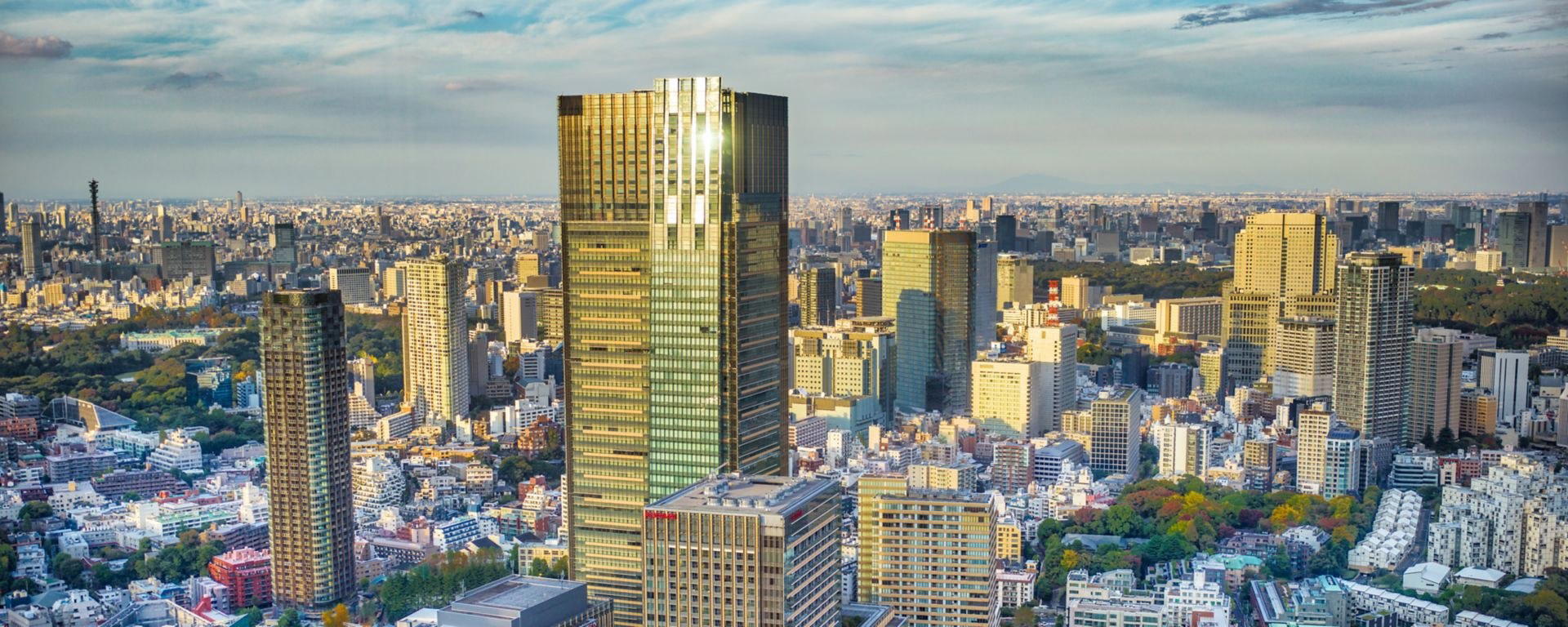
Approaching Tokyo, the city changes register. Station crowds give way to broad roads, larger buildings, and restaurants built for diners who want order before theatre. Chinese Dining Nan-en belongs to that part of the city’s dining life: practical, urban, and shaped by Tokyo’s habit of treating dining as both everyday comfort and formal occasion.
Dining in Tokyo is not a single category. It ranges from quick counters and casual canteens to calmer dining rooms that translate a meal into a more composed format. In Tokyo, that distinction matters. The city pulls office workers, domestic travellers, international guests, and families into the same dining orbit, so restaurants here often function as neutral ground: less ceremonial than sushi, less narrow than tempura, and easier for a group with mixed preferences than a specialist counter.
Tokyo gives dining a planned urban rhythm
The location in Tokyo puts the restaurant within a practical urban dining circuit rather than a nightlife-first setting. That geography changes the meal. Tokyo dining in this mode tends to favour planned gatherings over spontaneous bar-hopping, with established dining rooms absorbing dinners before train departures, post-meeting meals, and family occasions. The scene is not about discovery for its own sake; it is about reliability in a city where schedules matter.
That context also explains why this style of dining has held a durable place in Tokyo restaurant culture. The format is often adapted to local pacing: shared plates when the table calls for it, course formats when the occasion needs structure, and flavours calibrated for diners who may not want a more specialist profile. Nan-en fits that city pattern better than it fits the current wave of small, personality-led counters.
The draw is group utility, not chef mythology
Tokyo’s restaurant conversation can overvalue scarcity: the six-seat counter, the fixed menu, the reservation window that becomes the story. Tokyo has those formats, but its larger dining culture depends just as much on restaurants that solve a different problem. A dining room in this city works when it can handle varied appetites, ages, and pacing without turning the evening into a negotiation. That is the useful lens here.
For travellers, the comparison is less with a single specialist format and more with the city’s practical middle ground: a place for a composed meal when the party is not aligned around one narrow speciality. Sushi Kyubey, Tempura Shun, Teppan-yaki Yamanami, Soba Fumotoya, and Limited Time Restaurant Washoku-an each point to a more defined Japanese format. Nan-en sits in a more flexible category, where the strength is breadth rather than ritual.
That does not make the category casual by default. In Tokyo, dining rooms of this kind often carry a social function similar to banquet restaurants elsewhere: they can absorb celebrations, work dinners, and visiting relatives without forcing everyone into identical courses. The public record supplied here does not establish a named chef or ranking to build the story around, which shifts attention back to the room’s role in the city. Here, the decision is less about chasing acclaim and more about choosing a Tokyo setting that can carry a group meal with fewer constraints.
How to place it within a Tokyo itinerary
Nan-en makes the strongest sense when Tokyo logistics shape the day: staying in the city, moving through major transport hubs, or planning around business meetings and seated meals. Diners building a broader restaurant map can use Our full Tokyo restaurants guide for the citywide view, then compare nearby and category-adjacent options across other Tokyo dining rooms without turning the meal into a destination-led detour.
For a fuller trip, the same planning logic extends beyond restaurants: Tokyo hotel, bar, winery, and experience guides can help separate convenience-led meals from destination-led detours. Outside Tokyo, the useful contrast is not a list of named venues but a broader planning question: whether the day calls for a practical city dining room or a trip built around a more singular stop elsewhere.
Frequently asked questions
Does Chinese Dining Nan-en work for a family meal?
Yes. Chinese Dining Nan-en in Tokyo suits family dining better than a counter-driven restaurant, especially when several people want to share a table.
What is the atmosphere like at Chinese Dining Nan-en?
The setting matches Tokyo’s planned dining rhythm, so the room feels geared toward seated meals and group conversations rather than a high-theatre counter experience.
What part of town is Chinese Dining Nan-en in?
Tokyo.
Should I book Chinese Dining Nan-en in advance?
Advance booking is sensible for a restaurant in Tokyo, particularly for larger groups or peak dining hours.
What's Chinese Dining Nan-en best at?
Its strongest use case is straightforward dining in Tokyo, especially for shared meals. The Tokyo location makes it practical for city itineraries.
How does Chinese Dining Nan-en handle allergies?
Allergy handling should be discussed directly with the restaurant before dining, especially for shared dishes that may involve sauces, oils, and cross-contact. Use the Tokyo location when making that request.
Price Lens
Comparable options at the same price tier.
| Venue | Cuisine | Price |
|---|---|---|
| Chinese Dining Nan-enThis venue — the venue you are viewing | Traditional Cantonese Chinese | $50–100 |
| Soba Fumotoya | Japanese Soba | Not listed |
| Teppan-yaki Yamanami | Luxury Japanese Teppanyaki | $200–300 |
| Limited Time Restaurant Washoku-an | Seasonal Japanese Washoku | $20–30 |
| Sushi Kyubey | Traditional Sushi | $50–100 |
| Tempura Shun | Japanese Tempura | Not listed |
Details
- Classic
- Elegant
- Sophisticated
- Quiet
- Business Dinner
- Group Dining
- Family
- Celebration
- Special Occasion
- Private Event
- Private Dining
- Hotel Restaurant
- Beer Program
- A La Carte
- Set Menu
- Prix Fixe
- Wine
- Beer
- Tea
- Vegetarian Friendly
Current opening hours
- Monday
- 11:30 AM–3 PM, 5–10 PM
- Tuesday
- 11:30 AM–3 PM, 5–10 PM
- Wednesday
- 11:30 AM–3 PM, 5–10 PM
- Thursday
- 11:30 AM–3 PM, 5–10 PM
- Friday
- 11:30 AM–3 PM, 5–10 PM
- Saturday
- 11:30 AM–10 PM
- Sunday
- 11:30 AM–10 PM
Hours can change for holidays and private events. Last verified .
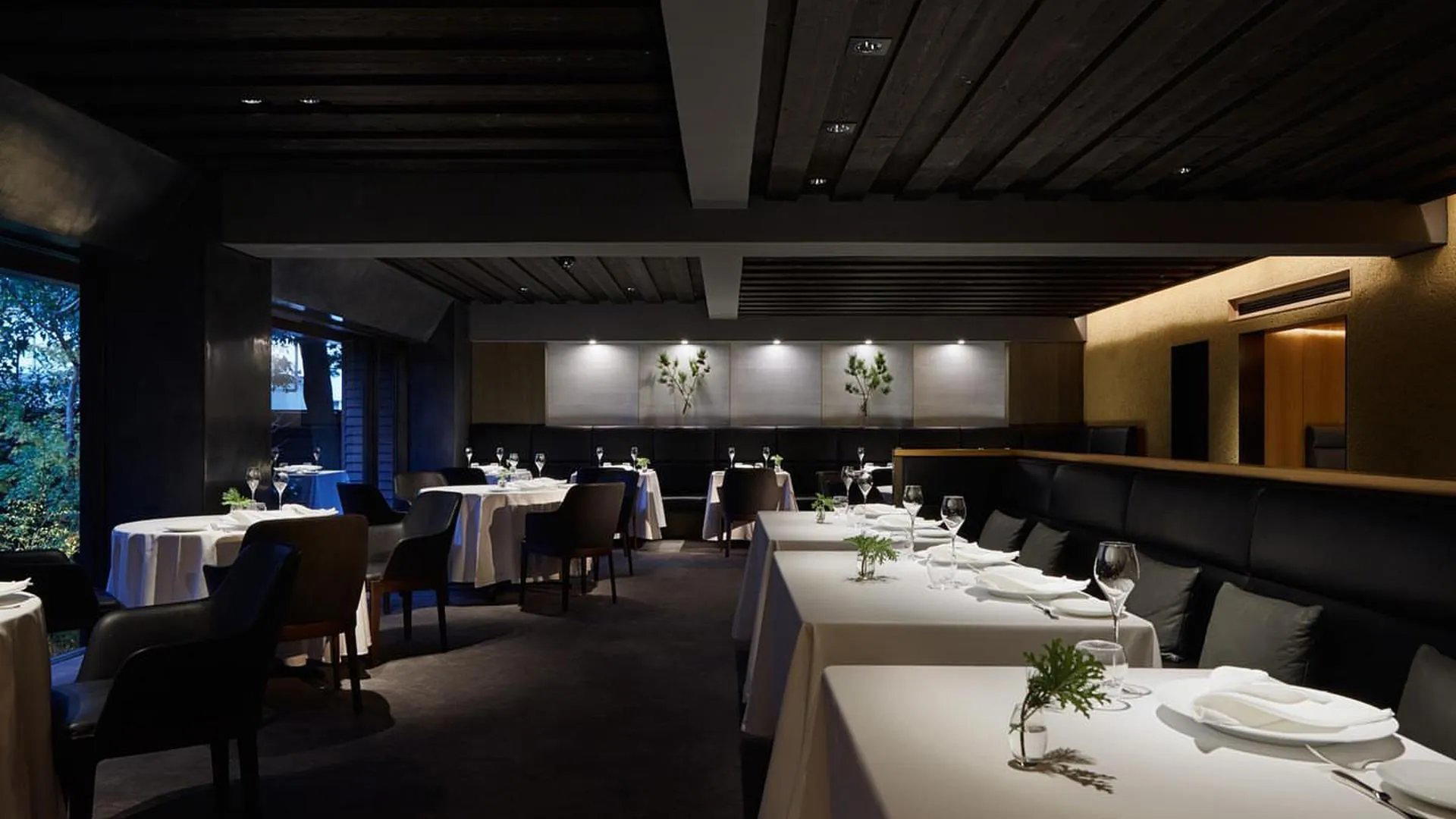
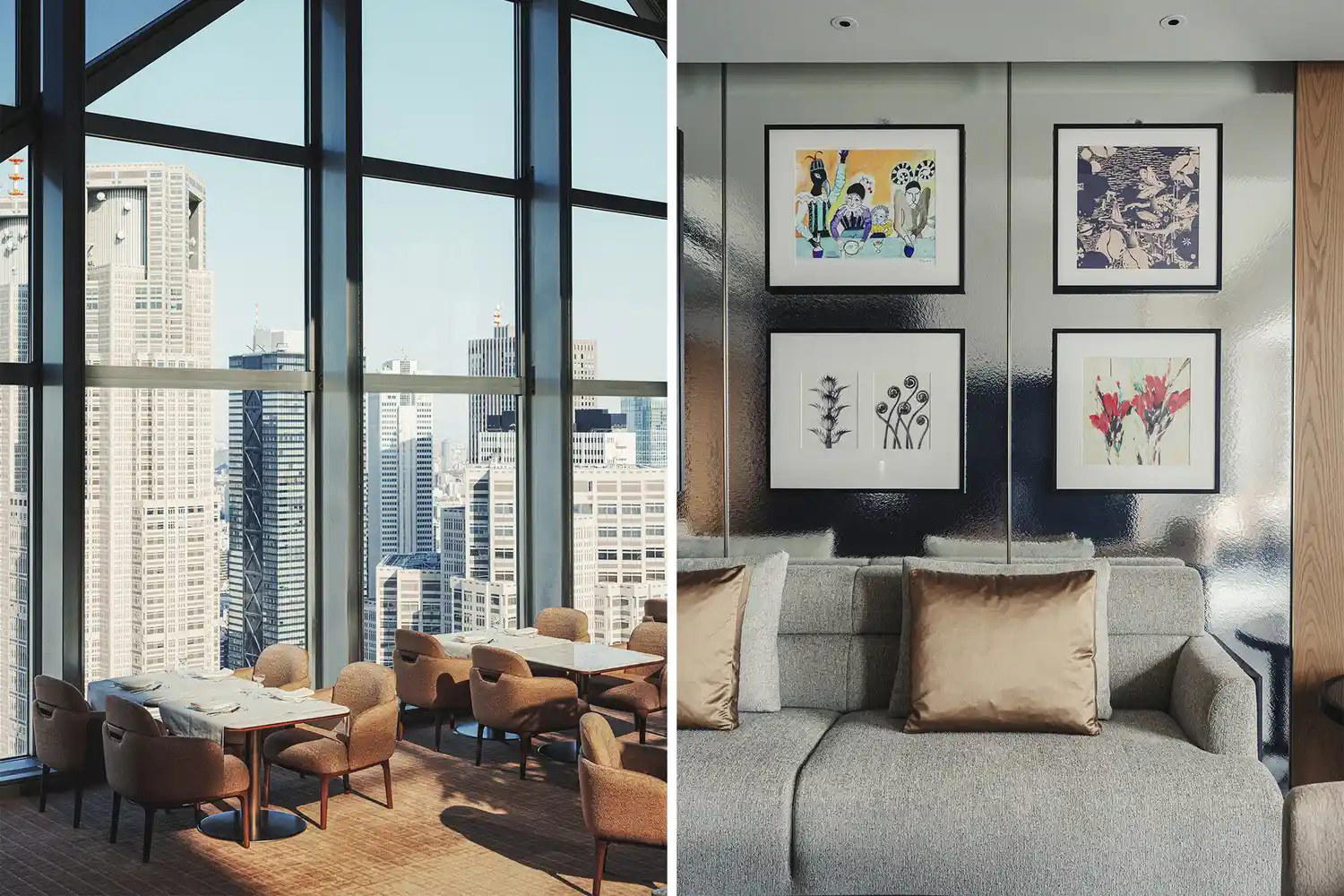
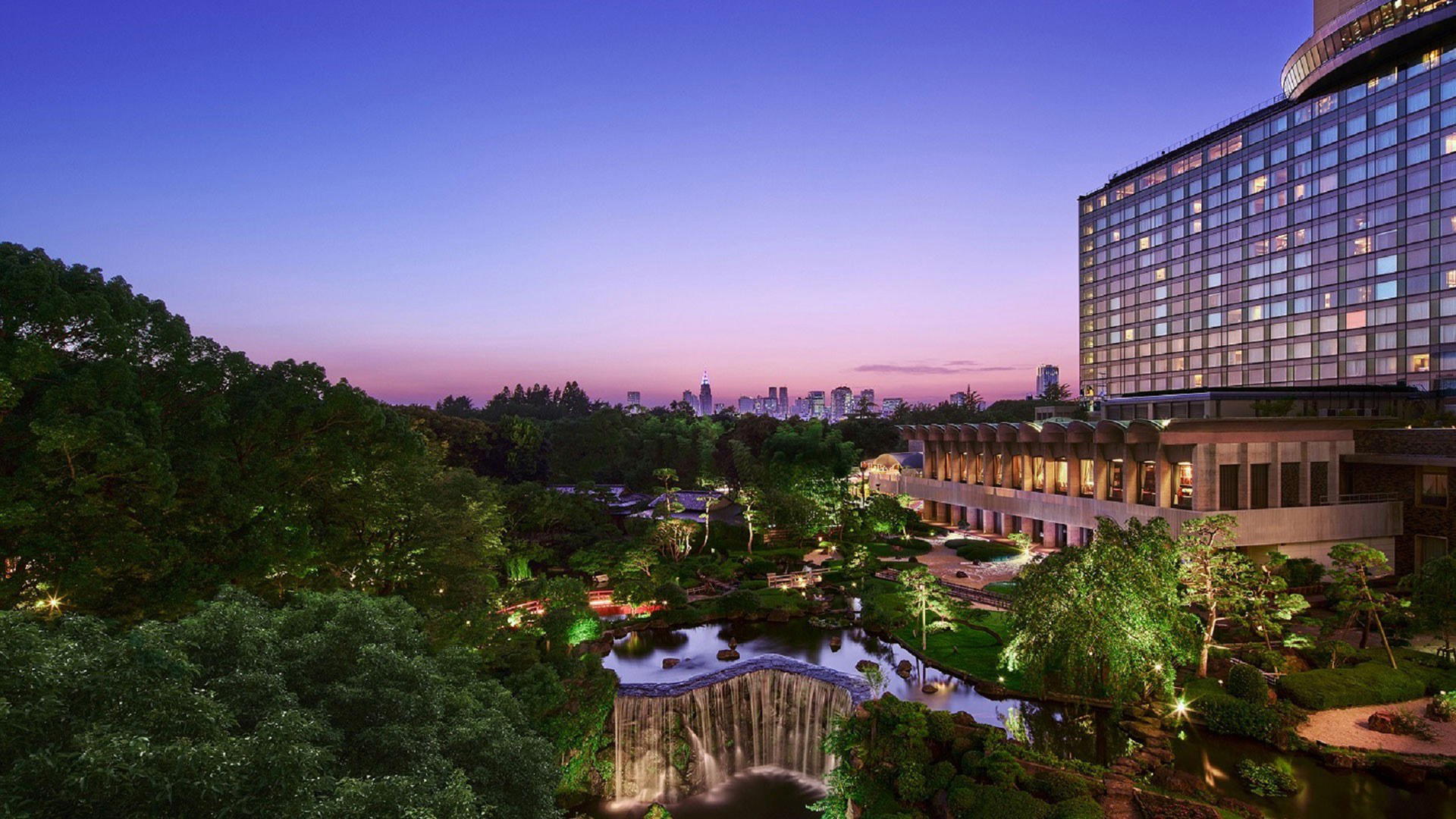
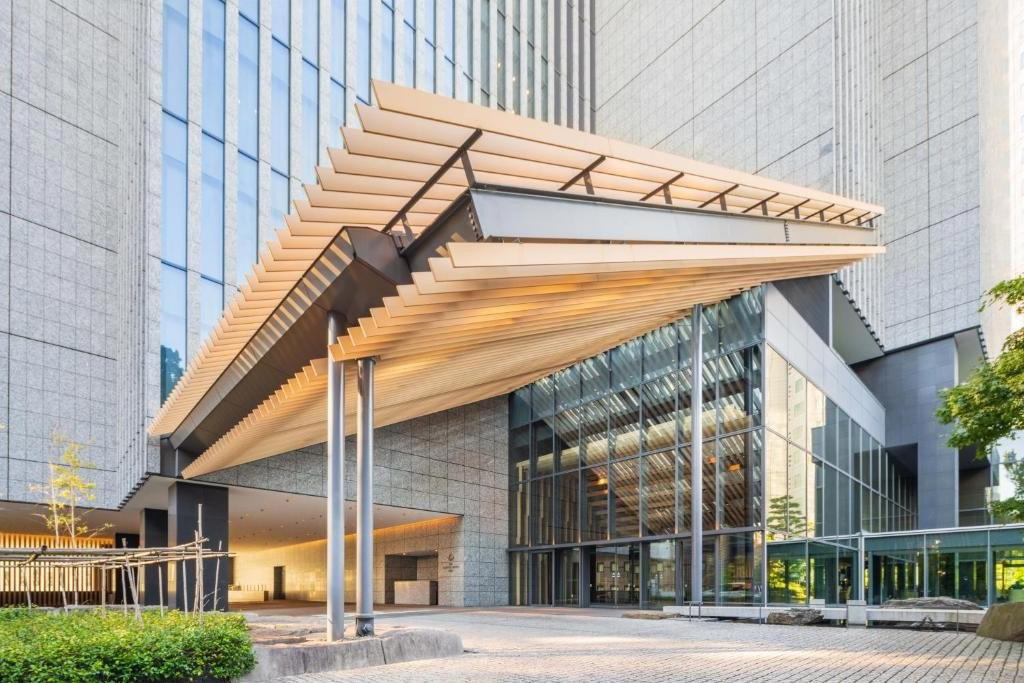
A calm, polished hotel dining room with a classic, formal feel and enough privacy for business meals, family gatherings, and private events.