On Prinsesstraat in Antwerp's compact city centre, Kalura occupies a position in a dining scene where classical Flemish produce and technique-driven cooking increasingly intersect. The address places it within reach of Antwerp's broader restaurant corridor, where kitchens range from heritage Flemish to precision-led modern European. An address worth tracking as the city's mid-to-upper dining tier continues to develop.
Pearl is the En Primeur Club membership app — saves, bookings, and concierge access live there. Same editors, same standards.
- Address
- Prinsesstraat 38, 2000 Antwerpen, Belgium
- Phone
- +3232948453
- Website
- mymenuweb.com
- Directions
- Get directions
 Saves & bookings on Pearl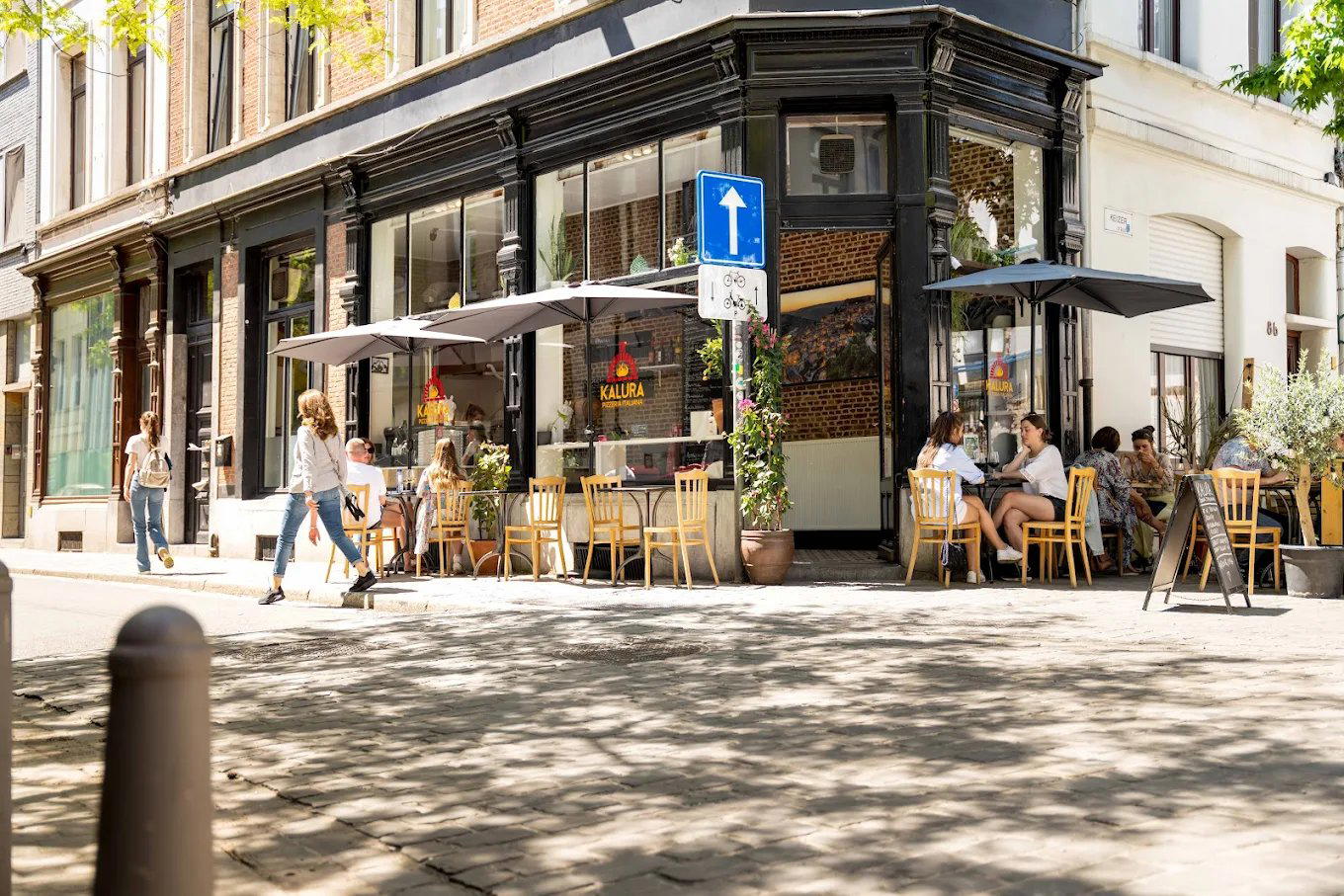
Where Antwerp's Ingredient Culture Meets Imported Technique
Prinsesstraat sits in central Antwerp, a few blocks removed from the Meir retail corridor and the grander dining addresses near the Schelde waterfront. Restaurants here tend to operate at closer quarters with their neighbourhood, drawing a local clientele first and destination visitors second. That proximity to daily Antwerp life shapes the kind of cooking that survives on a street like this.
Flemish kitchens built on classical produce traditions, from Mechelen asparagus and North Sea grey shrimp to Ardennes game and Zeeland oysters, have increasingly absorbed technique borrowed from French, Japanese, and Nordic frameworks. The result is a middle tier of restaurants that are neither locked into traditional Flemish presentation nor chasing the maximalist creativity of the city's highest-profile addresses. Kalura, at Prinsesstraat 38, occupies a city where that tension between local identity and global method is actively being worked out across dozens of kitchens simultaneously.
The Flemish Produce Framework
Belgium's geographical compression means a kitchen in Antwerp can draw from coastal North Sea suppliers, polders vegetable growers, forest foragers from the Ardennes, and river-valley livestock producers within a relatively short radius. The kitchens that use this well tend to build menus that shift meaningfully across the year, spring defined by white asparagus and hop shoots, summer by tomatoes from the Hageland and freshwater fish from Flemish rivers, autumn by game, root vegetables, and fungi, winter by preserved and cured ingredients that stretch the season's logic.
The Technique Import Question
The intersection of local produce and imported culinary method is not distinctive to Antwerp, but Belgium produces it in a concentrated form. Across the country, kitchens have been absorbing French classical rigour, Japanese precision with proteins and fermentation, and Nordic minimalism in plating for long enough that these influences no longer read as novelties. They have been metabolised into a recognisably Belgian sensibility: serious about sourcing, restrained about showing off, and fundamentally interested in what the ingredient tastes like rather than what the technique proves.
This is the culinary context Belgium has built at its reference points. Hof van Cleve in Kruishoutem and Boury in Roeselare represent the upper tier of that synthesis at the national level. Coastal kitchens like Bartholomeus in Heist and Willem Hiele in Oudenburg apply the same logic to seafood-led menus where the North Sea ingredient is non-negotiable and the technique serves it rather than transforms it. In Brussels, Bozar Restaurant operates within a cultural institution context, while addresses like L'air du temps in Liernu and La Durée in Izegem show how that produce-and-technique framework extends across Wallonia and West Flanders respectively.
Internationally, the model of ingredient-first, technique-second cooking that Belgium's better kitchens practice has parallels at places like Le Bernardin in New York, where a single protein category is treated with near-exclusive technical focus, and at Atomix, where Korean tradition and contemporary method create a similar productive tension to what Flemish kitchens are doing with their own culinary inheritance. The comparison is instructive: interesting cooking in this mode always has a specific ingredient or tradition as its anchor, with technique as the tool rather than the subject.
Antwerp's Neighbourhood Dining Register
What distinguishes the Prinsesstraat area from Antwerp's more conspicuous dining zones is a lower tolerance for theatre. Restaurants that survive here over multiple years tend to deliver consistency and a clear sense of what they are, rather than elaborate concept or destination-dining production values. The Bistrot du Nord, operating in a traditional French register nearby, represents one version of that neighbourhood durability. Kitchens that hold a clear identity and execute it reliably accumulate the kind of regular clientele that keeps an address functioning outside the review cycle.
Antwerp's dining scene as a whole has developed sufficient depth that neighbourhood restaurants are no longer simply a fallback for visitors who cannot secure a table at the city's best-known addresses. Castor in Beveren and d'Eugénie à Emilie in Baudour show how the serious dining register extends beyond Antwerp's administrative boundaries entirely. Within the city, the tier below the starred addresses contains kitchens worth tracking precisely because they operate without the overhead of high-profile recognition, which can free them to take the kind of menu risks that more visible restaurants cannot afford.
Planning a Visit
Kalura is located at Prinsesstraat 38 in the 2000 postcode, Antwerp's central district. The address is walkable from the main railway station and from the historic centre, placing it in convenient reach for visitors already in the city. Booking details, current hours, and pricing are available from current local listings. Advance reservation is advisable, particularly for weekend evenings. De Jonkman in Sint-Kruis offers a useful reference point for how the Flemish kitchen tradition extends into the broader regional context, for those planning a wider trip through the Belgian dining circuit.
Comparable Options
Comparable venues nearby, for context on price, style, and recognition.
| Venue | Cuisine | Price | Notes |
|---|---|---|---|
| KaluraThis venue — the venue you are viewing | Authentic Sicilian Pizza | $$ | Not listed |
| ArriKiiati | Sicilian Seasonal Bistro | $$$ | Schipperskwartier |
| La Terrazza | Authentic Italian & Mediterranean | $$$ | Wilrijk |
| De Foyer | French-Belgian Brasserie | $$ | City Center |
| L'Enoteca | Authentic Italian Pasta & Wine | $$ | Zurenborg |
| Licoli | Neapolitan Pizza | $$ | Berchem |
At a Glance
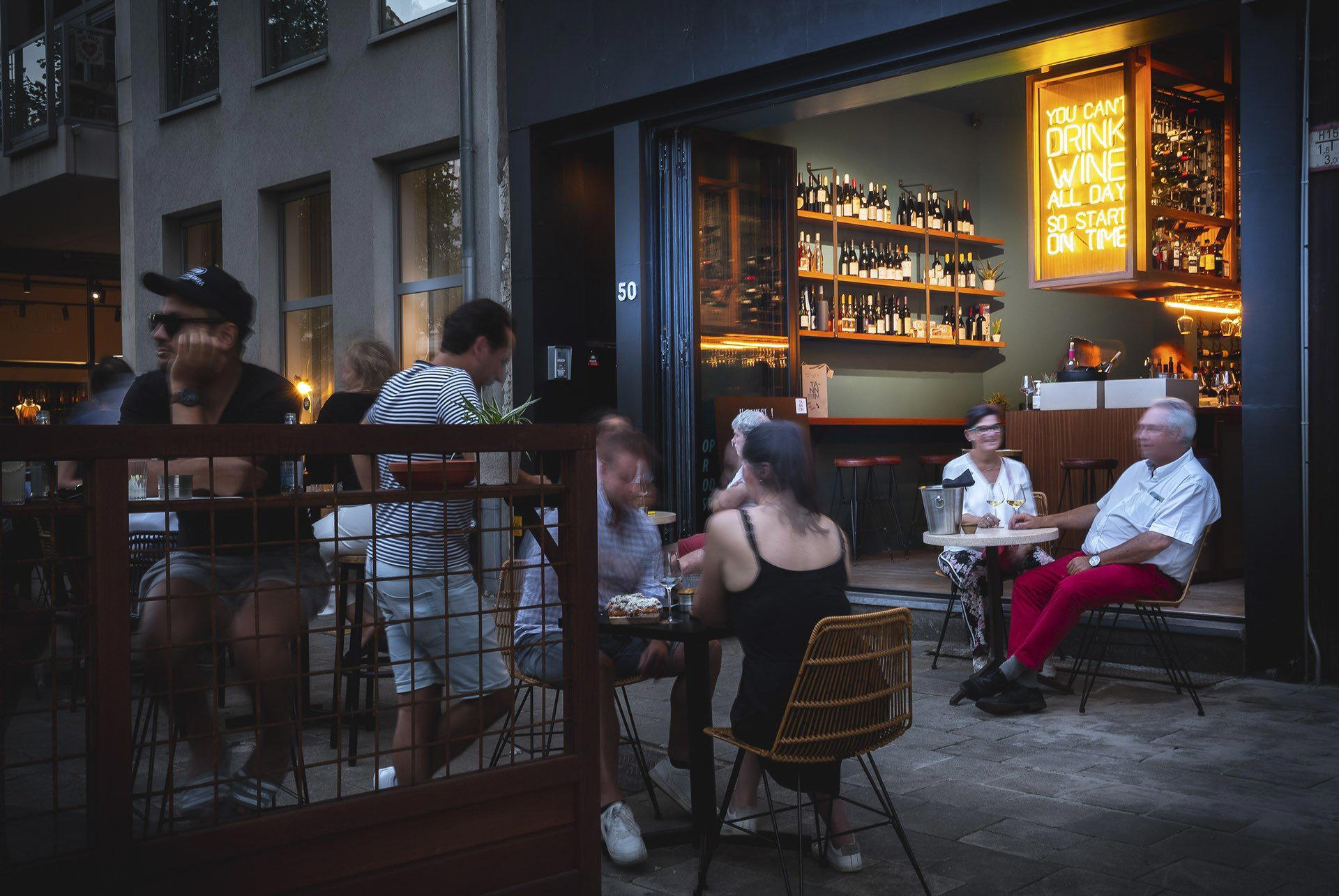
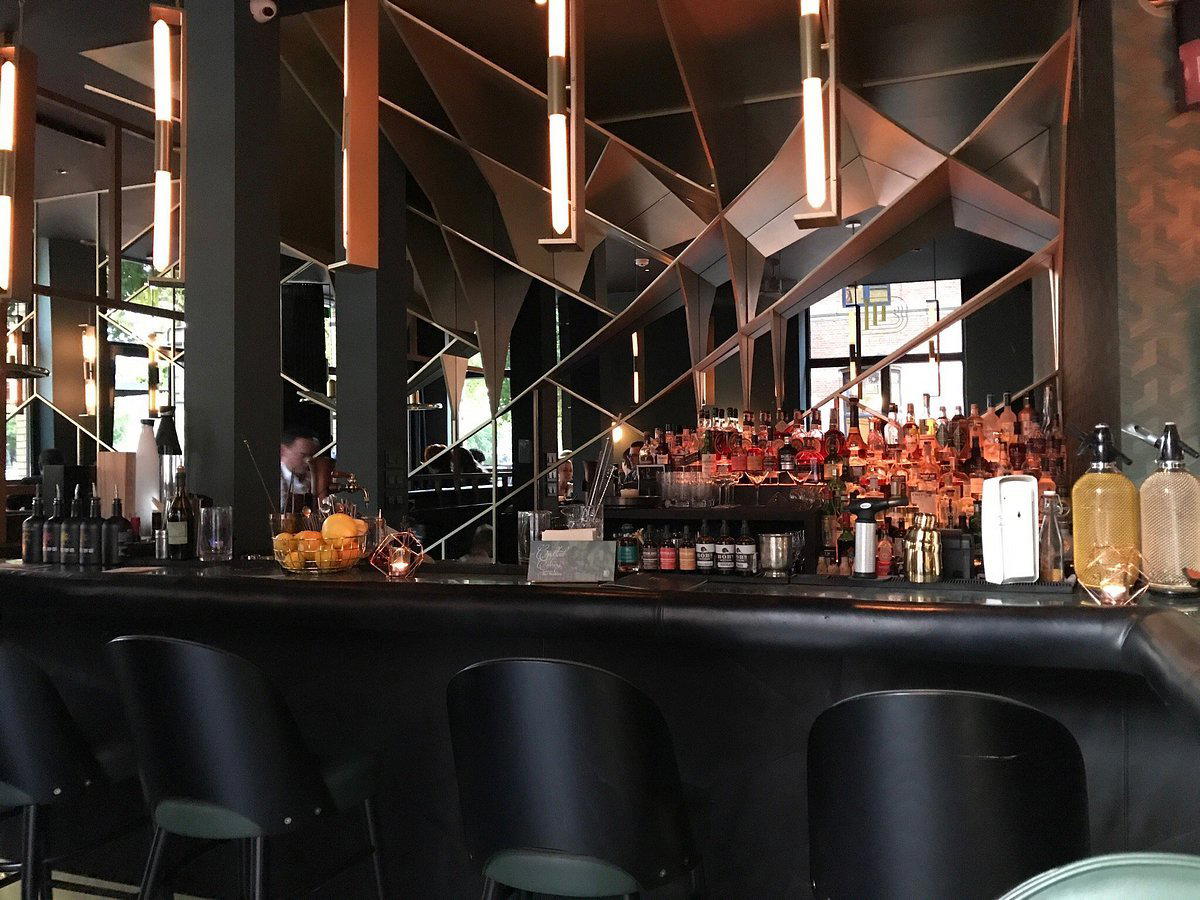
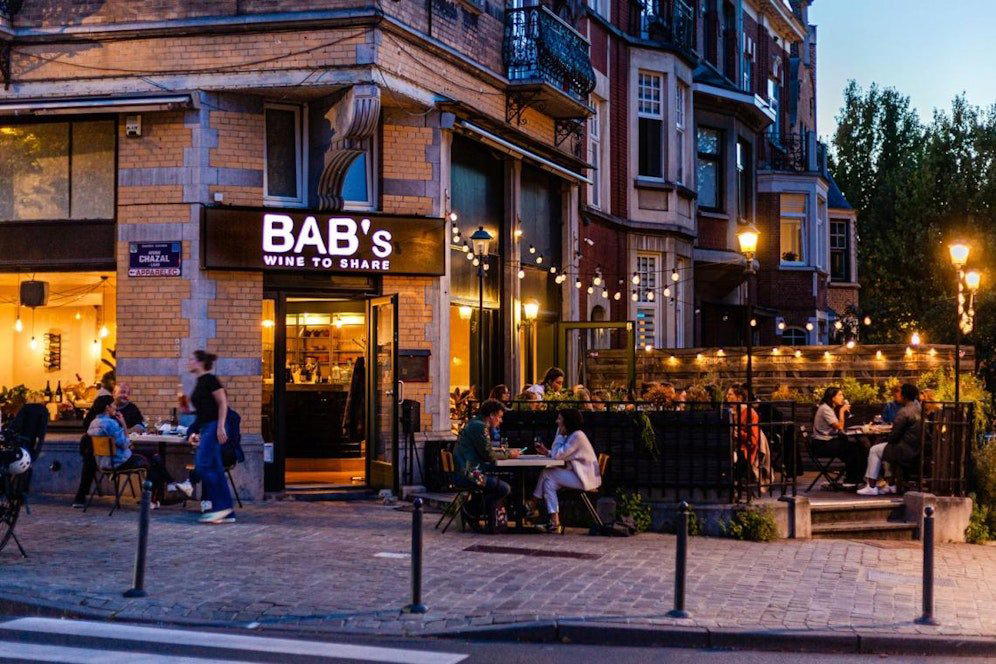
- Cozy
- Warm
- Casual Hangout
- Family
- Open Kitchen
Current opening hours
- Monday
- Closed
- Tuesday
- 12–2 PM, 5:30–10 PM
- Wednesday
- 12–2 PM, 5:30–10 PM
- Thursday
- 12–2 PM, 5:30–10 PM
- Friday
- 12–2 PM, 5:30–10 PM
- Saturday
- 12–2 PM, 5:30–10 PM
- Sunday
- Closed
Hours can change for holidays and private events. Last verified .
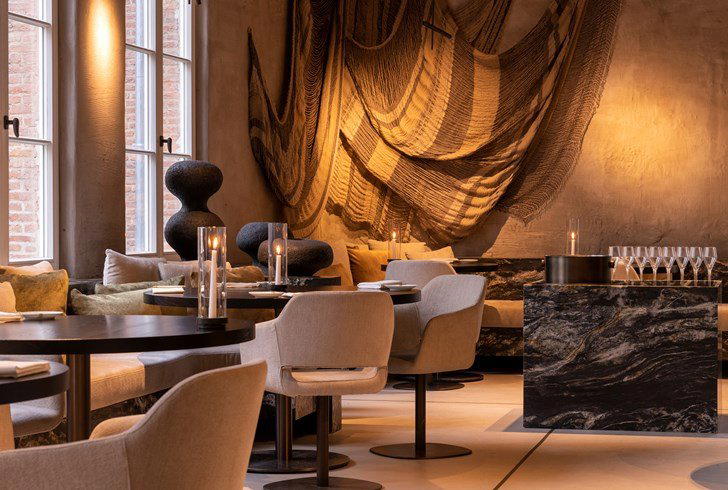
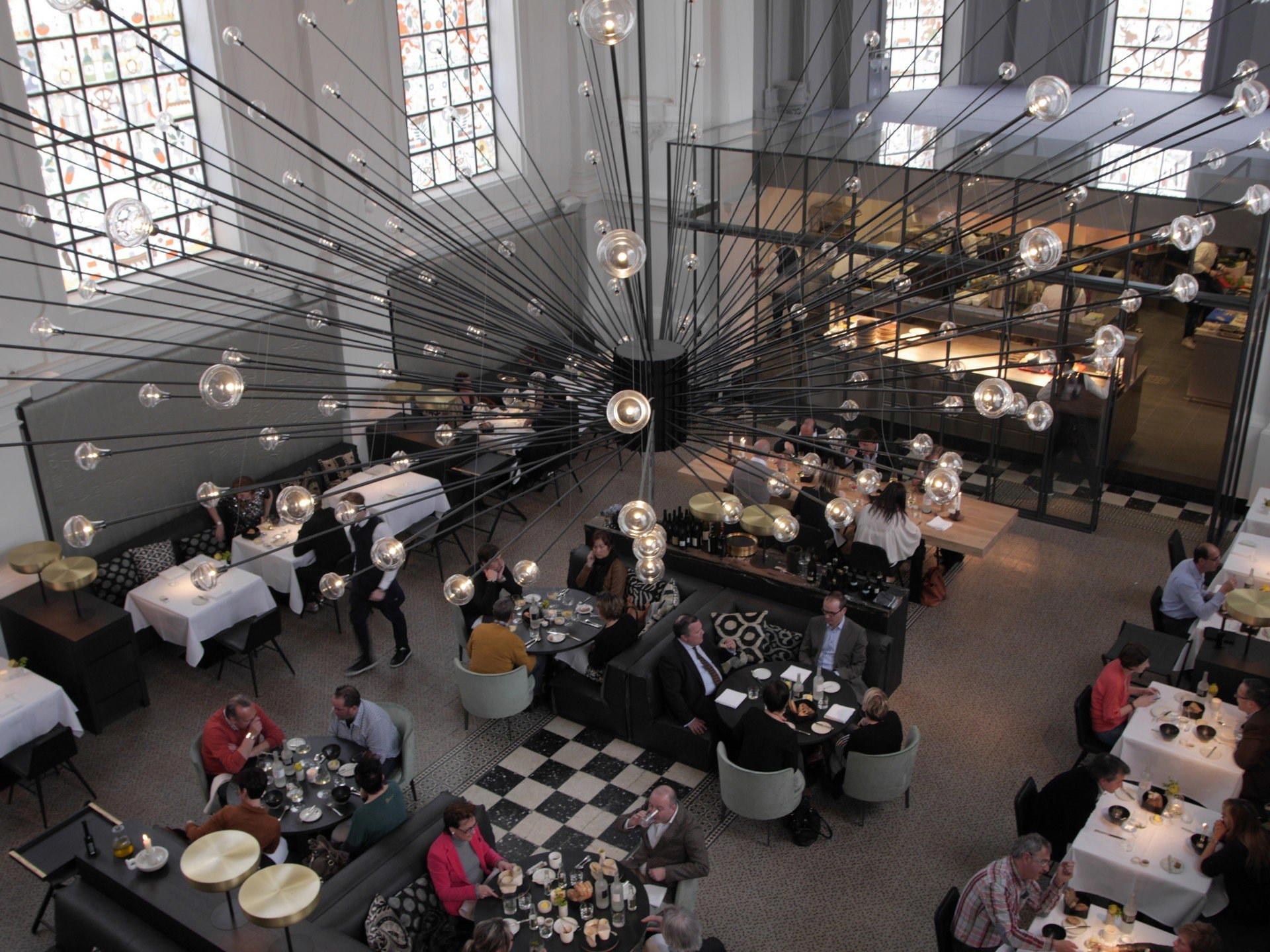
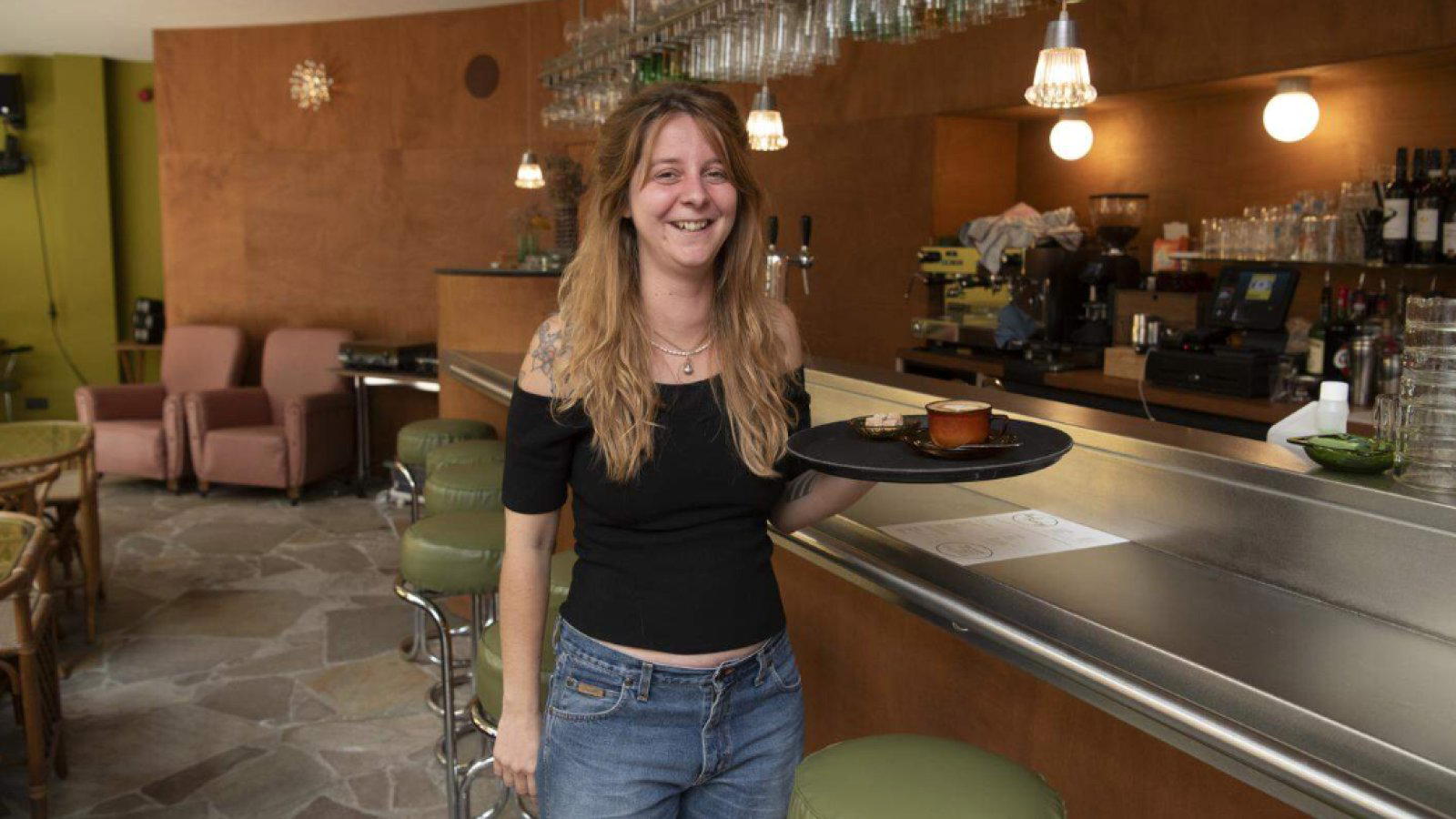
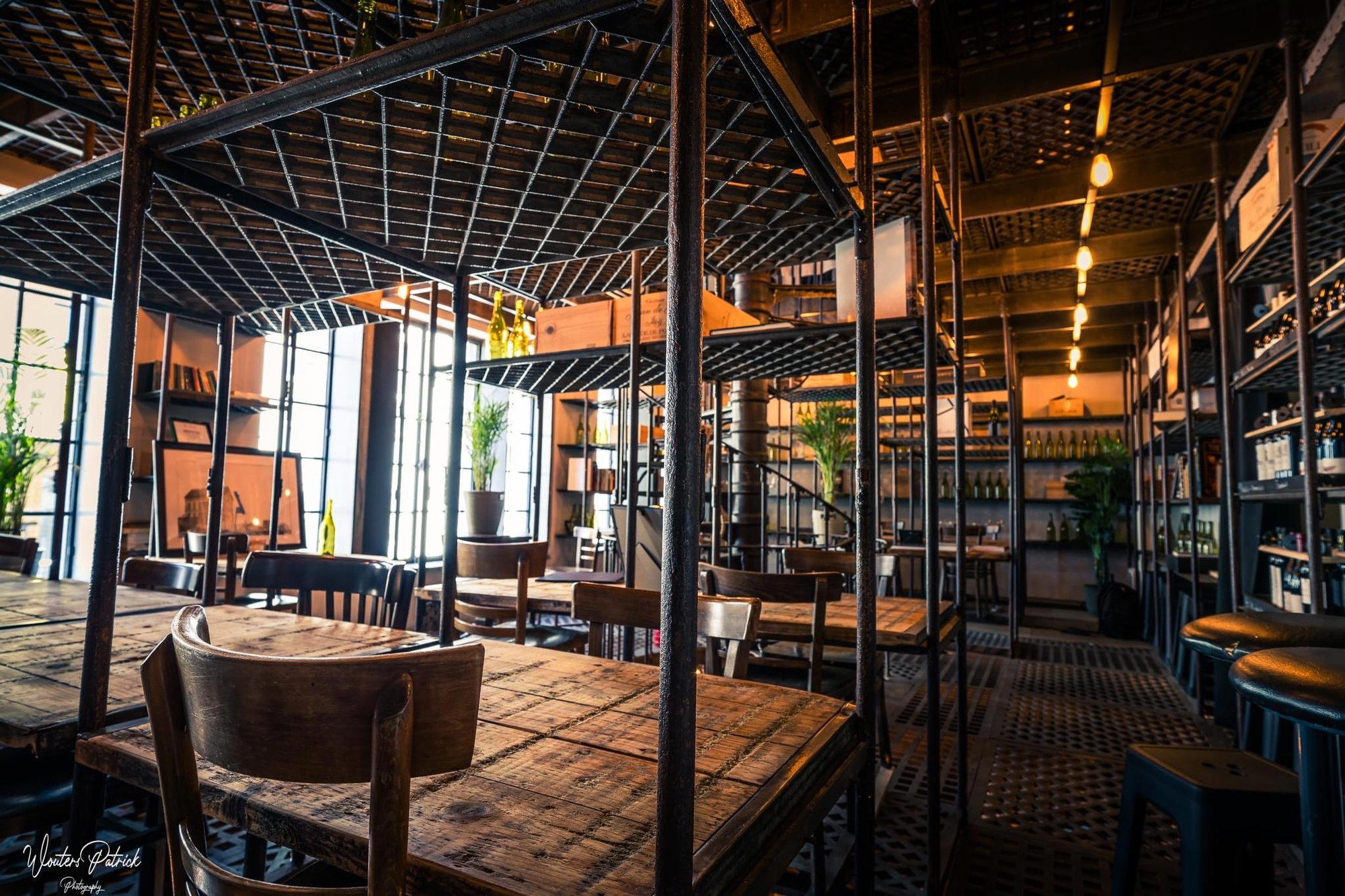
Warm and cozy atmosphere reflecting Sicilian hospitality.