Chez Justin sits in Fillière, a commune in the Haute-Savoie department where alpine proximity shapes what ends up on the plate. The address, 147 Route des Diacquenods, places it within reach of Annecy and the broader Aravis valley, situating it in a region where French mountain cooking carries serious culinary weight. For travellers moving between Geneva and the ski resorts of the Northern Alps, it represents a locally-rooted dining stop worth factoring into the itinerary.
Pearl is the En Primeur Club membership app — saves, bookings, and concierge access live there. Same editors, same standards.
- Address
- 147 Rte des Diacquenods, 74370 Fillière, France
- Phone
- +33 4 50 63 14 34
- Directions
- Get directions
 Saves & bookings on Pearl
Where the Alps Meet the Plate: Dining in Haute-Savoie
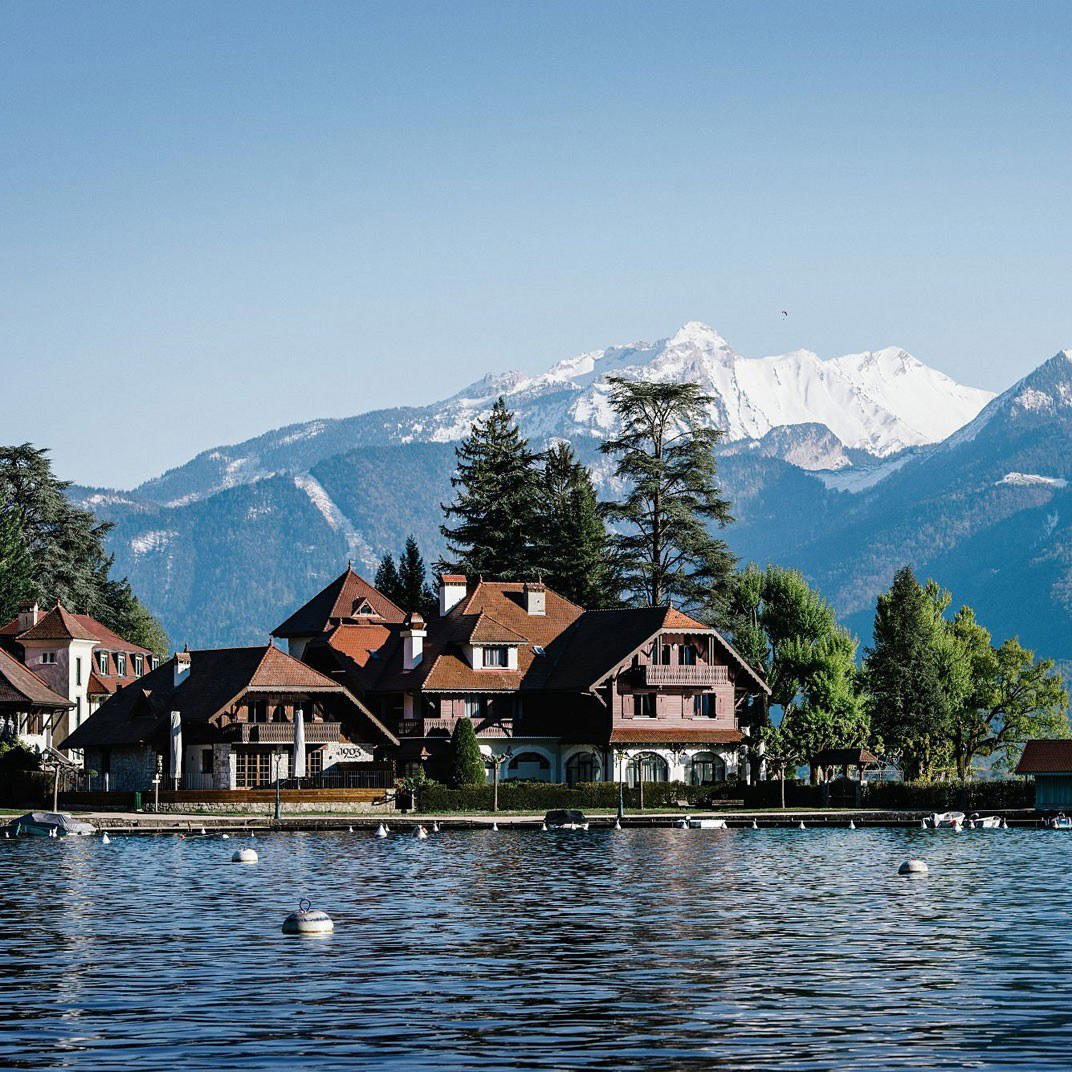
The approach to Fillière gives you the context before the meal does. The Haute-Savoie département sits in the crease between the Aravis massif and the Bornes plateau, and the villages along the Route des Diacquenods carry that alpine character in everything from the stone architecture to what farmers bring to market each week. This is not the France of Parisian brasseries or Provençal olive groves. It is mountain France, where the culinary tradition runs through reblochon, cured meats, lake fish from Annecy, and wild ingredients gathered from elevations that most lowland kitchens never see.
Chez Justin occupies a specific position within that tradition. At 147 Route des Diacquenods, the address alone telegraphs a commitment to place. Fillière is not a city with a dining scene designed for tourism in the way that nearby Annecy has become. That distinction matters: restaurants that survive in smaller alpine communes tend to do so by serving a community rather than a passing audience, and the food they produce reflects that accountability.
Ingredient Territory: What Haute-Savoie Puts on the Table
French alpine cooking has a sourcing logic that differs sharply from both coastal and urban French traditions. The proximity to Switzerland and Italy has historically created a larder that is distinctly cross-border: Savoyard cheeses protected under AOC designation, freshwater fish from Lac d'Annecy and Lac du Bourget, game from the surrounding forests, and dairy from herds that move between summer pastures at altitude and valley farms in winter. The seasonal rhythm of that supply chain is not a marketing concept, it is an operational reality that shapes menus from one month to the next.
Within a broader regional context, the Haute-Savoie sits in interesting company. To the south and west, the Rhône-Alpes corridor has produced some of France's most decorated restaurants: Flocons de Sel in Megève holds three Michelin stars and works with a hyper-local alpine sourcing philosophy that has become a reference point for the region. Further afield, houses like Troisgros in Ouches and Georges Blanc in Vonnas have built multi-generational identities around terroir-anchored French cooking in non-urban settings. What those references share is a conviction that compelling French regional cooking happens when the kitchen's supply chain is measured in kilometres, not continents.
For a village restaurant in Fillière, the same logic applies at a more intimate scale. The farms, dairies, and foragers operating within the Aravis and Bornes valleys represent a supply network that larger urban restaurants pay significant premiums to access. A locally-embedded kitchen in this zone has structural sourcing advantages that are difficult to replicate from a city address.
The Room and the Register
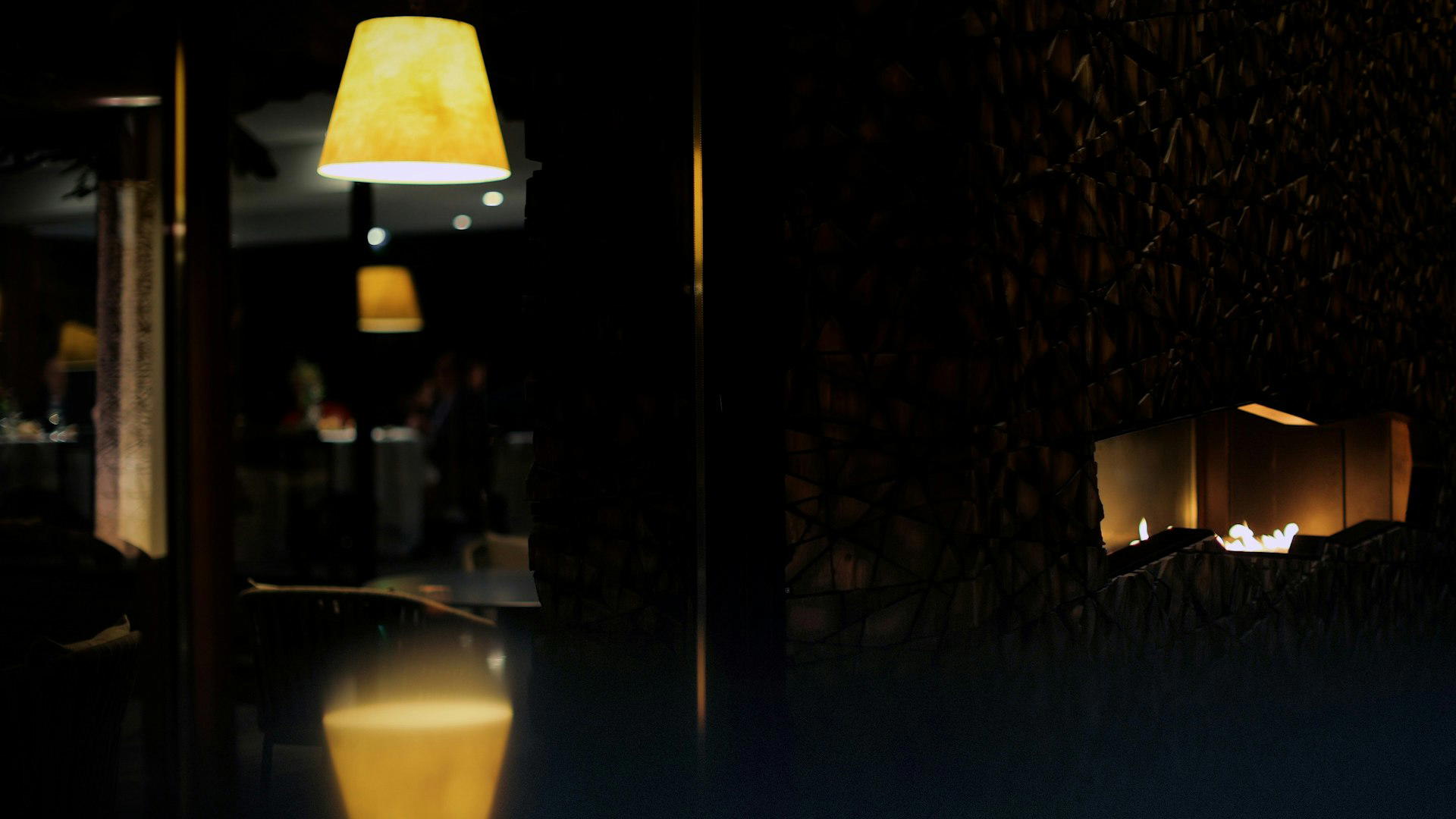
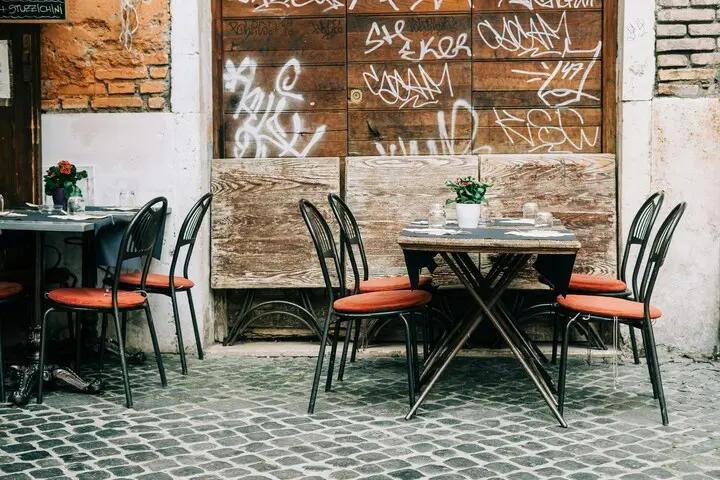
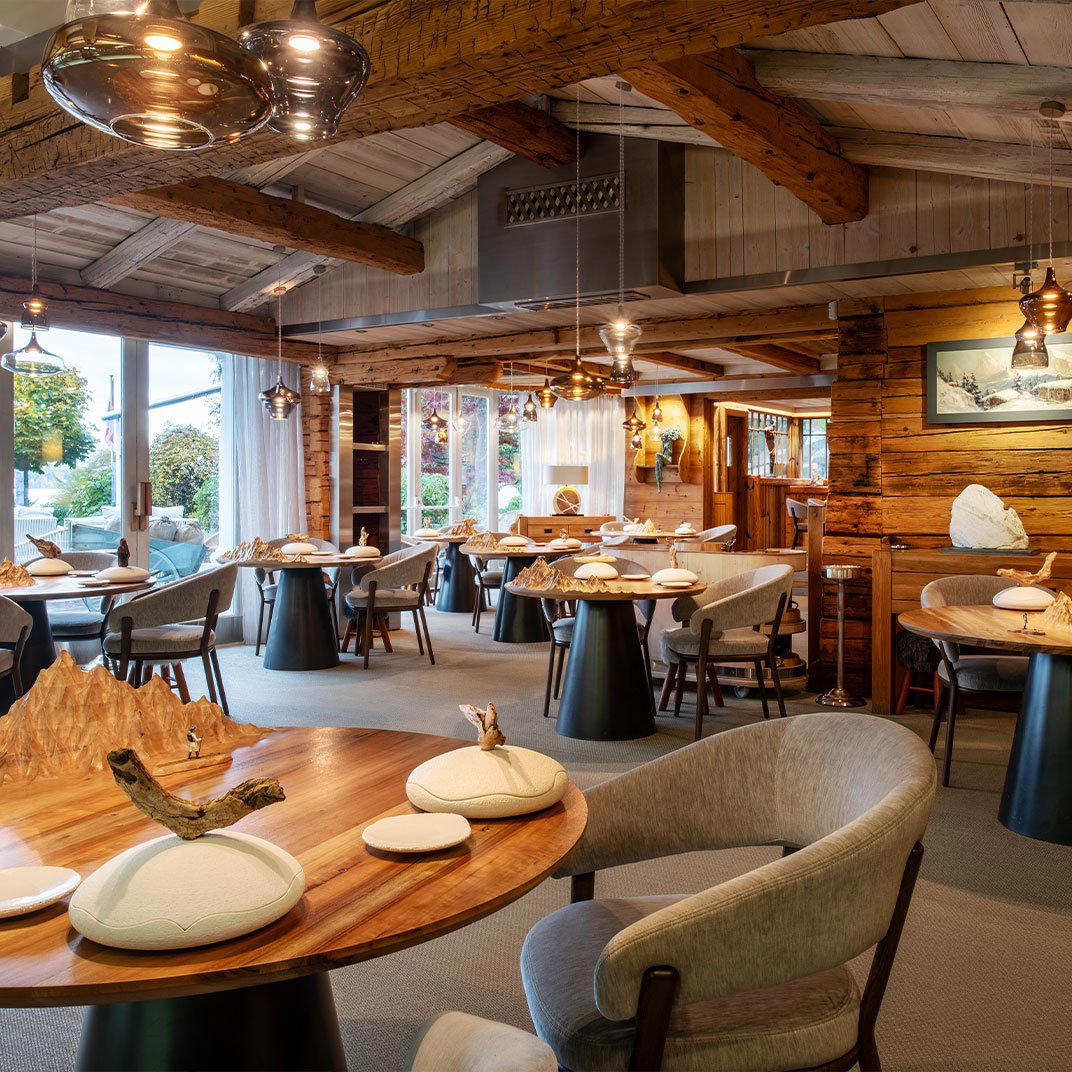
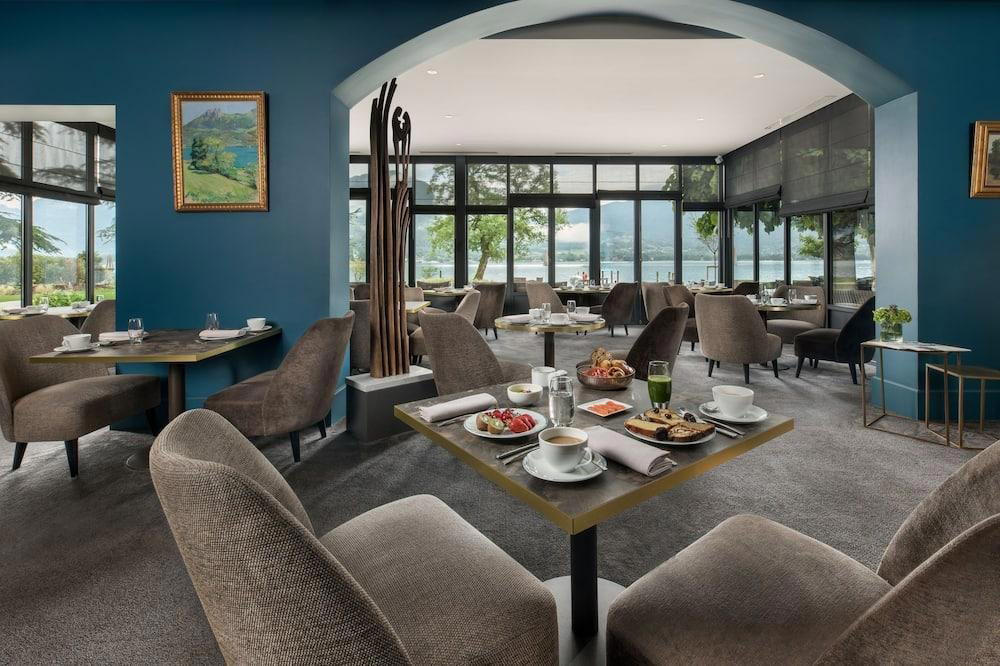
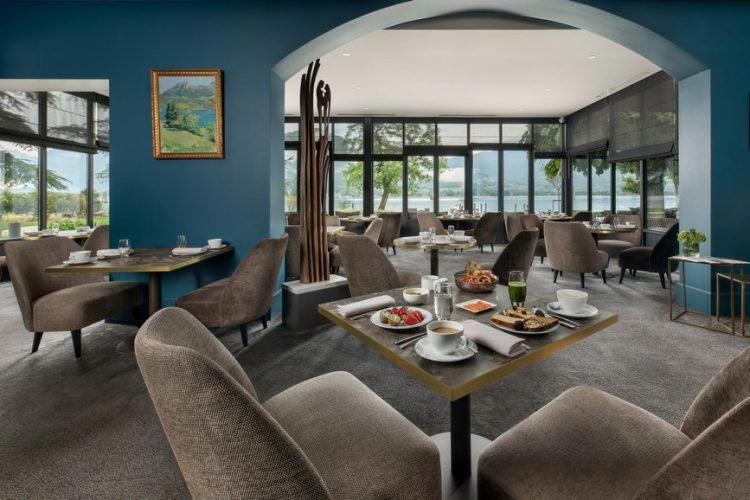
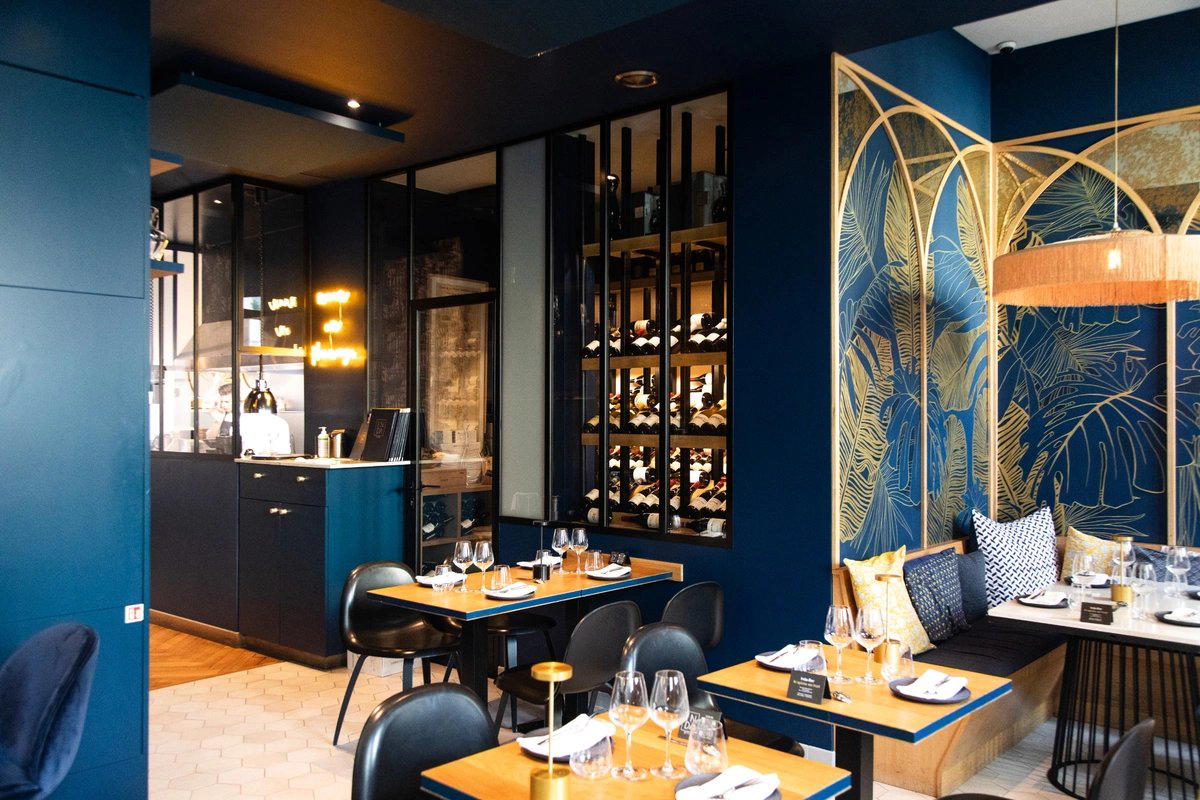
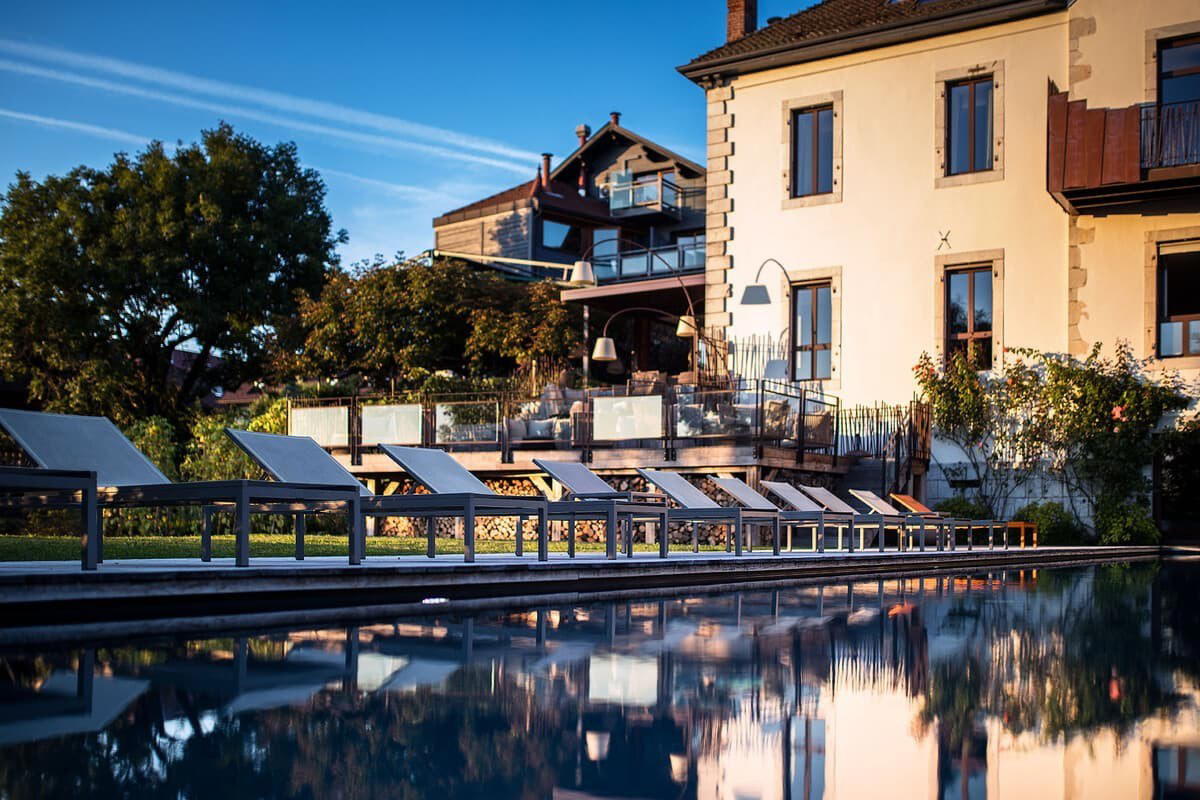
Alpine restaurant interiors in this part of France tend to fall into two categories: the chalet-heavy décor aimed at ski-season visitors, and the quieter, more functional spaces that serve year-round local clientele. The Route des Diacquenods address places Chez Justin in the latter geography, away from the resort circuits of Megève or Courchevel, where hotels like Cheval Blanc anchor dining rooms with the full weight of palace-hotel investment (see Le 1947 at Cheval Blanc in Courchevel for that register). The village setting implies a different kind of atmosphere: one calibrated to the pace of local life rather than the compressed intensity of a ski-week itinerary.
That distinction carries practical implications for the traveller. In resort-zone restaurants, reservations compete against hotel guests and high-season tourism pressures. In a commune-level address like Fillière, the dynamic is different, and the experience of arriving, eating, and leaving carries less of the transactional quality that high-footfall tourist dining can produce.
Positioning Within French Regional Fine Dining
France's regional restaurant culture has depth that the Paris-centric narrative often obscures. The country's most sustained culinary reputations have frequently been built outside the capital: Auberge de l'Ill in Illhaeusern, Paul Bocuse's Auberge du Pont de Collonges near Lyon, Bras in Laguiole, and Les Prés d'Eugénie in Eugénie-les-Bains each demonstrate that rooted expressions of French cooking emerge from places where the chef's relationship to local producers is structural and long-term, not curated for a tasting menu narrative.
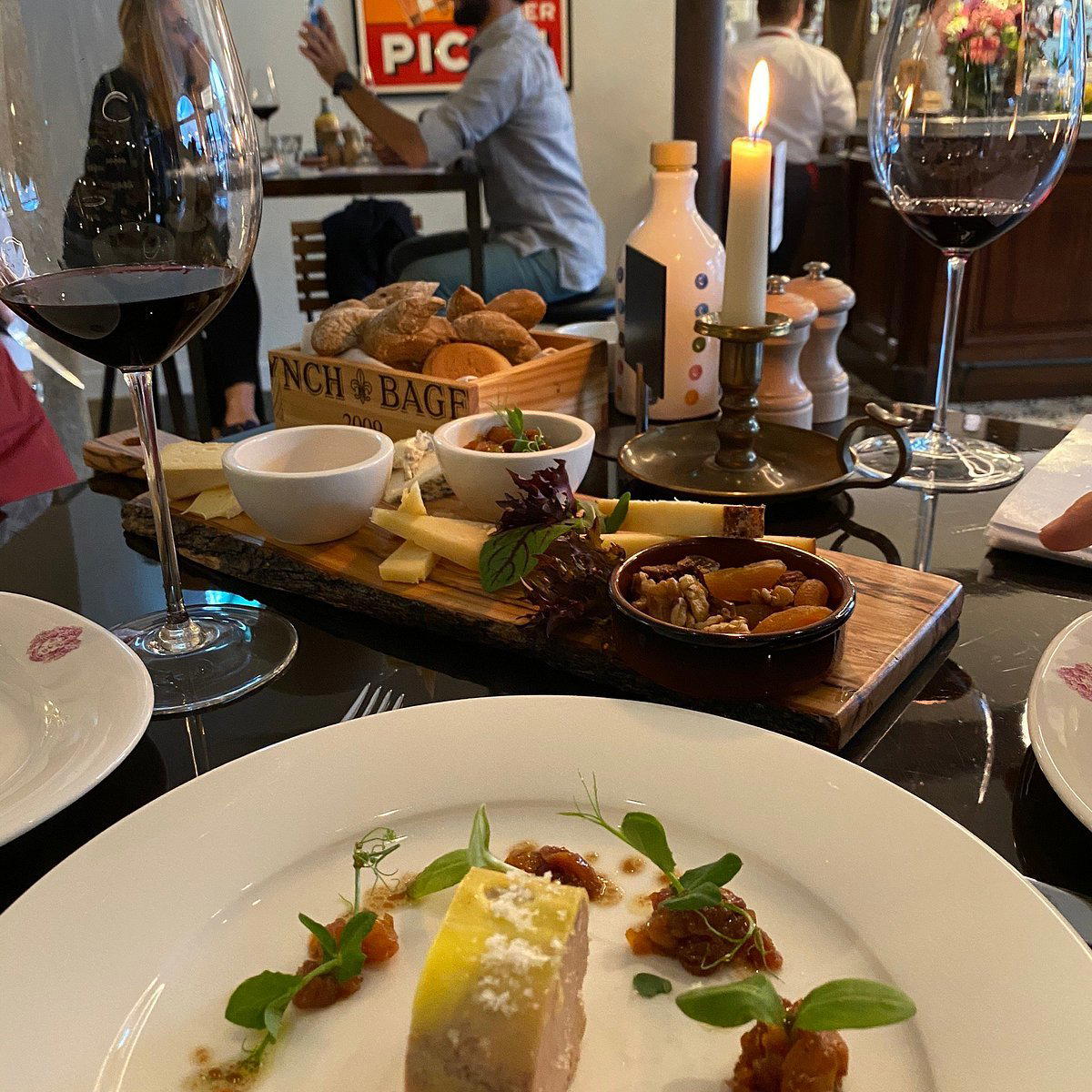
Haute-Savoie participates in that tradition with particular force because the region's ingredient identity is so pronounced. Lake perch prepared in browned butter, raclette and tartiflette in their proper cold-weather contexts, charcuterie from mountain-reared pigs, these are not dishes that translate easily to other geographies. They belong to this altitude, this climate, and these producers. A kitchen that sits in the middle of that supply chain, as a village restaurant like Chez Justin does, is positioned to express that identity directly rather than approximate it.
For context on what neighbouring coastal and southern French traditions look like at their most ambitious, Mirazur in Menton, L'Oustau de Baumanière in Les Baux, and La Vague d'Or in Saint-Tropez each operate at the far end of the investment and recognition spectrum. The contrast highlights what a mid-scale alpine address offers that those restaurants cannot: proximity to a specific, cooler-climate larder and a relationship to local community that shapes the room as much as the plate.
Planning Your Visit
Fillière sits within practical reach of Annecy, approximately 15 kilometres to the south along the valley. Travellers arriving via Geneva (roughly 50 kilometres to the northwest) or Chambéry (around 60 kilometres to the southwest) can reach the commune by car with ease; public transport options are limited in this part of the Aravis foothills, and a rental car is a reliable way to access the Route des Diacquenods address. The alpine calendar means the area draws visitors both in winter (ski season in the Aravis resorts) and summer (hiking and lake access), so demand at local restaurants varies considerably by season. Opening hours run Monday 11 AM to 2:30 PM, Tuesday through Saturday 11 AM to 2:30 PM and 5:30 PM to midnight, and the restaurant is closed on Sunday. Reservations are recommended.
Travellers building longer itineraries through the French Alps and Rhône-Alpes region may also want to cross-reference Maison Lameloise in Chagny for Burgundian context, Auberge du Vieux Puits in Fontjoncouse for a comparable commitment to deep-rural French cooking, or La Table du Castellet if the route extends south. For those whose travel extends further, Alléno Paris au Pavillon Ledoyen represents the capital's counterpoint to the regional model, while Le Bernardin in New York and Lazy Bear in San Francisco show how the French sourcing-first philosophy has travelled internationally.
Quick Comparison
Comparable venues nearby, for context on price, style, and recognition.
| Venue | Cuisine | Price | Notes |
|---|---|---|---|
| Chez JustinThis venue — the venue you are viewing | Traditional French Bistro with Cocktails | $$ | Not listed |
| Le Dérapage | Traditional Savoyard with Pizza and Shared Plates | $$ | Chinaillon |
| Crémerie du Glacier | Traditional Savoyard | $$ | Argentière |
| La Gargotte | French Bistronomie | $$ | Quartier Bas des Pentes Presqu'île |
| La belle vie | Traditional French Bistro | $$ | Thoirette-Coisia |
| La Parfumerie | Modern French Bistro | $$ | Terre Nue |
At a Glance
- Cozy
- Lively
- Family
- Casual Hangout
- Craft Cocktails
- Organic
- Local Sourcing
Current opening hours
- Monday
- 11 AM–2:30 PM
- Tuesday
- 11 AM–2:30 PM, 5:30 PM–12 AM
- Wednesday
- 11 AM–2:30 PM, 5:30 PM–12 AM
- Thursday
- 11 AM–2:30 PM, 5:30 PM–12 AM
- Friday
- 11 AM–2:30 PM, 5:30 PM–12 AM
- Saturday
- 11 AM–2:30 PM, 5:30 PM–12 AM
- Sunday
- Closed
Hours can change for holidays and private events. Last verified .
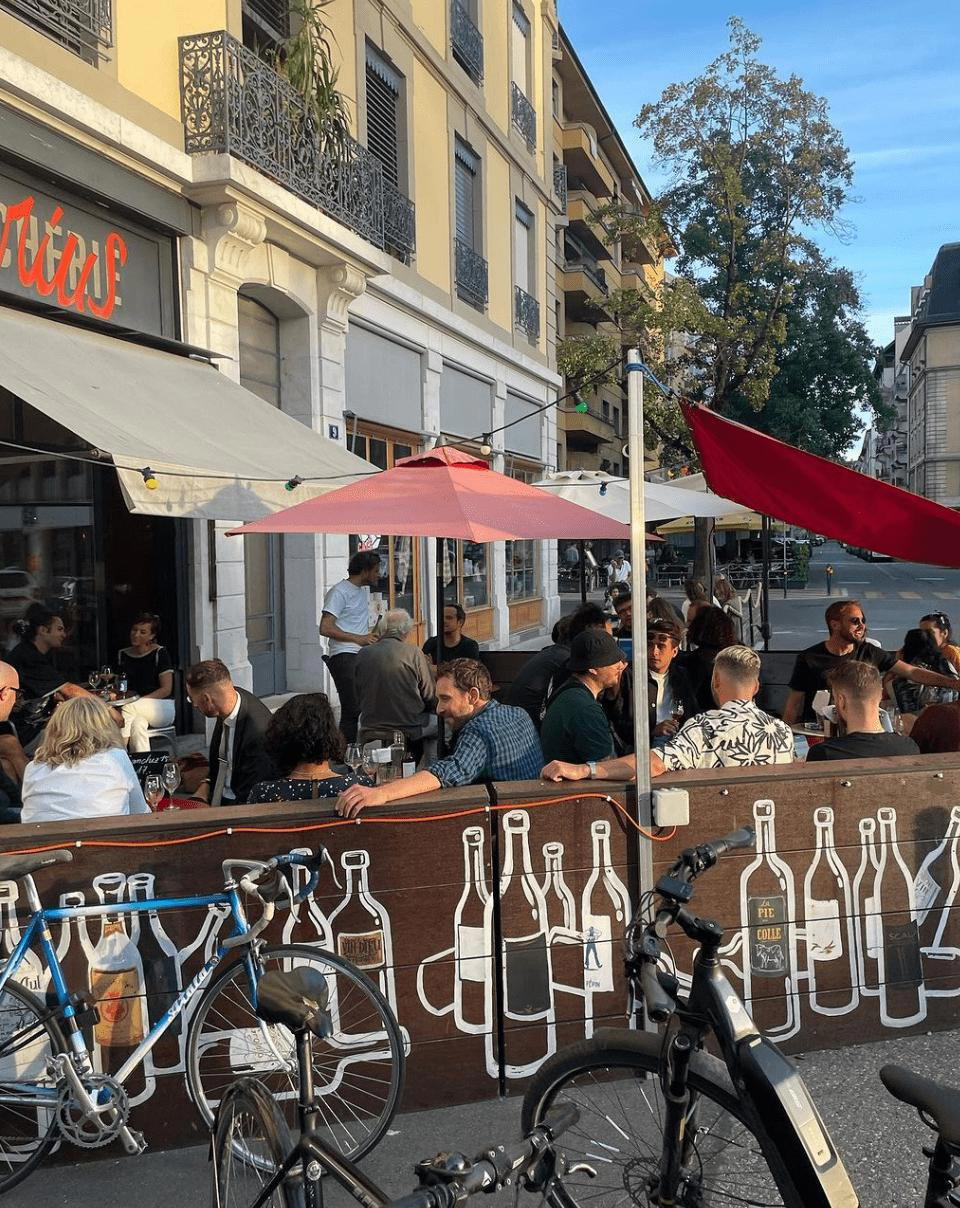
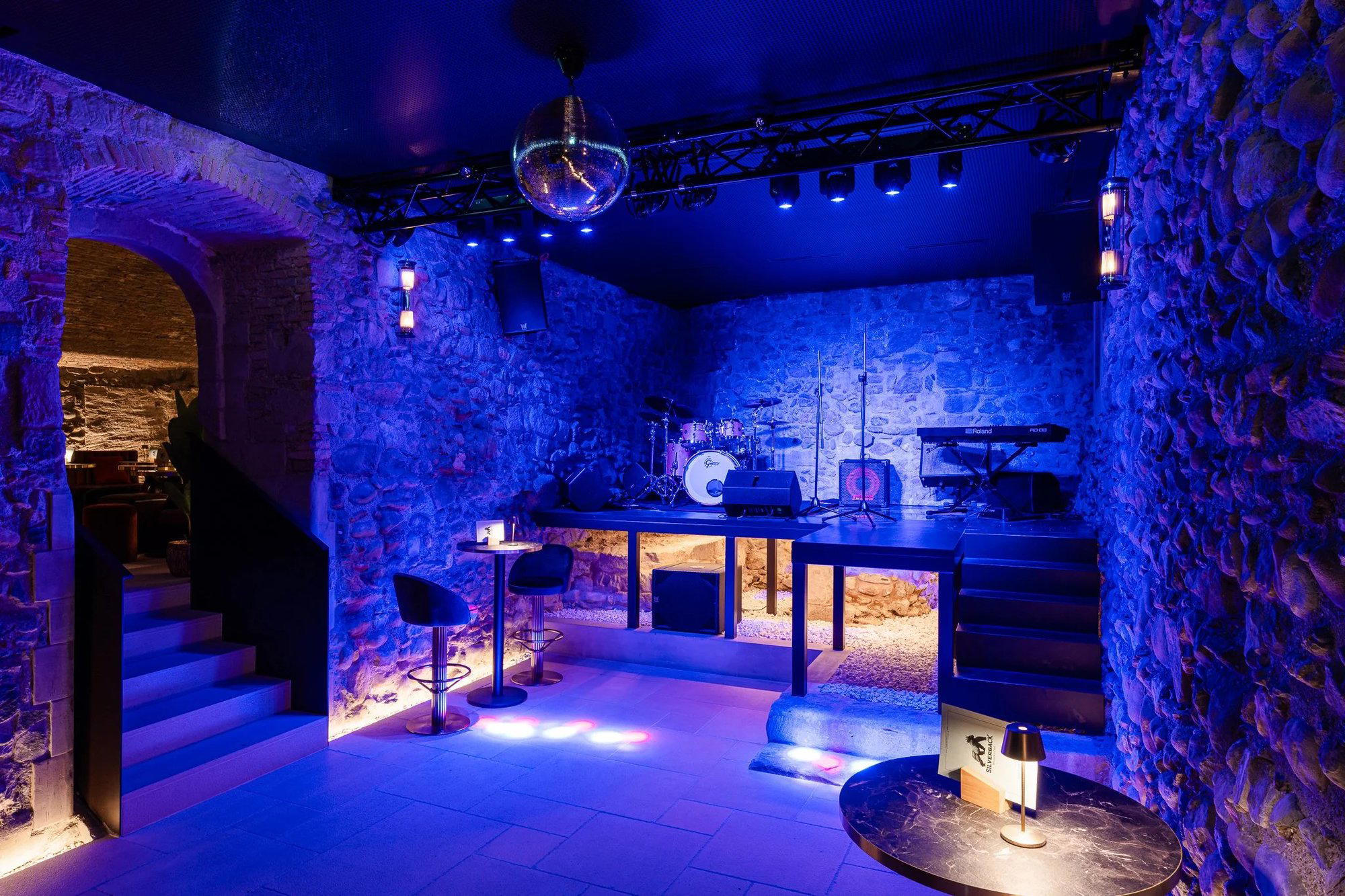
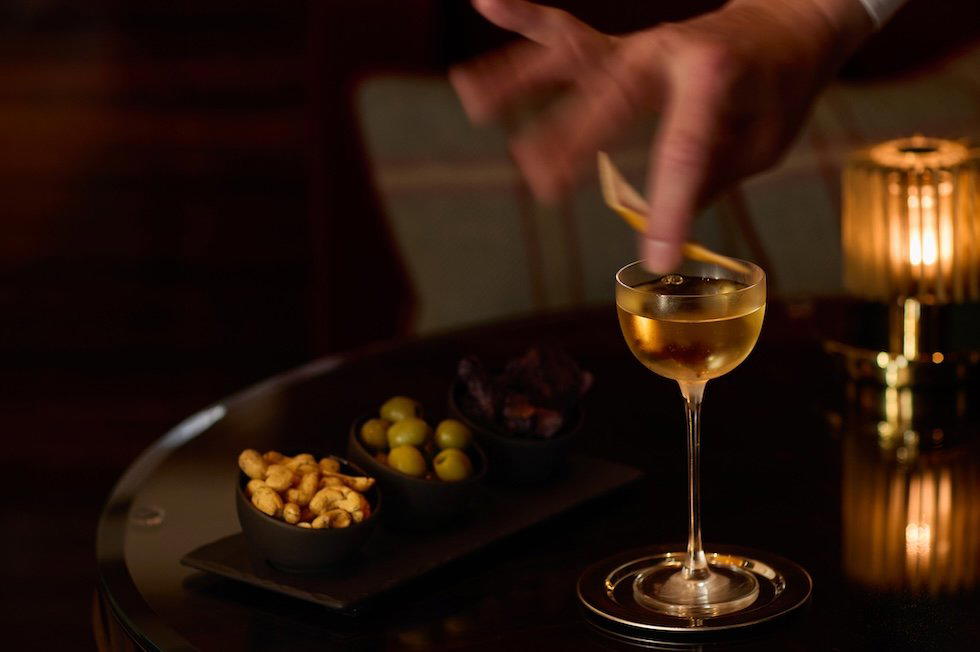
Cosy and cocooning atmosphere with old French actor photos and American influences blending charm and modern comfort.