La Parfumerie
La Parfumerie sits in Viviers-du-Lac, a small commune on the western shore of Lac du Bourget in Savoie, where the regional dining tradition leans heavily on alpine produce and lake fish. The address on Rue du Colonel Bachetta places it within a quiet residential stretch that rewards visitors who come looking rather than stumbling in. For context on the wider dining scene, see our full Viviers Du Lac restaurants guide.
Pearl is the En Primeur Club membership app — saves, bookings, and concierge access live there. Same editors, same standards.
- Address
- 204 Rue du Colonel Bachetta, 73420 Viviers-du-Lac, France
- Phone
- +33479544890
- Directions
- Get directions
 Saves & bookings on Pearl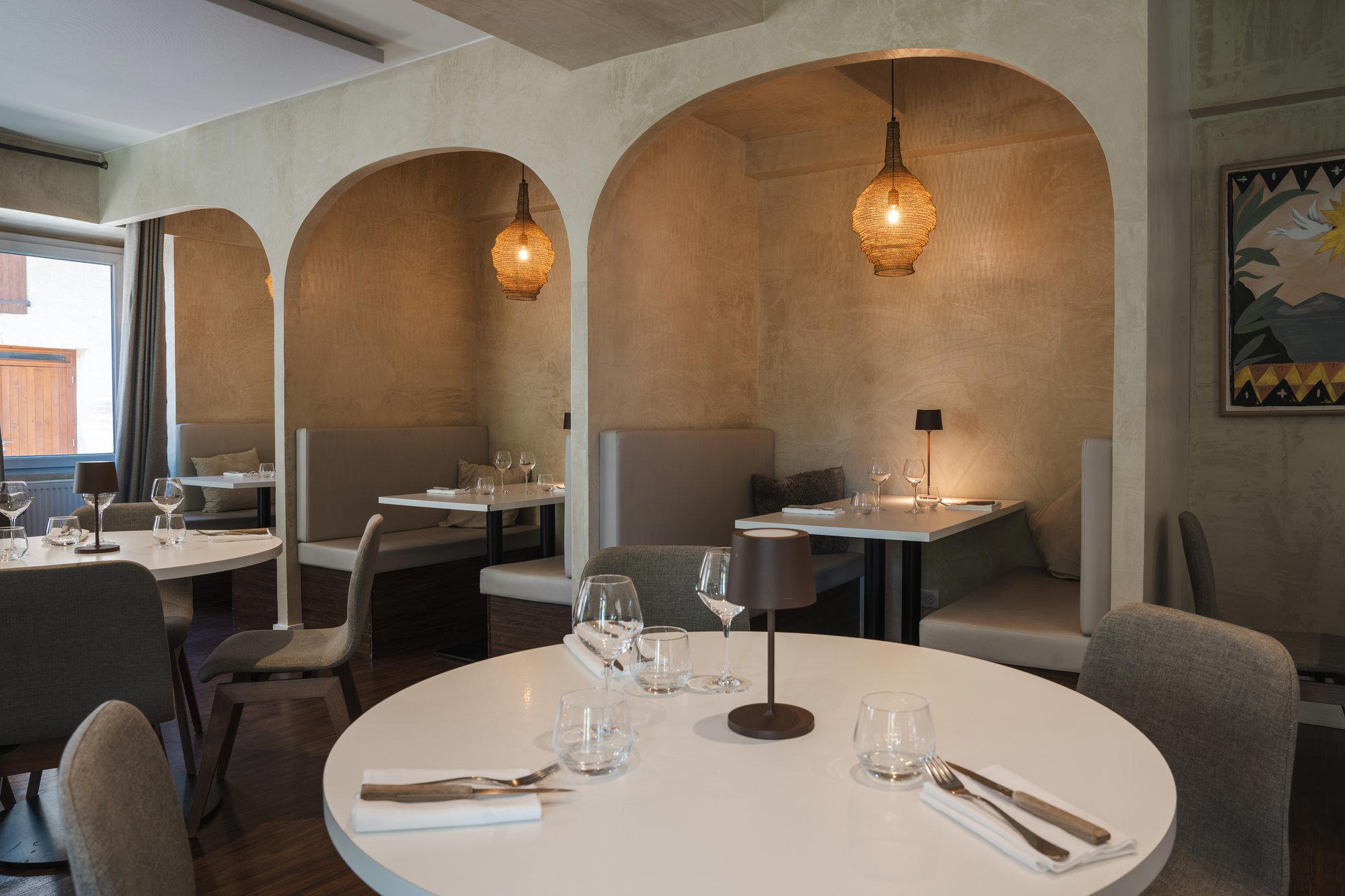
Where the Savoie Table Begins: Lac du Bourget and Its Larder
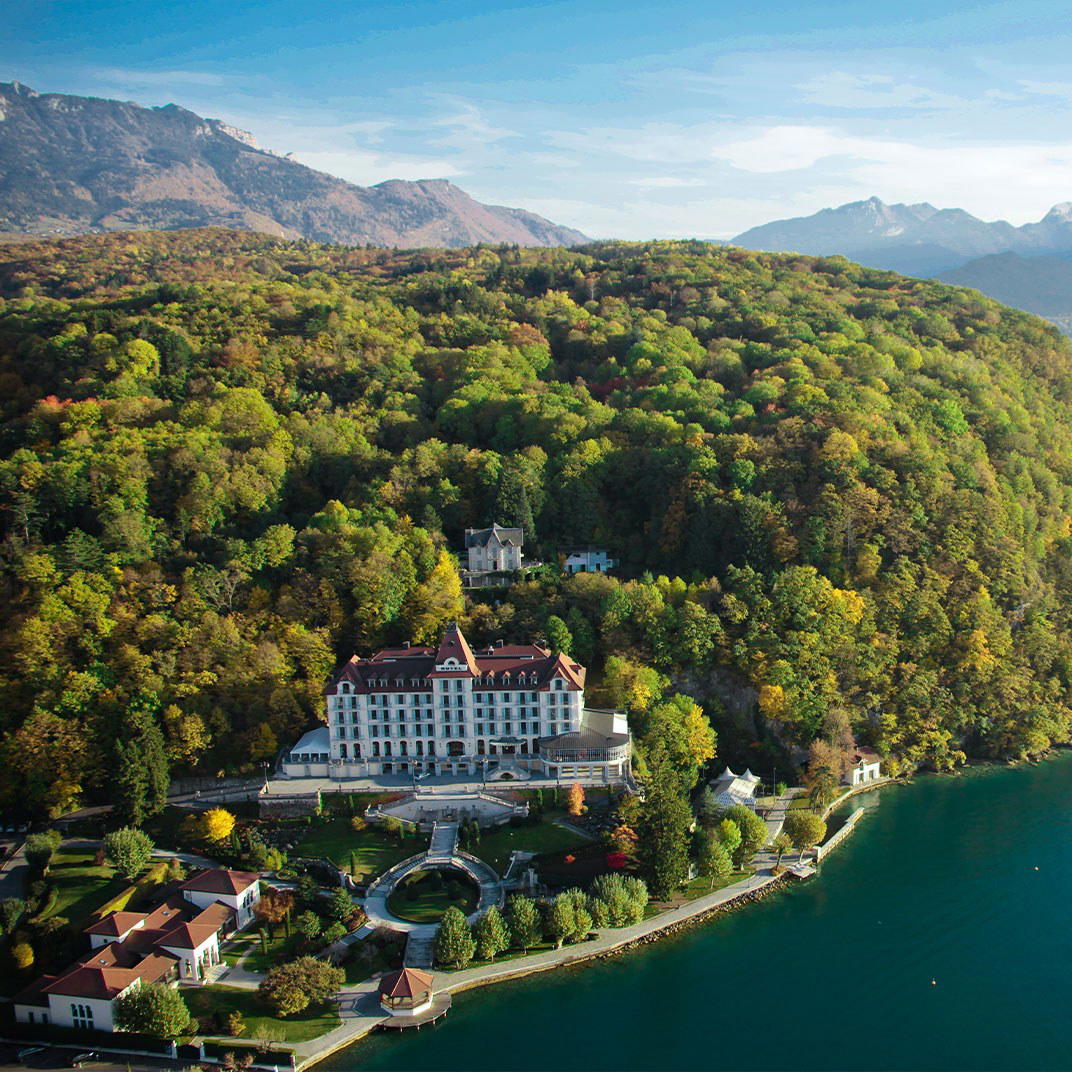
The western shore of Lac du Bourget operates at a different register from the ski-resort dining that dominates Savoie's reputation. Here, the culinary reference points are the lake itself, the surrounding limestone ridges, and a network of small producers who have supplied local tables for generations. Viviers-du-Lac sits within this geography, a commune where the distance between source and plate is measured in kilometres rather than supply-chain abstractions. La Parfumerie, at 204 Rue du Colonel Bachetta, occupies that context directly. The address is residential and unhurried, which suits a neighbourhood restaurant on this shore.
The broader Savoie dining tradition has always been ingredient-led in a way that predates the contemporary sourcing conversation. Fera and perch from Lac du Bourget, reblochon and beaufort from the mountain pastures above Chambéry, charcuterie from small operations in the Bauges massif, these are the building blocks that define the regional table, and they appear across a spectrum of restaurants from simple auberges to destinations that draw visitors from Lyon and Geneva. La Parfumerie fits within that spectrum as a Modern French Bistro rooted in local produce rather than one performing a style imported from elsewhere.
The Sourcing Logic of the Savoyard Kitchen
Ingredient sourcing in this part of France operates through relationships that are often decades old. The fish from Lac du Bourget, France's largest natural lake, classified as a protected site, arrives at local kitchens with a provenance that a coastal restaurant would spend considerable marketing effort to approximate. Freshwater fish cookery at this level demands a different technical approach than the Atlantic-facing kitchens at places like Christopher Coutanceau in La Rochelle or La Marine in Noirmoutier-en-l'île: the flavour profiles are subtler, the textures more delicate, and the window between optimal and overdone is narrower. A kitchen serious about the lake's output must be serious about timing and heat control in equal measure.
The mountain dairy tradition compounds this. Beaufort, the grand cru of alpine cheeses, produced under strict appellation rules in the surrounding massif, is not a background ingredient in Savoyard cooking. It structures sauces, finishes gratins, and appears in forms that range from fresh summer wheels to aged rounds with the density and complexity of a good comté. Reblochon, softer and more unctuous, anchors the region's most recognisable dish but also moves through creative kitchens in ways that test whether a cook understands fat and wash-rind behaviour or is simply deploying a regional signifier. The distinction matters when assessing any restaurant in this geography.
France's most decorated kitchens have built reputations partly on this kind of sourcing rigour. Bras in Laguiole built its three-Michelin-star identity around the Aubrac plateau's botanical specificity. Mirazur in Menton structured its creative programme around a kitchen garden with direct coastal and mountain growing conditions. Flocons de Sel in Megève, the closest three-star reference point in the alpine arc, demonstrates what happens when mountain-sourcing discipline meets sustained technical ambition. La Parfumerie operates at a more local scale, but the regional logic it inherits is the same one those kitchens have made internationally legible.
Atmosphere and Setting
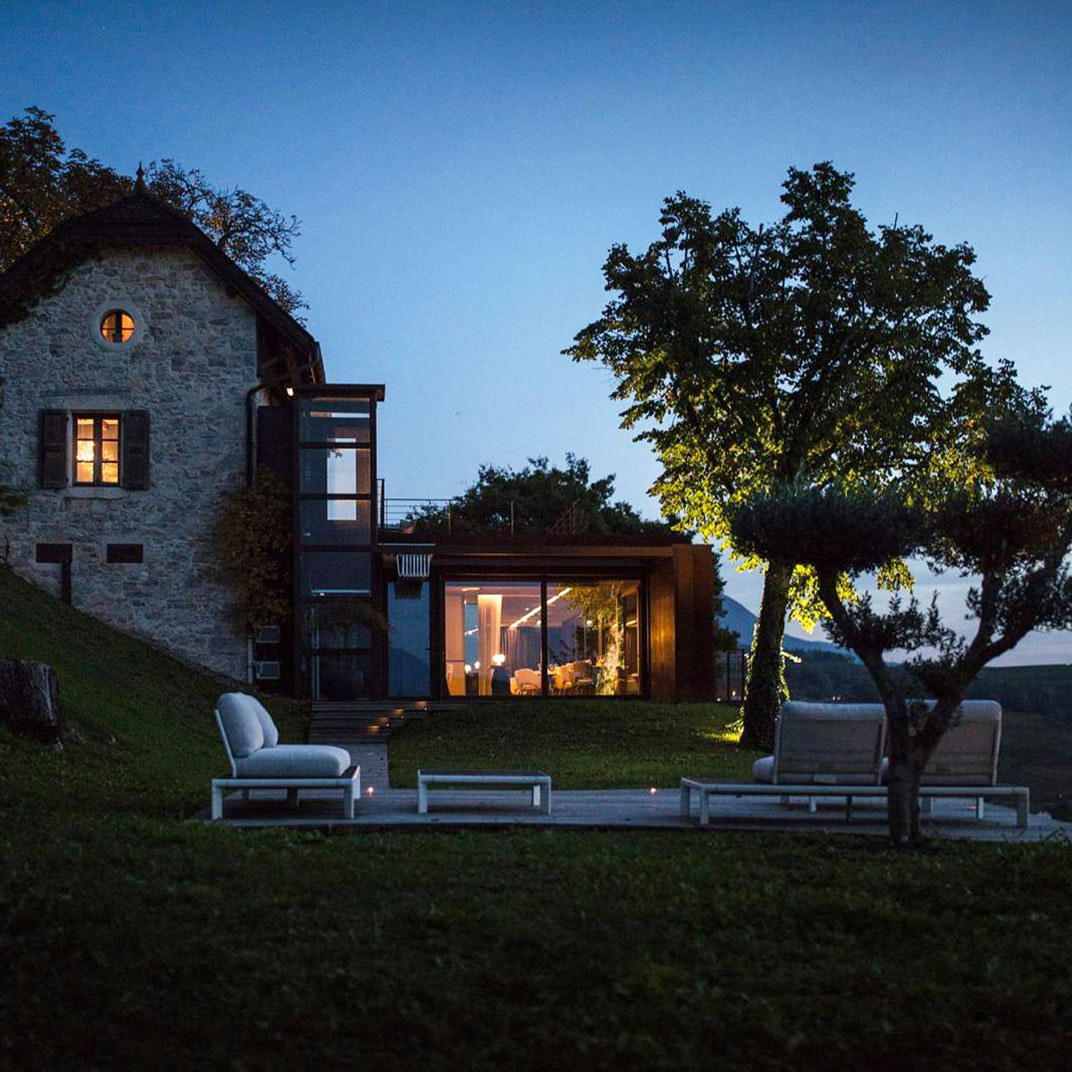
Viviers-du-Lac is not a dining destination in the way that Lyon, forty minutes to the west, or Annecy, an hour to the south, function for visitors planning a trip around a meal. It is a commune you arrive at with a specific address in hand. That dynamic shapes the atmosphere at restaurants along this shore: the clientele tends toward local regulars and visitors staying on the lake rather than day-trippers moving between marquee names. The pace is slower, the room less performative, and the conversation between kitchen and guest more direct than at the kind of destination restaurants listed at Alléno Paris au Pavillon Ledoyen or Assiette Champenoise in Reims.
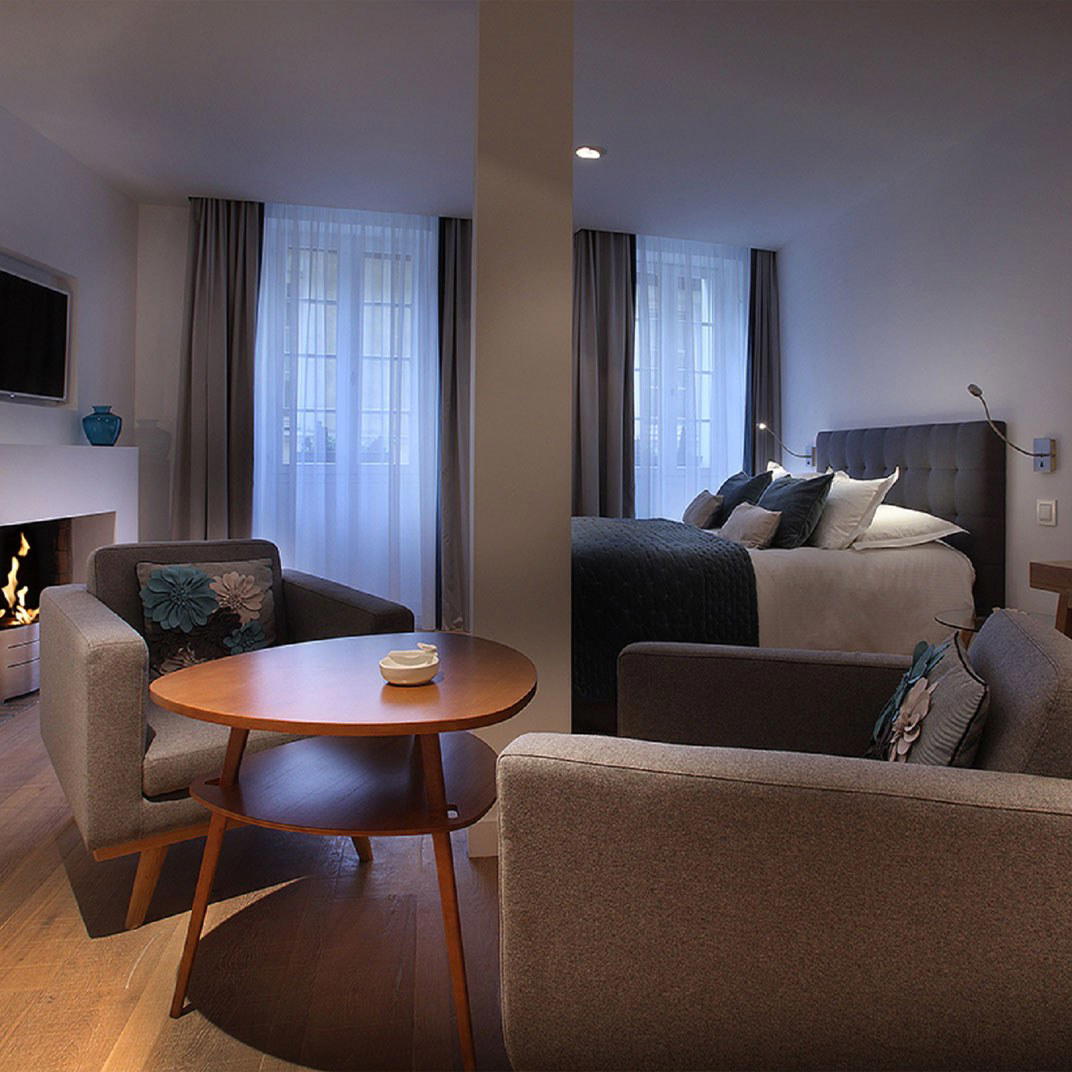
The name the restaurant signals a space with a previous commercial life, parfumeries were once common fixtures in French market towns and resort communes, and their repurposed interiors carry a particular aesthetic character: high shelving, display cases, a counter that once held product now holds something else. The name itself suggests a room with history rather than a purpose-built dining space. That matters because rooms with history in provincial France tend to attract a specific kind of hospitality: unstuffy, specific to place, and less interested in international trend signals than in whether the fera was good this week.
Planning a Visit
Viviers-du-Lac is accessible from Chambéry in under fifteen minutes by road, making it a practical extension of any visit to the Savoie capital or a stop en route between Chambéry and Aix-les-Bains, which sits a short distance north along the lake's western shore. Visitors arriving from Lyon or Geneva will find the N201 one direct approach. The restaurant is recommended for reservations and typically serves lunch Tuesday through Saturday, with dinner Tuesday through Friday.
The wider Savoie dining circuit rewards those who extend their itinerary. The alpine arc from Megève south through Chambéry and east toward Menton traces one of France's most geographically coherent culinary corridors, connecting mountain dairy and freshwater fish traditions in the north with Mediterranean produce and creative ambition further south. Restaurants like Auberge de l'Ill in Illhaeusern, Georges Blanc in Vonnas, and Troisgros in Ouches define the institutional register of French regional cooking in this broader zone. The restaurant sits at a different scale, but the tradition it draws from is the same one those houses have spent generations refining.
At-a-Glance Comparison
Comparable venues nearby, for context on price, style, and recognition.
| Venue | Cuisine | Price | Notes |
|---|---|---|---|
| La ParfumerieThis venue — the venue you are viewing | Modern French Bistro | $$ | Not listed |
| Chalet des Trappeurs | Traditional Savoyard Alpine Cuisine | $$ | Col de Tamié |
| Café Brunet | Traditional French Bistro | $$ | Annecy-le-Vieux |
| Chantebise 2100 | Traditional French Alpine Brasserie | $$ | L'Alpe d'Huez |
| Le Signal 2108 | Bistronomic French with Regional Specialties | $$ | Signal Mountain |
| Bistrot du Palais | Traditional Lyonnaise Bistro | $$ | Quartier Voltaire Part-Dieu |
Continue exploring
More in Viviers Du Lac
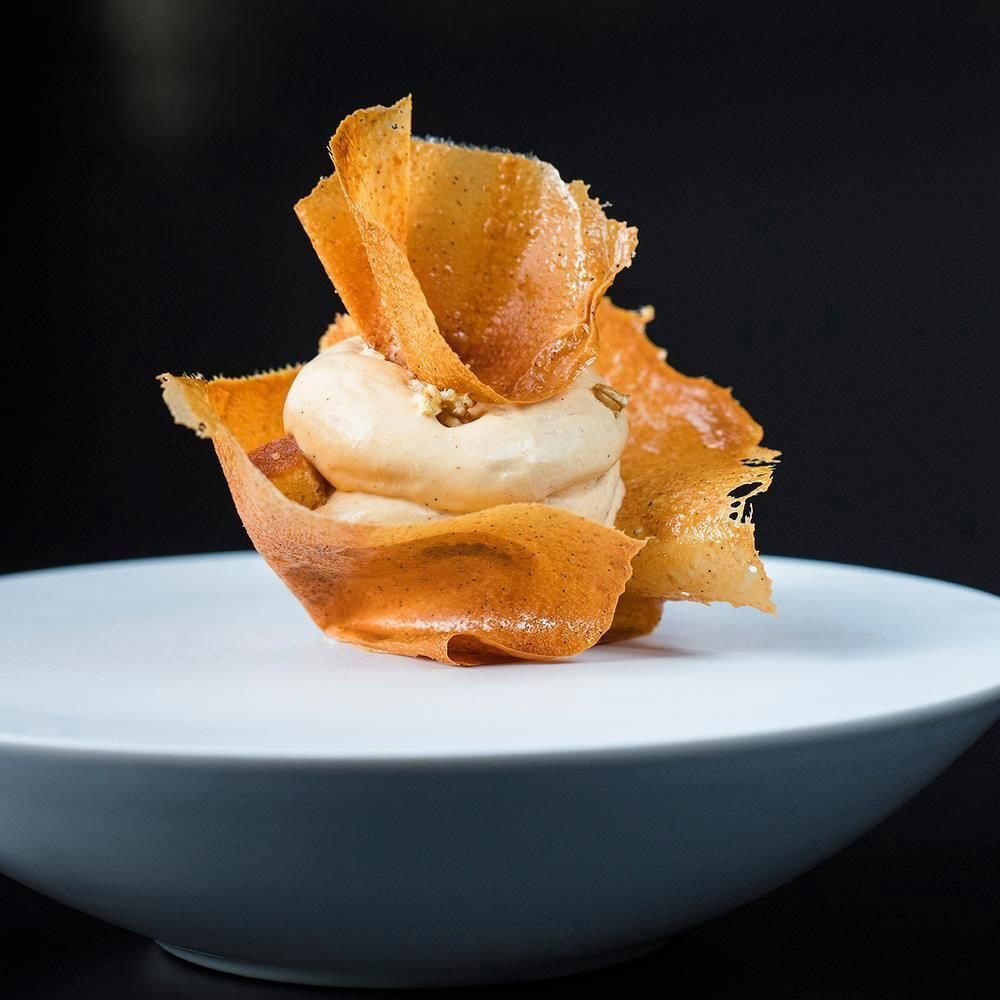
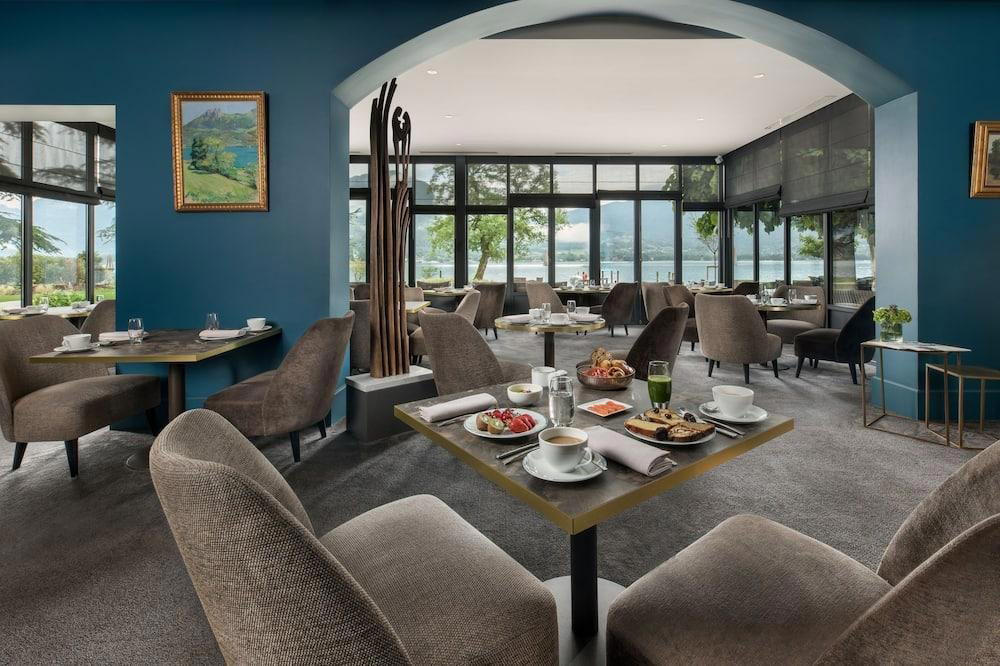
Restaurants in Viviers Du Lac
Browse all →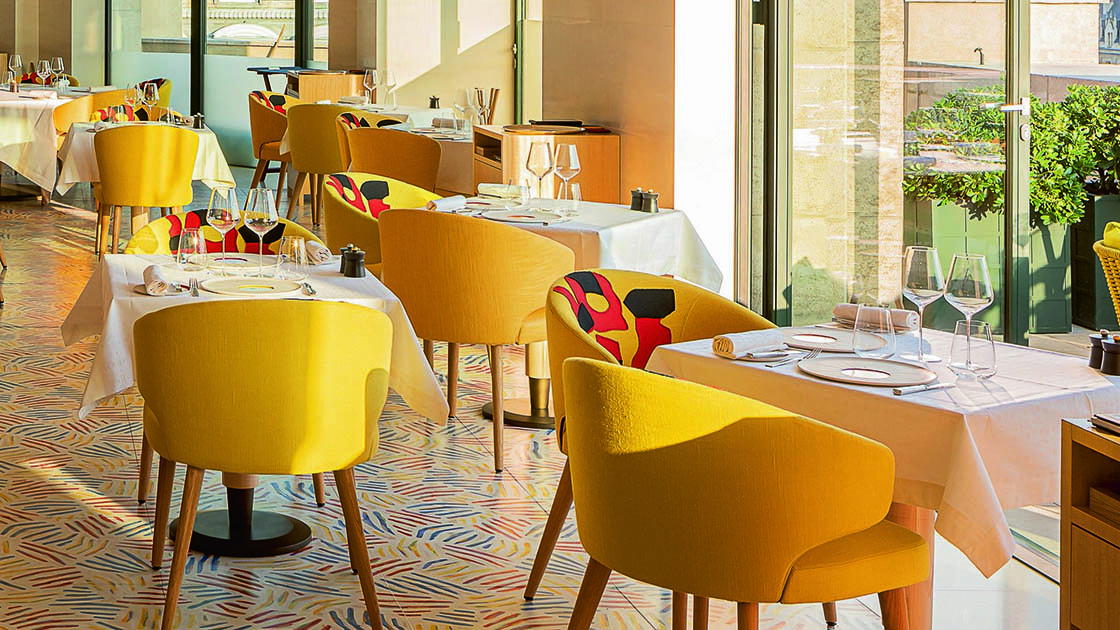
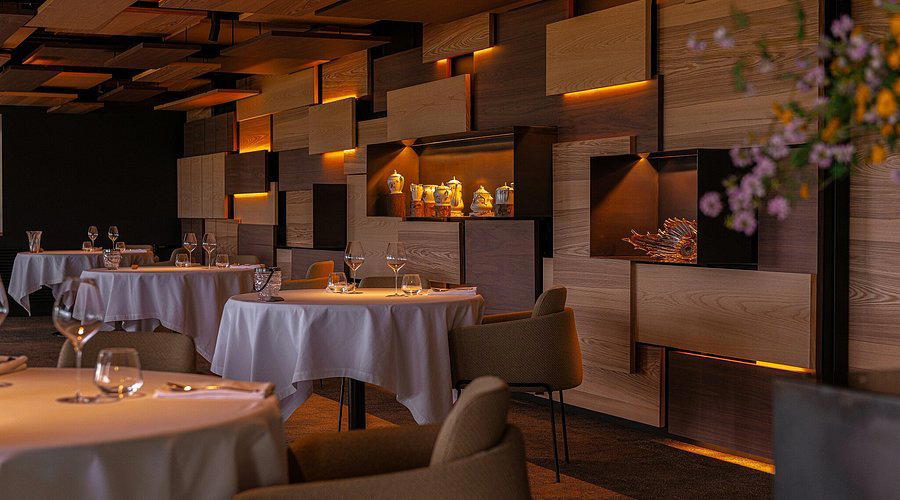
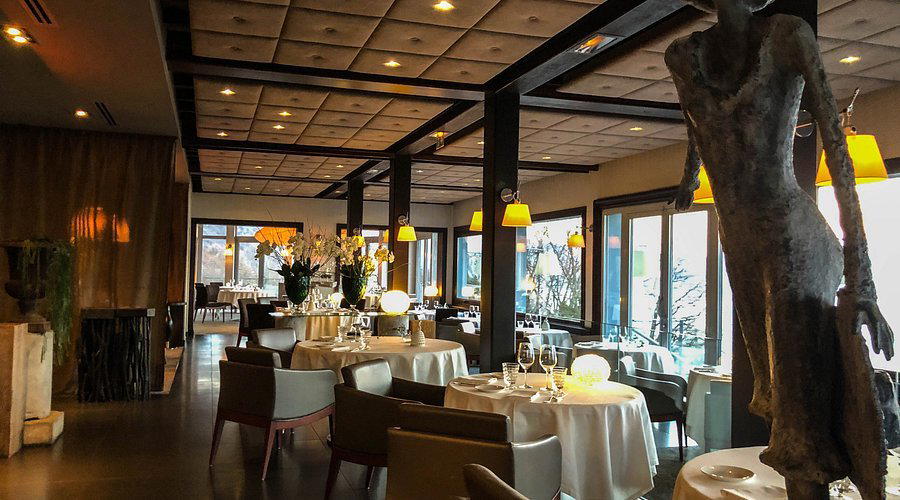
Bars in Viviers Du Lac
Browse all →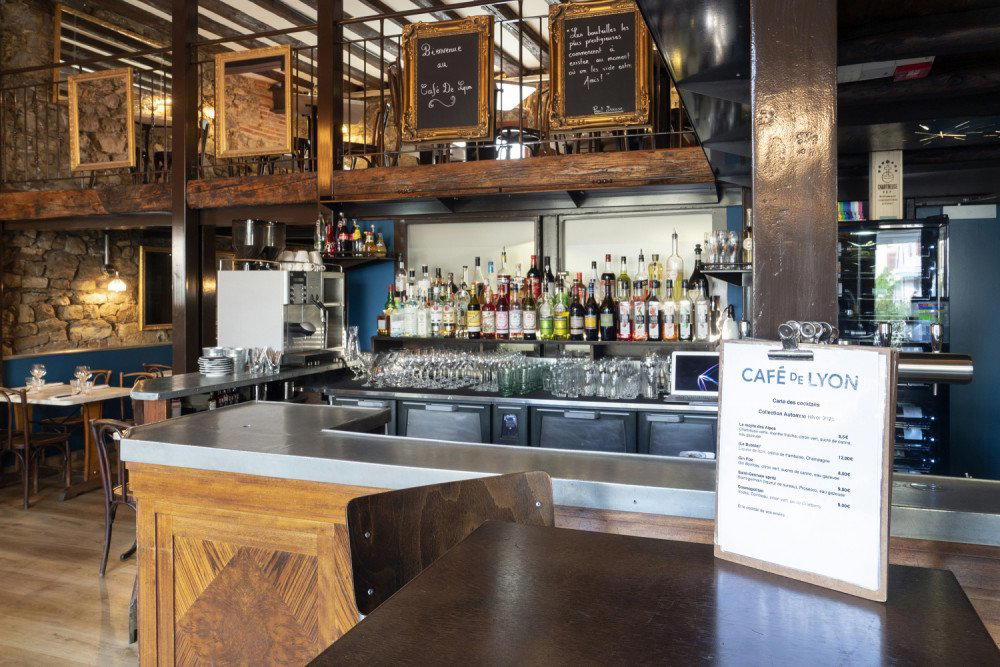
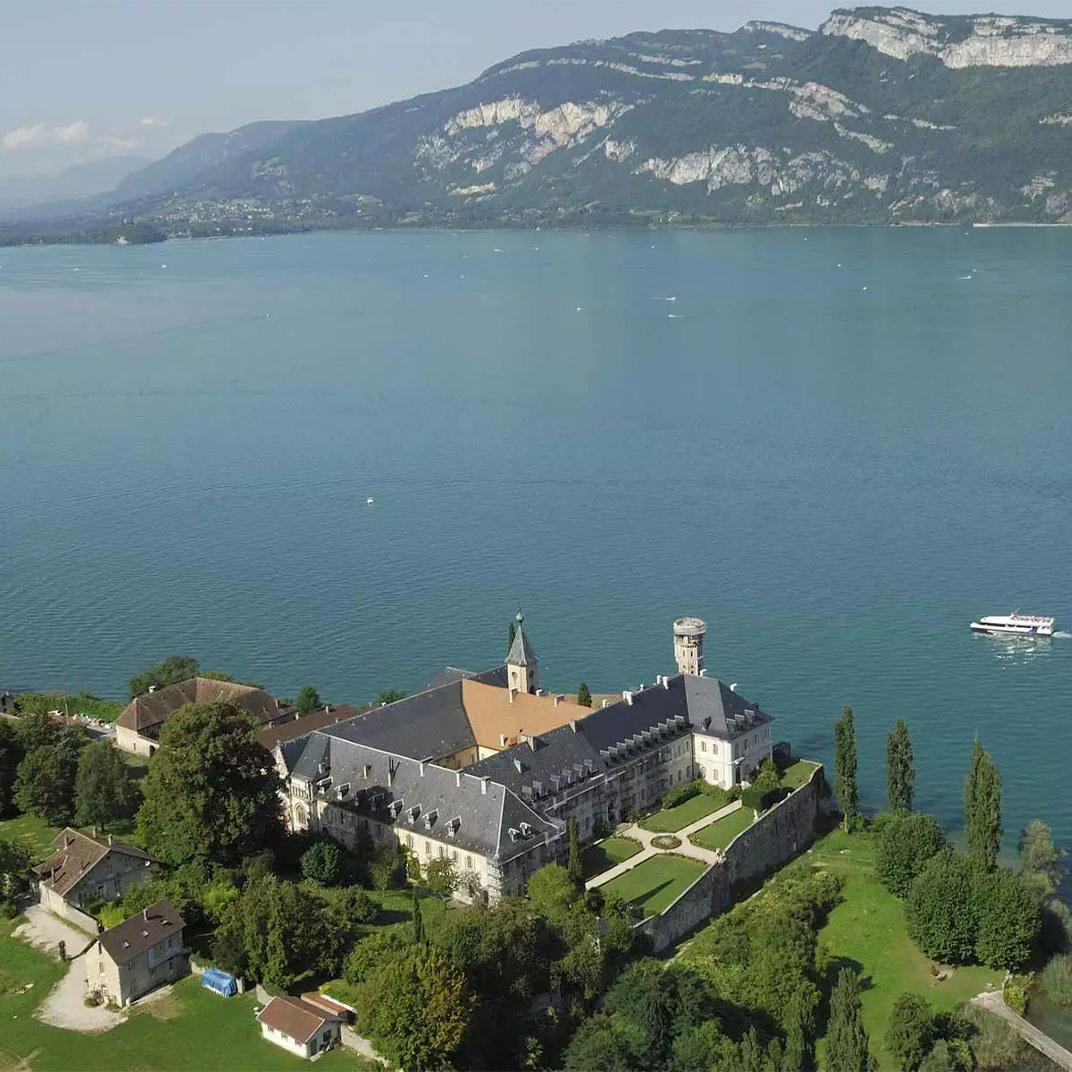
At a Glance
- Intimate
- Cozy
- Elegant
- Date Night
- Special Occasion
- Waterfront
- Local Sourcing
- Waterfront
Current opening hours
- Monday
- Closed
- Tuesday
- 12–2 PM, 7:30–9:30 PM
- Wednesday
- 12–2 PM, 7:30–9:30 PM
- Thursday
- 12–2 PM, 7:30–9:30 PM
- Friday
- 12–2 PM, 7:30–9:30 PM
- Saturday
- 12–2 PM
- Sunday
- Closed
Hours can change for holidays and private events. Last verified .
Cozy and elegant atmosphere with excellent ambience as noted in guest reviews.