La belle vie occupies a quiet address on Grande Rue in Thoirette, a small commune in the Jura where the French countryside tradition of cooking close to the land remains a practical reality rather than a marketing posture. The village setting places it in a broader regional pattern of destination dining built on local produce, seasonal rhythm, and the unhurried pace that distinguishes rural Franche-Comté from metropolitan restaurant culture.
Pearl is the En Primeur Club membership app — saves, bookings, and concierge access live there. Same editors, same standards.
- Address
- 55 Grande Rue, 39240 Thoirette-Coisia, France
- Phone
- +33615985216
- Website
- bistrotdepays.com
- Directions
- Get directions
 Saves & bookings on Pearl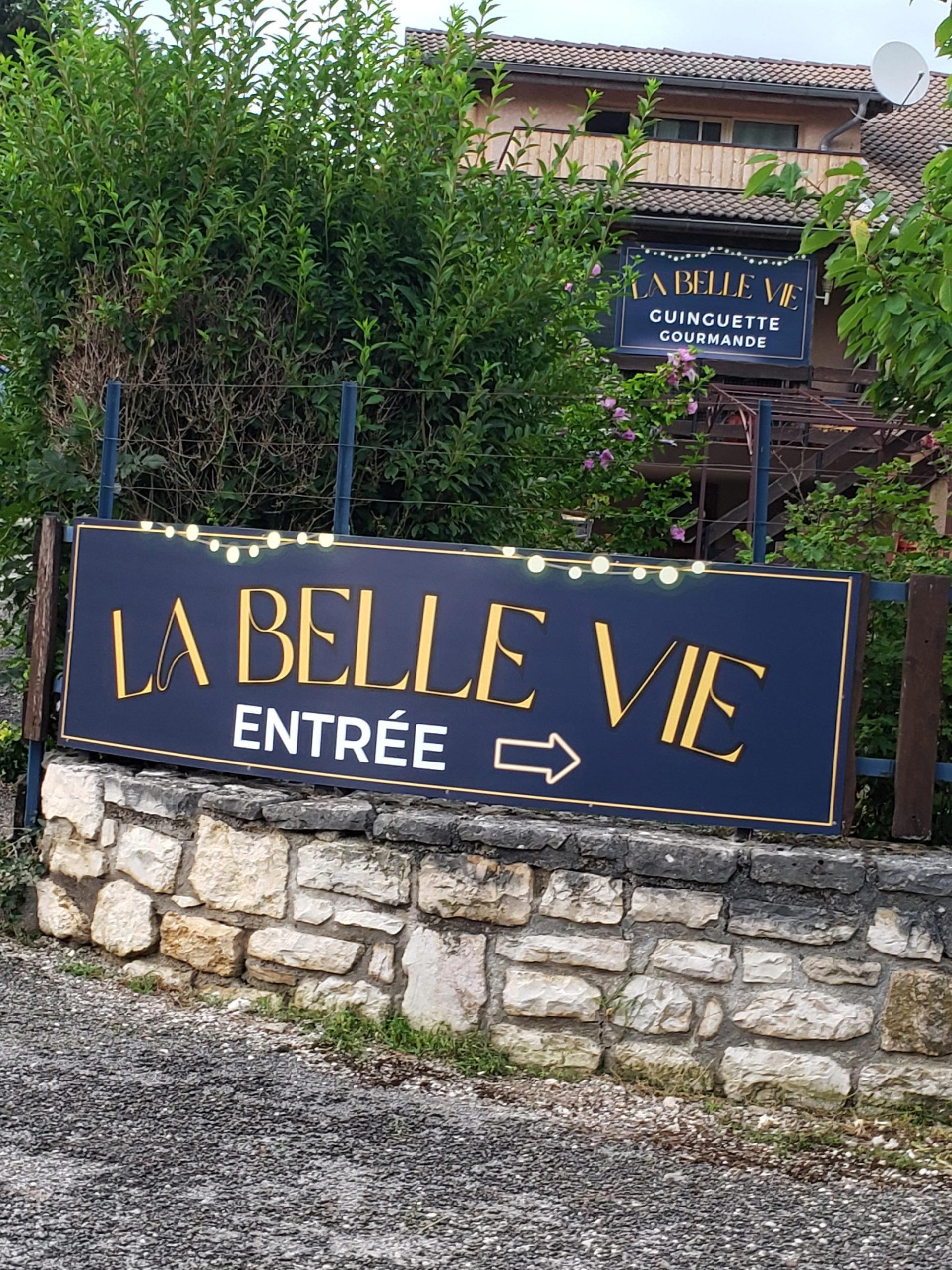
A Village Table in the Jura
The road into Thoirette follows the Ain river valley through a landscape that tells you something about what ends up on a plate here. The Jura department sits between Burgundy's wine country to the west and the Alpine foothills to the east, drawing on agricultural traditions, raw-milk cheeses, river fish, forest mushrooms, cured pork, that predate any restaurant trend by several centuries. La belle vie is a traditional French bistro at 55 Grande Rue in Thoirette-Coisia, France. It occupies the kind of address where the supply chain is measured in kilometres rather than continents. That proximity to source is not incidental; in a region where Comté is still made in village fruitières using milk from a defined herd radius, and where Bresse sits just across the departmental border, the provenance argument is built into the geography itself.
French regional cooking at this level of localism operates differently from its haute cuisine counterparts. Where restaurants like Mirazur in Menton or Alléno Paris au Pavillon Ledoyen work from stronger examples from a global recognition apparatus, a village table in the Jura earns its authority through consistency of place and the trust of a local community that has no patience for pretence. The comparison is not a criticism in either direction; it is simply a map of two different traditions operating at different scales, with different metrics of success.
What the Jura Sets on the Table
Understanding what a kitchen in Thoirette is working with requires some familiarity with the region's produce hierarchy. The Jura is one of France's more self-sufficient food departments. Comté AOC, the region's most commercially visible product, is produced within a tightly defined zone that includes the surrounding Haut-Doubs plateau; its minimum twelve-month affinage and terroir specificity make it a reference point for the broader French conversation about ingredient integrity. Morteau sausage, smoked over pine and juniper in local smokehouses, carries its own IGP designation. The Ain river, running directly through Thoirette, historically supported freshwater fishing traditions that shaped local menus long before refrigeration made distant sourcing viable.
The regional template, repeated across the Franche-Comté from Arbois to Lons-le-Saunier, is one of restraint driven by abundance: when the raw materials are this specific and this traceable, the kitchen's role shifts from transformation to amplification. That approach has national-level precedent in nearby examples. Georges Blanc in Vonnas, roughly fifty kilometres west in the Ain department, built a multi-generational institution around the same Bresse poultry corridor. Troisgros in Ouches and Bras in Laguiole have each, in different registers, staked their identity on the produce of a specific territory rather than a cosmopolitan ingredient palette. La belle vie operates within the same philosophical tradition, at a more intimate and less publicised scale.
The Rural Destination Dining Pattern
Across rural France, a particular dining format persists that the hospitality industry elsewhere has largely failed to replicate convincingly: the restaurant that is genuinely embedded in its commune, drawing a dining room of local regulars alongside travellers willing to make the drive. This format demands a different kind of trust from the kitchen. There are no anonymous covers, no tourist-volume buffer, no celebrity reservation to anchor a week's press. What there is, instead, is a community that returns, and the accountability that comes with it.
Thoirette-Coisia is not a dining destination in the sense that Arbois or Beaune are, with established wine tourism infrastructure pulling visitors along a predictable route. It sits in a quieter corridor of the Jura, accessible from Lyon (approximately ninety minutes by car) and from Bourg-en-Bresse to the southwest, but not on any major intercity rail line. Getting to La belle vie requires a decision, it is not an opportunistic stop. That self-selection shapes the dining room. The people who arrive have chosen to be there, which changes the atmosphere of a meal in ways that are difficult to engineer in an urban setting. For comparison, consider how destination-driven rural restaurants like Auberge du Vieux Puits in Fontjoncouse or Auberge de l'Ill in Illhaeusern have sustained their identities precisely because geographic remove filters for engaged guests.
Planning a Visit
Thoirette-Coisia sits in the Ain valley in the southern Jura, and road access from Lyon via the A40 or N84 is one practical approach for most visitors. Accommodation in the immediate area is limited, which makes Thoirette a logical day-trip or lunch destination from Bourg-en-Bresse or Oyonnax rather than an overnight base. Current contact details, hours, and reservation logistics are best confirmed directly with the restaurant. Seasonal availability is a genuine variable for kitchens working with regional produce at this scale: Jura menus shift meaningfully between the mushroom-heavy autumn, the winter cheese and charcuterie emphasis, and the lighter produce of spring and early summer.
Readers building a broader regional itinerary around French destination dining can orient themselves against a national reference points: the corridor from Lyon northward through Burgundy and into Franche-Comté contains a higher density of serious regional tables than almost anywhere else in the country. Flocons de Sel in Megève and Paul Bocuse's Auberge du Pont de Collonges in Collonges-au-Mont-d'Or anchor the higher end of that corridor, while village tables like La belle vie represent the less-documented stratum below, less visible internationally but more representative of how France actually eats when no one is watching. For those whose France extends beyond the Michelin-starred tier, tables like Christopher Coutanceau in La Rochelle, AM par Alexandre Mazzia in Marseille, or La Marine in Noirmoutier-en-l'île offer a useful sense of what regional ambition looks like when it is anchored to a specific coastline or terroir, just as the restaurant is anchored to the Jura valley.
Quick Comparison
Comparable venues nearby, for context on price, style, and recognition.
| Venue | Cuisine | Price | Notes |
|---|---|---|---|
| La belle vieThis venue — the venue you are viewing | Traditional French Bistro | $$ | Not listed |
| La Cocagne | Traditional French Bistro | $$ | Quartier Mutualité Préfecture Moncey |
| Le Gai Pinson | Traditional French Jura Regional | $$ | Les Rousses |
| L'Antr'Opotes | Lyonnais Bouchon | $$ | Quartier Brotteaux |
| AOC | Traditional Lyonnais Bistro | $$ | Quartier Saxe Roosevelt |
| Chez Les Gones | Traditional Lyonnais Bouchon | $$ | Quartier Saxe Roosevelt |
Continue exploring
More in Thoirette
Restaurants in Thoirette
Browse all →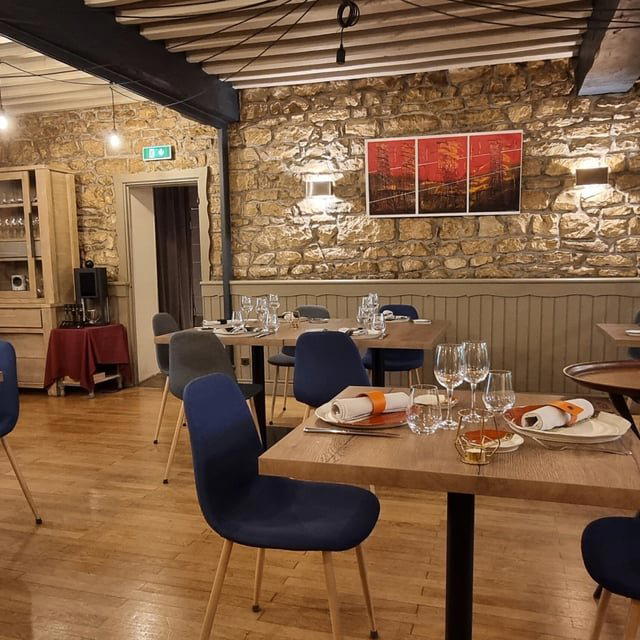
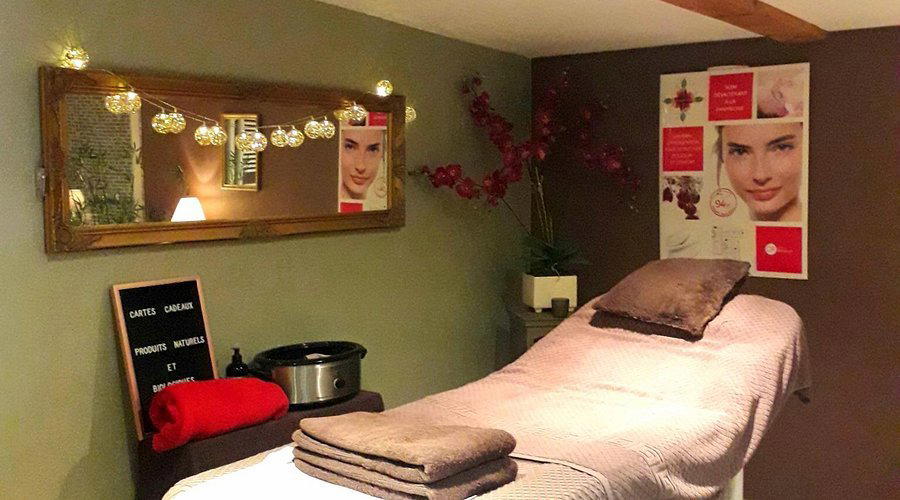
Hotels in Thoirette
Browse all →

At a Glance
- Cozy
- Rustic
- Scenic
- Family
- Group Dining
- Casual Hangout
- Terrace
- Waterfront
- Garden
- Extensive Wine List
- Local Sourcing
- Waterfront
- Mountain
Current opening hours
- Monday
- Closed
- Tuesday
- Closed
- Wednesday
- 9:30 AM–12 PM, 3–7 PM
- Thursday
- 9:30 AM–11 PM
- Friday
- 9:30 AM–11 PM
- Saturday
- 9 AM–11 PM
- Sunday
- 9 AM–4 PM
Hours can change for holidays and private events. Last verified .
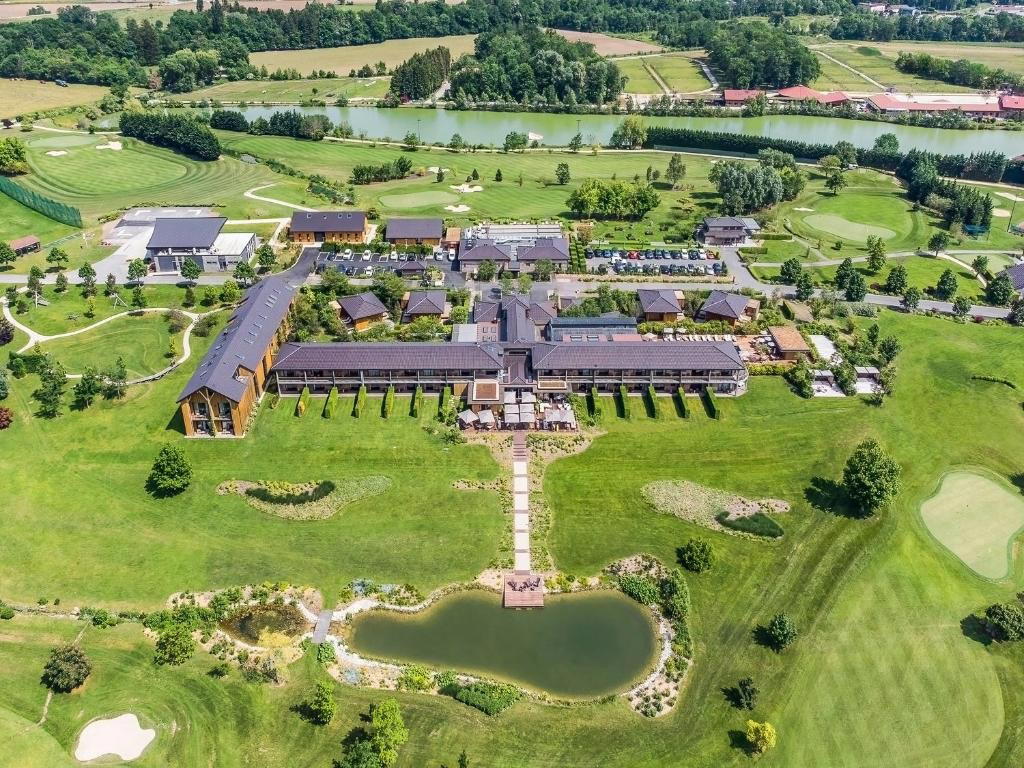
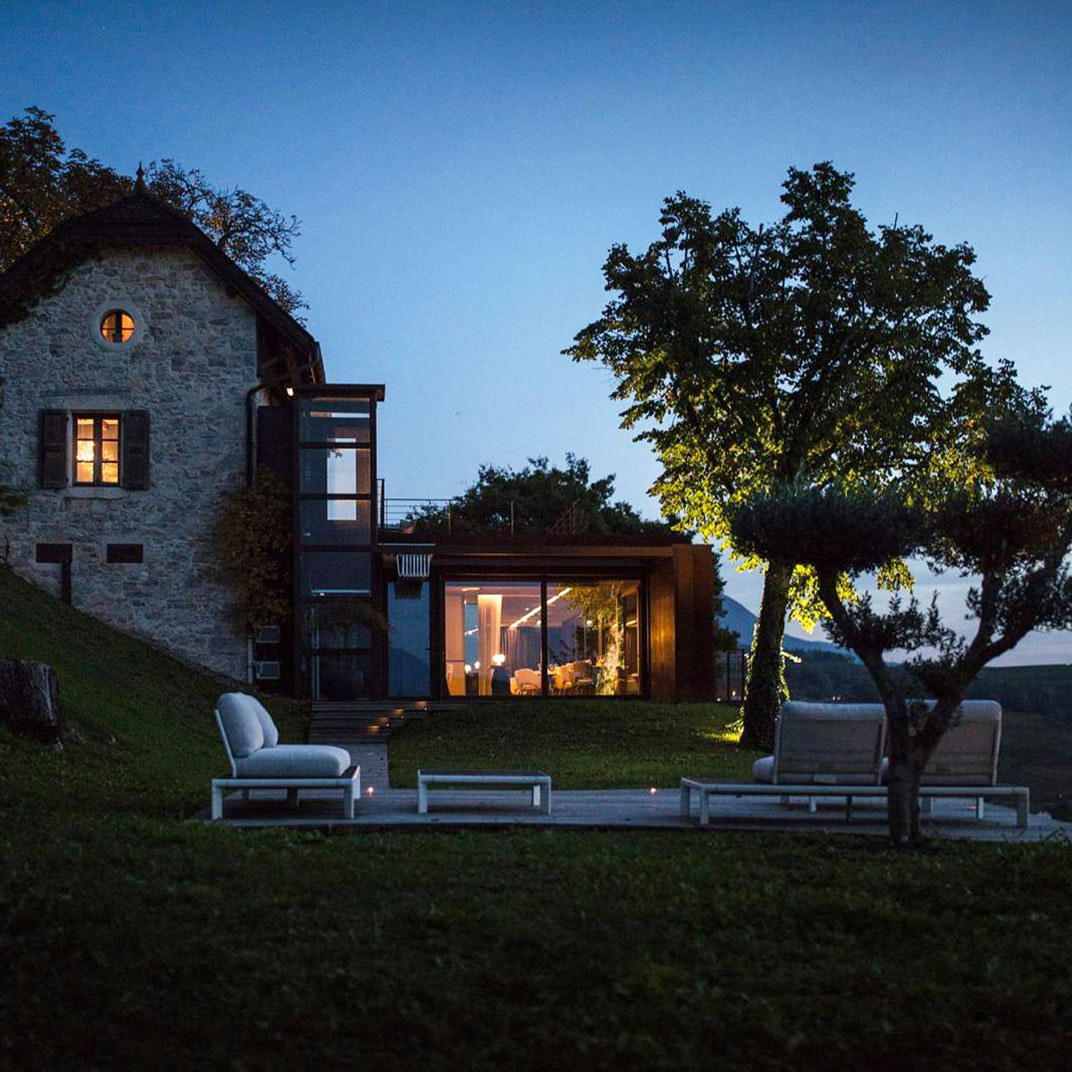
Leafy, verdant setting with a family-friendly and convivial atmosphere; outdoor terrace overlooking the river in an idyllic natural setting.