Cheung Hing
Cheung Hing on Noriega Street sits in the Outer Sunset, a neighbourhood where San Francisco's Chinese-American dining tradition runs deeper and older than most of the city's celebrated dining rooms. The address has served the surrounding residential community for decades, operating in a register far removed from the Michelin-tracked dining rooms of SoMa and the Financial District. It represents a strand of the city's food identity that rarely surfaces in editorial coverage.
Pearl is the En Primeur Club membership app — saves, bookings, and concierge access live there. Same editors, same standards.
- Address
- 2339 Noriega St, San Francisco, CA 94122
- Phone
- +14156653271
- Website
- cheunghingsfca.com
- Directions
- Get directions
 Saves & bookings on Pearl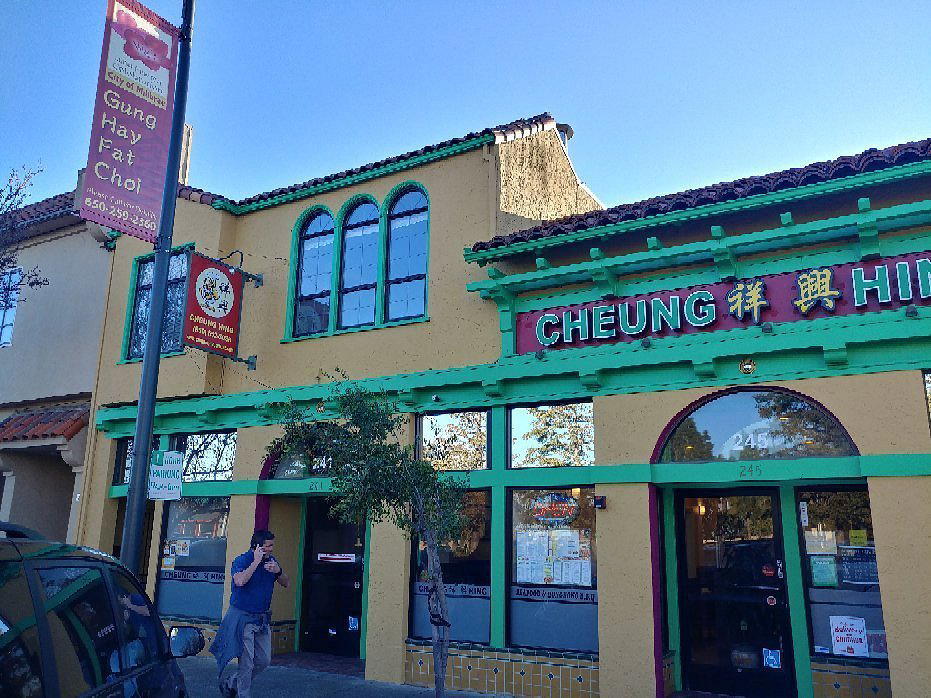
The Outer Sunset and the Chinese-American Neighbourhood Institution
San Francisco's most-discussed dining addresses cluster along a predictable corridor: SoMa tasting counters, Hayes Valley wine bars, the Financial District lunch trade. The Outer Sunset operates on a different logic entirely. Noriega Street, running west toward the Pacific, has sustained a dense concentration of Chinese and Chinese-American restaurants for generations, serving a residential community that stretches from the inner avenues to the ocean. Cheung Hing at 2339 Noriega St sits inside that tradition, in a part of the city where longevity and neighbourhood loyalty carry more weight than press cycles.
That geographic remove matters editorially. The restaurants that earn coverage in publications and platforms tend to cluster near transit hubs, hotel corridors, and the dining districts that food tourists already know. Neighbourhood institutions in the avenues, particularly in the Sunset and Richmond districts, often run for decades without appearing on those lists. Cheung Hing belongs to that category of San Francisco dining: present in the community, embedded in local routine, and largely invisible to the broader editorial apparatus that shapes restaurant reputations.
A Neighbourhood Street Versus the Tasting-Menu Circuit
To understand Cheung Hing's position in San Francisco's restaurant ecosystem, it helps to map the tiers that exist in the city's dining culture. At one end sit the destination tasting-menu rooms: Lazy Bear, Atelier Crenn, Benu, Quince, and Saison, all operating at the $$$$ tier, drawing visitors from across the country and abroad, and competing on a national stage alongside rooms like The French Laundry in Napa, Le Bernardin in New York City, and Providence in Los Angeles. That circuit has its own economy, its own booking infrastructure, and its own editorial coverage loop.
The restaurant does not belong to that circuit, and the distinction is not a matter of quality so much as format and function. Neighbourhood Chinese-American restaurants in the Sunset serve a different role in the city's food culture: accessible price points, recognizable dishes, and regular traffic from residents who return weekly rather than once a year. In cities with strong Chinese-American dining histories, including San Francisco, New York, and Los Angeles, these neighbourhood rooms form the backbone of a culinary tradition that predates most of the destination dining rooms by several decades. The farm-to-table programs at places like Blue Hill at Stone Barns or the ingredient-driven tasting formats at Single Thread Farm in Healdsburg represent one pole of American fine dining's current direction. The neighbourhood Chinese-American institution represents something older and more structurally important to how cities actually eat.
The Evolution of a Noriega Street Address
The editorial angle here is less about any single kitchen or ownership and more about what happens to neighbourhood restaurants over time in a city that has changed as rapidly as San Francisco. The Outer Sunset has remained more residentially stable than many San Francisco neighbourhoods, partly because of its distance from transit and its weather patterns. That stability has allowed certain businesses, including long-running Chinese and Chinese-American restaurants, to persist across economic cycles that have shuttered comparable operations in more central neighbourhoods.
That persistence is its own kind of credential. Restaurants in the Outer Sunset that have remained open through the post-2008 contraction, the tech-boom rent pressures of the 2010s, and the pandemic disruption of the early 2020s have done so by maintaining the kind of regular, loyal custom that destination dining rooms rarely develop. The customer base is residential, repeat, and price-sensitive in ways that select for consistency over novelty. That is a different operating discipline than the one practiced at, say, Smyth in Chicago or Atomix in New York City, where the reputation is built on progressive innovation and the dining room turns over a different audience with each reservation cycle.
San Francisco's Chinese-American Dining Tradition in Context
San Francisco has one of the longest and most structurally significant Chinese-American food histories of any American city. The first large-scale Chinese immigration to California came in the 1850s, and the city's Chinatown, established in that period, is the oldest in North America. By the mid-twentieth century, Chinese and Chinese-American restaurants had spread well beyond Chinatown into the Richmond and Sunset districts, following residential settlement patterns as the community expanded. The Noriega Street corridor in the Outer Sunset became one of the denser concentrations of that expansion.
What this means practically is that restaurants in this corridor are not operating in isolation. They exist within a community of similar operations, some specializing in Cantonese cooking, others in Hong Kong-style café formats, others in regional styles that reflect the diversity of Chinese immigration to the Bay Area over the past half-century. Chinese-American food in San Francisco has historically underrepresented the Sunset relative to Chinatown. That dynamic is changing incrementally, as food writers turn more attention to neighbourhood dining outside the central corridors. For readers building a complete picture of San Francisco's restaurant culture, the Outer Sunset represents a chapter that the destination-dining circuit does not cover.
Comparable dynamics play out in other American cities: the neighbourhood Chinese-American institution operating in a residential district, largely below editorial radar, sustained by community loyalty rather than press cycles. In that sense, the restaurant's address on Noriega Street places it in a recognizable national category, one that parallels the role of neighbourhood institutions in cities as different as New Orleans, San Diego, and Boulder.
Location: 2339 Noriega St, San Francisco, CA 94122, in the Outer Sunset district. Getting there: The N Judah Muni line runs along Judah Street one block north; the 23 and 48 bus lines serve Noriega directly. Street parking is generally available in the outer avenues. Reservations: Walk-in friendly. Budget: About $15 per person. Hours: Mon through Sun, 9:30 AM to 6:30 PM.
Budget and Context
Comparable venues nearby, for context on price, style, and recognition.
| Venue | Cuisine | Price | Notes |
|---|---|---|---|
| Cheung HingThis venue — the venue you are viewing | Not listed | $ | Not listed |
| Old Mandarin Islamic Restaurant | Not listed | $ | Sunset/Parkside, Halal Northern Chinese (Uyghur) |
| Dol Ho | Chinatown, Authentic Cantonese Dim Sum | $ | Not listed |
| Wing Lee Bakery | Inner Richmond, Cantonese Dim Sum Bakery | $ | Not listed |
| Hon's Wun Tun House | Chinatown, Cantonese Wonton Noodle House | $ | Not listed |
| Dragon Well | Marina, Authentic Chinese | $$ | Not listed |
Continue exploring
More in San Francisco
Restaurants in San Francisco
Browse all →
Bars in San Francisco
Browse all →
Hotels in San Francisco
Browse all →

At a Glance
- Classic
- Casual Hangout
Current opening hours
- Monday
- 9:30 AM–6:30 PM
- Tuesday
- 9:30 AM–6:30 PM
- Wednesday
- 9:30 AM–6:30 PM
- Thursday
- 9:30 AM–6:30 PM
- Friday
- 9:30 AM–6:30 PM
- Saturday
- 9:30 AM–6:30 PM
- Sunday
- 9:30 AM–6:30 PM
Hours can change for holidays and private events. Last verified .
Old-school Chinese with Formica tables, minimal seating, and a functional takeout-focused atmosphere.