On a quiet stretch of Rue du Vertbois in the 3rd arrondissement, Chef Jean Yves occupies a corner of Paris where the Marais transitions toward the older artisan quarters of the Haut-Marais. The address places it within a neighbourhood that has shifted from working-class trades to a more considered dining scene, making the physical setting as much a part of the experience as what arrives on the plate.
Pearl is the En Primeur Club membership app — saves, bookings, and concierge access live there. Same editors, same standards.
- Address
- 74 Rue du Vertbois, 75003 Paris, France
- Phone
- +33680641884
- Website
- chefjeanyves.com
- Directions
- Get directions
 Saves & bookings on Pearl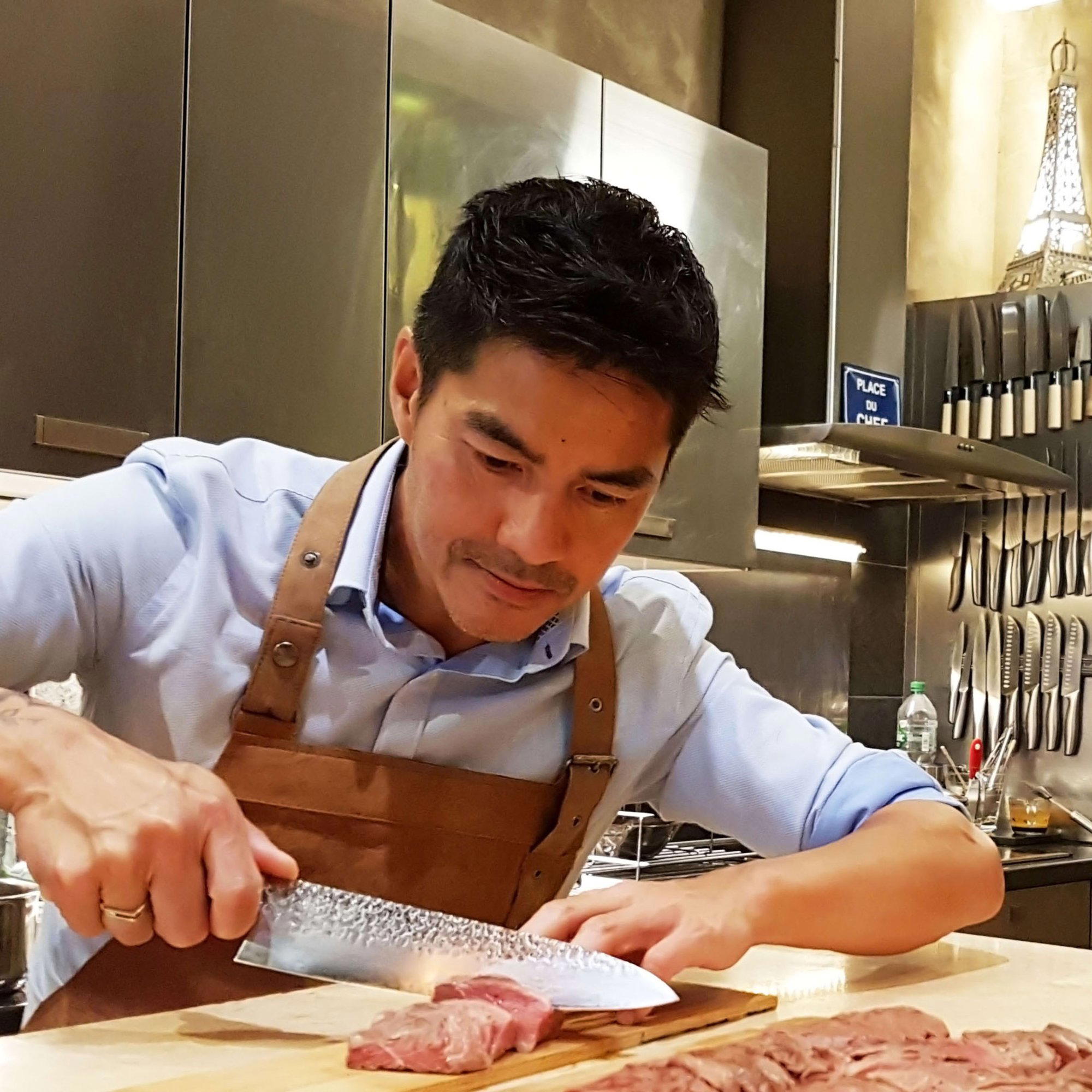
A Street That Sets the Tone
Rue du Vertbois runs through one of the 3rd arrondissement's quieter corridors, where wholesale fabric traders and small ateliers still occupy ground-floor units alongside newer restaurant openings. This is not the Place des Vosges end of the Marais, with its brasseries and wine bars, nor the République end with its casual natural wine spots. The stretch around number 74 occupies a middle register: residential enough to feel unperformed, close enough to the Haut-Marais dining belt to draw a knowing crowd.
The 3rd Arrondissement and Its Place in Paris Dining
Paris dining geography has become more granular over the past decade. The concentrated fine-dining addresses around the 8th, places like Alléno Paris au Pavillon Ledoyen and Le Cinq at the Four Seasons George V, still anchor the formal, occasion-driven tier. But the 3rd and 4th have accumulated a different kind of credibility: chef-run rooms where the format is leaner, the interiors less grandly dressed, and the cooking more likely to reflect contemporary French thinking rather than classical ceremony. Kei, which brought a Franco-Japanese sensibility to three Michelin stars in the 1st, showed that Paris's most serious cooking no longer needs a traditional institutional shell. Addresses in the Marais now sit in a comparable set that includes spaces with genuine architectural restraint, where the room's physical character is the frame rather than the decoration.
That framing matters here. Where rooms like L'Ambroisie on the Place des Vosges use period architecture as an almost theatrical backdrop, the Haut-Marais register tends toward exposed stone, considered lighting, and a spatial economy that makes the counter or the table itself the focal point. The comparison is not about hierarchy; it is about a different set of intentions communicating through the built environment.
Interior Architecture as Editorial Statement
In Paris, a restaurant's spatial choices carry more critical weight than they do in most cities. The French dining tradition has long treated the room as part of the argument, the proportions of the table, the distance between covers, the quality of natural light at a given service time. These are not incidental details; they are the physical grammar of how a meal is meant to unfold. At 74 Rue du Vertbois, the building stock of the 3rd offers a particular palette: Haussmann-adjacent stone facades, interior volumes that read as compressed at street level before potentially opening into deeper or upper-floor spaces. The address carries the structural character common to this part of the arrondissement, which has historically supported small-scale production and trade uses, leaving behind buildings with more spatial flexibility than a pure residential block.
In this part of Paris, the interior design choices that matter most are often subtractive rather than additive. The rooms that hold critical attention longest are those where something has been taken away: the centrepiece that wasn't installed, the upholstery that was kept plain, the wall that was left at its original texture. This is a different language from the gilded confidence of the classical Parisian grand restaurant, and for a segment of diners it reads as a more honest proposition. The question a space like this asks of its kitchen is whether the cooking can carry the room when the room refuses to carry the cooking.
French Fine Dining's Broader Moment
The French fine-dining context in which an address like this operates is worth holding in view. France's culinary geography is unusual in the density of serious cooking outside Paris: Mirazur in Menton, Flocons de Sel in Megève, Troisgros in Ouches, Bras in Laguiole, and the long-established institutional weight of places like Auberge de l'Ill in Illhaeusern, Les Prés d'Eugénie in Eugénie-les-Bains, Georges Blanc in Vonnas, and Paul Bocuse in Collonges-au-Mont-d'Or. Paris kitchens operate against that national backdrop, which means the capital is not automatically the apex; it is one node in a dispersed ecology. Within Paris itself, the more recent critical conversation has moved toward smaller rooms, shorter menus, and a willingness to work without the full classical brigade structure. This is a structural shift driven partly by economics and partly by a generational change in what both cooks and diners find compelling. Arpège spent decades demonstrating that a single-minded focus on produce could generate as much critical mass as classical technique. That precedent opened space for addresses throughout the city's right-bank neighbourhoods to operate with genuine authority on a smaller footprint.
Outside France, the comparison set for this kind of urban fine-dining address extends to places like Le Bernardin in New York, where the relationship between a restrained room and technically serious cooking has held for decades, and Lazy Bear in San Francisco, which took a communal format into the premium tier. The point of the comparison is not equivalence but context: serious cooking in a considered space is a format that travels, and Paris has been exporting its version of it for longer than most cities have been attempting it. Regional French destinations like Auberge du Vieux Puits in Fontjoncouse and La Table du Castellet show how the same spatial and culinary register plays outside the capital, often with more land and light to work with but the same underlying commitment to the room as argument.
Planning Your Visit
Chef Jean Yves is located at 74 Rue du Vertbois in the 3rd arrondissement, a short walk from the Arts et Métiers metro station (lines 3 and 11). The Haut-Marais is a compact neighbourhood; the address is within reasonable walking distance of the wider Marais dining corridor. Chef Jean Yves is open daily from 8:00 PM to 10:30 PM. Reservations are essential.
Quick reference: 74 Rue du Vertbois, 75003 Paris. Nearest metro: Arts et Métiers (lines 3, 11).
Category Peers
Comparable venues nearby, for context on price, style, and recognition.
| Venue | Cuisine | Price | Notes |
|---|---|---|---|
| Chef Jean YvesThis venue — the venue you are viewing | Franco-Asian Fusion Fine Dining | $$$ | Not listed |
| Miss Kô | Asian Fusion with Japanese & European Influences | $$$ | Champs-Élysées |
| KGB | Asian-Influenced Contemporary French Bistro | $$$ | Saint-Germain-des-Prés |
| Central Chapelle | Multi‑chef street‑food & bar hub | $$ | La Chapelle / Paris 18e |
| Datsha | Modern Fusion Small Plates | $$$$ | Marais |
| Canopé | Bistronomique créative fusion | $$$ | Paris 8 - Saint Lazare |
Continue exploring
More in Paris
Restaurants in Paris
Browse all →
Bars in Paris
Browse all →
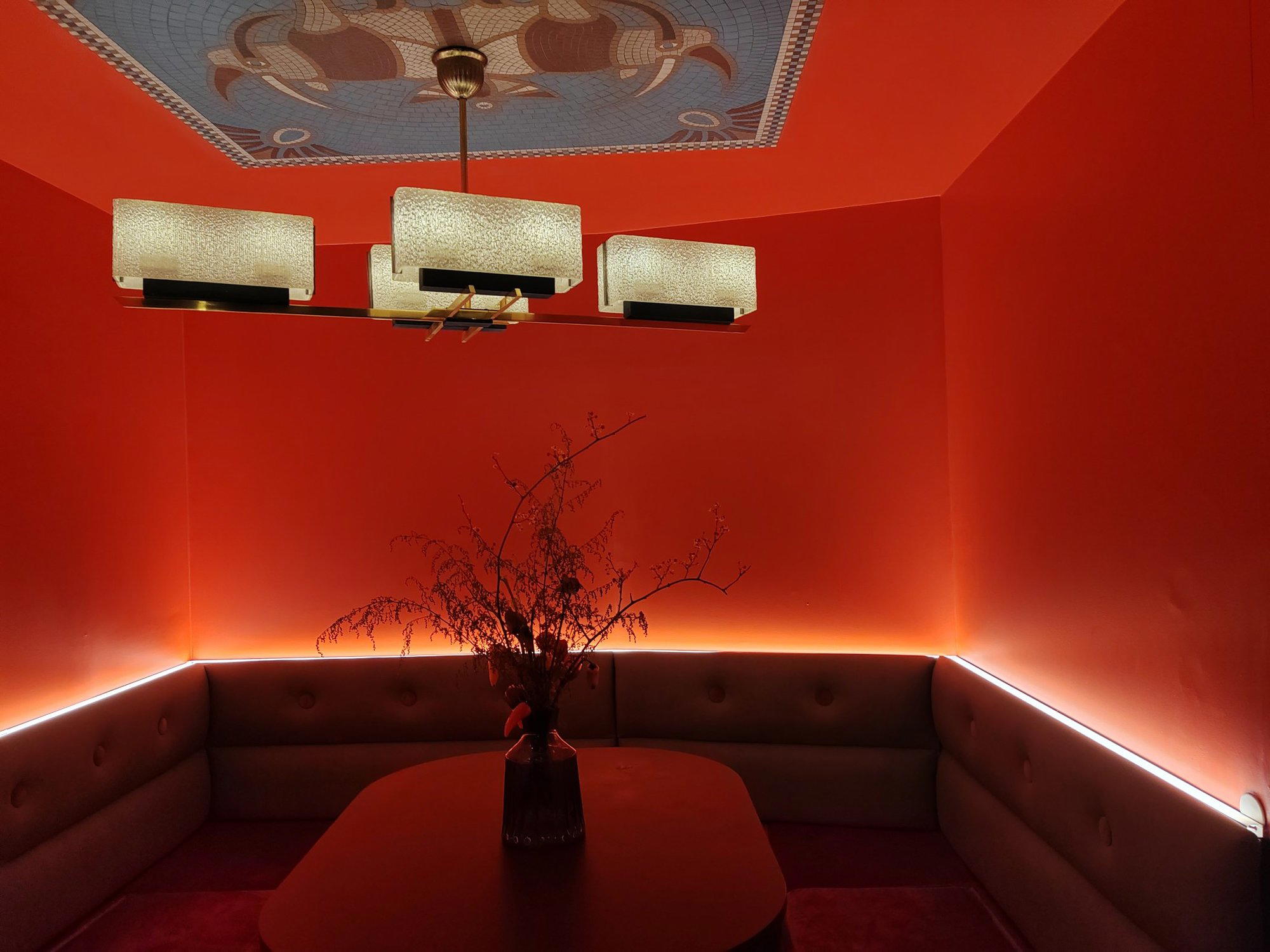
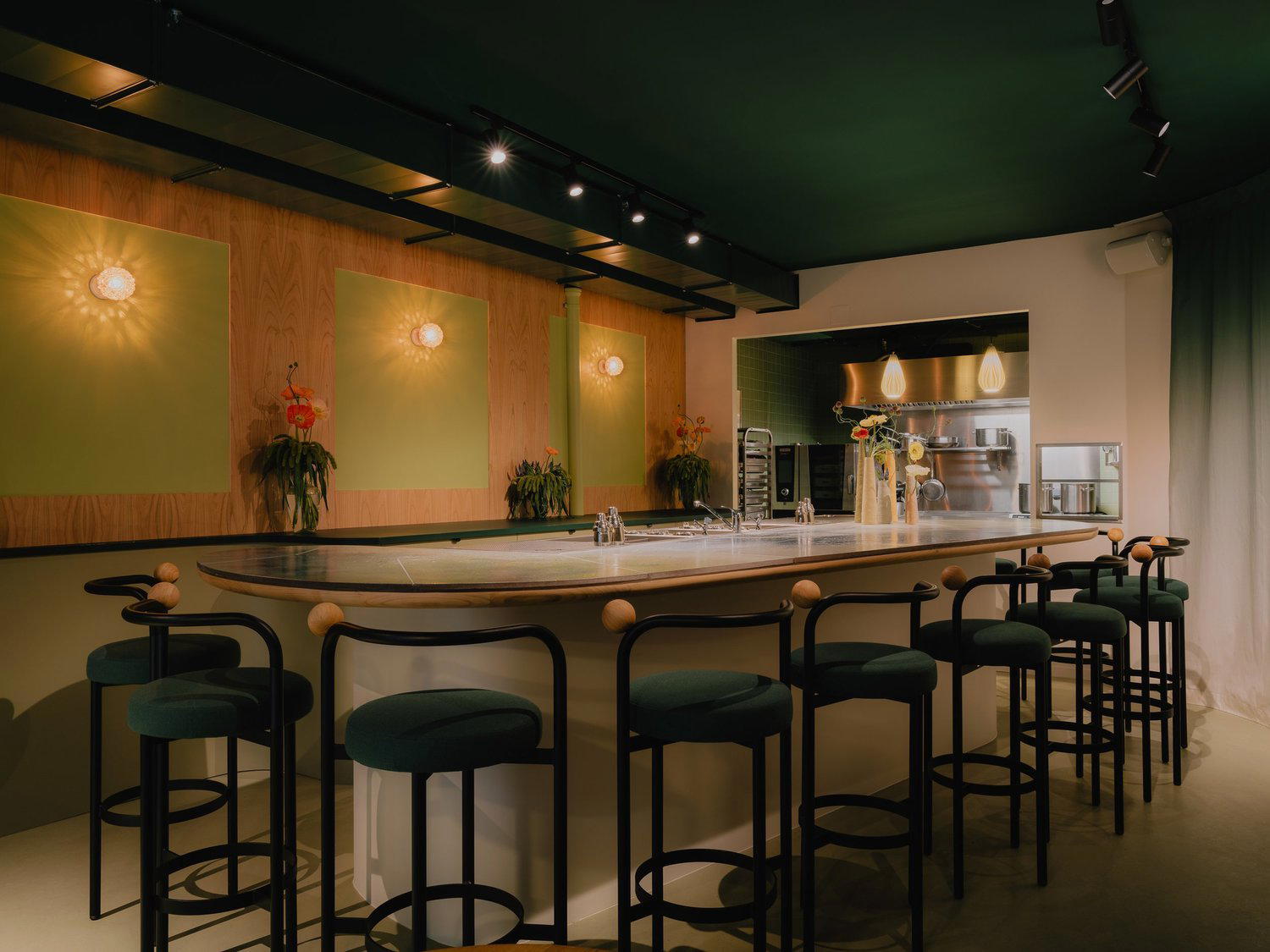
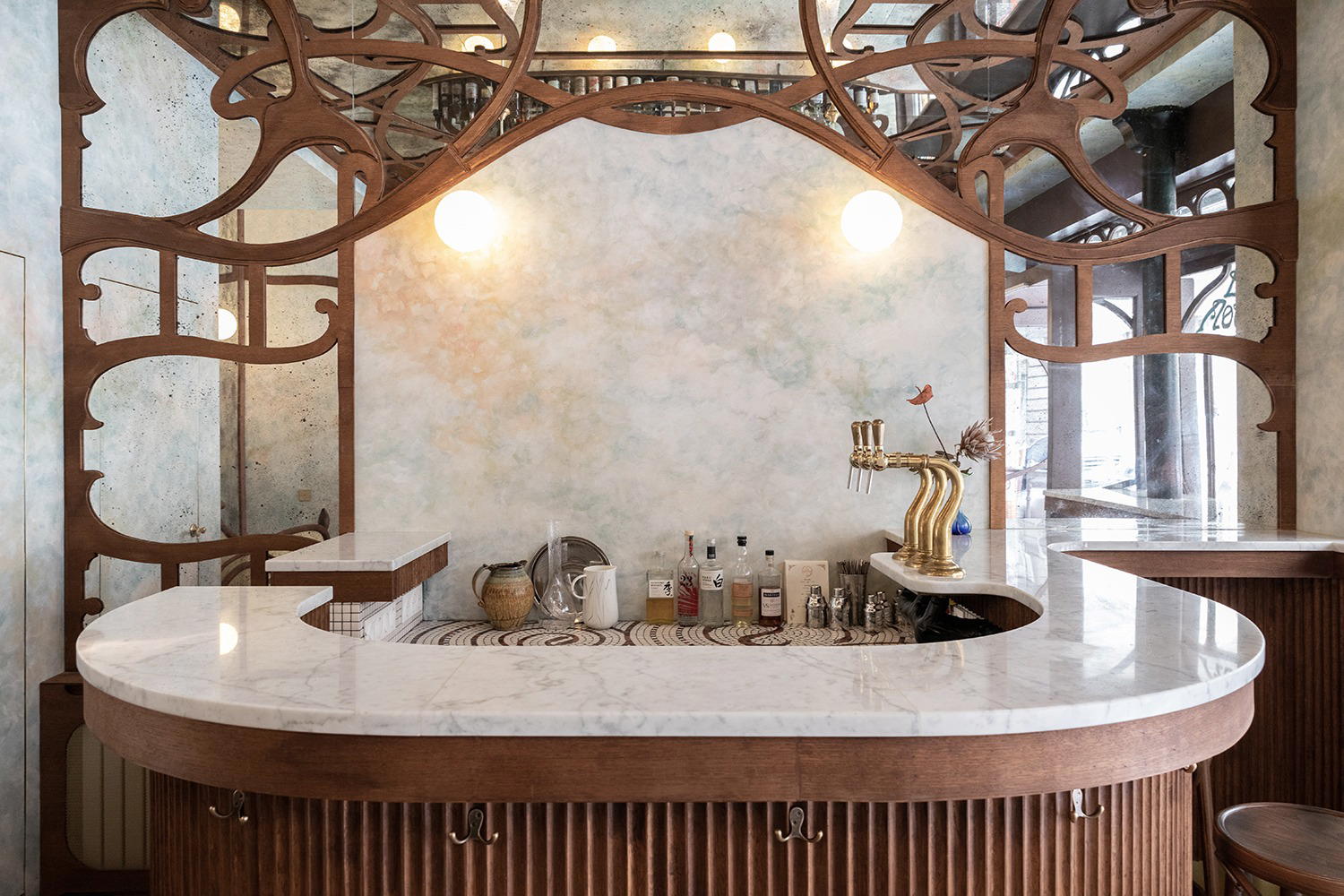
Hotels in Paris
Browse all →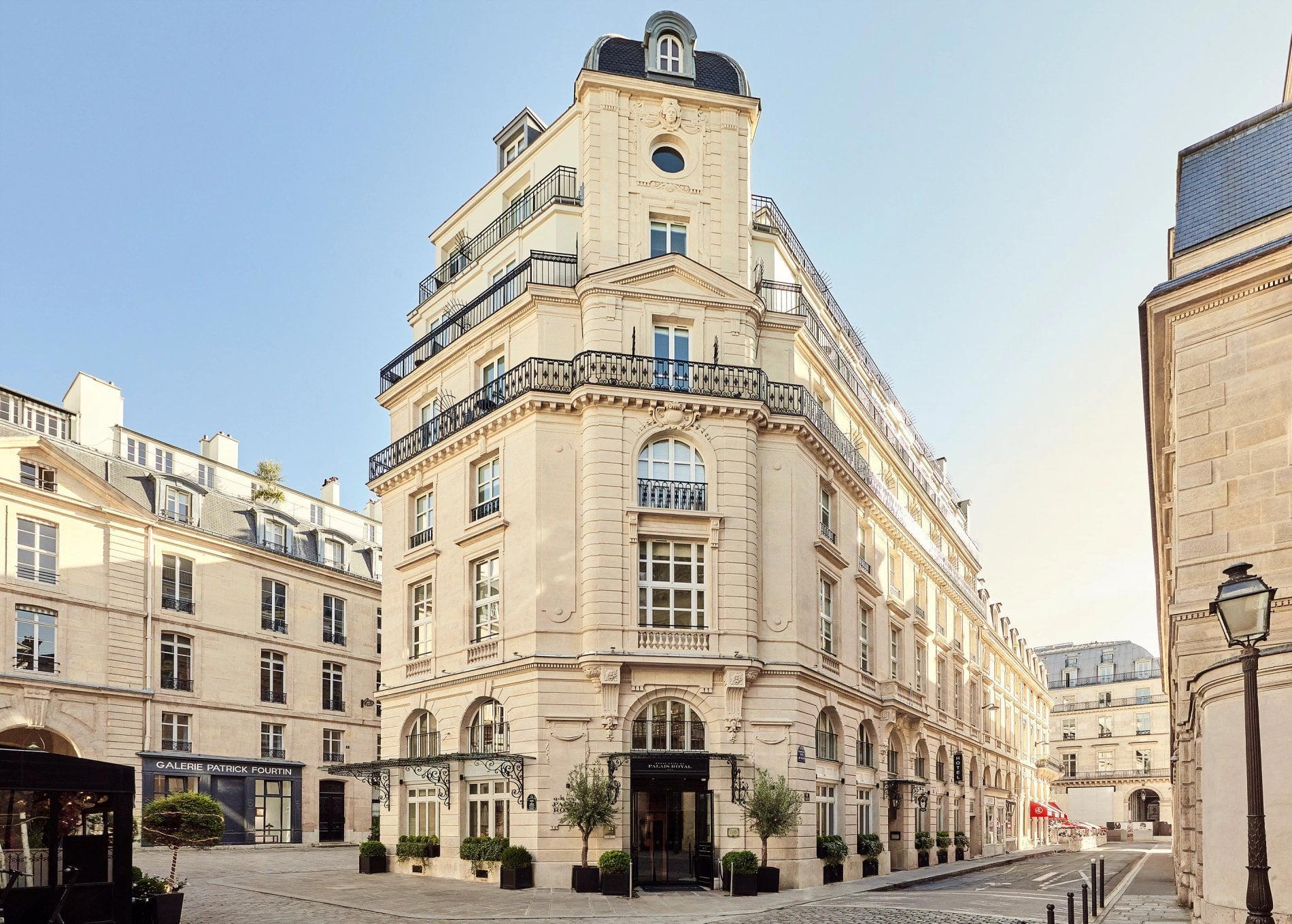
Wineries in Paris
Browse all →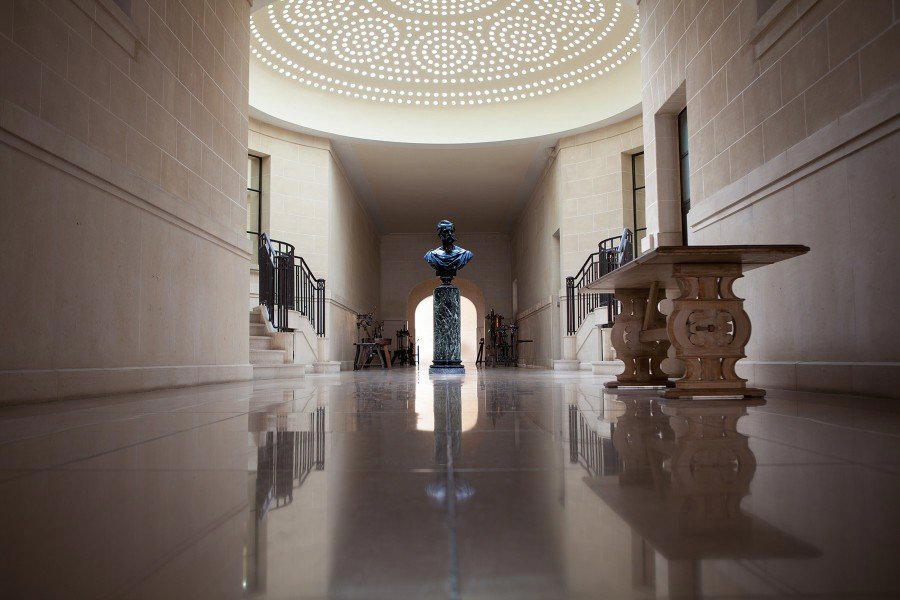
At a Glance
- Intimate
- Cozy
- Elegant
- Date Night
- Special Occasion
- Business Dinner
- Wine Cellar
- Sommelier Led
Current opening hours
- Monday
- 8–10:30 PM
- Tuesday
- 8–10:30 PM
- Wednesday
- 8–10:30 PM
- Thursday
- 8–10:30 PM
- Friday
- 8–10:30 PM
- Saturday
- 8–10:30 PM
- Sunday
- 8–10:30 PM
Hours can change for holidays and private events. Last verified .
Cozy and intimate former wine cellar with warm, welcoming atmosphere.