Che Fico Pop-Up at the Fall Show
Our verdict
Che Fico brings its California-Italian sensibility to the Fort Mason Center during San Francisco's Fall Show, trading its permanent Divisadero dining room for a pop-up format that suits the season's event energy. The Marina Blvd address places it steps from the bay, where the programming tempo and communal setup shift the experience considerably from a conventional restaurant visit. Timing and format awareness matter here more than at a fixed address.

Pearl is the En Primeur Club membership app, where members save venues, book tables and use the concierge.

The menu
What to order
- Pineapple Calabrian Chili Bomba
- Pepperoni and Long Hots
- Broccoli Rabe White Pie
When a Restaurant Leaves Its Room
San Francisco's pop-up dining circuit has matured well past the food-truck era. What was once a format for untested concepts is now a vehicle used by established kitchens to meet audiences outside their usual footprint. Che Fico's appearance at the Fall Show at Fort Mason Center, 2 Marina Blvd, follows a pattern visible across the American dining calendar: a kitchen with a fixed identity and loyal following tests its cooking in a temporary, high-footfall context, where the rules of service, pacing, and menu construction necessarily change. The bay-facing setting at Fort Mason adds a layer of atmosphere that no permanent dining room in the city quite replicates, the combination of industrial architecture, open waterfront air, and the compressed energy of a timed event creates conditions that are categorically different from a standard reservation at a Divisadero address.
For context on how San Francisco's top-tier dining compares at the permanent end of the spectrum, see our full San Francisco restaurants guide, which covers fixed-address venues from Benu and Atelier Crenn to Quince and Lazy Bear.
The Lunch and Evening Divide at Event-Format Dining
Daytime hours at Fort Mason draw a crowd whose primary purpose is the show itself, attendees moving between exhibitors, handling acquisitions, and treating food as functional punctuation between the main business. An afternoon visit to Che Fico here operates accordingly: the format is tighter, the pace is faster, and the menu necessarily skews toward dishes that hold up under event-kitchen conditions and can be plated and served without the deliberate rhythm of a full-service dining room.
Evening is a different proposition. Once the exhibition floor quiets, the Marina setting does what this part of the city does well in autumn, the light off the bay shifts, the temperature drops, and the crowd composition changes toward people who have made the food a destination in itself rather than an adjacency to the show. Pop-ups that understand this typically shift their offer accordingly, either through a more composed menu, longer plate times, or wine service that warrants slowing down. The value calculation also changes: what reads as quick and reasonable at lunch can feel considered at dinner, and a kitchen working within temporary constraints often shows more at the end of the day when the production rhythm is established.
This pattern is not specific to Che Fico. It's the structural reality of event-format dining at venues like Fort Mason, where the surrounding program shapes the guest's state of mind more than the kitchen does. The same phenomenon appears in premium event dining internationally, from museum supper clubs to fair-adjacent pop-ups, the format demands that the diner does some of the work in calibrating expectations to context.
Where This Fits in California's Dining Calendar
Fall is a meaningful season for California dining more broadly. Harvest timing pulls wine-country attention toward Healdsburg and Napa, venues like Single Thread Farm in Healdsburg and The French Laundry in Napa operate in a different register, with fixed tasting menus built around autumn produce at prices and formality that place them at the upper boundary of the category. Saison in San Francisco sits in a comparable tier. The Che Fico pop-up at the Fall Show occupies a different position on that spectrum, event-accessible, less ceremonial, and geographically proximate for a San Francisco audience that doesn't want to leave the city for a seasonal dining moment.
Nationally, the pop-up format has been used by kitchens ranging from Smyth in Chicago to Blue Hill at Stone Barns in Tarrytown to bridge their fixed identity into event contexts without diluting the home program. Addison in San Diego and Providence in Los Angeles have similarly extended into formats that meet audiences at cultural moments. The logic is consistent: a kitchen known in one context introduces itself to a different demographic without the friction of a full reservation cycle. For the diner, the trade-off is less control over environment and pacing in exchange for accessibility and novelty of setting.
The California-Italian Register in a Temporary Setting
Che Fico's permanent identity draws on California-Italian cooking, a category that has been one of the more durable threads in San Francisco dining, distinct from both the formal Italian-American tradition and the white-tablecloth Italian of the East Coast. The city's Italian-Californian synthesis tends to foreground local produce, wood-fire technique, and handmade pasta in a register that is casual enough to feel social but constructed enough to reward attention. How much of that register survives a pop-up translation depends on kitchen infrastructure, but the category itself is well-suited to event format: pasta and antipasto hold up under service pressure better than intricate plated tasting courses. Comparable registers at fixed addresses nationally include Frasca Food and Wine in Boulder, which brings a similarly produce-driven northern Italian approach to a non-coastal market.
For those looking at how ambitious Italian-leaning programs operate at maximum formality, Quince in San Francisco represents the ceiling of that category in the city, with a tasting menu format and Michelin recognition that places it in a different conversation from what a pop-up can reasonably attempt. The two exist without direct competition, one is an occasion destination, the other a seasonal event presence.
Planning a Visit
The Fall Show at Fort Mason runs for a defined window in autumn, and the Che Fico pop-up is tied to that schedule. Timing: Check the Fall Show's published dates for the current year; the event typically spans a long weekend or multi-day run, with Che Fico's involvement confirmed closer to the opening. Reservations: Event pop-ups at Fort Mason have historically operated on a walk-in or advance ticket basis depending on the show's food programming structure, verify directly through the Fall Show's official channels rather than through Che Fico's standard reservation system. Budget: No confirmed pricing is available for this pop-up format; expect event-food pricing that sits below Che Fico's permanent tasting menu range but above casual street-fair formats. Getting there: Fort Mason Center is accessible from the Marina District on foot and sits adjacent to the waterfront path from Fisherman's Wharf; parking on Marina Blvd is limited during event periods, and rideshare drop-off at the Gate 2 or Gate 3 entrances is more reliable. Dress: The Fall Show is a trade and collector event with a smart-casual baseline; formal dress is unnecessary but the evening crowd trends toward put-together.
Frequently asked questions
What is the atmosphere like at Che Fico Pop-Up at the Fall Show?
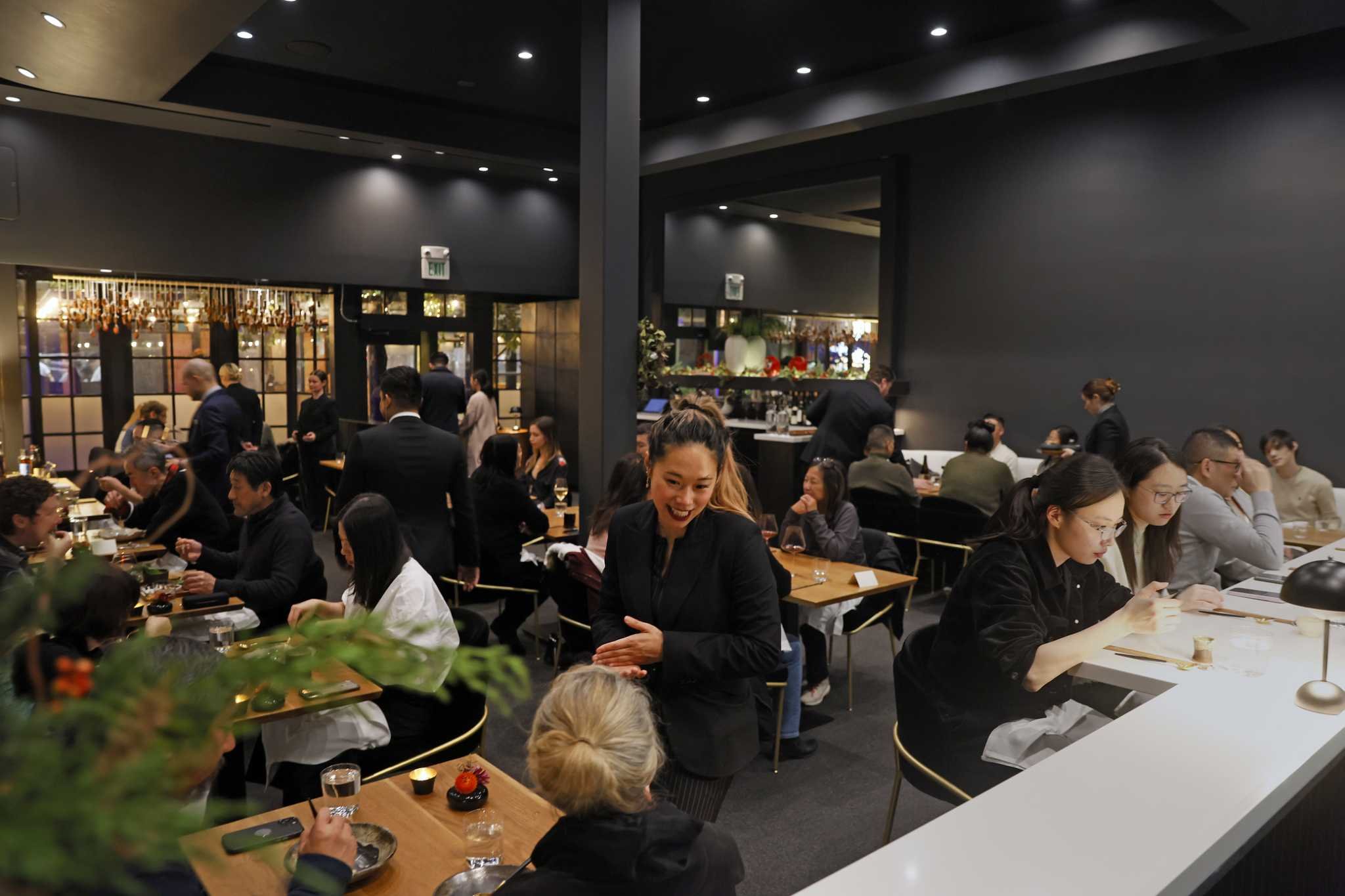
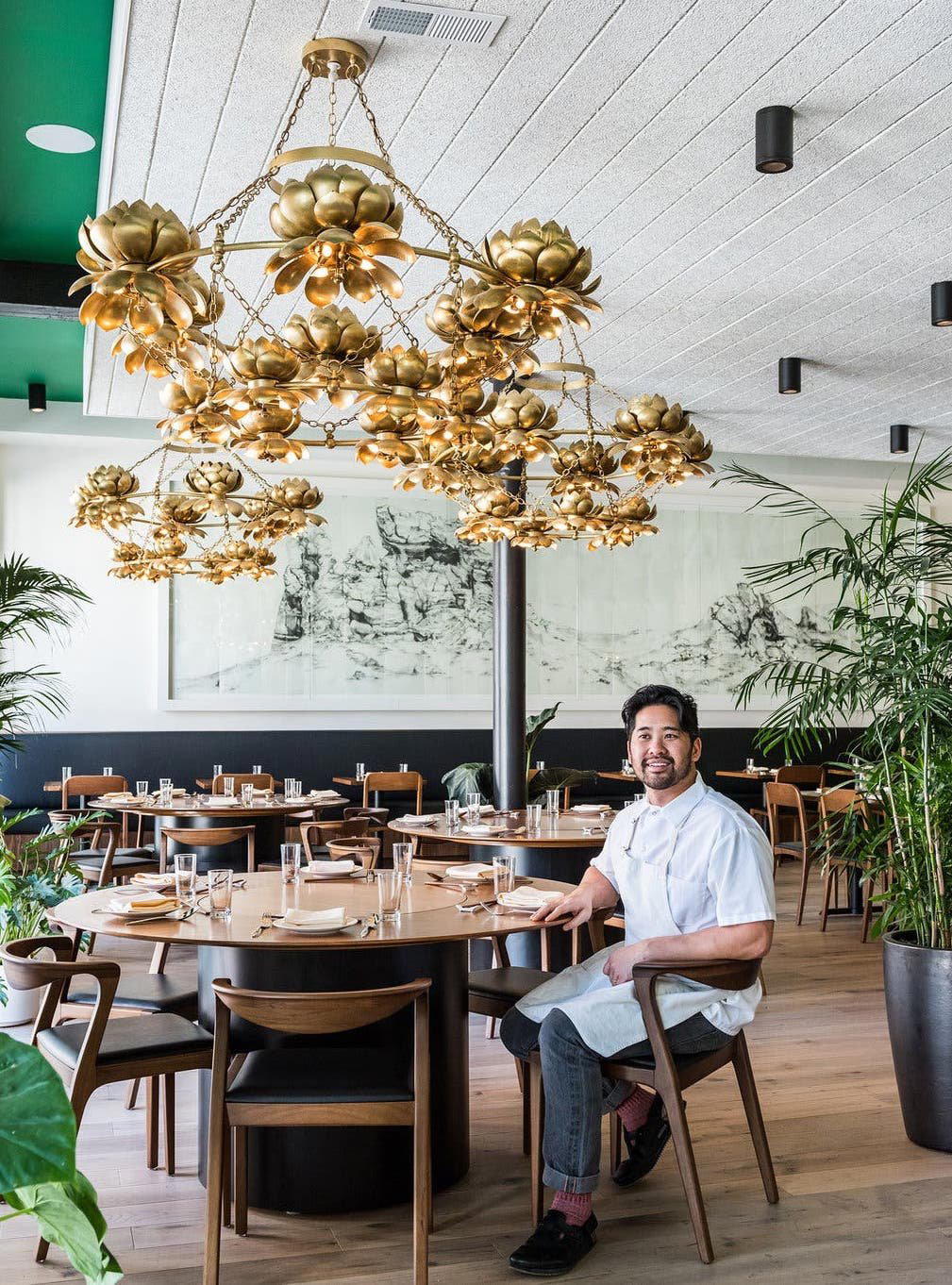
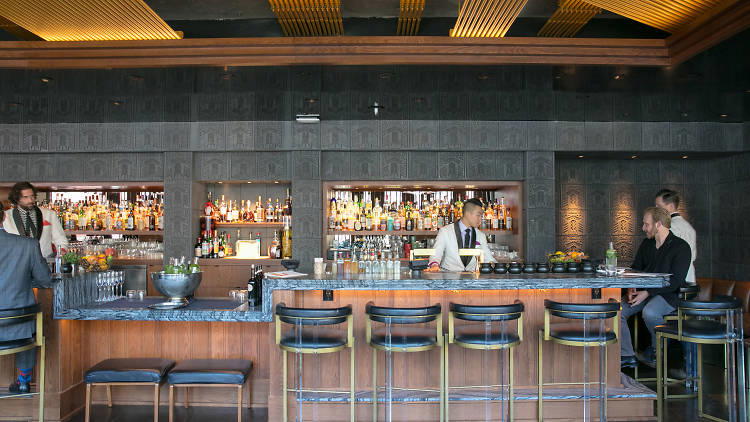
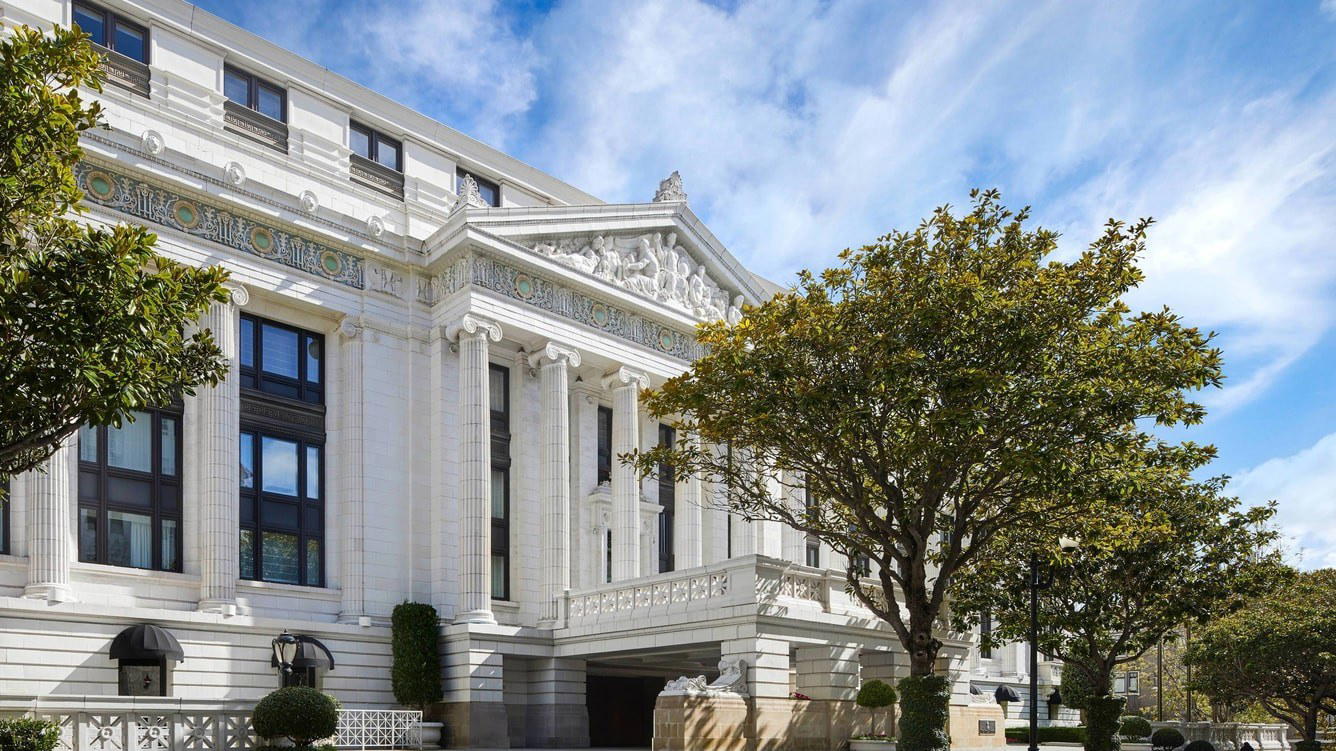
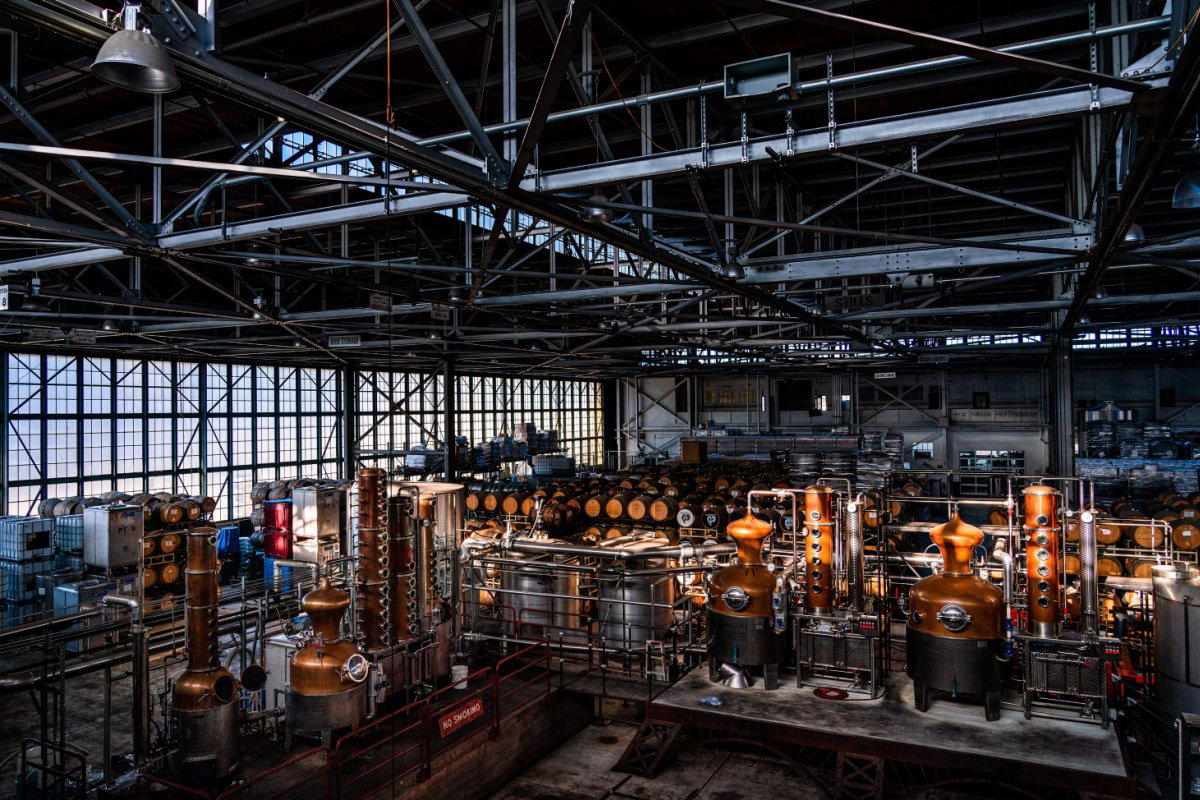
Fort Mason Center at 2 Marina Blvd puts dining against an industrial waterfront backdrop with bay views that few permanent San Francisco dining rooms can match at this price point. The Fall Show context means you're eating within an active cultural event, art on the walls, show foot traffic nearby, rather than a conventional restaurant setting. That tension between polished kitchen output and event-floor energy is the defining atmospheric fact of this format.
Where is Che Fico Pop-Up at the Fall Show located?
Che Fico Pop-Up at the Fall Show is located at 2 Marina Blvd, San Francisco, CA 94123, San Francisco.
Is the Che Fico Fall Show pop-up worth attending if I've already been to the Divisadero restaurant?
The Fort Mason setting at 2 Marina Blvd is a materially different context from the permanent Divisadero dining room, waterfront industrial space, event-format service, and a seasonal menu shaped by the autumn show schedule rather than the full kitchen's regular output. For those familiar with Che Fico's California-Italian cooking, the pop-up is a format study as much as a meal: the same culinary identity operating under event constraints. Whether that trade-off is worthwhile depends on your interest in the Fall Show itself as a cultural event.
What should I eat at Che Fico Pop-Up at the Fall Show?
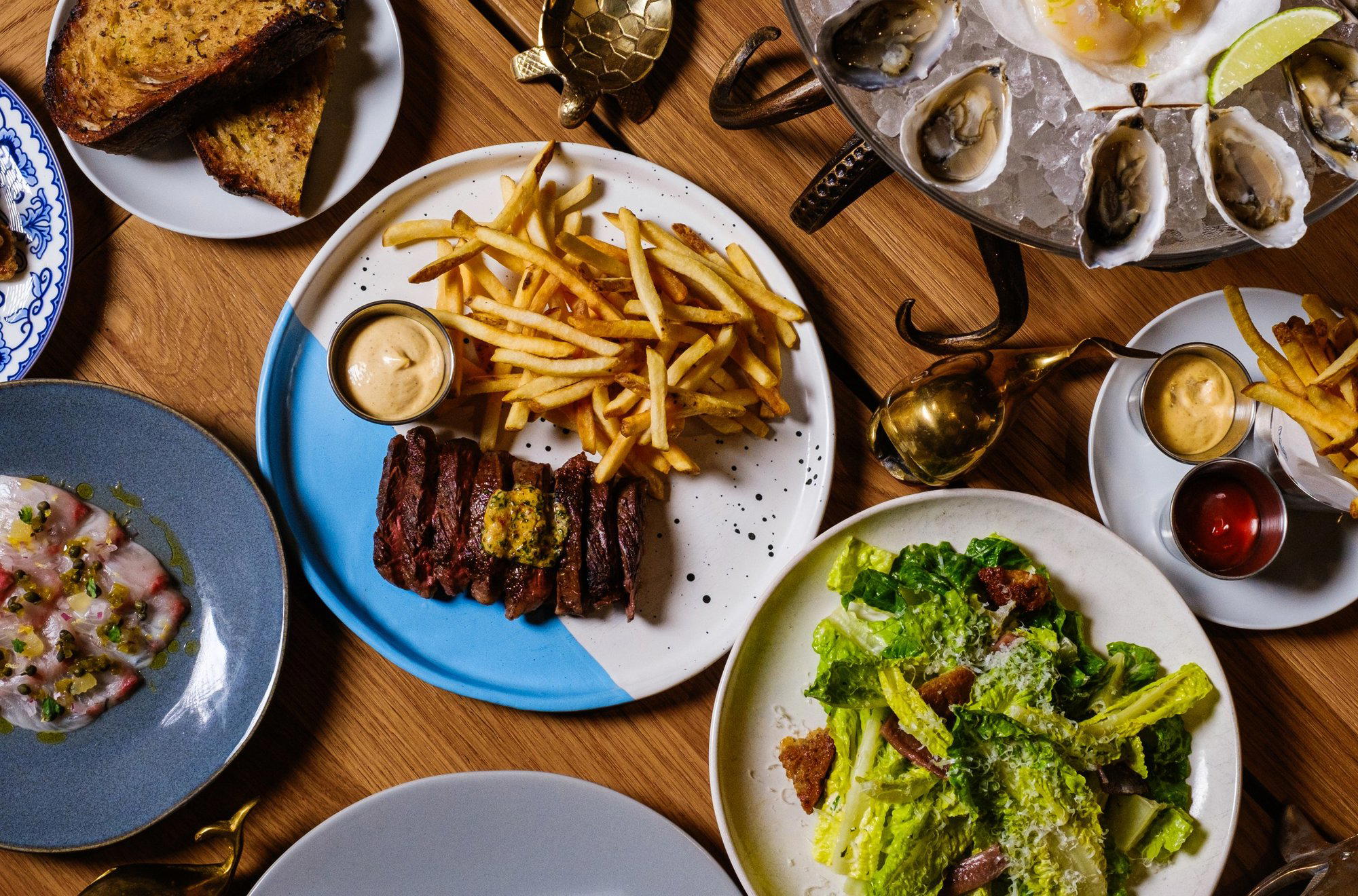
Che Fico's permanent Divisadero kitchen built its reputation on handmade pasta and wood-fired cooking within the California-Italian register, and the pop-up draws from that same culinary identity. Expect the menu to reflect seasonal California produce, given the autumn timing of the Fall Show.
How far ahead should I plan for Che Fico Pop-Up at the Fall Show?
The Fall Show itself is the primary scheduling constraint, the event runs for a defined autumn window at Fort Mason Center, and attendance is tied to show access rather than standard restaurant reservations. Check the Fall Show's published schedule for exact dates and ticket availability before planning around the Che Fico presence. Food-specific advance booking within the event, where available, tends to move ahead of the opening date.
What do critics highlight about Che Fico Pop-Up at the Fall Show?
Che Fico's permanent address on Divisadero has drawn consistent editorial attention for its California-Italian cooking since opening, which is the relevant credential the pop-up carries into the Fort Mason setting. Coverage of the pop-up format, if any exists, would appear through Fall Show press rather than standard restaurant reviewing channels.
Can Che Fico Pop-Up at the Fall Show handle vegetarian requests?
California-Italian cooking as a category runs more vegetable-forward than French or Japanese tasting-menu formats by default, and Che Fico's permanent kitchen reflects that tendency. The pop-up at Fort Mason draws on the same culinary identity, so vegetarian options are a reasonable expectation, though specific menu composition varies by edition. Confirming with the Fall Show directly before the event is the practical step.
Peers in This Market
Comparable venues nearby, for context on price, style, and recognition.
| Venue | Cuisine | Price | Notes |
|---|---|---|---|
| Che Fico Pop-Up at the Fall ShowThis venue (the venue you are viewing) | Modern Italian Pizzeria | Not listed | Not listed |
| Fior d'Italia | Northern Italian Fine Dining | $30–50 | North Beach |
| Credo | Rustic Italian with Northern California Sensibilities | Not listed | Financial District/South Beach |
| Tratto | Northern Italian Trattoria | $50–100 | Nob Hill |
| Pazzia | Authentic Tuscan Italian | $50–100 | Financial District/South Beach |
| Agrodolce Provisions | Italian pasta lunch spot and provisions market | $20–30 | SoMa |
Continue exploring
More in San Francisco
Restaurants in San Francisco
All restaurants in San Francisco →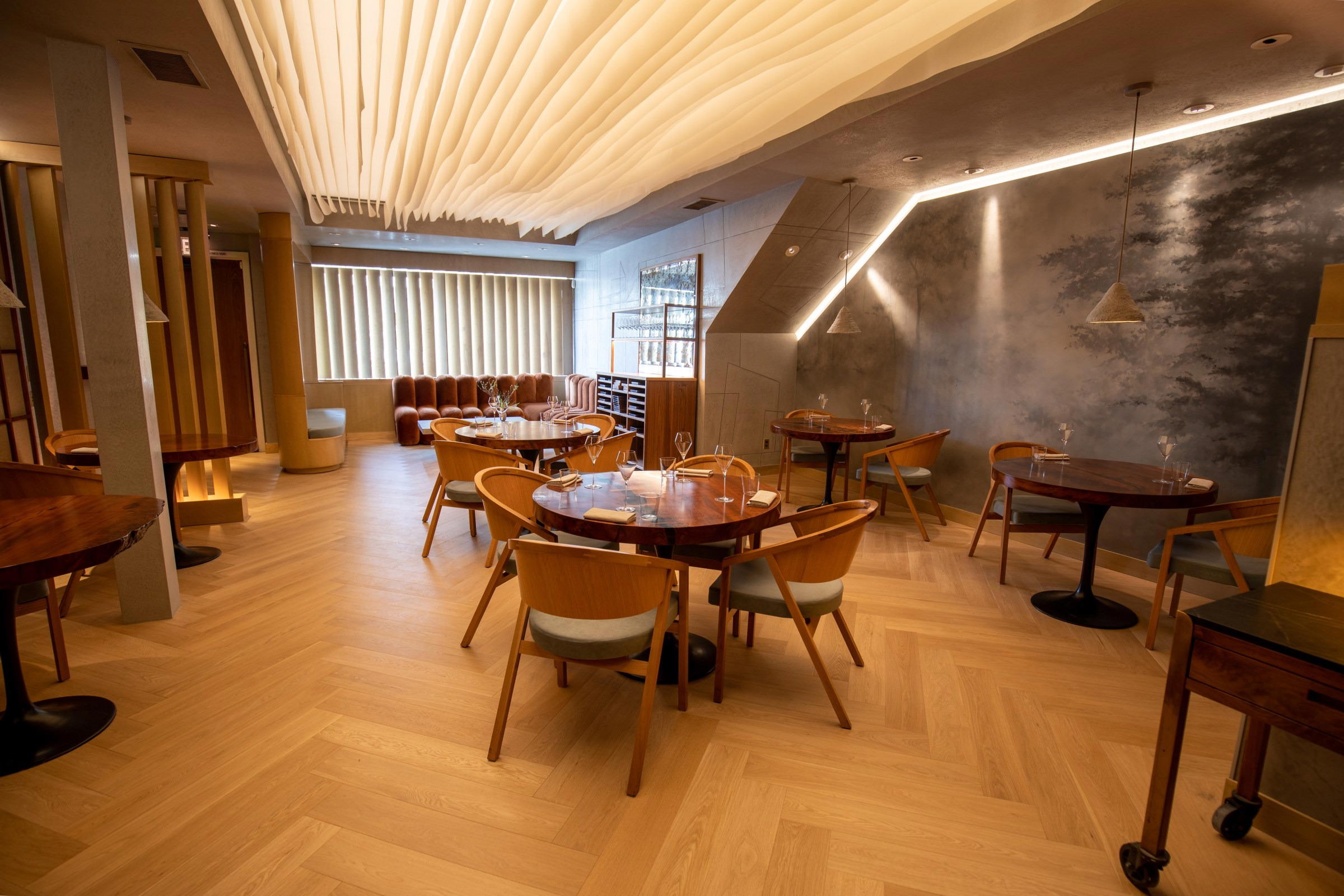
Bars in San Francisco
All bars in San Francisco →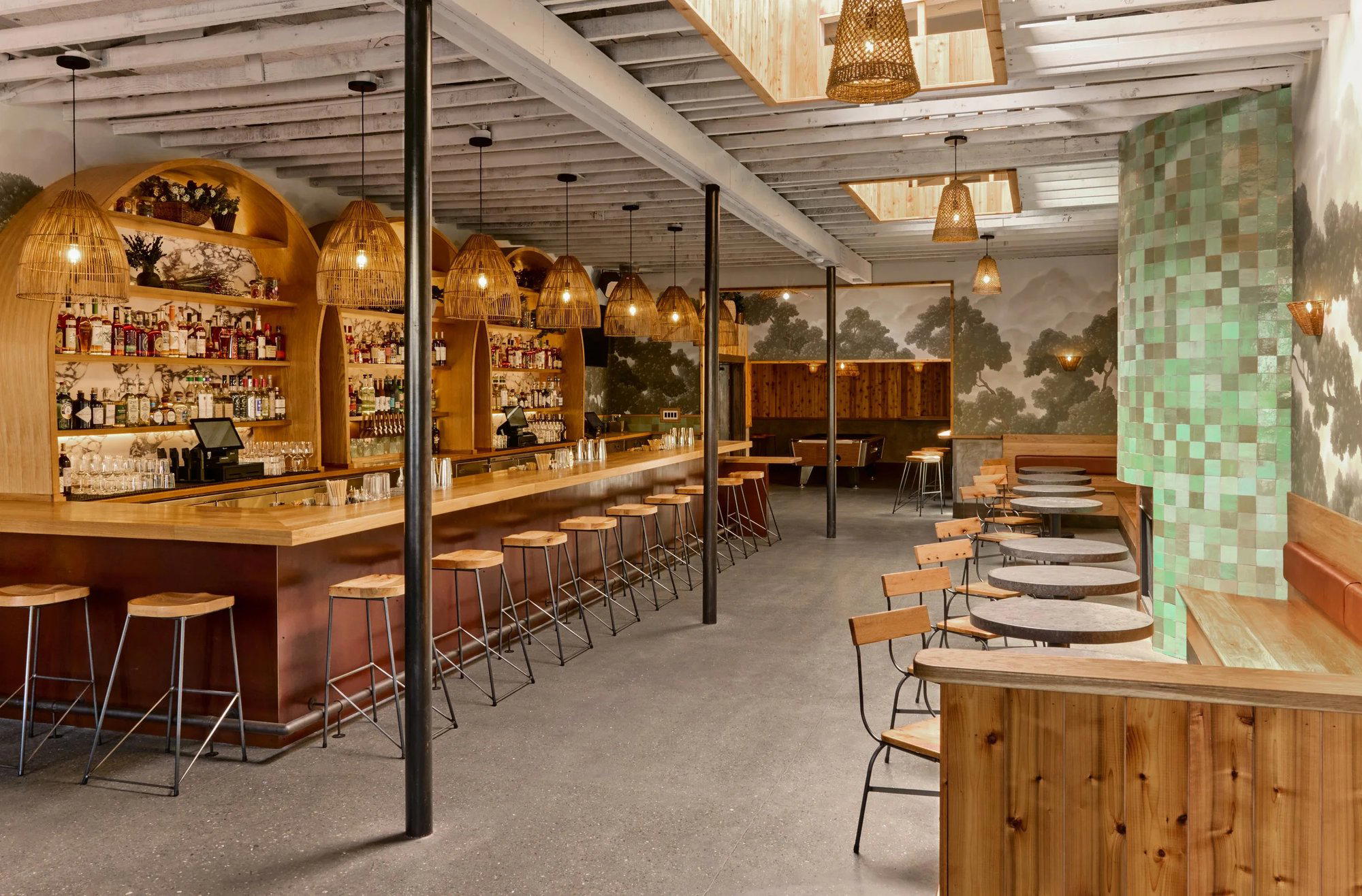
Details
- Lively
- Trendy
- Modern
- Casual Hangout
- Group Dining
- Open Kitchen
- Local Sourcing
- A La Carte
- Small Plates
Lively and dynamic extension of Bay Area pizzeria with casino floor energy and convivial Italian taverna atmosphere.