Credo
Credo occupies a considered position in San Francisco's Financial District dining scene, drawing professionals and serious diners to 360 Pine St for an experience shaped by the rituals and pacing of a structured meal. The address places it within walking distance of the Embarcadero and the city's broader fine-dining corridor, where the question of formality and intent still matters to how a room is read.
- Address
- 360 Pine St, San Francisco, CA 94104
- Phone
- +1 415 693 0360
- Website
- credosf.com
- Directions
- Get directions
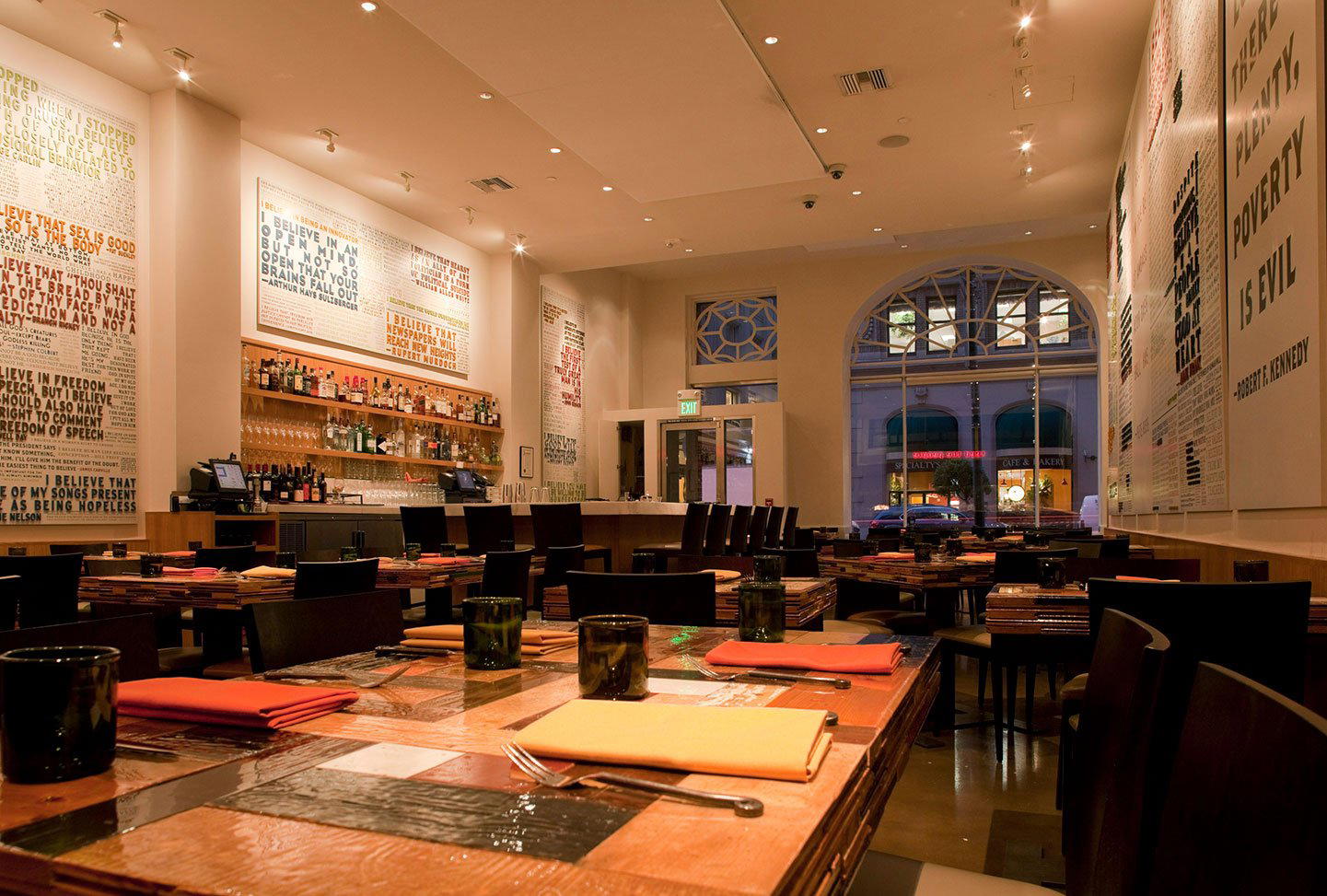
Where the Financial District Slows Down to Eat
San Francisco's Financial District is not where you look first for meditative dining. The neighbourhood runs on abbreviated lunches, standing reservations at hotel bars, and the kind of efficiency that treats a meal as a transaction. Against that backdrop, a restaurant at 360 Pine St that asks its guests to slow down and pay attention occupies an interesting position in the city's broader dining geography. Credo sits at that intersection, a few blocks from the Embarcadero and within the cluster of addresses where the city's more purposeful mid-market and fine-dining operators have built a foothold.
San Francisco's fine-dining tier has consolidated considerably over the past decade. The city that once spread Michelin stars across neighbourhoods now concentrates its most formally recognised tables in a smaller number of rooms. Atelier Crenn in the Marina, Benu in SoMa, and Quince in Jackson Square each anchor distinct neighbourhood identities. Credo's Pine Street address puts it in a different kind of territory, one defined less by residential character and more by the rhythms of the working city. That context shapes what the room has to do: it must serve a weekday professional crowd without surrendering the seriousness that distinguishes a structured dining experience from a well-executed corporate lunch.
The Architecture of a Meal Here
In American fine dining, the ritual of the meal has become as much a subject of editorial conversation as the food itself. The question of how a room paces its service, how it sequences courses, how it manages the transition from arrival to full engagement, has separated particularly considered operations from those that simply execute at a high technical level. Restaurants like Lazy Bear built their identity around a particular dining-ritual format that positioned the meal as a social and theatrical event, distinct from the more austere counter experiences that define places like Saison. The spectrum in San Francisco runs wide.
A Financial District address pushes against the more theatrical end of that spectrum. The neighbourhood's clientele tends toward fluency with formal dining customs without necessarily demanding ceremony. What that creates, at its most functional, is a room where the structure of service can operate without needing to explain itself, where the arc of a meal from first drink to final course can unfold at a pace set by the kitchen rather than by the anxiety of the guest. That kind of quiet confidence in ritual is harder to achieve than it looks, and it is the quality that separates a serious dining room from a merely expensive one.
For comparison, the same question of ritual and pacing plays out differently at destinations like Smyth in Chicago or Single Thread Farm in Healdsburg, where the physical remove from urban density gives the kitchen explicit permission to dictate tempo. Urban fine-dining rooms have to earn that same permission from a guest who arrived by BART or walked over from a nearby office, and strong examples among them do so through precision rather than seclusion.
Credo in the City's Competitive Frame
Credo's positioning in San Francisco's dining hierarchy is read through its address and its neighbourhood context rather than through accolades. That is not a disadvantage. Some of the more durable fine-dining addresses in American cities operate below the Michelin threshold without operating below the level of seriousness that threshold implies. Frasca Food and Wine in Boulder and Addison in San Diego both demonstrate that regional markets reward considered, disciplined operations that may not accumulate the same press volume as their coastal-celebrity peers.
In San Francisco specifically, the competitive set for a Financial District room extends beyond the obvious Michelin names. The city has a deep bench of serious mid-tier operators who attract a professional and informed dining public without necessarily appearing in the major award cycles. Within that frame, location becomes a form of editorial statement. Pine Street, within walking distance of the Ferry Building and the Embarcadero's broader dining and market culture, is a deliberate choice. The guests who find their way to this address have already filtered themselves from the Ferry Building tourist circuit.
Nationally, the category of serious urban dining rooms that operate with structural intention places Credo in conversation with addresses like Atomix in New York City or Providence in Los Angeles, rooms where the architecture of service is as deliberate as the food. The reference points matter because they establish what a guest can reasonably expect from a room that takes its ritual seriously, regardless of whether that room carries a star or a ranking.
Planning a Visit
360 Pine St places Credo at a Financial District address that is direct to reach by public transit. The Montgomery Street BART and Muni station sits a short walk north, and the California Street cable car line passes nearby for guests arriving from Nob Hill or the Embarcadero. Driving guests have access to parking structures on nearby streets, though the density of the district makes transit the more practical choice on weekday evenings. For the broader context of San Francisco dining and how Credo fits into the city's current restaurant geography, the full San Francisco restaurants guide provides neighbourhood-level framing across the city's main dining corridors. Diners planning a San Francisco itinerary that reaches beyond the city might also consider The French Laundry in Napa or Blue Hill at Stone Barns in Tarrytown as reference points for how destination fine dining operates outside urban centres.
Current pricing is approximately $65 per person. For comparable experiences in other American cities, Le Bernardin in New York City, Emeril's in New Orleans, The Inn at Little Washington, and Atelier Moessmer Norbert Niederkofler in Brunico offer a range of formal dining formats against which any serious room measures itself.
Cuisine and Recognition
Comparable venues nearby, for context on price, style, and recognition.
| Venue | Cuisine | Price | Notes |
|---|---|---|---|
| CredoThis venue — the venue you are viewing | Rustic Italian with Northern California Sensibilities | $$$ | Not listed |
| North Beach Restaurant | Classic Italian-American | $$$ | North Beach |
| Sociale | Northern Italian Rustic Trattoria | $$$ | Presidio Heights |
| Ofena | Modern Italian with California Twists | $$$ | West of Twin Peaks |
| Calzone's Pizza Cucina | Italian Pizza and Calzones | $$ | North Beach |
| La Traviata | Classic Italian Trattoria | $$ | Mission |
Continue exploring
More in San Francisco
Restaurants in San Francisco
Browse all →
Bars in San Francisco
Browse all →
Hotels in San Francisco
Browse all →
At a Glance
- Rustic
- Modern
- Elegant
- Sophisticated
- Date Night
- Business Dinner
- Group Dining
- Special Occasion
- Private Dining
- Design Destination
- Open Kitchen
- Craft Cocktails
- Farm To Table
- Local Sourcing
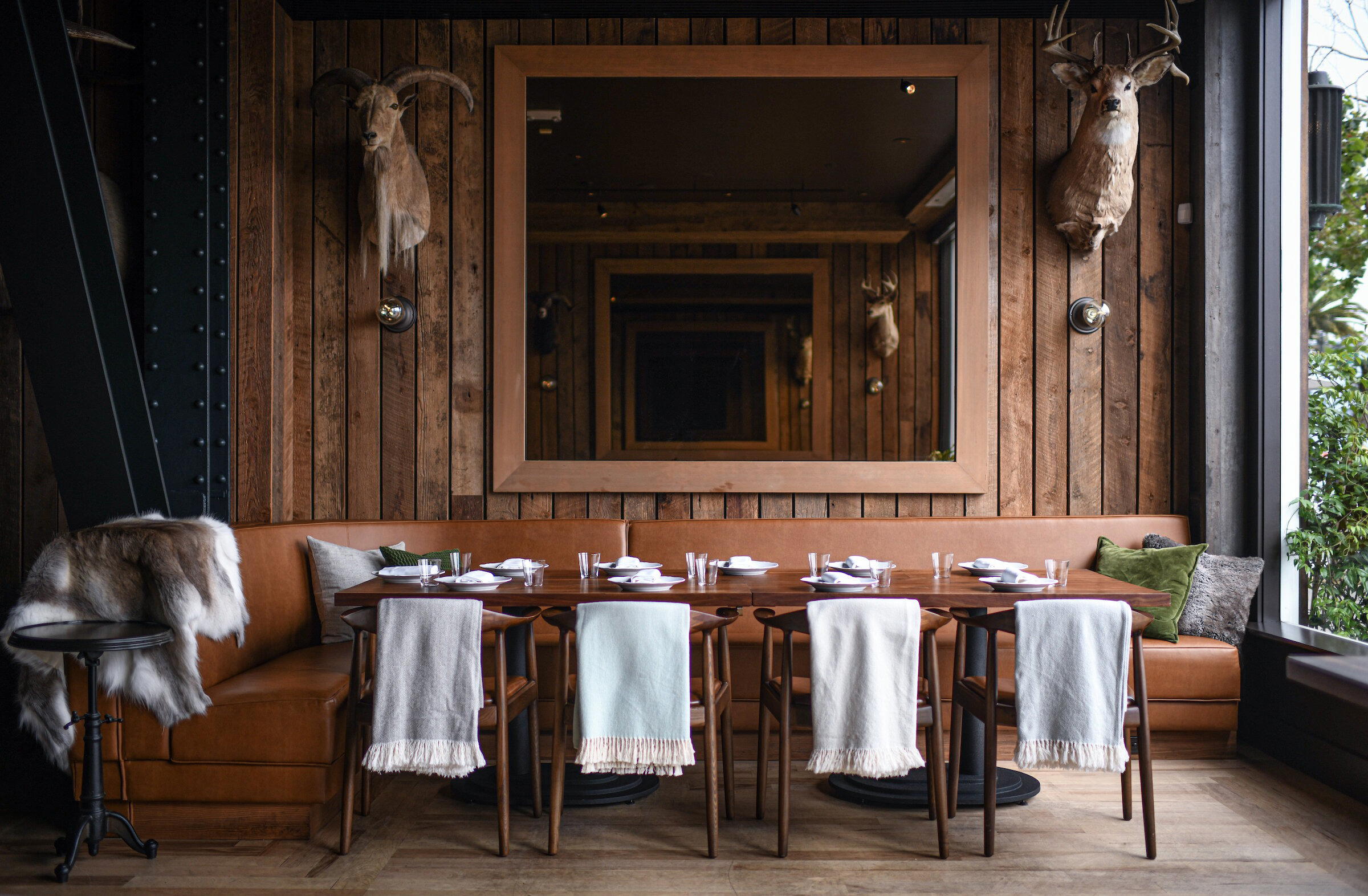
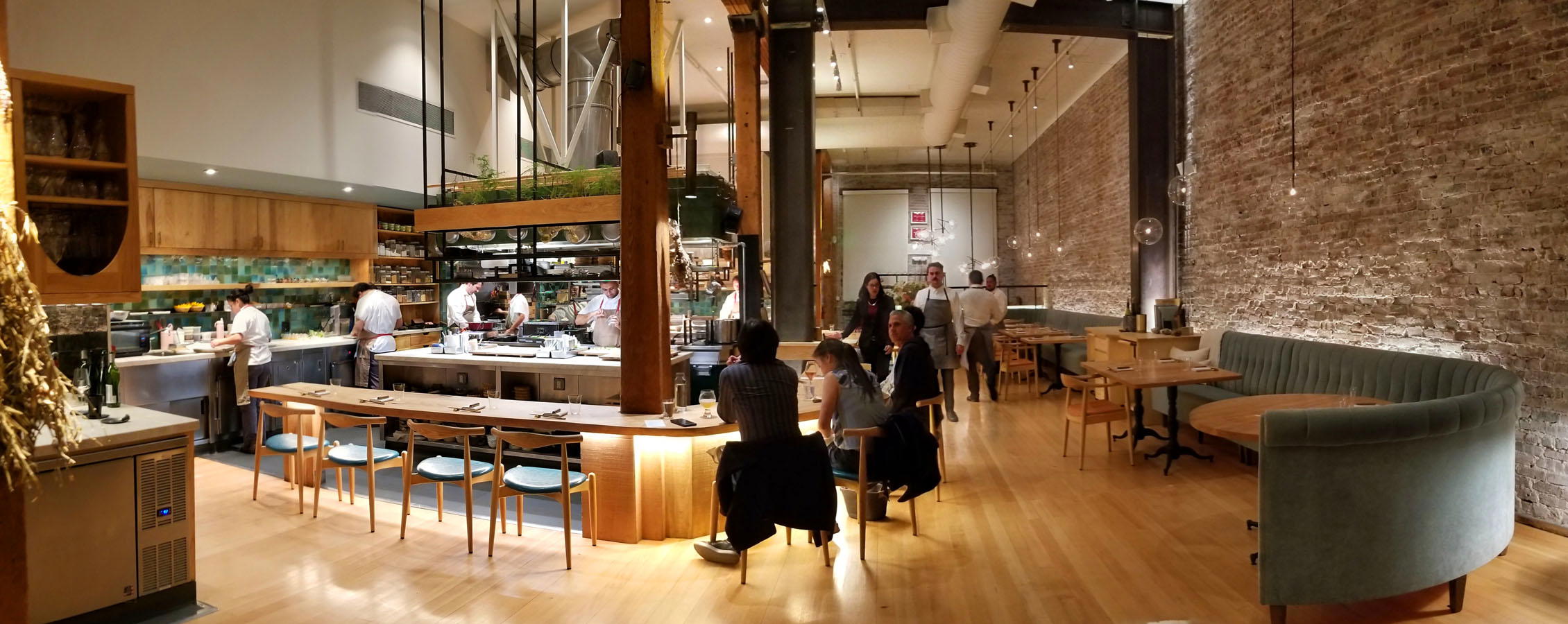
Modern, gallery-like setting with dramatic art installations and warm lighting that encourages intellectual conversation and debate.