Tratto
Tratto occupies a considered position in San Francisco's Italian dining conversation, operating from 501 Geary Street in the Tenderloin-adjacent corridor where the city's mid-century hospitality infrastructure still shapes the neighbourhood's character. The restaurant draws comparison to peers like Quince without the formal tasting-menu architecture, positioning itself as a place where the meal's structure, its pacing and ritual, carries as much weight as the plate.
Pearl is the En Primeur Club membership app — saves, bookings, and concierge access live there. Same editors, same standards.
- Address
- 501 Geary St, San Francisco, CA 94102
- Phone
- +14152928151
- Website
- tratto-sf.com
- Directions
- Get directions
 Saves & bookings on Pearl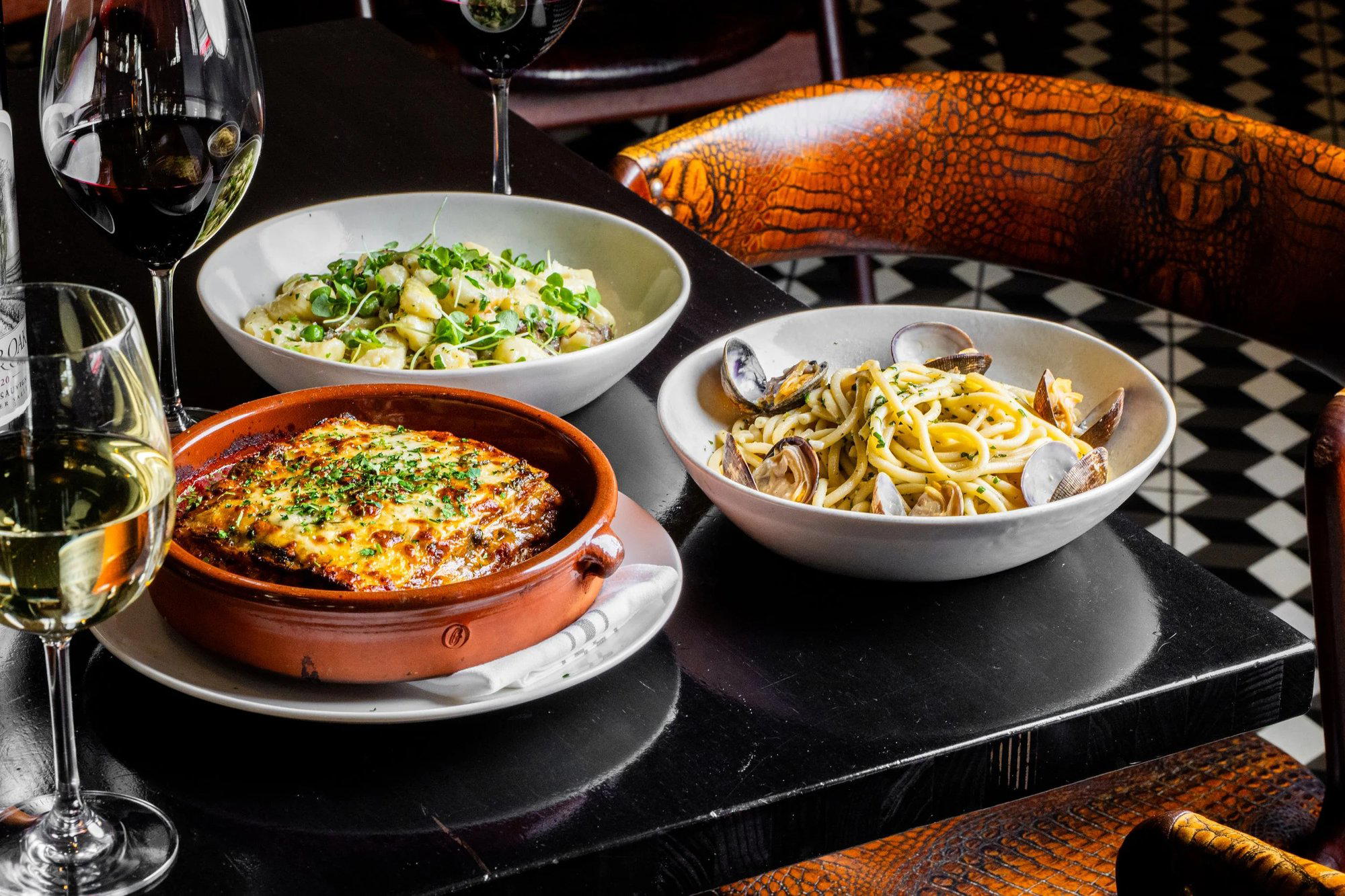
Where San Francisco's Italian Table Still Has Its Own Rules
San Francisco has never been a direct city for Italian food. Its relationship with the cuisine runs through North Beach's red-sauce legacy, through the Californian produce revolution of the 1980s and 1990s, and more recently through a generation of chefs who trained in Italy and returned with a different set of priorities. The result is a dining culture where the word "Italian" can mean almost anything, from a neighbourhood trattoria with a short wine list to a tasting-menu operation that happens to use pasta as its central grammar. Tratto, a Northern Italian Trattoria at 501 Geary St in San Francisco, sits in that conversation at a point where the ritual of the meal itself becomes the argument.
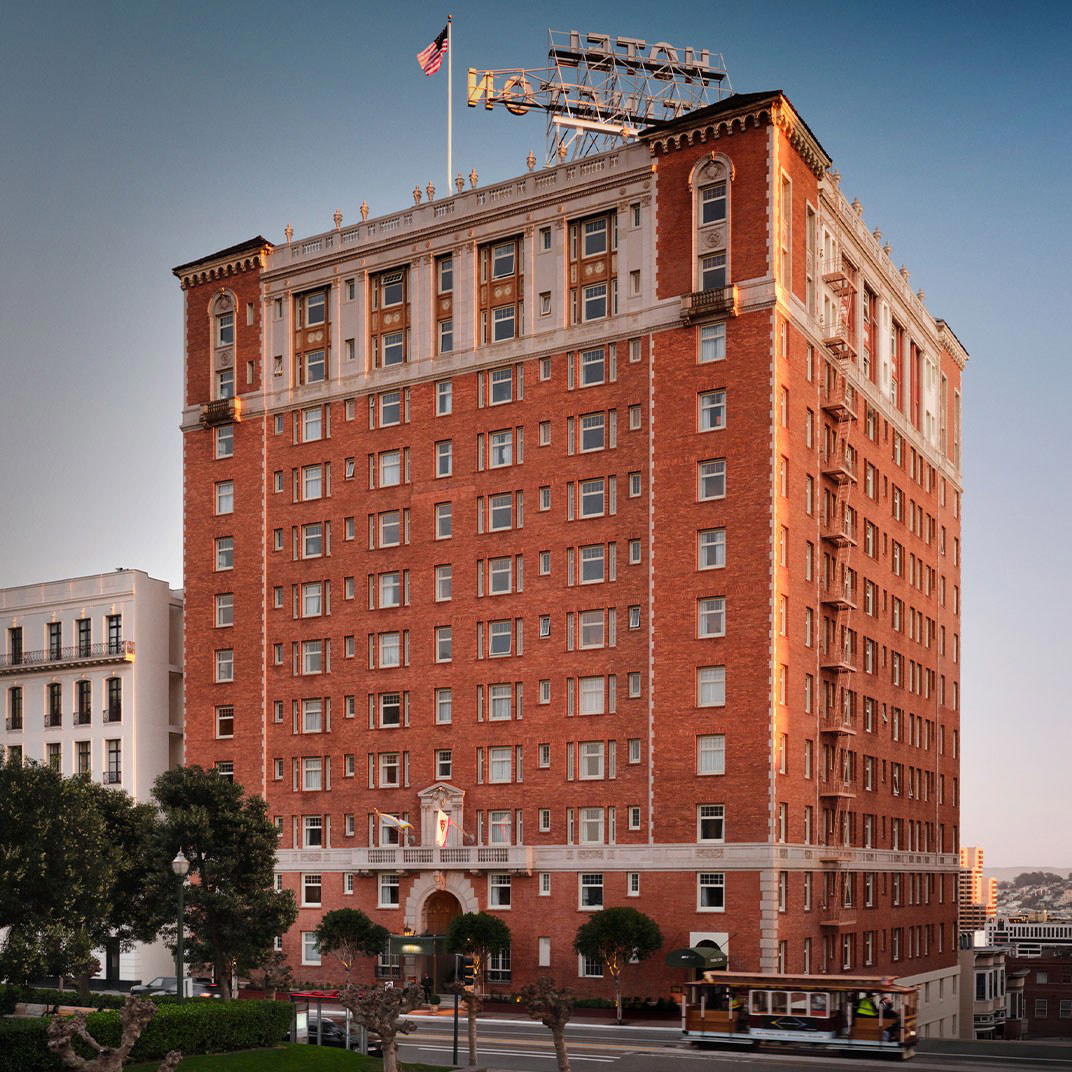
Geary Street runs through one of the city's more complicated corridors, the Tenderloin border, the Theater District, the edge of the Tendernob, and restaurants here operate in a neighbourhood that has historically rewarded those willing to look past surface first impressions. That context matters for understanding how Tratto positions itself: not as a destination that announces itself loudly, but as one that assumes a certain level of commitment from its guests before they arrive.
The Architecture of a Tratto Meal
In Italian dining tradition, the meal is a sequence with its own internal logic: antipasto, primo, secondo, dolce, with the pacing determined as much by the table's conversation as by the kitchen's output. The trattoria format, the word itself signals something between a full ristorante and a casual osteria, is built around that rhythm. It resists the efficiency pressure of a two-hour turn, and it resists the theatricality of a formal tasting menu. What it offers instead is a structure that mirrors how Italians actually eat when they are not performing for outsiders.
San Francisco's broader fine-dining tier has largely moved away from this model. The city's most decorated tables, Benu, Atelier Crenn, Lazy Bear, Saison, operate in a tasting-menu idiom where the kitchen controls pacing absolutely. Quince, the city's other serious Italian-inflected contemporary table, bridges that gap with a format that can feel closer to a French gastronomic restaurant than a Roman trattoria. Tratto occupies a different position: one where the diner's choices, the ordering sequence, and the pace of wine service are still part of the meal's texture.
That distinction is not minor. When a meal's structure is fixed by the kitchen, the diner becomes an audience. When the structure is flexible, when the second glass of wine arrives because you asked for it, when the pasta course extends because the conversation warranted it, the diner becomes a participant. The trattoria format, at its leading, enforces that participation.
Italian in California: What the Comparison Set Reveals
To understand Tratto's position, it helps to think about what Italian cooking means in the California context. The state's produce infrastructure, year-round markets, direct farm relationships, a climate that extends the growing season beyond what any Italian region can match, gives California Italian kitchens access to ingredients that would be unavailable or prohibitively expensive in Milan or Naples. That access changes what responsible cooking looks like. It pushes away from preservation-driven techniques (the cured meat, the aged cheese as protagonist) and toward the fresh ingredient as the point.
This is a different argument from the one being made at Italian-American institutions elsewhere in the country, at Emeril's in New Orleans or at the older generation of New York Italian that Le Bernardin's neighbourhood once defined. It is also a different argument from the innovation-first approach visible at Alinea in Chicago or the hyper-seasonal farm-integration model at Blue Hill at Stone Barns or Single Thread Farm in Healdsburg. California Italian, done with attention, is its own category: it draws on regional Italian tradition for structure while treating the local market as the primary vocabulary.
Tratto's address on Geary places it in a comparable set that is not the white-tablecloth Italian of Nob Hill or the expense-account Italian of the Financial District. It operates in a register that has more in common with the neighbourhood trattoria model, reliable, repeatable, built for the guest who returns rather than the tourist who visits once.
Planning a Meal: What to Know Before You Go
501 Geary Street sits in the Lower Nob Hill-Theater District overlap, within walking distance of Union Square and accessible from most central San Francisco neighborhoods without requiring a car. For guests arriving from outside the city, the address is convenient to several major hotels and to the BART and Muni corridors that serve the downtown core. Booking is recommended, and the restaurant's regular hours are Monday through Thursday 7-10 AM, 11:30 AM-1:30 PM, and 4-9 PM; Friday and Saturday 7-10 AM, 11:30 AM-1:30 PM, and 4-10 PM; Sunday 7-10 AM, 11:30 AM-1:30 PM, and 4-9 PM.
For context on San Francisco's full dining spectrum, from the $$$$ tasting-menu tier represented by the venues above to the neighbourhood Italian that Tratto inhabits, our full San Francisco restaurants guide maps the city's dining character by neighbourhood and price tier.
Diners considering Tratto alongside other California fine-dining destinations should note that the state's upper-end Italian is well-represented at both ends of the formality spectrum. Quince anchors the formal end; Tratto argues for the value of something less orchestrated. Further afield, Addison in San Diego, Providence in Los Angeles, and The French Laundry in Napa each define their own answer to what premium California dining looks like, none of them the same answer.
A Tight Comparison
Comparable venues nearby, for context on price, style, and recognition.
| Venue | Cuisine | Price | Notes |
|---|---|---|---|
| TrattoThis venue — the venue you are viewing | Nob Hill, Northern Italian Trattoria | $$$ | Not listed |
| The Gold Mirror | Not listed | $$$ | West of Twin Peaks, Classic Italian Trattoria |
| Sforno | Hayes Valley, Neapolitan Pizzeria | $$$ | Not listed |
| Bar Coto | Not listed | $$$ | Jackson Square, Casual Italian Cafe & Aperitivo Bar |
| Credo | Not listed | $$$ | Financial District/South Beach, Rustic Italian with Northern California Sensibilities |
| Bruno's | Not listed | $$ | Financial District/South Beach, Italian Pizza and Grill |
Continue exploring
More in San Francisco
Restaurants in San Francisco
Browse all →
Bars in San Francisco
Browse all →
Hotels in San Francisco
Browse all →
At a Glance
- Lively
- Modern
- Cozy
- Trendy
- Date Night
- Group Dining
- Casual Hangout
- After Work
- Open Kitchen
- Hotel Restaurant
- Craft Cocktails
- Local Sourcing
Current opening hours
- Monday
- 7–10 AM, 11:30 AM–1:30 PM, 4–9 PM
- Tuesday
- 7–10 AM, 11:30 AM–1:30 PM, 4–9 PM
- Wednesday
- 7–10 AM, 11:30 AM–1:30 PM, 4–9 PM
- Thursday
- 7–10 AM, 11:30 AM–1:30 PM, 4–9 PM
- Friday
- 7–10 AM, 11:30 AM–1:30 PM, 4–10 PM
- Saturday
- 7–10 AM, 11:30 AM–1:30 PM, 4–10 PM
- Sunday
- 7–10 AM, 11:30 AM–1:30 PM, 4–9 PM
Hours can change for holidays and private events. Last verified .
Warm, relaxed neighborhood feel with a bustling, lively setting ideal for sharing plates and happy hour.