Google: 4.7 · 1,635 reviews
Château Neercanne



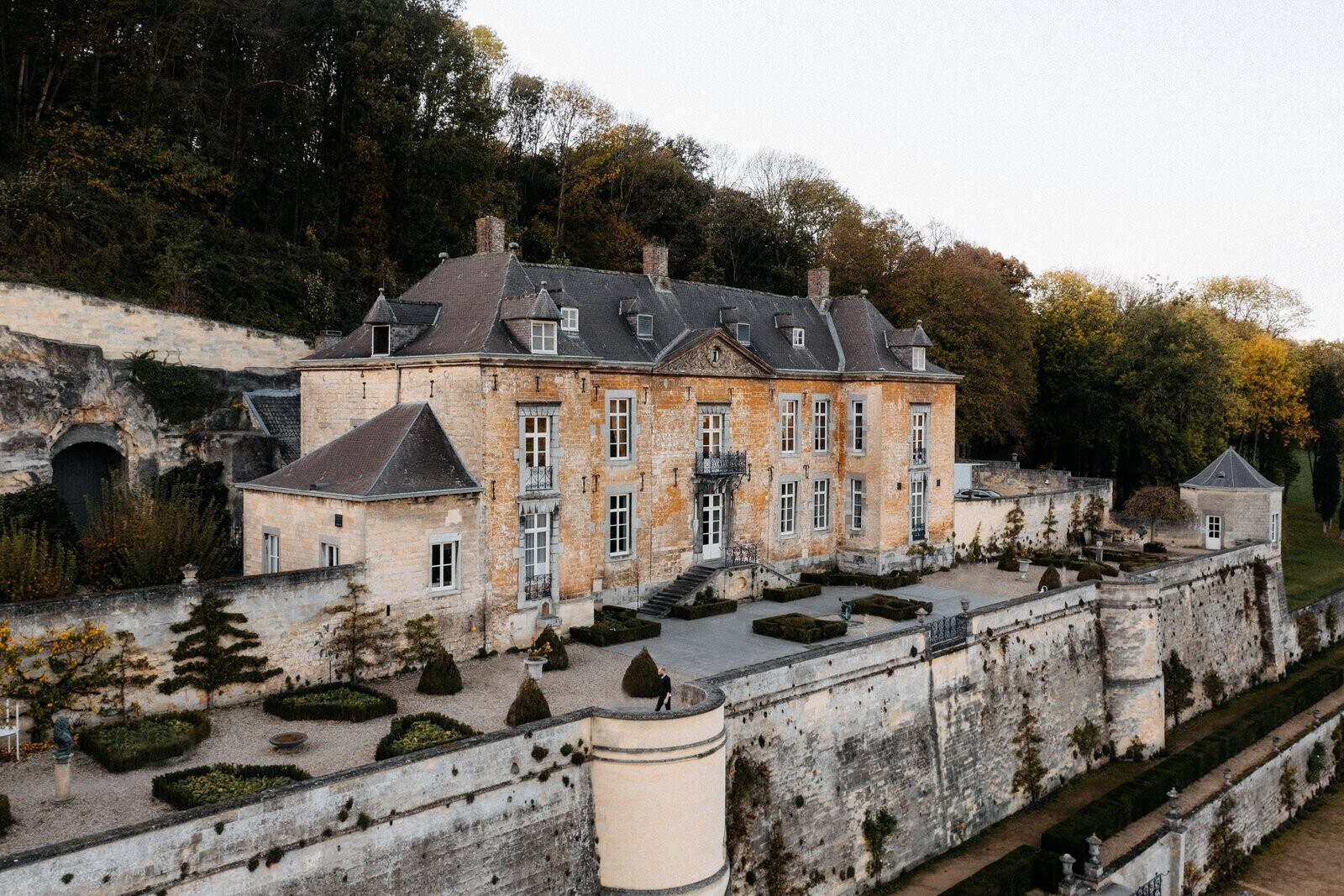
A 17th-century terraced castle on the southern fringe of Maastricht, Château Neercanne frames French contemporary cooking inside a setting of Baroque gardens, limestone cave cellars, and herringbone parquet floors. Chef Robert Levels draws on a working kitchen garden to anchor a menu where vegetables hold equal weight to the classic French canon, and the We're Smart recognition signals how seriously that commitment is taken.
 Discover on Pearl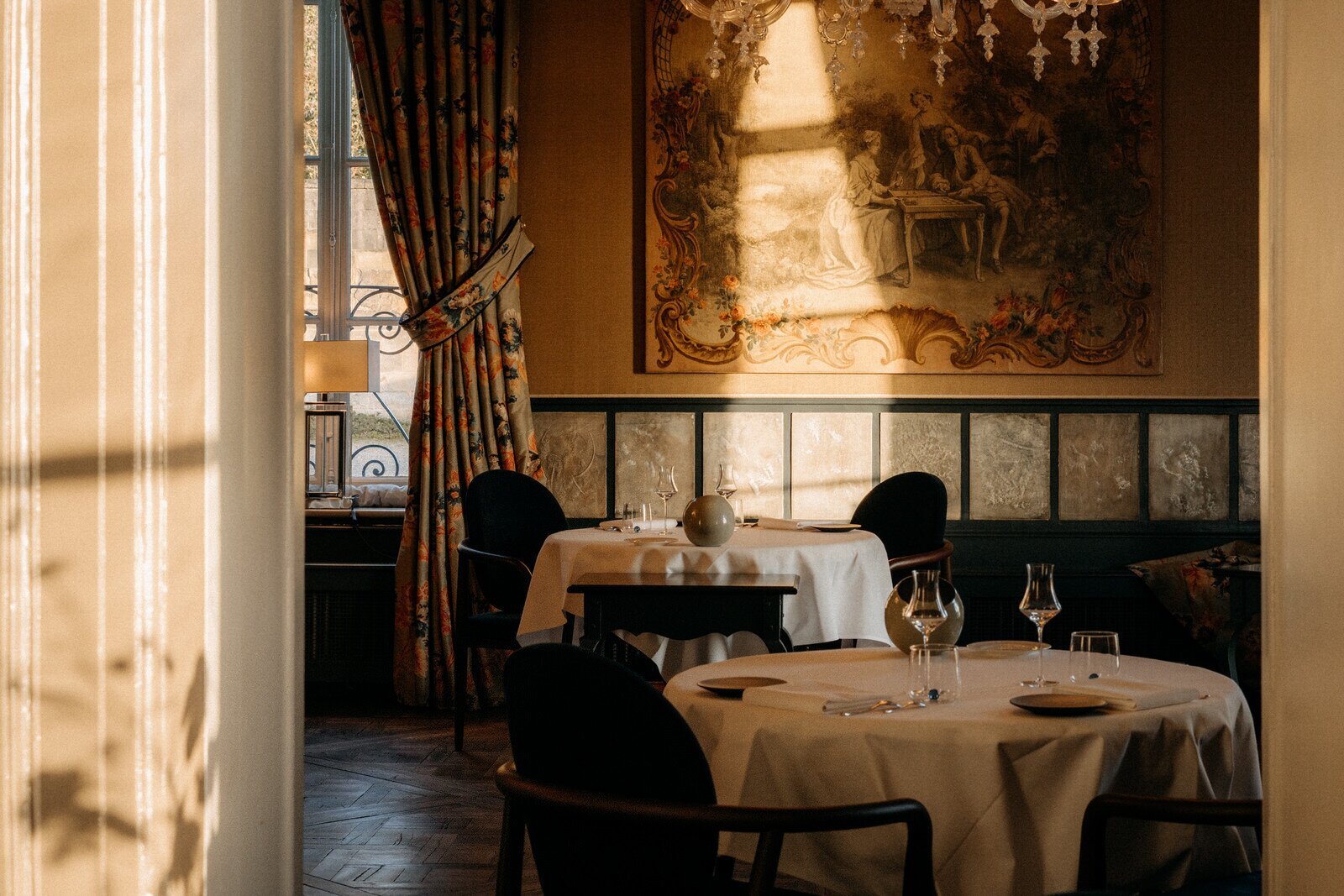
A Castle on the Fringe: What the Setting Says About the Cooking
Maastricht occupies a particular position in Dutch fine dining: geographically pressed against the Belgian and German borders, the city has always taken its cues from continental European tradition rather than Amsterdam-centric culinary fashion. The restaurants that define its upper tier, from Beluga Loves You and Studio in the city centre to Au Coin des Bons Enfants and Tout à Fait on quieter streets nearby, share an orientation toward rigour and formality that sits closer to the Burgundy–Liège axis than to Dutch bistro culture. Château Neercanne sits at the furthest remove from the city's pedestrian core, at Von Dopfflaan 10 on a terraced hillside above the Jeker Valley, and its location makes an argument before you've opened the door.
The approach matters. The castle dates to the 17th century and its Baroque gardens are a listed historic monument, one of the few terraced garden ensembles in the Netherlands. Arriving by that route, through the gardens rather than a restaurant entrance on a commercial street, primes you for a meal that takes its physical surroundings seriously. That orientation is not merely atmospheric theatre: the kitchen garden directly supplies Chef Robert Levels, and the relationship between the land outside and the plate inside is structurally embedded in how the menu is conceived.
French Contemporary in a Maastricht Context
The French contemporary category in Maastricht operates with a degree of confidence that smaller Dutch cities rarely sustain. The food culture here has the density and the clientele, partly cross-border, partly local professional, to support restaurants charging at the €€€€ tier without the gravitational pull of Amsterdam's restaurant media. Château Neercanne occupies that tier alongside peers like Au Coin des Bons Enfants, but its competitive set also extends to destination restaurants elsewhere in the Netherlands, including De Librije in Zwolle, Aan de Poel in Amstelveen, and De Bokkedoorns in Overveen. Each of these addresses a similar question: how to keep the French classical framework alive without letting it calcify. The answer at Château Neercanne involves both restraint and lateral movement, specifically the sustained use of garden vegetables as primary rather than supporting ingredients.
We're Smart recognition is worth noting here as a trust signal rather than a marketing badge. We're Smart evaluates restaurants on their treatment of vegetables as a culinary category in their own right, not as garnish or afterthought. A commendation from that organisation places Château Neercanne in a specific peer conversation with plant-forward fine dining addresses across Europe, restaurants where the vegetable menu is held to the same standard as the classic menu. That positioning is unusual at the leading of the French contemporary bracket, where protein traditionally anchors the premium experience.
The Menu: Classical Architecture, Garden Arithmetic
Menu at Château Neercanne operates on the French classical structure: defined courses, sauce work as a structural element, and composition that prioritises balance over surprise for its own sake. What Robert Levels adds to that framework is a consistent redistribution of weight. Vegetables harvested from the kitchen garden appear not as accompaniments but as the load-bearing elements of multiple dishes, and a dedicated plant menu runs parallel to the classic menu at comparable ambition and price positioning.
According to We're Smart's assessment, the vegetable dishes deliver flavour that is genuinely on par with the classic menu rather than representing a concession to dietary preference. That parity matters in the French contemporary context, where a vegetarian menu is often an afterthought engineered around substitutions. Here the logic works in both directions: vegetables inform the classic dishes as much as they anchor the plant menu. The seasonal jus made from garden vegetables lends structural depth to meat preparations, and the sauces, which reviewers consistently identify as a kitchen strength, draw on the same garden logic.
The foie gras terrine, cited in multiple assessments, exemplifies the approach: classical preparation, but balanced with a compote that introduces a clean, high note against the richness of the terrine and the intensity of a veal jus vinaigrette. The interplay between precision and freshness is where the cooking distinguishes itself from more conservative French houses.
The Room and the Caves
Inside, the castle reads as a formal French restaurant should at this price point: herringbone parquet, chandeliers, and views across the Baroque gardens to the Jeker Valley. The interior does not attempt to modernise or subvert the setting. The room is confident in its own formality, which is the correct position for a building of this character. The proposition is coherent: you are in a 17th-century castle, the room reflects that, and the cooking is calibrated to that register.
The limestone cave cellars, carved into the marl hillside beneath the castle, function as a separate space for aperitifs and coffee. Marl caves are specific to this part of southern Limburg, a geological feature that has historically provided both building material and natural cellar conditions. Using them as a hospitality space rather than a storage facility is a Château Neercanne decision that rewards guests who understand what they are looking at, and the wine cellar maintained within the caves benefits from the naturally stable humidity and temperature of that environment.
Where It Sits in the Maastricht Tier
At the €€€€ level, Maastricht now offers a meaningful range of approaches. Beluga Loves You operates at the creative end, while Studio brings Asian influences to the same price point. Château Neercanne occupies the classicist position, where the French tradition is the reference system rather than the departure point. For guests approaching from the international fine dining circuit, familiar with the French contemporary register at places like Le Bernardin in New York City or the precision-driven tasting menus at Atomix, Château Neercanne offers a specifically European, specifically Limburgian articulation of that tradition, grounded in a physical setting that no urban address can replicate.
The Google rating sits at 4.6 across 1,538 reviews, a volume that reflects consistent cross-border traffic and destination dining rather than a narrow local following. The EP Club member rating stands at 4.7/5.
Planning Your Visit
Château Neercanne operates Tuesday through Sunday with evening service running to 11 PM on Wednesdays through Sundays; Monday hours are daytime only (10 AM to 6 PM). An annual closure runs from 9 February to 22 February 2026. The restaurant is located at Von Dopfflaan 10, 6213 NG Maastricht, on the southern hillside above the city, and is leading reached by taxi or private car from the city centre rather than on foot. Given the destination nature of the address and the single seating configuration implied by the formal format, advance reservation is advisable, particularly for Friday and Saturday evenings. For a less formal French register at a lower price point, Bar Beurre offers a useful alternative within Maastricht. For broader planning, see our full Maastricht restaurants guide, our Maastricht hotels guide, our Maastricht bars guide, our Maastricht wineries guide, and our Maastricht experiences guide. Comparable destination restaurant formats elsewhere in the Netherlands include De Groene Lantaarn in Staphorst, De Lindehof in Nuenen, and De Lindenhof in Giethoorn.
Recognition, Side-by-Side
A quick peer list to put this venue’s basics in context.
| Venue | Awards | Cuisine | Notes |
|---|---|---|---|
| Château Neercanne | The Chef literally has his feet in the garden, and you can taste it in the veget… | €€€€ · French Contemporary | This venue |
| Beluga Loves You | Michelin 1 Star | €€€€ · Creative | €€€€ · Creative, €€€€ |
| Studio | Michelin 1 Star | €€€€ · Asian Influences | €€€€ · Asian Influences, €€€€ |
| Au Coin des Bons Enfants | Michelin 1 Star | €€€€ · Modern French | €€€€ · Modern French, €€€€ |
| Bar Beurre | €€ · French | €€ · French, €€ | |
| L'Auberge | €€ · Classic Cuisine | €€ · Classic Cuisine, €€ |
Continue exploring
More in Maastricht
Restaurants in Maastricht
Browse all →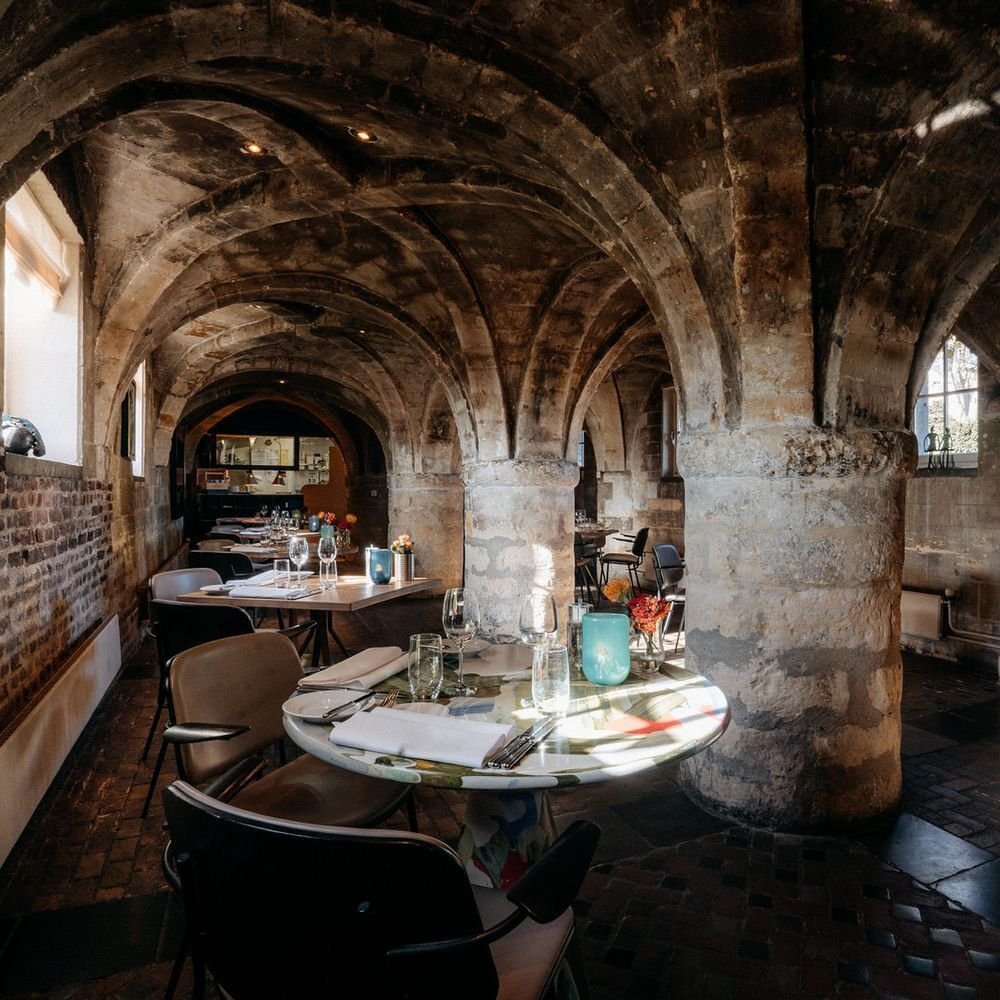
Bars in Maastricht
Browse all →
At a Glance
- Romantic
- Elegant
- Classic
- Scenic
- Sophisticated
- Intimate
- Date Night
- Celebration
- Special Occasion
- Business Dinner
- Wine Cellar
- Garden
- Terrace
- Historic Building
- Panoramic View
- Private Dining
- Extensive Wine List
- Sommelier Led
- Farm To Table
- Local Sourcing
- Organic
- Garden
- Vineyard
Elegant and refined with high ceilings, candlelight, herringbone parquet flooring, impressive chandeliers, and a romantic atmosphere enhanced by the historic castle setting and dimly lit wine cellar grotto.