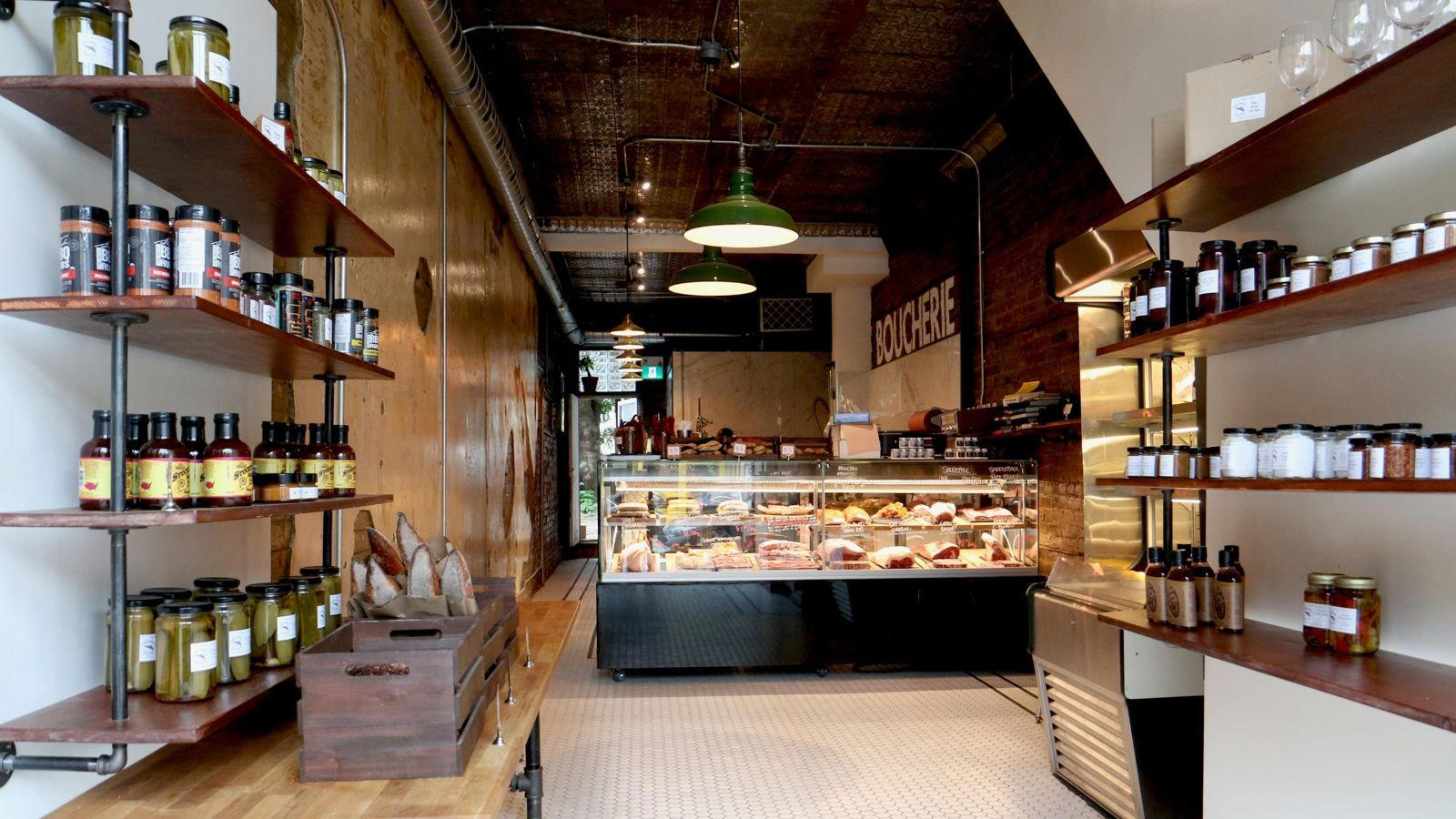
Chantecler Boucherie occupies a deliberate position on Queen Street West, where Toronto's appetite for neighbourhood dining meets a butcher-shop sensibility rooted in quality sourcing and daily preparation. The format sits closer to a working provisions counter than a formal restaurant, placing it in a different tier from the city's tasting-menu circuit while serving a loyal local clientele with focused, product-driven cooking.
 Discover on Pearl
Pearl is the En Primeur Club membership app — saves, bookings, and concierge access live there. Same editors, same standards.
- Address
- 1318 Queen St W, Toronto, ON M6K 1L4, Canada
- Phone
- +1 416 628 3586
- Website
- chanteclerto.com
Queen Street West and the Neighbourhood Provisions Model
Queen Street West between Dufferin and Roncesvalles has seen many restaurant formats come and go: brunch spots, ramen counters, natural wine bars. What endures in that stretch tends to be operations with a clear product identity rather than a broad menu designed to please everyone. Chantecler Boucherie, at 1318 Queen St W, fits that pattern. The address is familiar to anyone who has tracked Toronto's west-end dining over the years, and the boucherie format, a butcher-shop model oriented around provenance and craft preparation, occupies a particular niche in a city that has increasingly separated its tasting-menu circuit from its neighbourhood provisions culture.
Toronto's premium dining tier includes Alo (Contemporary) and Sushi Masaki Saito (Sushi, Japanese), where multi-course formats and lengthy advance booking windows define the experience. Aburi Hana (Kaiseki, Japanese) operates in a similar register of technical precision and controlled access. Chantecler Boucherie does not compete in that tier. Its relevance is a different kind: the kind that comes from a consistent product focus and a format that serves the neighbourhood rather than drawing destination traffic from across the city or from abroad.
The Boucherie Format in a Canadian Context
The boucherie model, French in lineage, rooted in the idea that the butcher's counter is also a place of prepared food, cured products, and daily specials, has found traction in several Canadian cities over the past decade. In Montreal, the tradition runs deeper, with charcuterie culture embedded in the city's culinary identity. In Toronto, the format has appeared in scattered form, with a handful of operators attempting to blend retail meat sales with a prepared-food or restaurant component. What makes the model work, when it does, is sourcing discipline: the quality of the raw material is visible and central.
Across Canada, operators working in analogous formats have demonstrated that product-led simplicity can sustain serious critical attention. Restaurant Pearl Morissette in Lincoln has built a reputation on farm-and-cellar integration. Eigensinn Farm in Singhampton has operated for decades on a similar principle that the source material is the argument. The boucherie format in an urban setting makes a comparable claim: that the quality of the cut, the curing method, or the daily preparation is self-evident to anyone paying attention. The Pine in Creemore applies a related logic in a smaller-town context, where the sourcing story and the cooking are inseparable.
Planning a Visit: What the Format Requires
The editorial angle that matters most at a neighbourhood provisions operation is timing. A boucherie format built around daily preparation and limited-run product means that the experience is time-sensitive in a different way than a tasting-menu counter. Availability is not governed by a long reservation window, but it is still a format where arriving early or knowing the weekly rhythm matters. Prepared items sell through. Daily specials are genuine specials rather than menu fixtures.
Visitors to Toronto may find that a stop at a neighbourhood boucherie provides useful counterpoint. The register is different: lower formality, higher immediacy, and a different relationship between the kitchen and the customer. That contrast is part of what makes a well-rounded Toronto visit more than a sequence of tasting menus.
Queen Street West is accessible by the 501 streetcar. The 1318 block sits west of the more concentrated bar and gallery district, in a stretch that skews more residential and daily-use commercial.
Toronto in a Broader Canadian Dining Frame
Toronto's dining identity has matured considerably in the past decade, moving from a city that imported formats to one that generates them. The neighbourhood provisions model is part of that shift: a recognition that serious food culture is not confined to white-tablecloth rooms or omakase counters. Cities that have sustained strong culinary identities, from Montreal to Vancouver, have done so partly through the depth of their everyday food infrastructure, the quality of what you can buy to take home or eat standing at a counter, not just what you can book three months ahead.
That broader Canadian context is worth holding in mind. Tanière³ in Quebec City and Narval in Rimouski represent the more formal end of Canadian regional cooking. Fogo Island Inn Dining Room in Joe Batt's Arm makes a case for hyper-local sourcing at a remote scale. AnnaLena in Vancouver and Jérôme Ferrer - Europea in Montreal show how mid-to-upper neighbourhood restaurants sustain critical relevance over time. Even Busters Barbeque in Kenora and Cafe Brio in Victoria indicate the geographic spread of serious food culture across the country. Chantecler Boucherie sits within that ecosystem as a neighbourhood-scale operator in Canada's largest city, doing the kind of work that the city's culinary density makes possible.
For international visitors calibrating Toronto against other destinations, the comparison is less with Le Bernardin in New York City or Lazy Bear in San Francisco and more with the kind of neighbourhood provisions counter that those cities have also developed in their own residential districts. The boucherie format crosses borders easily because the underlying logic, sourced well, prepared daily, sold through, is legible everywhere.
How It Stacks Up
Comparable venues nearby, for context on price, style, and recognition.
| Venue | Cuisine | Price | Awards | Notes |
|---|---|---|---|---|
| Chantecler BoucherieThis venue — the venue you are viewing | French Bistro | $$$ | , | |
| Sorrel Restaurant and Bar | Modern French-Mediterranean Bistro | $$$ | 1 recognition | Annex |
| Jazz Bistro | French Bistro with Live Jazz | $$$ | , | Downtown Yonge |
| Le Swan | French Diner | $$$ | , | Trinity Bellwoods |
| Milou | French Bistro | $$$ | 1 recognition | Little Portugal |
| Pompette | Modern French Bistro | $$$ | 1 recognition | Little Italy |
Continue exploring
More in Toronto
Restaurants in Toronto
Browse all →
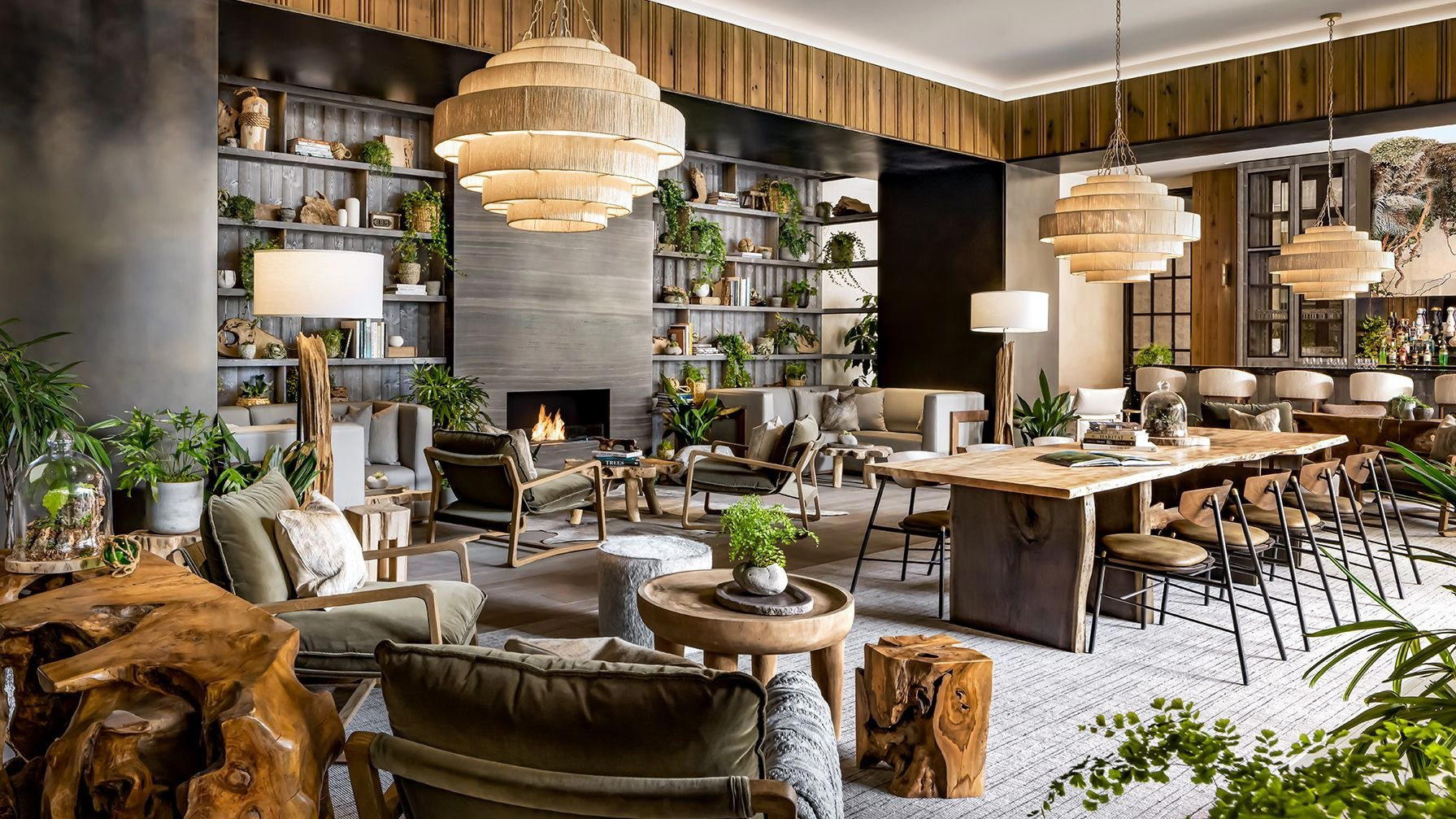
Bars in Toronto
Browse all →

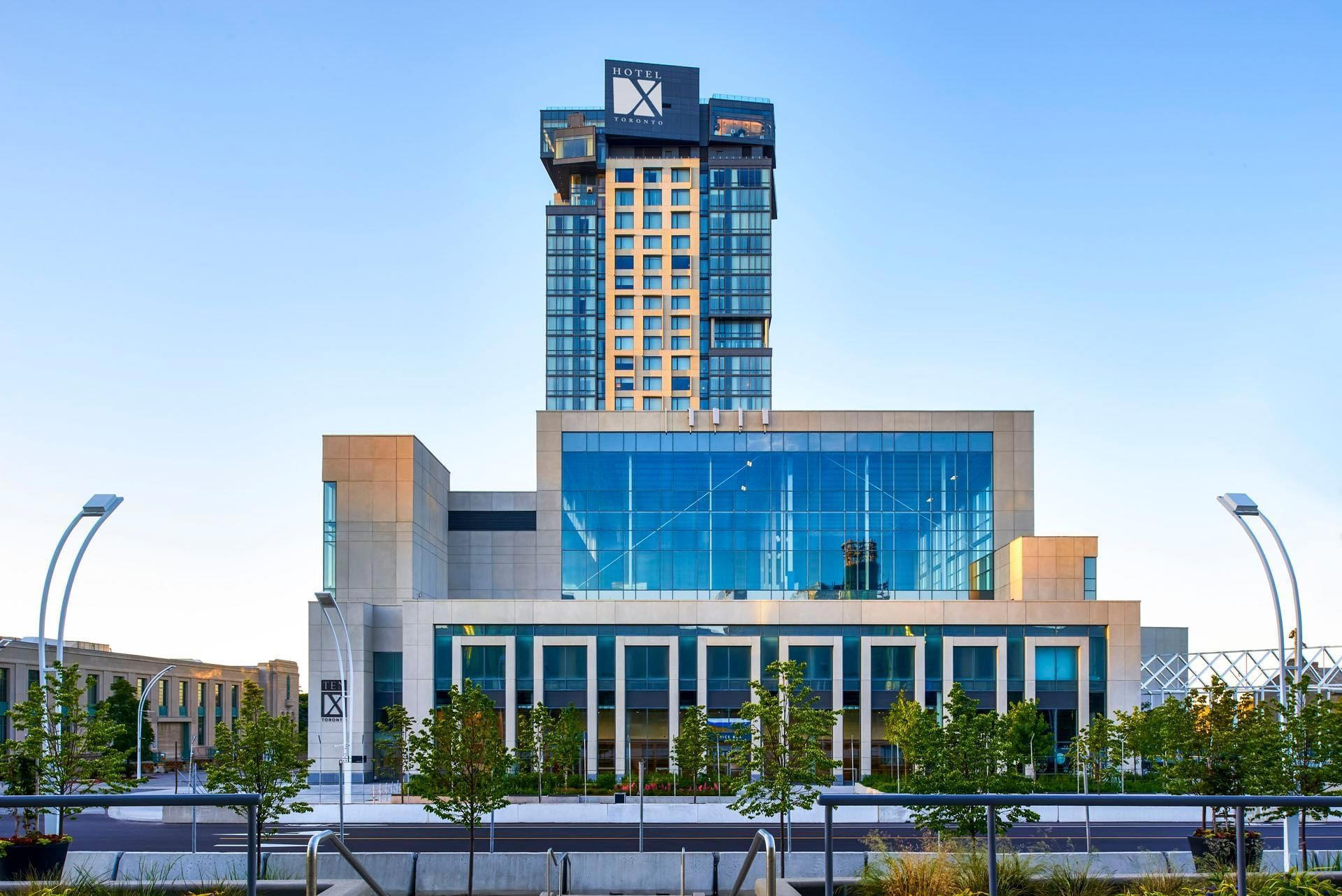
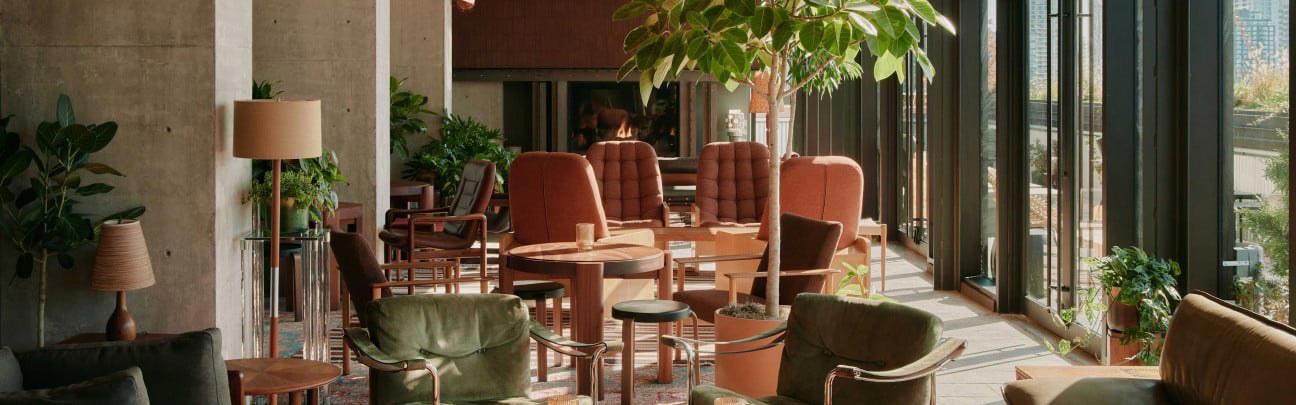
Hotels in Toronto
Browse all →
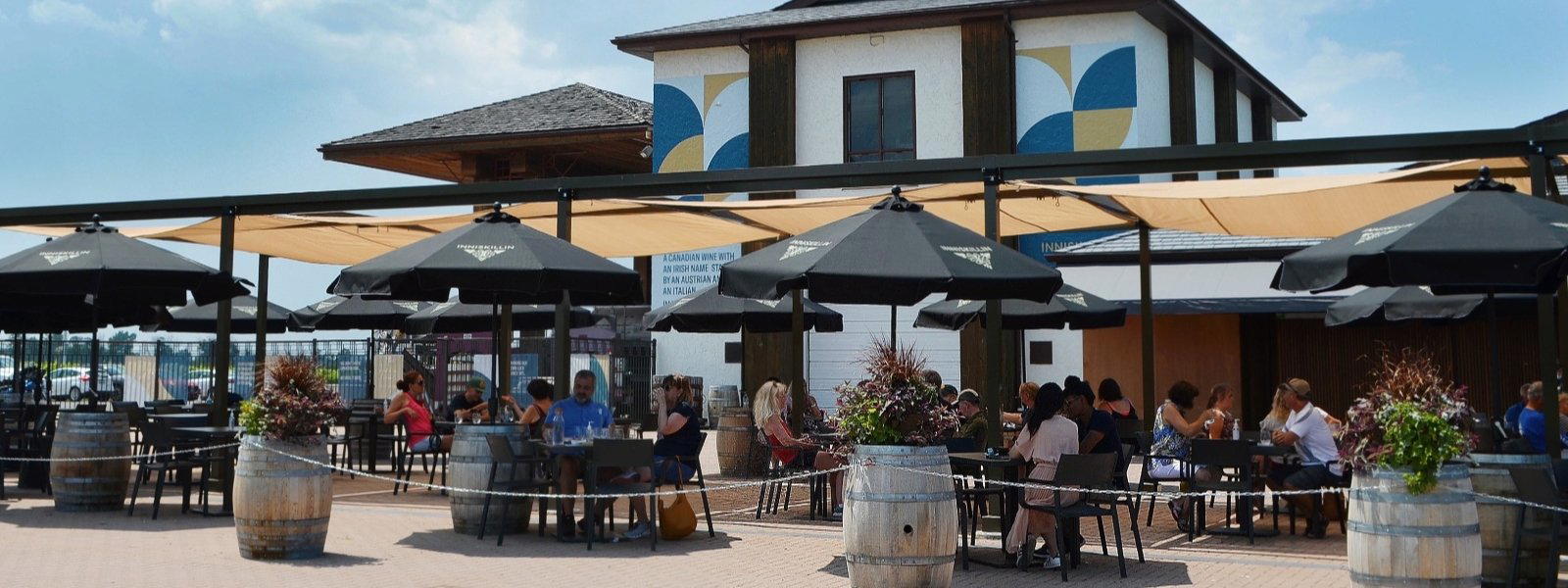
Wineries in Toronto
Browse all →
At a Glance
- Cozy
- Rustic
- Intimate
- Date Night
- Special Occasion
- Open Kitchen
- Terrace
- Craft Cocktails
- Local Sourcing
Cozy and eclectic atmosphere serving French fare without frills, featuring a sprawling patio.