Barbara Pinseria
Barbara Pinseria on Columbus Avenue brings the Roman street-food tradition of pinsa to North Beach, one of San Francisco's most pasta-and-espresso-saturated neighbourhoods. The format is spare and deliberate: an ancient grain base, a lighter crumb structure than conventional pizza, and toppings that read as considered rather than abundant. For a city that has dissected every Italian regional genre at the fine-dining tier, this is the street-level counterpoint.
Pearl is the En Primeur Club membership app — saves, bookings, and concierge access live there. Same editors, same standards.
- Address
- 431 Columbus Ave, San Francisco, CA 94133
- Phone
- +14154453009
- Website
- sfbarbara.com
- Directions
- Get directions
 Saves & bookings on Pearl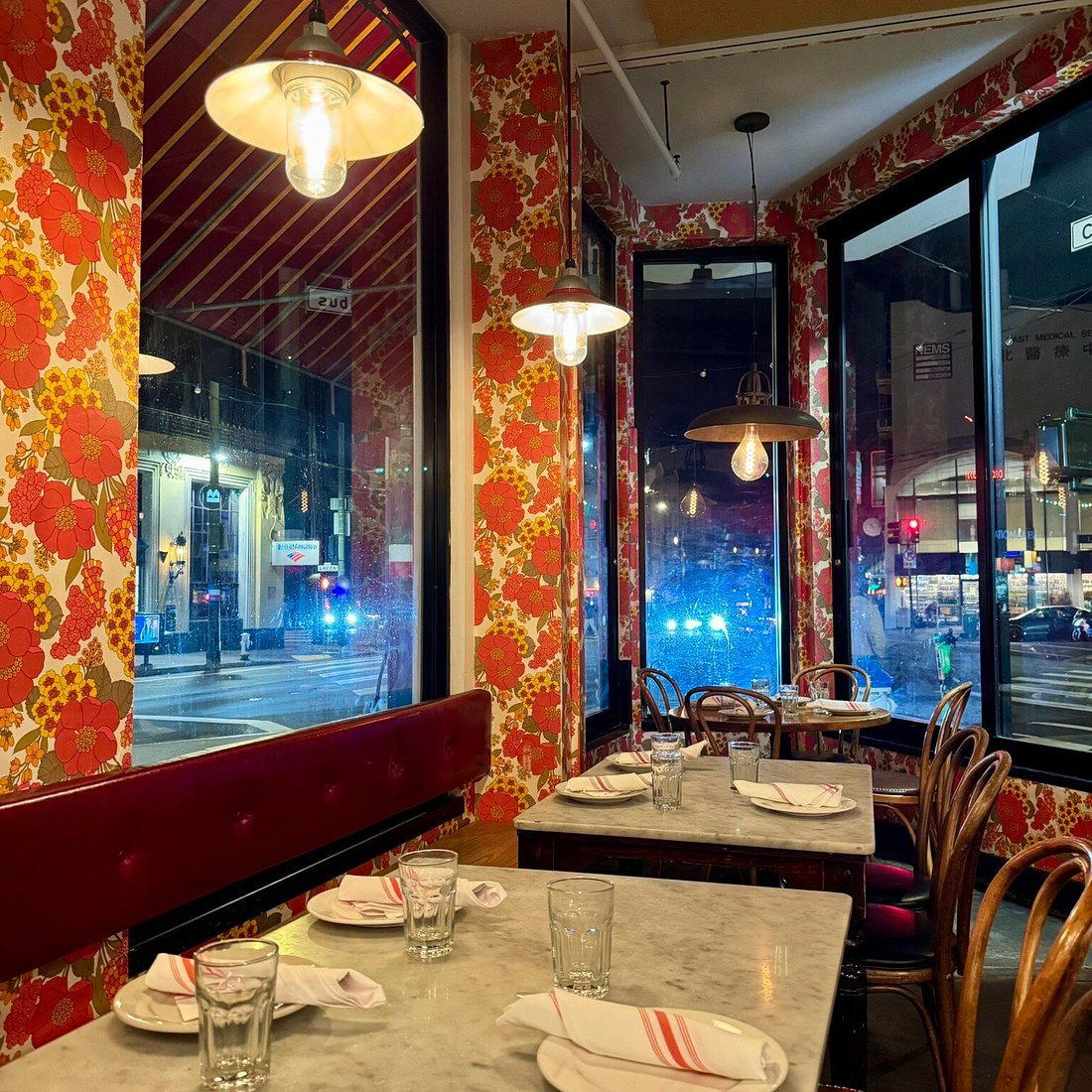
North Beach and the Question of What Italian Means at Street Level
Columbus Avenue in North Beach has always been a corridor where Italian-American identity gets performed loudly: red-checked tablecloths, Sinatra on the speakers, menus that haven't changed since the Reagan administration. Barbara Pinseria occupies a different register entirely. Sitting at 431 Columbus Ave, it draws on a Roman tradition that most of the neighbourhood's trattorias never bothered with, pinsa, the oval flatbread whose lineage predates the Neapolitan pizza that came to define Italian food in the American imagination. In a block where the competition is often measuring itself against a nostalgic idea of Italy, Barbara is measuring itself against Rome.
That geographic distinction matters more than it might first appear. Pinsa originated as a working Roman staple, made from a blend of flours, typically wheat, soy, and rice, that produces a crust with a lower gluten content and a higher hydration than conventional pizza dough. The result is a base that is simultaneously crispier at the edges and lighter in the centre, with an open crumb structure that changes how toppings sit and how the whole thing eats. San Francisco, a city that has spent decades interrogating sourdough and fermentation culture, is better positioned than most American cities to appreciate what that difference in dough architecture actually means in the mouth. The audience exists; Barbara Pinseria is simply making the case.
How the Menu Is Built, and What That Tells You
The editorial angle that most distinguishes a pinsa-focused menu from a conventional Italian restaurant menu is structural: the flatbread is not a vehicle for maximum topping quantity but a canvas where the dough itself is half the argument. That approach filters everything, portion logic, topping combinations, the balance between base flavour and what sits on leading. Menus built around this premise tend to be shorter than the sprawling Italian-American multi-page affairs that North Beach has long trafficked in. The discipline is part of the format's identity.
In Rome, pinsa counters typically organize their offering around a small core of topping combinations that allow the base to remain the reference point. The leading examples in the tradition use toppings that are restrained enough to let the crust's fermentation character read clearly, a distinction that separates the format from the pile-it-high school of American pizza. Whether Barbara Pinseria structures its menu along strict Roman orthodoxy or makes concessions to local appetite is the kind of question that requires a visit to answer definitively, but the format itself imposes a logic that pushes toward restraint by design.
For context on where this sits in San Francisco's broader dining map: the city's Italian-leaning fine dining conversation is dominated by places like Quince, which operates at the summit of the contemporary Italian tier with a tasting menu format and Michelin recognition. The restaurant is not in that bracket and is not trying to be. It belongs to the street-food register, where the comparison set is informal Roman counters rather than white-tablecloth operations. That positioning is actually more demanding in some respects, street food traditions are harder to fake because the format has nowhere to hide behind ceremony.
Where Columbus Avenue Places It
North Beach remains especially Italian-inflected neighbourhood in San Francisco, even if the Italian-American community that built it has largely dispersed to the suburbs over the past half century. What remains is a concentration of cafes, pasta houses, and trattorias that range from genuinely accomplished to purely tourist-facing. The neighbourhood does not have a strong pinsa presence, which means the restaurant is operating in something of a category gap, visible enough on Columbus to catch foot traffic from the Washington Square crowd, specific enough in its format to attract people who know what they're looking for.
That address puts it within walking distance of the Ferry Building, accessible from the Powell Street BART and Muni lines, and close enough to Chinatown and the Financial District to draw lunch trade from multiple directions. North Beach is a walkable neighbourhood by San Francisco standards, and Columbus Avenue is its commercial spine, high foot traffic, but also high competition for attention from visitors who are often choosing between four or five storefronts simultaneously.
San Francisco's broader dining culture at the high end, represented by places like Lazy Bear, Atelier Crenn, Benu, and Saison, operates in a different economic and experiential tier entirely. Those operations price at the $$$$ bracket and compete with reference-point restaurants nationally: The French Laundry in Napa, Single Thread Farm in Healdsburg, Alinea in Chicago, Le Bernardin in New York City. The restaurant's relevance is orthogonal to that conversation. It is the kind of place that a diner leaving one of those tasting-menu evenings might seek out the following afternoon for lunch, the transition from ceremony back to simplicity. See our full San Francisco restaurants guide for how the city's full range maps across neighbourhoods and price tiers.
Planning a Visit
Pinsa counters in Rome operate primarily as casual walk-in formats, and that model tends to carry over to North Beach iterations: expect counter or table service without a formal reservation system, though peak North Beach lunch and dinner windows on weekends can make timing a factor worth considering. Arriving outside the 12:30 to 1:30pm and 7 to 8:30pm rushes is the standard hedge for Columbus Avenue dining without a booking.
Recognition Snapshot
Comparable venues nearby, for context on price, style, and recognition.
| Venue | Cuisine | Price | Notes |
|---|---|---|---|
| Barbara PinseriaThis venue — the venue you are viewing | Roman-Inspired Italian Pinsa & Cocktails | $$ | Not listed |
| Caffè Macaroni | Neapolitan Trattoria | $$ | North Beach |
| Rocco's Cafe | Authentic Italian | $$ | South of Market |
| Casey's Pizza | East Coast-Style Pizza | $$ | Mission Bay |
| Ragazza | Neapolitan Pizza and Italian | $$ | Haight Ashbury |
| Long Bridge Pizza | New York-Inspired Sourdough Pizza | $$ | Potrero Hill |
Continue exploring
More in San Francisco
Restaurants in San Francisco
Browse all →
Bars in San Francisco
Browse all →
Hotels in San Francisco
Browse all →
At a Glance
- Lively
- Energetic
- Rustic
- Classic
- Casual Hangout
- Group Dining
- Date Night
- Open Kitchen
- Terrace
- Craft Cocktails
- Local Sourcing
- Street Scene
Current opening hours
- Monday
- 5–10 PM
- Tuesday
- 5–10 PM
- Wednesday
- 5–10 PM
- Thursday
- 5–10 PM
- Friday
- 5–11 PM
- Saturday
- 12–11 PM
- Sunday
- 12–10 PM
Hours can change for holidays and private events. Last verified .
Warm 1960s ambiance with rich orange hues, open kitchen creating theatrical energy, lively and welcoming atmosphere.