Bocconcino
On a quiet North Beach block where Columbus Avenue's bustle fades into residential streets, Bocconcino occupies a corner of San Francisco's most Italian neighbourhood with the low-key confidence of a place that doesn't need to announce itself. The Italian table tradition it represents, wine-led, convivial, grounded in regional specificity, sits at a different register from the city's tasting-menu circuit, offering a counterpoint to the $$$$ omakase and progressive-American formats that dominate San Francisco's critical conversation.
Pearl is the En Primeur Club membership app — saves, bookings, and concierge access live there. Same editors, same standards.
- Address
- 516 Green St, San Francisco, CA 94133
- Phone
- +14159326189
- Website
- bocconcinosf.com
- Directions
- Get directions
 Saves & bookings on Pearl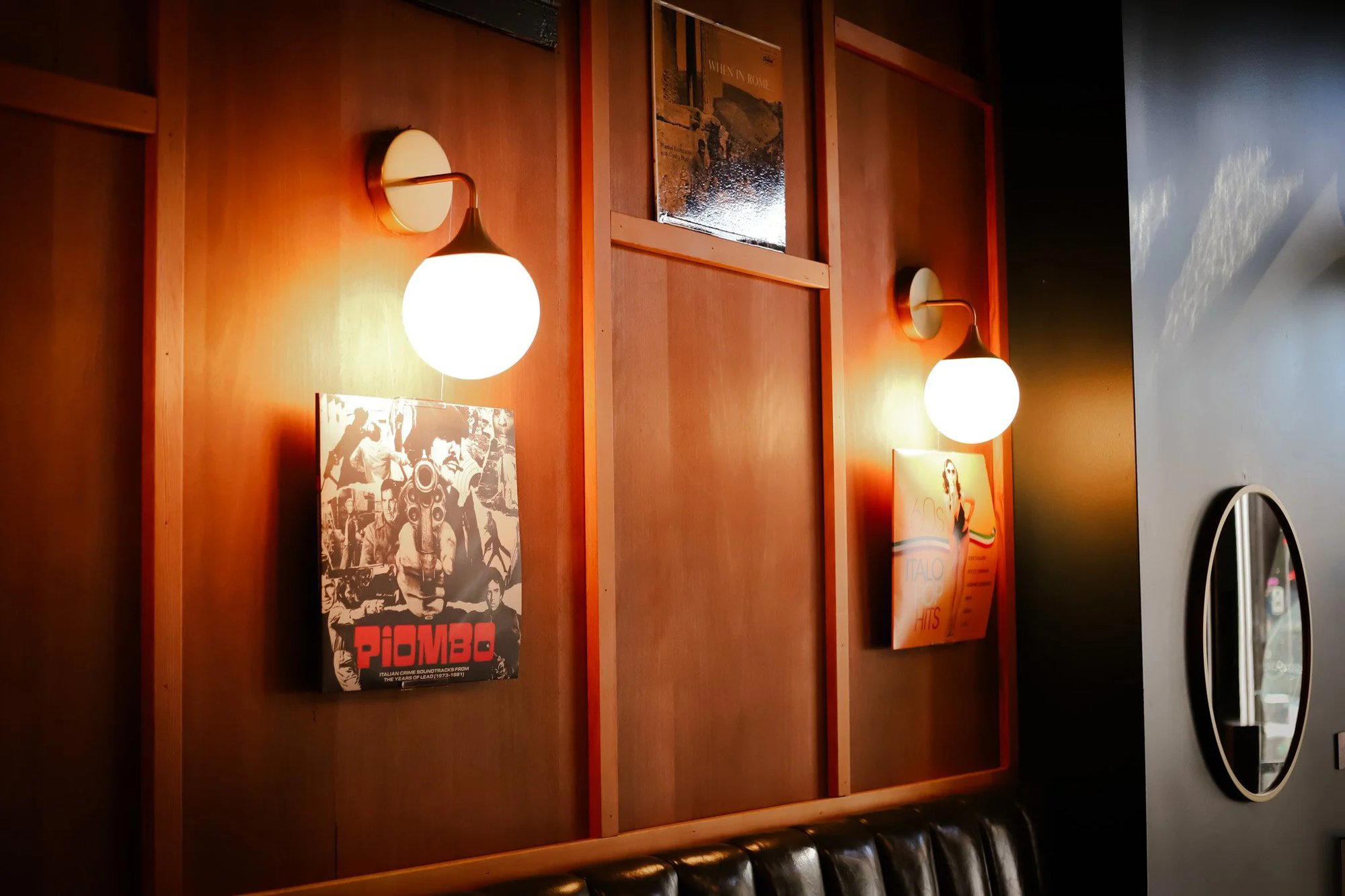
North Beach and the Italian Table Tradition
San Francisco's North Beach has carried an Italian-American identity since the late nineteenth century, when Genoese and Sicilian immigrants established the neighbourhood's social and culinary character along Green Street and Columbus Avenue. That lineage has thinned in recent decades as rents have climbed and the city's critical attention has shifted toward the tasting-menu circuit anchored by places like Benu, Atelier Crenn, and Lazy Bear. What remains is a smaller, more stubborn set of dining rooms that operate on Italian-table logic: wine first, portions generous, the meal structured around conversation rather than kitchen theatre.
Bocconcino, at 516 Green Street, sits inside that tradition. The name itself, an Italian diminutive meaning a small, choice morsel, signals the register: not grand gestures, but precise, well-chosen ones. In a city where the prestige dining tier has consolidated around multi-course progressive formats comparable to Quince or Saison, a neighbourhood Italian room occupying a Green Street address occupies a different competitive set entirely, one measured less by Michelin stars than by the quality of the pour and the honesty of the pasta.
The Wine Frame: Why the Cellar Matters Here
The editorial angle that most honestly captures what distinguishes an Italian table from its peers is almost always the wine list. Italian regional cuisine and Italian regional wine are inseparable, the food doesn't fully cohere without the bottle, and the bottle only makes sense against the food. This is the logic that separates, say, a Barolo poured alongside a braised short rib in its native Piedmontese context from the same wine listed as a trophy on a hotel wine card.
North Beach's Italian rooms, at their leading, have historically maintained cellar programs organised around that regional integrity: southern Italian whites alongside seafood preparations, Sangiovese-based reds with tomato-anchored sauces, Friulian orange wines for the kind of antipasto spread that bridges the gap between aperitivo and the first proper course. The sommelier role in this format is less about ceremony and more about fluency, knowing which Campanian Fiano fills the gap between a cold seafood plate and a pasta course, or why a Nerello Mascalese from Etna works where a heavier Sicilian red would flatten the table.
This kind of wine curation is a distinct discipline from the prestige-cellar approach at The French Laundry in Napa or the technically elaborate pairings at Smyth in Chicago. It is closer in spirit to what Frasca Food and Wine in Boulder has built around Friuli, or the way Single Thread Farm in Healdsburg integrates Northern California terroir into its hospitality logic, except that the Italian-table model is older, less programmatic, and considerably less expensive to execute at a neighbourhood scale.
The North Beach Context: What the Address Tells You
Green Street, one block north of Columbus, is residential enough that foot traffic is local rather than tourist-driven. That geographic fact has editorial implications: rooms on this block tend to draw regulars, which shapes the atmosphere in ways that Columbus Avenue's more exposed addresses do not. The dining room at a Green Street address operates with a different ambient pressure than a table at, say, a waterfront venue or a Michelin-tracked room near the Financial District.
North Beach Italian at this address-tier tends toward a particular physical register: tiled floors or dark wood, wine racks visible from the dining room, tables close enough that the restaurant feels full at thirty covers. It is the opposite of the spare, designed minimalism that characterises San Francisco's contemporary fine-dining tier, closer in atmosphere to what you might find in a mid-tier trattoria in Bologna or a wine-bar-restaurant in the Navigli district of Milan than anything in the city's mainstream press rotation.
Positioning Within the City's Italian Tier
San Francisco has a small number of Italian rooms that operate at the fine-dining level, Quince being the clearest example, with its rigorous northern Italian framework and decade-plus critical recognition. Below that tier, the city's Italian offering becomes more diffuse: a mix of long-standing neighbourhood rooms, newer pasta-focused openings, and the occasional enoteca format that prioritises the glass over the plate.
Bocconcino's address and name position it in that middle register, where the evaluation criteria shift from tasting-menu architecture to the more granular questions of ingredient sourcing, pasta technique, and whether the wine list has been assembled with regional coherence or simply populated with recognisable labels. By those criteria, the neighbourhood Italian format in cities like San Francisco, New York, and Chicago has undergone genuine quality stratification over the past fifteen years, the gap between a room with a thoughtfully assembled Italian cellar and one treating wine as an afterthought has widened, and informed diners have become more capable of reading the difference.
For comparison points outside California, Le Bernardin in New York City and Atomix in New York City represent the upper bracket of the city's fine-dining French and Korean tiers respectively, useful reference points for understanding how Italian-table formats occupy a structurally different position in the dining hierarchy, prioritising conviviality and wine depth over tasting-menu architecture. Further afield, Atelier Moessmer Norbert Niederkofler in Brunico represents the Alpine-Italian fine-dining register, and Emeril's in New Orleans, Providence in Los Angeles, Addison in San Diego, Blue Hill at Stone Barns in Tarrytown, and The Inn at Little Washington each anchor their respective cities at a tier defined by award recognition and ambitious kitchen programs, a different ambition from the neighbourhood Italian room, which earns its authority through consistency and local loyalty rather than national press cycles.
Planning Your Visit
Bocconcino is a Tuscan-Inspired Italian Trattoria at 516 Green St in San Francisco, with a recommended reservation policy and an average price of about $30 per person. Hours, pricing, and booking details are confirmed below. North Beach is accessible via the 30 and 45 Muni lines along Columbus, with limited street parking on Green Street.
Comparable Options
Comparable venues nearby, for context on price, style, and recognition.
| Venue | Cuisine | Price | Notes |
|---|---|---|---|
| BocconcinoThis venue — the venue you are viewing | Tuscan-Inspired Italian Trattoria | $$ | Not listed |
| Che Fico Pizzeria at Thrive City | Sourdough Pizza Pizzeria | $$ | Mission Bay |
| Cafe Mystique | Italian-American with Mediterranean influences | $$ | Castro/Upper Market |
| Bella Trattoria | Southern Italian Trattoria | $$ | Inner Richmond |
| Spiazzo | Authentic Italian Pizza & Pasta | $$ | West of Twin Peaks |
| Piazza Pellegrini | Italian Trattoria | $$ | North Beach |
Continue exploring
More in San Francisco
Restaurants in San Francisco
Browse all →
Bars in San Francisco
Browse all →
Hotels in San Francisco
Browse all →
At a Glance
- Cozy
- Charming
- Intimate
- Classic
- Special Occasion
- Date Night
- Casual Hangout
- Standalone
- Extensive Wine List
Current opening hours
- Monday
- Closed
- Tuesday
- 5–9:30 PM
- Wednesday
- 5–9:30 PM
- Thursday
- 5–9:30 PM
- Friday
- 5–10 PM
- Saturday
- 4–10 PM
- Sunday
- 4–9:30 PM
Hours can change for holidays and private events. Last verified .
Warm, cozy neighborhood trattoria with vintage Italian decor, lively yet intimate atmosphere, classic music, and a family-run vibe.