Magic Flute
Magic Flute sits on Sacramento Street in San Francisco's Presidio Heights, a neighborhood where independent restaurants have quietly held their ground against the city's more publicized dining corridors. The venue operates within a local scene that rewards consistency and regularity over spectacle, placing it in a distinct tier from the tasting-menu circuit that dominates San Francisco's fine-dining conversation.
Pearl is the En Primeur Club membership app — saves, bookings, and concierge access live there. Same editors, same standards.
- Address
- 3673 Sacramento St, San Francisco, CA 94118
- Phone
- +14159221225
- Website
- magicfluteristorante.com
- Directions
- Get directions
 Saves & bookings on Pearl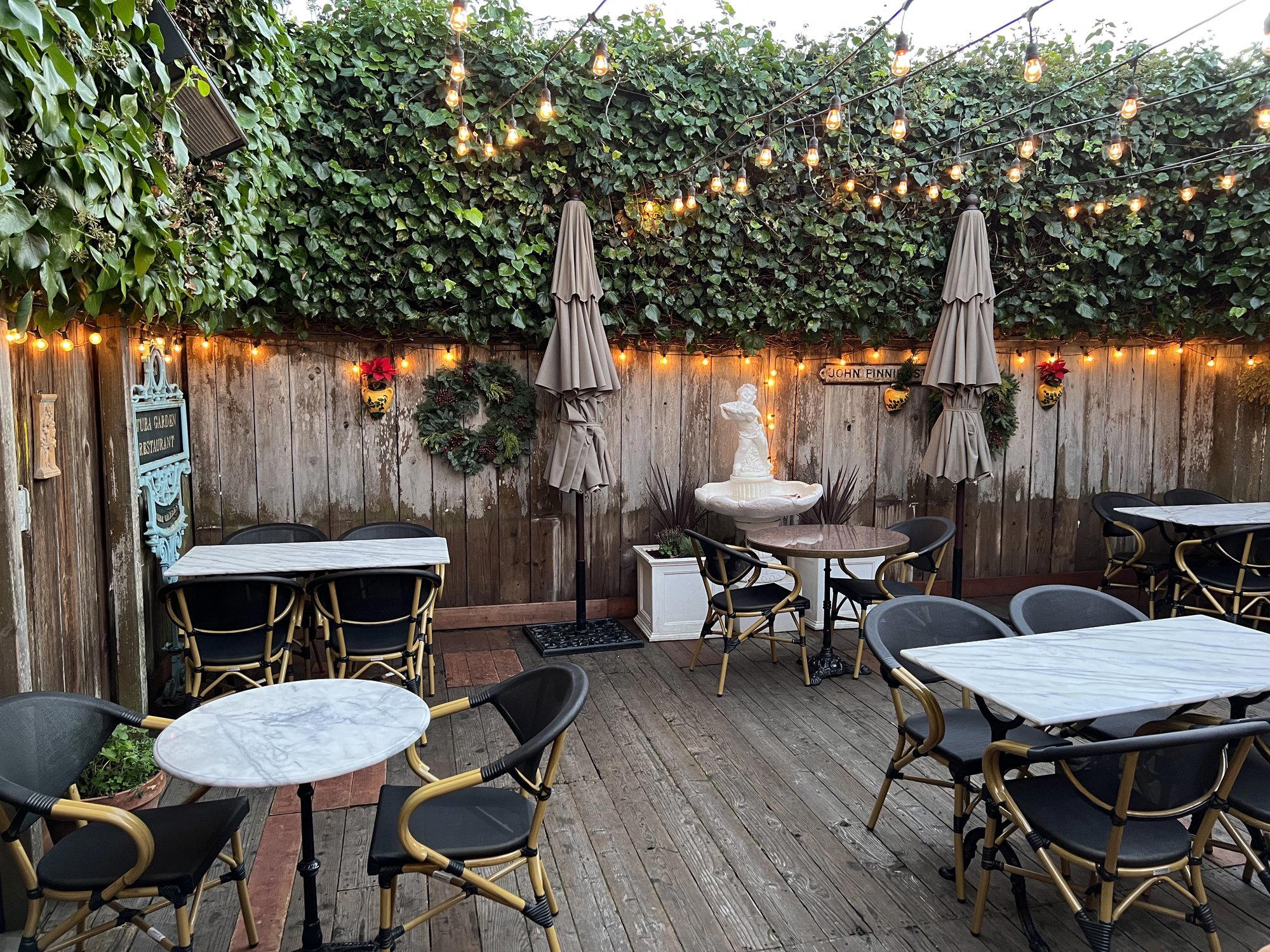
Sacramento Street and the Quiet Persistence of Neighborhood Dining
Presidio Heights operates on a different logic. Sacramento Street between Spruce and Locust has sustained a pocket of independent restaurants and specialty shops that serve a residential clientele rather than a dining tourist circuit.
That positioning matters when reading what Magic Flute is and how it has shifted over time. Restaurants in high-visibility corridors recalibrate constantly in response to critical cycles, competitor openings, and trend pressure. Restaurants embedded in residential neighborhoods tend to evolve differently: more gradually, more in response to their regulars, and with less pressure to signal reinvention for its own sake. Understanding Magic Flute through that lens, rather than against the benchmark of the city's tasting-menu circuit, produces a more accurate picture of what the room is doing and why.
The Evolution of a Neighborhood Room
San Francisco's restaurant culture has undergone significant compression and reset since 2020. The closures that followed the pandemic disproportionately affected mid-tier independent operators, while both the lowest-cost fast-casual segment and the highest-profile fine-dining destinations proved more resilient. What survived in the middle tended to be places with genuine local followings, venues where the regulars kept coming back not because of awards or press cycles but because the room had earned a specific place in their routines.
Magic Flute's presence on Sacramento Street positions it within that surviving cohort. The evolution arc for restaurants in Presidio Heights has generally moved away from any pretension of destination dining and toward a more honest account of what a neighborhood room can do well: consistent execution, a format that rewards repeat visits, and a relationship with the surrounding residential community that larger destination venues cannot replicate. That shift is less dramatic than a full concept reinvention, but it represents a meaningful editorial direction for the kind of dining San Francisco's non-tourist neighborhoods actually sustain.
Across the city, the contrast with the current direction of venues like Lazy Bear (Progressive American, contemporary tasting format) or Atelier Crenn (Modern French, three Michelin stars) is instructive. Those restaurants operate within a framework where each season's menu, each press mention, and each award update is a signal sent to a national audience. The Sacramento Street corridor operates without that amplifier, which removes certain pressures and introduces others, primarily the pressure of earning loyalty rather than attention.
Where Magic Flute Sits in San Francisco's Dining Spectrum
San Francisco's full-service restaurant market currently sorts into several legible tiers. At the leading, a small cluster of multi-Michelin-starred venues, including Benu, Quince, and Saison, compete on a national and international axis, drawing comparison to Le Bernardin in New York, Alinea in Chicago, and The French Laundry in Napa. Below that, a broader mid-market of contemporary American and European-influenced restaurants serves a mixed audience of locals and visitors. Further out, in residential corridors like Sacramento Street, the audience skews almost entirely local.
The restaurant operates in that third tier, which is neither a criticism nor a qualification. Particularly consistently executed restaurants in any major city function in exactly this register. The comparison set is less Providence in Los Angeles or Addison in San Diego and more the neighborhood institutions that outlast trend cycles by knowing their room and serving it well. That durability is its own credential, one that Michelin's Bib Gourmand program has historically recognized in cities like San Francisco where neighborhood restaurants compete against significant real estate and labor cost pressure.
The Presidio Heights Context
Presidio Heights is bounded by the Presidio to the north and west, and by Laurel Heights and Pacific Heights to the east. The residential demographic trends toward long-established San Francisco families and professional households with the kind of dining habit that favors reliability over novelty. Sacramento Street's retail and restaurant strip reflects that: independent wine shops, specialty food stores, and restaurants that do not require a reservation made six weeks in advance to access.
That context shapes what a restaurant on this block can and should be. The format pressure is different from SoMa or the Mission. Theatrics, ambitious tasting menus, and high-concept beverage programs are not what this street asks of its restaurants. What it asks for is competence, consistency, and a room that functions as a genuine extension of the neighborhood's social life. Venues that have tried to import a higher-concept format into this corridor have generally found the fit awkward. Those that have leaned into the neighborhood's actual character have tended to last.
The broader American fine-dining conversation has increasingly recognized that particularly durable restaurants are not always the decorated. At a different scale and in a different register, neighborhood restaurants like Magic Flute participate in the same underlying dynamic: the relationship between a room and its regulars, sustained over time, is the foundation that outlasts almost everything else.
Internationally, the pattern holds. Venues like Atomix in New York, Emeril's in New Orleans, and 8 1/2 Otto e Mezzo Bombana in Hong Kong each carry a specific relationship to their city's dining culture that transcends any single season's critical narrative. The lesson from all of them is that location, neighborhood character, and the specific audience a restaurant builds over years matter as much as any particular menu decision.
Booking and Cost Snapshot
Comparable venues nearby, for context on price, style, and recognition.
| Venue | Cuisine | Price | Notes |
|---|---|---|---|
| Magic FluteThis venue — the venue you are viewing | Not listed | $$ | Not listed |
| Agrodolce Provisions | Not listed | $$ | SoMa, Italian pasta lunch spot and provisions market |
| Bella | Tenderloin, Southern Italian Trattoria | $$ | Not listed |
| The Italian Homemade Company | North Beach, Homemade Italian Pasta | $$ | Not listed |
| The Stinking Rose | Not listed | $$ | North Beach, Californian-Italian Garlic Restaurant |
| Cafe Mystique | Not listed | $$ | Castro/Upper Market, Italian-American with Mediterranean influences |
Continue exploring
More in San Francisco
Restaurants in San Francisco
Browse all →
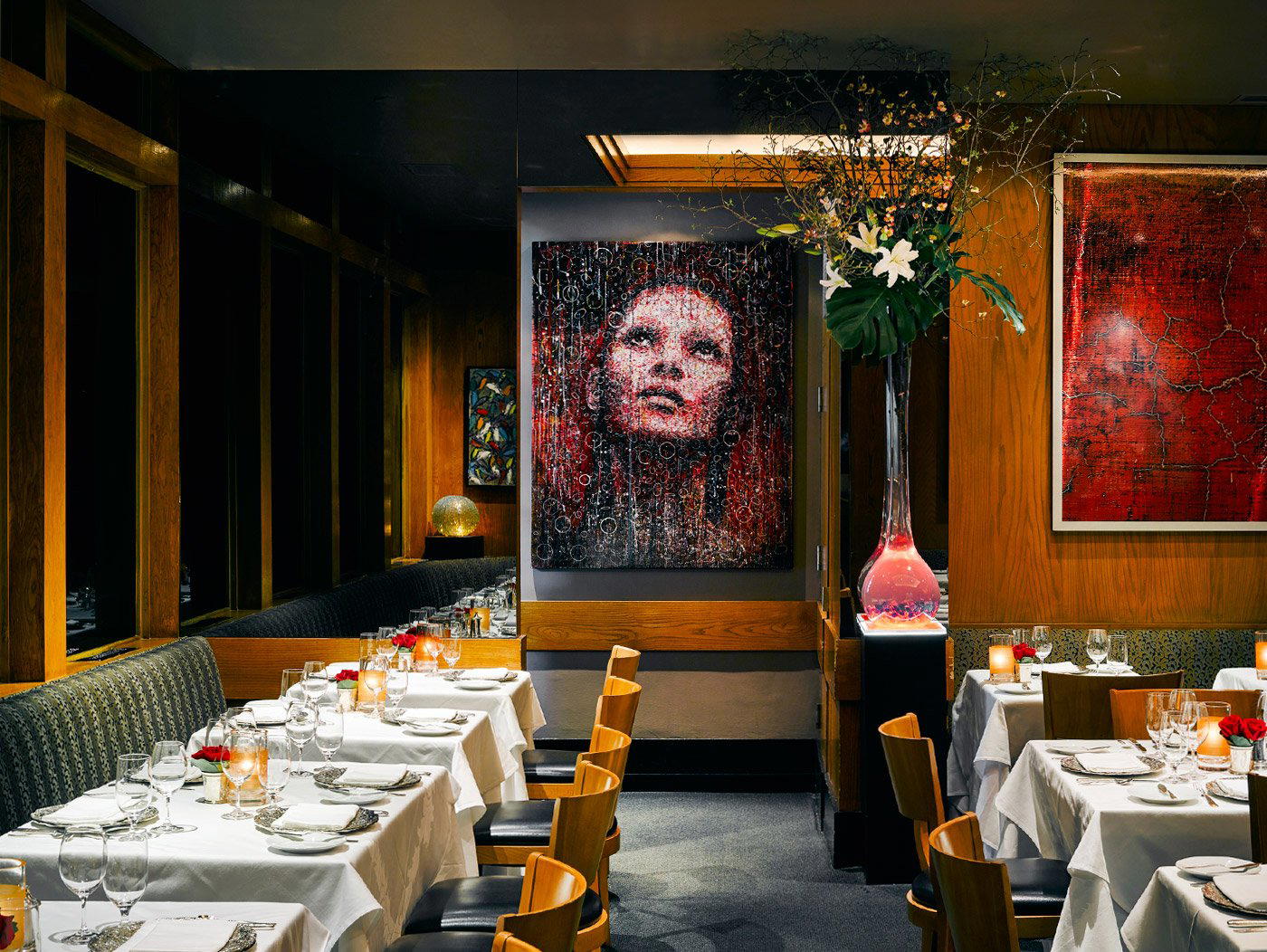
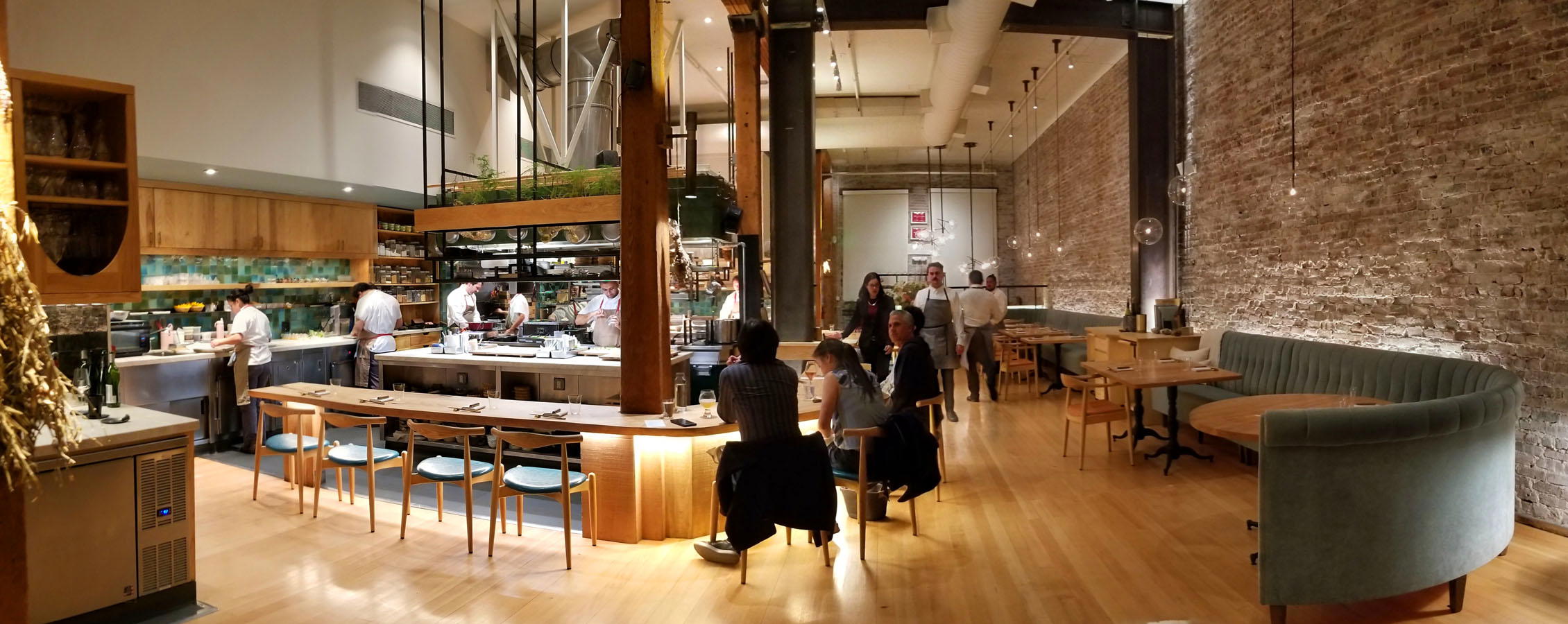
Bars in San Francisco
Browse all →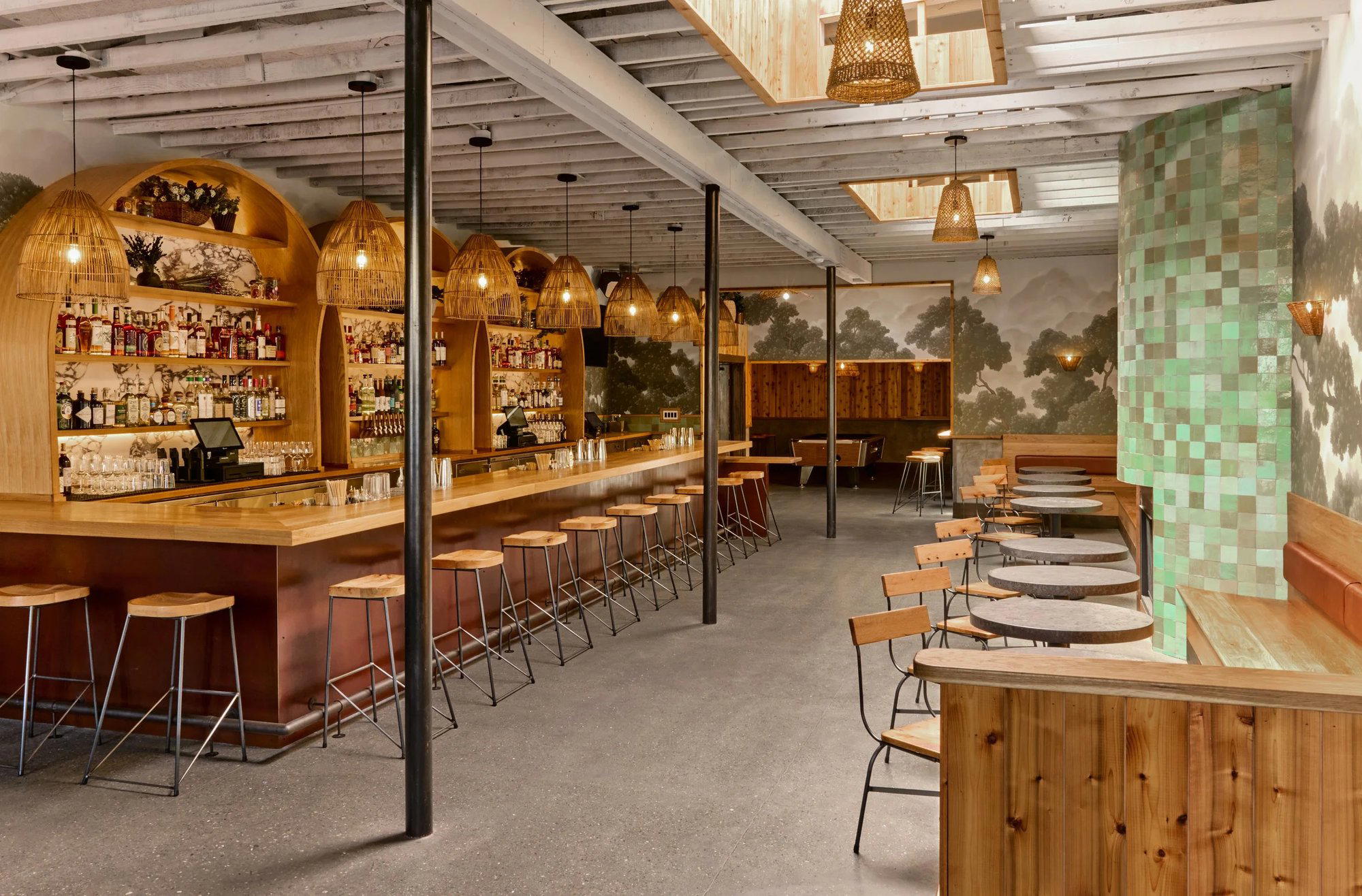
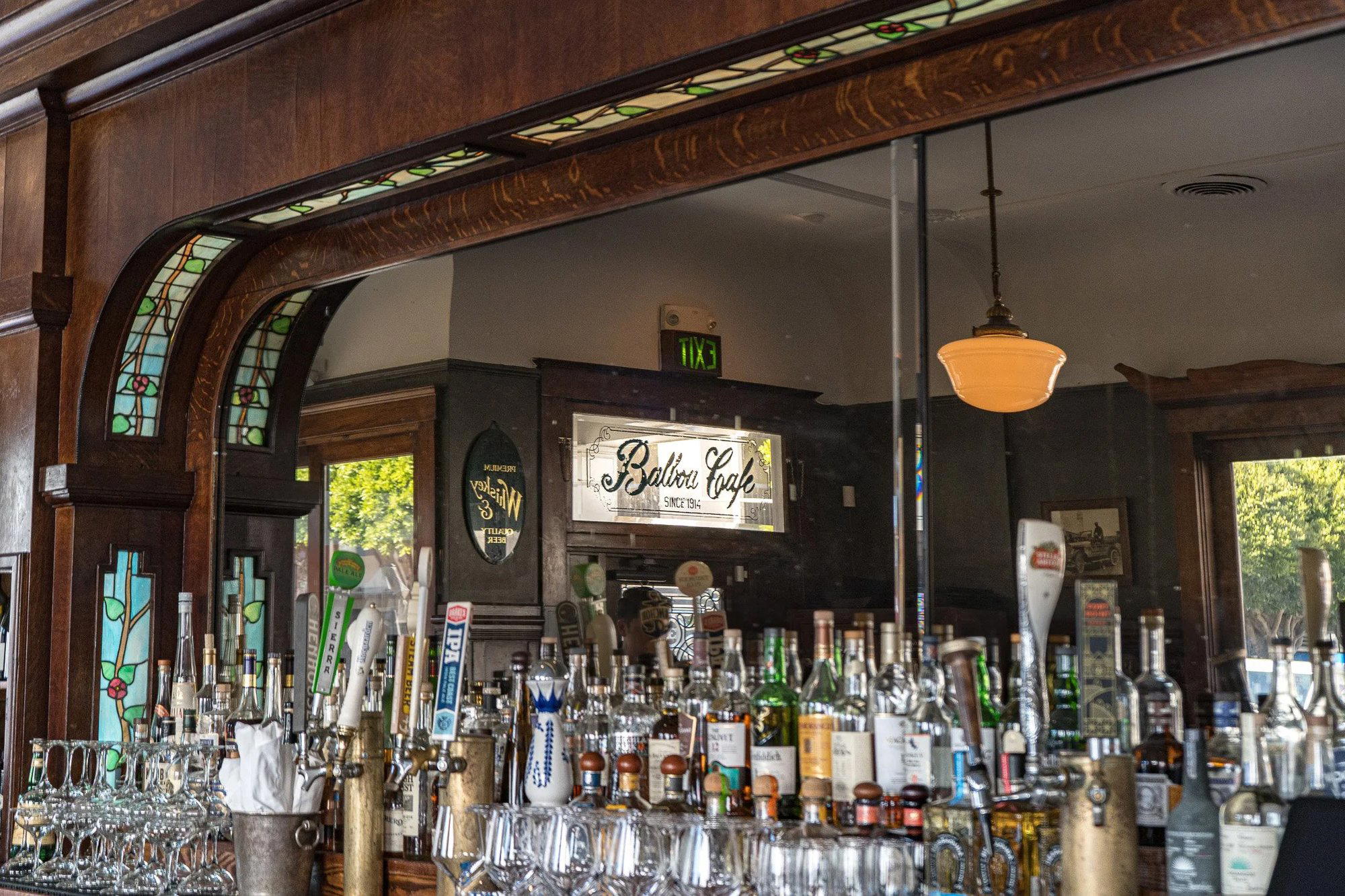
Hotels in San Francisco
Browse all →
At a Glance
- Romantic
- Cozy
- Elegant
- Date Night
- Brunch
- Casual Hangout
- Terrace
- Courtyard
- Extensive Wine List
Current opening hours
- Monday
- 11 AM–2 PM, 5–8:30 PM
- Tuesday
- 11 AM–2 PM, 5–8:30 PM
- Wednesday
- 11 AM–2 PM, 5–8:30 PM
- Thursday
- 11 AM–2 PM, 5–8:30 PM
- Friday
- 11 AM–2 PM, 5–8:30 PM
- Saturday
- 10 AM–2 PM, 5–8:30 PM
- Sunday
- 10 AM–2 PM
Hours can change for holidays and private events. Last verified .
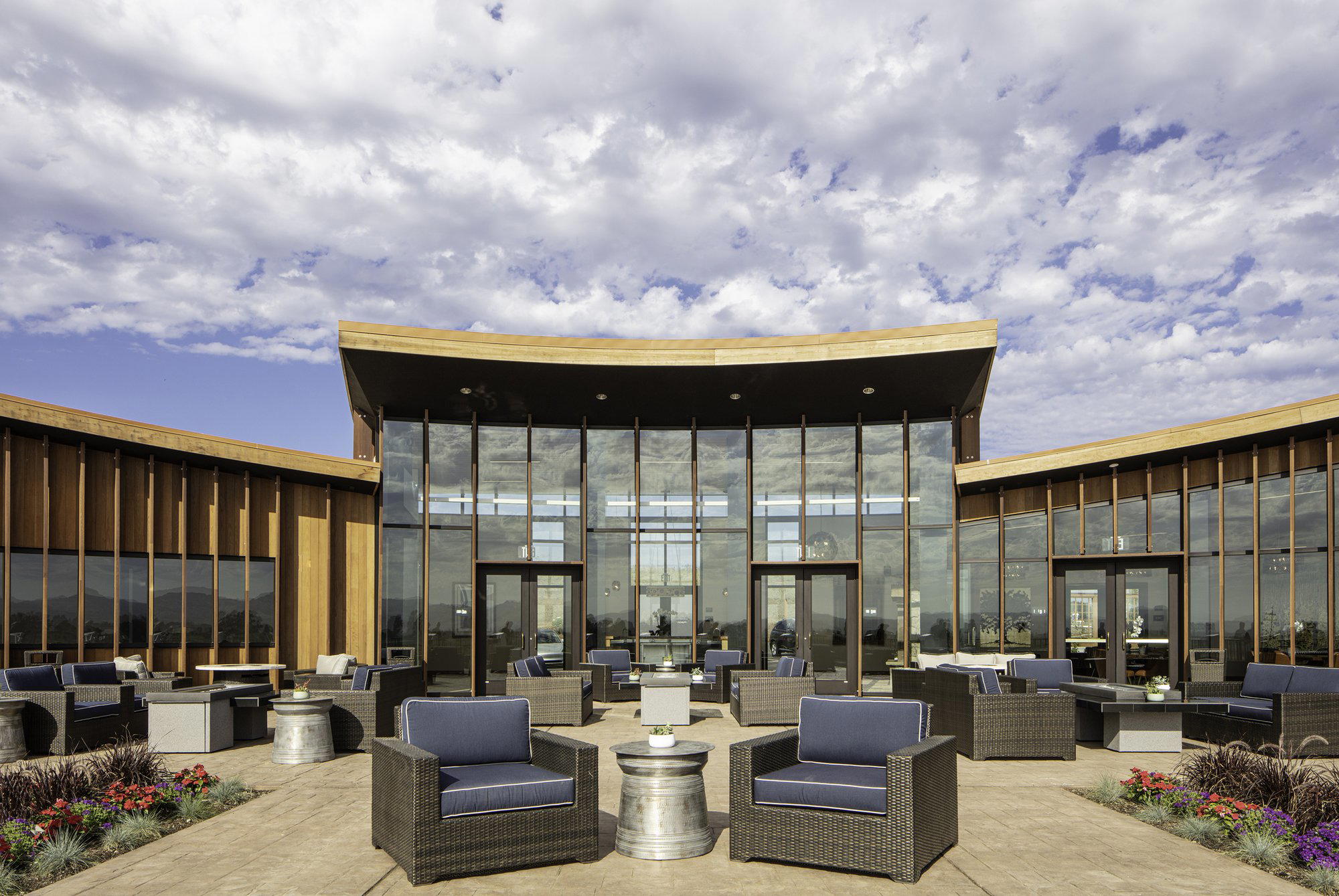
Soft lighting from Florentine chandeliers indoors and twinkling lights in the romantic backyard garden patio.