
Michelin Bib Gourmand · World's 50 Best #73
Our verdict
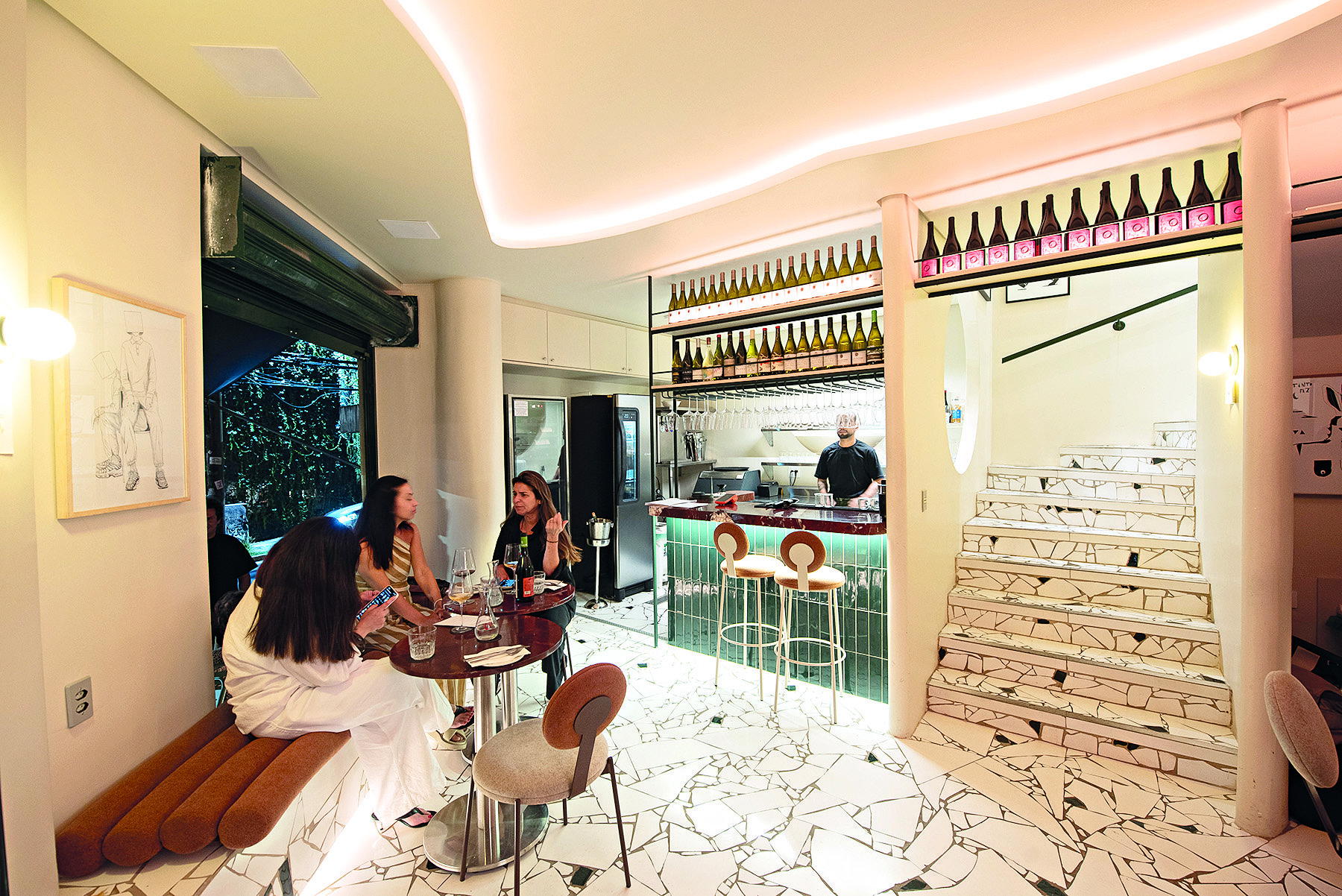
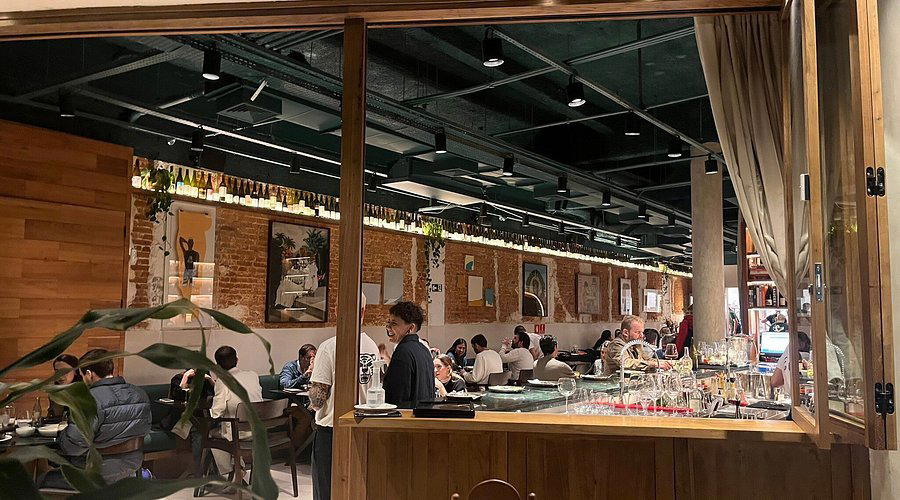
Cepa holds a Michelin Bib Gourmand (2025) and sits at the accessible end of Pinheiros' serious dining circuit, where farm-to-table cooking meets an organic and biodynamic wine list selected by sommelier Gabrielli Fleming. Chef Lucas Dante's kitchen produces everything from smoked butter to cured meats in-house, anchoring a menu in small-producer seasonality.

Pearl is the En Primeur Club membership app, where members save venues, book tables and use the concierge.
The menu
What to order
- Arancini
- Carbonara
- Denver steak
- Rice with sausage
- Millefeuille
Where Pinheiros Eats on a Tuesday Night
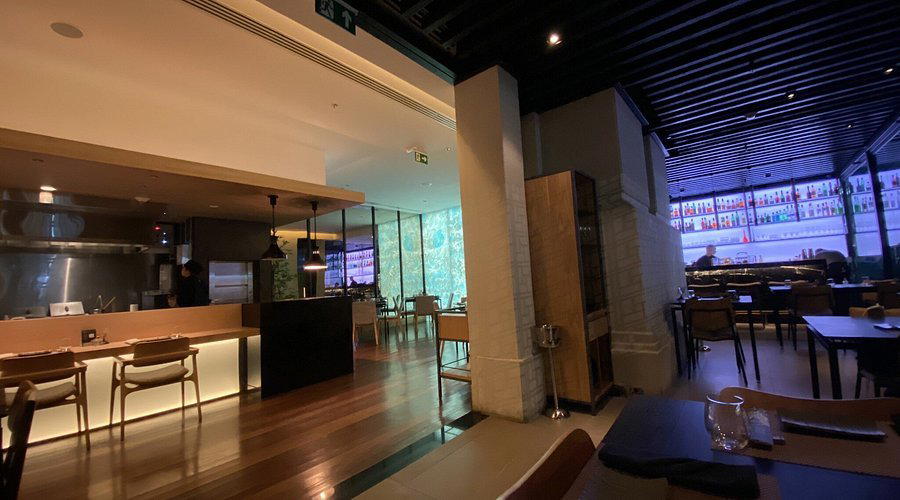
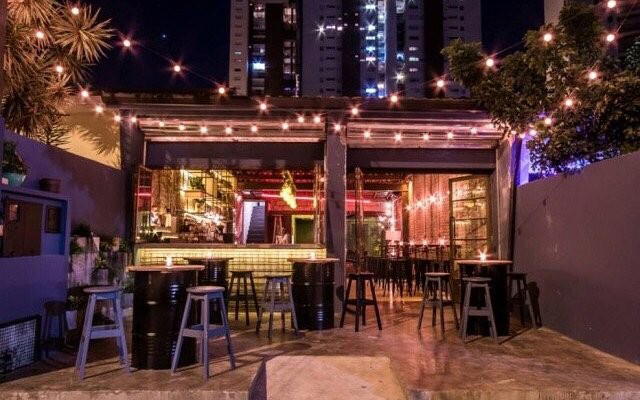
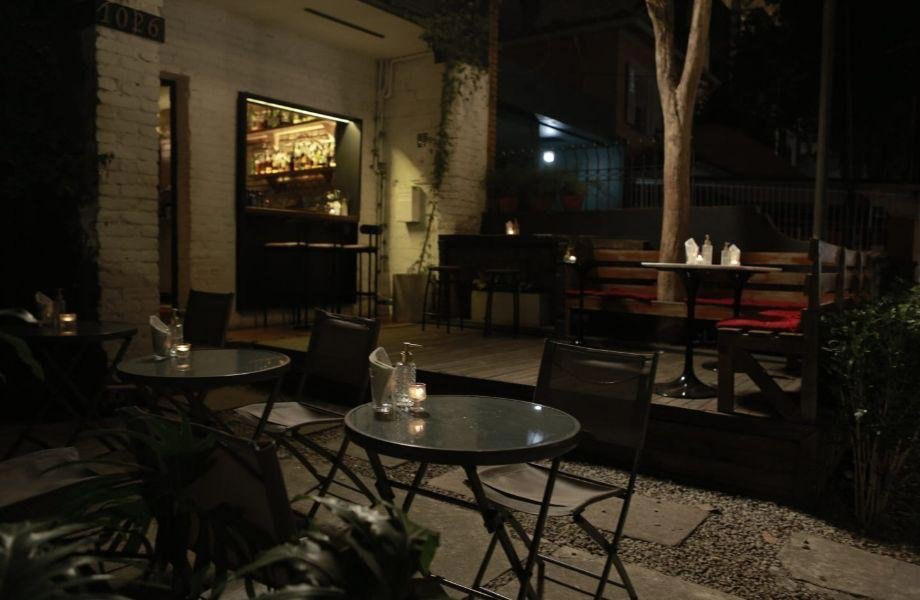
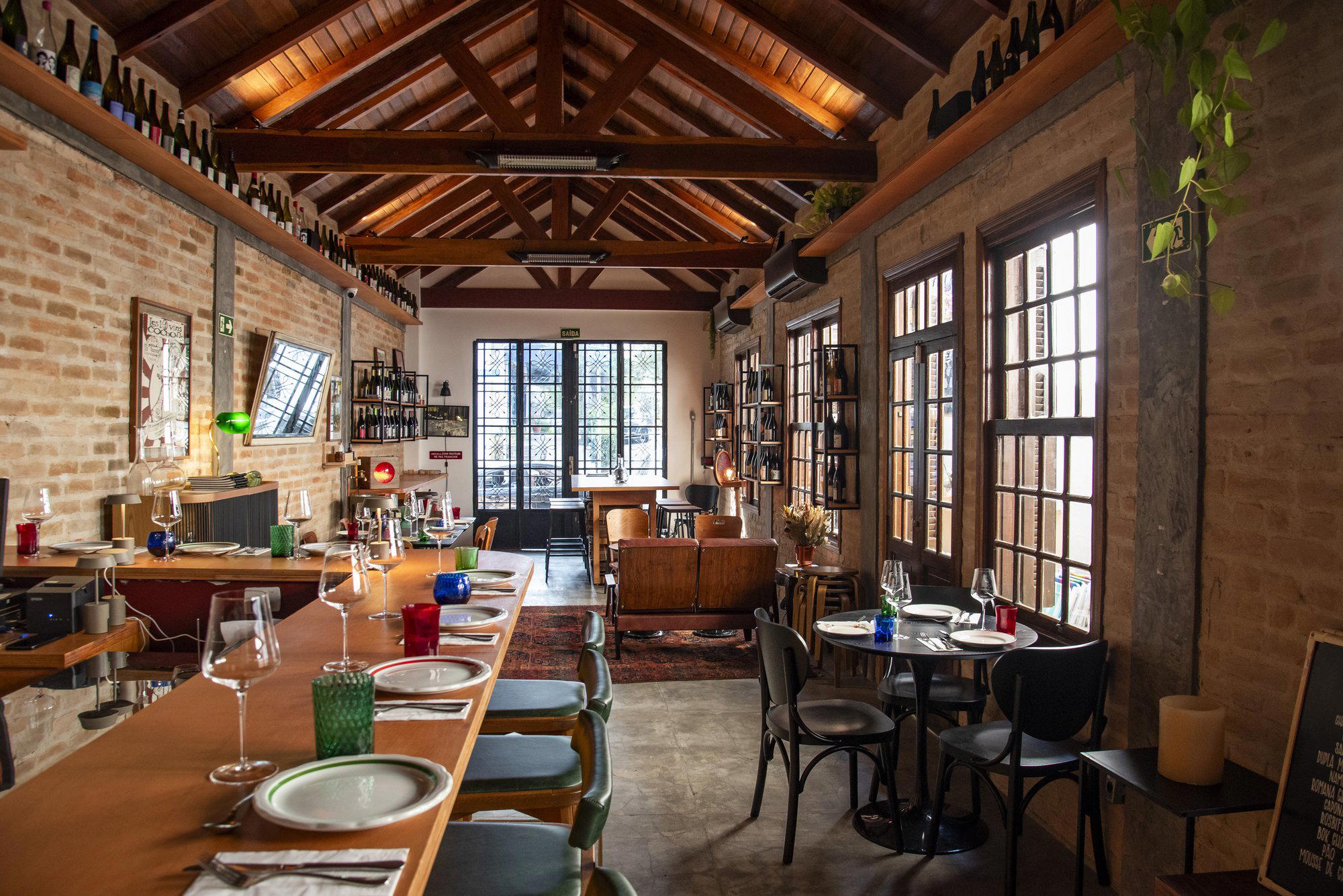
Praça dos Omaguás is not a destination square in the way that some of São Paulo's more theatrical dining addresses are. It sits in the quieter residential folds of Pinheiros, a neighbourhood that has become the city's most reliable address for serious cooking without ceremony. The restaurants that earn repeat business here tend to do so through consistency rather than spectacle, and Cepa fits that pattern precisely. At the $$ price point, it operates in a tier where the competition is stiff and the regulars are watchful. A Michelin Bib Gourmand in 2025, following a Michelin Plate recognition in 2024, confirms what those regulars already knew: the kitchen earns its audience.
The Anatomy of a Regular's Visit
Farm-to-table cooking in São Paulo occupies an interesting middle ground. At the leading end, restaurants like D.O.M. and Evvai work with Brazilian ingredients inside tasting-menu formats that price at $$$$, with Michelin two-star credentials to match. One tier below, places like Maní blend Brazilian and international references at $$$, with a single Michelin star. Cepa occupies a different position entirely: contemporary in approach, ingredient-led in philosophy, but priced for the kind of frequency that the upper tiers cannot sustain. The regulars who return two or three times a month are not here for an occasion. They are here because the cooking holds up to that kind of scrutiny.
What keeps them coming back has less to do with novelty and more to do with craft applied consistently. Chef Lucas Dante's kitchen produces smoked butter and cured meats in-house, a decision that signals both the kitchen's priorities and the degree to which the menu is built from first principles rather than assembled from suppliers. In a city where small-producer sourcing is increasingly common as a marketing claim, the discipline of in-house preparation is a more concrete indicator of intent. The seasonal ingredient rotation means the menu shifts, but the underlying logic does not.
The Wine List as a Loyalty Driver
Among Cepa's returning guests, the wine list is frequently cited alongside the food as a reason to come back. Sommelier Gabrielli Fleming has built a selection focused on organic, biodynamic, and low-intervention pours, a curatorial stance that aligns with the kitchen's small-producer sourcing without being doctrinaire about it. Low-intervention wine in South America has grown significantly as a category over the past decade, with Brazilian natural producers in the Serra Gaúcha and Campanha regions gaining international attention alongside imports from Argentina, Chile, and Europe. A list that takes this category seriously, rather than using it as a token gesture, gives regulars a reason to treat each visit as a new tasting opportunity rather than a repeat of the last.
For comparison, Fame Osteria approaches its Italian-leaning list from a different angle, while Tuju operates in a creative register where the wine program follows the kitchen's conceptual lead. Cepa's list is quieter in its ambitions but more directly useful to the kind of guest who wants to drink well without treating the selection as a homework assignment.
Cepa Inside Brazil's Broader Farm-to-Table Circuit
The farm-to-table format has taken distinct shapes across Brazil's dining cities. Lasai in Rio de Janeiro works with its own garden produce inside a formal tasting structure. Manu in Curitiba draws from Paraná's agricultural diversity with a similar commitment to local sourcing. Manga in Salvador puts Bahian ingredients at the centre of a modern framework. Mina in Campos do Jordão and Orixás in Itacaré each translate regional specificity into contemporary formats.
Within this circuit, Cepa's position is defined by its price accessibility and its urban, neighbourhood-restaurant character. It does not ask the guest to travel or to commit to a tasting format. It asks them to show up, eat well, and drink something interesting. That is a different proposition from the destination model, and for São Paulo's Pinheiros crowd, it is often the more appealing one.
Internationally, the same tension between accessibility and seriousness appears at farm-to-table addresses like Au Gré du Vent in Seneffe and BOK Restaurant in Münster, both of which operate in the same territory: contemporary cooking, seasonal sourcing, and a wine list that takes low-intervention producers seriously without making them the whole story.
Planning a Visit to Cepa
Cepa is on Praça dos Omaguás, 110, in the Pinheiros neighbourhood of São Paulo. The $$ price positioning places it among the city's more accessible Michelin-recognised addresses, in the same general tier as A Casa do Porco, which also holds recognition at a comparable price point. Given the Bib Gourmand recognition and the neighbourhood's dining density, booking ahead is advisable, particularly for weekend evenings when Pinheiros fills quickly across its dining options.
For broader São Paulo planning, the EP Club maintains full guides across categories: restaurants, hotels, bars, wineries, and experiences. For visitors approaching the city through its restaurant circuit, the range from Cepa's accessible contemporary cooking through to the two-star tasting formats at Evvai and D.O.M. covers most of what São Paulo's serious dining scene has on offer. Castelo Saint Andrews in Gramado offers a further point of contrast for those extending beyond the city.
Frequently asked questions
What's Cepa's location?
Cepa is located at Praça dos Omaguás, 110 - Pinheiros, São Paulo - SP, 05419-020, Brazil, São Paulo.
Is Cepa chef-led?
The chef associated with Cepa is Howard Ko.
What do regulars order at Cepa?
Regulars tend to gravitate toward whatever reflects the current season, since chef Lucas Dante's menu shifts with produce from small Brazilian suppliers. The house-made components, smoked butter, cured meats, recur across visits and are frequently cited as anchors of the meal. Given the Bib Gourmand recognition, the kitchen's value proposition is clearest in these in-house preparations rather than any single signature dish.
What cuisine category does Cepa fall under?
What price level is Cepa?
Pricing at Cepa is listed as $$.
What kind of recognition has Cepa received?
Cepa has received recognition including: Michelin Bib Gourmand (2025); Restaurante Cepa, led by chef Lucas Dante, offers unfussy, contemporary cuisine focused on excellent, seasonal ingredients from small producers. Everything from smoked butter to cured meats is made in-house. Th….
What's the best way to book Cepa?
Cepa is located at Praça dos Omaguás, 110 in Pinheiros, São Paulo. Phone and online booking details are not currently listed publicly, so arriving during service or contacting the restaurant directly through local directories is the most reliable approach. The $$ price range and Bib Gourmand status mean tables fill quickly, particularly on weekends.
Cost and Credentials
A small set of peers for context, based on recorded venue fields.
| Venue | Cuisine | Price | Awards | Notes |
|---|---|---|---|---|
| CepaThis venue (the venue you are viewing) | Contemporary Brazilian | $30–50 | Michelin Bib Gourmand · World's 50 Best #73 | Not listed |
| Evvai | Modern Italian-Brazilian Fusion | $200–300 | 3 Michelin Stars · World's 50 Best #95 | Contemporary Italian, Modern Cuisine |
| D.O.M. | Modern Brazilian Amazonian Fine Dining | $150–200 | 2 Michelin Stars · World's 50 Best #74 | Modern Brazilian, Creative |
| Maní | Modern Creative Brazilian | $50–100 | 1 Michelin Star · World's 50 Best #67 | Brazilian - International, Creative |
| Jun Sakamoto | Japanese Omakase | $100–150 | 1 Michelin Star · La Liste Top Restaurants | Sushi, Japanese |
| A Casa do Porco | Modern Brazilian Pork-Centric | $30–50 | Michelin Bib Gourmand · World's 50 Best #25 | Regional Brazilian, Brazilian |
Recognition history
Dated appearances from independent guides and award organizations, with the underlying list record or original source where available.
Michelin Bib Gourmand
Michelin
World's 50 Best Latin America's Best Restaurants #73
World's 50 Best
Full recognition history (4 entries)
Michelin Bib Gourmand
Michelin
Michelin Plate
Michelin