Sir Winston occupies a telling address at 5 Rue de Presbourg, steps from the Arc de Triomphe in Paris's 16th arrondissement, where the city's older generation of Anglo-French bar culture has long found a home. The venue sits within a tier of Parisian drinking rooms that trade on atmosphere and heritage rather than cocktail-program credentials, placing it in a distinct category from the technically-driven bars reshaping the city's nightlife.
Pearl is the En Primeur Club membership app — saves, bookings, and concierge access live there. Same editors, same standards.
- Address
- 5 Rue de Presbourg, 75016 Paris, France
- Phone
- +33140671737
- Website
- sirwinston.fr
- Directions
- Get directions
 Saves & bookings on Pearl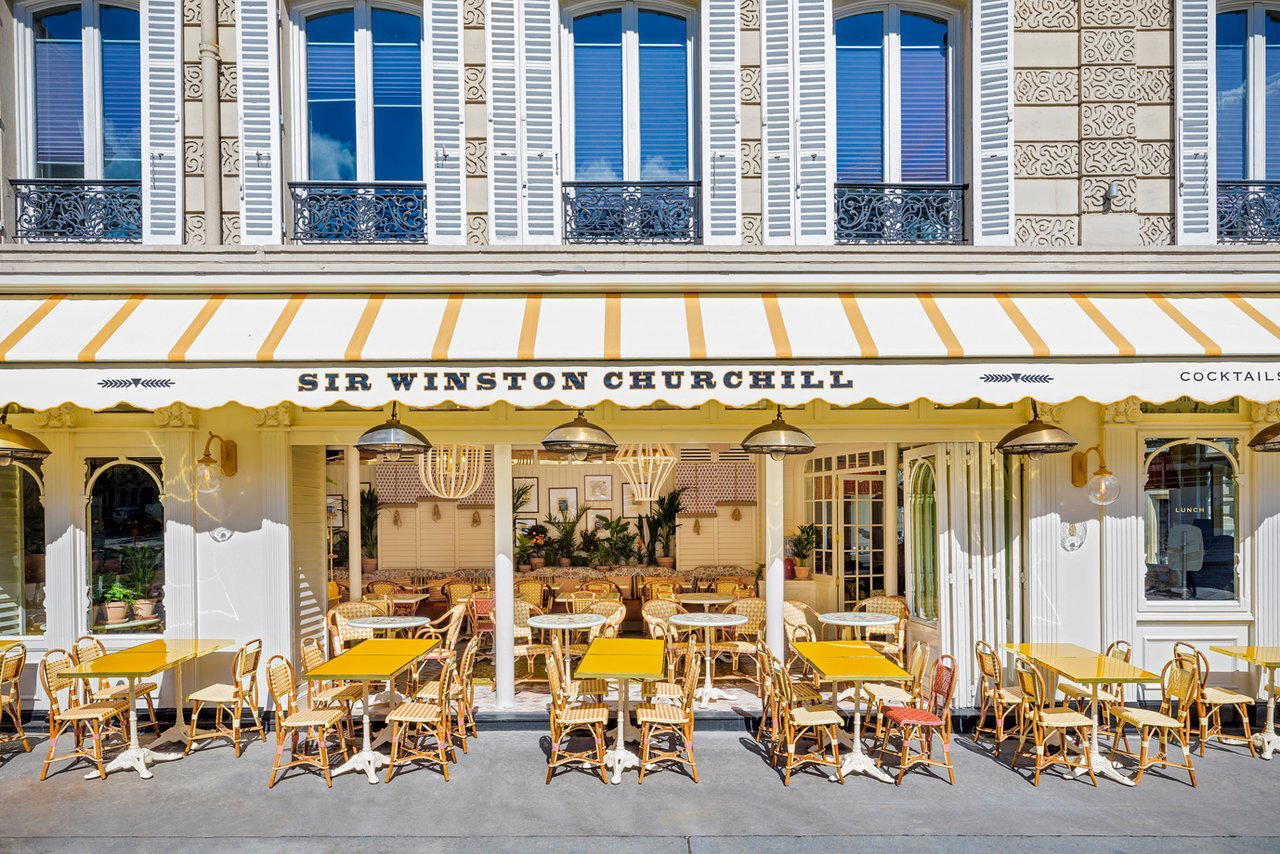
A Corner of the 16th That Has Outlasted Several Eras
The stretch of Rue de Presbourg running off the Place Charles de Gaulle is not where Paris reinvents itself. It is where the city maintains certain postures. The Anglo-French bar format, built around Anglophone references, dark wood, and a clientele that prefers conversation over spectacle, has existed in this neighbourhood for decades, and Sir Winston at number 5 is among its more durable expressions. What makes the address worth examining is not any single recent development but the longer arc: how a room rooted in a particular cultural moment has navigated successive waves of Parisian nightlife reinvention without becoming either a museum piece or an unrecognisable renovation.
The Evolution of an Anglo-French Format in Paris
Parisian bar culture has split repeatedly over the past two decades. The early 2000s brought a wave of cocktail-focused venues modelled loosely on London and New York templates. The 2010s saw a sharper technical turn, with clarified cocktails, fermented ingredients, and seasonally rotating menus entering rooms across the 2nd, 9th, and 10th arrondissements. Venues in that bracket, drawing on international bar-award circuits, repositioned Paris as a serious cocktail city rather than simply a wine-and-café culture.
The Anglo-French bar, by contrast, operated on different logic. Its reference points were literary and political rather than mixological: Churchill imagery, leather-bound libraries, dark-panelled interiors, and a menu calibrated to a certain idea of British comfort transported to French soil. Sir Winston, named for the wartime Prime Minister whose relationship with France was as complicated as it was celebrated, belongs firmly to that tradition. The name itself was a bet on longevity: choosing a figure synonymous with historical weight rather than contemporary cool is a declaration of intent that tends to age either well or poorly.
In the 16th arrondissement, it has aged well enough to remain a point of reference. The neighbourhood's demographic character, weighted toward established wealth and international residents rather than the younger crowds that cycle through the Right Bank's eastern districts, sustains this kind of room in a way that would be harder to maintain closer to Oberkampf or Pigalle. Context, here, is everything.
Where Sir Winston Sits in the Paris Bar Hierarchy
Paris's premium drinking rooms now occupy several distinct tiers. At one end sit the technically ambitious cocktail bars with changing programmes and international award recognition. At the other end sit hotel bars attached to palace properties, where the draw is as much the room itself as what arrives in the glass. The restaurant occupies a middle position: not a programme-led cocktail destination, and not a hotel bar, but a standalone room whose appeal is rooted in atmosphere, consistency, and the particular social function it serves for its regular clientele.
That function is worth naming plainly. In a city where grand brasseries handle long business lunches and Michelin-starred rooms handle celebratory dinners, venues like Sir Winston handle the in-between occasions: the post-dinner drinks, the late-evening gathering that does not require a reservation weeks in advance, the Anglo-friendly room where English is neither unusual nor accommodated grudgingly. For Paris's large Anglophone expatriate and visitor population, this is a specific and persistent demand.
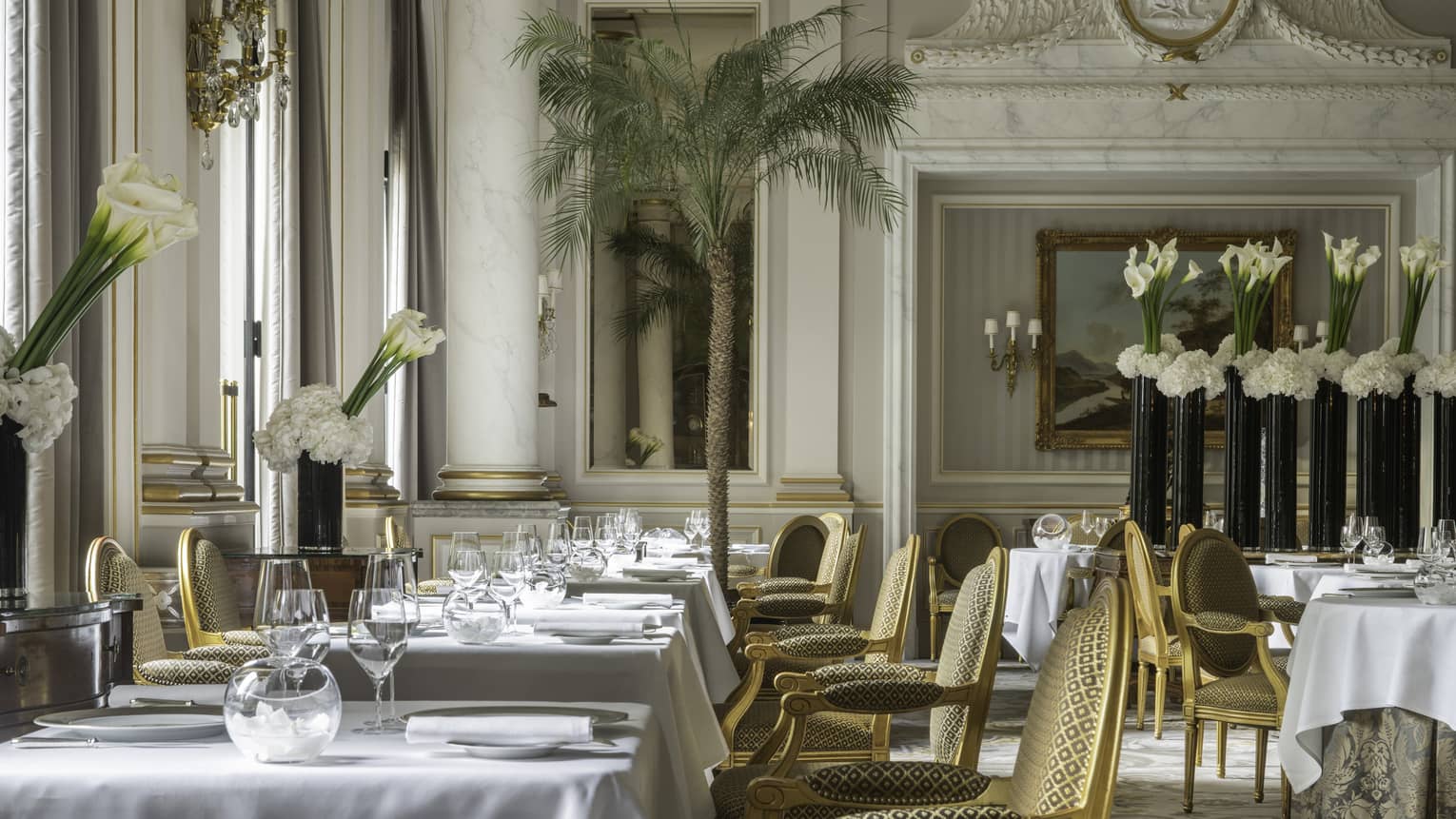
For comparison, the €€€€ tier of Parisian dining represented by rooms like Le Cinq at the Four Seasons Hôtel George V or L'Ambroisie operates on entirely different terms: multi-course tasting menus, formal service protocols, and culinary credentials measured against peers like Arpège and Kei. The restaurant does not compete in that bracket. Its comparable set is closer to the city's character bars and Anglo-continental clubs than to the Michelin-tracked restaurant world represented by Alléno Paris au Pavillon Ledoyen.
That distinction matters for readers arriving from the broader French dining context. The three-star houses anchoring France's regional reputation, from Troisgros in Ouches to Mirazur in Menton to Bras in Laguiole, operate within a culinary tradition of extraordinary depth and ambition. The restaurant does not. What it offers is something different and, for certain evenings, more appropriate: a well-worn room with a clear identity and a geographic address that happens to be among the more recognisable in the city.
The Address as Context
5 Rue de Presbourg is a short walk from the Arc de Triomphe, in the 8th/16th border zone where Haussmann's geometry is at its most emphatic. The surrounding streets hold a concentration of corporate headquarters, luxury hotels, and embassies that gives the immediate neighbourhood a particular tone: international, formal by Parisian standards, and oriented toward an older money demographic. Bars and restaurants in this zone do not typically chase the dining-press recognition that flows toward the 1st, 6th, or the eastern arrondissements. They serve their immediate community and the visitors staying in the cluster of four- and five-star hotels between the Étoile and the Champs-Élysées.
That positioning has implications for how the restaurant has evolved, or more precisely, for what it has not needed to abandon. Rooms in neighbourhoods under heavier gentrification pressure face more acute choices about identity: stay rooted and risk irrelevance, or pivot and risk losing the regulars. The 16th's relative stability as a neighbourhood has allowed a certain conservatism of format to persist without being read as stagnation.
Planning Your Visit
Logistics at a Glance
| Venue | Neighbourhood | Cuisine / Format | Price Tier | Booking Requirement |
|---|---|---|---|---|
| The restaurant | 16th arr. / Étoile | Anglo-French bar | Not published | Not confirmed |
| Le Cinq | 8th arr. | French, Modern Cuisine | €€€€ | Advance booking required |
| L'Ambroisie | 4th arr. | French, Classic Cuisine | €€€€ | Advance booking required |
| Kei | 1st arr. | Contemporary French | €€€€ | Advance booking required |
The restaurant is located at 5 Rue de Presbourg, 75016 Paris. The Arc de Triomphe metro station (lines 1 and 2) places the venue within a two-minute walk. The restaurant is open daily from 8 AM to 2 AM.
City Peers
Comparable venues nearby, for context on price, style, and recognition.
| Venue | Cuisine | Price | Notes |
|---|---|---|---|
| Sir WinstonThis venue — the venue you are viewing | Anglo-Indian Pub Fusion | $$ | Not listed |
| Cendrillon | Global Fusion Grill | $$$ | Belleville |
| Canopé | Bistronomique créative fusion | $$$ | Paris 8 - Saint Lazare |
| SHIRO | Franco-Japanese Fusion | $$$ | 6th Arrondissement |
| Mr.T | Modern French-Japanese Fusion | $$ | Le Marais |
| L'Entredgeu | Traditional French Bistro | $$ | Ternes |
Continue exploring
More in Paris
Restaurants in Paris
Browse all →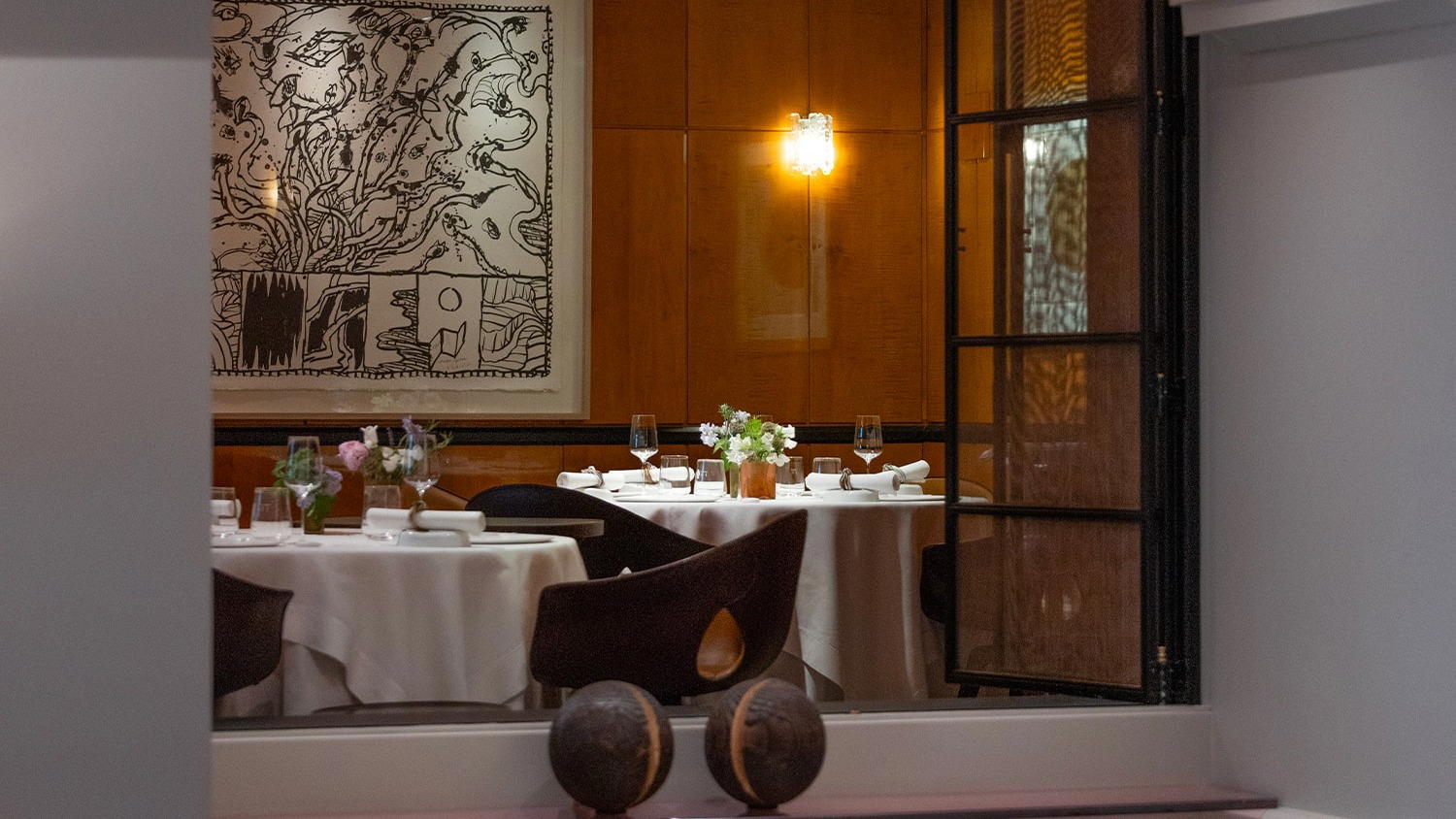

Bars in Paris
Browse all →
Hotels in Paris
Browse all →



At a Glance
- Lively
- Elegant
- Classic
- Trendy
- Well Known
- Brunch
- Casual Hangout
- Late Night
- Group Dining
- Terrace
- Historic Building
- Craft Cocktails
- Street Scene
Current opening hours
- Monday
- 8 AM–2 AM
- Tuesday
- 8 AM–2 AM
- Wednesday
- 8 AM–2 AM
- Thursday
- 8 AM–2 AM
- Friday
- 8 AM–2 AM
- Saturday
- 8 AM–2 AM
- Sunday
- 8 AM–2 AM
Hours can change for holidays and private events. Last verified .
Warm colonial-inspired setting with fine wood panelling, subdued lighting, contemporary elegance, and lively jazz-electro music.