The beef noodle soup served at Regent Hotel Taipei occupies a distinct position in Taiwan's most debated comfort-food tradition: a hotel kitchen's disciplined approach to a dish that street stalls and family restaurants have long claimed as their own. Rich braised broth, hand-pulled noodles, and slow-cooked beef shin arrive in a setting that reframes the familiar as something worth dressing for. A reference point for visitors and locals navigating Taipei's spectrum of beef noodle culture.
Pearl is the En Primeur Club membership app — saves, bookings, and concierge access live there. Same editors, same standards.
- Address
- Taipei, Taiwan
- Directions
- Get directions
 Saves & bookings on Pearl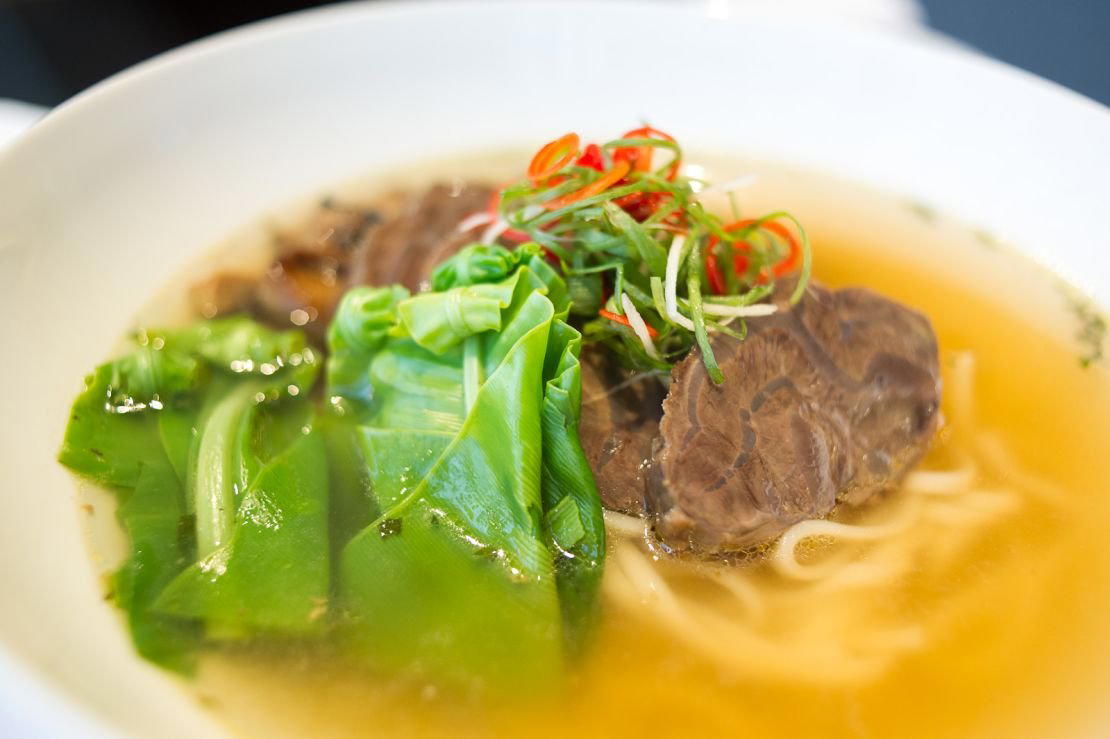
A Hotel Kitchen Takes on Taiwan's Most Contested Bowl
Beef noodle soup is not a dish that belongs to any single venue. It belongs to a tradition, one that stretches across Taiwan's night markets, side-street shops, and family-run counters that have spent decades calibrating their broth ratios and noodle gauges. Within that tradition, Taipei functions as the primary competitive arena, with an annual city-sponsored competition that draws hundreds of entrants and generates genuine public argument about whose version deserves precedence. The beef noodle soup served at the Regent Hotel Taipei enters that conversation from an unusual angle: a hotel kitchen applying professional brigade discipline to a dish that most diners associate with informality and low price points.
That tension is productive. Where street-level operations often rely on a single cook's accumulated habit, a hotel kitchen brings structural consistency: standardized broth production, trained service staff who can field allergy questions with precision, and a front-of-house team positioned to translate the dish for international guests who may be encountering it for the first time. The result is a version of beef noodle soup that sits at the upper end of Taipei's accessibility spectrum, readable by visitors, credible to locals who know what the base flavors should be.
What the Tradition Demands
Taiwanese beef noodle soup splits into two primary schools: the red-braised style, built on soy, doubanjiang, and slow-cooked collagen, and the clear-broth version, which relies more heavily on bone stock and restraint. Both schools share a set of quality markers that regulars use to assess any bowl, broth depth without muddiness, noodles with the right tensile resistance, beef that has taken on the broth's character without collapsing entirely. A hotel kitchen's advantage here is time and equipment: the pressure and temperature control available in a professional kitchen makes long-braise consistency more achievable than it is over a street-stall burner.
Taipei's broader beef noodle scene rewards exploration beyond any single venue. The city's annual Beef Noodle Festival, typically held in the autumn, has historically attracted both institutional kitchens and independent operators, creating a public scoring system that serious diners use as a reference map. Hotel restaurants that participate in or align with that ecosystem signal a commitment to being judged by the same standards as street-level competition, a meaningful act of positioning in a city where culinary credibility is hard-won.
Team Structure and Service as Context
The editorial angle that applies to a hotel dining operation is how the team functions as a system. At a property like the Regent Taipei, the front-of-house and kitchen operate in closer coordination than at most independent restaurants: reservation staff can flag dietary requirements before service, kitchen teams receive structured briefings, and service staff are trained to communicate dish composition clearly. For a dish as ingredient-specific as beef noodle soup, where soy, wheat, and animal proteins are all present, that team communication infrastructure matters for guests managing dietary restrictions.
The sommelier or beverage lead at a hotel dining operation typically has access to a broader cellar than an independent restaurant at the same price point, which affects pairing options for guests who want something beyond tea or Taiwan Beer with their bowl. The Regent Taipei's broader dining program places it in a comparable category with Taipei's other hotel kitchens, which tend to offer more integrated beverage programs than street-level beef noodle specialists can sustain.
Where This Fits in Taipei's Dining Picture
Taipei's fine-dining tier has expanded considerably over the past decade. Venues like logy and Taïrroir operate at the intersection of Taiwanese ingredients and European technique, while Le Palais anchors the Cantonese formal dining tradition in the city. L'Atelier de Joël Robuchon and Molino de Urdániz extend the city's international fine-dining footprint. None of these venues are the right frame for beef noodle soup. The relevant comparison set is different: it runs from the city's celebrated independent beef noodle counters to hotel-kitchen operations that have chosen to keep a traditional Taiwanese dish at the center of a higher-service context.
That positioning makes the Regent Taipei's beef noodle soup useful for a specific type of visit: a group dinner where half the table wants a recognizable Taiwanese reference point and the other half wants the assurance of a hotel kitchen's consistency and service standards. It is also a practical entry point for international visitors who want to understand what the dish can be before seeking out more specialist versions. Taiwan's beef noodle tradition extends well beyond Taipei, JL Studio in Taichung and operators in cities like Kaohsiung and Tainan each reflect regional variations, but Taipei remains the densest market for comparison.
For those building a broader picture of Taiwan's noodle and comfort-food culture, venues like this Sanchong District operator and GARDENh in Yonghe District offer lower-key reference points closer to the street-level end of the spectrum. Our full Taipei restaurants guide maps the city's dining tier by tier.
Planning Your Visit
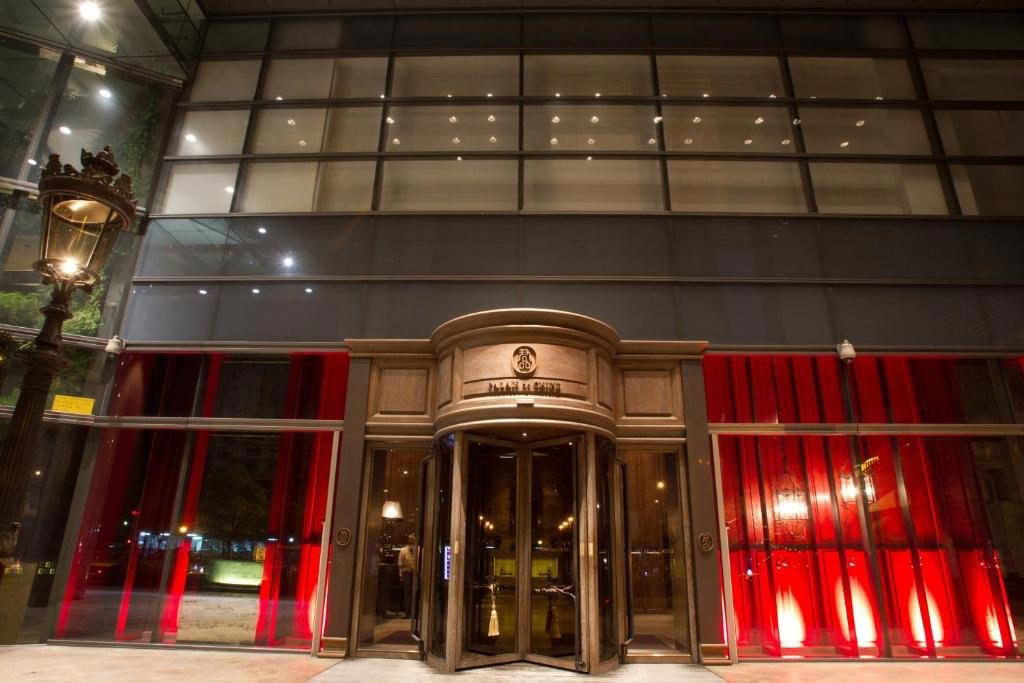
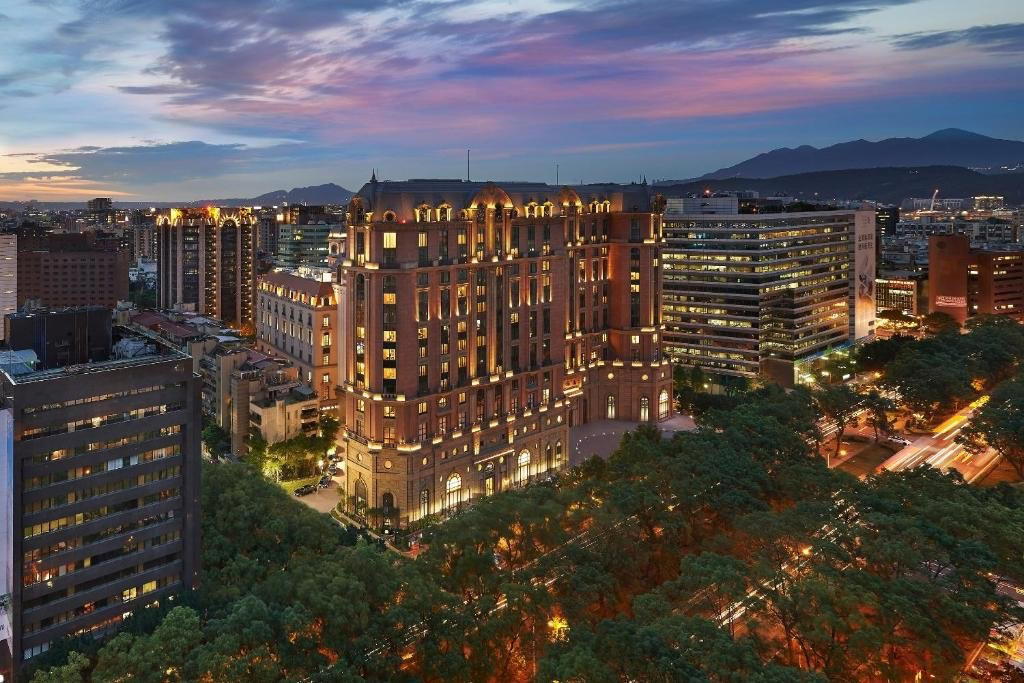
Hotel restaurant beef noodle operations in Taipei generally do not require the advance booking windows associated with the city's Michelin-level tasting-menu counters. The Regent Taipei's dining outlets sit inside a major international hotel on Zhongshan North Road, a section of the city that is direct to reach by MRT (Zhongshan Station) or by taxi from most central Taipei addresses. Guests staying at the property have the obvious advantage of same-building access; for non-hotel guests, lunch service tends to be less pressured than dinner.
Dress expectations at a hotel dining room in Taipei trend toward smart casual at minimum. Arriving in beachwear or athletic gear would be out of register with the room's service standard.
A Pricing-First Comparison
Comparable venues nearby, for context on price, style, and recognition.
| Venue | Cuisine | Price | Notes |
|---|---|---|---|
| Beef Noodle Soup at Regent Hotel TaipeiThis venue — the venue you are viewing | Not listed | $$$ | Not listed |
| æ³ ç±³é£å | Longyuan, Modern Taiwanese | $$$ | Not listed |
| 養心殿精緻鍋物 | Not listed | $$$ | Da'an District, Refined Taiwanese Hot Pot |
| 施家鮮肉湯圓 | Guoshun, Chinese Dim Sum | $$ | Not listed |
| Beef Father (牛爸爸牛肉麵) | Not listed | $$$ | Neihu District, Premium Taiwanese Beef Noodle Soup |
| 京星港式飲茶二 | Not listed | $$ | Da_an, Hong Kong-style Dim Sum |
Continue exploring
More in Taipei
Restaurants in Taipei
Browse all →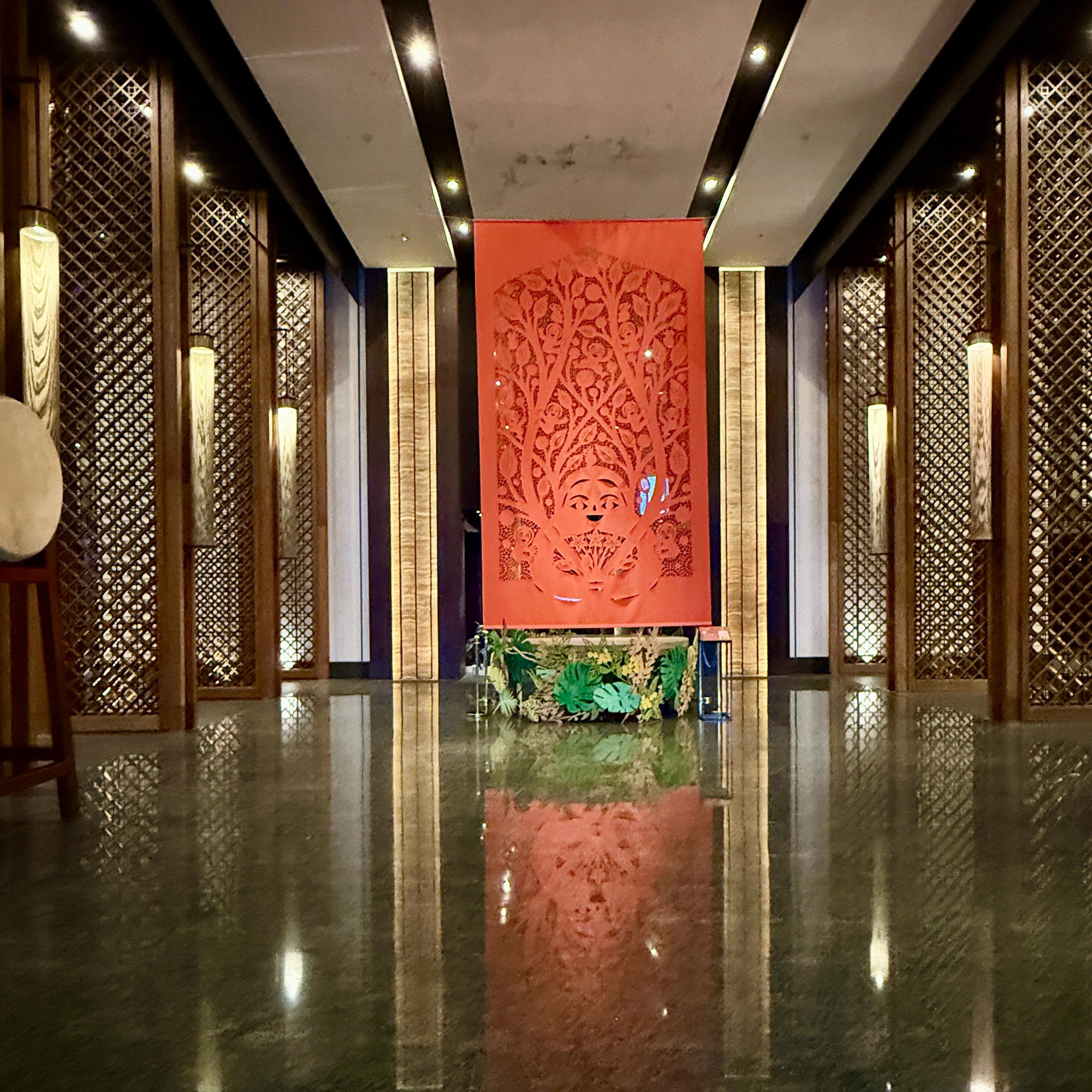
Bars in Taipei
Browse all →
Hotels in Taipei
Browse all →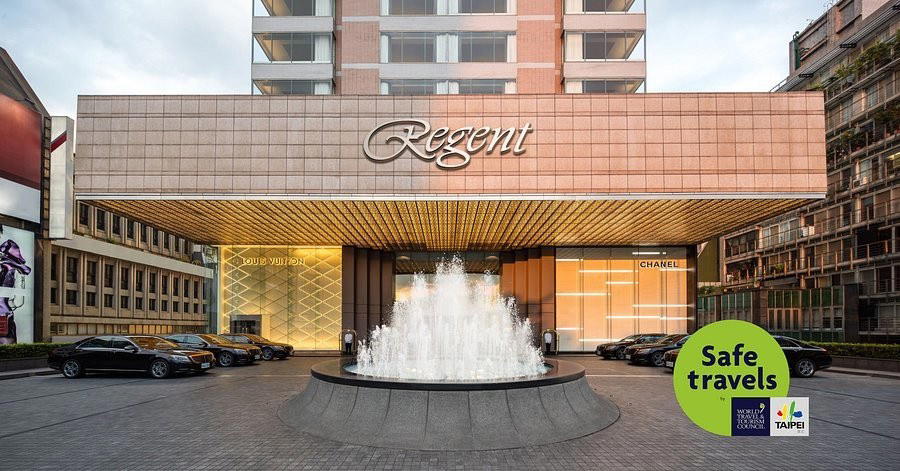
Wineries in Taipei
Browse all →
At a Glance
- Elegant
- Sophisticated
- Special Occasion
- Business Dinner
- Hotel Restaurant
- Sake Program
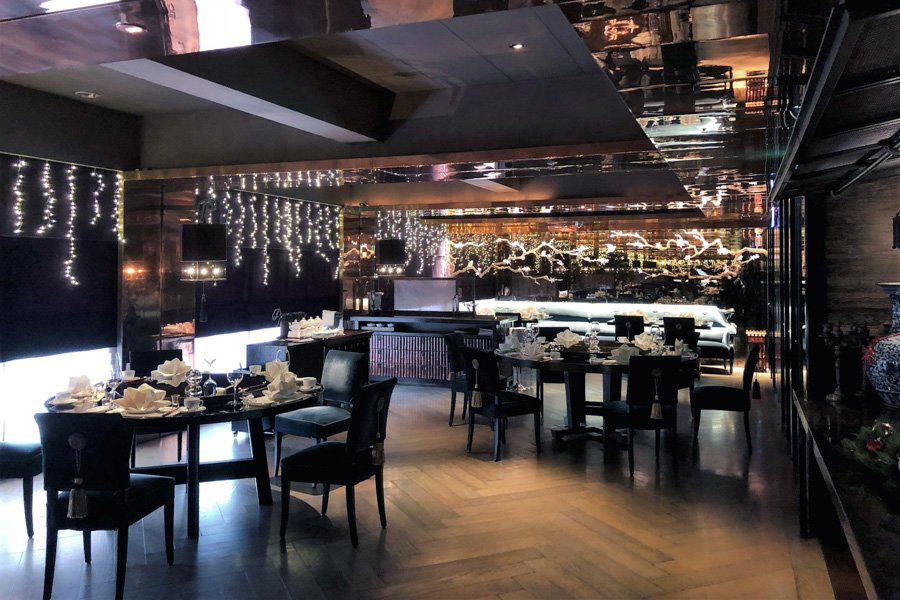
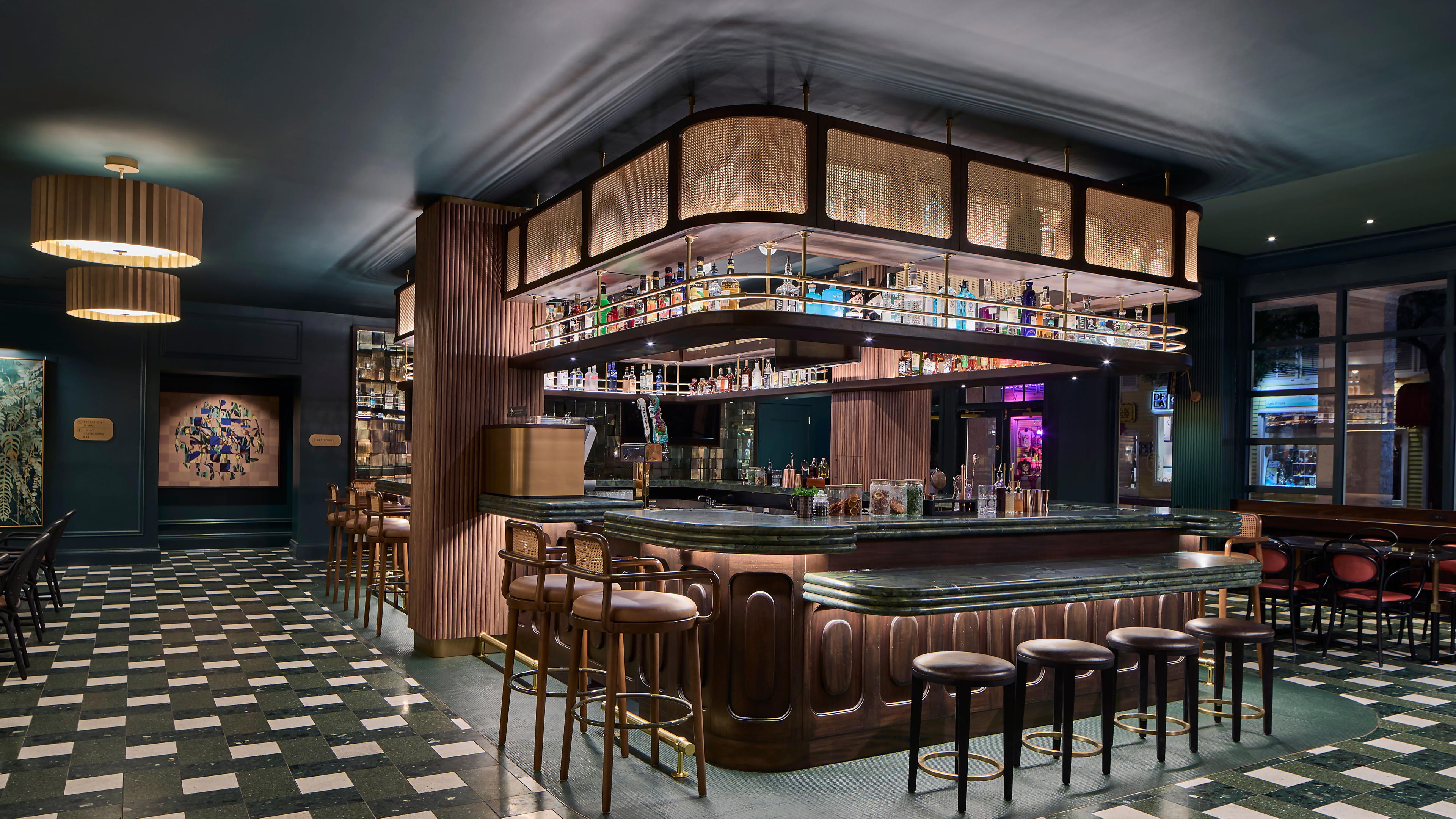
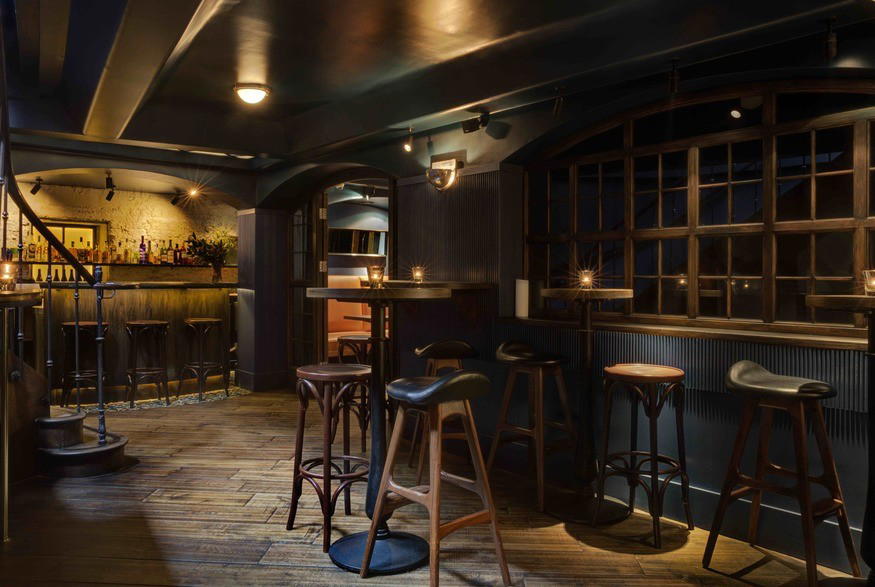
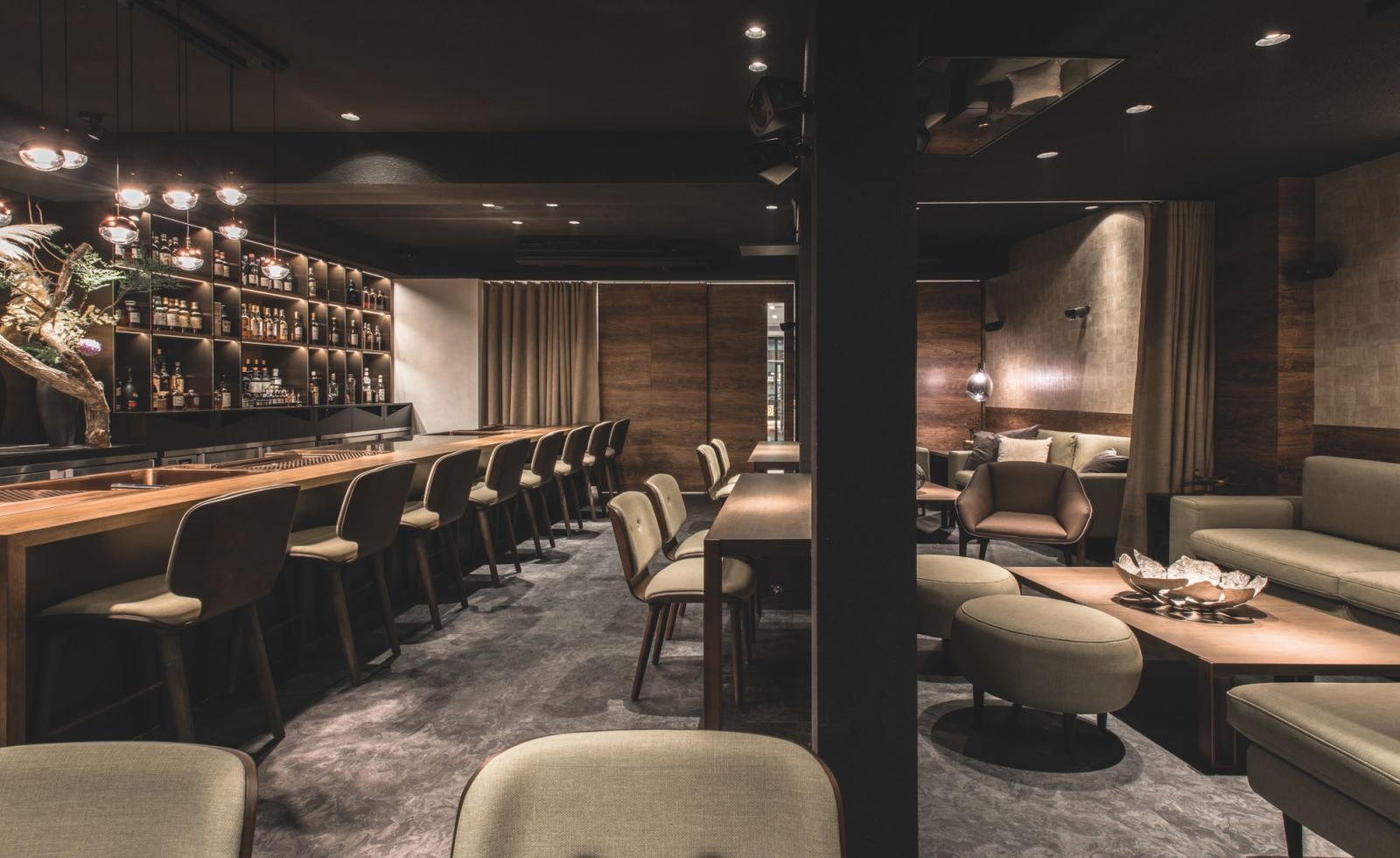
Elegant hotel atmosphere with sophisticated lighting in the basement location of Azie Grand Cafe.