On the fourth floor of a building along Songren Road in Xinyi, 合. Shabu occupies a quieter register than the district's flashier dining addresses. The format is shabu-shabu, a discipline that rewards ingredient sourcing above almost any other variable, positioning this address within a broader Taipei conversation about how Japanese hot-pot technique translates when applied to Taiwanese produce.
Pearl is the En Primeur Club membership app — saves, bookings, and concierge access live there. Same editors, same standards.
- Address
- 松仁路28號4F, 台北市
- Directions
- Get directions
 Saves & bookings on Pearl
A Fourth-Floor Address in Xinyi's Dining Stack
Xinyi District organises Taipei's most concentrated band of serious dining across a compact grid of towers and commercial podiums. On Songren Road, the vertical stacking of restaurants into upper-floor addresses is common enough to function as a district grammar: ground level tends toward retail and quick service, while the third and fourth floors often house the formats that require more deliberate decision-making from a diner. 合. Shabu sits on the fourth floor of its building at No. 28, which places it physically above the ambient noise of the street and, in practice, slightly outside the casual foot-traffic circuit that drives walk-in covers for lower-floor neighbours.
That separation is not incidental. Shabu-shabu, as a dining format, selects for intention. The slow, participatory rhythm of cooking thin-sliced proteins and seasonal produce in a simmering dashi or broth at the table demands a different kind of attention than a plated tasting menu. The diner controls pace and doneness; the kitchen's job is to supply ingredients at a quality level that justifies that engagement. In a district where Le Palais and Taïrroir anchor one formal end of the Taipei dining spectrum, 合. Shabu occupies a different register, one where the product itself carries most of the editorial weight.
The Technique Question in Taipei Shabu-Shabu
Japanese hot-pot discipline arrived in Taiwan through decades of commercial and cultural proximity, but Taipei's better shabu-shabu addresses have progressively diverged from simple replication. The more interesting question in the current market is what happens when the structural logic of the format, broth engineering, slicing precision, dipping sauce architecture, the sequencing of proteins and vegetables, is applied to ingredients sourced from Taiwan's own production zones rather than imported Japanese wagyu and Hokkaido seafood alone.
This intersection is where the editorial angle on 合. Shabu sits. Taiwan's agricultural range is genuinely broad: high-altitude vegetables from the Central Mountain Range, subtropical seafood along a coastline with varied current patterns, pork and poultry from producers who have spent the last two decades building traceable supply chains partly in response to food-safety pressures. The technique of shabu-shabu, which requires ingredients to hold integrity through brief immersion in near-boiling liquid, rewards this kind of provenance precisely because flaws in texture or freshness that can be masked in long-cooked preparations are exposed immediately at the table.
Across Taipei, this dynamic has shaped how the more considered hot-pot and shabu operations position themselves relative to peers. The comparison venues relevant to the restaurant are not the tasting-menu rooms, not logy or Molino de Urdániz or L'Atelier de Joël Robuchon, but rather the other shabu and premium hot-pot formats distributed through Xinyi and Da'an that are also navigating the imported-technique, local-ingredient negotiation. In that comparable set, sourcing transparency and broth depth function as the primary differentiators.
What the Format Demands of Its Ingredients
The broth is where shabu-shabu philosophy is most legible. A kombu-and-bonito dashi built to Japanese specification is a known quantity; the more instructive signal is what a restaurant does with it, whether it remains orthodox or whether regional Taiwanese elements, dried fish varieties, local aromatics, or fermented additions enter the base. This kind of broth decision tends to reveal where an operator's culinary references actually sit, regardless of how the menu is categorised.
Beyond the broth, the slicing of proteins is the other variable that separates precision-oriented shabu operations from volume-focused ones. Machine-sliced beef at uniform thickness, chilled to the right temperature for clean separation at the table, is a supply chain and kitchen organisation achievement as much as a culinary one. Premium shabu-shabu venues across East Asia, from the format's Osaka and Kyoto origination points through to the more technically serious Seoul and Shanghai addresses, have spent significant effort on this variable precisely because it is invisible to a diner who has not experienced the contrast. Atomix in New York and Le Bernardin operate in entirely different idioms, but both demonstrate the same underlying principle: that ingredient handling at the preparation stage determines what is possible at service, before any technique is applied.
Xinyi's Dining Position in the Broader Taiwan Map
Xinyi remains the district that international visitors encounter first when mapping Taipei's serious dining options, and the concentration of addresses there is dense enough to support multiple visits without repetition. But Taiwan's dining geography has spread. JL Studio in Taichung has built a different kind of reputation around Singapore-inflected technique applied to local product, while GEN in Kaohsiung and A Xia in Tainan demonstrate that the island's most serious cooking is no longer concentrated in one district of one city.
Within that context, an address like 合. Shabu on Songren Road is part of a denser Xinyi ecology that also includes less-publicised neighbourhood options: GARDENh in Yonghe District and operations in adjacent districts show how the appetite for considered, ingredient-forward dining has dispersed well beyond the central Xinyi core. For a more complete picture of where the restaurant sits within the full Taipei dining range, the EP Club Taipei restaurants guide maps the city's options across format, price, and neighbourhood.
Planning a Visit
The Songren Road address in Xinyi is accessible from MRT Taipei City Hall station, which puts the building within a short walk of the district's main transit node. Reservations are recommended, particularly for weekend evenings when Xinyi's dining density creates competing demand across formats. The price tier is 4, with an estimated spend of about US$60 per person. The fourth-floor location means the entrance may require navigating a lobby or lift rather than presenting street-level visibility, so confirming the building entry before arrival is practical.
Compact Comparison
Comparable venues nearby, for context on price, style, and recognition.
| Venue | Cuisine | Price | Notes |
|---|---|---|---|
| 合. ShabuThis venue — the venue you are viewing | Not listed | $$$$ | Not listed |
| Soyan | Not listed | $$$$ | Wulai, New Taipei City, Contemporary Taiwanese Tasting Menu |
| 鮨 嘉仁 | Zhongji, Hong Kong Chinese | $$$ | Not listed |
| 吉品海鮮餐廳 Ji Pin Restaurant | Not listed | $$$ | Da'an District (Xinyi/Zhongshan areas), Authentic Cantonese Fine Dining & Dim Sum |
| Rong Ju | Songji, Modern Cantonese | $$$$ | Not listed |
| 鮨 香 | Juye, Authentic Hong Kong Chinese | $$$$ | Not listed |
Continue exploring
More in Taipei
Restaurants in Taipei
Browse all →
Bars in Taipei
Browse all →
Hotels in Taipei
Browse all →
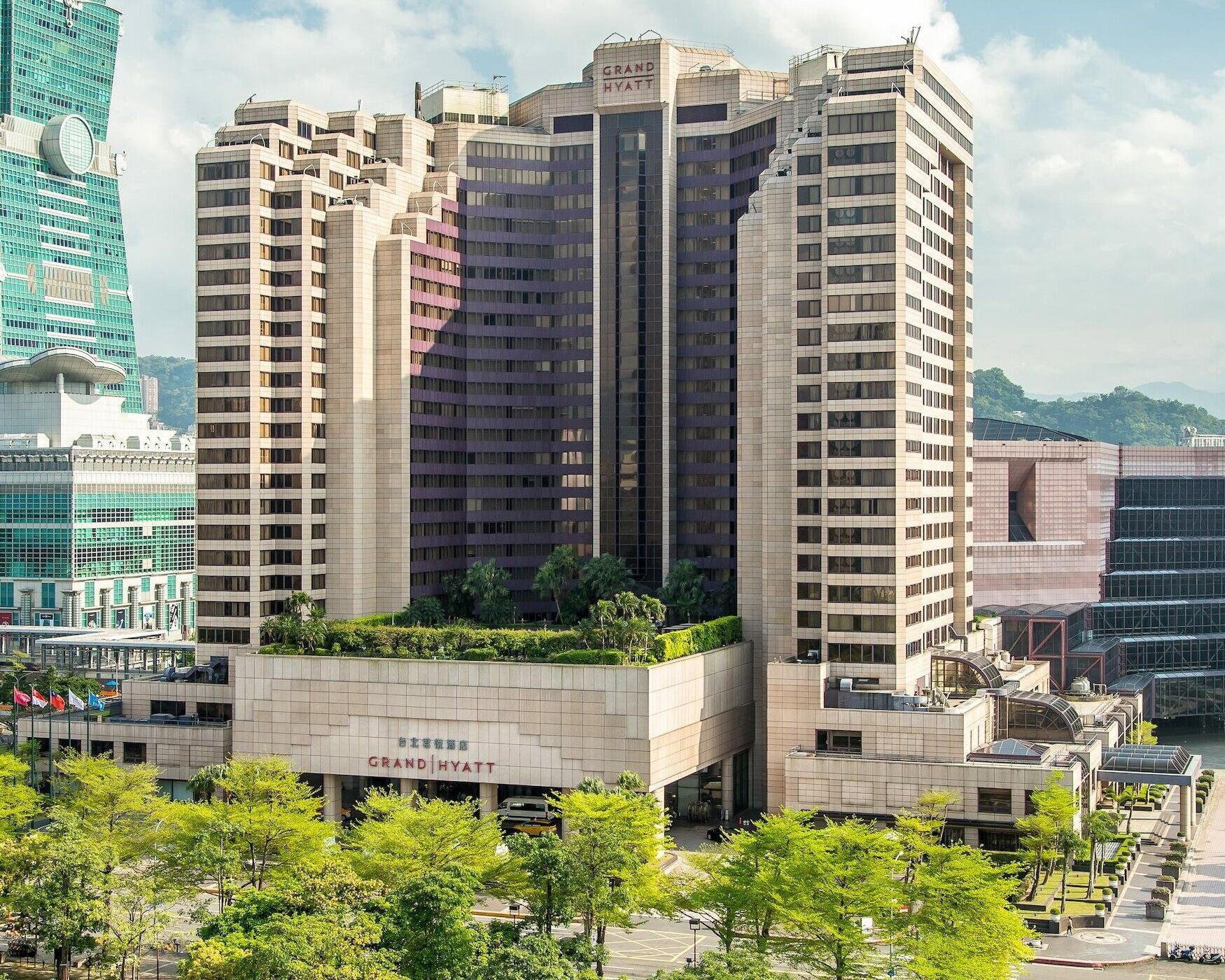
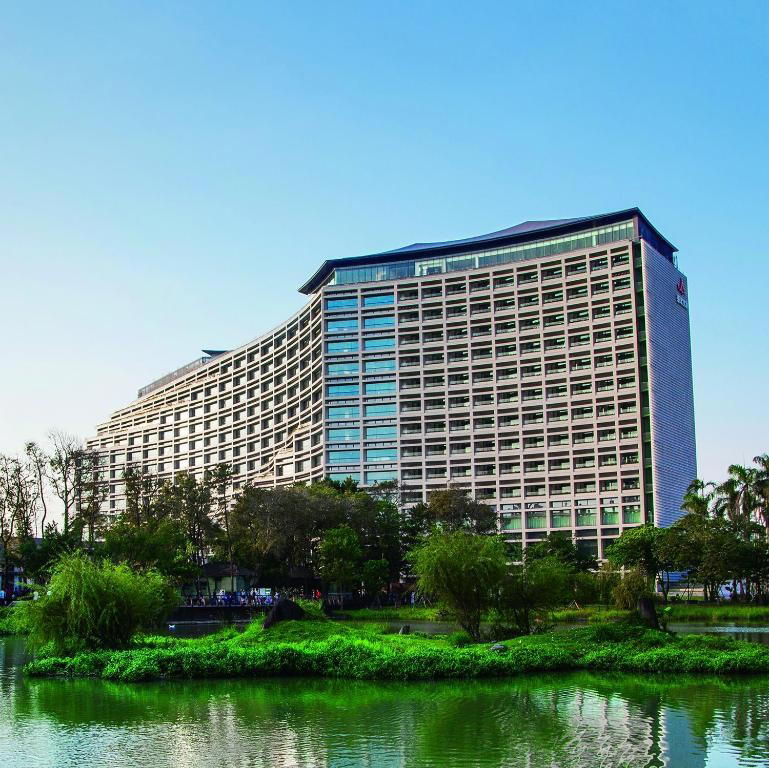
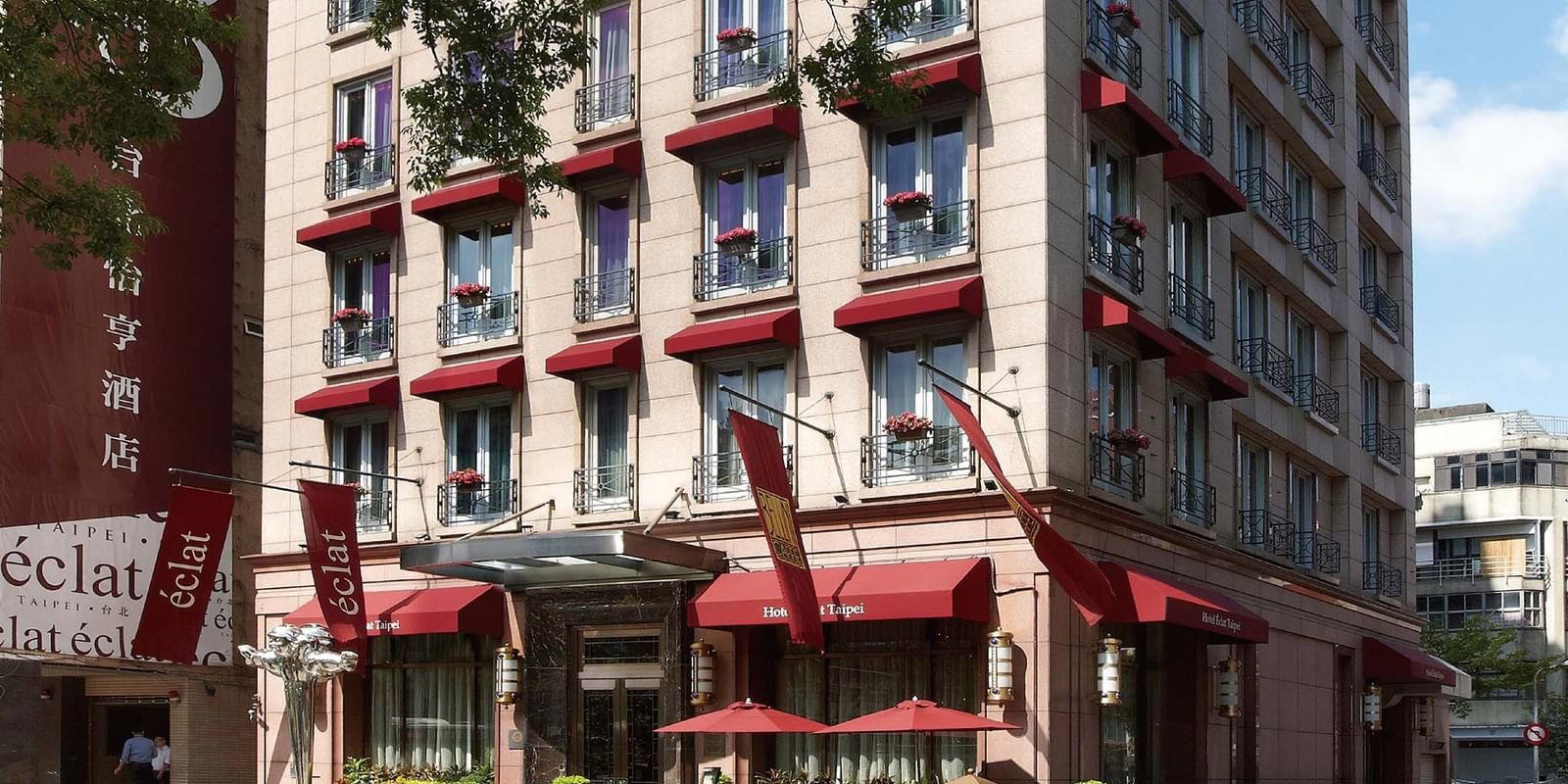
Wineries in Taipei
Browse all →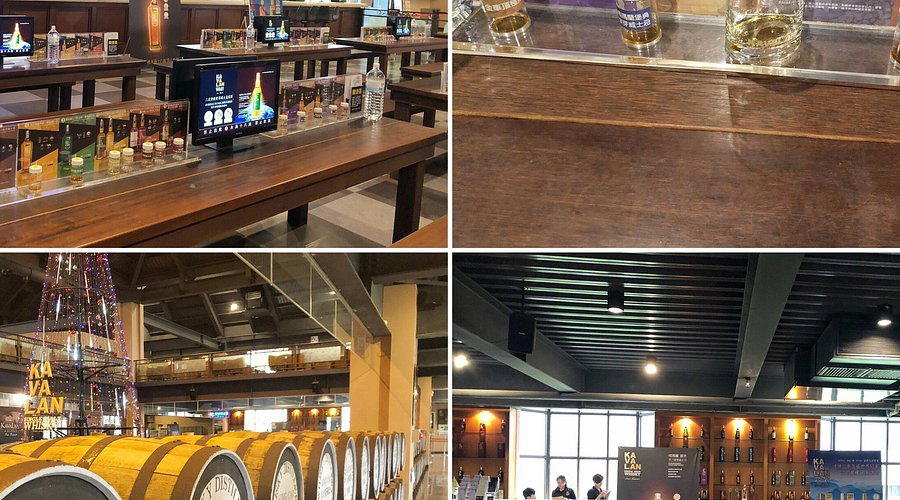
At a Glance
- Elegant
- Sophisticated
- Modern
- Quiet
- Business Dinner
- Date Night
- Celebration
- Special Occasion
- Standalone
- Design Destination
- Sake Program
Refined and contemporary, with a high-end but relaxing dining room designed for a quieter, upscale hot pot experience.