Celeste
On Amsterdam Avenue in the Upper West Side, Celeste occupies a quieter register than Manhattan's downtown dining circuit, a neighbourhood-anchored address that rewards the curious over the reservation-hunter.
Pearl is the En Primeur Club membership app — saves, bookings, and concierge access live there. Same editors, same standards.
- Address
- 502 Amsterdam Ave, New York, NY 10024
- Phone
- +12128744559
- Website
- celesterestaurantny.com
- Directions
- Get directions
 Saves & bookings on Pearl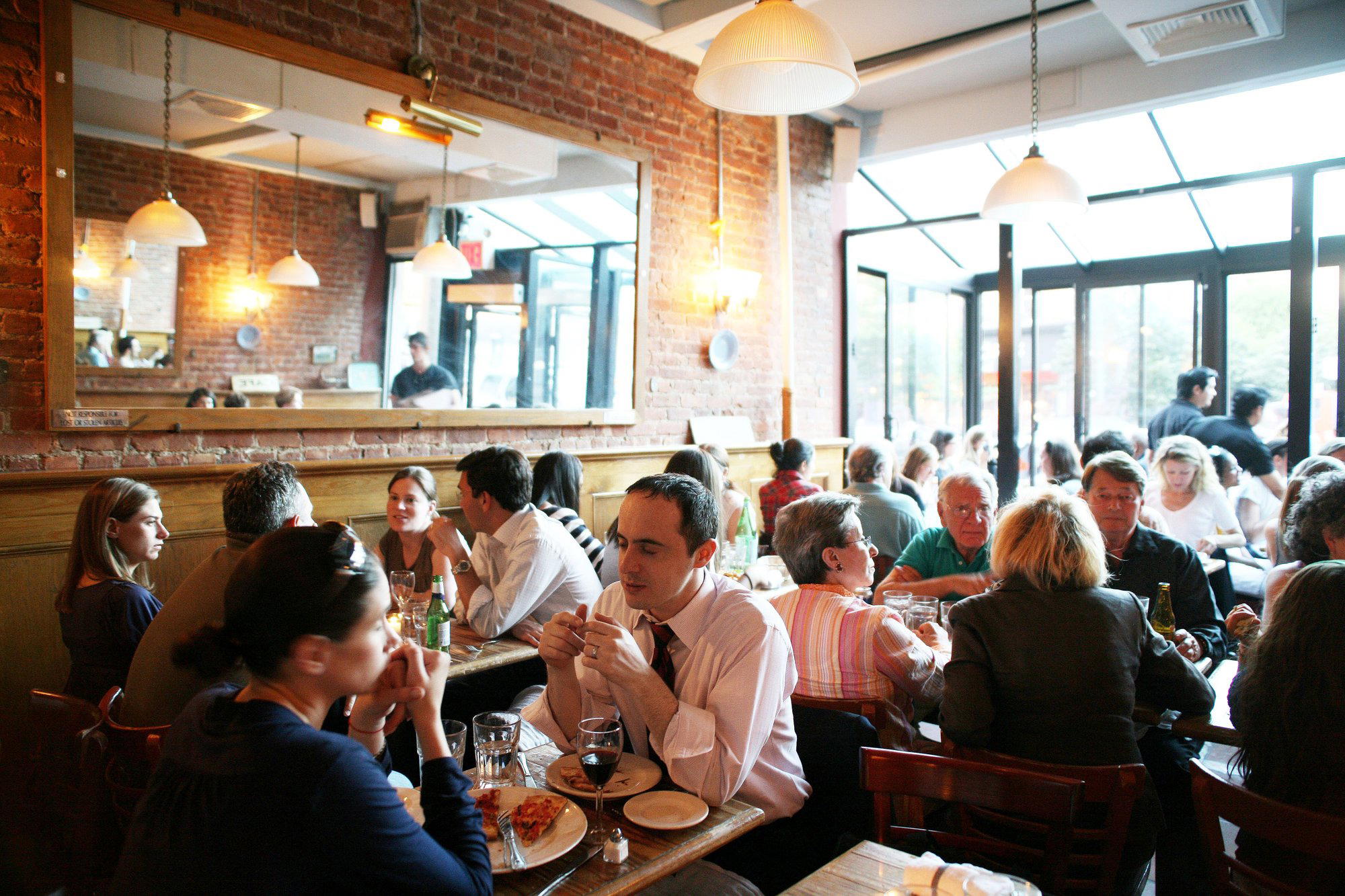
Amsterdam Avenue and the Upper West Side Dining Argument
The Upper West Side has spent years defending its dining credibility against a downtown establishment that treats anything above 72nd Street as provincial. That argument has softened. The stretch of Amsterdam Avenue running through the low hundreds is now home to a cohort of neighbourhood restaurants that operate on entirely different terms than the tasting-menu circuit anchored at Le Bernardin, Per Se, or Eleven Madison Park. The logic here is residential rather than destination-driven: rooms fill with people who live within ten blocks, not people who flew in from Zurich.
Celeste, at 502 Amsterdam Ave, sits inside that residential logic. Its address places it between the natural rhythms of Riverside Park foot traffic and the Columbia University corridor, a stretch that generates steady, repeat custom rather than the volatile surge-and-drought cycle that plagues more tourist-adjacent Manhattan addresses. In a city where dining rooms from Masa to Atomix compete on spectacle and scarcity, a restaurant that earns its keep from the same neighbourhood returning week after week is operating under a different kind of pressure entirely.
What the Location Tells You Before You Sit Down
Upper West Side dining rooms tend toward the unhurried. The neighbourhood's demographic mix, families, academics, long-term Manhattan residents who have no interest in trending, produces a room temperature that downtown spots rarely achieve. There is no performance of being seen here. The pressure that runs through a Friday night at a Flatiron or NoMad address, where every table feels aware of being observed, dissipates somewhere around 96th Street.
For Celeste, this means the experience is shaped by context before the food arrives. The room on Amsterdam Avenue exists in a part of the city where the sidewalk outside moves at a different pace than the Meatpacking District or the West Village. That context is not incidental, it is the primary frame through which to understand what the restaurant is doing and for whom. Neighbourhood restaurants of this type are the connective tissue of any serious dining city. They are what Smyth in Chicago, Frasca Food & Wine in Boulder, and Lazy Bear in San Francisco each demonstrate in their own markets: that serious food does not require a destination-dining apparatus to justify itself.
The Upper West Side comparable set
Placing Celeste in its competitive context requires mapping the neighbourhood rather than the city. Amsterdam Avenue between roughly 86th and 110th streets supports a range of restaurants that draw primarily on local loyalty. These are not the rooms where critics from national publications keep standing reservations, and that is partly why they sustain. The review cycle that can make or break a downtown opening in its first month has far less influence here. Rooms either earn their neighbourhood or they do not, and that verdict is delivered over quarters rather than opening weekends.
In that context, Celeste competes for the same diners as the better Italian trattorias, the more considered wine bars, and the handful of Spanish and Mediterranean addresses that have found stable footing in the same zip code. The comparison set is local and specific rather than city-wide, which changes how value and quality register. A room that would read as mid-tier in Tribeca reads differently when it consistently fills on a Tuesday in November because the people two blocks away trust it.
That trust is the hardest thing to build in New York dining, and the Upper West Side rewards restaurants that earn it. The neighbourhood has seen enough openings depart that its regulars are not easily impressed by concept alone. Restaurants that survive here, like Blue Hill at Stone Barns in Tarrytown demonstrates in a different outer-borough register, do so by being genuinely useful to the lives of the people nearby, not by chasing a media moment.
Thinking About the Broader Context
Any restaurant on this stretch of Amsterdam Avenue benefits from a neighbourhood that has sustained serious food culture without requiring the city's critical apparatus to validate it. The Upper West Side's dining identity has always been slightly independent of the downtown critical consensus, and that independence has produced a more durable local scene than many trendier corridors. Addresses here tend to outlast their downtown counterparts because the customer base is less influenced by the half-life of a Yelp cycle or an Instagram algorithm.
That dynamic is worth understanding before booking. The restaurants that have found their footing on Amsterdam and Columbus avenues are not trying to be Providence in Los Angeles or Single Thread Farm in Healdsburg or The French Laundry in Napa. They are trying to be the place you return to, and in a city where novelty is the dominant currency, that is a more unusual ambition than it sounds. Italian restaurants in this part of the Upper West Side often operate in a similar vein to Dal Pescatore in Runate or Atelier Moessmer Norbert Niederkofler in Brunico in one respect: they derive authority from consistency and place rather than from award cycles or media coverage.
Addison in San Diego, Emeril's in New Orleans, and The Inn at Little Washington, each of which represents a distinct model for how a restaurant builds authority over time outside the immediate Manhattan critical circuit.
A Quick Peer Check
Comparable venues nearby, for context on price, style, and recognition.
| Venue | Cuisine | Price | Notes |
|---|---|---|---|
| CelesteThis venue — the venue you are viewing | Authentic Italian Trattoria & Neapolitan Pizza | $$ | Not listed |
| Pappardella | Classic Tuscan Italian | $$ | Upper West Side (Central) |
| Nizza | Ligurian Italian Trattoria | $$ | Hell's Kitchen |
| Le Fanfare | Modern Sardinian-Inspired Italian | $$ | Greenpoint |
| Numero 28 Pizzeria | Neapolitan Pizza | $$ | West Village |
| Lil' Frankie's | Neapolitan Pizza and Pasta | $$ | East Village |
Continue exploring
More in New York City
Restaurants in New York City
Browse all →
Bars in New York City
Browse all →
Hotels in New York City
Browse all →





At a Glance
- Cozy
- Classic
- Rustic
- Intimate
- Casual Hangout
- Date Night
- Group Dining
- Standalone
- Organic
Current opening hours
- Monday
- 4:30–9:30 PM
- Tuesday
- 4:30–9:30 PM
- Wednesday
- 4:30–9:30 PM
- Thursday
- 4:30–9:30 PM
- Friday
- 4:30–10 PM
- Saturday
- 12–3 PM, 4:30–10 PM
- Sunday
- 12–3 PM, 4:30–9:30 PM
Hours can change for holidays and private events. Last verified .
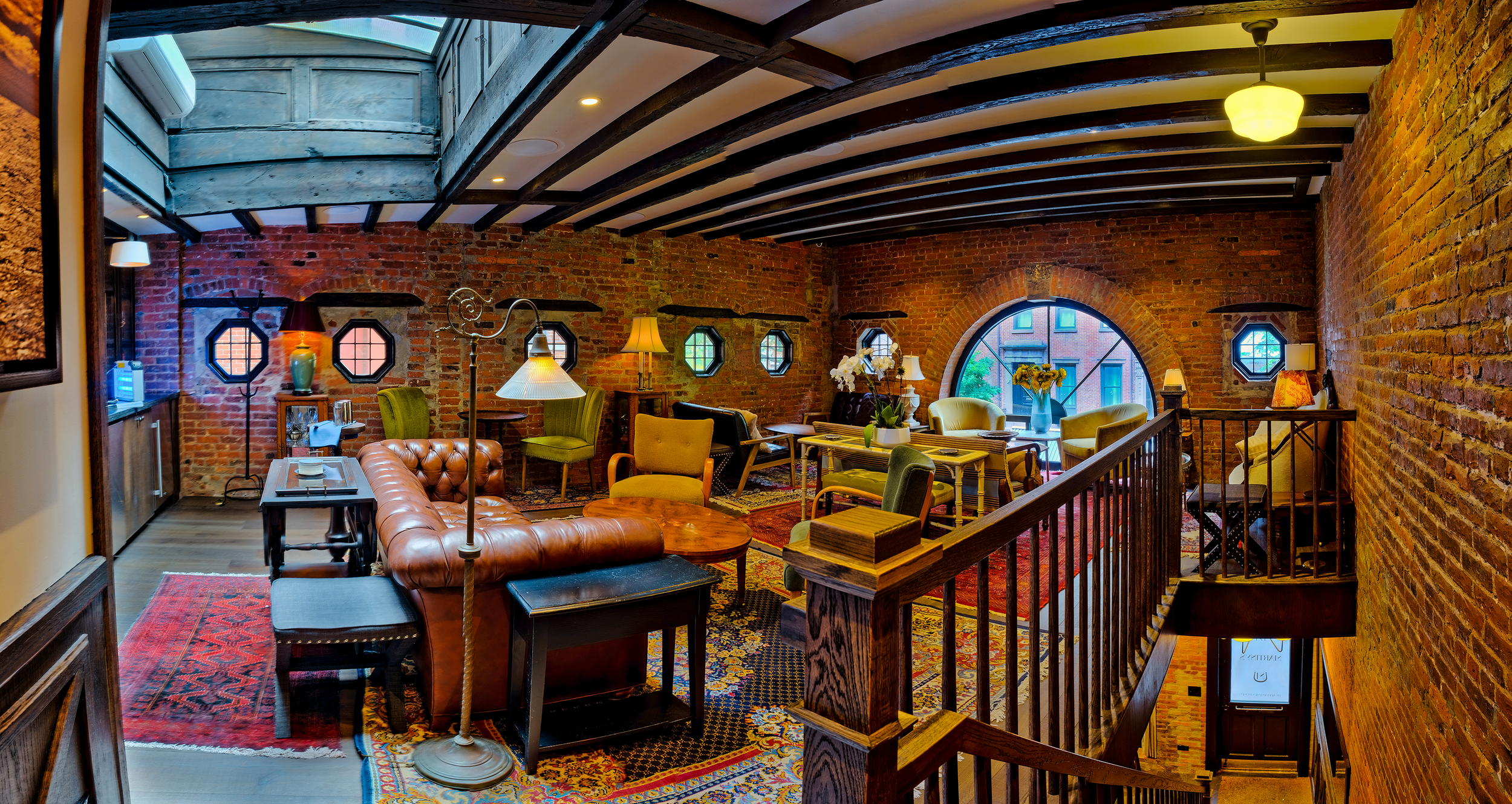
Cozy brick-walled room with warm, unpretentious neighborhood atmosphere; busy during lunch and dinner service with intimate, homestyle Italian ambiance.