
Cattlea puts Tokyo’s bakery culture into its most compact form: a counter-only bread and sandwich shop in Morishita with prices under JPY 999 and a place on Tabelog 100 Bread Tokyo 2022. The draw is not a dining room but a physical rhythm: commuters, takeout service, and curry bread released in timed batches rather than plated ceremony.
Pearl is the En Primeur Club membership app — saves, bookings, and concierge access live there. Same editors, same standards.
- Address
- 1 Chome-6-10 Morishita, Koto City, Tokyo 135-0004, Japan
- Phone
- +81 3-3635-1464
- Website
- tabelog.com
 Saves & bookings on Pearl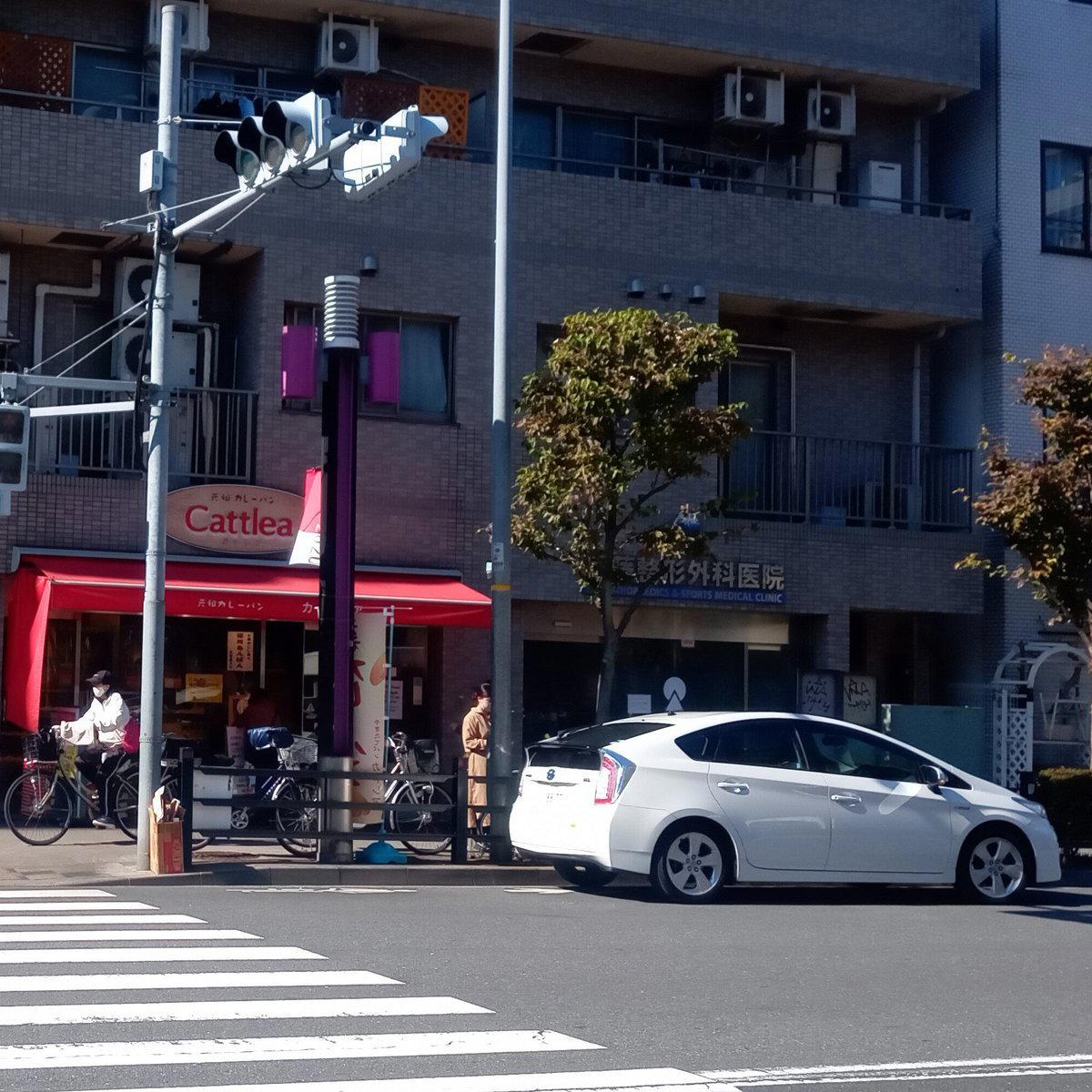
Morishita gives this bakery its natural stage: not a destination dining room, but a street-level counter built for motion. The experience is architectural before culinary: no seated pause, tasting-menu pacing, or lingering over wine. The shopfront compresses the exchange into minutes: choose, pay, leave with bread carrying the logic of the morning bake. In Tokyo, that format matters. Bread culture here is less grand boulangerie theatre than small shops woven into station routines, office breaks, school runs, and neighbourhood errands.
Cattlea sits inside that tradition with unusual clarity. Its category is bread and sandwich, its service is takeout, and its format is over-the-counter sales only. It is closer to Tokyo’s daily-use food infrastructure than the city’s reservation-led restaurant economy. The price band, under JPY 999, reinforces the point: an awarded bakery at snack-and-breakfast scale, not a luxury counter using scarcity as its main language.
A counter-only bakery shaped by Tokyo's station rhythm
Tokyo often makes serious food feel casual. Some of the city’s strongest eating happens in spaces built for throughput: ramen counters, depachika stalls, standing bars, station bakeries, and compact curry shops. The container changes the critical lens. In a counter-only bakery, design is expressed through efficiency, product visibility, and handling demand without turning a visit into performance.
Cattlea’s room tells that story. With no private rooms and no seated service, the shop belongs to a narrower, more practical category than Tokyo’s restaurant counters. Its appeal is the frictionless transaction: bread as an everyday purchase, judged by timing, turnover, and consistency. Tabelog selected it for Tabelog 100 Bread Tokyo 2022, a useful signal because bakery recognition in Tokyo tends to reward repeat local traffic as much as destination attention. A score of 3.75 places it in a serious bracket for a modest-format shop.
Morishita matters. Koto’s eastern side has a different pace from Ginza, Aoyama, or Ebisu, rewarding businesses that serve neighbourhood life rather than destination spectacle. Nearby station access makes the bakery a short stop, not a planned afternoon. For readers mapping the city, it belongs on a different itinerary from central Tokyo’s extended dining appointments, closer to the everyday circuits that explain how the city actually eats.
That contrast helps when planning a Tokyo food day. A counter bakery like this sits opposite higher-spend meals such as 12/10 Shinjuku ten, yakitori-focused rooms like 124. KAGURAZAKA (Yakitori), or seafood and charcoal formats such as . 鮪と炭火焼き うお炭 秋葉原店. It is not competing with those meals. It fills a sharper role: a low-cost, high-turnover bakery stop to anchor a morning or break up a day between larger reservations.
Curry bread as a bakery object, not restaurant theatre
Curry bread occupies a specific place in Japanese bakery culture. It moves the comfort grammar of curry rice into a handheld, portable form, usually sold from bakery cases rather than restaurant kitchens. The distinction matters. The form depends on timing and texture, but it is also convenience food: quick to buy, easy to carry, and priced for repetition.
Cattlea’s public reputation is tied to curry bread, and the shop lists estimated baking times across the day, including a later afternoon timing on Fridays and Saturdays. That is logistical intelligence rather than romance. Where the product depends on batch timing, arrival matters more than table choice. Morning remains the safer window for demand-sensitive items, especially at a shop with no reservations and a takeout-only setup.
The design-and-space angle returns here. A seated restaurant can soften shortages with menus, courses, and service pacing. A compact bakery cannot. Its offer is exposed: what is on the counter, what has just come out, what has sold through. That exposure appeals to experienced Tokyo diners, removing ceremony and leaving the product cycle visible.
For curry-focused context, compare a bakery curry bread stop with full curry-room dining such as 3 Chome no Curry Ya San or regional curry addresses like [Curry Senmon Ten] Maruyama Kyoju. in Sapporo. The food category may overlap, but the format does not. One is counter purchase and movement; the other is a meal structure. Tokyo rewards knowing the difference.
The broader city has visual and concept-led café stops, including 2D Cafe, but Morishita’s bakery grammar is less about spectacle than use. That makes it valuable for travellers seeking a practical read on the city’s food habits rather than another designed photo stop.
How to fit it into a Tokyo day
The strongest use case is a morning or early-afternoon stop built around nearby transit and low commitment. Prices under JPY 999 keep the decision easy, while the no-reservation format means planning around timing rather than booking. Payment is more restrictive than many central Tokyo venues: cards, electronic money, and QR code payments are not accepted, so cash is the sensible default.
Think of it as a precision stop rather than a meal replacement. It can sit before a longer lunch, between museum or neighbourhood walks, or as a takeout purchase before crossing town. For a wider Tokyo plan, use Our full Tokyo restaurants guide for dining structure, Our full Tokyo hotels guide for base decisions, Our full Tokyo bars guide for evening pacing, Our full Tokyo wineries guide for wine-focused addresses, and Our full Tokyo experiences guide for cultural planning around the city.
Travellers building a Japan-wide food itinerary can read this format against other compact or specialist stops: -Grilled beef Sukiyaki- KAMAKURA TANUKIAN 鎌倉 たぬき庵 in Kamakura.cafe in Osaka.know in Kumamoto, (Shoku) Vietnam in Kawasaki, and [ki:] in Kyoto. For Japanese food culture outside Japan, Jōdo Saké Bar in Los Angeles and Onigiri Time in Pasadena show how portable formats translate differently abroad.
Cattlea’s editorial value is not that it asks for a detour on glamour terms. It explains a quieter Tokyo truth: some meaningful food addresses are small physical systems. Counter, batch, cash, station, repeat. Read that correctly, and the visit becomes less about chasing a famous item than understanding how a neighbourhood bakery earns authority one timed tray at a time.
Where It Fits
Comparable venues side-by-side for orientation.
| Venue | Cuisine | Price | Notes |
|---|---|---|---|
| CattleaThis venue — the venue you are viewing | Historic Japanese Bakery & Curry Bread Specialist | $ | Not listed |
| kalala | Japanese-style curry & cafe | $ | Shinjuku |
| Verde | Traditional Japanese kissaten & cafe | $ | Shibuya |
| M Size | Neighborhood bakery | $ | Meguro |
| Ginyu Shijin | Neighborhood Japanese boulangerie | $ | Suginami |
| L'Atelier du pain | Artisanal Japanese-French bakery & café | $ | Minato |
Recognition history
Dated appearances from independent guides and award organizations, with the underlying list record or original source where available.
Tabelog 100 #4 · No. 4
Tabelog · Tabelog 100 - Bread - TOKYO - 2022








At a Glance
- Classic
- Well Known
- Solo
- Family
- Casual Hangout
- After Work
- Historic Building
- Standalone
Current opening hours
- Monday
- Closed
- Tuesday
- 7:30 AM–6:30 PM
- Wednesday
- 7:30 AM–6:30 PM
- Thursday
- 7:30 AM–6:30 PM
- Friday
- 7:30 AM–6:30 PM
- Saturday
- 7:30 AM–6:30 PM
- Sunday
- Closed
Hours can change for holidays and private events. Last verified .
Old-school neighborhood bakery with over-the-counter service only, a simple and functional interior focused on bread displays rather than seating, giving a nostalgic, everyday-local feel rather than a designed cafe atmosphere.