
La Bagatelle is the weekday bistro arm of La Chaumière in Dole, run by a chef whose resume spans Plaza Athénée, Clos des Sens, and Bastide Saint-Antoine. The menu is precise and generous, built around seasonal pairings like duck breast with roasted figs or soft-yolked egg with mushrooms in their own frothy jus. On weekends, the space converts fully to fine dining.
Pearl is the En Primeur Club membership app — saves, bookings, and concierge access live there. Same editors, same standards.
- Address
- 346 avenue du Maréchal-Juin
- Phone
- +33 3 84 70 72 40
- Website
- lachaumiere-dole.fr
- Directions
- Get directions
 Saves & bookings on Pearl
A Shared Space, a Different Register
In France, the relationship between a fine dining room and its more accessible sibling is often uneasy: the second format either feels like a concession or a distraction. At La Bagatelle, the arrangement is more considered. The bistro occupies the same contemporary space as La Chaumière, Dole's fine dining address, from Monday through Friday. On weekends, La Chaumière takes over entirely with its single set menu, and La Bagatelle simply steps aside. That kind of scheduling discipline is unusual and worth noting: it means neither format is compromising the other, and the kitchen is not trying to serve two masters simultaneously.
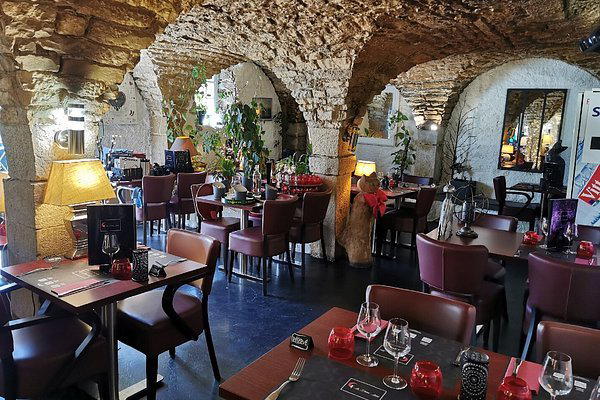
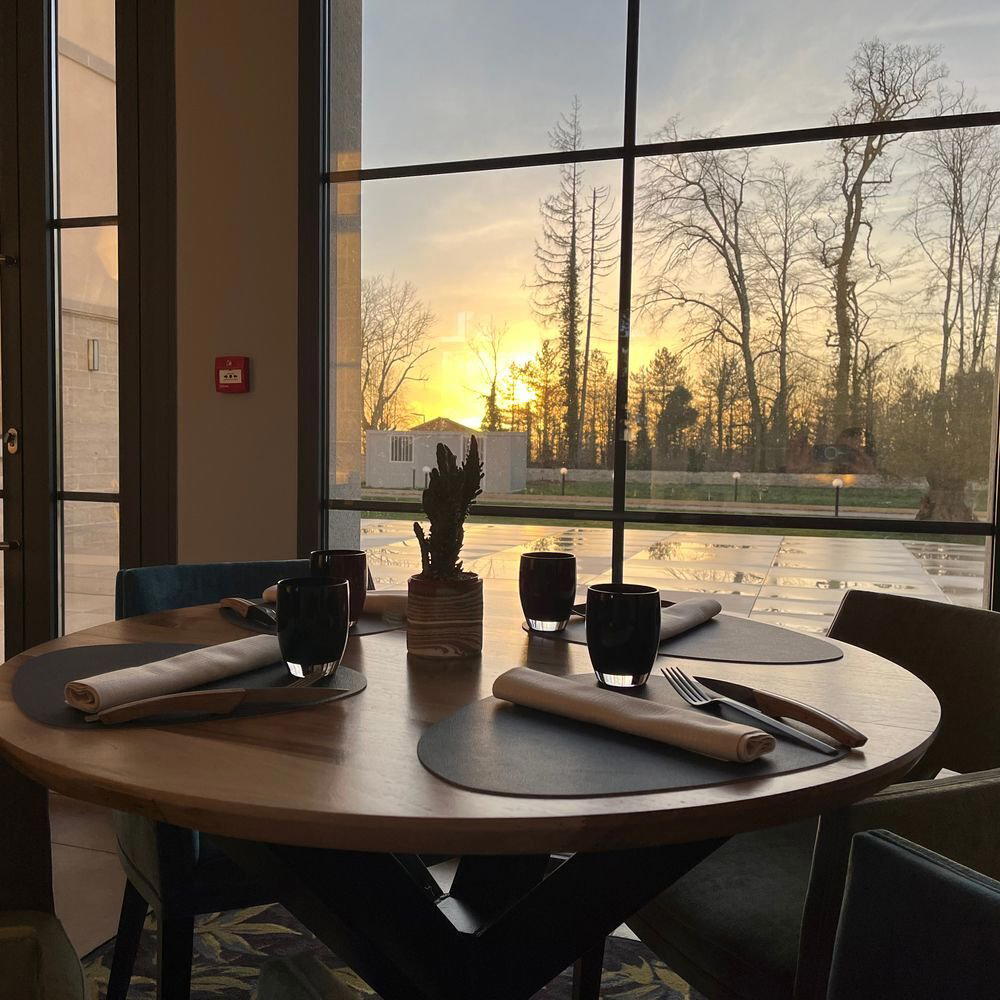
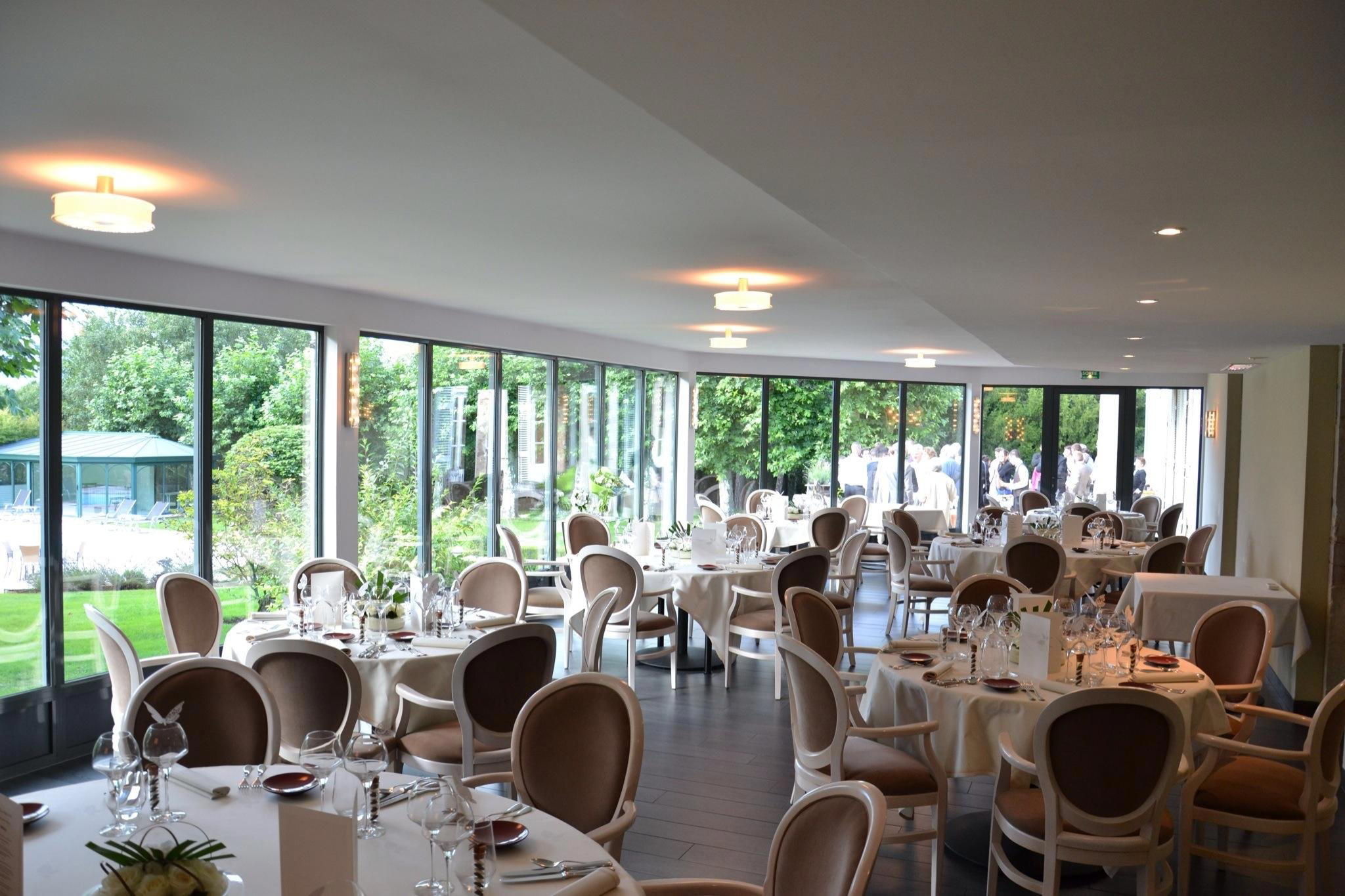
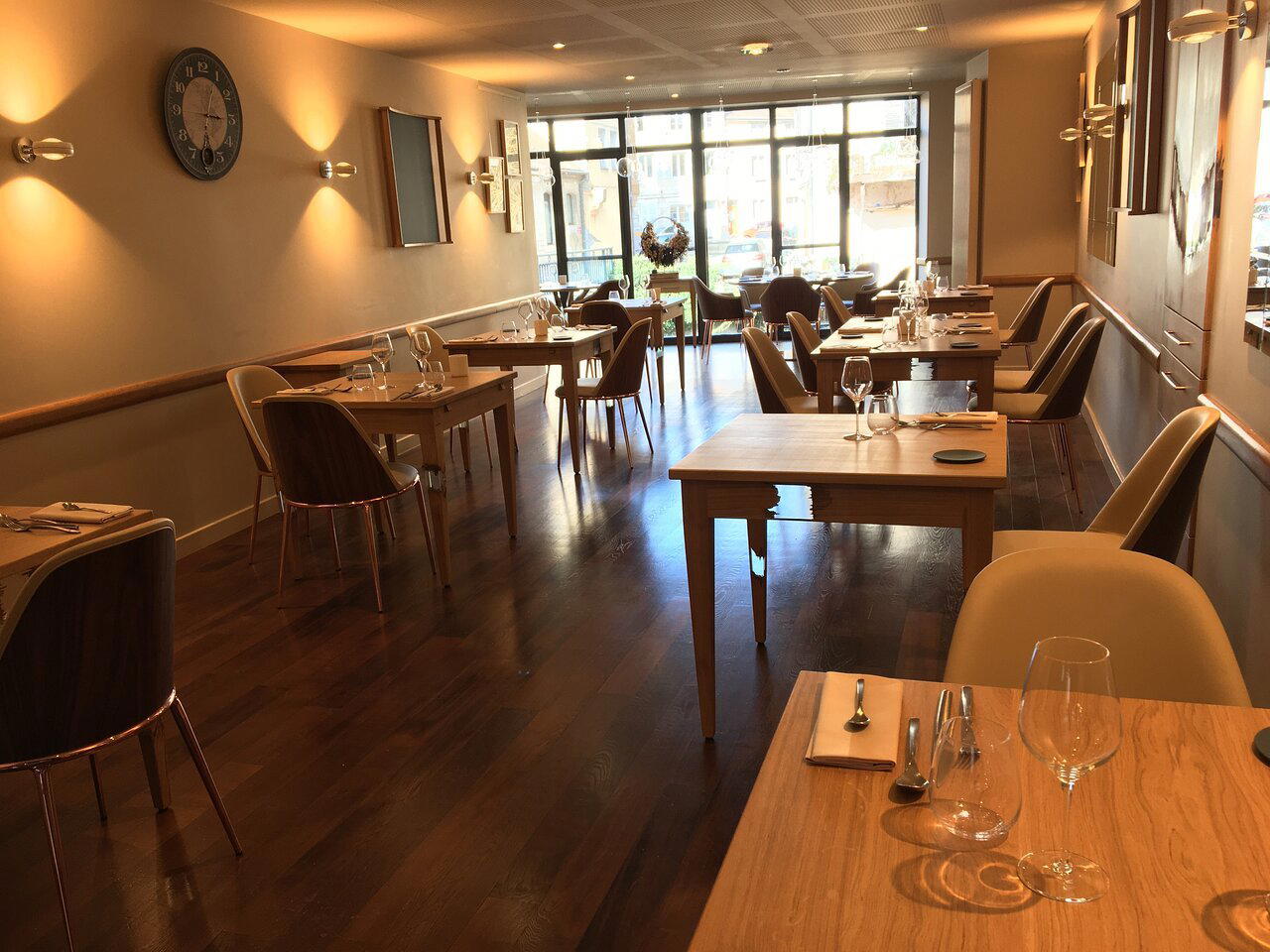
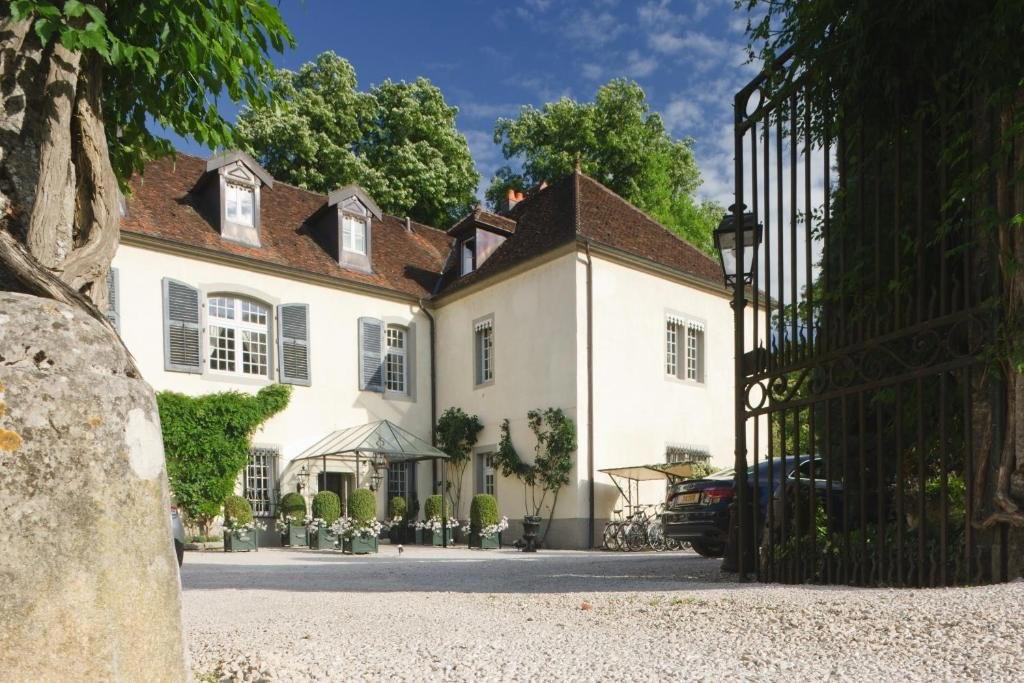
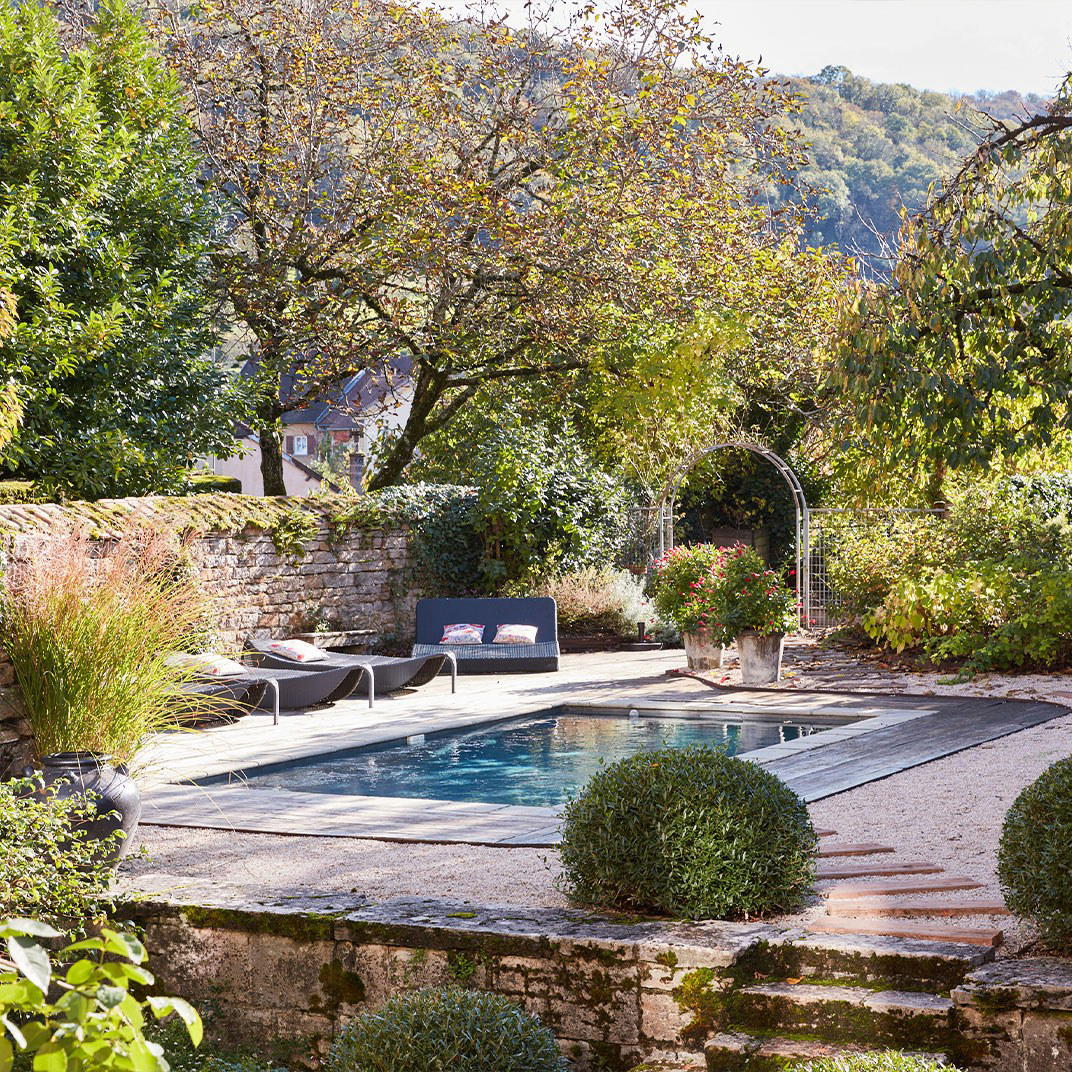
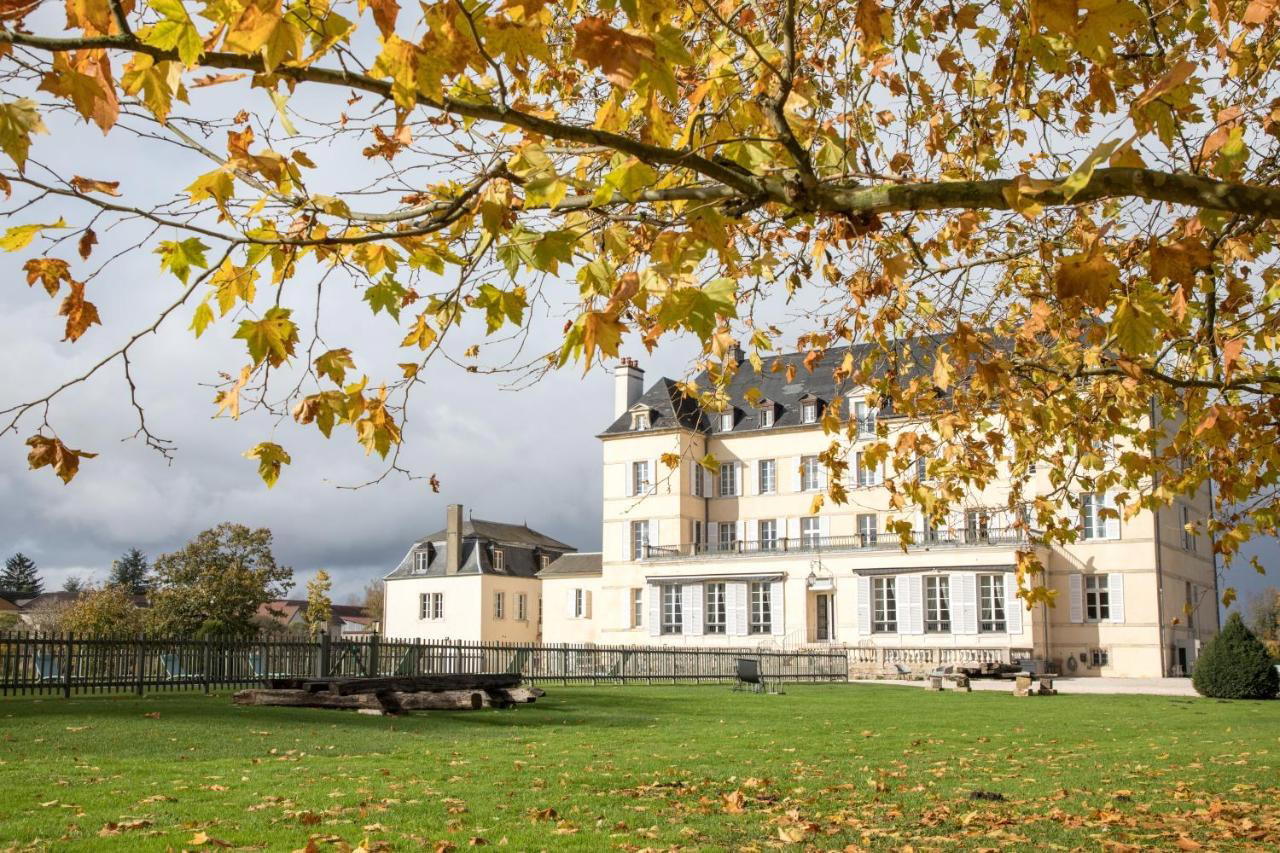
The dining room itself is contemporary rather than folkloric. There is no deliberate rusticity here, no exposed stonework deployed to signal authenticity. The space reads as a working environment for serious cooking, which is consistent with what arrives on the plate. On days when the weather holds, tables move outside to a terrace that faces the garden, and the rhythm of the meal changes accordingly. That shift, from enclosed dining room to open-air service, is one of those details that reflects how deeply seasonal thinking runs through French provincial cooking at this level.
What the Kitchen Is Actually Doing
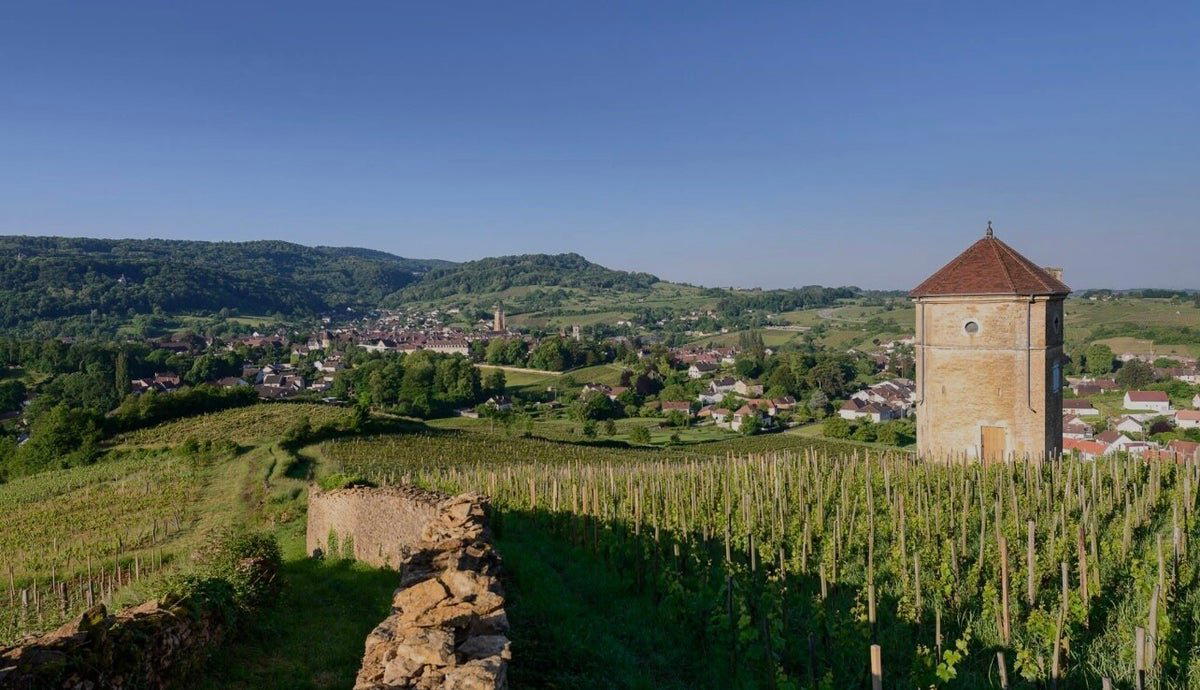
The broader context for La Bagatelle's cooking is the Jura, a region whose food culture tends to be discussed mainly through its wines and cheeses but whose kitchen traditions are at least as interesting. This is terrain where the natural larder is dense: forests that produce mushrooms in quantity, farms supplying duck, pork, and poultry, and a seasonal rhythm that shapes menus more reliably than any trend imported from Paris. At a bistro connected to a kitchen with Laurent Barberot's training background, those raw materials become the point rather than the backdrop.
Described dishes are instructive. A soft-yolked egg served with mushrooms simmered in their own frothy jus is not a complicated construction, but it asks the kitchen to understand its ingredients precisely: the timing on the egg, the depth of flavour in the jus, the balance between fat and acidity. Duck breast with roasted figs and butternut squash is a seasonal pairing that positions the kitchen firmly in autumn produce, where the sweetness of both fig and squash requires a slightly leaner, more focused hand with the duck to avoid the plate becoming heavy. These are not dishes built around technique for its own sake. They are built around produce that sets the terms, and the kitchen's job is to respect those terms.
That approach connects La Bagatelle to a broader pattern in French provincial bistro cooking, where the most serious addresses function as ingredient-driven operations with high technical standards rather than simplified versions of their fine dining counterparts. The distinction matters. Compare this tier to something like Grain de Sel, Dole's other modern cuisine address at the €€ level, and the differentiation becomes clearer: La Bagatelle operates with a kitchen pedigree that places it in a different competitive conversation, even if the pricing overlaps at the bistro level.
Barberot's training references are the kind that travel. Plaza Athénée in Paris is one of the most formally demanding kitchens in France, a house where technique is treated as infrastructure rather than decoration. Clos des Sens in Annecy is a Michelin-recognised address where Alpine produce and seasonal discipline are the operating principles. Bastide Saint-Antoine in Grasse brings a Provençal rigour to the same conversation. Taken together, these kitchens represent a consistent lineage: French classical technique applied to regional produce with restraint and precision.
That lineage is what separates La Bagatelle from most bistro formats operating in smaller French cities. It is also why the comparison with celebrated French kitchens elsewhere is relevant as context rather than hyperbole. The cooking at Flocons de Sel in Megève, Bras in Laguiole, or Auberge de l'Ill in Illhaeusern all share this same foundational conviction: that French regional produce, treated with enough technical seriousness, does not need to justify itself by reference to Paris. La Bagatelle, operating at a bistro register rather than the three-star tier, is making a similar argument on a smaller scale and a more accessible price point.
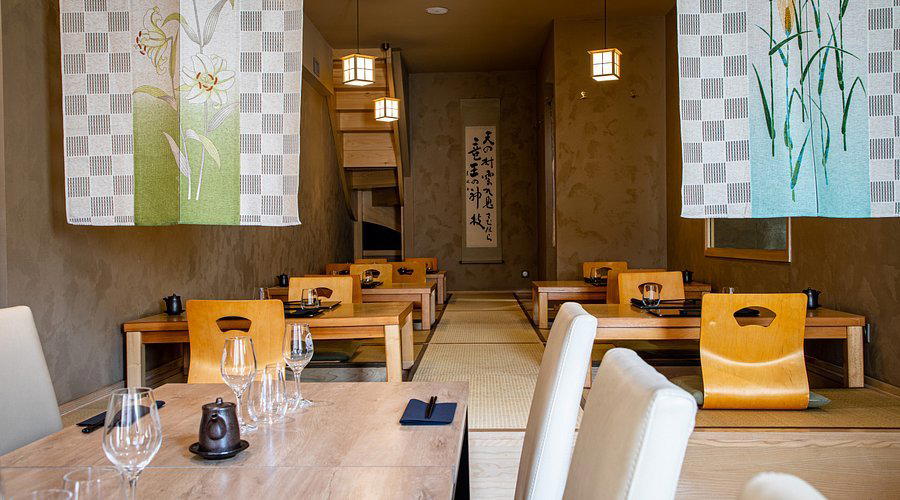
The fine dining room on weekends, La Chaumière, sits at the top of Dole's restaurant range. La Bagatelle's weekday format occupies a deliberately different position: accessible enough to be a regular lunch address, technically serious enough to be worth travelling to. That combination is rarer than it should be in French provincial cooking, where the middle ground between casual and formal often produces food that hedges its bets. For regional context, Dole's dining scene also includes Iida-Ya for Japanese, but La Bagatelle sits in a category by itself as the serious weekday bistro attached to the city's most formal address.
Planning the Visit
La Bagatelle operates on the weekday schedule, Monday through Friday, sharing its space at 346 avenue du Maréchal-Juin with La Chaumière. Weekend visits shift to the fine dining format and the single set menu, which is a different experience and a different budget. For those coming from outside Dole, the city connects well to Dijon and Besançon by road and rail, placing it within reach as a lunch stop on a broader Jura or Burgundy itinerary. On warm days, the terrace is the obvious choice; the garden-facing aspect makes the midday service particularly good in spring and early autumn.
For a fuller picture of eating and drinking in the area, see our full Dole restaurants guide, our Dole bars guide, our Dole wineries guide, our Dole hotels guide, and our Dole experiences guide.
Among France's broader fine dining geography, La Bagatelle's affiliated fine dining room sits in the same provincial-serious category as Troisgros in Ouches, Mirazur in Menton, and at the institutional level, Paul Bocuse in Collonges-au-Mont-d'Or. For Paris comparisons, Alléno Paris au Pavillon Ledoyen represents the metropolitan end of the same classical tradition that shaped Barberot's training. Internationally, Le Bernardin in New York, AM par Alexandre Mazzia in Marseille, and Emeril's in New Orleans all operate in the space where serious technique meets regional identity, which is the same argument La Bagatelle is making, at its own scale, in the Jura.
How La Bagatelle Dole compares with similar nearby venues.
| Venue | Cuisine | Price | Awards |
|---|---|---|---|
| La Bagatelle | Not listed | Not listed | 2026 MICHELIN Plate - La Bagatelle |
| La Chaumière | Creative | €€€€ | Not listed |
| Grain de Sel | Modern Cuisine | €€ | Not listed |
| Iida-Ya | Japanese | €€ | Not listed |
Recognition history
Dated appearances from independent guides and award organizations, with the underlying list record or original source where available.
Michelin Plate
Michelin · 2026 Michelin Plate

At a Glance
- Elegant
- Sophisticated
- Cozy
- Modern
- Date Night
- Special Occasion
- Celebration
- Terrace
- Garden
- Open Kitchen
- Sommelier Led
- Farm To Table
- Organic
- Biodynamic
- Local Sourcing
- Garden
Contemporary, stylish dining room with modern décor; cosy garden terrace on sunny days; relaxed yet elegant atmosphere with casually dressed staff in polo shirts and aprons.
Know Before You Go
- Getting there
- 346 avenue du Maréchal-Juin