.png)
Adjacent to the Château de Proméry on the southern edge of Annecy, Le Clos du Château holds a Michelin Plate (2024) and 17 years of local ownership under Pascal Avertis. The kitchen moves between rooted Savoyard cooking and more technical preparations without forcing the contrast, and at the €€ price tier, it represents one of the more considered options in the Haute-Savoie dining scene.
 Discover on Pearl
Pearl is the En Primeur Club membership app — saves, bookings, and concierge access live there. Same editors, same standards.
- Address
- 70 Rte de Cuvat, 74370 Pringy, France
- Phone
- +33 4 50 66 82 23
- Website
- le-clos-du-chateau.com
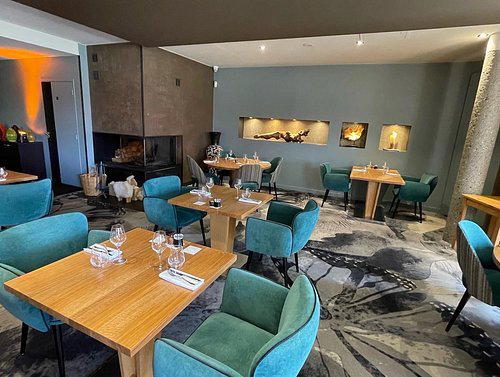
Plane Trees, Stone Walls, and the Savoyard Table
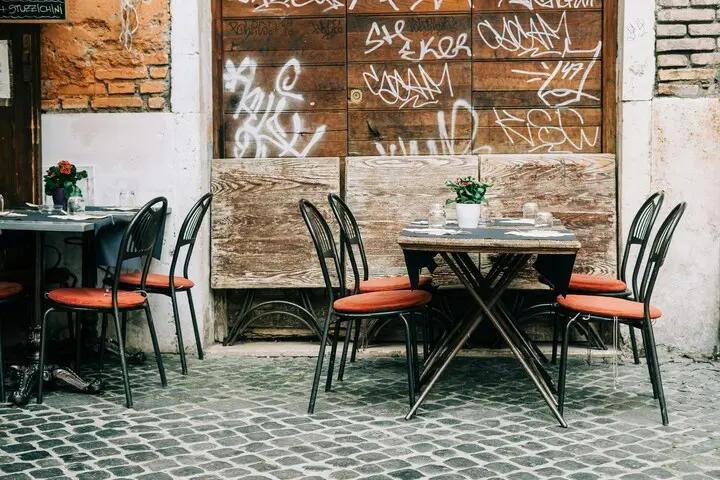
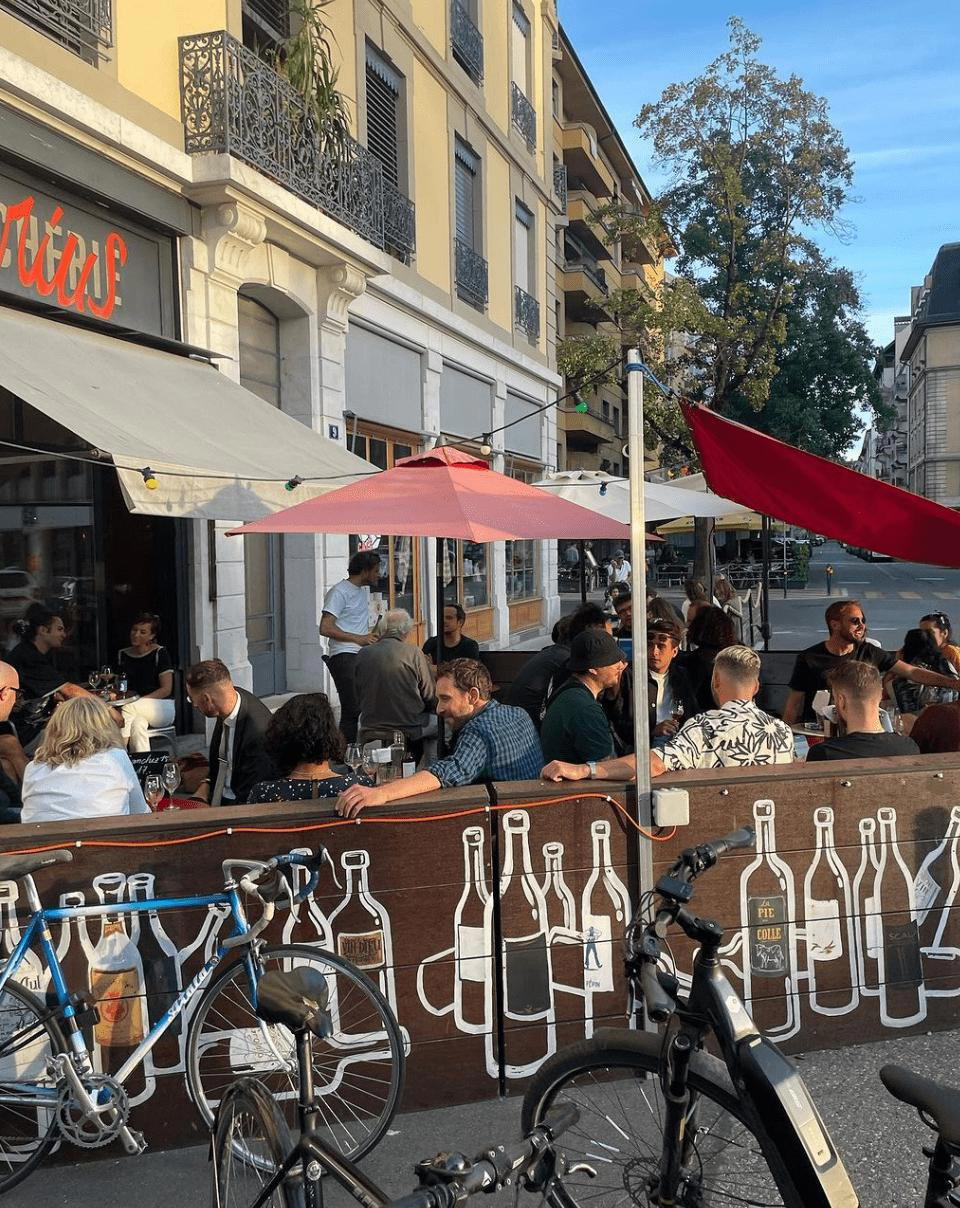
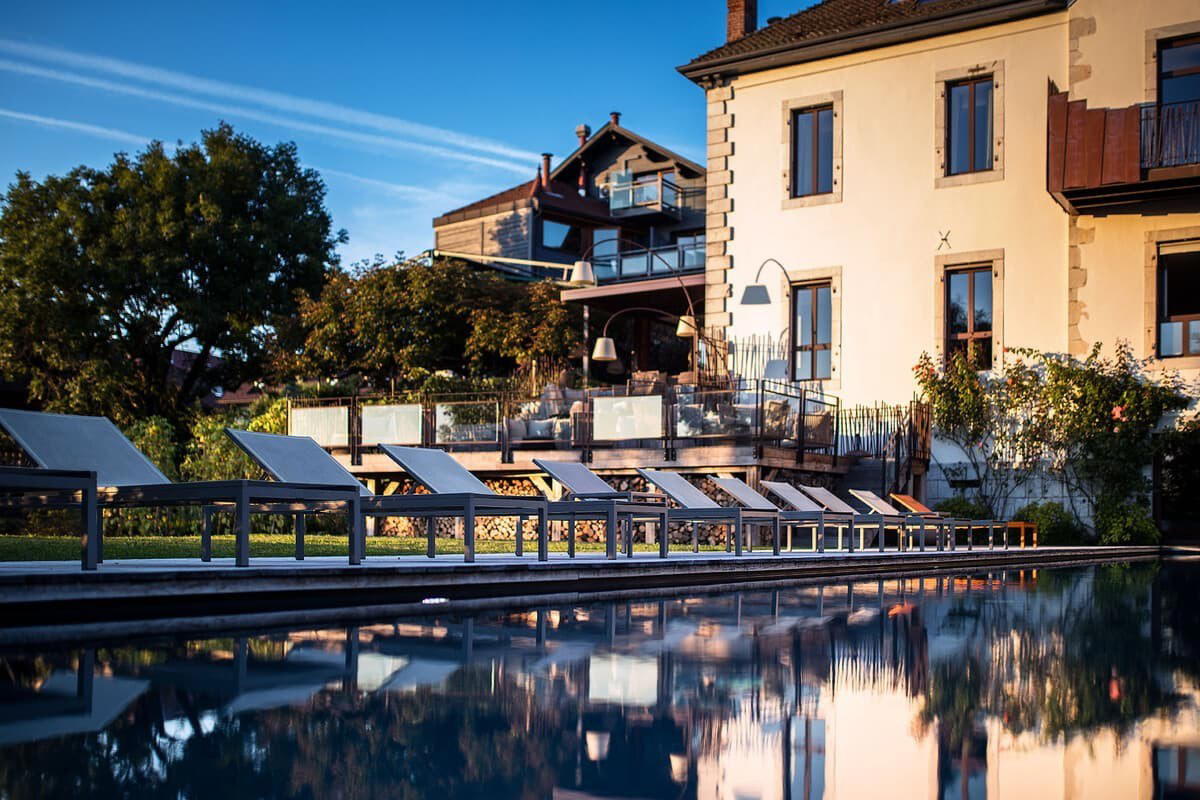
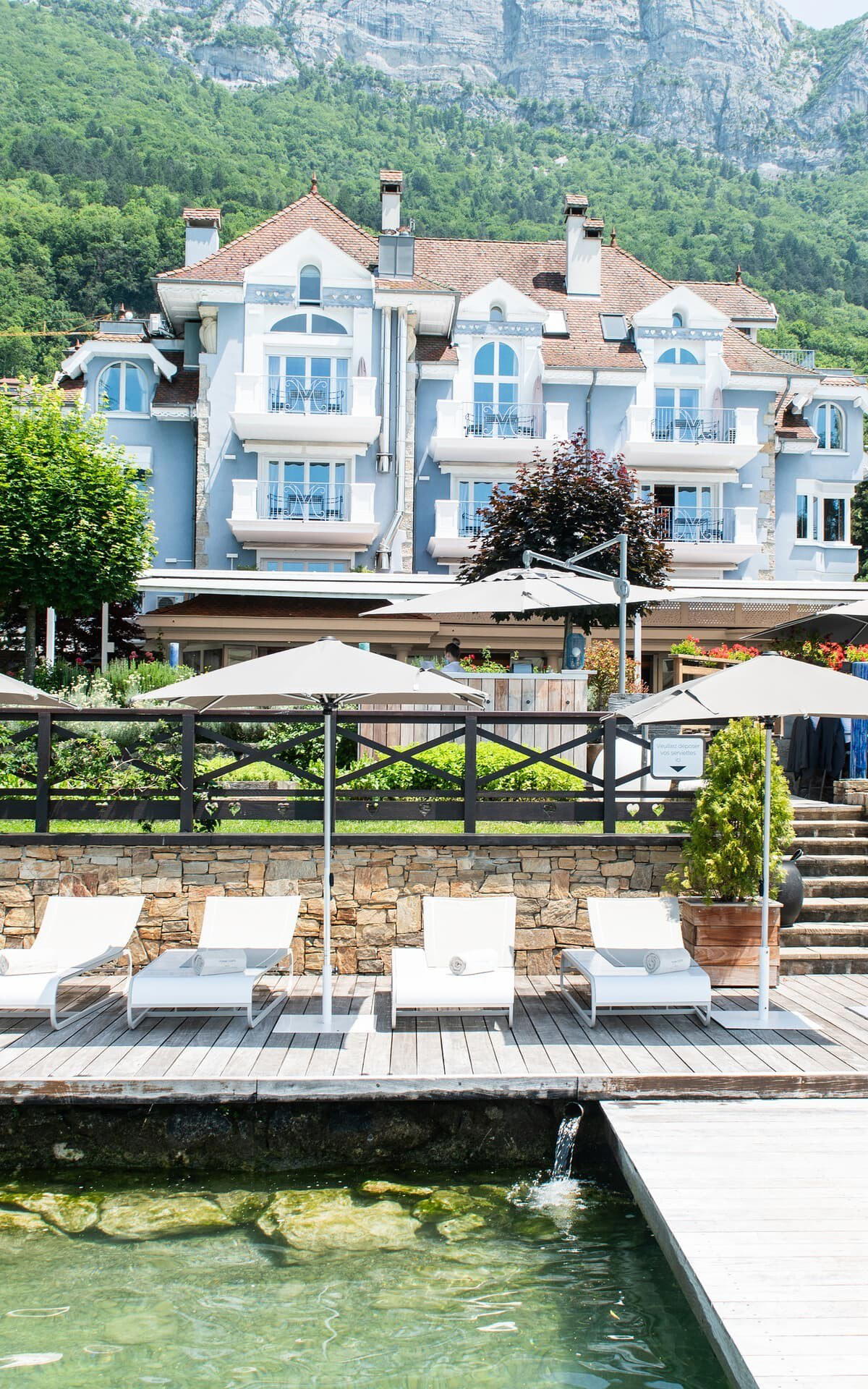
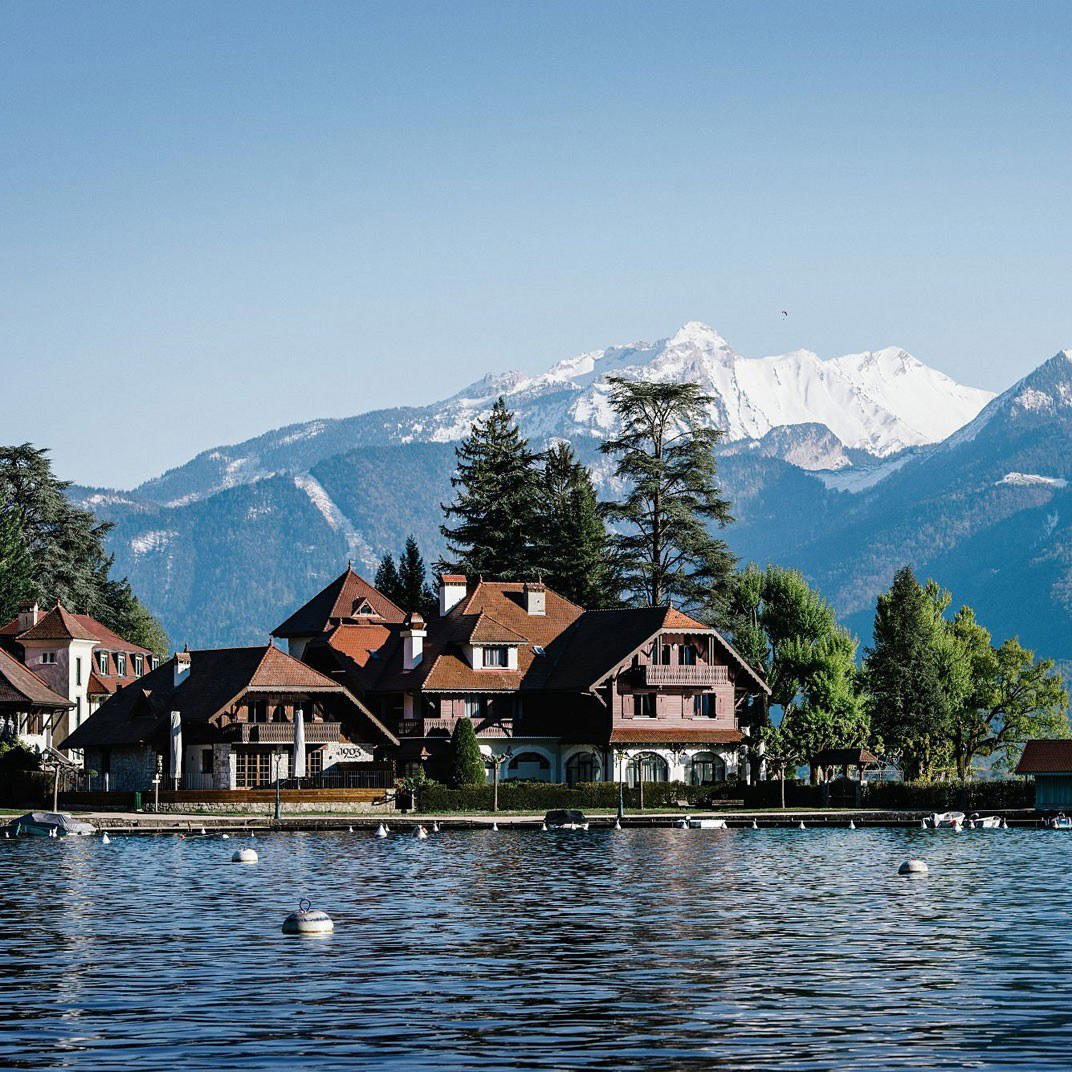
The approach to Le Clos du Château sets a particular tone. The building sits adjacent to the Château de Proméry in Pringy, a village just south of Annecy, and the architecture, contemporary in form, imposing in scale, reads as a deliberate counterpoint to the medieval stonework beside it. In summer, most guests end up on the terrace, under the shade of plane trees, which is where the restaurant's character becomes clearest: this is a place that belongs to its immediate geography rather than reaching beyond it.
That rootedness matters more than it might seem at first. Haute-Savoie has a culinary tradition built on altitude, seasonality, and ingredient provenance, with producers scattered across the valleys between Annecy and the Mont Blanc massif. The leading kitchens in the region treat those supply chains as a starting point for the menu, not a marketing footnote.
Where the Ingredients Come From, and Why It Shows
Haute-Savoie's ingredient map is unusually compressed. Mondeuse, the tannic, mineral red grape grown across the Savoie appellation, grows within an hour's drive of Pringy. Dairy farms supplying Reblochon and Abondance cheese operate at elevations above 1,000 metres. River fish from the Fier and the lac d'Annecy reach local kitchens quickly enough to matter in terms of texture and flavour. This density of local production is the substrate on which a chef like Pascal Avertis, a native of the village who has run this kitchen for 17 years, has built a menu that moves between the traditional and the technical without the two registers feeling disconnected.
The braised chuck preparation listed under the kitchen's more classical output comes with a Mondeuse sauce, which is the sort of dish that only works as well as the wine behind it. Using a local appellation grape in a braise rather than a more internationally recognisable variety is a quiet statement about sourcing priorities. The potato croquettes served alongside, paired with a home-made ketchup, extend that same logic into the condiment, making in-house what another kitchen might source industrially. These are the details that distinguish a kitchen operating with genuine conviction from one assembling competent plates.
The more contemporary preparations shift the sourcing picture outward without abandoning it. A leek and nori maki with Thai vinaigrette and smoked caviar pulls ingredients from further afield, but the structural approach, using Japanese maki format as a wrapper for French and Southeast Asian references, reflects the kind of cross-cultural fluency that has become standard in contemporary European kitchens working at this level. The Michelin Plate recognition in 2024 positions the restaurant as a kitchen the guide's inspectors consider worth eating at, even if it sits below the starred tier occupied by restaurants like Flocons de Sel in Megève or, further afield, Mirazur in Menton.
The Price Tier and What It Implies
At the €€€ level, Le Clos du Château operates in a price range where the competition is broad and the margin for distinguishing a genuinely considered kitchen from a competent but ordinary one is narrow. The Google review score of 4.8 across 1,032 reviews is a signal worth reading carefully: that volume of responses, at that score, suggests consistent execution over time rather than a spike of early enthusiasm. In the Michelin Plate category specifically, the distinction is between kitchens that have been noted for quality cooking and those that have not been noted at all, it is not a consolation prize but a positive inclusion.
For comparison, the €€€€ end of French modern cuisine, represented by houses like Alléno Paris au Pavillon Ledoyen or Assiette Champenoise in Reims, operates with ingredient budgets, kitchen brigades, and sourcing logistics that are structurally different. The interesting question for a kitchen at the €€ level is whether the sourcing philosophy survives the budget constraint. Here, the use of Mondeuse in a classical braise and the home-made condiments suggest it does, at least in the dishes that have been documented.
The regional context also worth noting: Haute-Savoie sits within a French alpine corridor that includes some of France's most produce-rich terrain, from mountain-pasture dairy to lake fish to wild herbs at elevation.
Planning a Visit
Le Clos du Château is located at 70 Route de Cuvat, 74370 Pringy, with the Château de Proméry as the most reliable landmark for orientation. Pringy sits immediately south of Annecy, making it accessible from the city centre without requiring significant travel time. Given the terrace and the plane-tree setting, timing a visit for summer service makes structural sense, this is a restaurant whose physical environment is part of the offer, and the terrace is where that environment is most present. For visitors building a broader itinerary around the area, the surrounding region offers a full range of options.
For those using this visit as part of a wider circuit of French regional cooking, the comparative frame shifts depending on direction. North toward Lyon, the tradition runs through classic bistro cuisine and houses like Paul Bocuse's Auberge du Pont de Collonges. East toward the French Alps and into Switzerland, the register changes toward mountain produce and altitude cooking. Further afield, the comparison set extends to France's most technically ambitious regional kitchens: Bras in Laguiole, Auberge de l'Ill in Illhaeusern, and Auberge du Vieux Puits in Fontjoncouse. At the international level, modern cuisine operating in a similar register of classical technique and creative extension can be found at Frantzén in Stockholm and FZN by Björn Frantzén in Dubai, though the price and format context differs substantially. For southern France, AM par Alexandre Mazzia in Marseille and Au Crocodile in Strasbourg represent other points on the map of French modern cooking. And for the full regional complement of Rhône-Alpes dining, Troisgros in Ouches remains the most instructive reference point for understanding where the tradition came from.
At-a-Glance Comparison
Comparable venues nearby, for context on price, style, and recognition.
| Venue | Cuisine | Price | Awards | Notes |
|---|---|---|---|---|
| Le Clos du ChâteauThis venue — the venue you are viewing | Modern French Bistro | $$$ | Michelin Plate | |
| Vintage by Juno | French Bistro with Extensive Wine List | $$$ | 1 recognition | Pringy |
| Million | Classic French Bistro | $$$ | Michelin Plate | centre-ville |
| Auberge de Grilly | Modern French Fine Dining | $$$ | Michelin Plate | Grilly |
| Breizh Café Megève | Modern Breton Crêperie | $$$ | Michelin Plate | village center |
| L'Escoubille | Modern French Brasserie | $$$ | Michelin Plate | Saint-Alban-Leysse |
Continue exploring
More in Pringy
Restaurants in Pringy
Browse all →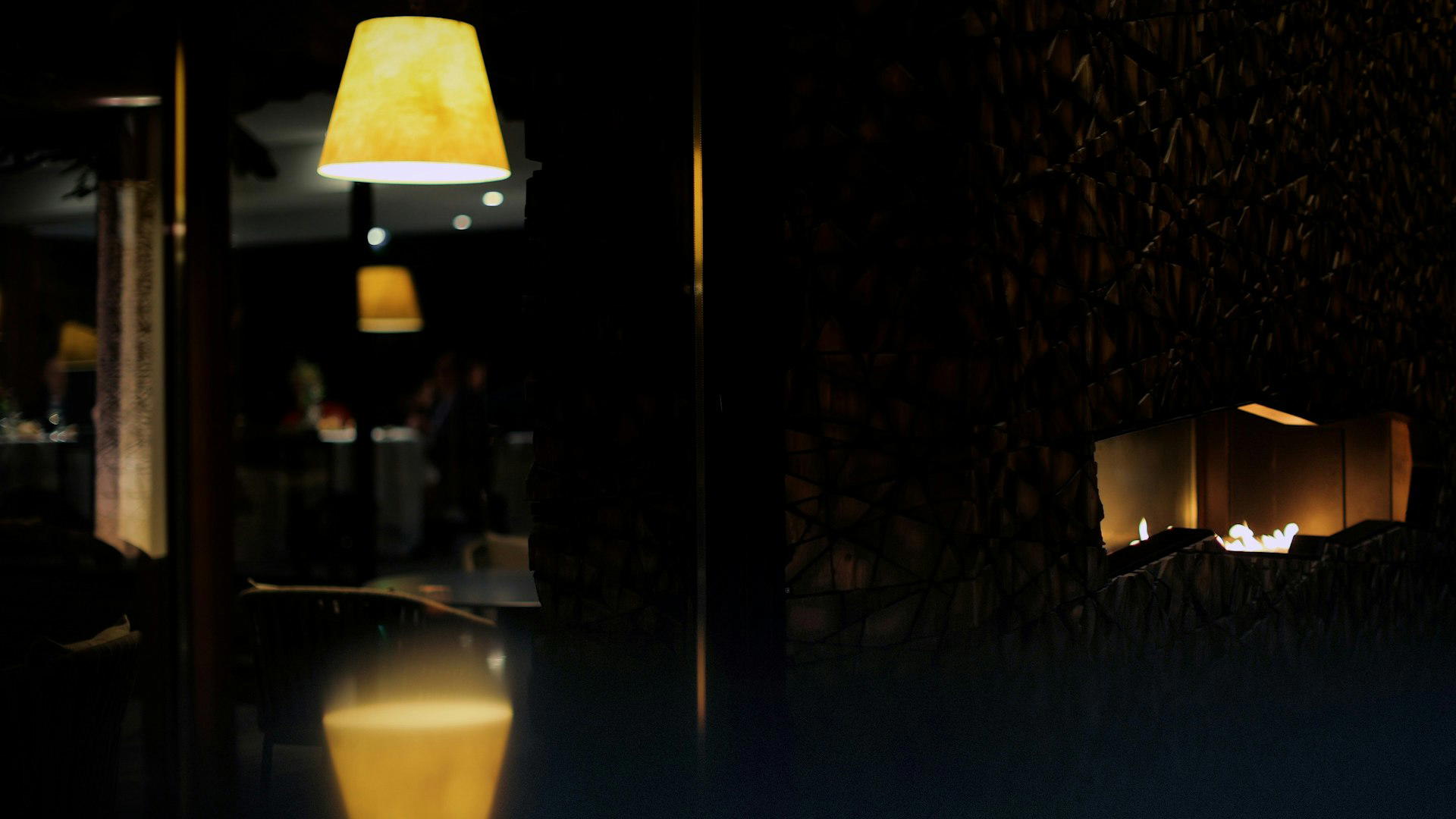
At a Glance
- Elegant
- Intimate
- Cozy
- Sophisticated
- Date Night
- Special Occasion
- Business Dinner
- Terrace
- Private Dining
- Historic Building
- Extensive Wine List
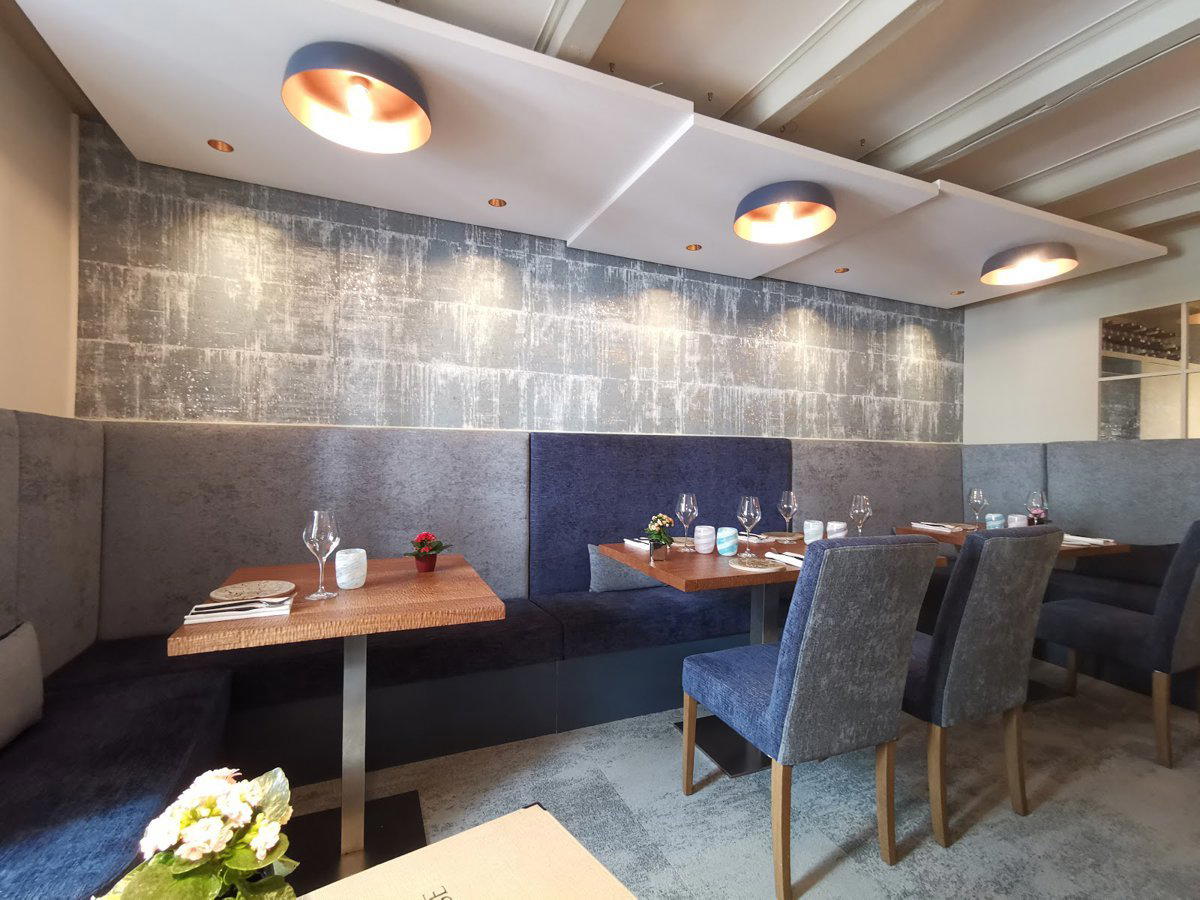
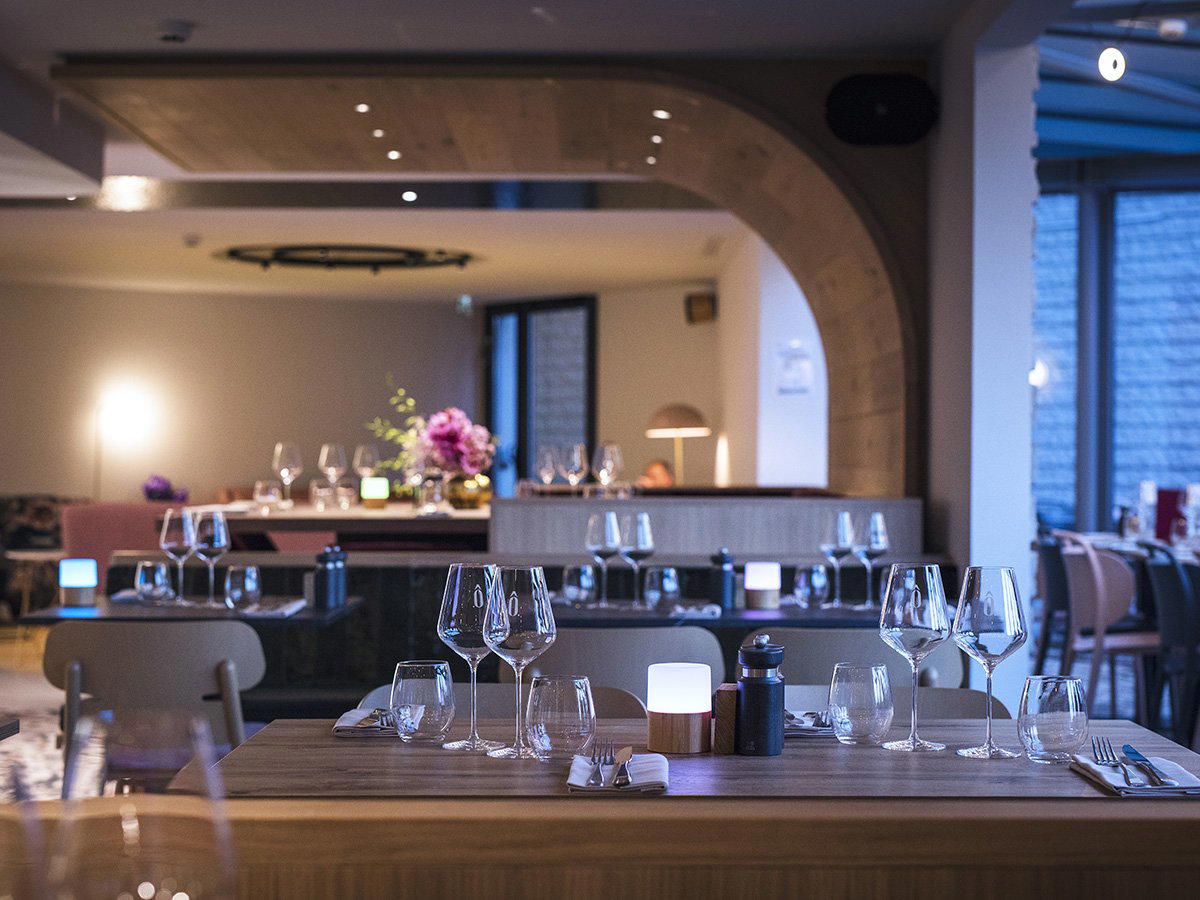
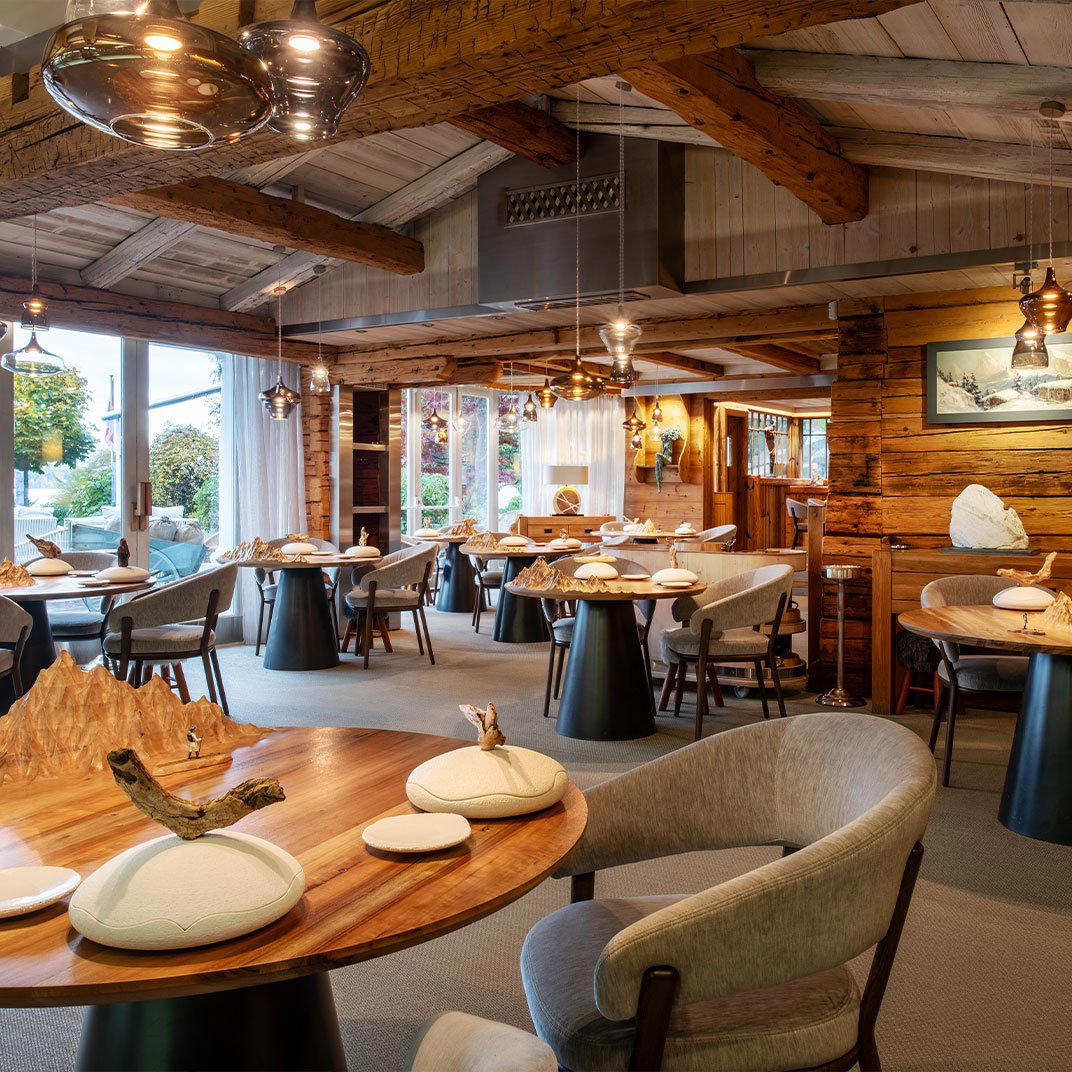
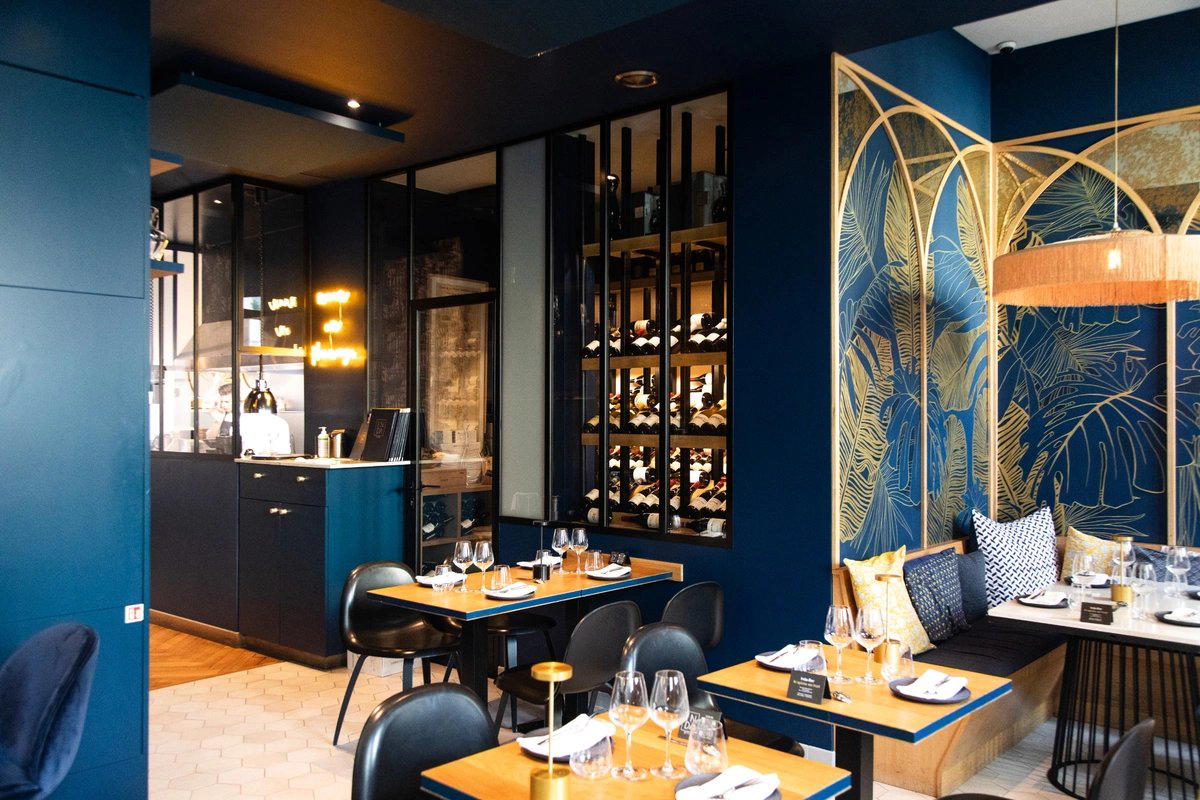
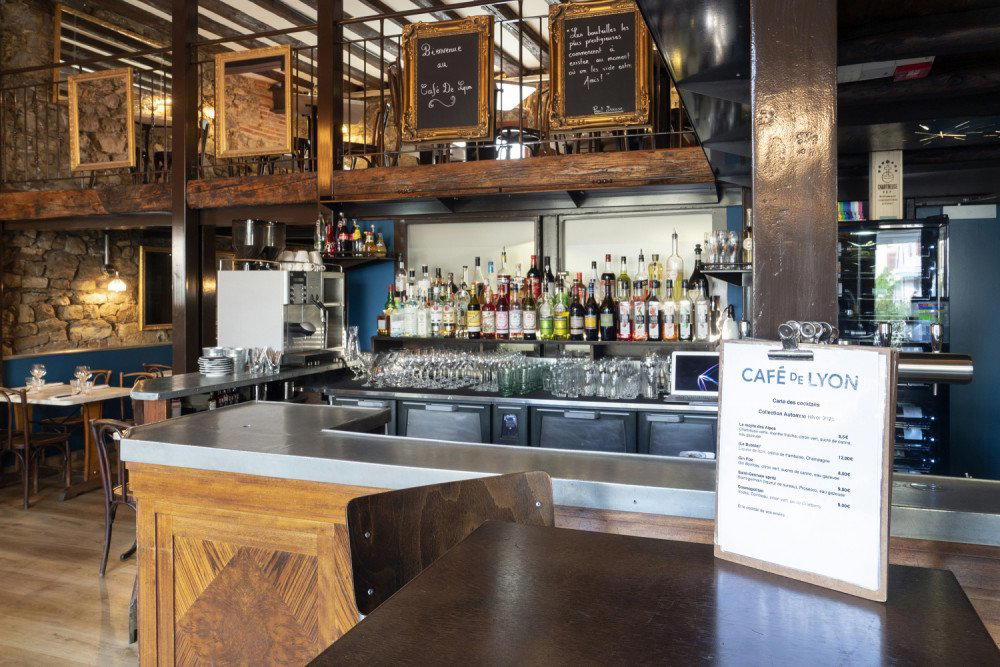
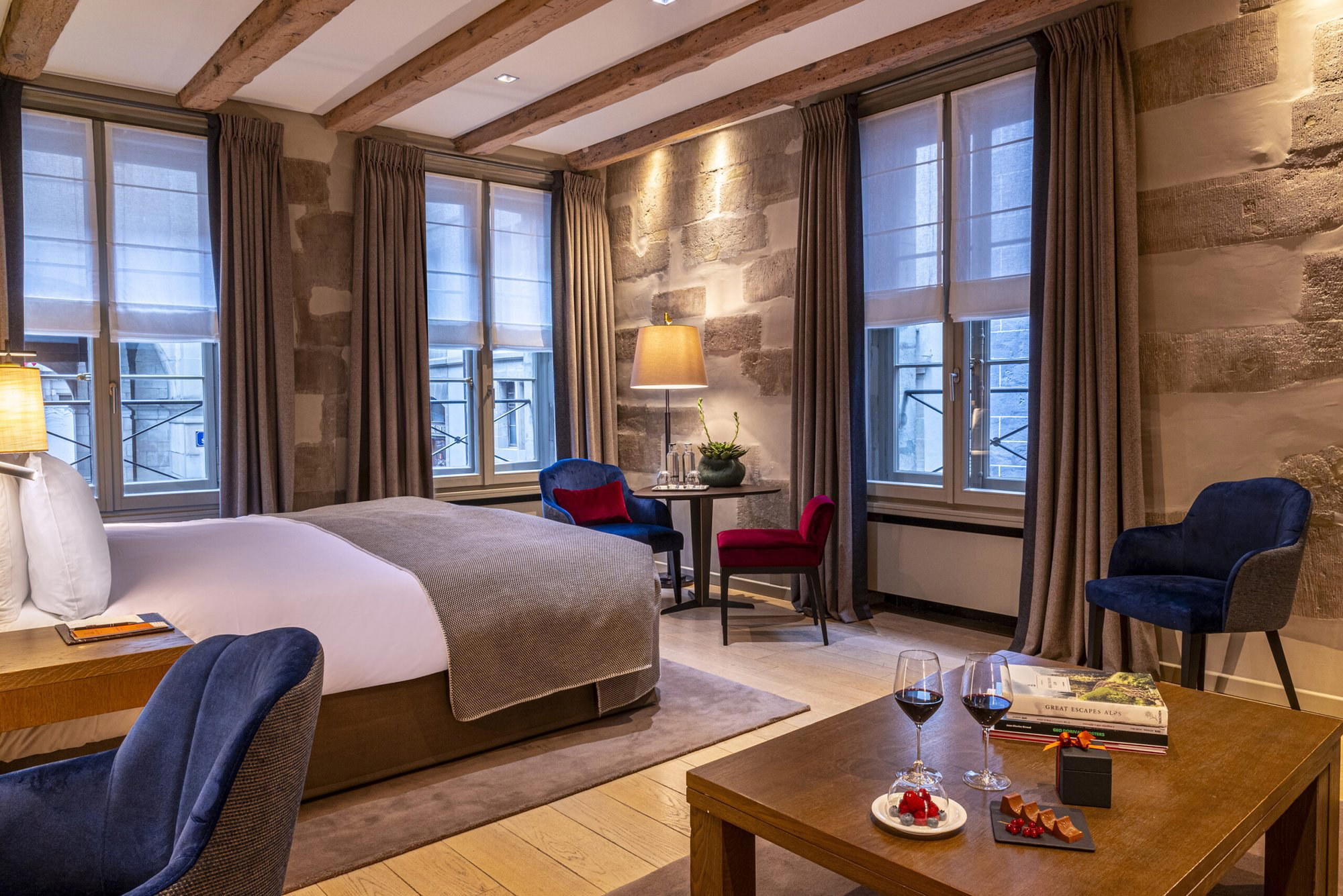
Intimate and feutrée atmosphere with fireplace, glassed wine cellar, and cozy chalet-inspired elements in private salons.