Caspian Kabob
Caspian Kabob serves Persian kabobs in Germantown, with Kubideh Kabob, Chicken Kabob, and Lamb Kabob for casual lunch or dinner plans.
Pearl is the En Primeur Club membership app — saves, bookings, and concierge access live there. Same editors, same standards.
- Address
- 19911 Frederick Rd C, Germantown, MD 20876
- Phone
- +12406860000
- Website
- caspiankabob.com
- Directions
- Get directions
 Saves & bookings on Pearl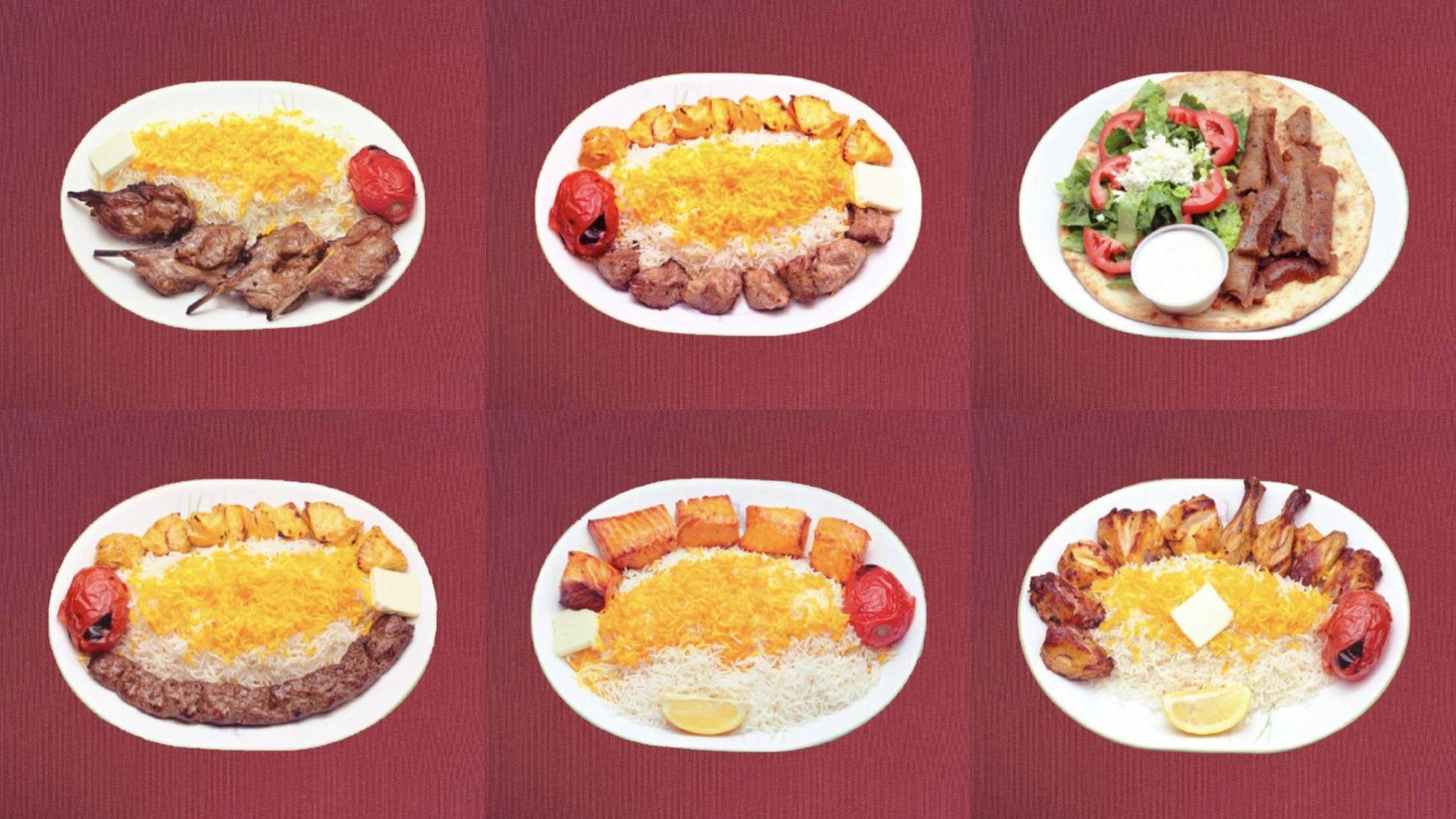
Persian Kabob Tradition in Suburban Maryland
Frederick Road in Germantown runs through one of Montgomery County's most ethnically layered commercial corridors, where Iranian, South Asian, and Latin American restaurants share strip-mall real estate within a few miles of each other. It is precisely this kind of suburban setting that has quietly become the more reliable home for authentic Persian cooking in the United States than any high-concept urban interpretation. Caspian Kabob, at 19911 Frederick Road, sits within that pattern: a community-anchored spot where the cooking connects to Persian culinary traditions rather than adapting them for a broader audience.
Persian kabob culture is worth understanding on its own terms before considering any individual restaurant. In Iran, grilling meat over open flame is not a simplified technique but a precise one, demanding particular cuts, specific marinades typically built on onion, saffron, and sometimes yogurt, and a calibrated approach to heat and timing. Koobideh, the ground-meat kabob seasoned and pressed onto flat skewers, requires a cook to manage texture and fat content so the meat stays cohesive over flame without drying out. Barg, the fillet version, depends on the quality of the cut and the restraint of the marinade. These are not dishes where complexity hides on the plate; they succeed or fail on execution of fundamentals.
What the Menu Represents
Persian kabob restaurants in the mid-Atlantic corridor tend to organize their menus around a core set of proteins that mirror the Tehran tradition: koobideh (ground lamb or beef), joojeh (saffron-marinated chicken), barg (beef fillet), and occasionally shish combinations that mix proteins. Rice is the structural partner, typically served as chelow, the long-grain basmati cooked with the goal of a crisp bottom crust called tahdig. Accompaniments tend toward grilled tomato, fresh herbs, and flatbread rather than elaborate saucing, because the Persian kitchen positions restraint in garnish as a form of respect for the quality of the main protein.
That framing matters when assessing what Caspian Kabob offers relative to the broader dining options in Germantown. Venues like Blue Honey Bistro and Limelight occupy different culinary registers, while spots like Picca Pollo A La Brasa and Local Lime represent the area's Latin American and Tex-Mex strands. Caspian Kabob fills a gap in that lineup by representing the Persian thread of the corridor's immigrant food culture. For a comprehensive map of the area's dining options, the full Germantown restaurants guide covers the range.
The Cultural Weight of Kabob
Within Persian food culture, the kabob has a social function that goes beyond the plate. In Iran, weekend family outings to kabob restaurants are a ritual comparable in cultural weight to Sunday lunch traditions elsewhere; the meal is a gathering mechanism as much as a feeding one. That social architecture tends to travel with diaspora communities, which is why Persian kabob restaurants in the United States, particularly in areas with sizable Iranian-American populations, often function as community anchors rather than simply dining establishments. Montgomery County, Maryland, has one of the larger Iranian-American communities on the East Coast, which creates the demand base for this kind of cooking to exist at neighborhood scale rather than only at the level of destination restaurants in major urban cores.
This is a different model from what drives fine-dining Persian interpretations in cities like New York or Los Angeles, where Persian flavors are sometimes filtered through tasting-menu formats or fusion framings. The kabob restaurant in a suburban corridor operates on volume, consistency, and community recognition rather than on critical acclaim or award cycles. It earns its standing through repeat visits from a knowledgeable local customer base rather than through the machinery of restaurant media. So do Lazy Bear in San Francisco, Providence in Los Angeles, Addison in San Diego, Single Thread Farm in Healdsburg, and Blue Hill at Stone Barns in Tarrytown. The Persian kabob house in suburban Maryland answers to a different standard: does the saffron marinade carry through the char, and does the rice arrive with its crust intact?
Neighborhood Position and the Strip-Mall Format
The strip-mall restaurant is a particular American institution that carries different meaning depending on who is doing the cooking and for whom. For immigrant-founded restaurants serving diaspora communities, the strip-mall format is not a compromise but often an economically rational choice: lower rent, ample parking, proximity to the residential and commercial zones where the target community actually lives. The Frederick Road corridor in Germantown fits that pattern, making the address on its own something close to a reliability signal rather than a detractor. A restaurant that has established itself on that corridor is typically sustaining itself on local repeat business, which in the kabob category means the cooking is meeting a standard set by a food-literate customer base with direct reference points in the source cuisine.
Dining companions familiar with Persian cooking will quickly identify whether the fundamentals are in place: the texture of the koobideh, the color and fragrance of the saffron rice, the temperature at which the bread arrives. These are the markers that matter in this category, more than decor investment or wine program depth. Nearby restaurants on the Germantown dining circuit, including Germantown Commissary, operate in entirely different culinary registers and serve different dining occasions. The kabob meal is a specific kind of gathering, typically shared, rice-anchored, and designed around conversation as much as food.
For context on how American restaurant culture more broadly handles heritage cuisines at the fine-dining tier, reference points like Atomix in New York City, Emeril's in New Orleans, The Inn at Little Washington, and Atelier Moessmer Norbert Niederkofler in Brunico illustrate the spectrum at the other end of the formality scale. Caspian Kabob occupies the opposite end: a neighborhood format where the cuisine's integrity is the proposition, not its transformation.
Planning Your Visit
Caspian Kabob is located at 19911 Frederick Road, Suite C, Germantown, MD 20876, accessible by car along the Frederick Road corridor with the parking that the strip-mall format provides. Because specific hours, phone numbers, and booking policies are not confirmed in current records, visiting during standard dinner service hours or calling ahead is advisable, particularly for groups. Persian kabob meals tend to benefit from larger parties since the format of shared starters, multiple kabob varieties, and communal rice dishes is better experienced across several orders.
Continue exploring
More in Germantown
Restaurants in Germantown
Browse all →
Bars in Germantown
Browse all →
Hotels in Germantown
Browse all →
At a Glance
- Casual
- Family
- Casual Hangout
Current opening hours
- Monday
- 11 AM–9 PM
- Tuesday
- 11 AM–9 PM
- Wednesday
- 11 AM–9 PM
- Thursday
- 11 AM–9 PM
- Friday
- 11 AM–9 PM
- Saturday
- 11 AM–9 PM
- Sunday
- 12–9 PM
Hours can change for holidays and private events. Last verified .
Casual family-friendly sit-down spot with counter service and ample seating.
Know Before You Go
- Getting there
- 19911 Frederick Rd C, Germantown, MD 20876