Casa Nova


A former poultry farm in the Penedès hills, Casa Nova holds a Michelin star and two tasting menus rooted in hyper-local production: kitchen garden, beehives, shiitake mushrooms, house-made vinegars, and a wood-fired bread tradition borrowed from Peruvian highland communities. Chef Andrés Torres frames this as living farmstead dining, and the wine cellar backs it with a depth of vintage labels that few rural restaurants at this price tier can match.
Pearl is the En Primeur Club membership app — saves, bookings, and concierge access live there. Same editors, same standards.
- Address
- Ctra. de la Bleda, 188, 08731 Sant Martí Sarroca, Barcelona, Spain
- Phone
- +34 937 43 11 70
- Website
- casanovarest.com
- Directions
- Get directions
 Saves & bookings on Pearl
A Farmstead Before It Is a Restaurant
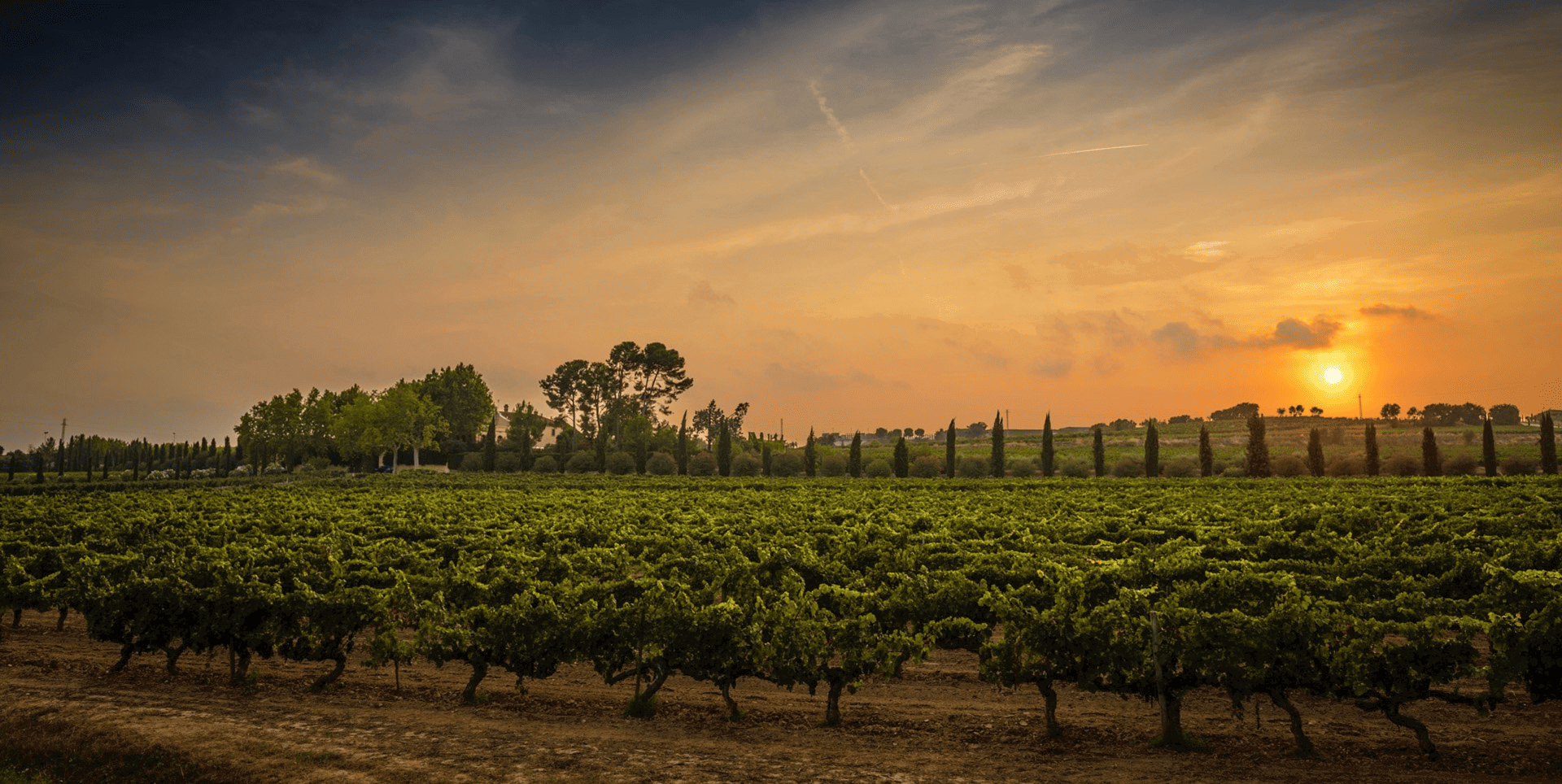
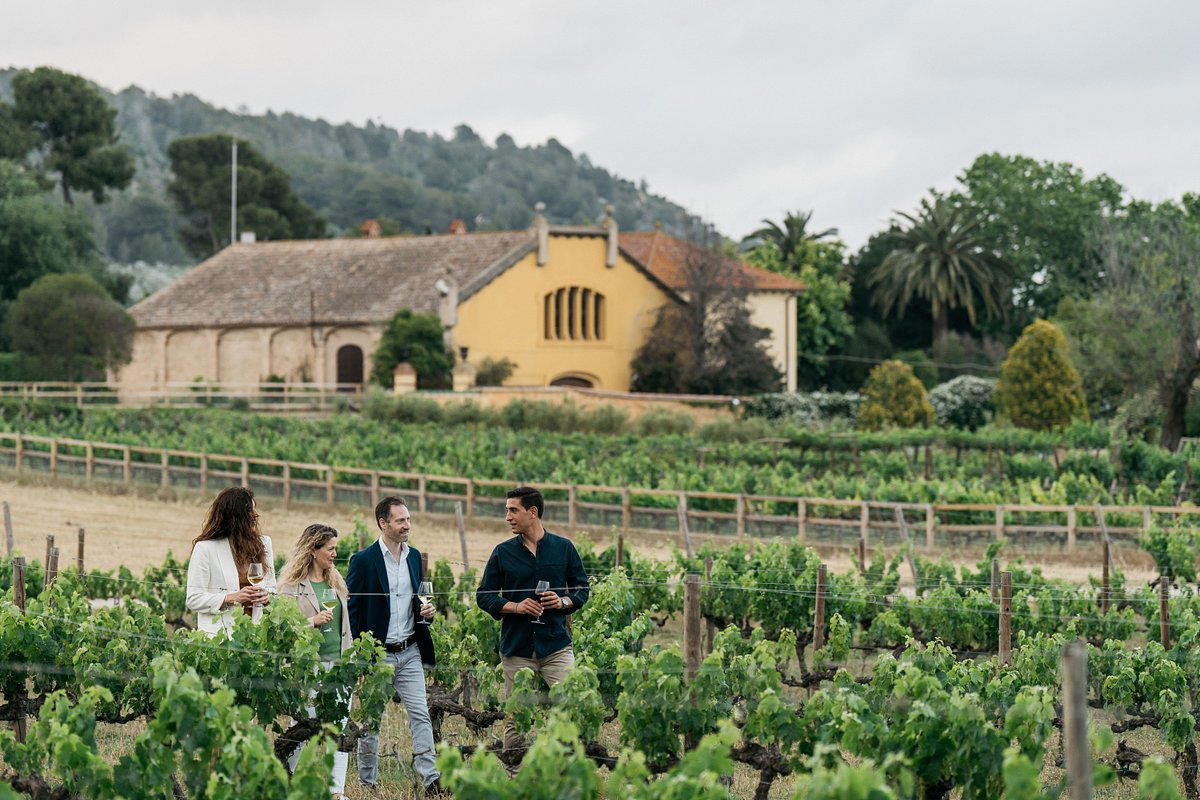
The approach to Casa Nova sets expectations accurately. The road out of Sant Martí Sarroca climbs through Penedès vineyards before arriving at a property that reads, at first glance, as a working farm rather than a destination restaurant. That reading is not wrong. What was once a poultry farm now functions as an integrated production estate: kitchen garden, beehives, shiitake mushroom cultivation, tuna drying sheds, coffee roasters, vinegar cellars, and a wood-fired bread oven that follows the baking tradition of indigenous communities on the Peruvian altiplano. The dining room is where this production system delivers its output, structured around a Michelin one-star menu programme that sits at the €€€€ price tier.
Rural Catalonia has produced a handful of restaurants that use the land around them as a genuine production argument rather than a decorative one. Casa Nova belongs to that category without qualification. The distinction matters because sourcing language has become so common in fine dining that it often functions as atmosphere rather than fact. Here, guests are taken on a guided tour of the grounds on arrival, walking through the growing and production areas before sitting down. That sequence is editorial in itself: the kitchen's supply chain is visible before the food is, which changes how the meal reads.
What Grows Here, What Gets Made Here
Spain's leading Michelin-starred restaurants, El Celler de Can Roca in Girona, Azurmendi in Larrabetzu, Arzak in San Sebastián, engage with local sourcing from different positions: regional identity, seasonal rotation, supplier relationships. Azurmendi, in particular, uses an on-site garden as part of its ecological programme. What separates Casa Nova's model is the depth of in-house production at a one-star scale. Most kitchens at this level source selectively from specialist producers. Here, vinegars, wines, and mushrooms are grown or made on the property itself, and the kitchen keeps chickens and bees as functional elements of the food cycle rather than as decoration.
The kitchen garden supplies the seasonal foundation of both menus. The shiitake mushrooms grown on site appear in a context where most Catalan kitchens at comparable prices import their specialist fungi from dedicated growers. The beehives feed both kitchen and bar programmes. Coffee roasting on premises is an unusual detail even against a wider European fine-dining comparable set, it places flavour control at a point in the supply chain that most kitchens outsource entirely.
The bread programme is worth specific attention. The wood-fired oven technique derived from Chef Andrés Torres's humanitarian work with Peruvian highland communities introduces a production method that carries genuine cultural specificity. It is not a technique borrowed for novelty; it arrives with biographical context that connects the kitchen to a documented tradition from a precise geography. Whether that connection registers on the plate is a question only the table can answer, but the sourcing logic is coherent and traceable.
Two Menus, One Logic
Casa Nova offers two contemporary tasting menus: Viña and Gran Vendimia. Both sit within a framework that uses Chef Torres's mother's recipes as a generational anchor, then extends outward into local seasonal produce and the occasional international reference. This structure, family tradition as base register, contemporary technique as the working language, is a format that Catalan fine dining has practised across several generations, most visibly at El Celler de Can Roca in Girona and, in a different register, at Cocina Hermanos Torres in Barcelona. At the restaurant, the domestic reference point is literal rather than metaphorical: dishes have a specific family origin, not just a regional one.
The naming logic gives a signal. Viña reads as the shorter, vineyard-pitched option; Gran Vendimia, harvest, reads as the fuller, more committed version. At the €€€€ tier in a rural Penedès setting, both menus are priced against an experience that includes the estate tour and the cellar, not just the plates.
The international influence that surfaces in the menus arrives specifically through Torres's humanitarian travel, primarily to Peru. This positions the restaurant within a small group of Spanish restaurants, alongside Quique Dacosta in Dénia and, at a different scale, DiverXO in Madrid, that treat non-European technique as a considered structural ingredient rather than a fusion shortcut. The Peruvian bread oven is the clearest example, but the broader menu logic follows the same principle.
The Wine Cellar as a Parallel Programme
Penedès is Catalonia's most significant wine region by volume and the home territory of Cava. Sant Martí Sarroca sits within it at altitude, surrounded by producers who range from industrial Cava houses to boutique natural wine operations. A restaurant cellar in this geography could operate entirely off local production and cover a broad quality range. The restaurant produces its own wines on site, which anchors the programme in estate provenance, but the cellar extends to a depth of vintage labels that the available sourcing describes as coming as a genuine surprise at this address.
That is an interesting signal. Vintage depth in a rural Catalan restaurant at the one-star tier places the restaurant alongside a different comparable set than its farmstead aesthetic might suggest. Serious older bottles require deliberate acquisition, long-term storage, and a front-of-house team that knows how to price and sequence them. The cellar programme is worth treating as a separate reason to visit for those for whom wine access is a primary motivation.
Placing Casa Nova in Spain's Starred Rural Category
The concentration of Spain's highest-rated restaurants in the Basque Country, Madrid, and Barcelona means that single-star rural properties in Catalonia occupy an interesting middle position. They carry national credibility through the Michelin framework but operate at a scale and in a register that the major urban addresses do not. Atrio in Cáceres, Martin Berasategui in Lasarte - Oria, and Aponiente in El Puerto de Santa María each demonstrate that destination dining outside Spain's major cities can carry its own authority. The restaurant operates at a different tier of recognition than these three-star addresses but in the same general logic: the journey is part of the proposition, and the setting is inseparable from what appears on the plate.
For readers used to the concentrated dining offer of Barcelona, the restaurant requires a deliberate half-day commitment. Sant Martí Sarroca is approximately an hour southwest of Barcelona in the Penedès hills, accessible by car. The address is on the Ctra. de la Bleda, outside the village itself. There is no public transport option that makes practical sense for a tasting menu visit, and the wine programme argues for either a designated driver or overnight accommodation in the area. Our full Sant Martí Sarroca hotels guide lists the local options. The full regional offer for eating and drinking around the visit is mapped in our full Sant Martí Sarroca restaurants guide, our full Sant Martí Sarroca bars guide, and our full Sant Martí Sarroca experiences guide.
A high volume of public reviews at a rural tasting-menu address suggests the visit is not restricted to a narrow specialist audience, which in turn suggests the estate tour and farmstead format translate across different diner profiles.
Casa Nova at a Glance
- Address: Ctra. de la Bleda, 188, 08731 Sant Martí Sarroca, Barcelona, Spain
- Cuisine: Modern Catalan Farm-to-Table
- Menus: Two tasting formats, Viña and Gran Vendimia
- Price tier: €€€€
- Recognition: Michelin one star (2024) 5 / 5 (328 reviews)
- Getting there: Car from Barcelona, approximately one hour southwest; no practical public transport for an evening visit
A Quick Peer Check
Comparable venues nearby, for context on price, style, and recognition.
| Venue | Cuisine | Price | Awards | Notes |
|---|---|---|---|---|
| Casa NovaThis venue — the venue you are viewing | Modern Catalan Farm-to-Table | $$$$ | Michelin 1 Star | Not listed |
| Quatre Molins | Creative Spanish Fine Dining | $$$ | Michelin 1 Star | Cornudella de Montsant |
| Emporium | Modern Catalan Empordà Fine Dining | $$$$ | Michelin 1 Star | Castelló d'Empúries |
| Voramar | Contemporary Catalan Fine Dining | $$$$ | Michelin 1 Star | Portbou |
| Lillas Pastia | Modern Spanish Truffle-Focused Fine Dining | $$$ | Michelin 1 Star | Huesca |
| Ansils | Modern Pyrenean Spanish | $$$ | Michelin 1 Star | Anciles |
Recognition history
Dated appearances from independent guides and award organizations, with the underlying list record or original source where available.
Macarfi 7.5 Food Rating
Macarfi
Michelin 1 Star
Michelin
Michelin 1 Star
Michelin
Michelin 1 Star
Michelin
Continue exploring
More in Sant Martí Sarroca
Restaurants in Sant Martí Sarroca
Browse all →
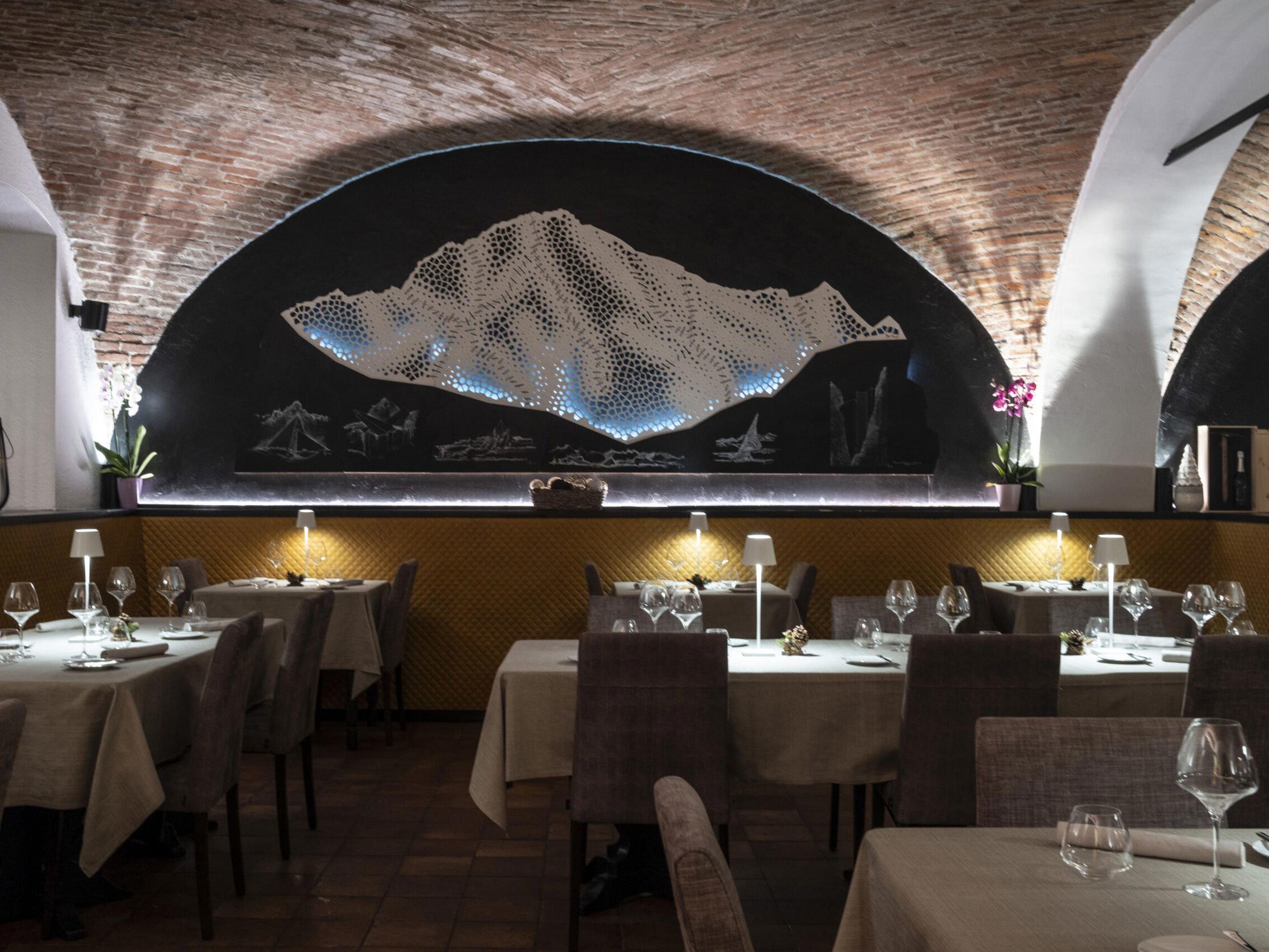
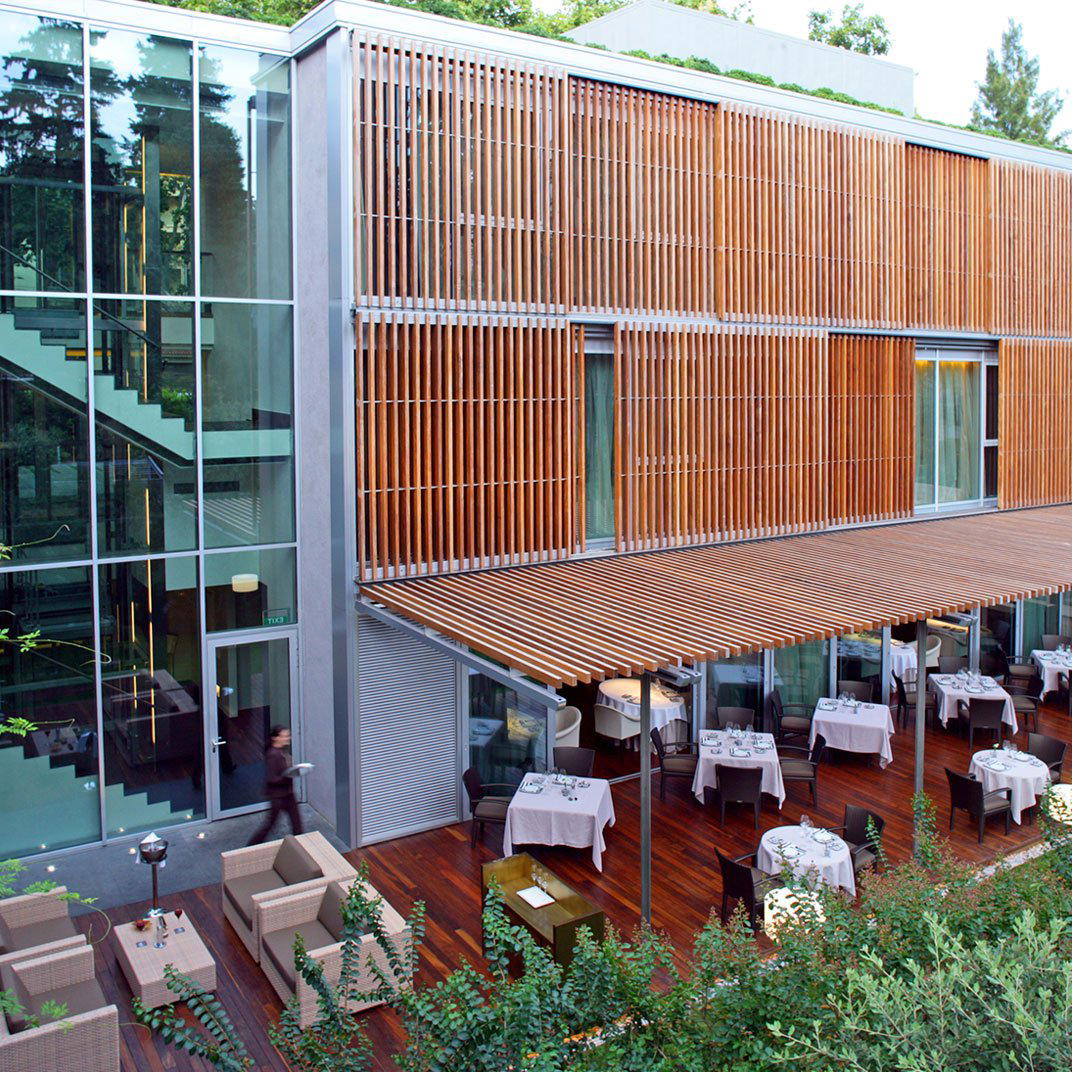
Bars in Sant Martí Sarroca
Browse all →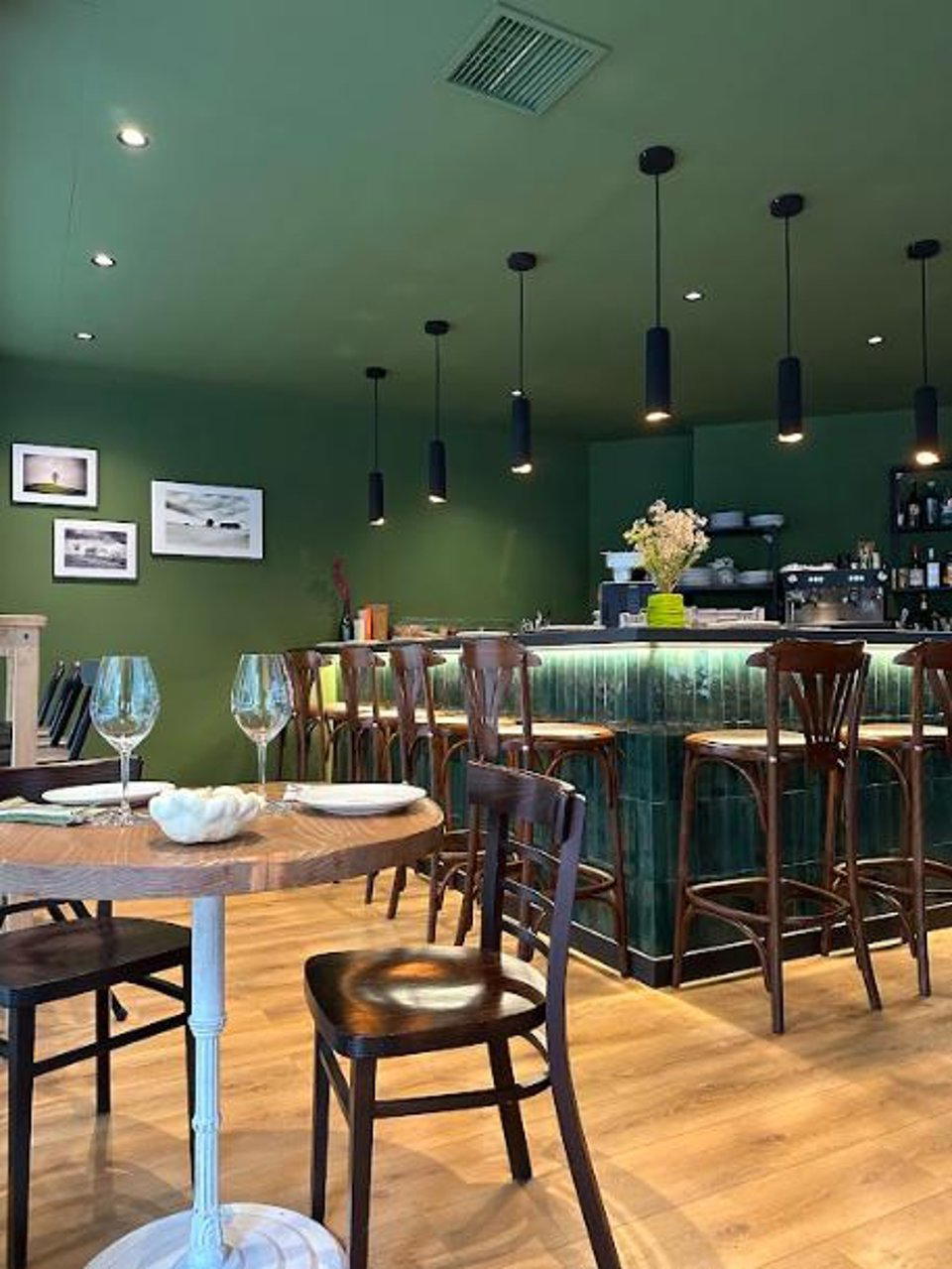
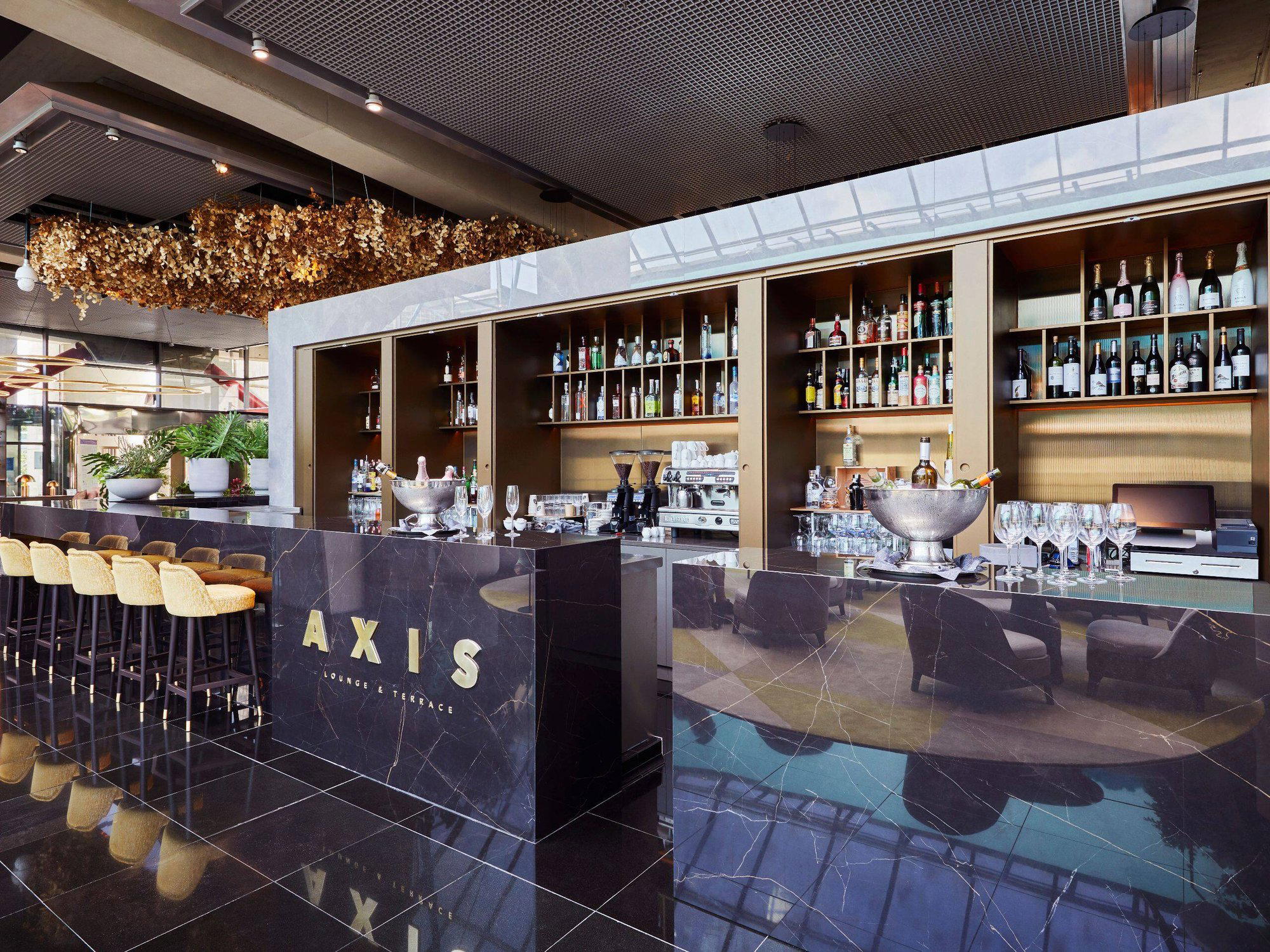
Hotels in Sant Martí Sarroca
Browse all →

At a Glance
- Cozy
- Rustic
- Elegant
- Intimate
- Scenic
- Date Night
- Special Occasion
- Celebration
- Garden
- Terrace
- Open Kitchen
- Extensive Wine List
- Farm To Table
- Local Sourcing
- Vineyard
- Garden
Current opening hours
- Monday
- Closed
- Tuesday
- Closed
- Wednesday
- 1:30–3:30 PM, 8:30–10:30 PM
- Thursday
- 1:30–3:30 PM, 8:30–10:30 PM
- Friday
- 1:30–3:30 PM, 8:30–10:30 PM
- Saturday
- 1:30–3:30 PM, 8:30–10:30 PM
- Sunday
- 1:30–3:30 PM
Hours can change for holidays and private events. Last verified .
Warm, family-like atmosphere in a charming restored farmhouse blending rustic elements with contemporary touches, featuring airy dining rooms, antiques, soft lighting, and a sense of calm.