Our verdict
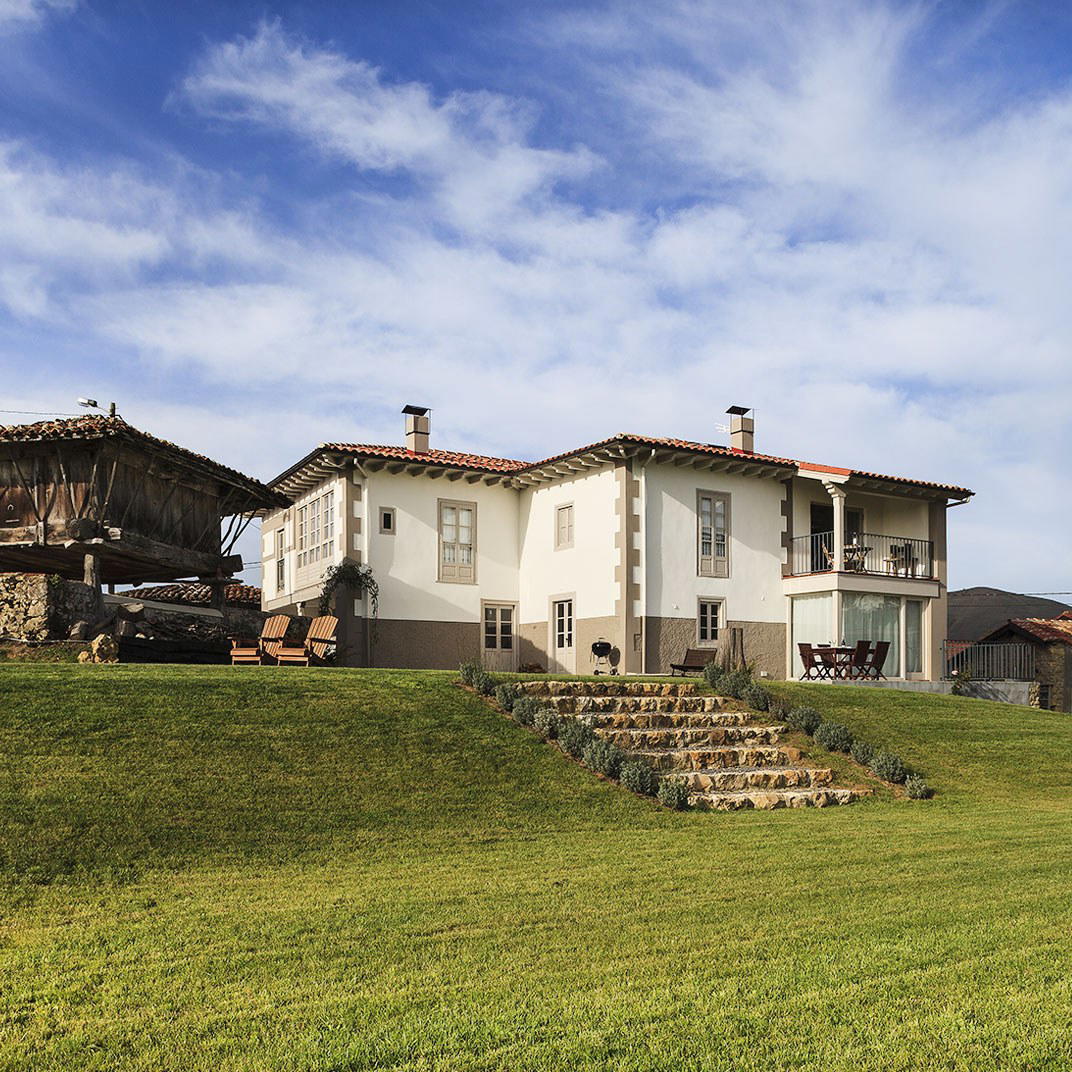
Casa Narciandi sits along the Alto de la Madera road outside Siero, a town in Asturias that has quietly built a serious dining identity amid the green hills of northern Spain. The address alone signals a destination meal rather than a casual stop — the kind of place you plan around, not stumble into. It occupies a category of Asturian dining where regional tradition and deliberate hospitality intersect.

Pearl is the En Primeur Club membership app — saves, bookings, and concierge access live there. Same editors, same standards.
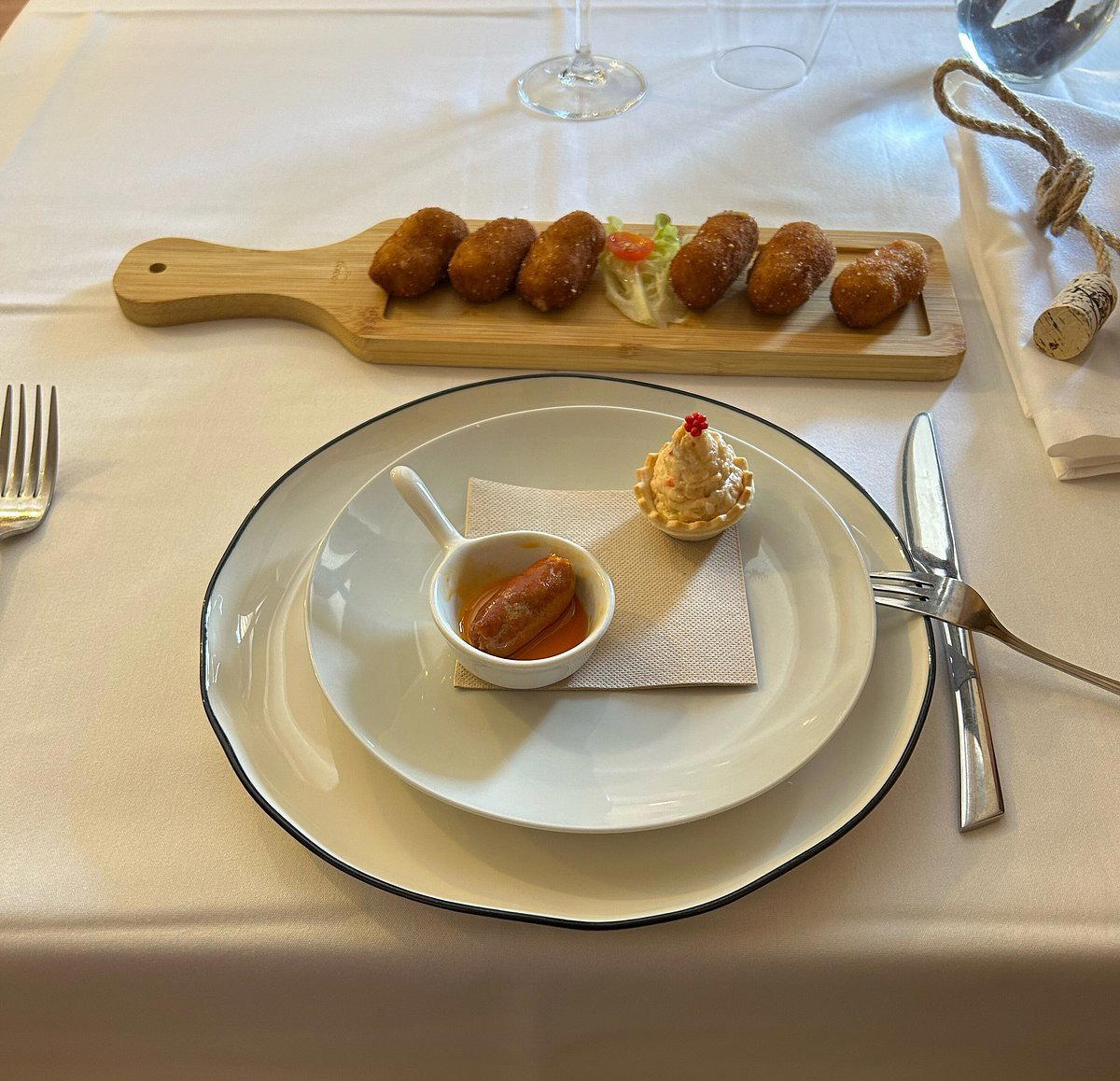
The menu
What to order
- Fabada
- Rice with pitu caleya
- Pote de berzas
Where the Road to La Madera Becomes the Point
There is a particular type of restaurant in northern Spain that the address itself announces before you arrive. Casa Narciandi sits at Alto de la Madera, La Madera, 16, outside Siero in Asturias — a location that requires intention. You do not pass it on the way somewhere else. The approach through Asturian hill country, where the green is relentless and the sky changes every twenty minutes, frames the meal before the door opens. In a region where the relationship between landscape and table has always been close, that drive is not incidental; it is part of the format.
Siero sits in central Asturias, roughly equidistant between Oviedo and the coast, and it has developed a dining identity that deserves attention on its own terms rather than as a footnote to the regional capital. Alongside peers such as Casa de comidas La Terraza, Casa Farpon Asador, and Restaurante Casa Evarista, Casa Narciandi contributes to a cluster of serious tables operating outside the typical urban restaurant circuit. See the full Siero restaurants guide for broader context on how this municipality has positioned itself.
The Ritual of Asturian Hospitality
Asturian dining has its own pacing, and that pacing is one of the most underappreciated things about eating in this corner of Spain. The north does not rush. Meals here tend to unfold in a sequence that respects the kitchen's rhythm rather than the diner's schedule — a cultural contract that the leading houses in the region maintain with some firmness. Sidra pours slowly from height, the aeration deliberate. Dishes arrive when they are ready. The conversation at the table is expected to carry the gaps.
This stands in instructive contrast to the high-concept tasting formats operating at the top of Spain's broader fine-dining circuit. Houses like El Celler de Can Roca in Girona, Mugaritz in Errenteria, or DiverXO in Madrid operate within a conceptual frame where each course is a proposition. Asturian tradition at its more grounded end makes a different argument: that generosity, sequence, and a table that clears slowly is its own form of sophistication. The ritual is less about transformation and more about depth, returning to ingredients that the region does well, and doing them properly.
That tradition has a specific geography. Asturias produces some of the Iberian Peninsula's most serious dairy, seafood from the Cantabrian coast, and mountain-raised meat. Fabada, the canonical bean stew, is a dish that rewards patience in its preparation and demands time at the table. Cheese from Cabrales and Gamonéu carries a complexity that sits alongside any serious European producer. A table in this region, at its finest, is a structured argument for the specific, for place, season, and product rather than technique as spectacle.
Placing Casa Narciandi in the Spanish Context
Spain's restaurant scene divides roughly between the highly mediated, internationally ranked houses and a quieter tier of regionally serious dining that operates largely below that radar. The Basque Country and Catalonia dominate the external perception of Spanish fine dining, Arzak in San Sebastián, Azurmendi in Larrabetzu, Martin Berasategui in Lasarte-Oria, Cocina Hermanos Torres in Barcelona, while the south produces its own counterpoint in houses like Aponiente in El Puerto de Santa María. The east adds Quique Dacosta in Dénia and Ricard Camarena in València. Asturias, by contrast, has not generated the same volume of internationally facing press, and that gap is not necessarily a quality gap, it is partly a proximity and marketing gap.
Within that national frame, destination restaurants in Asturias operate on a different value proposition from their southern or Basque peers. The draw is rarely about theatrical format or critical ranking. It is about material quality, regional specificity, and a hospitality culture that has not been reshaped entirely by external expectation. The address outside Siero at Alto de la Madera reinforces this: a place that exists for people who have sought it out.
There are analogues elsewhere in Spain's geography. Cenador de Amós in Villaverde de Pontones and Atrio in Cáceres both operate in similarly non-urban settings, where the destination logic shapes the experience before the meal begins. Internationally, the pattern has parallels in commitment-dining formats like Lazy Bear in San Francisco, where arrival and setting are part of the editorial. At the technical seafood end, Le Bernardin in New York City represents how product-first thinking translates across format, a useful reference point for understanding why material quality, rather than concept, can anchor a serious table.
Planning the Visit
Casa Narciandi is a destination that rewards advance planning. The address at La Madera, 16, Siero, Asturias positions it outside the urban core, which means arriving by car is the practical approach for most visitors. Siero is accessible from Oviedo in under thirty minutes and connects to the A-64 motorway corridor. For those travelling from further afield, Asturias Airport serves connections from Madrid and Barcelona, with ground transfer to Siero direct from the terminal. Given the rural location, confirming current opening days and reservation availability directly with the venue before travel is advisable, small houses in this part of Asturias frequently operate on schedules that do not follow standard urban restaurant patterns, and the meal itself tends to run long enough that an open afternoon is the appropriate frame.
Frequently asked questions
Where do I go for Casa Narciandi?
Casa Narciandi is located at Alto de la Madera, La Madera, 16, 33189, Asturias, Spain, Siero.
Is Casa Narciandi worth the drive from Oviedo or Gijón?
Siero sits within easy reach of both Oviedo and Gijón, making Casa Narciandi an accessible but purposeful detour rather than a logistical commitment. The address at Alto de la Madera places it in open countryside, which is itself an argument for treating the meal as an afternoon or evening set apart from city dining. Restaurants in this part of Asturias are rarely walk-in propositions, and Casa Narciandi at La Madera, 16, operates on that same destination logic.
What should I eat at Casa Narciandi?
Casa Narciandi sits in Asturias, a region whose table is defined by its coastline and its mountains in equal measure: expect the kitchen to draw on that larder rather than import prestige ingredients from elsewhere. Asturian cooking at this level typically centres on products like Cantabrian seafood, local beef, and cider-culture staples.
What's the best way to book Casa Narciandi?
Casa Narciandi is located at La Madera, 16, Siero, Asturias, and its position outside the urban core means it draws a deliberate, destination-minded crowd rather than passing trade. Advance planning is advisable. No online booking platform or phone number is currently confirmed in public records, so arriving via direct contact with the venue is the recommended approach.
What is Casa Narciandi known for?
Casa Narciandi occupies a tier of Spanish dining that operates largely outside the internationally ranked circuit: regionally serious, address-first, and built on Asturian hospitality with its own pacing. Its location at Alto de la Madera in Siero signals that the journey itself is part of the proposition. Restaurants at this latitude in Spain tend to anchor their identity in the specificity of the north, where the produce and the table culture differ markedly from Castile or Catalonia.
Cuisine and Credentials
Comparable venues nearby, for context on price, style, and recognition.
| Venue | Cuisine | Price | Awards | Notes |
|---|---|---|---|---|
| Casa NarciandiThis venue — the venue you are viewing | Traditional Asturian Spanish | $20–30 | Not listed | Not listed |
| Casa de comidas La Terraza | Spanish | Not listed | Not listed | Siero |
| Restaurante Casa Evarista | Traditional Spanish Sidreria | Not listed | Not listed | Granda |
| Casa Farpon Asador | Traditional Asturian Asador | $50–100 | Michelin Plate · Guía Repsol 1 Sol | Pola de Siero |
| Casa El Sastre | Traditional Asturian Spanish | Not listed | Not listed | Norena |
| Casa Lin | Traditional Asturian Seafood Sidrería | $20–30 | Not listed | Aviles center |
Continue exploring
More in Siero
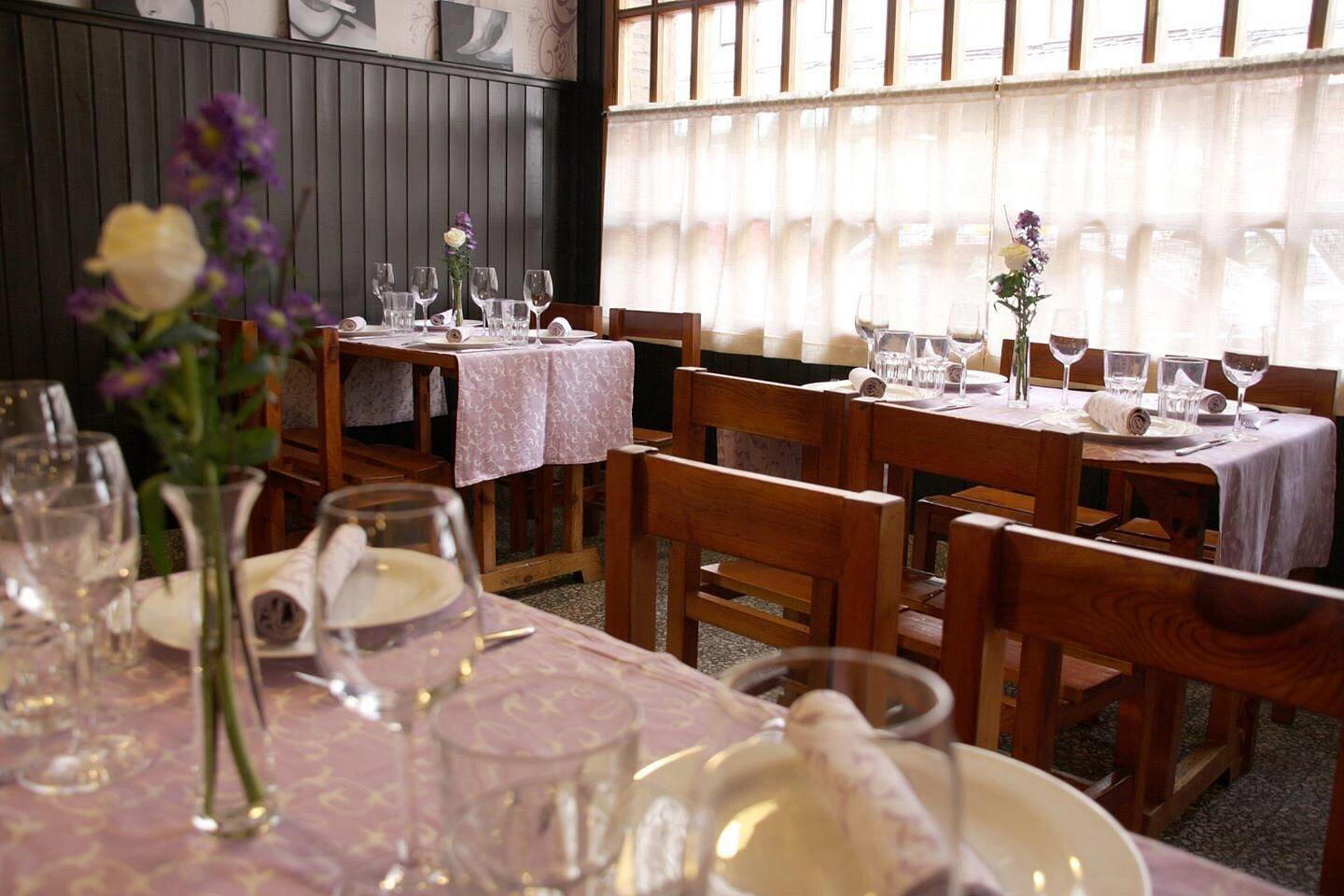
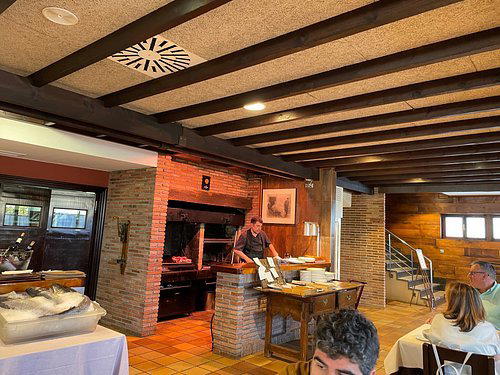
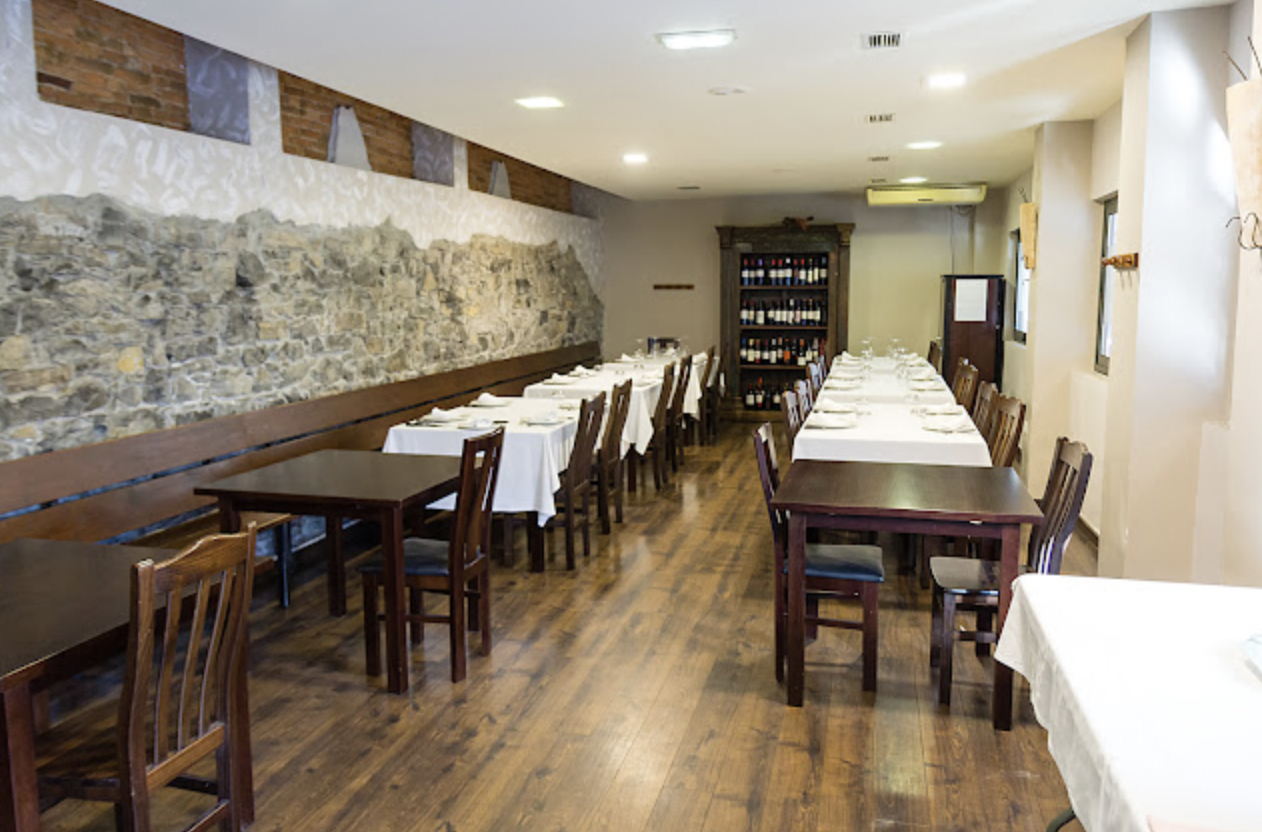
Details
- Cozy
- Rustic
- Intimate
- Family
- Casual Hangout
- Standalone
- Local Sourcing
- A La Carte
- Vegetarian Friendly
- Gluten Free Options
Current opening hours
- Monday
- 12–6 PM
- Tuesday
- Closed
- Wednesday
- Closed
- Thursday
- 12–6 PM
- Friday
- 12–6 PM
- Saturday
- 12–6 PM
- Sunday
- 12–6 PM
Hours can change for holidays and private events. Last verified .
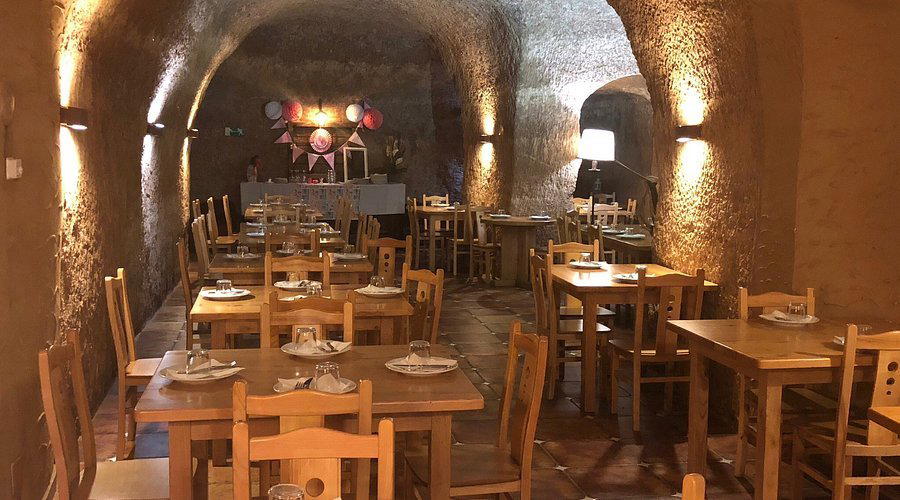
Homely and welcoming with a cozy, familial feel like dining at home.