Restaurante Casa Evarista serves Traditional Spanish Sidreria in a historic building at Lugar, 36, in El Campo, with conversational pacing and an upscale casual feel.
Pearl is the En Primeur Club membership app — saves, bookings, and concierge access live there. Same editors, same standards.
- Address
- Lugar, 36, 33199 El Campo, Asturias, Spain
- Phone
- +34625182680
- Website
- facebook.com
- Directions
- Get directions
 Saves & bookings on Pearl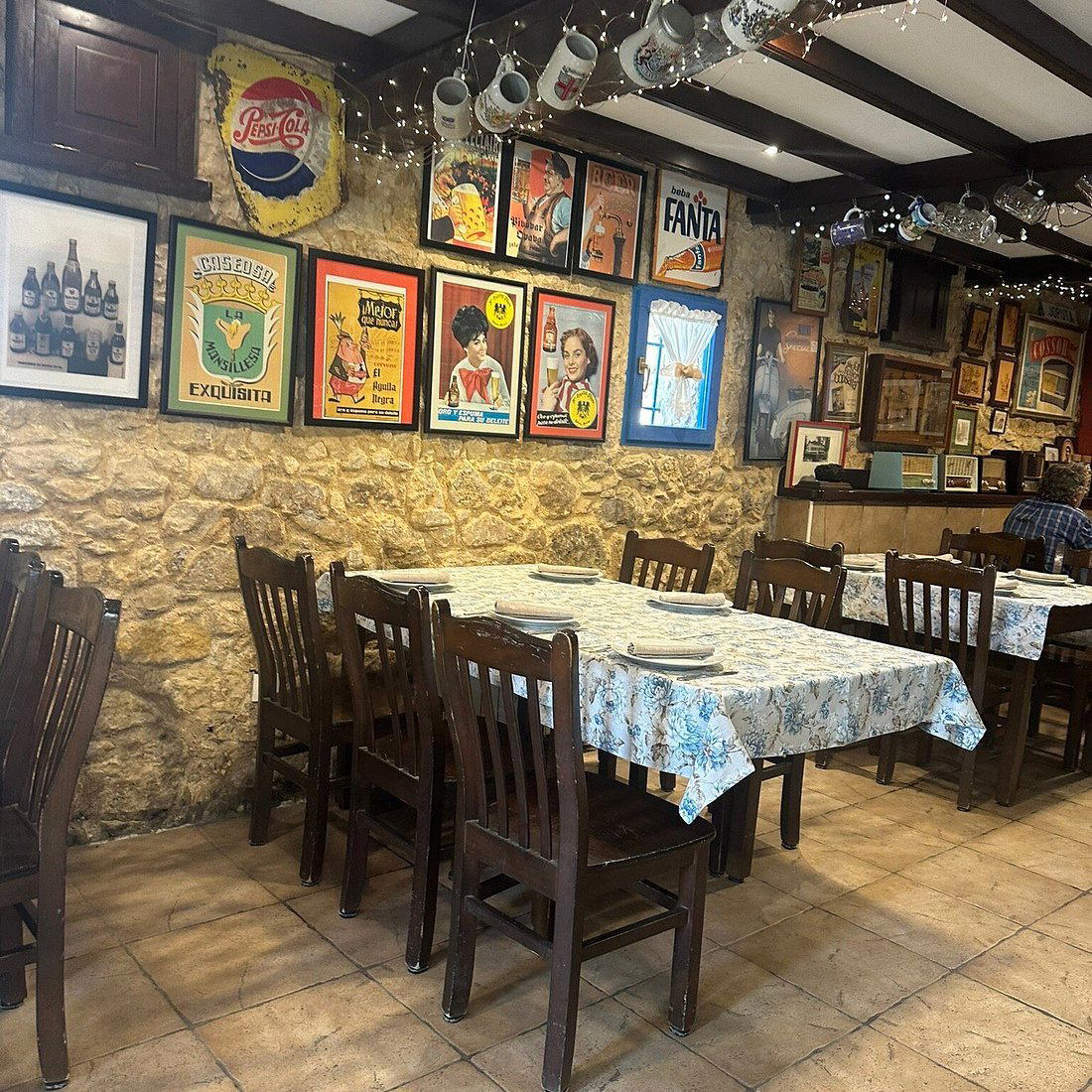
Where Asturian Countryside Cooking Holds Its Ground
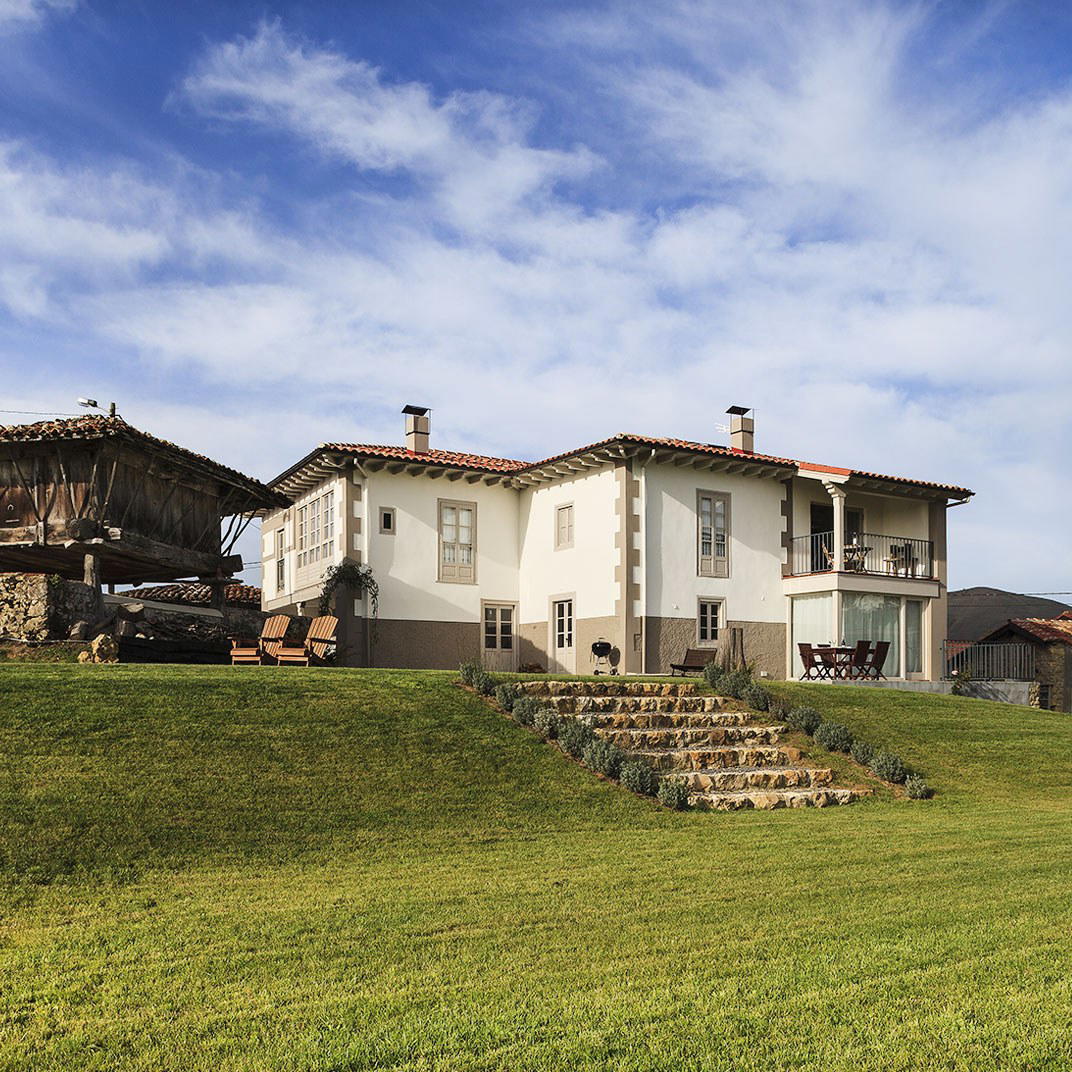
The drive into El Campo, a quiet parish on the outskirts of Siero, sets expectations accurately: low farmhouses, green hillsides that stay green through winter, and the kind of rural Asturian architecture that signals a kitchen more interested in what grows nearby than in what trends in the cities. Restaurante Casa Evarista sits at Lugar 36, El Campo, a rural address that tells you more about its cooking philosophy than any press release could. In a region where the relationship between land and table has never required explanation, this is the sort of place where that relationship is simply assumed.
Asturias and the Logic of Sourcing
Asturian cooking occupies a specific position in the broader map of Spanish regional cuisine. Unlike the Basque Country, which has exported its identity through institutions like Arzak in San Sebastián and Mugaritz in Errenteria, or Catalonia, where El Celler de Can Roca in Girona and Cocina Hermanos Torres in Barcelona carry the flag internationally, Asturias has remained largely self-referential. Its cooking answers to its own terrain first. The Cantabrian Sea to the north, the Picos de Europa to the south, and the river valleys threading between them produce an ingredient base that is both abundant and specific: sea urchin, anchovies, spider crab, Asturian beef from cattle that graze on Atlantic-facing pastures, and a dairy tradition that underpins some of Spain's most characterful cheeses.
This is the tradition that shapes what a house like Casa Evarista works within. Rural casas de comidas in Asturias have historically functioned as extensions of the agricultural household, cooking what was raised, caught, or harvested rather than ordered from a central distributor. That model has become rarer as supply chains have consolidated, which makes the ones that persist worth understanding on their own terms.
For reference, Siero's dining scene also includes Casa de comidas La Terraza, Casa Farpon Asador, and Casa Narciandi, each operating in its own register. Casa Evarista's rural El Campo address places it at the quieter, more locally embedded end of that spectrum. See our full Siero restaurants guide for a broader orientation.
The Wider Spanish Fine-Dining Context
Spain's most decorated tables have made ingredient provenance a central creative argument. Aponiente in El Puerto de Santa María built its entire identity around marine ingredients the industry had previously discarded. Azurmendi in Larrabetzu integrates an on-site garden and greenhouse into its tasting menu logic. Quique Dacosta in Dénia treats the Mediterranean coastline as a pantry. Martin Berasategui in Lasarte-Oria, DiverXO in Madrid, Ricard Camarena in València, and Atrio in Cáceres each make sourcing a public-facing argument. Further afield, the same logic operates in different registers at Le Bernardin in New York City and Atomix in New York City, where ingredient origin is woven into the dining proposition from the menu upward.
The relevant Asturian comparison is Casa Marcial in Arriondas, which has become the region's reference point for contemporary Asturian cooking rooted in hyperlocal sourcing. Casa Evarista operates without that level of institutional recognition in the public record, which places it in a different category: the kind of rural address that functions as the foundation layer on which the celebrated names above are built, drawing from the same regional larder but in a more direct, less curated register.
What to Expect From a Rural Asturian Casa de Comidas
In Asturias, the casa de comidas format has distinct conventions. Menus tend to rotate with what is available rather than what is canonical. Fabada asturiana, the region's defining bean stew, appears when the season and the stock warrant it, not because it must anchor every sitting. Grilled fish arrives from that morning's catch at the lonja, the fish market, rather than from a standing order. Dairy appears across courses because the region's cattle produce milk with a fat content that makes it genuinely worth using, not as a stylistic choice.
These patterns apply broadly across rural Asturian cooking and give context for approaching a house like Casa Evarista. The address at El Campo, 33199, in the municipality of Siero, places it in a rural parish that has retained its agricultural character despite the proximity of Oviedo, Asturias's regional capital, which sits roughly fifteen kilometres to the southwest. The municipality of Siero itself is peri-urban enough to sustain local demand, rural enough that the supply chain still has a short radius.
Planning Your Visit
Reservations are recommended, particularly on weekends and during Asturian public holidays, when local demand for traditional cooking peaks. Dress expectations are smart casual.
At-a-Glance Comparison
Comparable venues nearby, for context on price, style, and recognition.
| Venue | Cuisine | Price | Notes |
|---|---|---|---|
| Restaurante Casa EvaristaThis venue — the venue you are viewing | Traditional Spanish Sidreria | $$ | Not listed |
| Casa Farpon Asador | Traditional Asturian Steakhouse | $$$ | Pola de Siero |
| Casa Narciandi | Traditional Asturian Spanish | $$ | Grandarrasa |
| Casa de comidas La Terraza | Spanish | $$ | Siero |
| Casa Regina | Traditional Sevillian tapas bar | $$ | Santa Catalina |
| Paco Gandía | Traditional Spanish Paella | $$ | Pinoso |
Continue exploring
More in Siero
Restaurants in Siero
Browse all →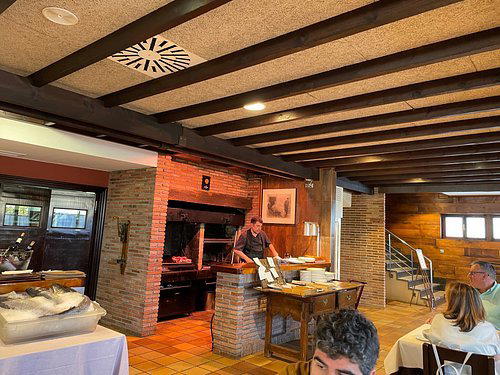
At a Glance
- Rustic
- Cozy
- Classic
- Historic Building
Current opening hours
- Monday
- Closed
- Tuesday
- 12–6 PM
- Wednesday
- 12–6 PM
- Thursday
- 12–6 PM
- Friday
- 12–6 PM
- Saturday
- 12–6 PM
- Sunday
- 12–6 PM
Hours can change for holidays and private events. Last verified .
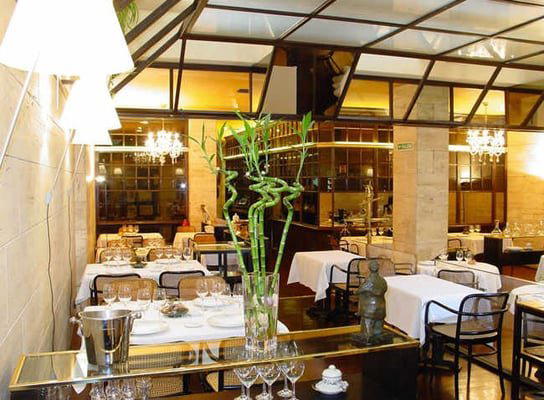
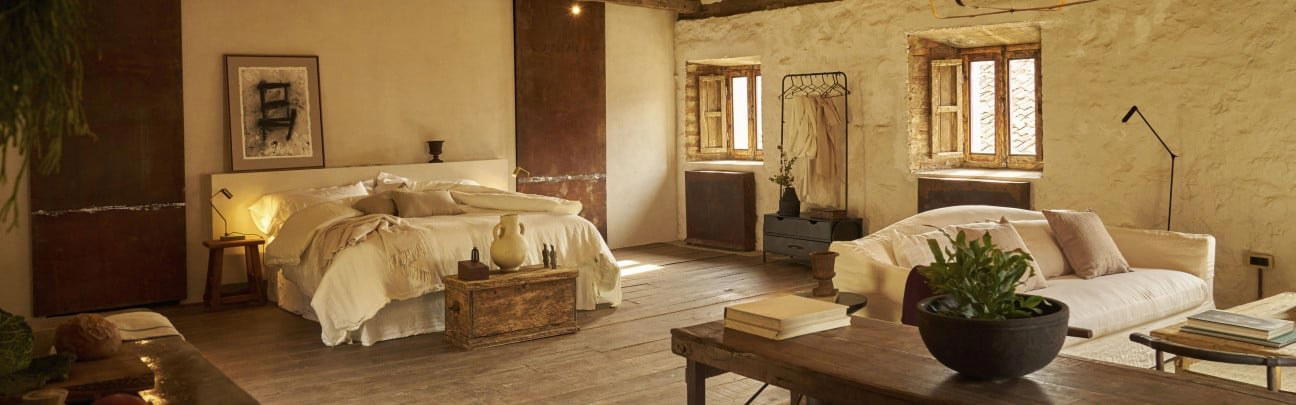
Rustic and cozy atmosphere in a traditional house with a more formal noble floor dining gallery sharing space with kitchens.