Casa Ipanema
Our verdict
Casa Ipanema sits at 501 S Olive St in the heart of downtown Los Angeles, positioning itself within a dining corridor that draws comparisons to the more established Brazilian-inflected venues along the West Coast. Where downtown LA's dinner-driven culture dominates most press coverage, the daytime service here operates on a different register — quieter, more considered, and worth examining on its own terms.

Pearl is the En Primeur Club membership app — saves, bookings, and concierge access live there. Same editors, same standards.
The menu
What to order
- Casa Branzino
- Tomahawk
- Wagyu
- Shrimp A La Casserole
- Passion Fruit Salmon
Downtown LA's Lunch-and-Dinner Split, and Where Casa Ipanema Sits
Downtown Los Angeles has never fully resolved its identity as a dining destination. The neighbourhood runs two parallel tracks: a lunch circuit shaped by the Financial District's office density along Olive and Figueroa Streets, and an evening scene that has gradually attracted serious restaurant investment as residential development filled in around the Arts District and South Park. Casa Ipanema, at 501 S Olive St, occupies a position where both tracks intersect — a South Olive address that pulls foot traffic from the Financial District during the day while remaining close enough to the Bunker Hill cultural corridor to attract pre-theatre and post-event dinner business after dark. That dual exposure shapes everything about how the venue operates across a service day, and it places Casa Ipanema in a category that relatively few downtown restaurants manage to hold: genuinely useful at both ends of the clock.
The broader downtown dining scene leans heavily toward dinner. Venues with serious culinary ambition — the kind that compete in the same conversation as Providence in Hancock Park or Kato in West LA, almost universally built their reputations on evening service, treating lunch as secondary or skipping it entirely. That pattern holds across most of the country's major dining cities: Le Bernardin in New York City runs a lunch service that differs structurally from dinner, and Smyth in Chicago concentrates its most ambitious programming after dark. Downtown LA follows that convention more than most neighbourhoods, which makes a venue that anchors itself on Olive Street during business hours an interesting proposition.
The Physical Environment: South Olive at Street Level
The 501 S Olive St address places Casa Ipanema in a block that reflects downtown LA's mixed-use transition, commercial towers from the 1980s and 1990s sitting alongside newer mixed-use buildings that arrived with the residential wave of the past decade. This part of Olive runs between 5th and 6th Streets, a stretch where ground-floor retail and food-and-beverage operators face the classic downtown tension: high daytime foot traffic from office workers, quieter evenings unless there is a specific draw. The venues that survive that cycle over time tend to be the ones that read their particular block clearly and calibrate format to match. A Brazilian-reference address on this stretch is not an obvious bet, which is precisely what makes it worth attention, not because novelty is inherently valuable, but because cuisine identity tends to hold when it is specific rather than generic.
Brazilian food in Los Angeles occupies a smaller, more specialist niche than, say, the Mexican or Japanese traditions that have shaped the city's dining identity for decades. Compared to the depth of Hayato's kaiseki tradition or the molecular ambition at Somni, the Brazilian category in LA remains underdeveloped at the serious end. That gap can work in a venue's favour when the cooking is grounded: there is less competition at the reference point, and the cuisine's inherent range, from the coastal seafood tradition of Ipanema and the broader Rio de Janeiro culinary heritage to the interior churrasco and slow-cooked feijoada traditions, gives a kitchen real material to work with across different dayparts.
Lunch vs. Dinner: A Structural Reading
The lunch-versus-dinner divide matters more in downtown LA than in most of the city's other dining neighbourhoods, and it matters specifically at a South Olive address. At lunch, the audience is largely drawn from the surrounding office blocks: time-constrained, value-conscious in the sense of expecting clear return on a midday hour, and less interested in extended tasting formats than in something purposeful and well-executed. The Brazilian tradition handles that brief well when it is approached correctly, the country's lunch culture, particularly in urban centres, is built around the prato feito and the more elaborate buffet-by-weight rodízio format, both of which translate to efficient, satisfying midday service.
Dinner shifts the calculation. The Olive Street block draws a different demographic after 6pm: residents from nearby towers, pre-event arrivals heading to the Broad or the Walt Disney Concert Hall to the north, and the smaller but growing cohort of downtown food-focused diners who treat the neighbourhood as a destination rather than a convenience. That audience has more time, more appetite for the full expression of a kitchen's ambition, and more interest in the wine and spirits that complete a table. The Brazilian tradition is well-suited here too, feijoada is a dish built for long evenings, caipirinhas benchmark easily against the cocktail programs at comparable casual-to-mid casual restaurants, and the churrascaria format, if deployed, encourages the kind of table-long engagement that turns a dinner into an occasion.
For context, the venues that have navigated this split most effectively in American cities tend to be those with clear format discipline at each service: Frasca Food and Wine in Boulder maintains distinct registers between lunch and dinner, as does Addison in San Diego at the more formal end. The lesson from those programs is that trying to run the same menu and the same pace across both services rarely produces the leading version of either.
Placing Casa Ipanema in the LA Scene
Within Los Angeles's broader dining map, covered more fully in our full Los Angeles restaurants guide, Casa Ipanema occupies a position that the city's Italian tradition at Osteria Mozza or the farm-centric model at venues like Blue Hill at Stone Barns in Tarrytown (which shaped the American farm-to-table conversation that LA absorbed) do not occupy: the middle register of a cuisine category that has room to grow. That position carries less competitive pressure than the top tier, the level where The French Laundry in Napa, Atomix in New York City, or Single Thread Farm in Healdsburg operate, but it also demands more from the kitchen, because the cuisine category itself is doing less of the positioning work. In a city where Mexican seafood at Holbox and the Japanese precision of Sushi Kaneyoshi each hold their category clearly, a Brazilian address needs to be equally specific about what version of the tradition it is representing.
The Ipanema reference in the name is worth reading as a signal: Ipanema as a neighbourhood in Rio de Janeiro carries associations with a specific coastal, relatively cosmopolitan food culture, lighter, more seafood-forward than the interior traditions, and attuned to an international audience. Whether the kitchen builds on that specific reference or uses it as loose branding is, in the end, the question that determines how well the venue holds its position over time. The address is right; the cuisine category has space; the daypart structure of downtown LA suits a venue that can operate with discipline across both lunch and dinner. The execution is what remains to be interrogated.
Planning Your Visit
Address: 501 S Olive St, Los Angeles, CA 90013, in the South Park/Financial District corridor of downtown. Getting there: The 7th Street/Metro Center station on the B and D lines is within a short walk; street parking on Olive is metered and competitive during lunch hours. Timing: Lunch service on weekdays aligns with the office crowd and typically moves at pace; dinner on Thursday through Saturday draws a more varied audience and tends to run longer. Dress: Downtown LA dining standards are informal-to-smart casual; nothing here suggests a formal dress expectation. For comparison: Those visiting LA for serious dining will also find the Lazy Bear in San Francisco model, communal, format-driven, and the more classical approach at Emeril's in New Orleans or The Inn at Little Washington useful reference points for what distinct cuisine identity looks like when executed with consistency across a full service day. At the European end of the spectrum, Atelier Moessmer Norbert Niederkofler in Brunico demonstrates what regional specificity can achieve at the highest level, a useful standard against which to read any venue making a cuisine-category claim.
Frequently asked questions
What is the signature dish at Casa Ipanema?
The Brazilian culinary tradition the name references encompasses a wide range: coastal seafood preparations, slow-cooked feijoada, and grilled formats each represent legitimate expressions of that heritage. For comparison, the cuisine range at Kato and the tasting format at Hayato illustrate how LA venues in distinct cuisine categories anchor their identity through a clearly defined format discipline.
Do I need a reservation at Casa Ipanema?
Downtown LA's lunch trade on weekdays can move quickly on the Olive Street corridor, and dinner on weekend evenings at any venue with a defined cuisine identity tends to fill. Booking ahead is advisable for dinner, particularly Thursday through Saturday; midday walk-ins may find more flexibility depending on the day. Confirm current booking policy directly with the venue, as policies in this part of downtown have shifted as office occupancy patterns have changed. Award-tracked venues in Los Angeles such as Providence and Somni book weeks or months ahead at comparable price tiers; Casa Ipanema's position in the market suggests a more accessible booking window.
How does Casa Ipanema fit into the downtown LA Brazilian dining scene?
Brazilian cuisine occupies a specialist niche in Los Angeles compared to the city's deeper Japanese or Mexican traditions, which means downtown has relatively few direct comparators at a South Olive Street address. That thinner competitive field can work in a venue's favour when the cooking holds a clear regional point of view, the Ipanema reference specifically points toward Rio de Janeiro's coastal, internationally-attuned food culture rather than the interior churrascaria tradition that most Americans associate with Brazilian restaurants. For visitors building a broader LA itinerary, cross-referencing with our full Los Angeles restaurants guide will help situate this venue within the city's current dining priorities across neighbourhoods and cuisine categories.
A Lean Comparison
Comparable venues nearby, for context on price, style, and recognition.
| Venue | Cuisine | Price | Notes |
|---|---|---|---|
| Casa IpanemaThis venue — the venue you are viewing | Contemporary Brazilian Latin Fusion | Not listed | Not listed |
| H&H Brazilian Steakhouse | Brazilian Churrasco Steakhouse | Not listed | Financial District, Brazilian Churrasco Steakhouse |
| Checkers Downtown | New American with California, French, and Asian influences | $50–100 | Financial District, New American with California, French, and Asian influences |
| Joyce | Modern Southern Seafood | $50–100 | Financial District, Modern Southern Seafood |
| Deme | Eastern Mediterranean | Not listed | Downtown, Eastern Mediterranean |
| Sushi Enya Little Tokyo | Modern Japanese Omakase | $50–100 | Little Tokyo, Modern Japanese Omakase |
Continue exploring
More in Los Angeles
Restaurants in Los Angeles
All restaurants in Los Angeles →
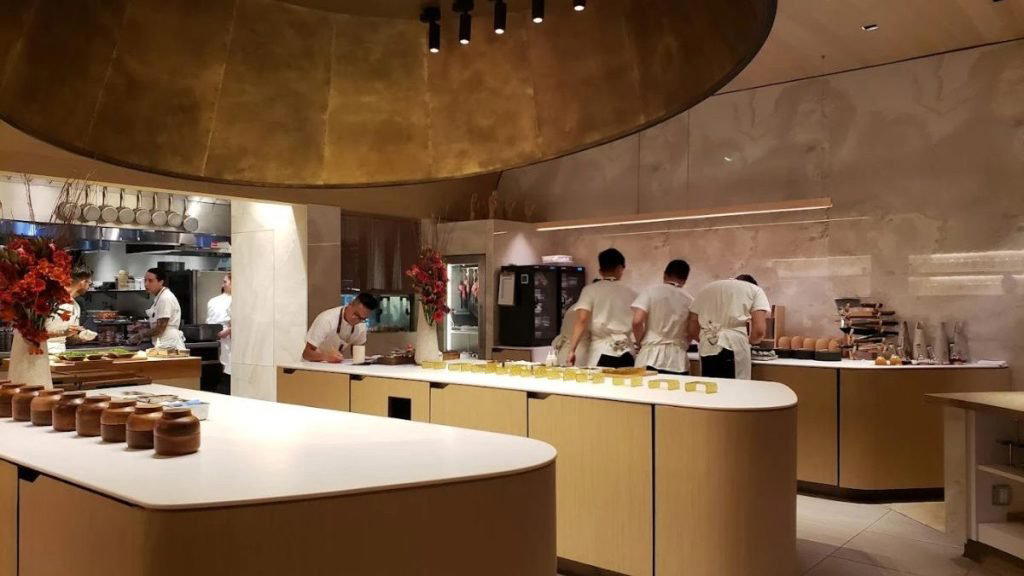
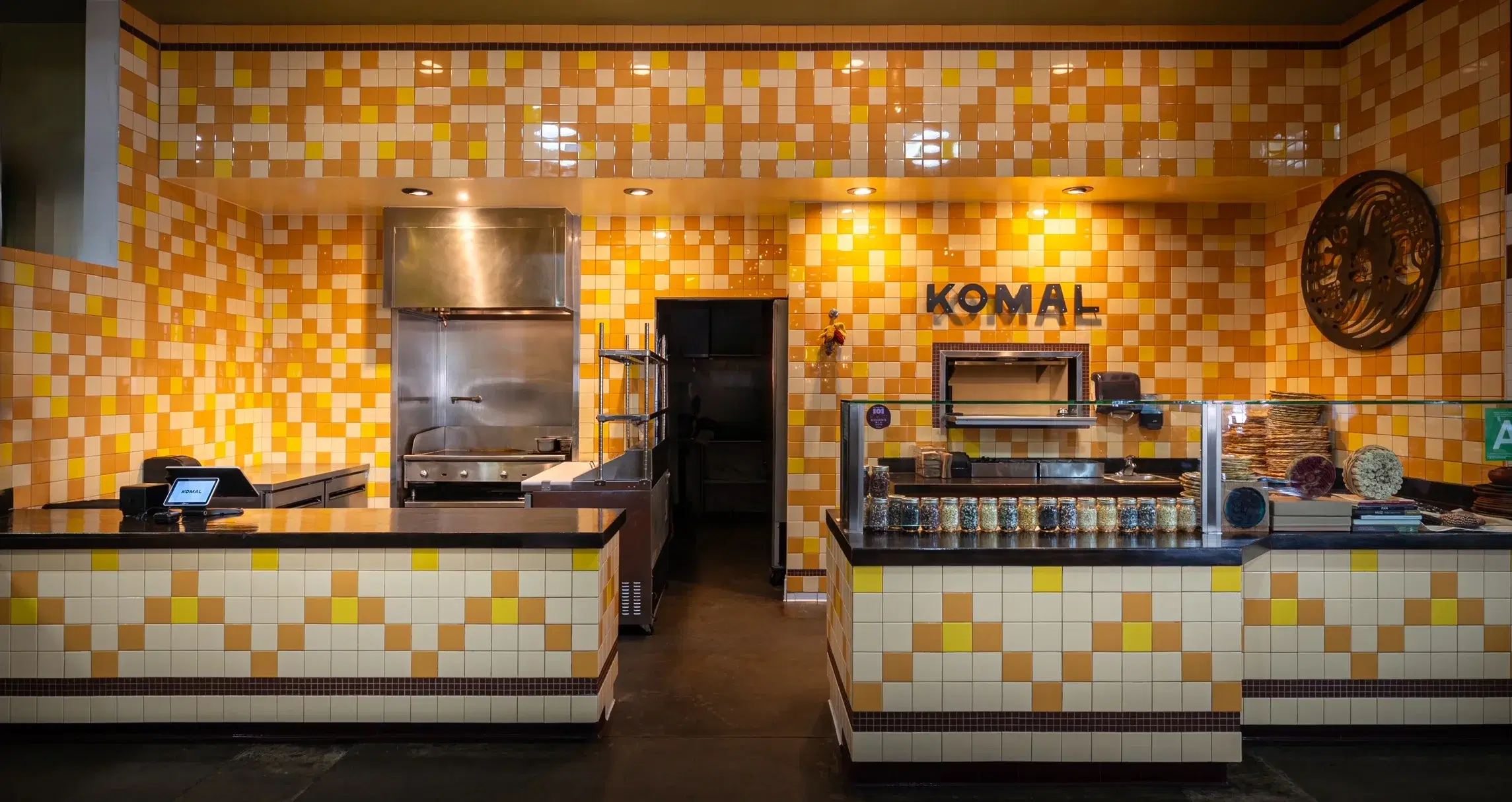
Bars in Los Angeles
All bars in Los Angeles →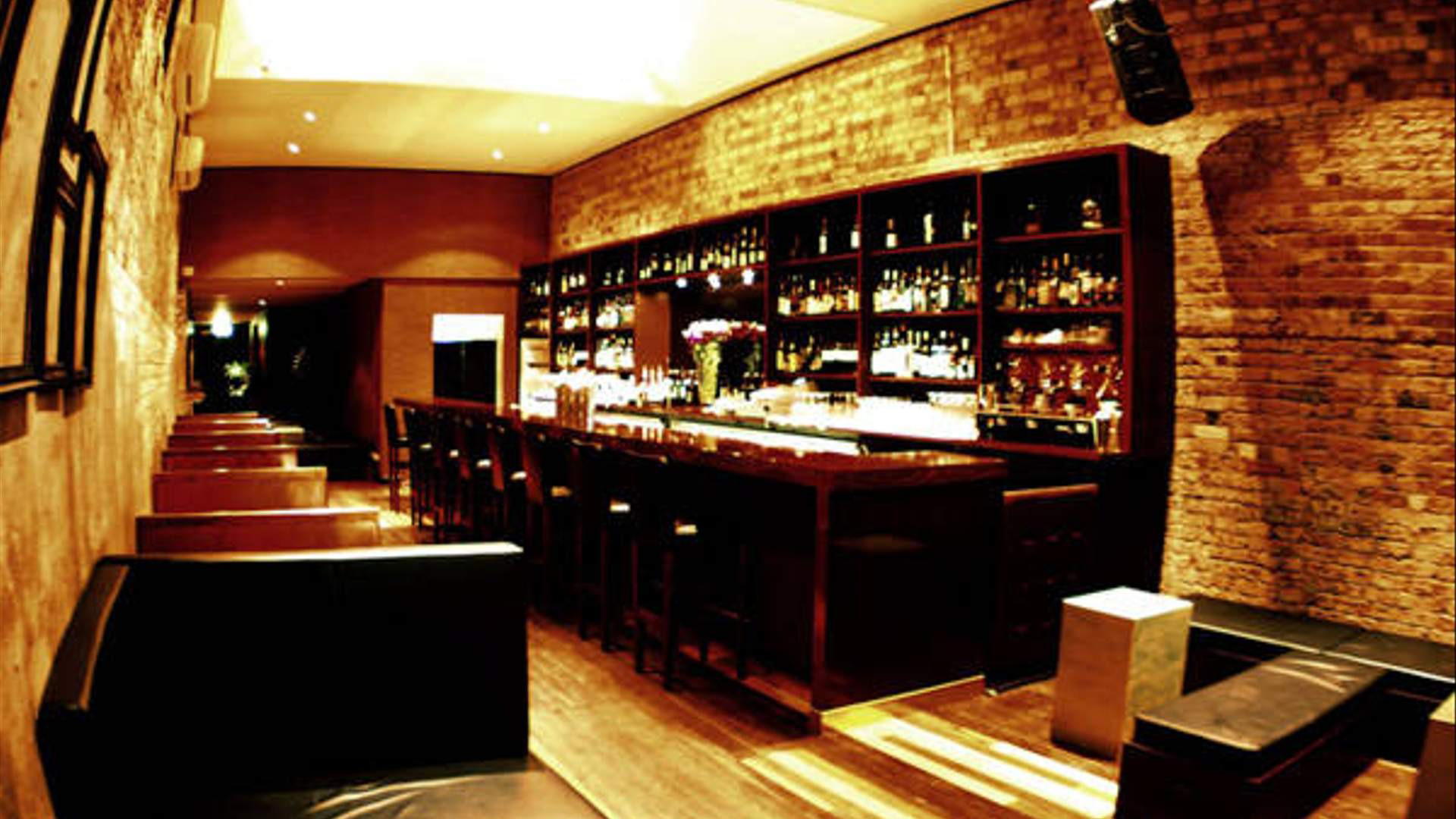
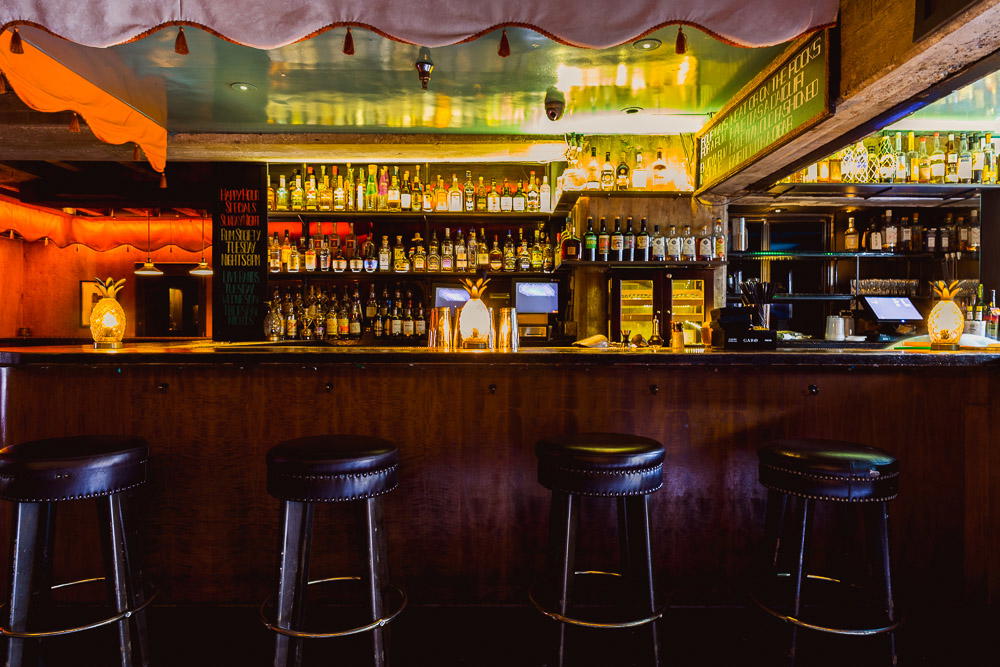
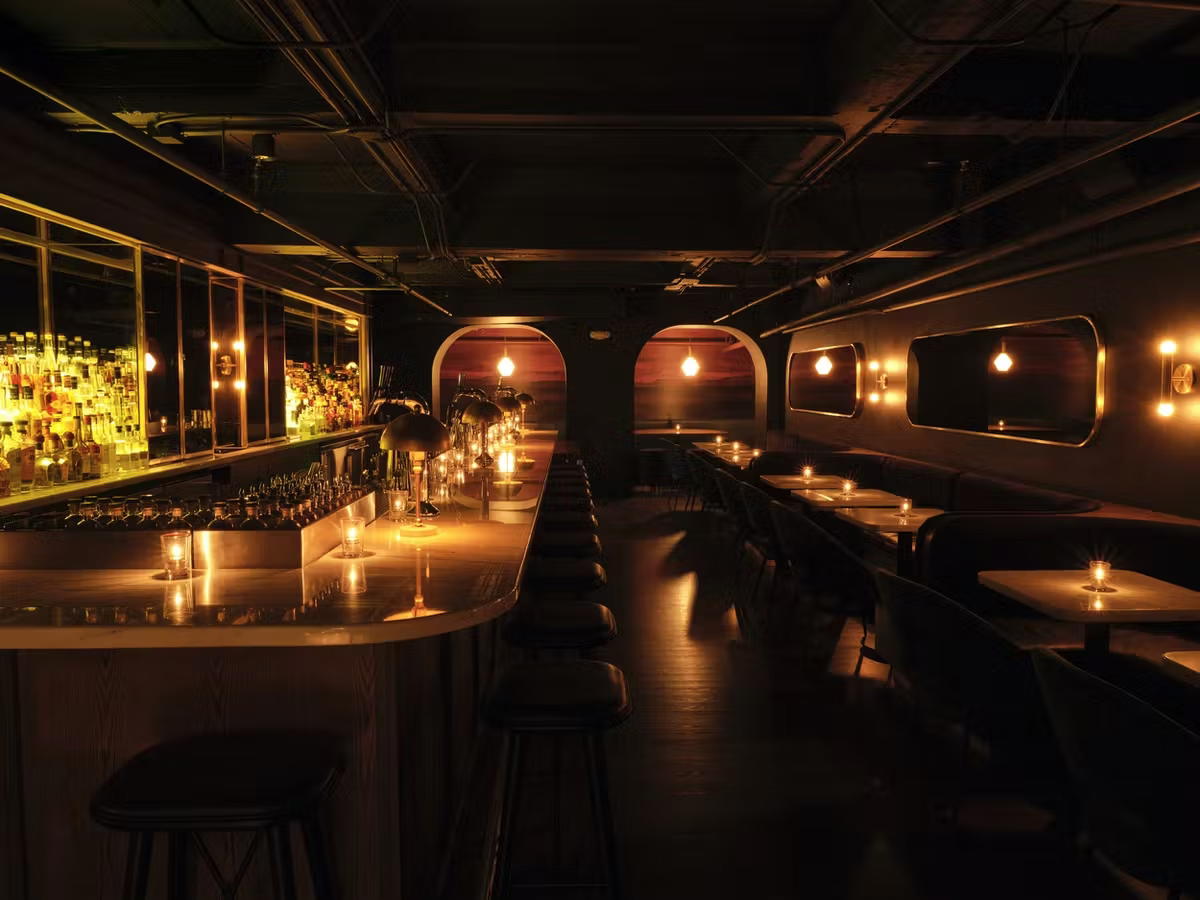
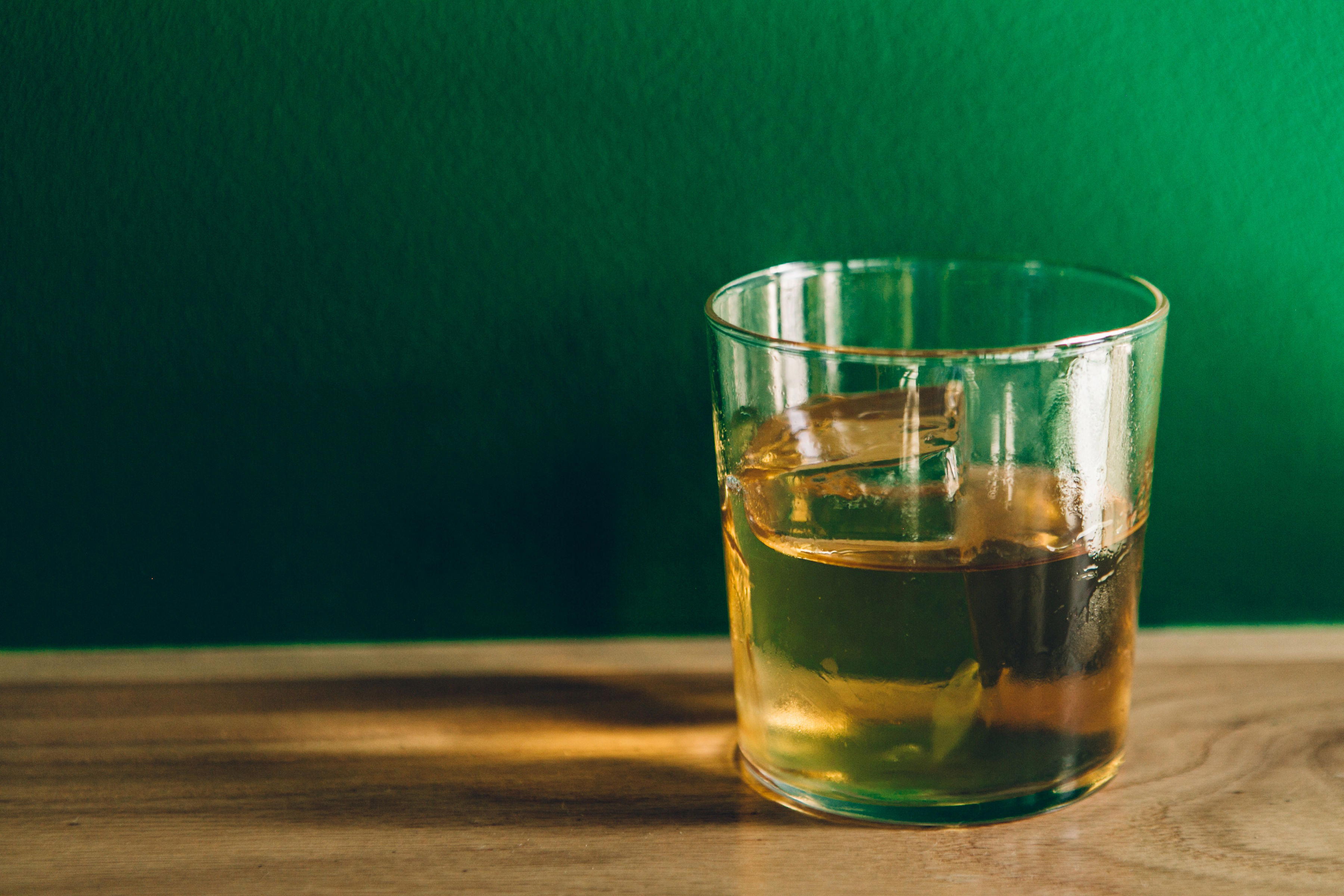
Hotels in Los Angeles
All hotels in Los Angeles →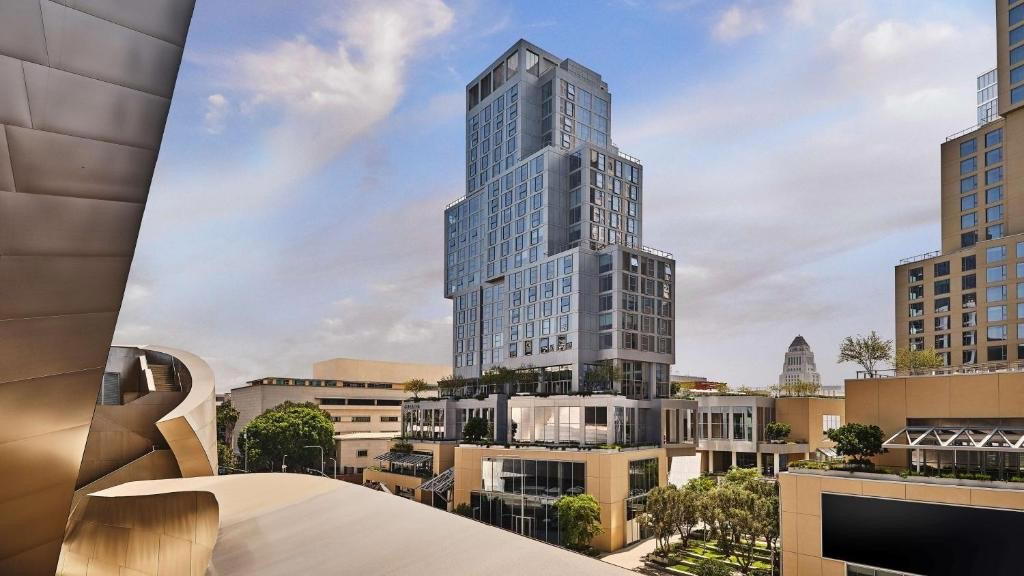
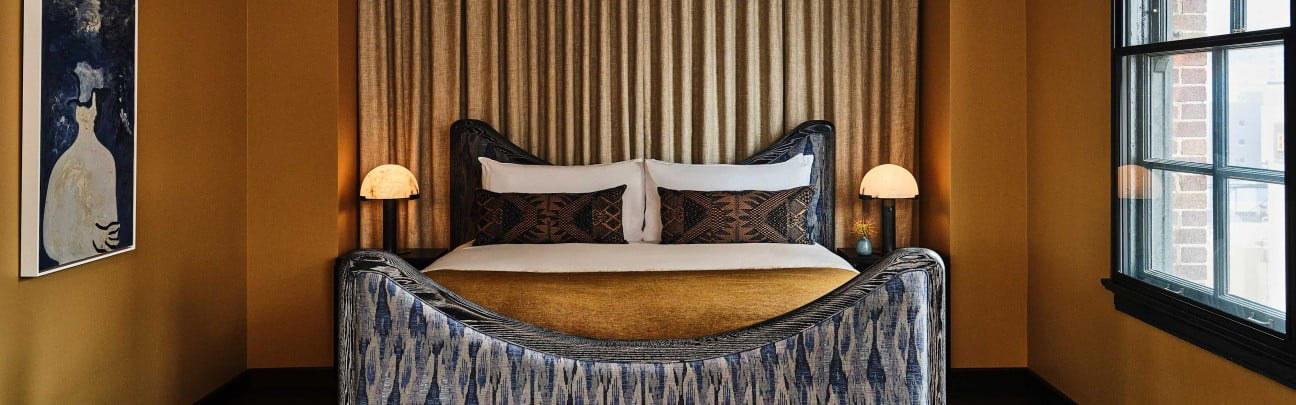
Wineries in Los Angeles
All wineries in Los Angeles →
Casa Ipanema
The wine
- Wine program
- Curated wine list
- Craft cocktails
Details
- Lively
- Trendy
- Elegant
- Date Night
- Celebration
- Group Dining
- Open Kitchen
- Craft Cocktails
- A La Carte
- Craft Cocktails
Current opening hours
- Monday
- Closed
- Tuesday
- Closed
- Wednesday
- 11 AM–10 PM
- Thursday
- 11 AM–10 PM
- Friday
- 11 AM–11 PM
- Saturday
- 11 AM–11 PM
- Sunday
- 11 AM–9 PM
Hours can change for holidays and private events. Last verified .
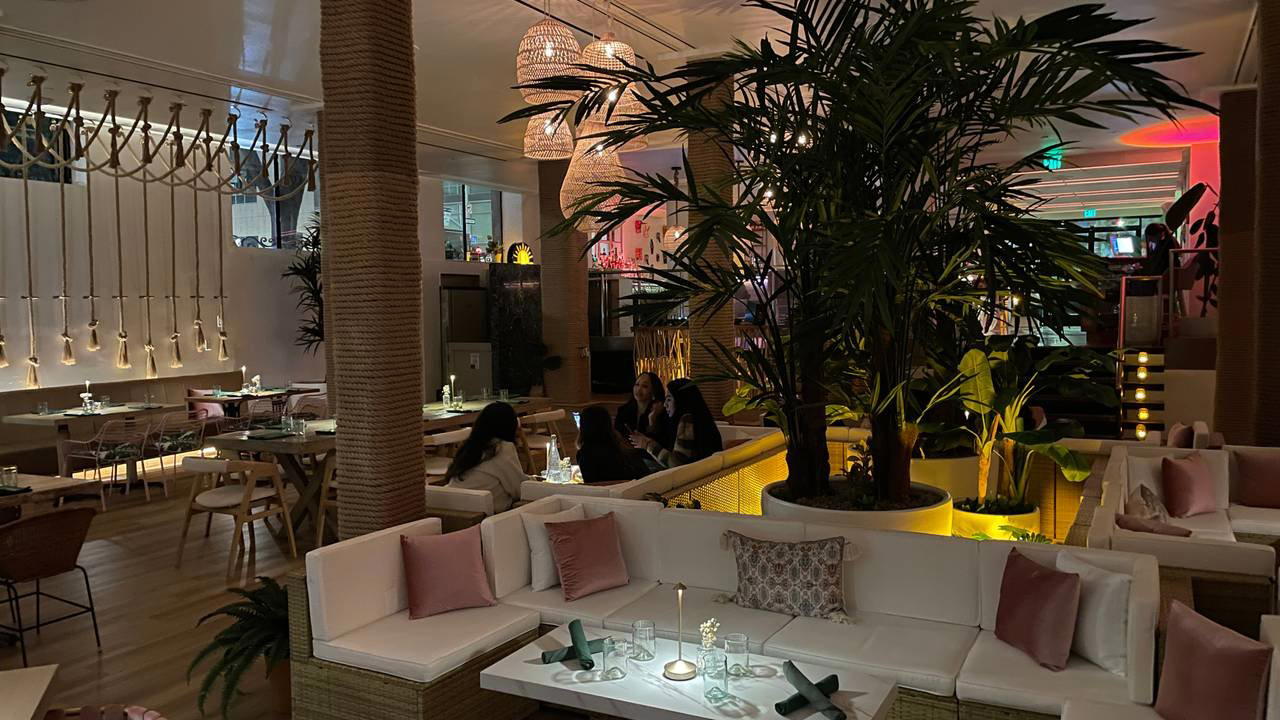
Lush décor with a lively atmosphere enhanced by DJ-curated tropical house music.