Casa Fofò



A Michelin-starred set-menu counter in Dalston where fermentation, ageing, and whole-animal butchery drive an eight-course surprise format priced at £65. No paper menu, no à la carte, just a sequence delivered by the chefs themselves from an open kitchen. Ranked #385 in Opinionated About Dining's Casual Europe list for 2025, Casa Fofò is one of East London's harder reservations to secure.
Pearl is the En Primeur Club membership app — saves, bookings, and concierge access live there. Same editors, same standards.
- Address
- 158 Sandringham Rd, London E8 2HS, United Kingdom
- Phone
- +44 20 3021 0747
- Website
- casafofolondon.co.uk
- Directions
- Get directions
 Saves & bookings on Pearl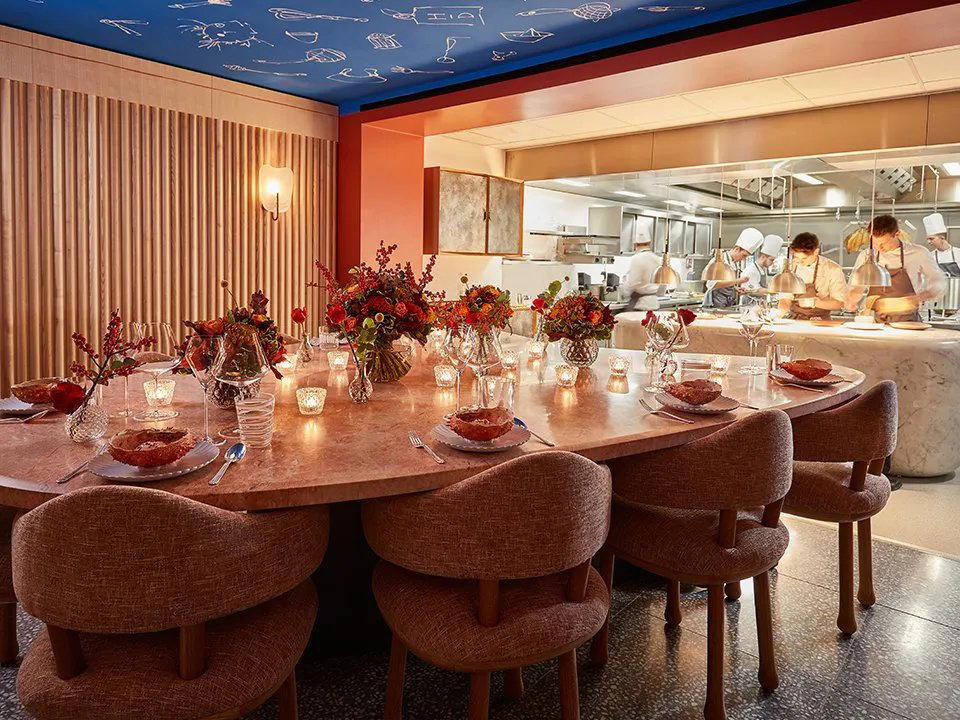
A Parade of Shops, a Surprise Menu, and a Kitchen That Wastes Almost Nothing
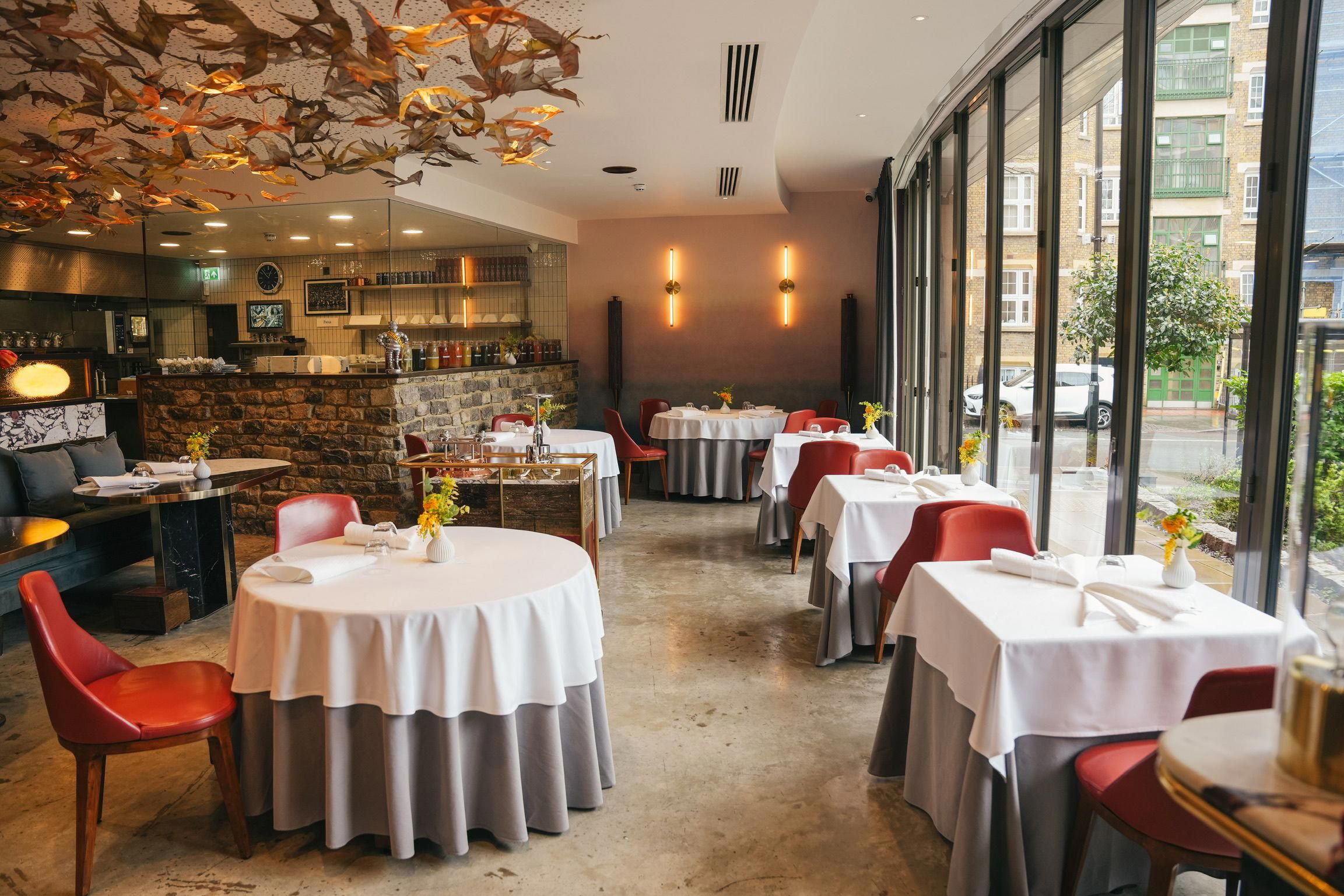
Casa Fofò is a one-star restaurant in Dalston, London, serving a Modern Global Tasting Menu at about £65 per person. Sandringham Road in Dalston sits a short distance from the main drag of Dalston High Road, lined with the kind of neighbourhood storefronts that most diners would walk past without pausing. That anonymity is part of the context for Casa Fofò: the room is small, the signage is understated, and the only thing on offer is an eight-course surprise menu at £65. No à la carte, no paper menu handed to you at the table. What arrives instead is a sequence of dishes delivered by the chefs themselves from an open kitchen, a format that has become increasingly common in London's post-2015 neighbourhood restaurant wave, where the tasting-menu model migrated from formal dining rooms into smaller, more casual spaces.
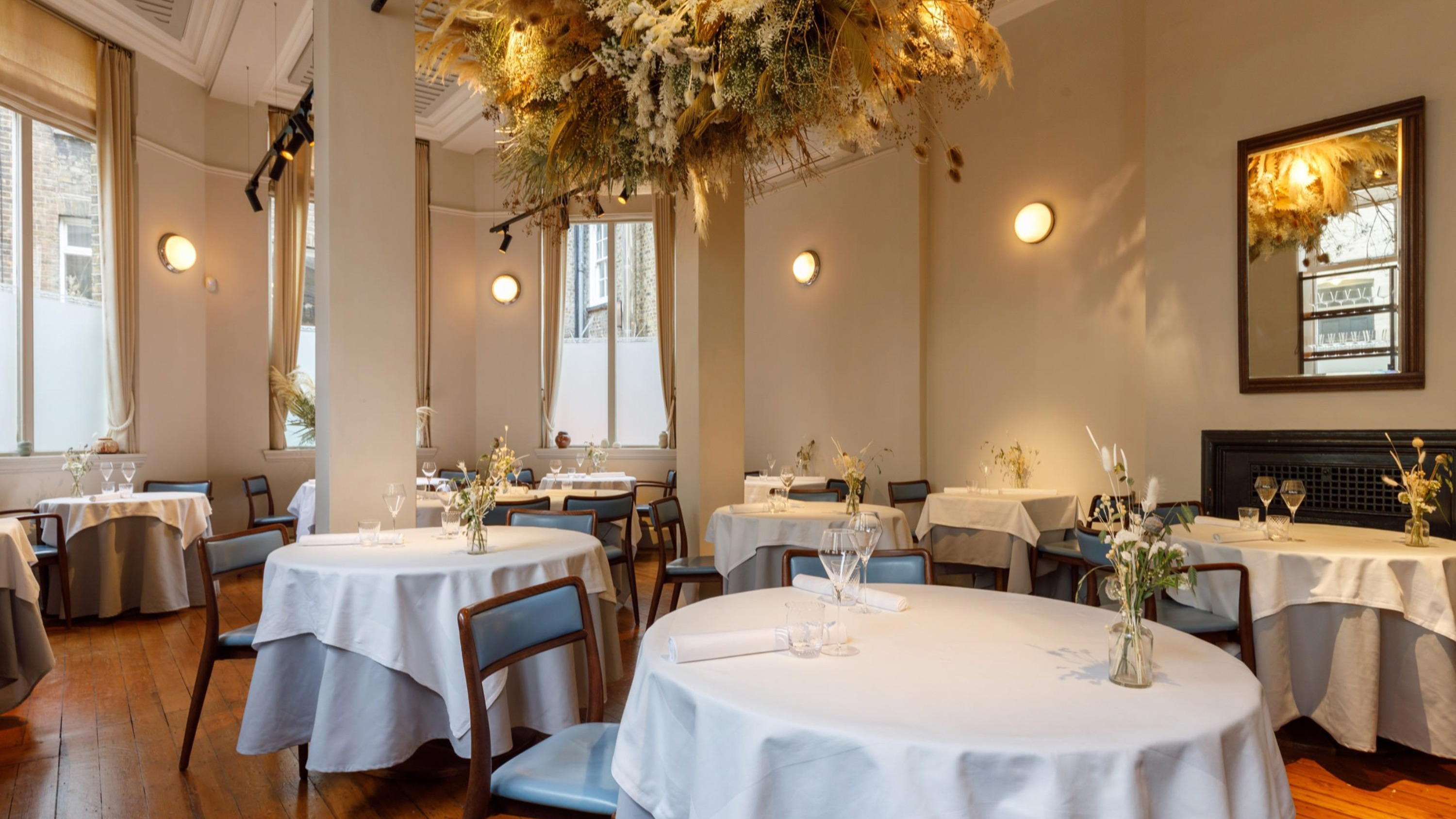
That shift matters because it changed not just the price point but the implied contract with the diner. At the £££££ end, venues like The Fat Duck in Bray or L'Enclume in Cartmel, the tasting menu carries theatrical weight and ceremonial service. At Casa Fofò, the same structure operates without that apparatus. The chefs plate and deliver. There is no front-of-house distance between kitchen and guest. The covered outside space and cellar room supplement the main dining area, but the room still reads as a neighbourhood operation, not a destination restaurant in the conventional sense.
Fermentation as Method, Not Trend
The broader turn toward fermentation and preservation in London's serious kitchens has been well-documented over the past decade, but there is a meaningful difference between restaurants that deploy fermentation as a finishing note and those that use it as a structural principle. Casa Fofò sits firmly in the latter category. Chef Adolfo de Cecco, who previously worked at Pidgin in Hackney, runs a kitchen where pickling, fermenting, ageing, and garum-making are not supporting techniques, they are the vocabulary through which the menu is built.
The ecological logic here is worth examining alongside the culinary one. Fermentation and preservation extend the useful life of ingredients. Garum, the fermented protein sauce derived from classical Roman cooking and revived most visibly by Nordic kitchens over the past fifteen years, allows kitchens to extract flavour from parts of an animal or fish that would otherwise be discarded. Beef garum solids appearing in a dessert element is not shock value; it is a logical expression of a kitchen committed to using the whole product. Fish scales and fermented tomato skins follow the same principle: what a conventional kitchen treats as waste, this kitchen treats as an ingredient requiring time and technique to unlock. This approach to reducing waste through long-process cookery connects Casa Fofò to a wider movement in European restaurants, from Moor Hall in Aughton to La Rei Natura by Michelangelo Mammoliti, where fermentation programs and whole-animal use have become marks of serious intent rather than stylistic affectation.
Butchery credentials are apparent in the menu structure itself. Lamb can appear first as a broth, then as three separate cuts in sequence, a single animal informing multiple courses rather than a single portioned cut. This approach requires both sourcing discipline and a kitchen willing to work with entire carcasses, which in turn implies supplier relationships built on whole-animal purchasing rather than primal cuts. Aged Cornish mackerel signals similar thinking: the decision to age fish rather than serve it fresh is a technique that demands precise temperature control and confident timing, and it positions the kitchen alongside operations that understand maturation as a flavour tool.
What the Menu Structure Signals About Sourcing
Absence of a printed menu at the restaurant is not purely a theatrical choice. Kitchens that commit to surprise formats without a fixed menu are, in practice, retaining flexibility to source responsively, to use what is leading on a given week rather than locking into a printed dish list weeks in advance. That flexibility is more consistent with ethical and seasonal sourcing than a static menu that requires the same ingredients regardless of availability or quality. Among London's comparable Modern European operations in the neighbourhood-restaurant tier, venues like Clipstone, 10 Greek Street, or Aulis London, the degree to which the menu format enables genuine sourcing responsiveness varies considerably. At the restaurant, the commitment appears structural rather than notional.
Cornish mackerel as a sourcing reference point is also worth noting. The South West's day-boat fisheries supply a network of London kitchens, but the decision to age the fish rather than serve it fresh suggests the kitchen is buying directly and handling the full maturation process in-house. An eight-week aged dairy cow, cited in Michelin's assessment of the restaurant, is another indicator: dairy cows are not the standard commodity cuts favoured by most restaurant purchasing. Sourcing and ageing an entire dairy cow requires a specific butchery relationship and the cold storage capacity to see the process through. These are not incidental choices.
The Wine Program and Its Limits
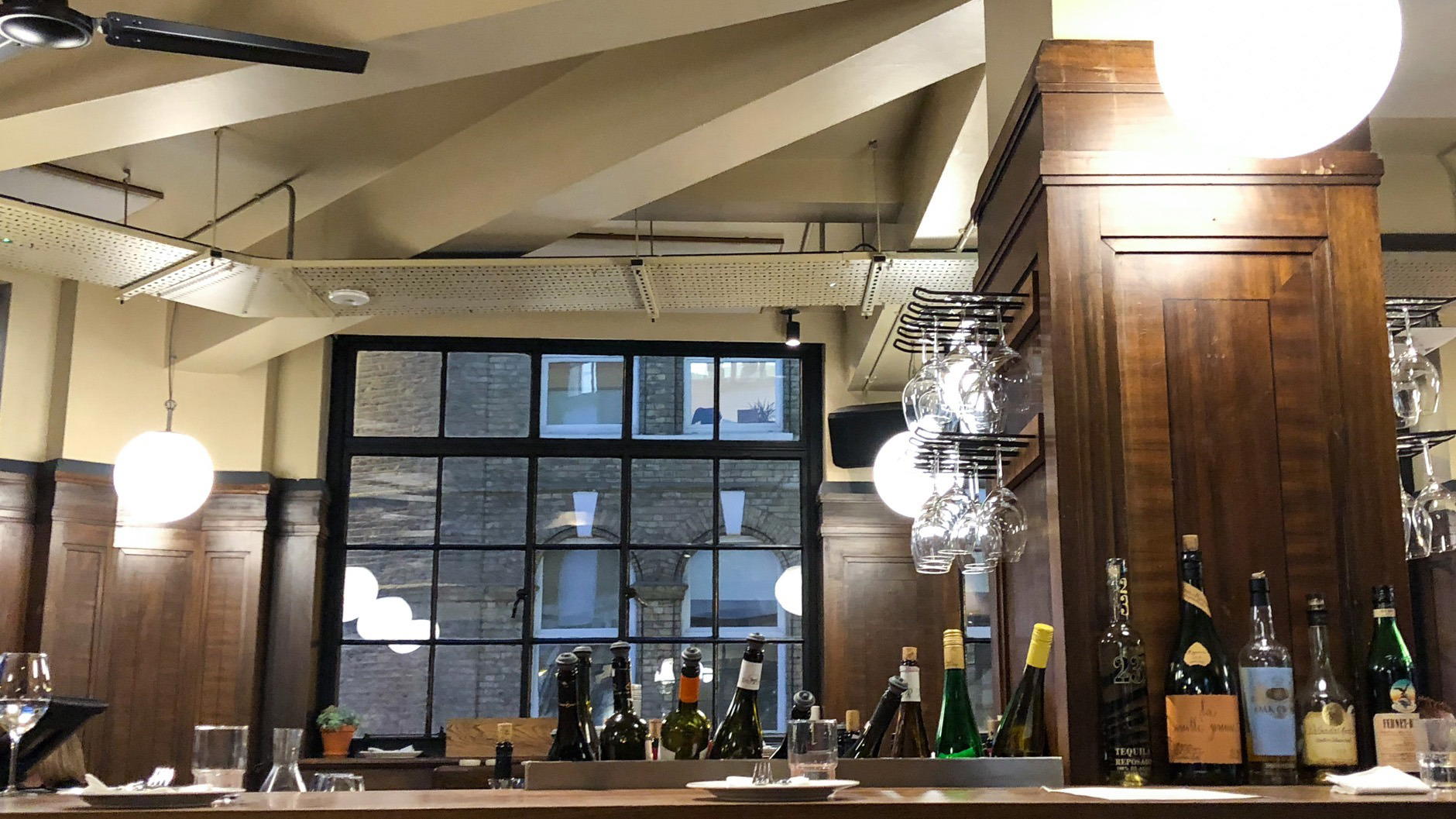
The natural wine list at the restaurant includes a £49 pairing alongside the £65 food menu. Natural wine has become the near-default pairing at this tier of London's neighbourhood fine dining: the low-intervention production ethos aligns logically with kitchens that emphasise fermentation and minimal-waste sourcing, and the category spans enough styles to work across the wide flavour register that a surprise fermentation-heavy menu demands. The pairing here has been positioned as a direct complement to the food.
The wine selection is designed to suit the food closely. The same assessment observes that stronger sommelier support and finer stemware would sharpen the experience, an honest signal that the wine program, while philosophically coherent, has operational room to develop. For comparison, Oak Gent in Gent and similarly positioned Modern European operations in continental Europe have tended to invest more heavily in the service layer around their natural wine programs. At the restaurant, the food remains the primary focus, and the wine program functions as a considered support act rather than a co-equal attraction.
Recognition and Competitive Position
The restaurant holds a Michelin star (2024) and ranks #385 in Opinionated About Dining's Casual Europe list for 2025, up from #470 in 2024. The OAD Casual Europe ranking is a useful competitive signal: it places the restaurant in a comparable set defined by casual-format restaurants across the continent, where the relevant comparison is not with Le Manoir aux Quat' Saisons or Gidleigh Park but with neighbourhood tasting-menu rooms in London, Paris, and Lisbon that operate at similar price points with comparable format discipline. The volume suggests consistent repeat engagement from a broad Dalston and broader London audience.
The difficulty of securing a reservation is proportionate to the room's scale. The covered outside space and cellar supplement the main dining area, but the total capacity remains limited, which, combined with the Wednesday-to-Sunday dinner schedule (with Saturday and Sunday lunch added), means available covers per week are fewer than at almost any restaurant with comparable recognition. For context on how East London's more casual end compares to central London's neighbourhood operators, Bill's and Chiltern Firehouse occupy entirely different price tiers and volume models. The restaurant is, by design, a small room with a specific offer. The booking pressure that creates is a function of the format, not a marketing posture.
Planning Your Visit
Address: 158 Sandringham Rd, London E8 2HS. Hours: Wednesday to Friday dinner only (6 to 9:30 PM); Saturday and Sunday lunch (1 to 2 PM) and dinner (6 to 9:30 PM); closed Monday and Tuesday. Budget: £65 for the eight-course menu; £49 for the wine pairing. Reservations: Advance booking is necessary, the room is small and fills quickly; check the website directly for availability. Getting there: Dalston Kingsland (Overground) is the closest station, a short walk from Sandringham Road. Dress: No stated code; the room is casual in format. What to know: The menu is a surprise format, no printed menu, no à la carte. Dietary requirements should be communicated at booking. The wine pairing is the recommended route into the list for those unfamiliar with the natural wine producers featured.
For further dining in London, see our full London restaurants guide. For accommodation, consult our full London hotels guide. Bar recommendations are in our full London bars guide, and for producers and tastings, our full London wineries guide and our full London experiences guide cover the wider picture. For comparable Modern European tasting-menu formats elsewhere in the UK, Hand and Flowers in Marlow represents a different point on the same casual-but-serious spectrum.
- Aged Cornish mackerel
- Almond anolini
- Lamb broth with three cuts
- Oyster linguine
- Fermented tofu with cabbage
- Sourdough with caramelized butter
A Quick Peer Check
Comparable venues nearby, for context on price, style, and recognition.
| Venue | Cuisine | Price | Awards | Notes |
|---|---|---|---|---|
| Casa FofòThis venue — the venue you are viewing | Modern Global Tasting Menu | $$$ | Michelin 1 Star | Not listed |
| Kitchen W8 | Modern English with French Soul | $$$ | Michelin 1 Star | South Kensington |
| AngloThai | Modern Anglo-Thai Fine Dining | $$$ | Michelin 1 Star | Marble Arch |
| Pétrus by Gordon Ramsay | Modern French Fine Dining | $$$$ | Michelin 1 Star | Belgravia |
| Behind Restaurant | Modern Seafood Tasting Menu | $$$ | Michelin 1 Star | Hackney Central |
| SO|LA | Contemporary Californian | $$$$ | Michelin 1 Star | Soho |
Recognition history
Dated appearances from independent guides and award organizations, with the underlying list record or original source where available.
Michelin 1 Star
Michelin
Opinionated About Dining Casual in Europe Recommended
Opinionated About Dining
Michelin 1 Star
Michelin
Opinionated About Dining Casual in Europe Ranked #385
Opinionated About Dining
The Good Food Guide GFG Good
The Good Food Guide
Michelin 1 Star
Michelin
Opinionated About Dining Casual in Europe Ranked #470
Opinionated About Dining
Continue exploring
More in London
Restaurants in London
Browse all →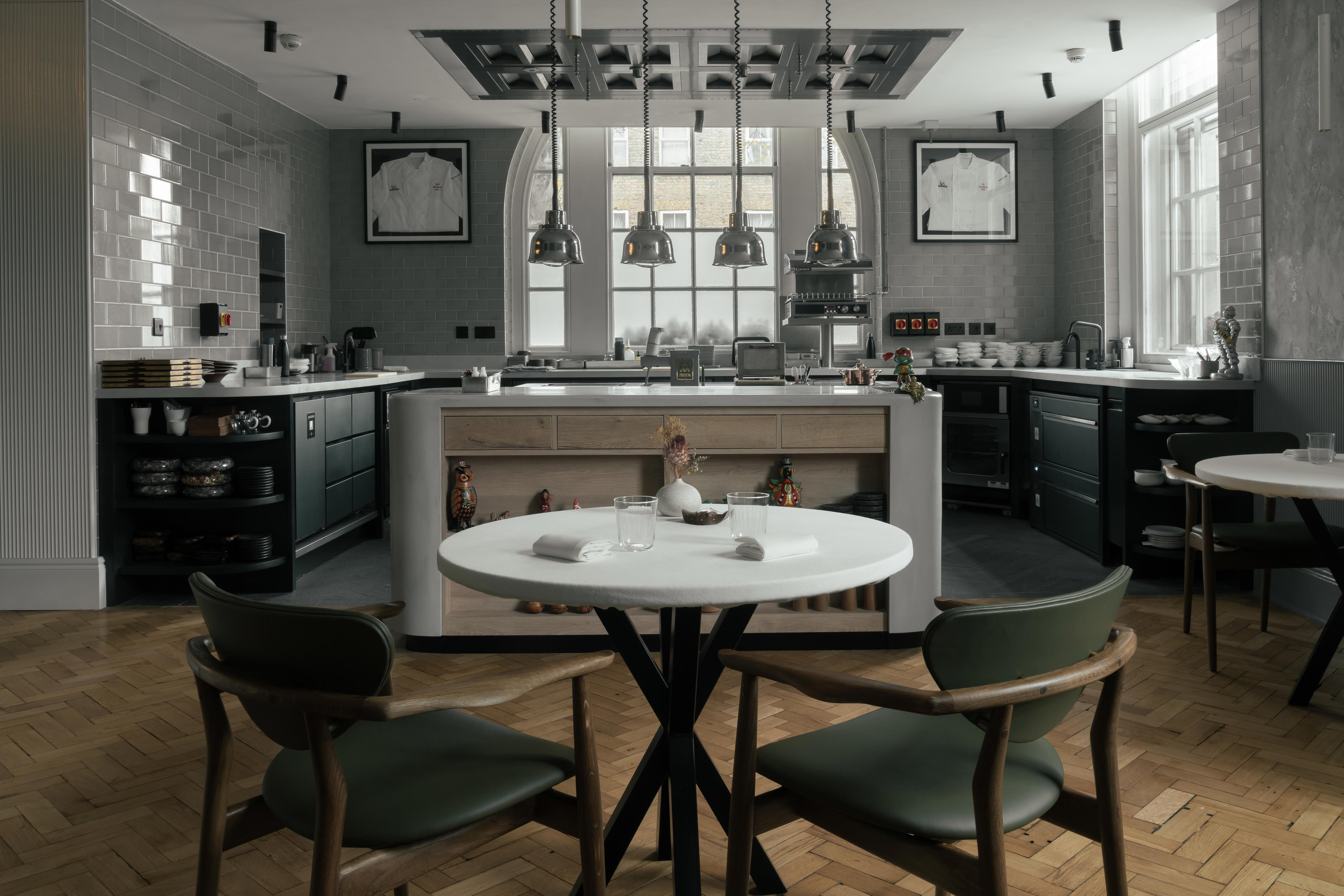
Bars in London
Browse all →
Hotels in London
Browse all →




At a Glance
- Intimate
- Cozy
- Relaxed
- Date Night
- Special Occasion
- Celebration
- Open Kitchen
- Private Dining
- Natural Wine
- Sommelier Led
- Local Sourcing
- Natural Wine
- Biodynamic
Current opening hours
- Monday
- Closed
- Tuesday
- Closed
- Wednesday
- 6–9:30 PM
- Thursday
- 6–9:30 PM
- Friday
- 6–9:30 PM
- Saturday
- 1–2 PM, 6–9:30 PM
- Sunday
- 1–2 PM, 6–9:30 PM
Hours can change for holidays and private events. Last verified .
Cozy and intimate with warm, welcoming atmosphere; open kitchen visible to diners; soft lighting; relaxed fine dining without pretension; described as feeling like an extension of the kitchen.