

A Michelin Plate-recognised address in central Getafe, Casa de Pías builds its menu around direct-sourced coastal fish, Iberian meats, and market produce, presented in a white-toned dining room that keeps the focus on the plate. The price point sits at mid-range for the Madrid metropolitan area, making it one of the more considered options for traditionally grounded modern cooking south of the capital.
Pearl is the En Primeur Club membership app — saves, bookings, and concierge access live there. Same editors, same standards.
- Address
- C. Escuelas Pias, 4, 28901 Getafe, Madrid, Spain
- Phone
- +34 916 96 47 57
- Website
- casadepias.com
- Directions
- Get directions
 Saves & bookings on Pearl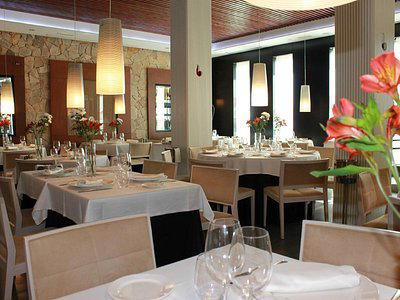
Where Getafe Eats Seriously
Getafe sits twelve kilometres south of Madrid's city centre, and its restaurant scene reflects the character of a working municipality that has never needed to perform for tourists. The dining rooms here tend to be direct in their ambitions: good product, honest cooking, prices that don't factor in a postcode premium. Casa de Pías, on Calle Escuelas Pías a few streets from the city hall, fits that description in form but exceeds it in substance. The Michelin Guide has awarded it a Plate in both 2024 and 2025, the Guide's signal that the kitchen is producing food worth the trip, without yet placing it in the starred tier. At a €€ price point in the broader Madrid metropolitan market, that recognition carries weight.
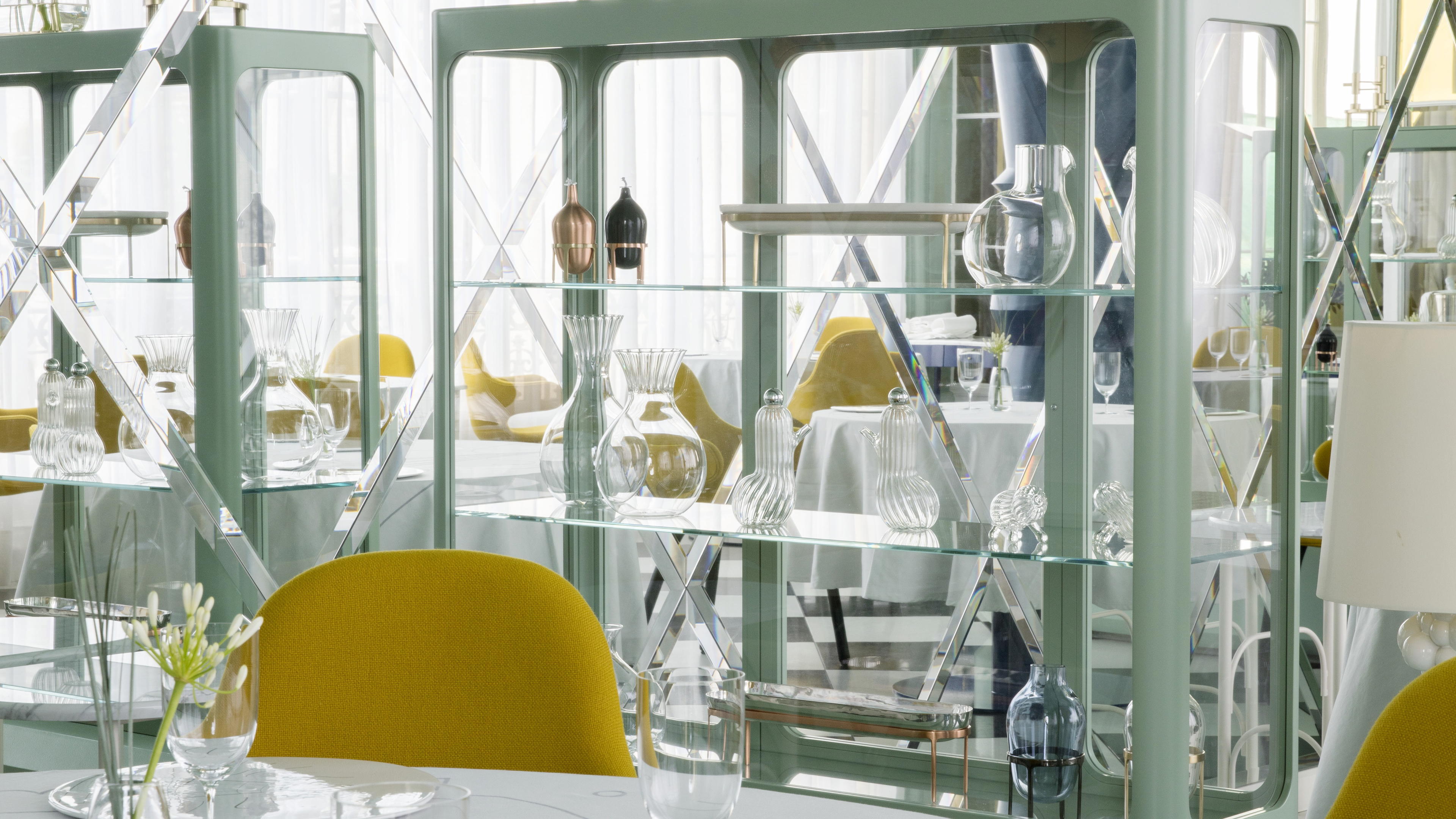
The dining room itself is organized around a white colour scheme that runs through the main spaces and into the private rooms. It is a deliberate choice: white walls, white linen, minimal visual clutter. In a region where restaurant interiors frequently compete with the food for attention, the restraint here functions as an editorial statement. You are meant to concentrate on what arrives at the table.
The Supply Chain Behind the Plate
One coherent way to read the menu at Casa de Pías is through its sourcing logic. This is not a kitchen that gestures at provenance with a line on the menu and leaves it there. The fish arrives directly from the coast, and the kitchen treats that supply chain as a design constraint rather than a marketing detail. Spain's Atlantic and Mediterranean coastlines produce some of Europe's most varied seafood, and the direct-sourcing model, bypassing the wholesale distribution layers that flatten quality in inland cities, allows for species and conditions that rarely reach Madrid's more commercialised dining rooms.
Braised wild grouper is among the preparations cited in the Michelin record. Grouper (mero) is a firm-fleshed, slow-growing species that tolerates long, gentle cooking well; the braising approach suits a fish that would suffer under high-heat methods. The fact that it appears as a signature preparation here rather than the more common farmed sea bass or sea bream says something about the kitchen's willingness to source less predictable, less margin-friendly product. Compare this approach to the sourcing philosophy at Spain's coastal three-star addresses: Aponiente in El Puerto de Santa María operates with the Cádiz Bay literally adjacent to its kitchen, while Quique Dacosta in Dénia has spent two decades interrogating the Mediterranean larder. Casa de Pías is not operating at that register of ambition or price, but the sourcing principle, direct, specific, product-led, connects it to the same broader argument about what Spanish cooking does when it's working well.
On the land side, Iberian pork cheek with a yellow curry sauce and grilled Galician T-bone represent the kitchen's range. Galician beef (from older, grass-fed cattle in the northwest) has become the reference point for premium grilled meat across Spain's serious mid-range restaurants over the past decade, much as it has at the summit tier: the breed and feeding regime produce marbling and flavour depth that younger Castilian cattle rarely match. The Iberian pork cheek with yellow curry is a different kind of signal, one that places the kitchen in conversation with the wave of Spanish cooking that absorbed North African and South Asian spice vocabulary without abandoning its product base. The combination of an intensely flavoured, collagen-rich cut with a curry sauce is a pairing that requires confidence in both the sourcing and the technique.
Appetisers, Preserves, and the Value of the Full Spread
The wide selection of appetisers and the choice of traditional preserves (conservas) deserve attention as a category rather than an afterthought. Spain's conserva tradition, particularly from Galicia and the Cantabrian coast, produces tinned seafood of a calibre that serious restaurants use as a deliberate course rather than a filler. Offering a selection of conservas alongside house appetisers is a format that positions a meal at Casa de Pías as a longer, more unhurried affair than its price tier might suggest. The approach is well-established at mid-range Spanish addresses that want to signal seriousness without the architecture of a tasting menu.
Where It Sits in the Madrid Metropolitan Picture
Madrid's fine dining conversation centres on the capital itself, with addresses like DiverXO operating at the extreme end of ambition and price. The Basque and Catalan establishments that dominate Spain's three-star count, including Arzak, Azurmendi, Martin Berasategui, Mugaritz, El Celler de Can Roca, Cocina Hermanos Torres, and Ricard Camarena, require travel and commitment. The restaurant operates in a different tier entirely, but the consistent Michelin Plate recognition suggests a kitchen that is disciplined enough to hold a standard rather than coast on a suburban location with a captive audience. where diners are returning regulars rather than first-time visitors chasing a listing, reinforces that reading.
For context on what the Michelin Plate means in practice: the designation indicates that the inspector found the food good enough to single out among the restaurants surveyed, but has not yet met the criteria for one star. In a city the size of Getafe, receiving that designation in consecutive years means the kitchen is consistent, not merely having a good night when the inspector passes through.
Planning a Visit
The restaurant is on Calle Escuelas Pías 4, in central Getafe, and is accessible from Madrid by suburban rail (Cercanías line C-4, Getafe Centro station). The address is within walking distance of the station, making it a practical lunch or dinner option for visitors coming from the capital without a car. The €€ price range positions it as a mid-market choice in Madrid metropolitan terms, which means a table here will cost considerably less than a comparable Michelin-recognised meal in central Madrid. Booking in advance is advisable, particularly for the private dining rooms, which appear to be a regular part of the operation given they are referenced in the Michelin record alongside the main dining rooms. For broader planning across the area, see our full Getafe restaurants guide, as well as our Getafe hotels guide, bars guide, wineries guide, and experiences guide.
Fast Comparison
Comparable venues nearby, for context on price, style, and recognition.
| Venue | Cuisine | Price | Awards | Notes |
|---|---|---|---|---|
| Casa de PíasThis venue — the venue you are viewing | Modern Spanish | $$ | Michelin Plate | Not listed |
| Restaurante El Tostadero. | Spanish Gastrobar | $$$ | Not listed | La Cibelina |
| La Trasiega | Modern Spanish Market Cuisine | $$$ | Not listed | Getafe |
| La Venganza De Malinche | Authentic Mexican Taqueria | $$ | Not listed | Getafe centro |
| Asador Errazki | Basque and Navarre Grill | $$$ | Not listed | Getafe |
| Celestial Burger | Modern American Burgers | $$ | Not listed | Getafe |
Recognition history
Dated appearances from independent guides and award organizations, with the underlying list record or original source where available.
Macarfi 7.1 Food Rating
Macarfi
Michelin Plate
Michelin
Michelin Plate
Michelin
Michelin Plate
Michelin
Continue exploring
More in Getafe
Restaurants in Getafe
Browse all →
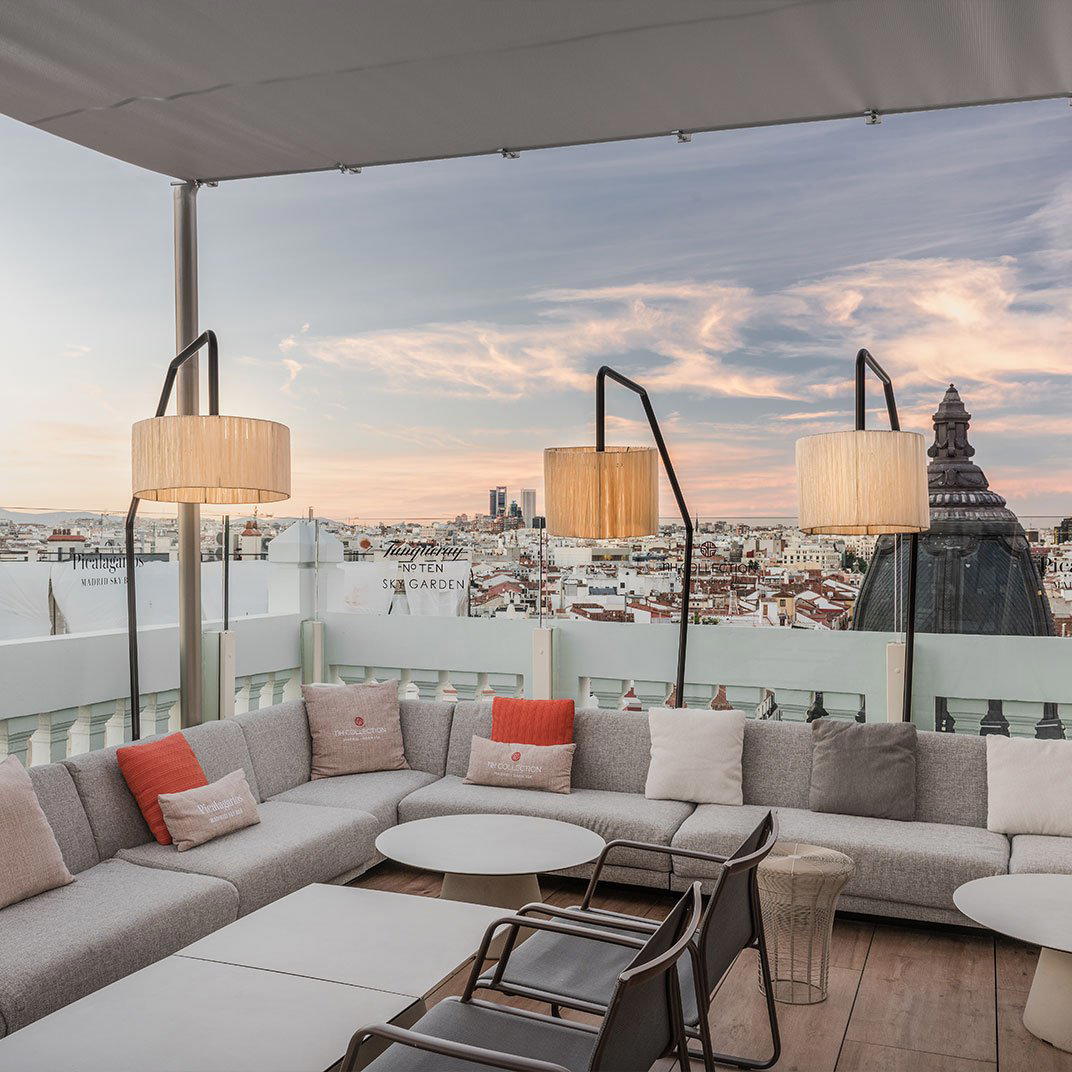
Bars in Getafe
Browse all →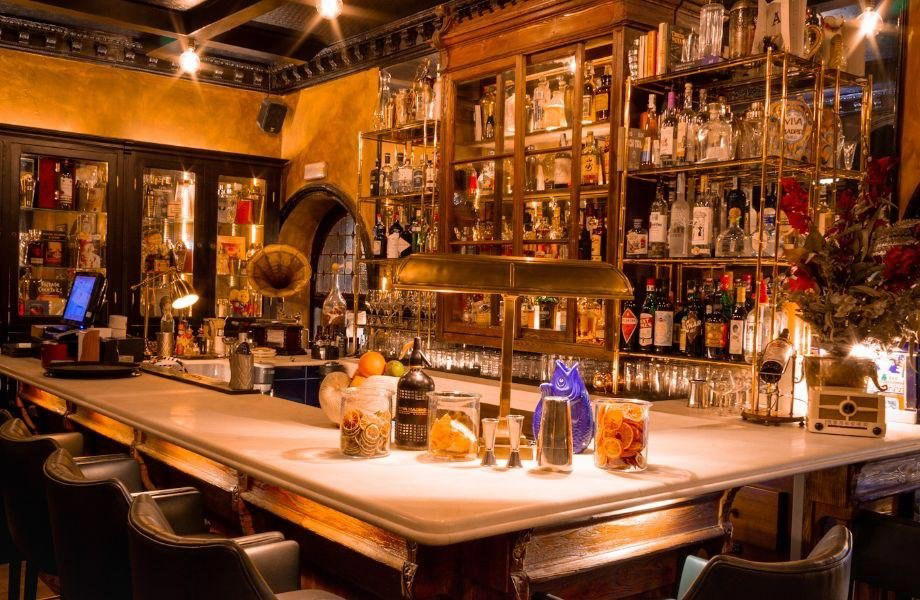
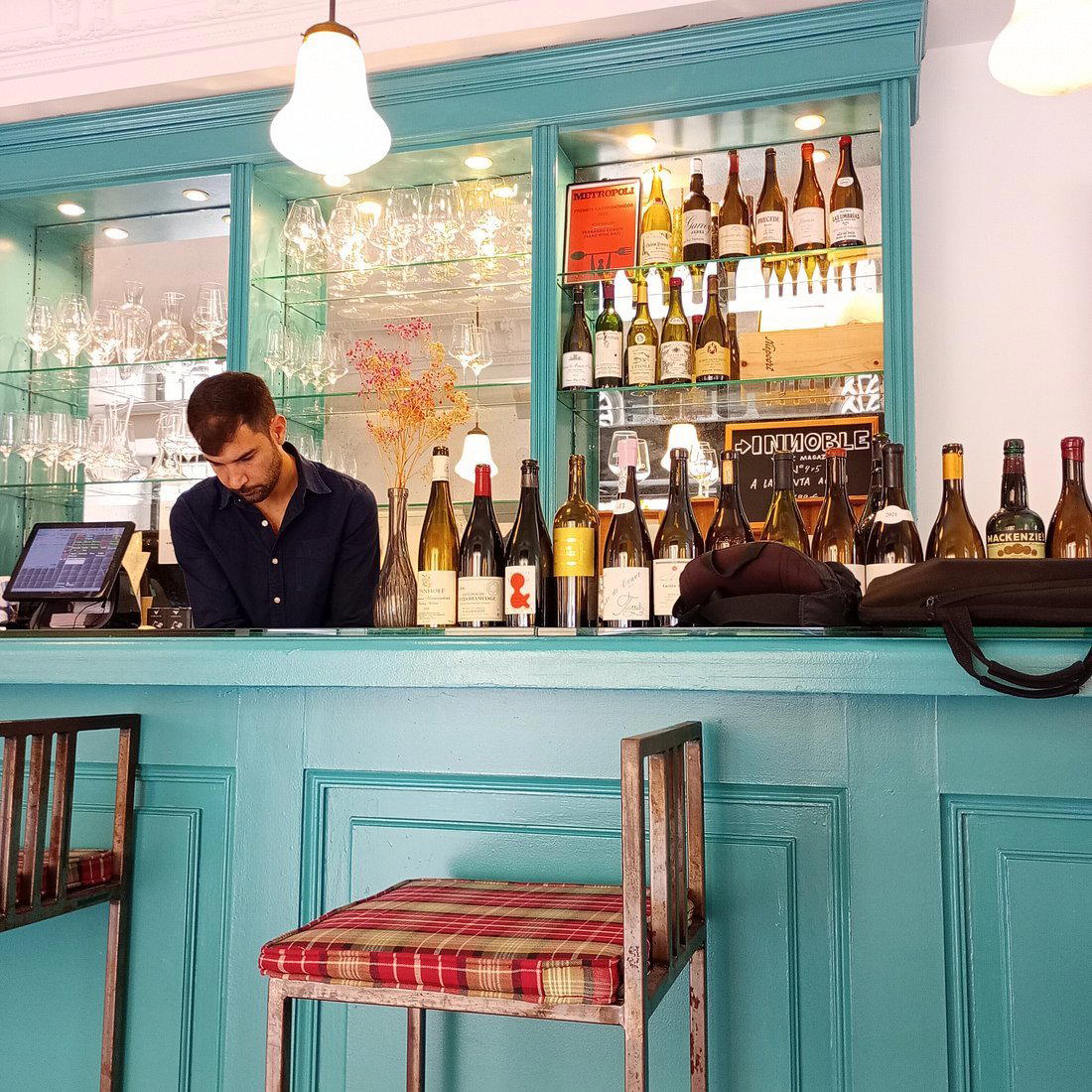
Hotels in Getafe
Browse all →


At a Glance
- Classic
- Elegant
- Cozy
- Date Night
- Special Occasion
- Group Dining
- Private Dining
- Open Kitchen
- Extensive Wine List
- Farm To Table
- Local Sourcing
Current opening hours
- Monday
- 9 AM–5 PM
- Tuesday
- 9 AM–5 PM
- Wednesday
- 9 AM–5 PM, 8–11 PM
- Thursday
- 9 AM–5 PM, 8–11 PM
- Friday
- 1–4 PM, 8–11 PM
- Saturday
- 1–4 PM, 8–11 PM
- Sunday
- Closed
Hours can change for holidays and private events. Last verified .
Classic-contemporary decor with a dominant white color scheme creating an elegant yet cozy atmosphere in main dining rooms and private spaces.