Casa Aleppo
Our verdict
Casa Aleppo brings Syrian and Levantine cooking to Lauro de Freitas, a coastal municipality just north of Salvador on Bahia's Atlantic shore. The address places it inside a neighbourhood where Middle Eastern culinary traditions have taken quiet root alongside Brazil's own northeast pantry. For anyone tracing how immigrant food cultures reshape a regional dining scene, this is a meaningful stop.

Pearl is the En Primeur Club membership app — saves, bookings, and concierge access live there. Same editors, same standards.
- Address
- R. João Chagas Ortins de Freitas, 577 - Buraquinho, Lauro de Freitas - BA, 42710-610, Brazil
- Phone
- +5571991393941
- Hours
- Mon ClosedTue–Sun 11:30 AM–10 PM
- Website
- casaaleppo.com
- Directions
- Get directions
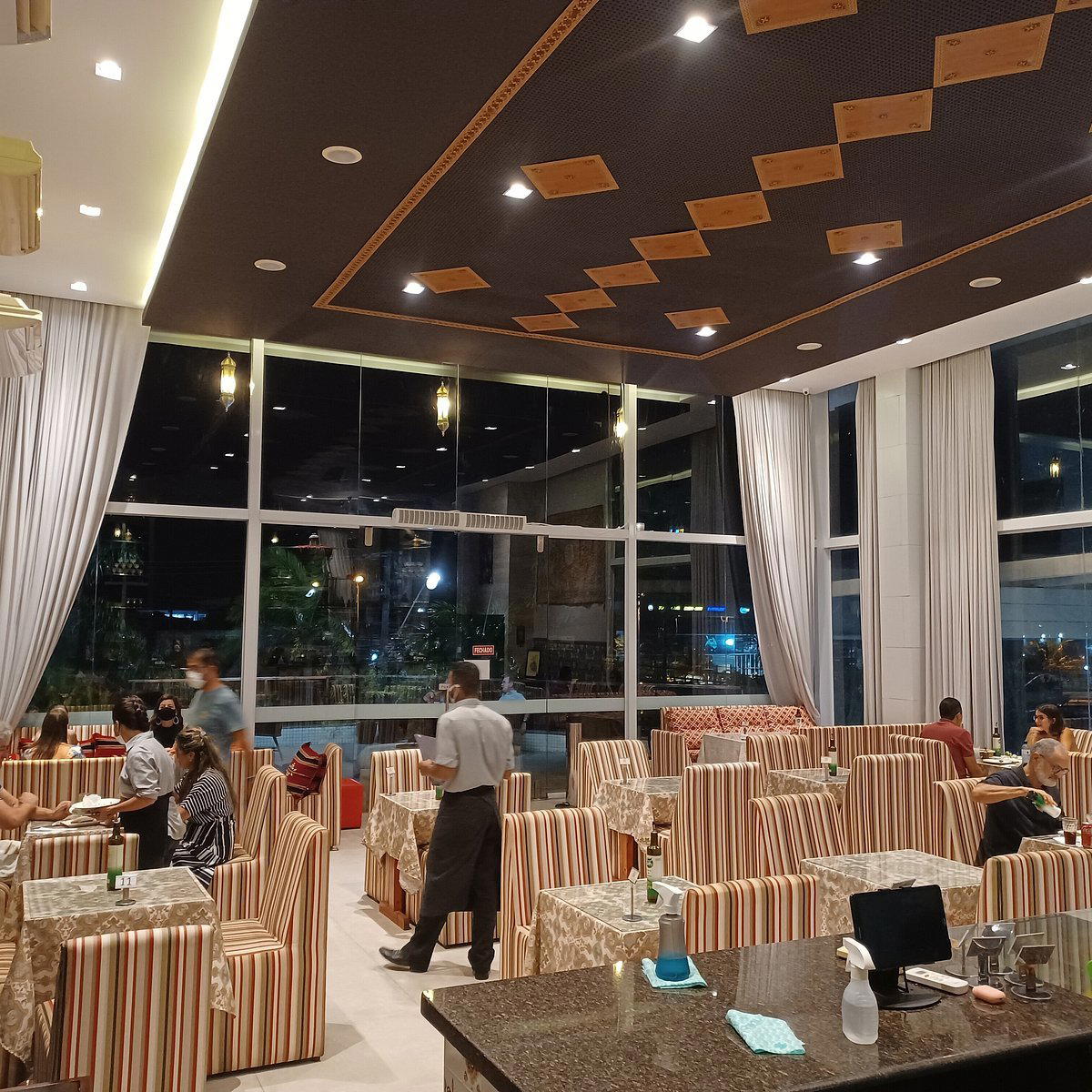
Where Levantine Tradition Meets the Bahian Pantry
Lauro de Freitas sits on Bahia's coastline, administratively separate from Salvador but close enough to share its cultural gravity. The city has grown steadily as a residential overflow zone for Salvador's professional class, and with that growth has come a more varied food scene than the tourist circuits usually acknowledge. Within that context, a Syrian-named restaurant on Rua João Chagas Ortins de Freitas in the Buraquinho district represents something worth examining: how Levantine cooking roots itself in northeastern Brazil, and what happens to its ingredients when it does. For broader orientation across the city's dining options, see our full Lauro de Freitas restaurants guide.
The Sourcing Logic Behind Levantine Cooking in Brazil's Northeast
Syrian and Lebanese immigration into Brazil stretches back more than a century, concentrated in São Paulo but with tendrils reaching every corner of the country. Bahia's particular version of that story is shaped by what the region's land actually offers. The northeast produces dried beef, tropical fruits, manioc in multiple forms, and fish from both the Atlantic and freshwater sources. Levantine cooking, at its structural core, is built on legumes, slow-braised lamb, dried spices, fresh herbs, and flatbread. Where those two pantries intersect is where restaurants like Casa Aleppo find their logic.
Aleppo, the Syrian city that gives this restaurant its name, was historically one of the most important trading posts on the ancient spice routes. Its cuisine is characterized by pomegranate molasses, red pepper flakes that carry warmth rather than heat, and a preference for sour-sweet balance that distinguishes it from the more broadly familiar Lebanese template most Brazilians encounter through shawarma counters. Whether Casa Aleppo in Lauro de Freitas draws on that specific culinary geography in its kitchen, or uses Aleppo as a broader signifier of Syrian cultural heritage, shapes what kind of restaurant it actually is. The name alone is a positioning signal in a country where Lebanese food dominates the Middle Eastern category.
For comparison, consider how Brazilian restaurants that successfully bridge regional and immigrant traditions operate elsewhere: Orixás | North Restaurant in Itacaré uses Bahia's Afro-Brazilian pantry as its organizing principle, while Manga in Salvador works with the city's coastal ingredients through a contemporary lens. Casa Aleppo draws from a different lineage entirely, one that arrived by ship rather than through the land.
The Neighbourhood Setting
Buraquinho, the district where Casa Aleppo operates, is residential in character. It is not a dining destination strip in the way that parts of Salvador's Barra or Rio Vermelho neighbourhoods function. Restaurants in this kind of setting typically survive on local repeat custom, which means the food has to hold up across multiple visits rather than relying on the first-impression spike that tourist-facing venues can coast on. That pattern tends to produce more honest cooking: pricing calibrated to neighbourhood reality, portions sized for regulars, and sourcing decisions made with consistency in mind rather than show.
Across Brazil's wider fine-dining tier, places like Oteque in Rio de Janeiro and D.O.M. in São Paulo operate in a different register entirely, with international recognition and price points to match. Casa Aleppo belongs to a different category: the neighbourhood specialist, where the question is not which critics have noticed it but whether the cooking is sound enough to earn the loyalty of people who live nearby and eat there often. That is a harder test in some respects than a tasting-menu format reviewed once by a passing journalist.
Ingredient Sourcing as the Central Argument
The editorial case for Levantine cooking in Bahia rests largely on ingredient overlap. Both cuisines use spices heavily. Both have strong lamb traditions, though Bahia's version runs more toward goat in interior markets. Both rely on slow cooking. The divergence is in the souring agents: where Bahian cooking reaches for dendê oil and vatapá's fermented dimension, Levantine cooking reaches for tamarind, sumac, and pomegranate. A kitchen that takes both seriously has access to a genuinely interesting range of flavour contrasts.
Restaurants working in immigrant food traditions in Brazil face a sourcing decision at the outset. Import the specialty ingredients at cost and keep the food authentic but expensive. Substitute with Brazilian equivalents and risk losing the point. Or find the places where the two pantries genuinely overlap and build from there. The last approach is the most intellectually interesting and, where it works, produces food that could not have been made anywhere else. How Casa Aleppo resolves that tension is, ultimately, what determines its standing in Lauro de Freitas's food map.
For a sense of how other Brazilian restaurants handle the distance between regional identity and culinary ambition, Birosca S2 in Belo Horizonte and Manu in Curitiba both operate in that productive middle ground between local rootedness and formal technique. Internationally, the same sourcing discipline that defines the leading Levantine-adjacent cooking appears in how Le Bernardin in New York City treats its fish supply chain: the ingredient is the argument, and everything else is in service of it.
Planning a Visit
Casa Aleppo is located at Rua João Chagas Ortins de Freitas, 577, in the Buraquinho district of Lauro de Freitas, Bahia. Neighbourhood restaurants of this type in Brazilian cities often operate on a first-come basis for lunch and accept same-day calls for dinner. Arriving at opening time or mid-afternoon to confirm evening availability is a practical approach when specific booking details are unavailable. For reference on what other specialist restaurants in Brazil's northeast look like in terms of format, Lobby Café in Belém operates in a comparable neighbourhood-specialist register further north along the coast.
Frequently asked questions
Is Casa Aleppo good for families?
The address in Buraquinho, a residential district of Lauro de Freitas, points toward a neighbourhood-scale operation rather than a high-volume destination restaurant. That context tends to favour informal, table-sharing formats common to Syrian cooking traditions, which makes it a reasonable fit for groups.
What is the atmosphere like at Casa Aleppo?
Buraquinho is a residential neighbourhood in Lauro de Freitas, not a commercial dining strip, so the setting is oriented toward a local clientele rather than tourists or destination diners. Syrian restaurants operating outside major urban centres in Brazil typically maintain a communal, informal register aligned with the hospitality conventions of Levantine cooking.
How does Casa Aleppo's Syrian focus differ from the Lebanese restaurants more common across Brazil?
Syrian and Lebanese cuisines share roots but diverge in technique, spice use, and preparation logic. Aleppan cooking, centred on the Syrian city of Aleppo, relies heavily on its namesake pepper, a dried chilli with a lower heat level and a fruity, faintly smoky quality absent from most Lebanese preparations. Casa Aleppo's positioning in Lauro de Freitas makes it one of the few restaurants in Bahia referencing Syrian regional cooking specifically, rather than the broader Lebanese diaspora tradition that spread through São Paulo and inland Brazil over the past century.
What should I eat at Casa Aleppo?
The name specifically references Aleppo, which signals a Syrian regional identity distinct from the Lebanese restaurants that dominate Brazil's Middle Eastern dining scene. Aleppan cooking is associated with slow-braised proteins, legume preparations, and the mildly smoky, fruity heat of Aleppo pepper, all of which overlap with ingredients available in Bahia's pantry.
Where exactly is Casa Aleppo?
Casa Aleppo is located at R. João Chagas Ortins de Freitas, 577 - Buraquinho, Lauro de Freitas - BA, 42710-610, Brazil, Lauro De Freitas.
Can I walk in to Casa Aleppo?
For neighbourhood restaurants in Lauro de Freitas, walk-in dining is common, but visiting during off-peak hours reduces the risk of arriving without a table. Contacting the venue directly before visiting is advisable until booking details are confirmed.
What has Casa Aleppo built its reputation on?
The restaurant's name commits it to a specific Syrian regional identity rather than the broad Middle Eastern category, which in Brazil is almost entirely dominated by Lebanese cooking. That specificity is itself a positioning statement: Aleppan cuisine uses a different spice palette, a distinct approach to preserved ingredients, and culinary techniques that predate Lebanon's emergence as the dominant reference point for Arab food in South America.
Comparison Snapshot
Comparable venues nearby, for context on price, style, and recognition.
| Venue | Cuisine | Price | Notes |
|---|---|---|---|
| Casa AleppoThis venue — the venue you are viewing | Lebanese & Middle Eastern | Not listed | Not listed |
| Roberta Sudbrack | Modern Brazilian | Not listed | Jardim Botânico |
| Boi Preto Prime | Brazilian Churrascaria with Japanese Influences | $50–100 | Boca do Rio |
| Restaurante Mistura Contorno | Bahian Seafood Fusion | $30–50 | Dois de Julho |
| Lobby Café | Hotel Lobby Café | Not listed | Campina |
| Larriquerrí | French-Italian Bistro | Not listed | Garcia |
Continue exploring
More in Lauro De Freitas
Restaurants in Lauro De Freitas
Browse all →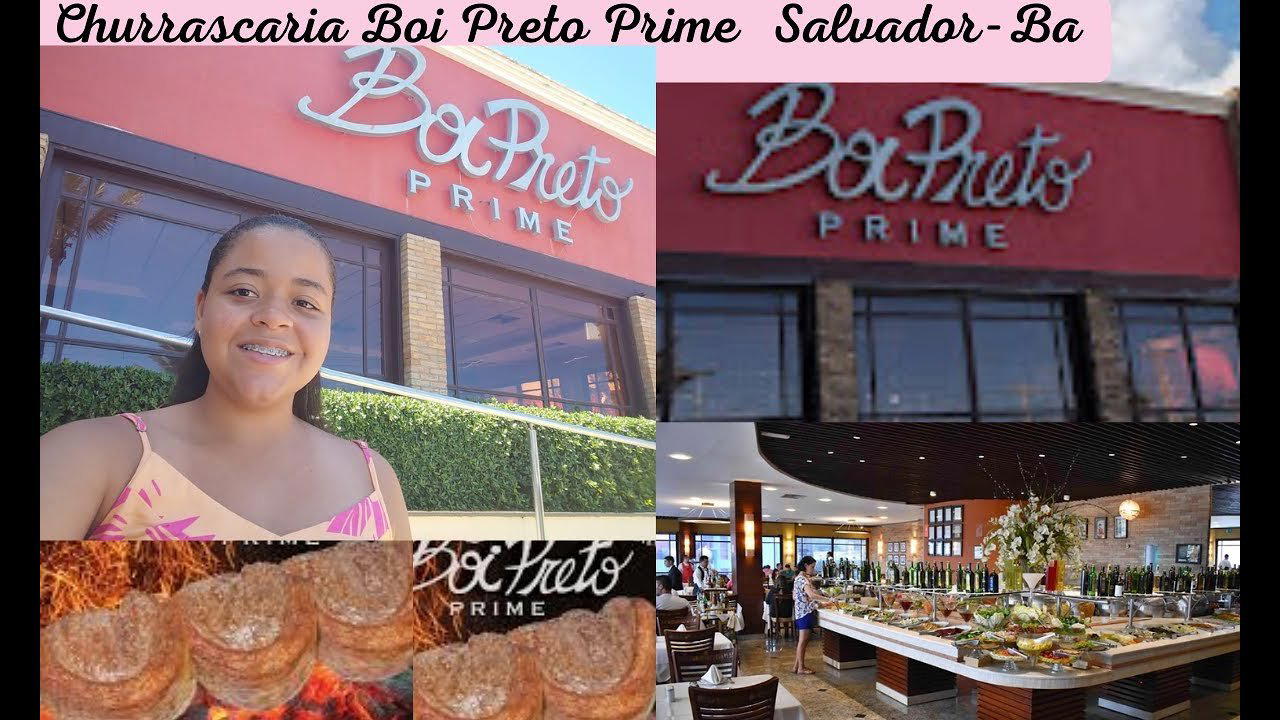
Bars in Lauro De Freitas
Browse all →
Details
- Cozy
- Elegant
- Date Night
- A La Carte
Current opening hours
- Monday
- Closed
- Tuesday
- 11:30 AM–10 PM
- Wednesday
- 11:30 AM–10 PM
- Thursday
- 11:30 AM–10 PM
- Friday
- 11:30 AM–10 PM
- Saturday
- 11:30 AM–10 PM
- Sunday
- 11:30 AM–10 PM
Hours can change for holidays and private events. Last verified .
Charming atmosphere capturing Middle Eastern essence