Carroll Street Cafe
Carroll Street Cafe occupies a quietly consequential address in Atlanta's Reynoldstown neighborhood, where the city's appetite for neighborhood-rooted, sustainability-minded dining has found a consistent home. The cafe sits in a part of Atlanta that rewards those who look beyond the Buckhead corridor, offering a more grounded counterpoint to the city's fine-dining circuit at 208 Carroll St SE.
Pearl is the En Primeur Club membership app — saves, bookings, and concierge access live there. Same editors, same standards.
- Address
- 208 Carroll St SE, Atlanta, GA 30312
- Phone
- +14045772700
- Website
- carrollstreetcabbagetown.com
- Directions
- Get directions
 Saves & bookings on Pearl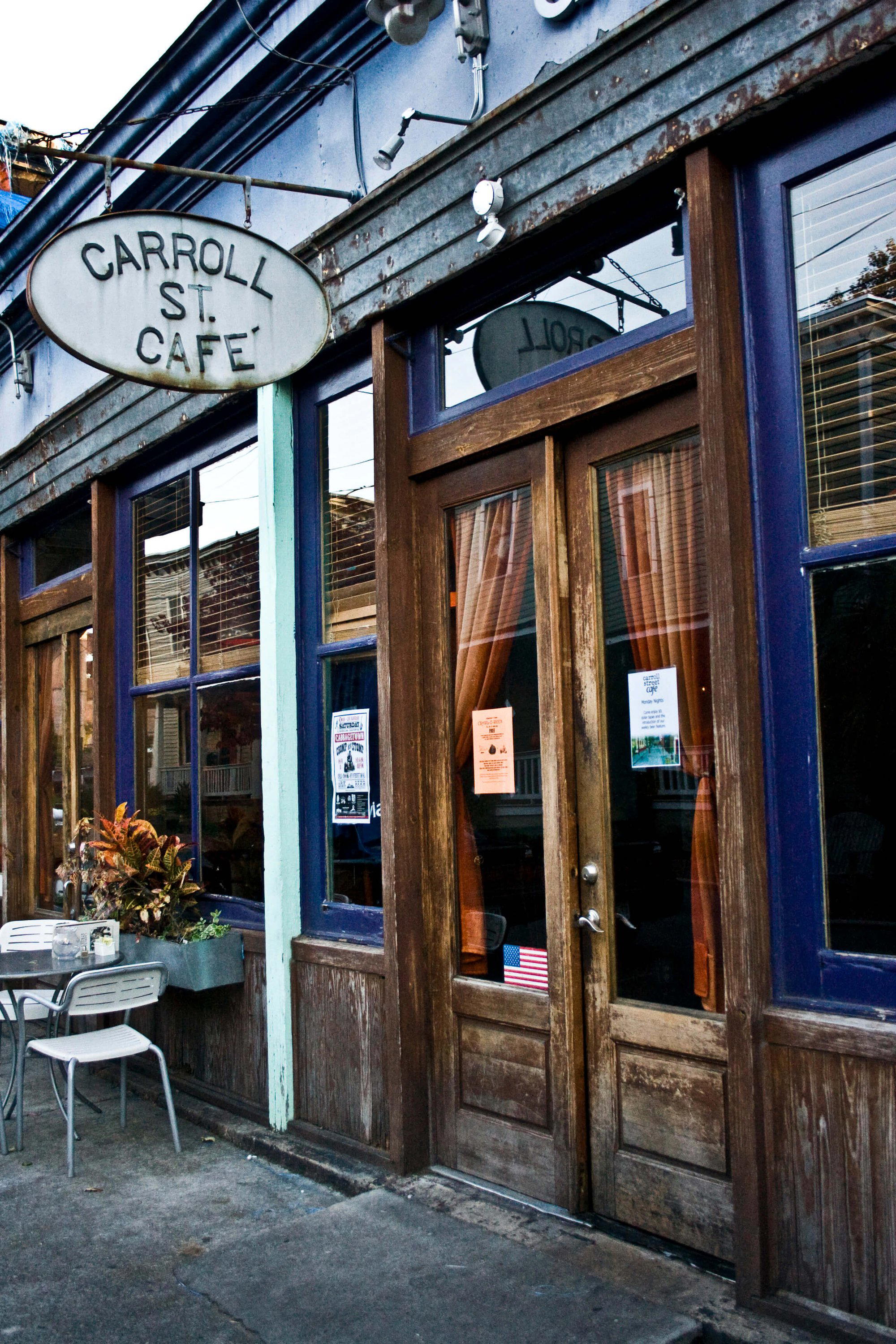
A Neighborhood Address With Something to Say
The stretch of Carroll Street running through Reynoldstown reads like a document of how Atlanta's inner-ring neighborhoods have changed over the past two decades. Beltline access brought foot traffic; foot traffic brought investment; investment, eventually, brought the kind of small, owner-operated venues that function as social anchors rather than destination restaurants. Carroll Street Cafe belongs to that pattern. It is the sort of place that fills a gap the market rarely plans for deliberately: a neighborhood cafe that takes its food seriously without positioning itself against the $$$$ tasting-menu tier occupied by venues like Bacchanalia, Lazy Betty, or Atlas.
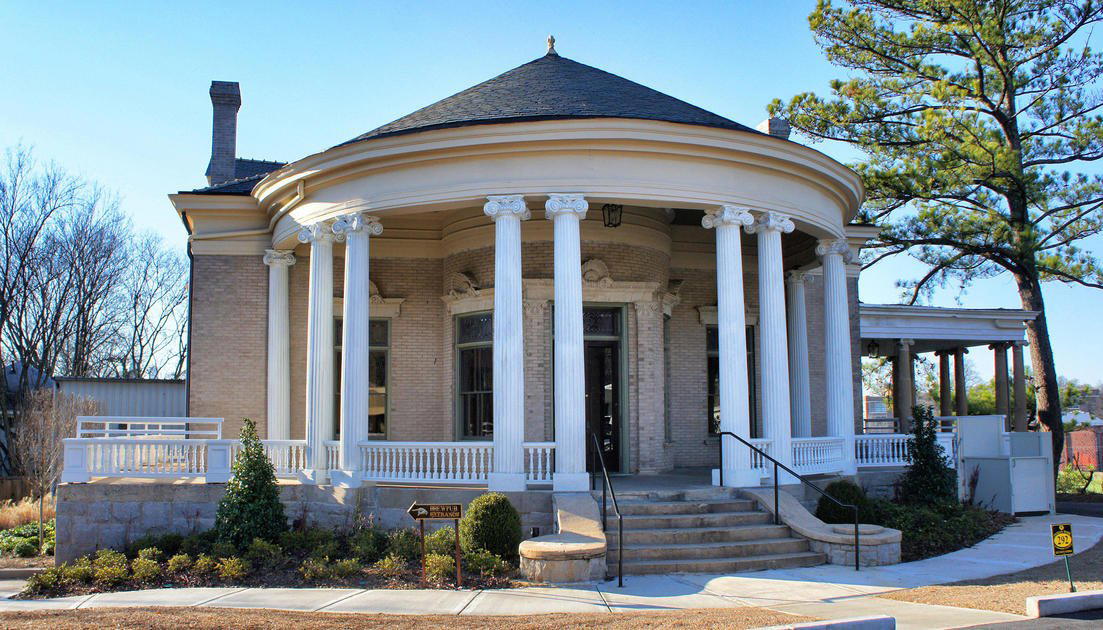
What you notice approaching the building on Carroll St SE is scale: this is a modest footprint in a residential-commercial corridor that has not yet traded its character for density. The physical environment signals something quieter than the Ponce City Market dining cluster or the Westside provisions district. That quietness is part of the offer.
Sustainability as Premise, Not Positioning
Across American dining, the sustainability conversation has split into two distinct registers. At the formal end, farms-to-table commitments are press-release material, verifiable through named supplier relationships and seasonal menu rotations audited by critics. Venues like Blue Hill at Stone Barns in Tarrytown or Single Thread Farm in Healdsburg have made the farm-to-kitchen pipeline the structural center of their programs, with the sourcing story inseparable from the cooking. At the neighborhood end, sustainability often operates more quietly: shorter supply chains because the scale doesn't support complex logistics, relationships with proximate producers because those are the ones who return calls, and waste reduction because margins require it.
Carroll Street Cafe operates closer to that second register. The Reynoldstown location places it within reach of Georgia's agricultural supply network, and the cafe format, by its nature, implies a tighter, less elaborately sourced menu than the tasting-menu tier. That is not a limitation. Some of the more considered environmental practice in American dining happens below the threshold of formal certification and press attention. Venues operating in this register are worth understanding on their own terms rather than by comparison to the Smyth-in-Chicago or Providence-in-Los-Angeles model of sustainability-as-editorial-narrative.
For context on how seriously the fine-dining tier treats this framework, Atelier Moessmer Norbert Niederkofler in Brunico has built its entire identity around a hyperlocal sourcing doctrine. Addison in San Diego and The French Laundry in Napa both maintain on-site or adjacent growing programs. The neighborhood cafe is a different instrument, but it is not a lesser one in the sustainability conversation when it operates with honesty about its scale.
How Reynoldstown Fits Into Atlanta's Dining Map
Atlanta's restaurant geography has traditionally been organized around a handful of well-funded corridors: Buckhead for fine dining, Midtown for volume, the Westside for the culinary-creative class. The Beltline's eastside trail changed the inner-ring east side's status considerably, and neighborhoods like Reynoldstown, Inman Park, and Grant Park have developed enough dining density to constitute a legitimate alternative circuit.
Reynoldstown in particular sits between Inman Park to the north and Cabbagetown to the south, with the Beltline as connective tissue. The demographic mix leans toward long-term residents and newer arrivals who chose the neighborhood specifically for its scale and character. Restaurants in this part of the city succeed by fitting that community rather than by importing a concept from elsewhere. Carroll Street Cafe's address at 208 Carroll St SE places it in a walkable part of that corridor.
For those building an Atlanta itinerary across multiple meals, this part of the city pairs naturally with a visit to Hayakawa or Mujō, both of which operate at a different register but within the same general geography of serious-without-formal dining. A fuller map of the city's options is in our full Atlanta restaurants guide.
Placing Carroll Street Cafe in a competitive context requires some care. It does not sit in the same tier as Le Bernardin in New York or Atomix in the same city, both of which operate formal tasting programs with fully documented sourcing chains. It is closer in spirit to the neighborhood-cafe format that has historically occupied the space between coffee shop and full-service restaurant, handling all-day or breakfast-through-lunch service for a local customer base that returns regularly.
Comparison venues at the $$$ to $$$$ end of Atlanta's market, including Bacchanalia and Lyla Lila on the Southern European side, compete on occasion and destination value. Carroll Street Cafe competes on proximity, consistency, and the kind of trust that neighborhood regulars extend to a place that shows up reliably. These are different competitive advantages, and the cafe format that earns them is harder to sustain than it looks from the outside.
Venues like Lazy Bear in San Francisco and Emeril's in New Orleans have each built reputations on a different kind of community-facing hospitality, though at considerably higher price points and with formal recognition behind them. The Inn at Little Washington in Virginia represents the extreme of community-as-concept executed at fine-dining scale. Carroll Street Cafe is the unadorned, accessible version of that instinct.
What the Format Delivers
The cafe format, when it works in a neighborhood like Reynoldstown, delivers things the tasting-menu tier cannot: accessibility across income levels, walk-in viability, a rhythm tied to the neighborhood's own schedule rather than the city's event calendar. These are not consolation prizes. They are the actual offer. Understanding that distinction helps calibrate expectations and, more importantly, helps a visitor understand what kind of experience they are choosing when they walk through the door on Carroll Street rather than booking weeks ahead at a formal counter.
Know Before You Go
- Address: 208 Carroll St SE, Atlanta, GA 30312
- Neighborhood: Reynoldstown, eastside Atlanta, near the Beltline trail
- Price range: Not formally listed; neighborhood cafe pricing generally implies accessibility below the $$$ Atlanta fine-dining tier
- Reservations: Walk-in format typical for cafe-style venues at this address; confirm current policy directly with the venue
- Getting there: Accessible via the Eastside Beltline trail on foot or bike; street parking available on Carroll St SE
- Leading timing: Neighborhood cafes in this part of Atlanta tend to see peak traffic on weekend mornings; weekday visits typically offer more space
Comparable Spots, Quickly
| Venue | Cuisine | Price | Awards |
|---|---|---|---|
| Carroll Street CafeThis venue — the venue you are viewing | This venue | Not listed | Not listed |
| Bacchanalia | New American, American | $$$$ | Michelin 1 Star |
| Staplehouse | New American, Contemporary | $$$$ | Michelin 1 Star |
| Lazy Betty | Contemporary | $$$$ | Michelin 1 Star |
| Atlas | Modern European, New American, American | $$$$ | Michelin 1 Star |
| Lyla Lila | Southern European, European | $$$ | Southern European, European, $$$ |
At a Glance
- Bohemian
- Cozy
- Whimsical
- Brunch
- Date Night
- Casual Hangout
- Craft Cocktails
- Street Scene
Current opening hours
- Monday
- 8 AM–10 PM
- Tuesday
- 8 AM–11 PM
- Wednesday
- 8 AM–11 PM
- Thursday
- 8 AM–11 PM
- Friday
- 8 AM–11:30 PM
- Saturday
- 8 AM–11:30 PM
- Sunday
- 8 AM–11 PM
Hours can change for holidays and private events. Last verified .
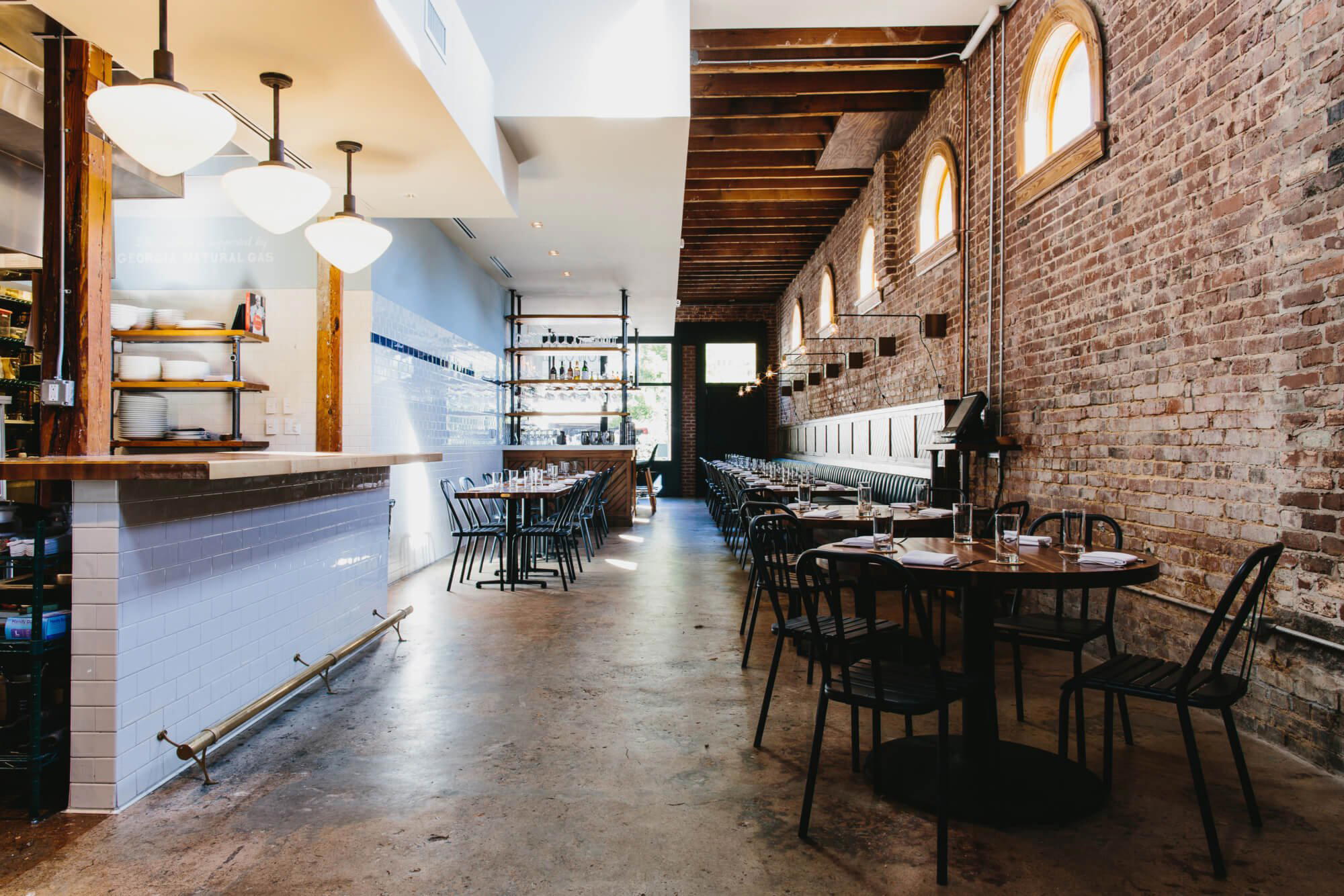
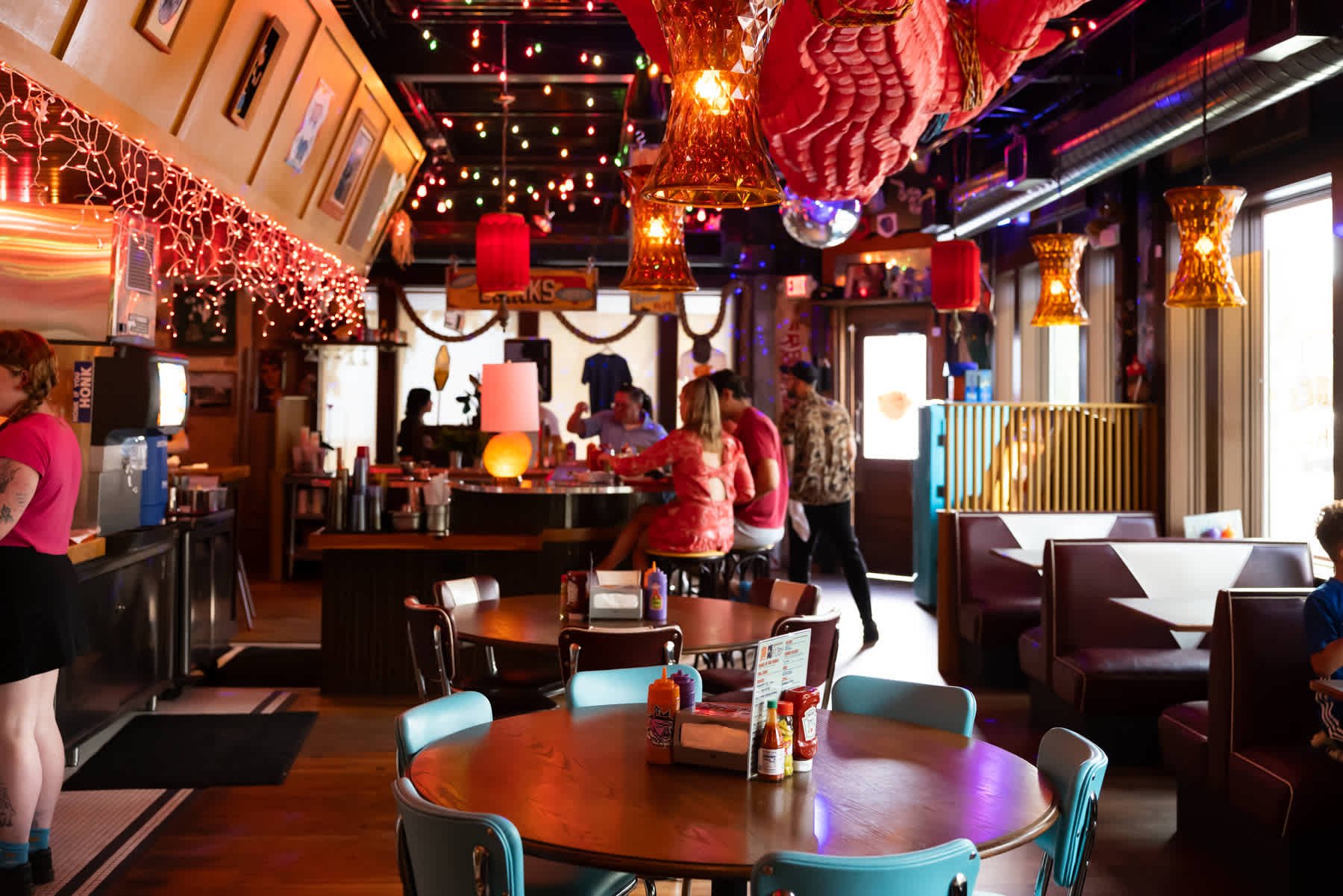
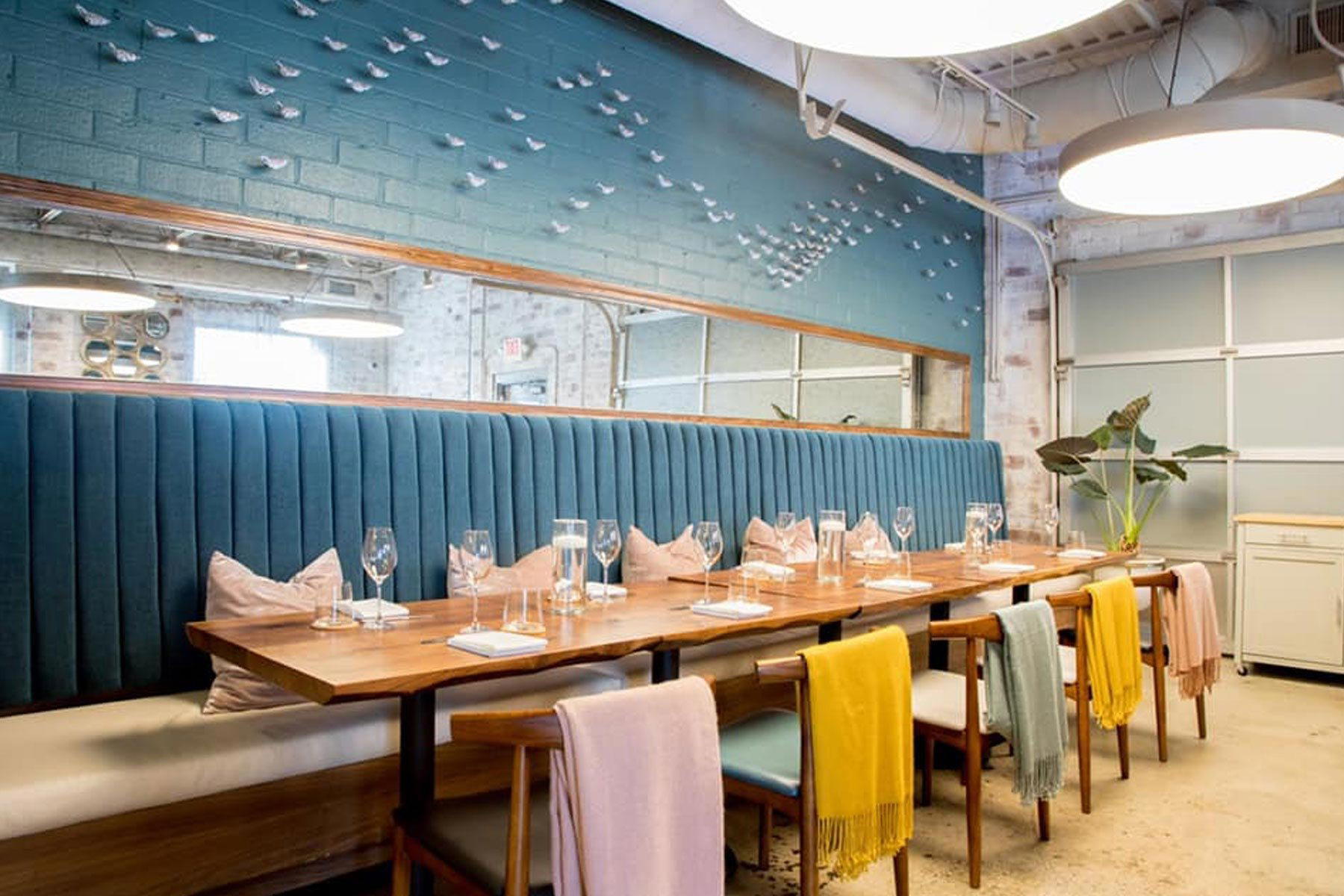
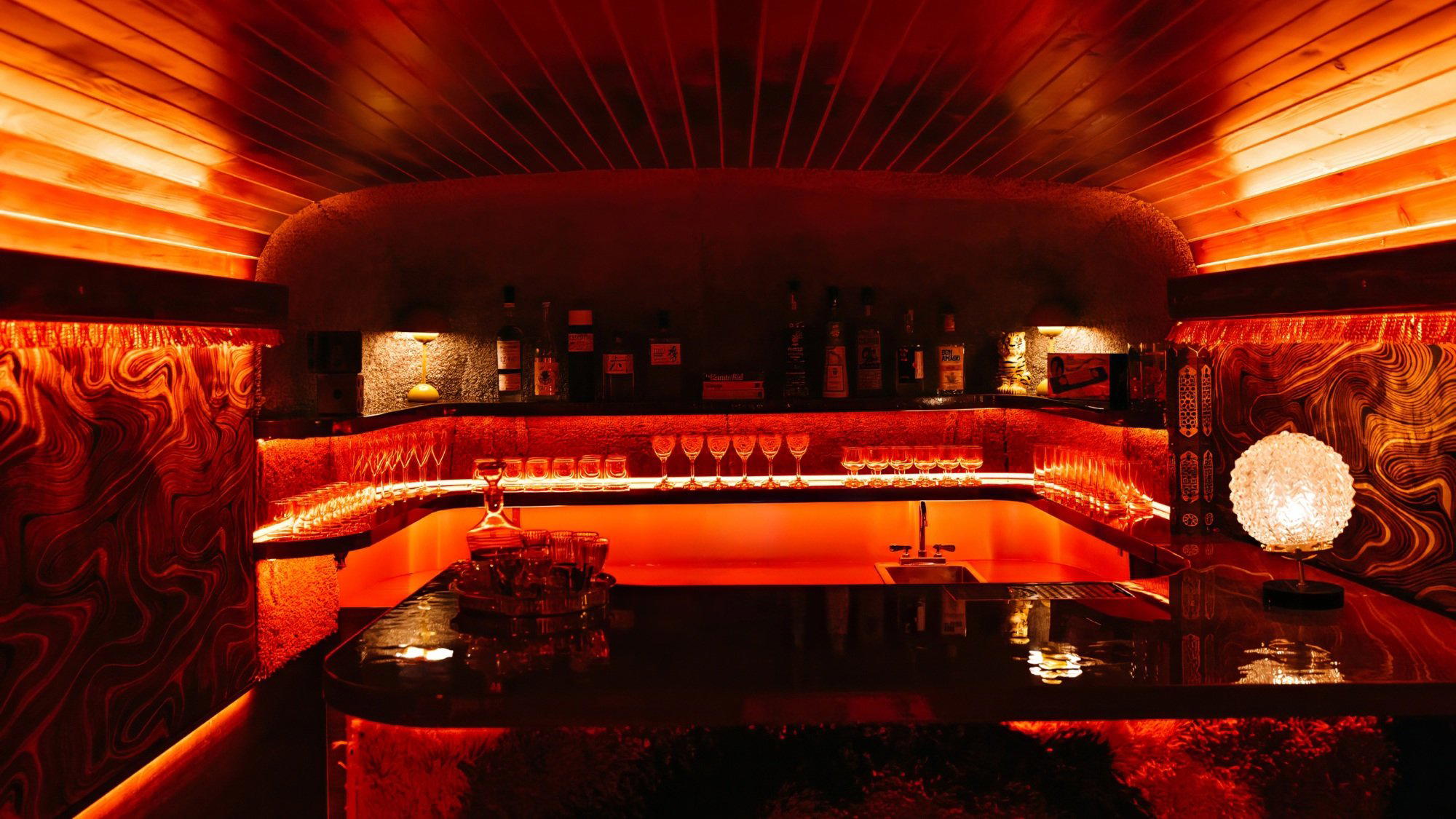
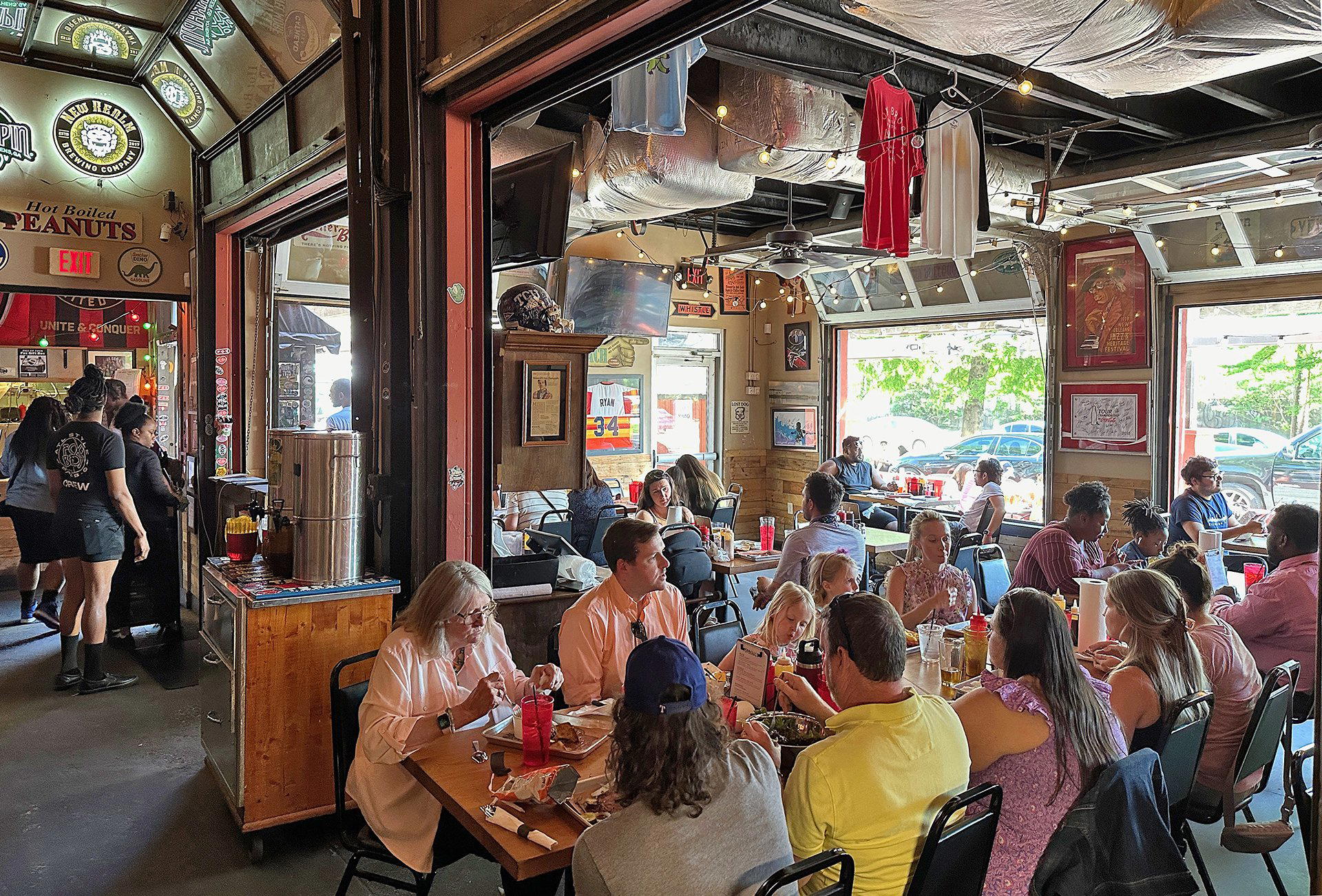
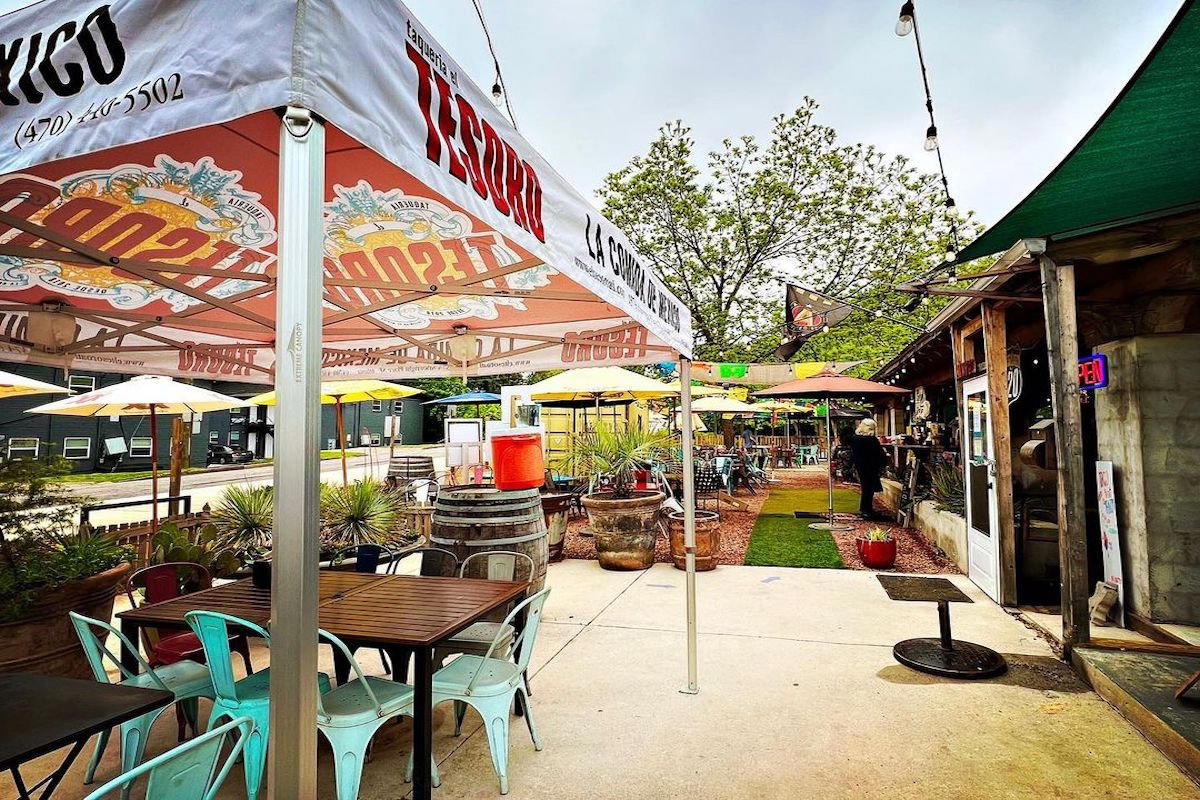
Cozy, eclectic space with quirky hippy vibes, candlelit interiors that are casually romantic in the evening, and lively weekend energy.
Know Before You Go
- Getting there
- 208 Carroll St SE, Atlanta, GA 30312