Ward 8
Our verdict
Ward 8 sits at 90 N Washington St in Boston's North End adjacent neighborhood, drawing its name from the old ward that gave the city one of its most enduring cocktail stories. The bar trades in technique-forward drinks rooted in New England's seasonal pantry, placing it within a broader Boston movement where locally sourced ingredients meet rigorous bar craft. For those who read cocktail menus the way others read wine lists, this address warrants attention.

Pearl is the En Primeur Club membership app, where members save venues, book tables and use the concierge.

Where Boston's Political Past Meets the Modern Cocktail Counter
The stretch of North Washington Street that connects the North End to Charlestown has always carried a certain edge, a working waterfront character that the neighborhood's recent transformation into a hospitality corridor hasn't entirely smoothed away. Ward 8, at number 90, sits inside that tension. The name alone signals an intent to engage with Boston's identity rather than paper over it: the Ward 8 cocktail, a rye-whiskey sour with grenadine and orange juice, was allegedly mixed in 1898 to celebrate a Tammany Hall-adjacent political victory in the old eighth ward, and it became one of the few cocktails to earn genuine civic mythology in an American city. Bars that invoke that lineage are making a statement about what they think cocktail culture should be rooted in.
That rootedness, in place, in season, in the particular character of New England's pantry, is the dominant thread running through the serious end of Boston's bar scene. The city's cocktail program has, over the past decade, moved away from the speakeasy-door theater that dominated early craft-bar culture and toward something more deliberate: drinks built around local fruit, foraged botanicals, regional spirits, and technique borrowed from kitchens as much as from classic bar manuals. Ward 8 positions itself inside that shift.
Local Ingredients as Editorial Argument
The intersection of indigenous New England products and imported technique is where Boston's most considered bars are currently doing their most interesting work. Across the city, programs at addresses in the Seaport, Back Bay, and along the waterfront, see 75 on Liberty Wharf or the more formal register of 1928 Rowes Wharf, have demonstrated that Boston drinkers respond to drinks with a geographic argument. The question is whether that argument is made with conviction or used as marketing window dressing.
The discipline that separates the two approaches is sourcing depth. New England's seasonal calendar gives bartenders genuine material: early-spring ramps and fiddleheads, summer stone fruit from the Connecticut River Valley, cranberry bogs that are a genuine regional crop rather than a garnish novelty, and a growing network of small-batch spirit producers in Vermont, Maine, and Massachusetts proper. When these ingredients appear in a glass alongside techniques drawn from fermentation science, fat-washing, or cold-infusion, the result is a drink that could not plausibly be made anywhere else. That geographic specificity is the standard against which any bar invoking the Ward 8 name should be measured.
This local-technique synthesis isn't unique to cocktail bars. Boston's restaurant scene has pushed similar arguments in kitchens: Agosto, with its Portuguese-inspired tasting menu at the chef's counter, works a comparable seam between imported culinary tradition and New England sourcing. The logic holds across categories, technique travels; ingredients don't.
Boston's bar and dining scene has been reorganizing around a handful of distinct corridors, and North Washington Street is one of the more interesting ones to watch. It lacks the institutional weight of Back Bay, the destination-dining density of the Seaport, or the raw-bar volume of the waterfront addresses near Liberty Wharf. What it has is a younger, less codified energy, the kind of neighborhood character that tends to produce more experimental programming before real-estate pressure arrives to flatten it.
In that context, Ward 8 occupies a position similar to bars in other American cities that have claimed an underused neighborhood before the neighborhood claimed them back. The comparison set, if you're thinking about where Boston's cocktail program sits relative to peers nationally, runs through places like Lazy Bear in San Francisco, which built its reputation on a similarly rigorous local-ingredient ethos applied to a dining format, or the way Atomix in New York City uses Korean fermentation technique as the connective tissue between local produce and imported method. The ambition is structurally similar even when the output looks different.
For Boston specifically, the more useful comparison stays local: Neptune Oyster has held its raw-bar position for years on the strength of product quality rather than trend-chasing; O Ya built a Japanese-inflected program on sourcing rigor that placed it among the city's most demanding addresses. Ward 8's cocktail identity functions in a similar register, it's a bar that argues its case through the glass, not through the press release.
How Ward 8 Sits in the National Conversation
American cocktail culture's most interesting recent development is the provincialism project, the deliberate effort by bar programs to make drinks that are legible as coming from a specific place. That project is more advanced on the coasts and in cities with strong agricultural identity. Boston qualifies on both counts. The New England larder is genuinely distinctive, and the city has a drinking culture that predates most American cocktail histories.
Against that backdrop, a bar named for one of Boston's founding cocktails, operating in a neighborhood that carries genuine historical charge, is either making a sophisticated editorial argument or borrowing cultural capital without earning it. The bars that have earned it nationally, Blue Hill at Stone Barns in the farming-to-table register, Single Thread Farm in Healdsburg on the wine and hospitality side, have done so by making the sourcing argument visible and specific. For a cocktail bar, that means showing your work: listing producers, naming farms, explaining the seasonal logic behind a menu that changes when the ingredients do.
Whether Ward 8 meets that standard is the question any serious visitor should bring to the bar with them. Boston's cocktail scene has the infrastructure to support it. See our full Boston restaurants guide for the wider context across the city's dining and drinking corridors.
Know Before You Go
- Address: 90 N Washington St, Boston, MA 02114
- Neighborhood: North End / Charlestown corridor, North Washington Street
- Peer context: Sits within Boston's technique-forward cocktail tier alongside programs at addresses in Back Bay and the Seaport; comparable in positioning to Abe & Louie's in neighborhood-anchor status, though in a different category
- For dinner pairings: 311 Omakase and Agosto are nearby high-end options for a full evening in the city's finer-dining tier
Frequently asked questions
Would Ward 8 be comfortable with kids?
Ward 8 sits on North Washington Street between the North End and Charlestown, a stretch with a working waterfront character that skews toward an adult drinking crowd. The bar's focus on the cocktail counter and its place in Boston's considered cocktail scene suggests an adult-oriented environment. Families with children would likely be more comfortable at a neighbourhood restaurant elsewhere in the North End.
What's the overall feel of Ward 8?
The address at 90 N Washington St positions Ward 8 on a corridor that connects two of Boston's most historically dense neighbourhoods, and the bar carries that weight deliberately. The concept draws on the area's political history, Ward 8 is the name of the old voting district that gave Boston one of its most storied cocktails, while the program leans into New England ingredients as an editorial point of view rather than a marketing hook. It reads as a serious cocktail bar, not a themed concept.
Is Ward 8 one of the bars leading Boston's local-ingredient cocktail movement?
The bar's name alone signals a commitment to local historical and geographical identity, which places it inside the broader American provincialism project reshaping serious cocktail culture. Boston lacks a James Beard or Tales of the Cocktail award winner at this address on record, but the bar's conceptual framing puts it in conversation with that national trend.
What dish is Ward 8 famous for?
Ward 8 is a cocktail bar, not a kitchen-forward venue, so the drink program rather than the food menu carries its reputation. The bar takes its name from the Ward 8 cocktail, a rye-whiskey drink with roots in Boston's late-19th-century political machine, which gives the house a clear editorial anchor.
Where is Ward 8 in Boston?
Ward 8 is located at 90 N Washington St, Boston, MA 02114, Boston.
What's the best way to book Ward 8?
Checking third-party reservation platforms such as Resy or OpenTable for the North End corridor is the most reliable approach, or contacting the venue directly through any listings that surface on those platforms.
Cuisine Context
Comparable venues nearby, for context on price, style, and recognition.
| Venue | Cuisine | Price | Notes |
|---|---|---|---|
| Ward 8This venue (the venue you are viewing) | New American Gastropub | $30–50 | Not listed |
| Tremont 647 | Global Comfort Food with American Roots | Not listed | South End |
| Black Lamb | Modern American Brasserie & Oyster Bar | $30–50 | South End |
| Tiki Rock | Polynesian-Asian Fusion Gastropub | Not listed | Downtown |
| Joe's Waterfront | New England Seafood | $30–50 | North End |
| Brewer's Fork | Wood-Fired American Small Plates & Pizza | $20–30 | Charlestown |
Continue exploring
More in Boston
Restaurants in Boston
All restaurants in Boston →
Bars in Boston
All bars in Boston →
Details
- Rustic
- Cozy
- Energetic
- Casual Hangout
- Date Night
- Late Night
- Open Kitchen
- Craft Cocktails
- Beer Program
- A La Carte
- Craft Cocktails
Current opening hours
- Monday
- 5 PM–1 AM
- Tuesday
- 5 PM–1 AM
- Wednesday
- 5 PM–1 AM
- Thursday
- 5 PM–1 AM
- Friday
- 5 PM–2 AM
- Saturday
- 3:30 PM–2 AM
- Sunday
- 3:30 PM–12 AM
Hours can change for holidays and private events. Hours as of .
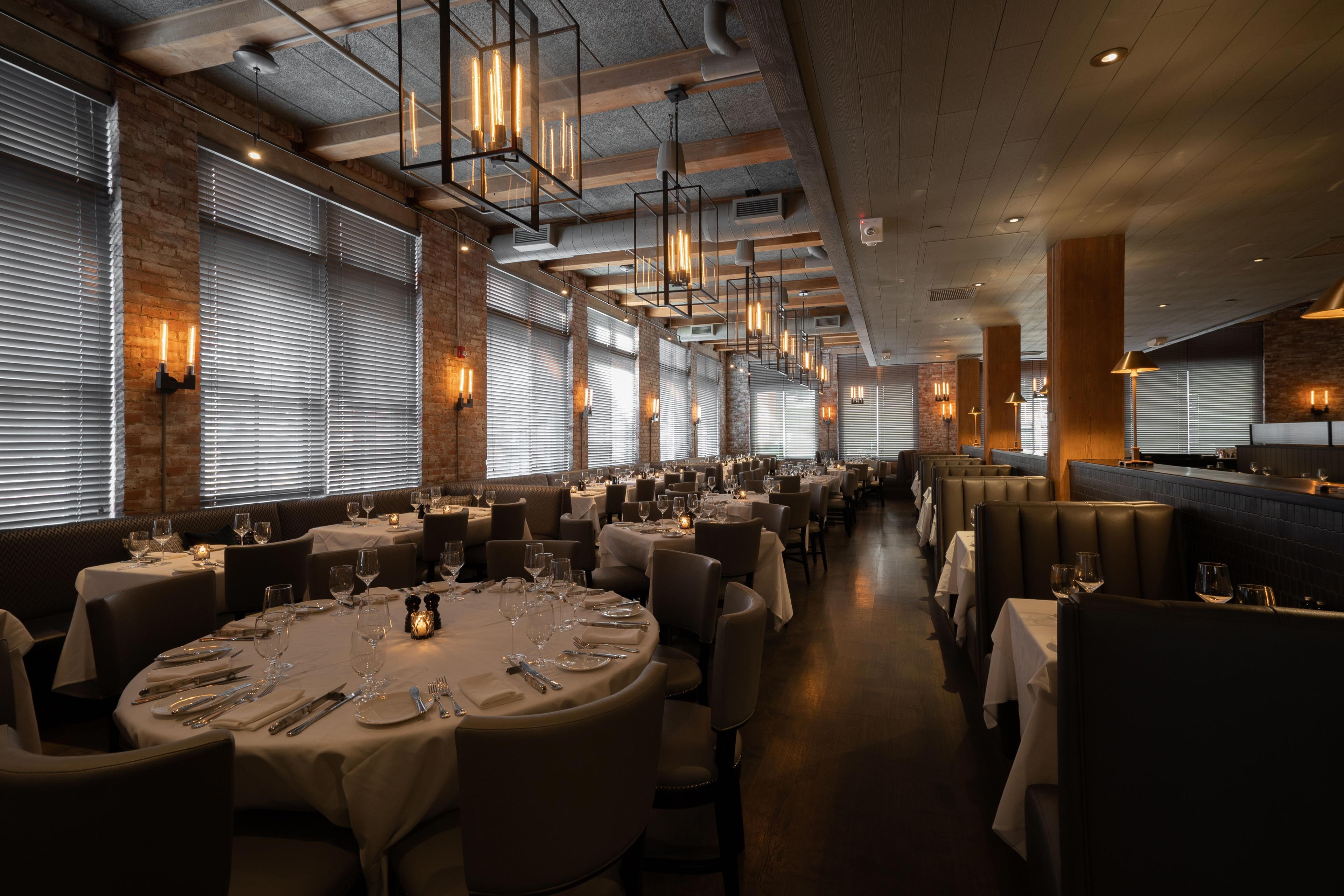
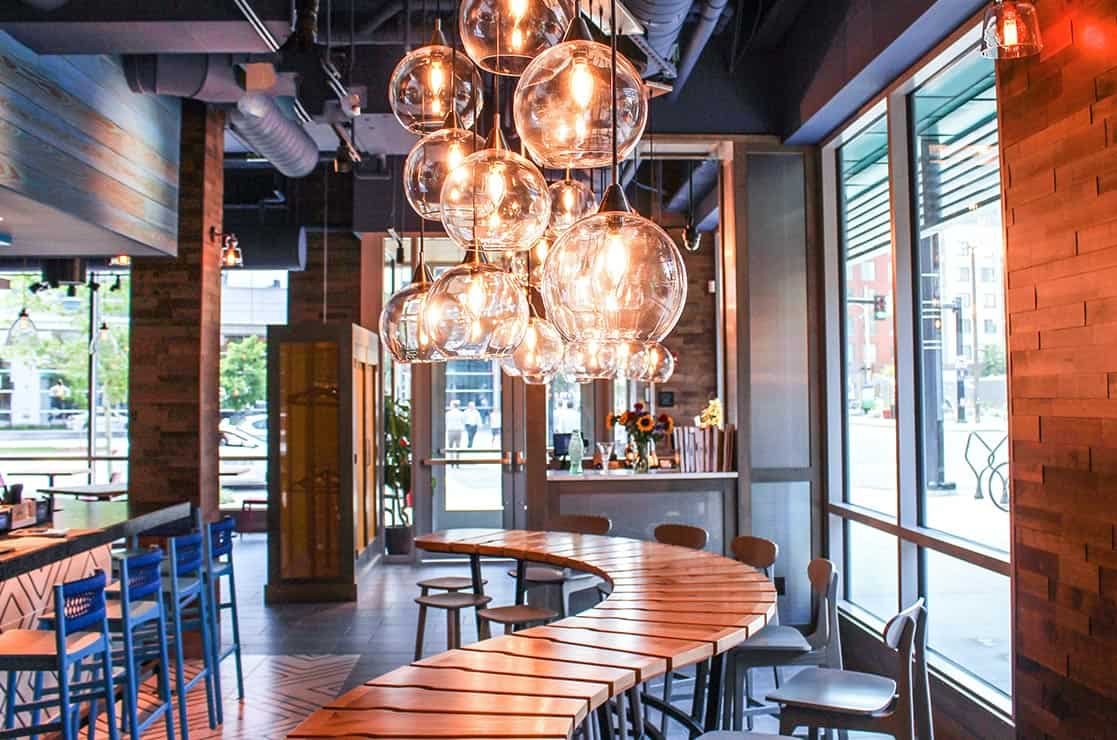
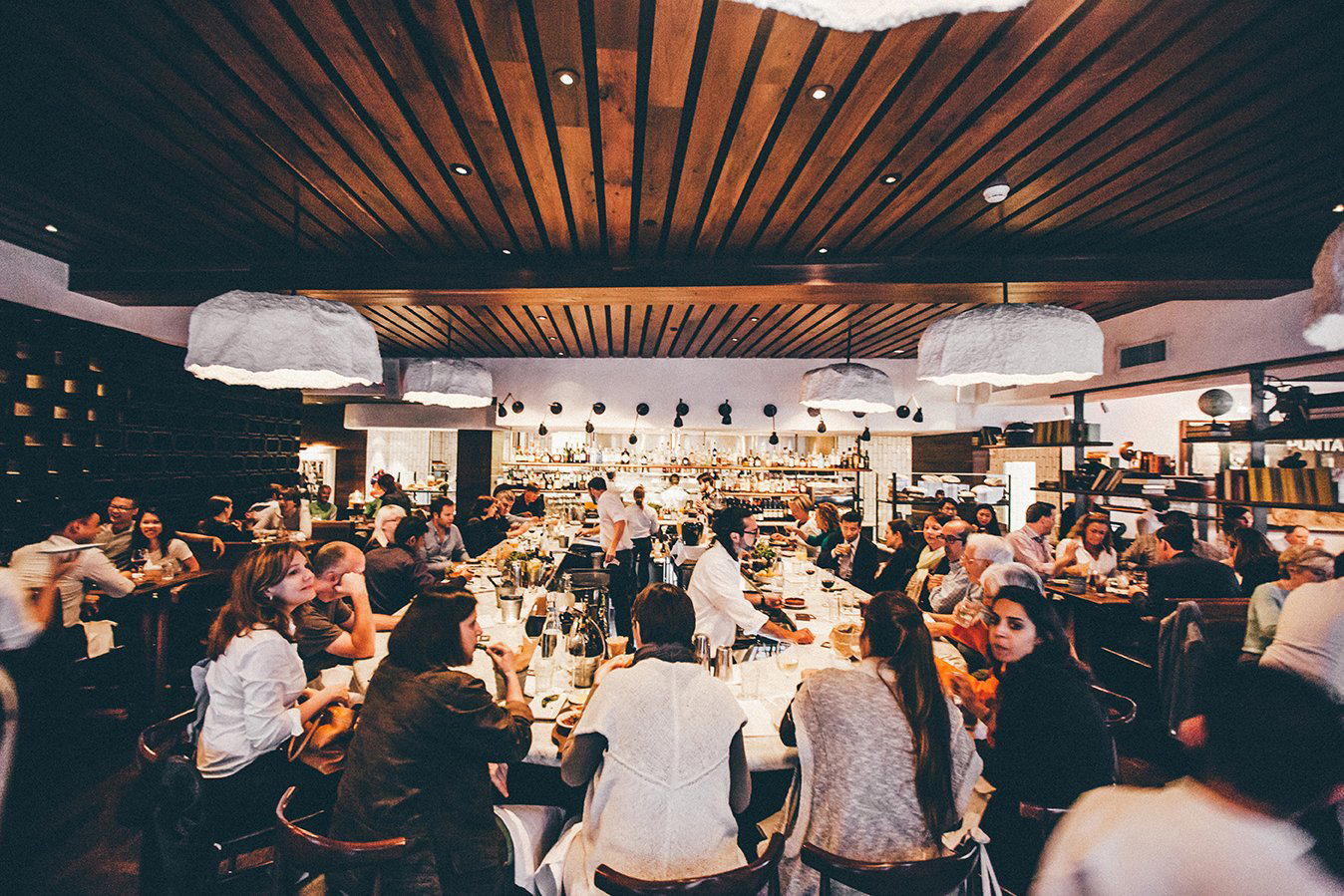
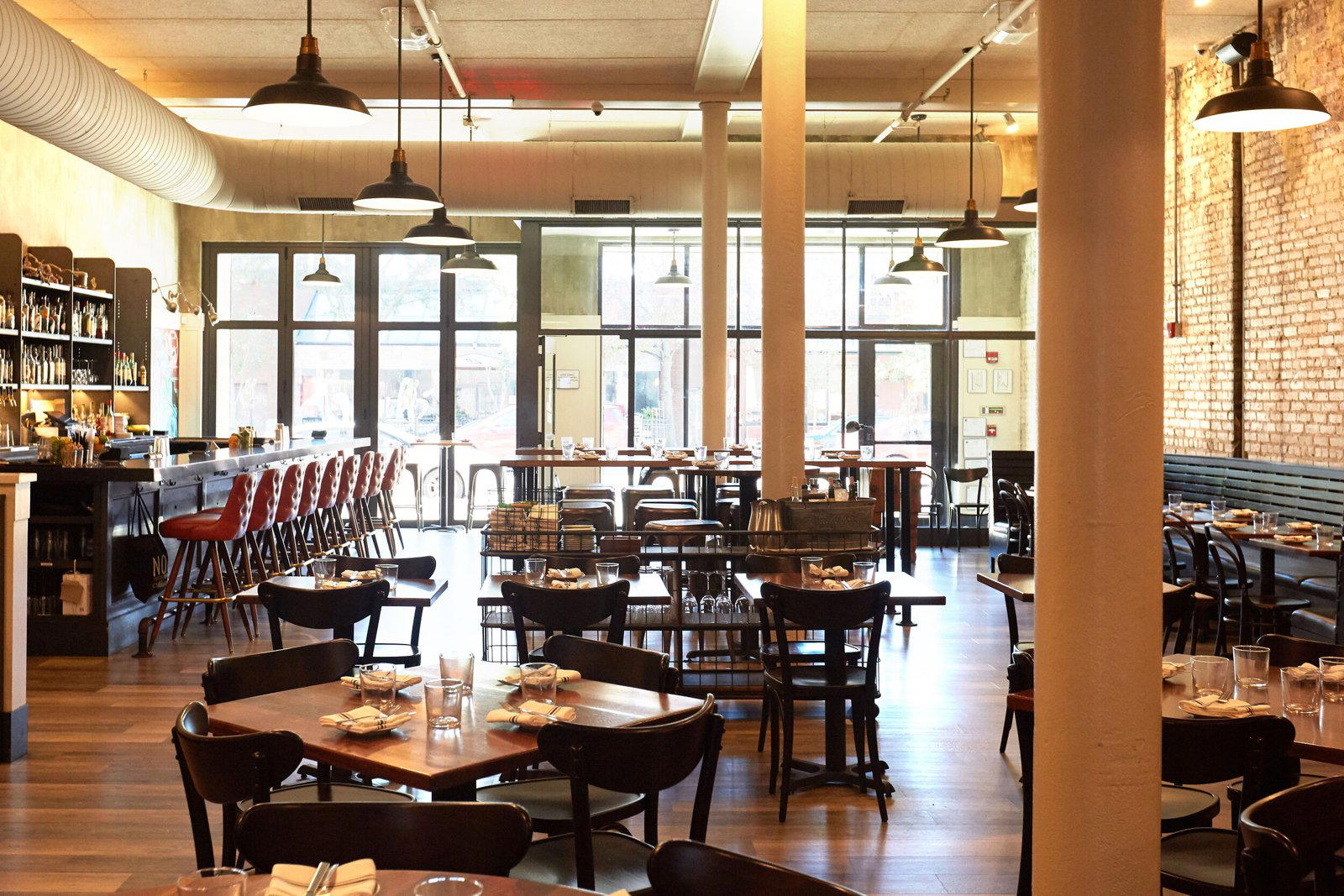
Dim lighting with rustic wooden tables and exposed brick walls creating a sultry, energetic atmosphere.