Carne de Sol 1008 sits on Rua 1008 in the Pedro Ludovico district, putting one of Goiânia's most enduring beef preparations at the centre of the table. The restaurant works within a tradition that runs deep across the Brazilian interior, where sun-dried and salted beef is less a menu choice and more a regional default. For visitors unfamiliar with Central Brazil's cooking, this is a direct entry point into how the cerrado shaped what the region eats.
Pearl is the En Primeur Club membership app — saves, bookings, and concierge access live there. Same editors, same standards.
- Address
- R. 1008, 148 - St. Pedro Ludovico, Goiânia - GO, 74820-210, Brazil
- Phone
- +556232416778
- Website
- carnedesol1008.com.br
- Directions
- Get directions
 Saves & bookings on Pearl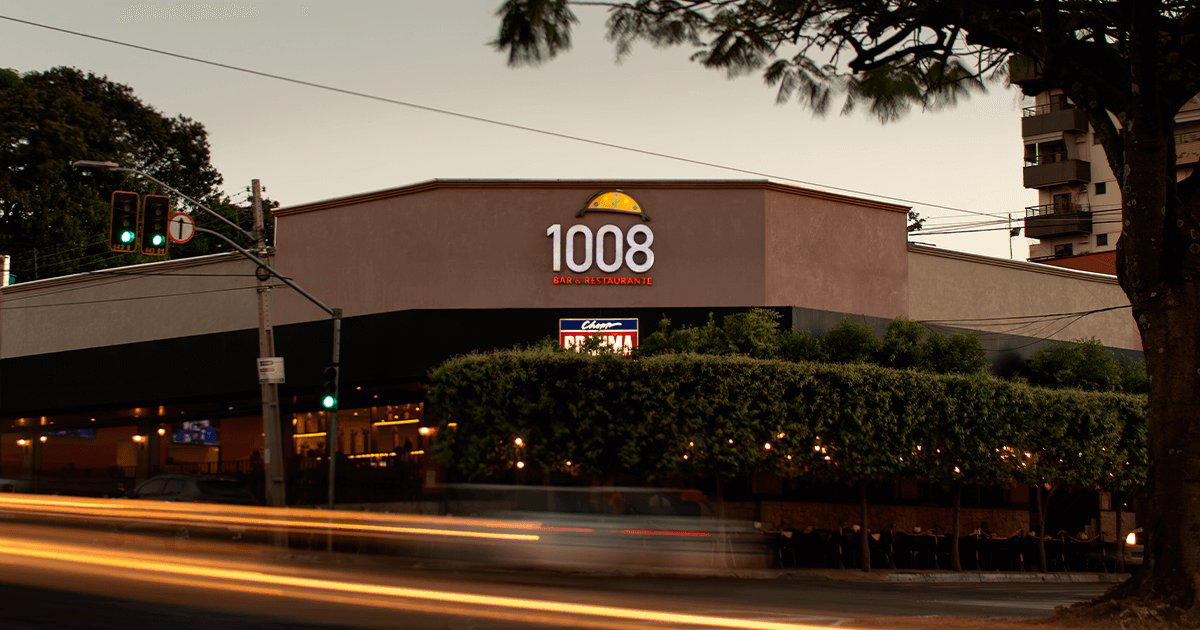
Where the Cerrado Meets the Plate
The Pedro Ludovico district of Goiânia does not announce itself with the kind of restaurant density you find along Avenida T-4 or the Setor Marista strip. The streets are quieter, the signage modest, and the buildings carry the settled weight of a neighbourhood that has been fed and watered for decades without much need for external validation. Rua 1008 follows that logic. Carne de Sol 1008 is a Brazilian steakhouse with carne de sol in Goiânia's Setor Pedro Ludovico district.
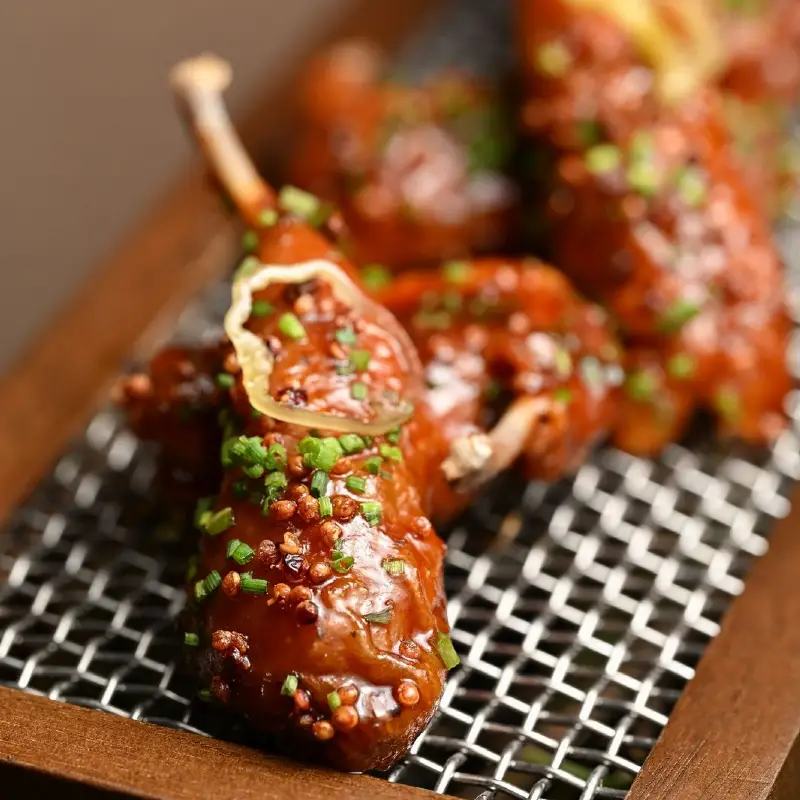
Carne de sol, the sun-cured and lightly salted beef preparation that traces its roots to the cattle-farming interior of Brazil's Northeast and Central-West, is among the more misunderstood cuts in the country's culinary canon. It is not the same as carne seca, the fully desiccated product used in feijão tropeiro or arroz carreteiro, nor is it a direct fresh cut. The curing process is shorter, the salt more restrained, and the result is a piece of meat that retains moisture at its core while developing a surface that crisps under heat. In Goiás, a state where cattle farming has shaped land use and local identity for over two centuries, that preparation carries particular weight.
What the Ingredient Tells You About the Region
Brazil's cerrado biome covers roughly a quarter of the country's land area, and Goiás sits at its heart. The region's cattle traditions developed in response to the cerrado's specific conditions: the long dry season, the distances between settlements, and the absence of reliable refrigeration until well into the twentieth century. Salting and brief sun-curing were preservation methods that became culinary identity. What started as necessity calcified into preference, and today carne de sol remains the reference point for what Central Brazilian beef cooking looks like at its most direct.
Restaurants across Brazil that position themselves around carne de sol are making a sourcing argument as much as a menu choice. The quality of the finished dish depends on the cut, the thickness of the salting, the duration of the cure, and the breed of cattle involved. In Goiás, where Nelore cattle dominate the herds and the state ranks among Brazil's leading beef-producing regions, the raw material has a baseline credibility that restaurants in other cities cannot easily replicate. Carne de Sol 1008's address on Rua 1008 in the Pedro Ludovico district places it within reach of that supply chain in a way that venues in Rio or São Paulo cannot claim with the same directness. For comparable beef-forward dining in Brazil's major cities, Oteque in Rio de Janeiro and D.O.M. in São Paulo work from different ingredient philosophies, but the underlying commitment to sourcing as the foundation of the meal is a shared logic.
Goiânia's Dining Context
Goiânia's restaurant scene has developed in relative isolation from the international-facing fine dining circuits of São Paulo and Rio. That separation has produced a city where local traditions hold ground more firmly than in Brazil's coastal capitals, and where restaurants built around regional ingredient logic face less competitive pressure from imported formats. The city does not have the Michelin infrastructure of São Paulo. What it has is a consistent local appetite for cooking that reads as genuinely Goiano.
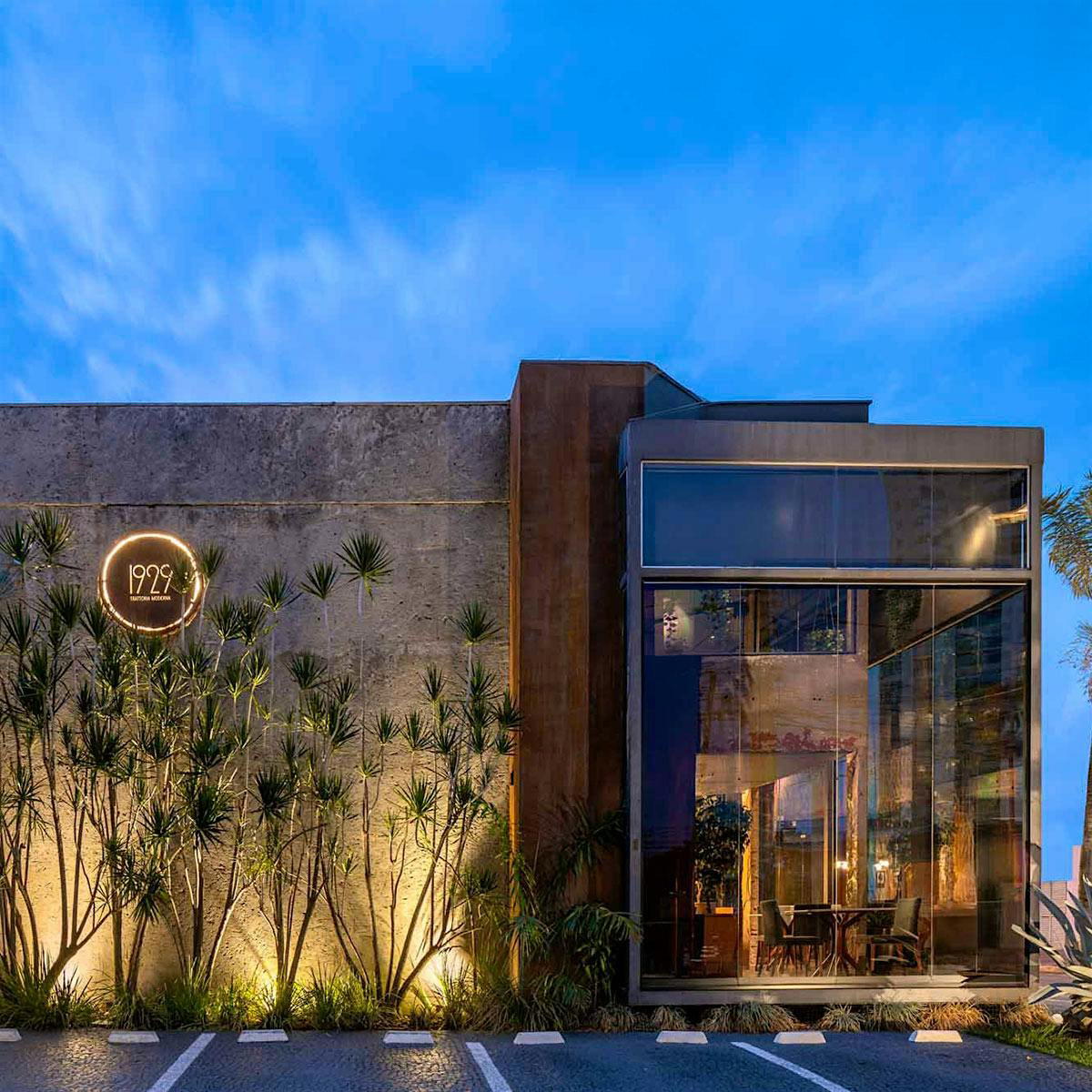
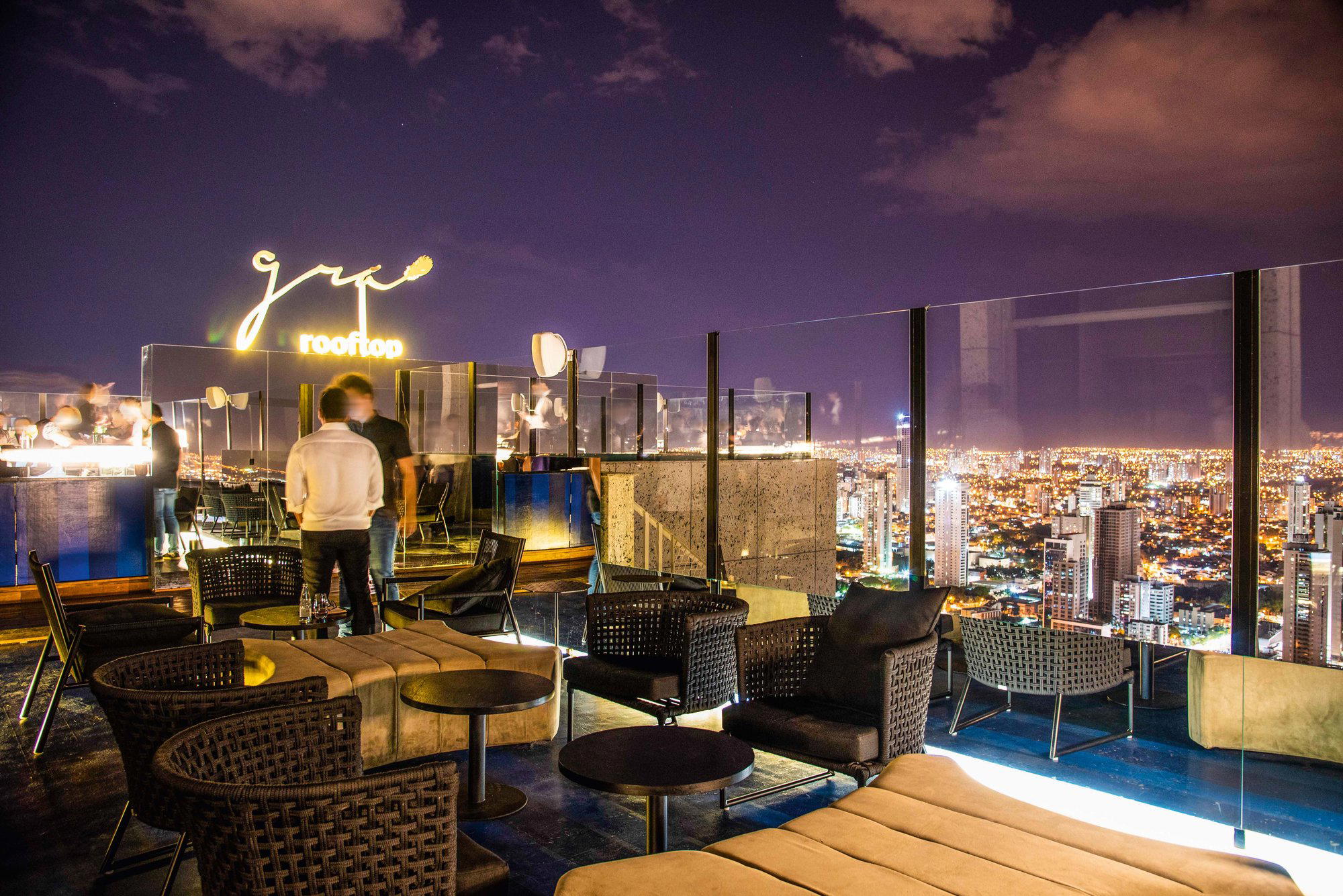
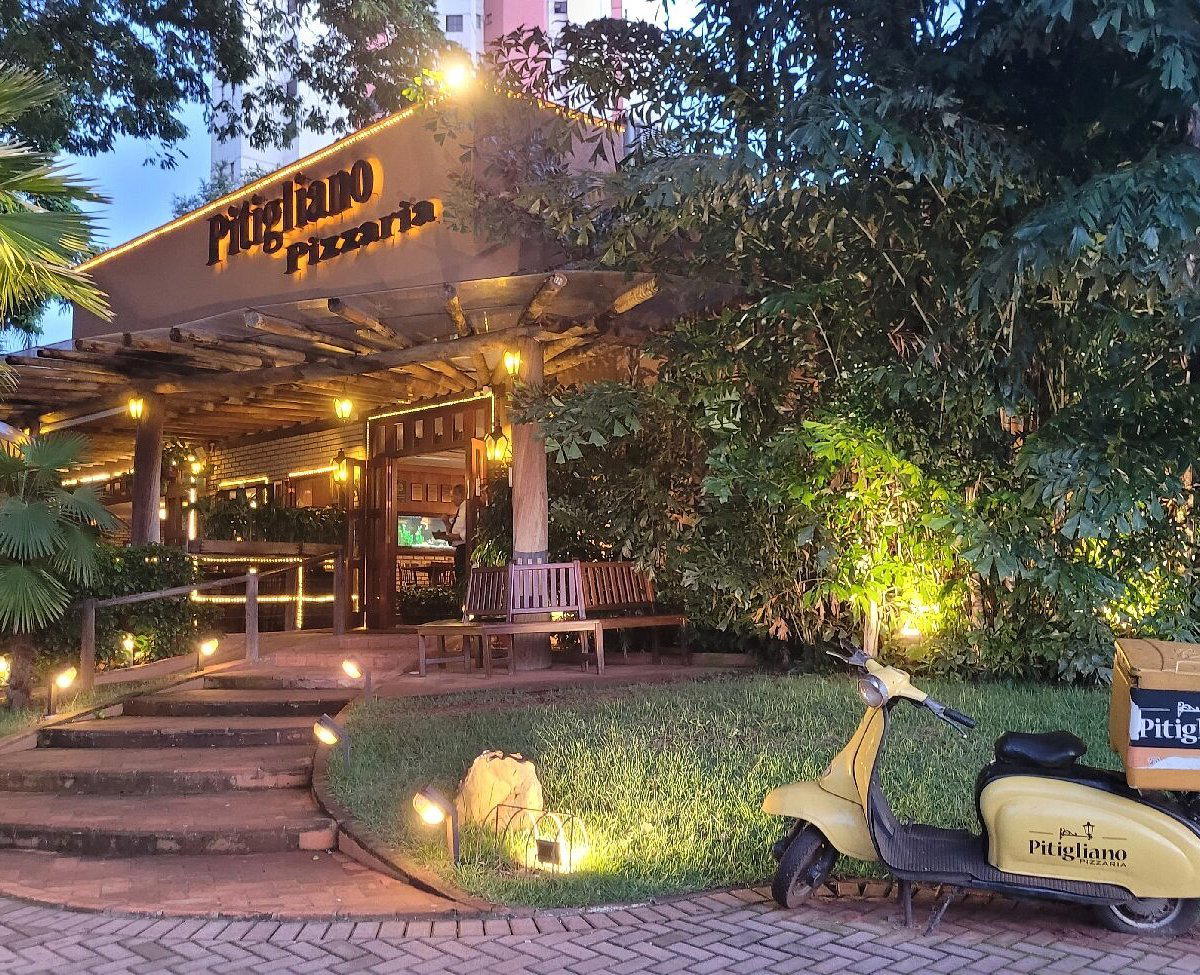
Within the city, the restaurant sits alongside a range of formats. Grá Bistrô represents one end of Goiânia's dining register, with a bistro format that leans toward European reference points. 1929 Trattoria Moderna takes an Italian-inflected approach. Pizza operations like Pitigliano Pizzaria and Pizzaria Brasa Ville Faiçalville address a different part of the market entirely. Carne de Sol 1008 does not operate in the same register as any of these. Its frame of reference is regional and ingredient-driven, not format-driven, which places it in a distinct category within the city's dining options.
Across Brazil more broadly, the interest in regional ingredient traditions has grown considerably over the past decade. Restaurants in the Northeast like Orixás | North Restaurant in Itacaré and operations in smaller cities like Mina in Campos do Jordão reflect a wider pattern of cooks working closer to local supply chains rather than reaching for European reference points. The restaurant fits that pattern, even if its format is less formally positioned within it. In the South, restaurants like Manu in Curitiba and Primrose in Gramado have built international recognition from similar regional-ingredient starting points, though the specific traditions they draw on differ substantially from what Goiás produces. Even international reference points like Le Bernardin in New York City and Lazy Bear in San Francisco are built on the premise that sourcing discipline is non-negotiable, which is the same logic, applied in a different context.
Planning Your Visit
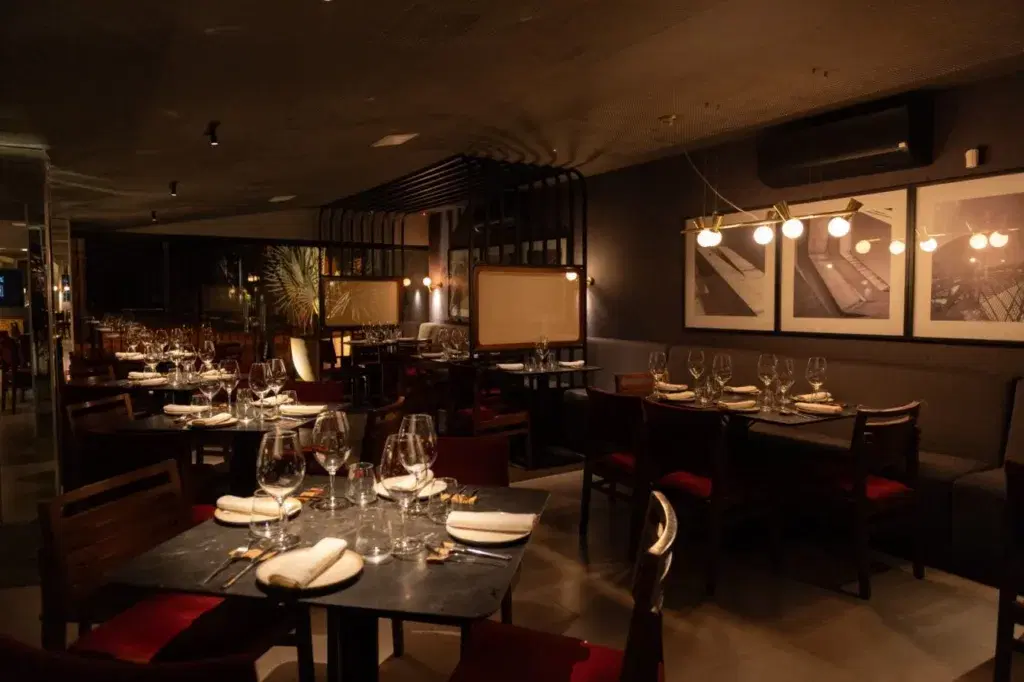
The restaurant is located at Rua 1008, 148, in the Setor Pedro Ludovico district, Goiânia. The neighbourhood sits west of the city centre and is accessible by car or rideshare without significant difficulty. The restaurant is open daily from 11 AM to 12 AM. Dress expectations in this part of Goiânia trend toward the casual end, consistent with the neighbourhood's character.
How It Stacks Up
Comparable venues nearby, for context on price, style, and recognition.
| Venue | Cuisine | Price | Notes |
|---|---|---|---|
| Carne de Sol 1008This venue — the venue you are viewing | Brazilian Steakhouse with Carne de Sol | $$ | Not listed |
| Pizzaria Brasa Ville Faiçalville | Italian Pizza | $$ | Faiçalville |
| Pitigliano Pizzaria | Brazilian-Style Wood-Fired Pizza | $$ | Setor Oeste |
| 1929 Trattoria Moderna | Modern Italian-Brazilian Trattoria | $$$ | Setor Marista |
| Grá Bistrô | French Contemporary Bistro | $$$$ | Setor Marista |
| Pizzaria Artesanal Rodriguez ComZ | Artisanal Brazilian Pizza | $$ | Parque dos Pirineus |
Continue exploring
More in Goiania
At a Glance
- Lively
- Casual
- Group Dining
- Casual Hangout
- Late Night
- Open Kitchen
- Beer Program
Current opening hours
- Monday
- 11 AM–12 AM
- Tuesday
- 11 AM–12 AM
- Wednesday
- 11 AM–12 AM
- Thursday
- 11 AM–12 AM
- Friday
- 11 AM–12 AM
- Saturday
- 11 AM–12 AM
- Sunday
- 11 AM–12 AM
Hours can change for holidays and private events. Last verified .