Caraffini
A long-standing Italian restaurant on Lower Sloane Street, Caraffini occupies a particular position in Chelsea's dining scene: the kind of neighbourhood-anchored trattoria that London's Italian cooking tradition has quietly depended on for decades. Its address in SW1W places it within reach of Sloane Square's residential and retail corridor, where understated regulars tend to favour consistency over spectacle.
Pearl is the En Primeur Club membership app — saves, bookings, and concierge access live there. Same editors, same standards.
- Address
- 61-63 Lower Sloane St, London SW1W 8DH, United Kingdom
- Phone
- +442072590235
- Website
- caraffini.co.uk
- Directions
- Get directions
 Saves & bookings on Pearl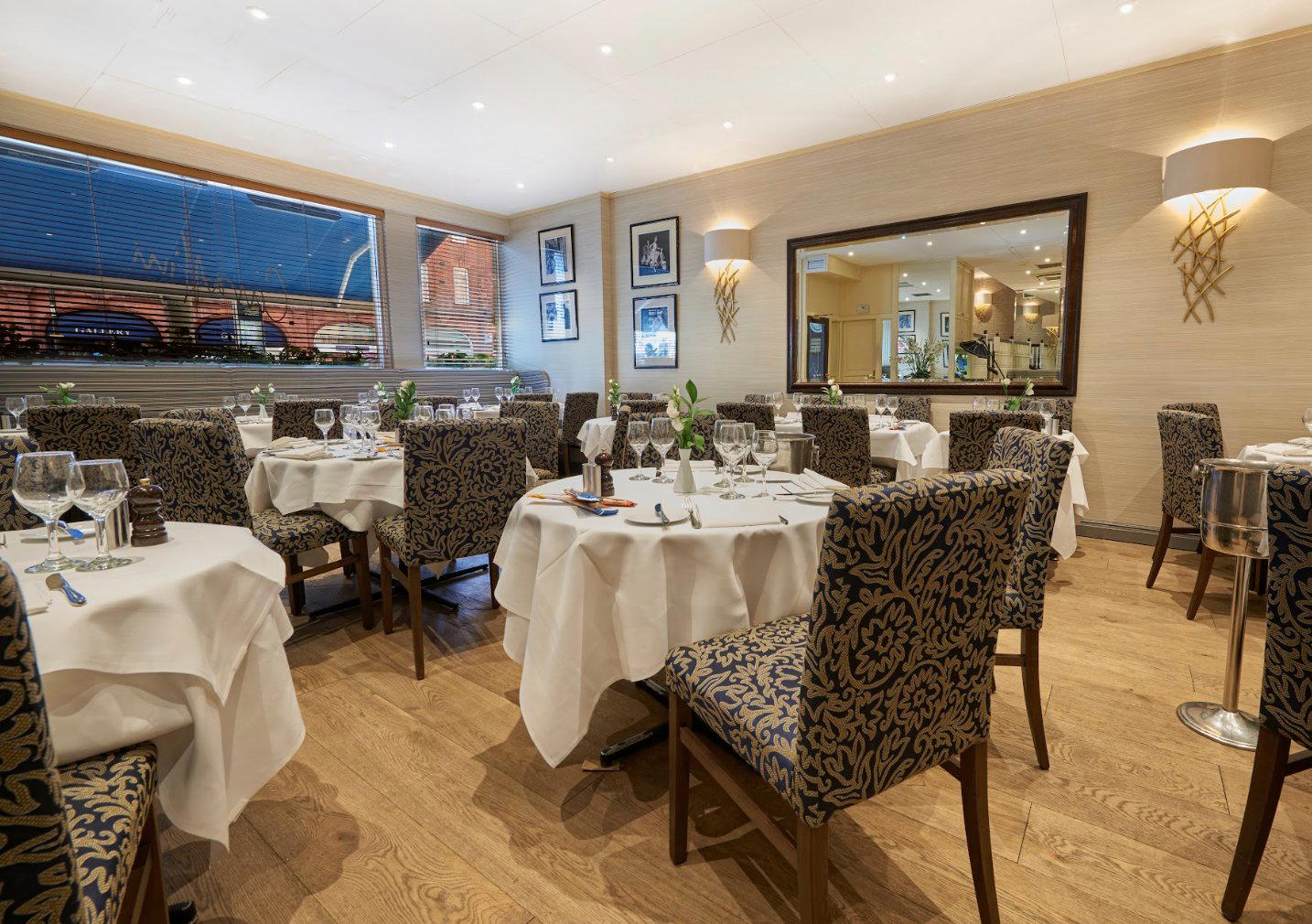
Lower Sloane Street and the Case for the Neighbourhood Italian
Chelsea's dining scene has, over the past two decades, divided itself into two recognisable camps. On one side sit the destination restaurants pulling diners from across the city and abroad, the kind of rooms where booking windows stretch months ahead and tasting menus run to double figures of courses. On the other side, a smaller and more instructive category: the neighbourhood restaurant that earns its place not through critical fanfare but through the sustained loyalty of a local clientele. Caraffini, on Lower Sloane Street, belongs to the second category, and that positioning tells you something important before you've looked at a single dish.
Lower Sloane Street sits at the quieter, more residential end of the Chelsea corridor, south of Sloane Square and a short walk from the King's Road. The street has none of the theatre of Mayfair, none of the Michelin-chasing energy that defines so much of central London's current dining conversation. What it does have is a particular kind of diner: the Chelsea resident who eats out several times a week, who knows what they like, and who returns to places that don't disappoint. A restaurant that survives in this postcode for any length of time is doing something right in functional terms, even if it generates little press.
What the Menu Architecture Reveals
Italian restaurants in London occupy a wider spectrum than they did fifteen years ago. At one end, you have the modern Italian operations drawing on contemporary technique, regional specificity, and seasonal sourcing in ways that position them as serious fine-dining alternatives to French or Modern European formats. At the other, the classical trattoria format: recognisable dishes, competent execution, a wine list weighted toward the peninsula, and a room where the food is comfortable rather than challenging. Caraffini's reputation, built steadily among a Chelsea clientele over many years, places it closer to the classical end of that spectrum.
That positioning is itself an editorial choice worth examining. A menu structured around Italian classics, executed reliably rather than reinterpreted, makes a specific argument about what a neighbourhood restaurant should be. It says that the role of the kitchen is to satisfy rather than surprise, that consistency across visits matters more than novelty, and that the diner who orders the veal or the pasta expects it to arrive as it did last time. This is not a modest ambition; maintaining that consistency over years of service is technically demanding in ways that one-off creativity is not. London's Italian cooking tradition has depended on exactly this kind of restaurant to give the cuisine its local roots, distinct from the more visible fine-dining Italian operations like those you'd encounter at the upper end of the market.
Compare this approach to the tasting-menu format that dominates the conversation at London's most decorated tables. At CORE by Clare Smyth, The Ledbury, or Sketch, The Lecture Room and Library, the menu is a structured sequence, each course building on the last, the kitchen controlling pace and narrative. At a room like Caraffini, the diner controls the architecture of their own meal: starter, main, dessert if they want it, a bottle chosen from a list they know well. The difference is philosophical as much as culinary. For readers accustomed to the formality of Restaurant Gordon Ramsay or Dinner by Heston Blumenthal, Caraffini represents the opposite of that mode, and that contrast is part of what makes it useful to understand.
Chelsea's Italian Dining Context
SW1W and its immediate surroundings have historically supported a cluster of Italian restaurants that function as anchors for the area's residential community. This is not accidental. The Italian restaurant format, with its inherent flexibility, its accommodation of solo diners and large family tables alike, its relatively accessible price points relative to comparable French or Modern European rooms, fits the rhythm of neighbourhood eating in a way that more rigid formats do not. You can stay for forty-five minutes at lunch or three hours at dinner without the room feeling wronged by either choice.
London's broader Italian dining scene, when mapped against comparable cities, shows a particular bifurcation. The critical attention flows toward the contemporary operations, the places drawing on regional Italian traditions in ways that British diners haven't encountered before. But the volume of meals eaten, the actual daily texture of how Londoners engage with Italian cooking, runs through the neighbourhood trattoria tier. Understanding that tier, its logic and its standards, is as important for the informed diner as tracking the Michelin list. Waterside Inn in Bray, L'Enclume in Cartmel, Moor Hall in Aughton, and Gidleigh Park in Chagford.
Placing Caraffini in a Wider Set
Within the EP Club network, the range of serious restaurant formats extends well beyond any single city or country. Readers moving between London and other markets will find instructive comparisons in venues like Le Bernardin in New York City or Lazy Bear in San Francisco, both of which occupy the destination end of their respective city's dining spectrum, far removed from the neighbourhood anchor model. Across the UK, venues from Hand and Flowers in Marlow to Midsummer House in Cambridge, Opheem in Birmingham, Ynyshir Hall in Machynlleth, Restaurant Andrew Fairlie in Auchterarder, and hide and fox in Saltwood each represent a different answer to the question of what serious cooking looks like outside the capital. Caraffini's answer, by contrast, is local and specific: the question it answers is what a Chelsea resident needs from a restaurant they can walk to.
Planning Your Visit
Caraffini is located at 61-63 Lower Sloane Street, London SW1W 8DH, within walking distance of Sloane Square station on the District and Circle lines. Reservations are recommended. Dress: smart casual. Budget: about $40 per person.
Price Lens
Comparable venues nearby, for context on price, style, and recognition.
| Venue | Cuisine | Price | Notes |
|---|---|---|---|
| CaraffiniThis venue — the venue you are viewing | Belgravia, Classic Italian | $$$ | Not listed |
| Manicomio | Chelsea, Italian Trattoria | $$$ | Not listed |
| Macellaio RC South Kensington | Earl's Court, Italian Steakhouse | $$$ | Not listed |
| Il Portico | Not listed | $$$ | South Kensington, Traditional Emilia Romagna Italian |
| Faros Holborn | Bloomsbury, Modern Italian-Mediterranean | $$$ | Not listed |
| Riva | Barnes, Authentic North Italian | $$$ | Not listed |
Continue exploring
More in London
Restaurants in London
Browse all →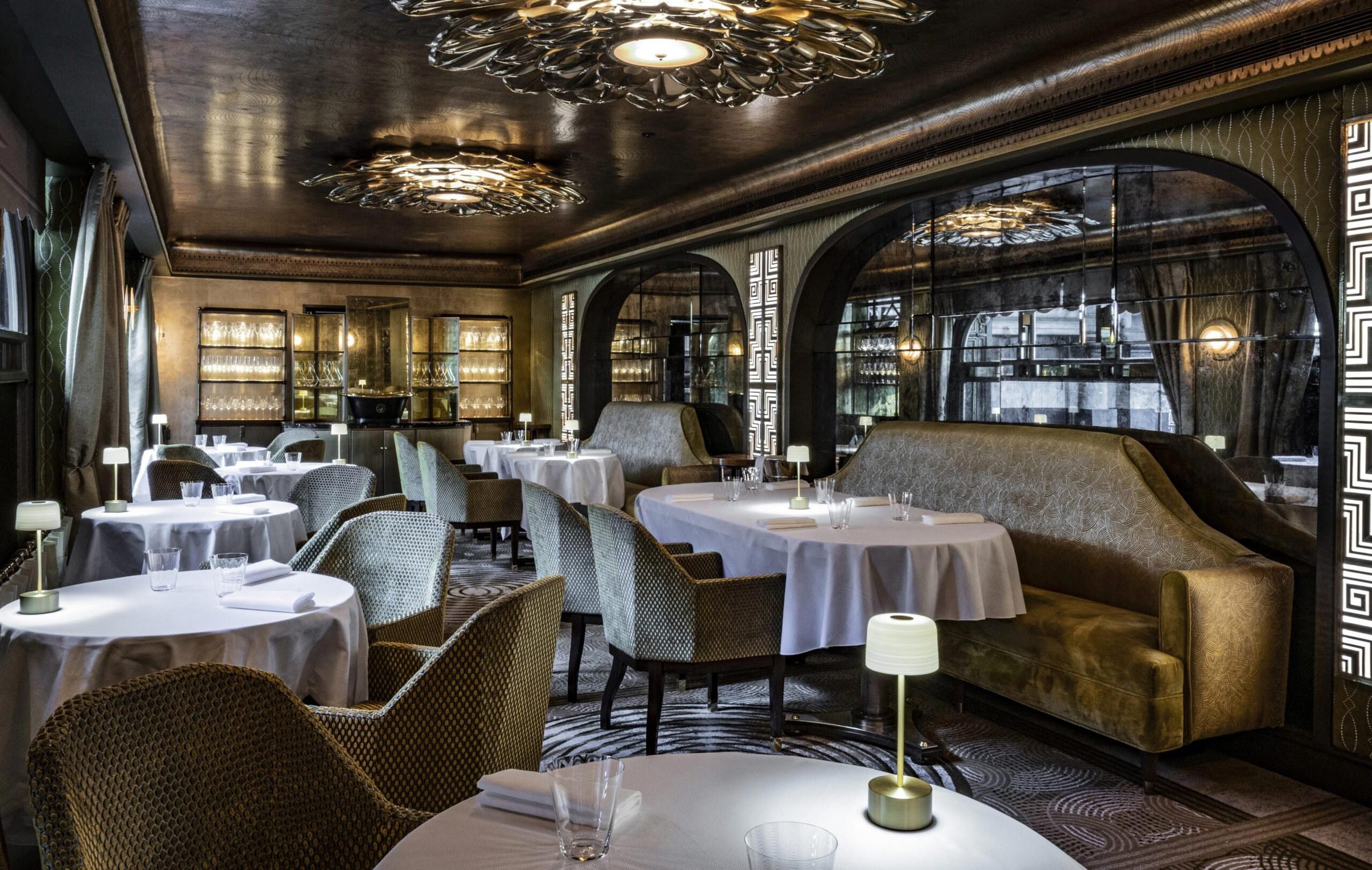
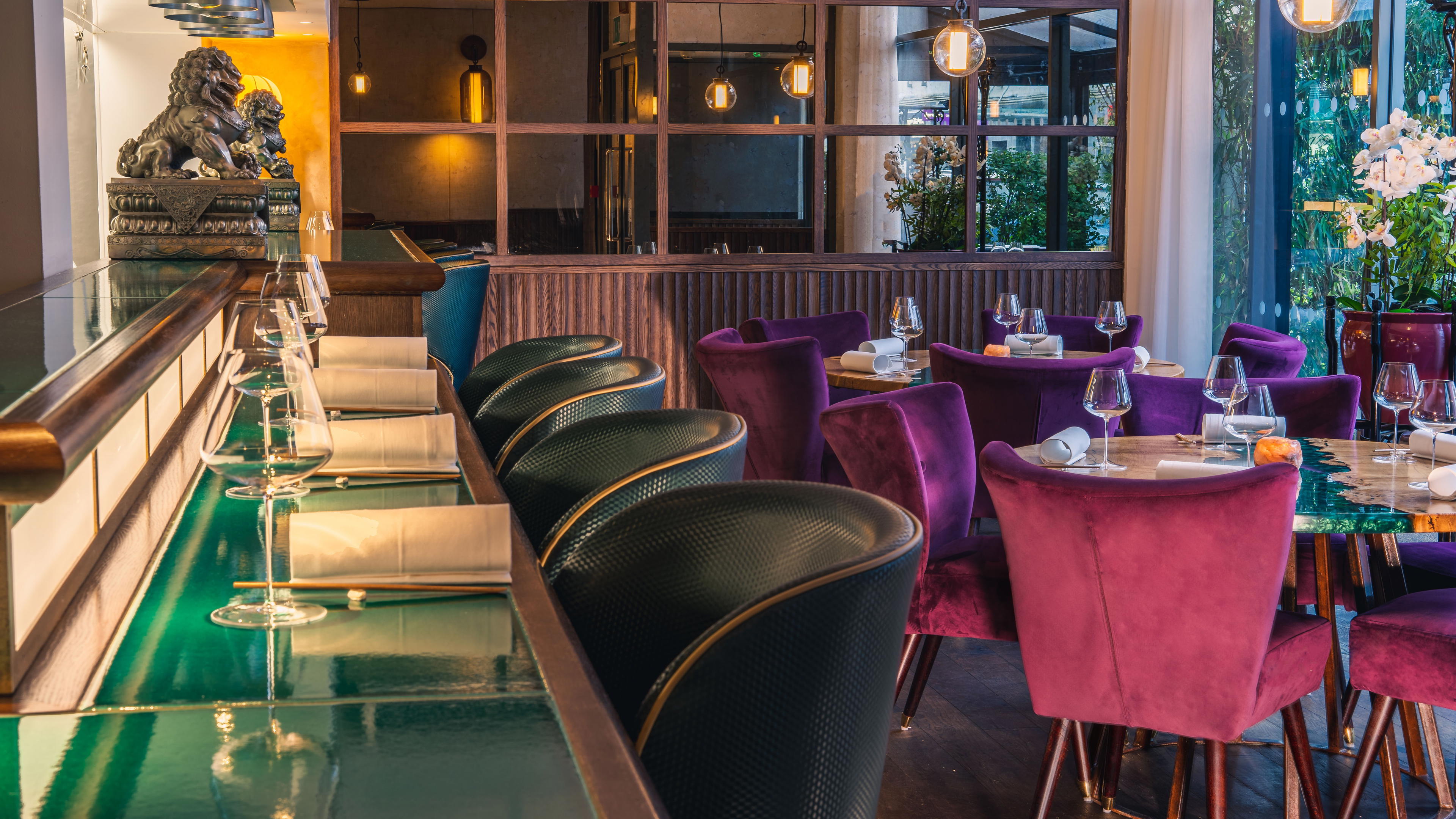
Bars in London
Browse all →
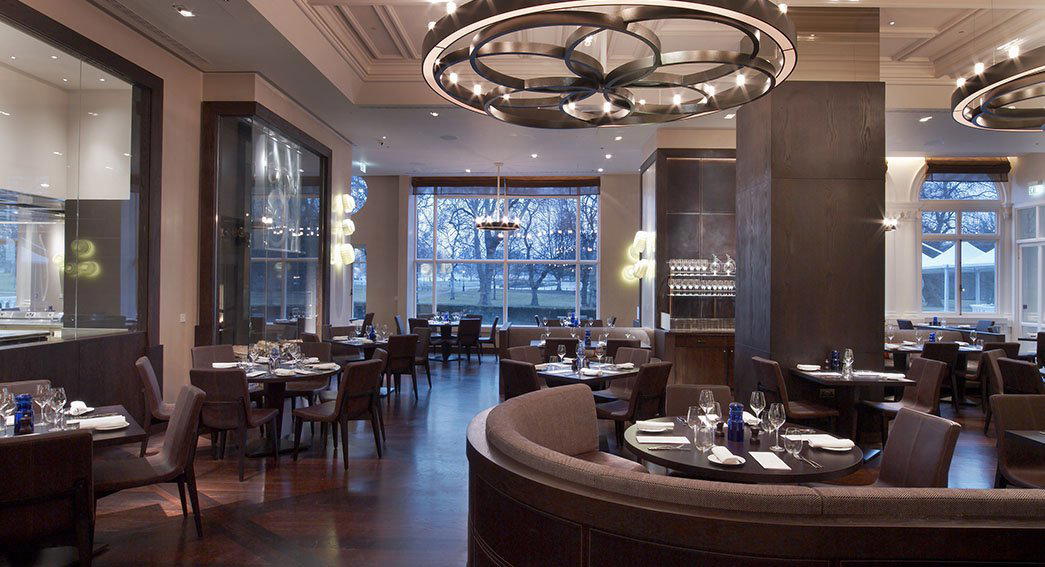
Hotels in London
Browse all →



At a Glance
- Elegant
- Classic
- Cozy
- Sophisticated
- Date Night
- Special Occasion
- Business Dinner
- Terrace
- Open Kitchen
- Extensive Wine List
- Street Scene
Current opening hours
- Monday
- 12:15–2:45 PM, 6:30–10:30 PM
- Tuesday
- 12:15–2:45 PM, 6:30–10:30 PM
- Wednesday
- 12:15–2:45 PM, 6:30–10:30 PM
- Thursday
- 12:15–2:45 PM, 6:30–10:30 PM
- Friday
- 12:15–2:45 PM, 6:30–10:30 PM
- Saturday
- 12:15–2:45 PM, 6:30–10:30 PM
- Sunday
- Closed
Hours can change for holidays and private events. Last verified .
Relaxed, welcoming, and elegant with a warm, lively atmosphere and smart but informal setting.