Manicomio
Manicomio occupies a prime position on Duke of York Square in Chelsea, bringing regional Italian cooking to one of London's most considered dining neighbourhoods. The kitchen draws on the kind of ingredient-led tradition that defines northern Italian trattorias, positioning it firmly within Chelsea's mid-to-upper casual dining tier. It operates as both a ground-floor restaurant and a first-floor private space, making it a practical choice for group bookings alongside solo or couples dining.
Pearl is the En Primeur Club membership app — saves, bookings, and concierge access live there. Same editors, same standards.
- Address
- 83-85 Duke Of York Square, London SW3 4LY, United Kingdom
- Phone
- +44 20 7730 3366
- Website
- manicomio.co.uk
- Directions
- Get directions
 Saves & bookings on Pearl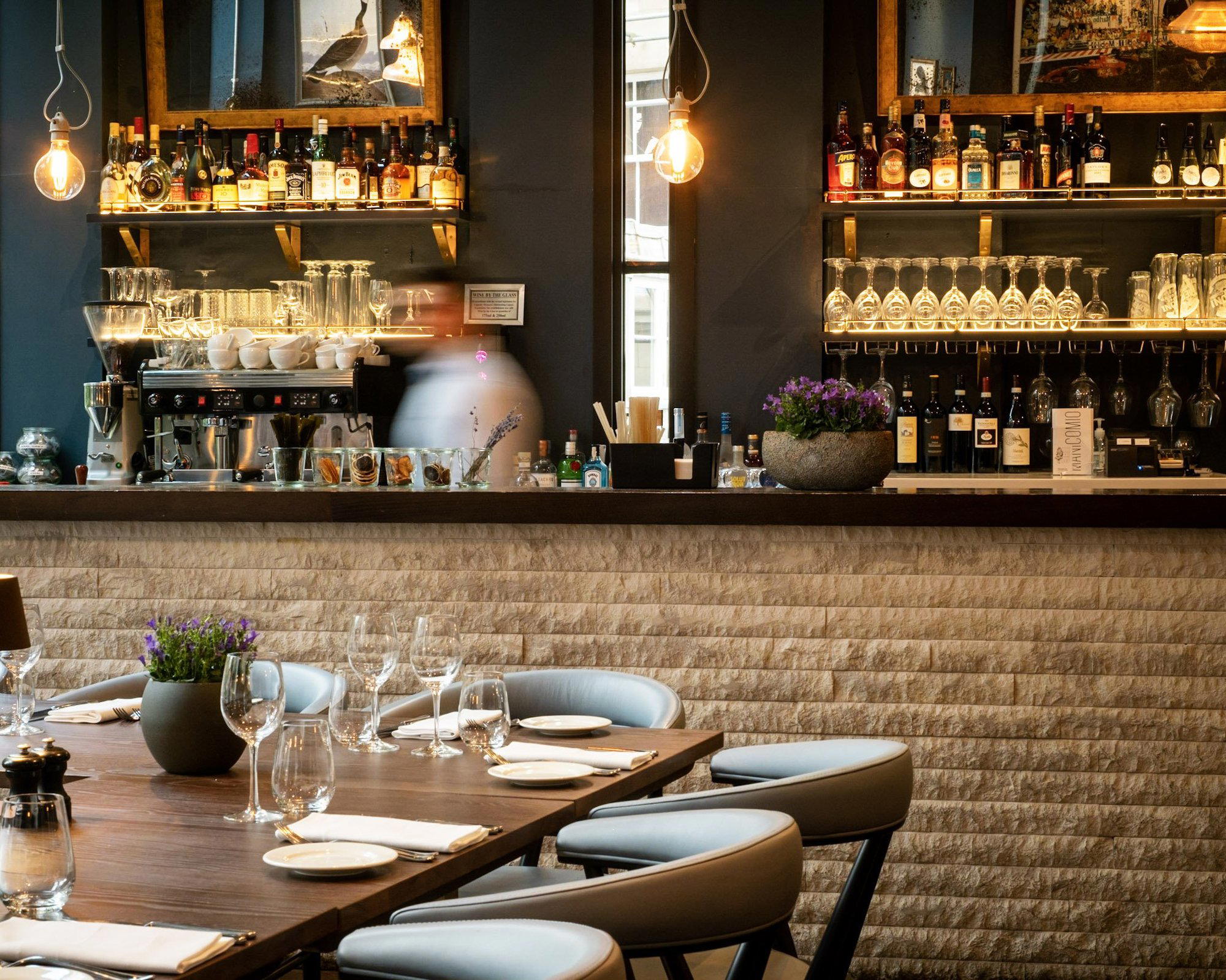
Italian Regional Cooking in Chelsea's Duke of York Square
Duke of York Square sits at a particular intersection in London's dining geography: close enough to the King's Road to absorb its footfall, but buffered from it by the square's deliberately curated retail and restaurant mix. The Italian restaurants that have survived in this part of Chelsea over the past two decades tend to share a common trait: they appeal to a neighbourhood clientele that expects cooking grounded in regional specificity rather than the broad-stroke red-sauce shorthand that sustained earlier generations of London-Italian restaurants. Manicomio, at 83-85 Duke of York Square, operates in that more serious register.
Italian regional cooking in London has undergone a significant reclassification since the early 2000s. The trattoria model, once perceived as a mid-market fallback between pizzerias and white-tablecloth dining rooms, has reasserted itself as the more credible format for ingredient-led Italian food. Where London's premium Italian end now sits closer to the tasting-menu tier represented by Cicchetti-influenced counters and modern osteria formats, the Chelsea version of this tradition tends toward a room-service sensibility: dishes recognisable in their roots but precise in their sourcing and execution. Manicomio positions itself within that middle ground, where the cooking is unambiguous about its Italian lineage without retreating into novelty or nostalgia.
What the Chelsea Location Signals
Chelsea's dining character has always been shaped by its residential density and the spending patterns of a clientele that travels regularly to Italy and holds opinions about the difference between a ribollita from a can and one built over two days. That creates a particular pressure on Italian restaurants in the area: the room may look relaxed, but the standards applied by regulars are not. Duke of York Square reinforces this dynamic. The square's Saturday Farmers' Market, one of the more respected in central London, sets a baseline expectation around produce quality that filters into how nearby restaurants are judged.
Positioning-wise, Manicomio sits at a distance from the four-star tasting-menu tier occupied by addresses like CORE by Clare Smyth, Sketch, The Lecture Room and Library, The Ledbury, Restaurant Gordon Ramsay, and Dinner by Heston Blumenthal. These are destination restaurants that attract international visitors as much as Londoners. Manicomio's comparable set is different: it competes with the neighbourhood Italian dining room as a format, where the frequency of return visits matters more than the occasion value of the first one.
The Cultural Roots of the Format
The word manicomio means asylum or madhouse in Italian, a name that gestures at the looseness and conviviality associated with Italy's more casual dining culture rather than the starched formality of its grand ristoranti. That cultural reference matters because it sets an expectation about the room's register: this is not a space designed around ceremony. Italian dining tradition, particularly in the north, has always distinguished between the ristorante built for occasion and the trattoria built for habit. London's better Italian rooms have increasingly borrowed from the latter model, finding that the shared-plate format, the emphasis on seasonal vegetables and cured products, and the wine list weighted toward regional Italian producers all travel well to a British audience that has absorbed these references through decades of travel and food media.
The broader shift across London's Italian dining scene also reflects what has happened at the sourcing level. Italian food culture's emphasis on DOP and IGP designations, the protected-origin frameworks that govern everything from Parmigiano-Reggiano to San Marzano tomatoes, has educated a generation of London diners to ask questions about provenance that simply were not asked in the 1990s. Restaurants operating in this register have had to respond, and the better Chelsea addresses have done so with wine lists and kitchen sourcing that reflect genuine engagement with the Italian supply chain rather than theatrical gestures toward it.
Planning Your Visit
Manicomio's address at 83-85 Duke of York Square places it within easy reach of Sloane Square underground station, which sits at the eastern edge of the square. For visitors exploring London's wider dining range, the city's Italian mid-market tier offers a useful counterpoint to the high-formality options listed in our full London restaurants guide. Those planning a broader trip to the capital might also consult our full London hotels guide, our full London bars guide, our full London experiences guide, and our full London wineries guide for a complete picture of the city's offer.
Duke of York Square is busiest on Saturday mornings when the farmers' market runs, and the surrounding restaurants tend to fill earlier on those days than on weekday lunchtimes. For anyone crossing from further afield, the UK's destination restaurant circuit extends well beyond London: The Fat Duck in Bray, L'Enclume in Cartmel, Moor Hall in Aughton, Gidleigh Park in Chagford, Hand and Flowers in Marlow, and Le Manoir aux Quat' Saisons in Great Milton represent the broader range of UK dining worth building a trip around. International comparisons that illustrate the range of serious restaurant dining include Le Bernardin in New York City and Atomix in New York City, both operating at the technical ceiling of their respective formats.
City Peers
Comparable venues nearby, for context on price, style, and recognition.
| Venue | Cuisine | Price | Notes |
|---|---|---|---|
| ManicomioThis venue — the venue you are viewing | Italian Trattoria | $$$ | Not listed |
| San Carlo Knightsbridge | Regional Italian | $$$ | Knightsbridge |
| Briciole | Authentic Italian Trattoria | $$$ | Marylebone |
| Agrodolce London | Roman Italian Trattoria | $$$ | Fitzrovia |
| The Remedy | Italian-Inspired Small Plates | $$$ | Euston |
| Terra Moderna | Antipodean Modern Italian | $$$ | Swiss Cottage |
Continue exploring
More in London
Restaurants in London
Browse all →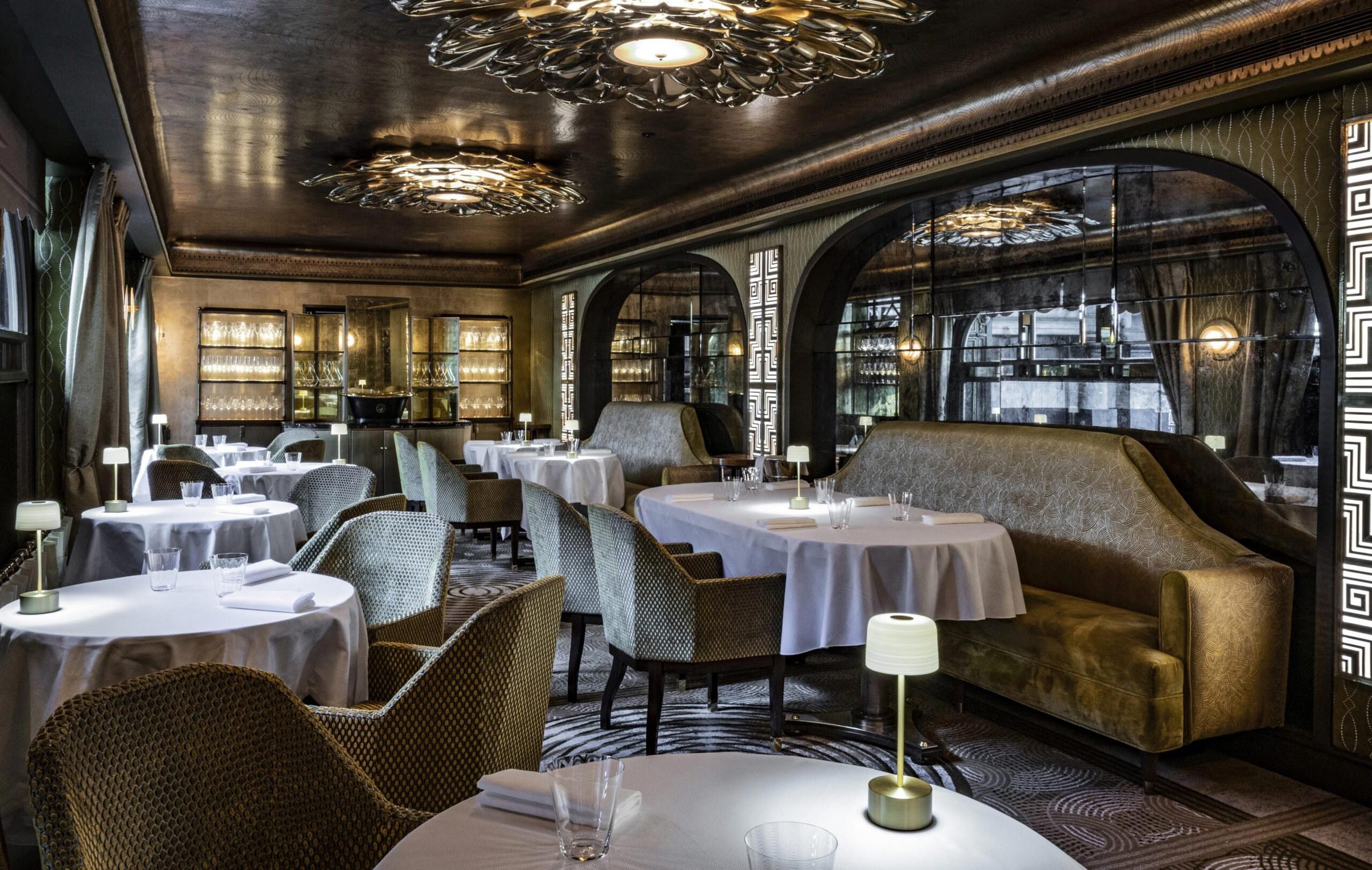
Bars in London
Browse all →
Hotels in London
Browse all →

At a Glance
- Elegant
- Sophisticated
- Lively
- Business Dinner
- Date Night
- Group Dining
- Terrace
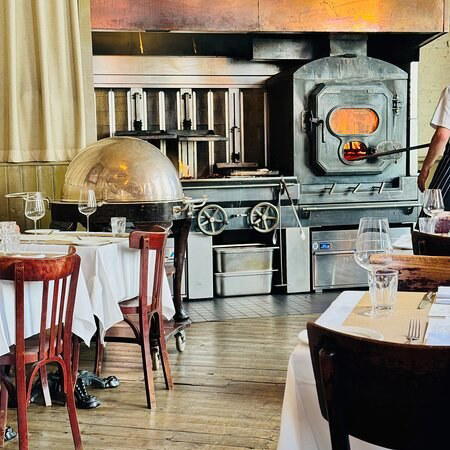
- Open Kitchen
- Craft Cocktails
Current opening hours
- Monday
- 12–9 PM
- Tuesday
- 12–9 PM
- Wednesday
- 12–9 PM
- Thursday
- 12–9 PM
- Friday
- 12–9 PM
- Saturday
- 12–9 PM
- Sunday
- 12–9 PM
Hours can change for holidays and private events. Last verified .
Buzzy atmosphere with pleasant buzz in cosy dining rooms, lively yet conversational noise levels, and lovely terrace for al fresco dining.