Capulet
On Dauphine Street in the Bywater, Capulet occupies a neighbourhood that has quietly redrawn New Orleans' dining map over the past decade. The address places it outside the French Quarter circuit entirely, in a residential stretch where the city's newer creative energy tends to concentrate. For visitors oriented around the Quarter, the short trip across the neighbourhood boundary is the first thing to reckon with.
Pearl is the En Primeur Club membership app — saves, bookings, and concierge access live there. Same editors, same standards.
- Address
- 3014 Dauphine St, New Orleans, LA 70117
- Phone
- +15045070691
- Website
- capuletbywater.com
- Directions
- Get directions
 Saves & bookings on Pearl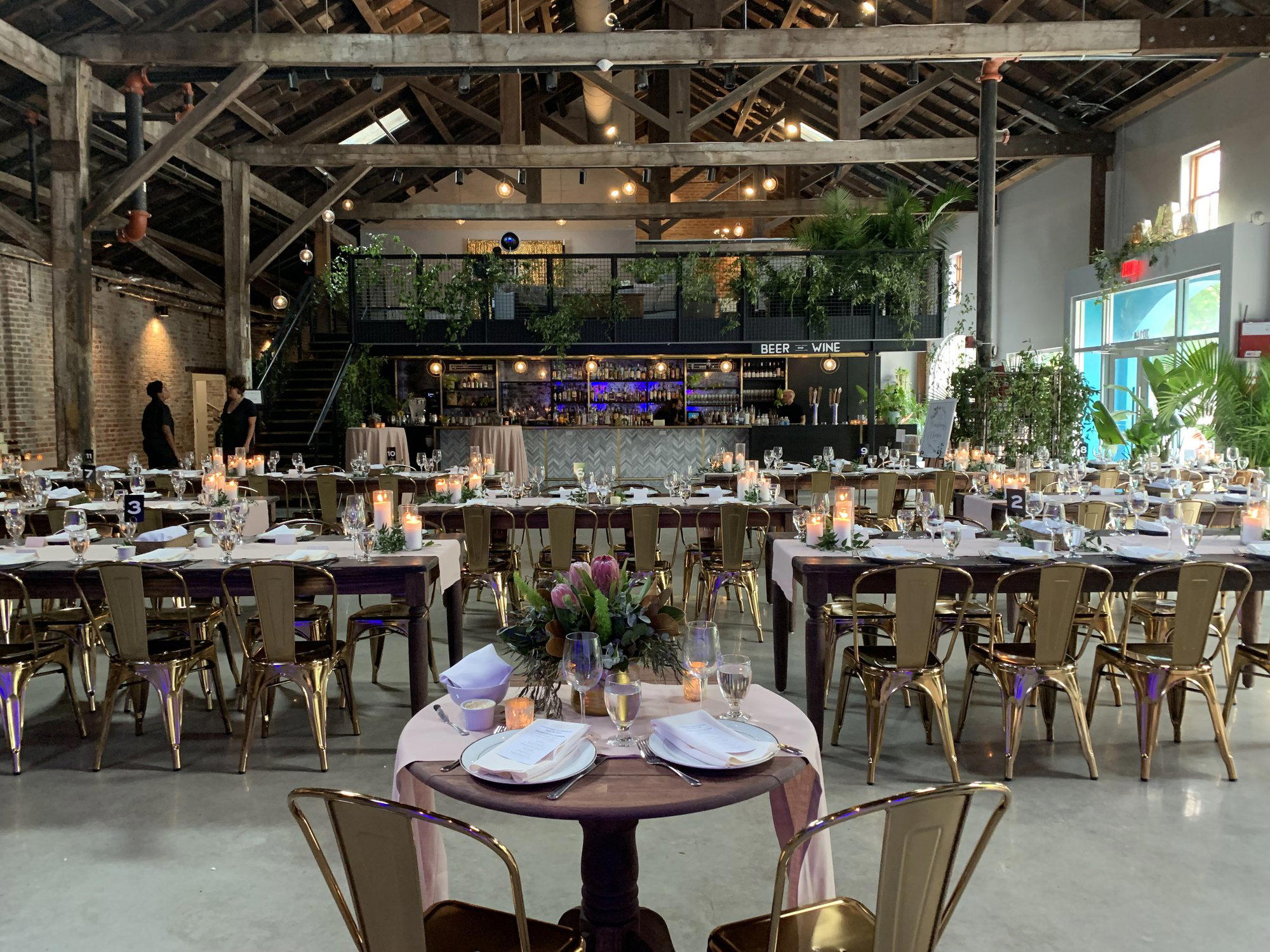
Dauphine Street and the Bywater's Shift in New Orleans Dining
The address at 3014 Dauphine Street tells you something before you've sat down. The Bywater sits east of the Marigny, two neighbourhoods removed from the French Quarter's well-worn restaurant circuit, and for most of New Orleans' dining history that distance meant being overlooked by visiting food travellers who rarely strayed past Frenchmen Street. That calculus has shifted. Over the past fifteen years, Bywater has accumulated a density of serious independent restaurants, bars, and food producers that now functions as its own culinary zone rather than an overflow from the Quarter. Capulet sits inside that shift, on a stretch of Dauphine that reads as residential before it reveals itself as anything else: low-slung shotgun houses, a measured pace, none of the signage theatre that marks the tourist corridors upriver.
This is the context that matters for understanding what kind of restaurant Capulet is likely to be. New Orleans has always operated two parallel dining cultures: the grand-institution tier, anchored by places like Emeril's and Bayona, where Creole and New American traditions are performed at scale for a mixed local-and-tourist audience; and a smaller, less publicised tier of neighbourhood-embedded rooms where the cooking tends to be more specific, the reservation pressure more acute, and the experience harder to slot into a standard travel itinerary. Capulet is a restaurant in New Orleans' Bywater, serving modern American bar food at a casual price point.
What the Neighbourhood Signals About the Experience
Approaching a restaurant in the Bywater on a warm evening carries its own texture. The neighbourhood has the compressed scale of New Orleans' older residential fabric: narrow lots, deep porches, streets that feel more intimate than those in the Quarter despite comparable age. Restaurants here tend to occupy former domestic spaces rather than purpose-built commercial rooms, which shapes acoustics, sightlines, and the general social logic of how a service unfolds. There is less spatial distance between kitchen and table, and that proximity tends to produce a different register of hospitality than you'd find in the grander rooms of the Garden District or downtown.
Within the competitive map of New Orleans dining, the Bywater cluster now draws comparison with the neighbourhood-first dining scenes that have emerged in other American cities: the residential corridors that house serious food programmes in Chicago, the off-Strip positioning of ambitious Las Vegas rooms, the Mission District logic in San Francisco. At the national level, restaurants anchored in neighbourhood character rather than destination visibility, places like Smyth in Chicago or Lazy Bear in San Francisco, have established that a residential address can be an asset rather than a liability, provided the cooking programme is strong enough to pull guests across the city. The Dauphine Street location asks the same question of any visitor: is it worth the deliberate trip? In the Bywater, the neighbourhood increasingly answers yes before the restaurant even opens its doors.
New Orleans' Wider Fine Dining Field
To position Capulet accurately, it helps to read the broader field. Stronger examples from the New Orleans market is occupied by a handful of rooms with national recognition: Saint-Germain at the fine dining tier, Re Santi e Leoni in the contemporary space, and Zasu representing the American contemporary wave at a slightly more accessible price point. Below that, the city maintains a wide middle tier where Creole and Cajun traditions remain the dominant grammar, setting New Orleans apart from cities where fine dining has converged toward a single modern-European idiom.
What distinguishes the Bywater cohort from that middle tier is a tendency toward creative independence: fewer tasting menus built around historic Creole touchstones, more cooking that processes New Orleans' ingredient base, Gulf seafood, local produce, Creole spice logic, through a contemporary lens. Nationally, the restaurants in that register include rooms like Providence in Los Angeles and Addison in San Diego, where regional identity and contemporary technique are held in productive tension. The Bywater's independent dining culture operates in a similar mode, scaled to New Orleans' specific rhythms and ingredient geography.
For visitors who have worked through the major rooms, who have covered Le Bernardin in New York City, The French Laundry in Napa, Blue Hill at Stone Barns in Tarrytown, or Single Thread Farm in Healdsburg, a Bywater address in New Orleans represents a different register entirely: less ceremonial, more embedded in a specific place. Internationally, the parallel would be something like Atelier Moessmer Norbert Niederkofler in Brunico, where the experience is inseparable from its geographic and cultural setting. Frasca Food and Wine in Boulder and The Inn at Little Washington offer another useful comparison: restaurants whose authority derives partly from the deliberate effort required to reach them. The Bywater, for a visitor staying in the Quarter, requires the same modest act of intention. And that is precisely why the restaurants on Dauphine Street tend to attract a more committed dining audience than those that position themselves as convenient stops on a tourist circuit. Atomix in New York City demonstrates that neighbourhood-embedded serious dining can reach the leading of national recognition; the Bywater is making a similar argument for New Orleans.
Know Before You Go
- Address: 3014 Dauphine St, New Orleans, LA 70117
- Neighbourhood: Bywater, plan for a short ride from the French Quarter or Marigny
- Phone / Website: Contact details not listed
- Price range: About $25 per person
- Booking: Reservations recommended
- Hours: Mon to Thu, 4 to 10 PM; Fri to Sun, closed
Peers Worth Knowing
Comparable venues nearby, for context on price, style, and recognition.
| Venue | Cuisine | Price | Notes |
|---|---|---|---|
| CapuletThis venue — the venue you are viewing | Modern American Bar Food | $$ | Not listed |
| Killer Poboys at Erin Rose | Internationally Inspired New Orleans Po'boys | $$ | French Quarter |
| Stein's Market & Deli | New York-Style Deli | $$ | Lower Garden District |
| The Joint | Louisiana BBQ | $$ | Bywater |
| New Orleans Hamburger & Seafood Co | New Orleans Cajun Seafood & Burgers | $$ | Milan |
| Snug Harbor Jazz Bistro | Creole Jazz Bistro | $$ | Marigny |
Continue exploring
More in New Orleans
Restaurants in New Orleans
Browse all →
Bars in New Orleans
Browse all →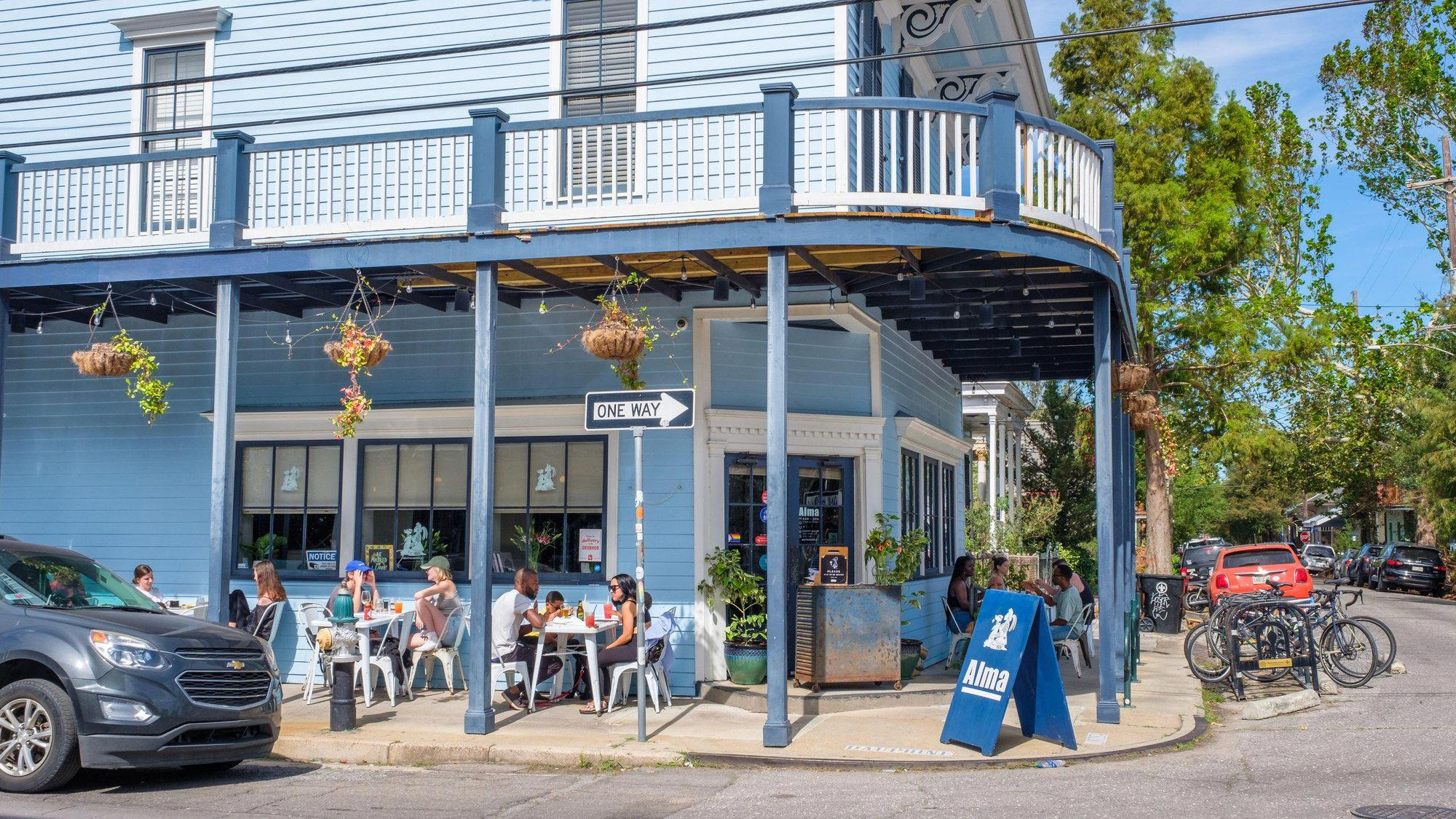
At a Glance
- Lively
- Trendy
- Rustic
- Elegant
- Casual Hangout
- Private Event
- Rooftop
- Live Music
- Open Kitchen
- Historic Building
- Craft Cocktails
- Local Sourcing
- Skyline
Current opening hours
- Monday
- 4–10 PM
- Tuesday
- 4–10 PM
- Wednesday
- 4–10 PM
- Thursday
- 4–10 PM
- Friday
- Closed
- Saturday
- Closed
- Sunday
- Closed
Hours can change for holidays and private events. Last verified .
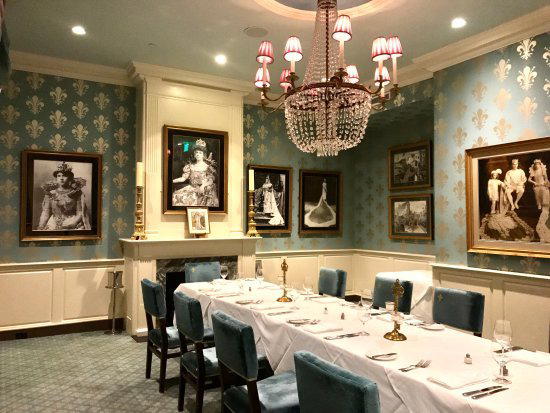
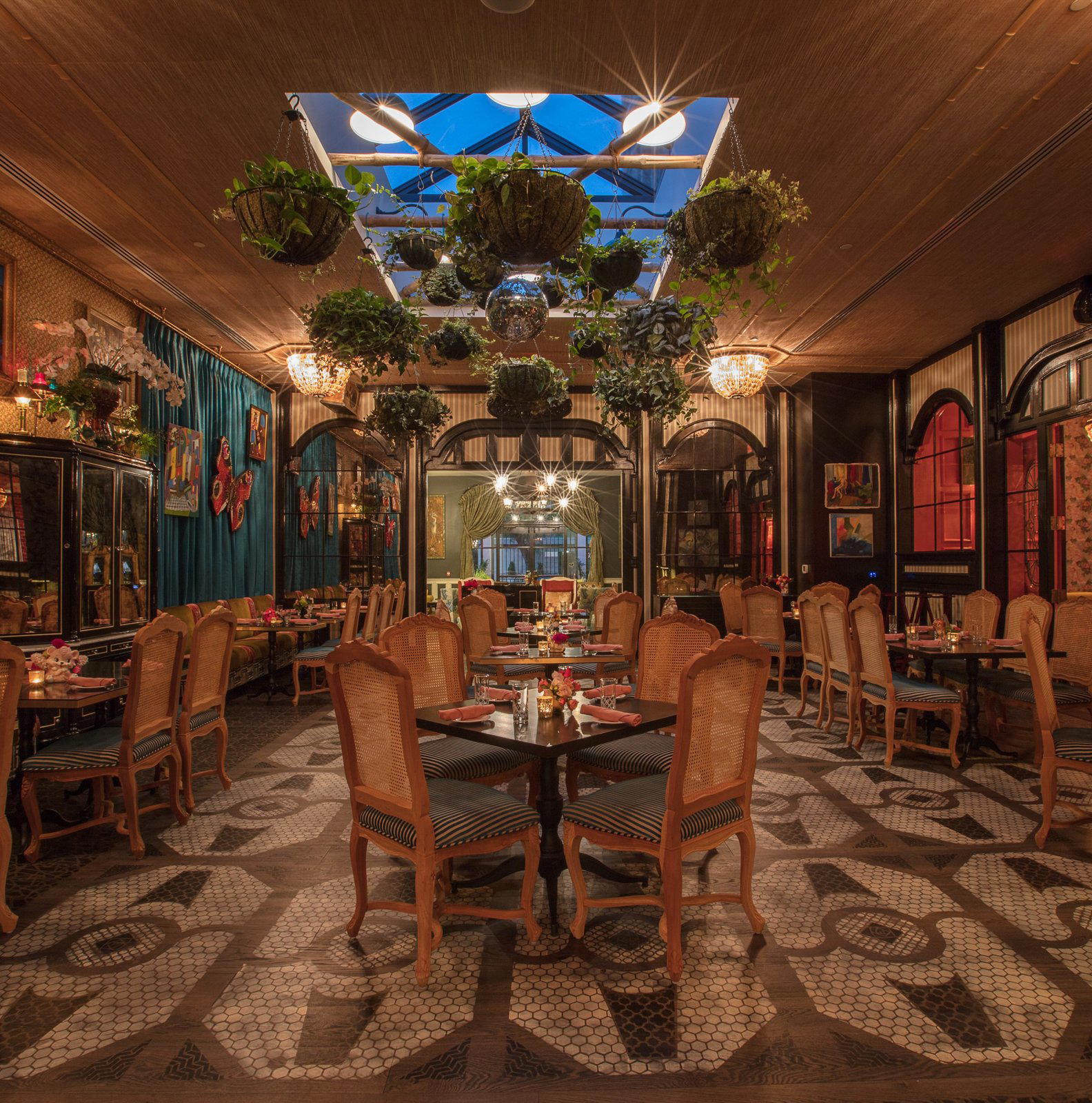
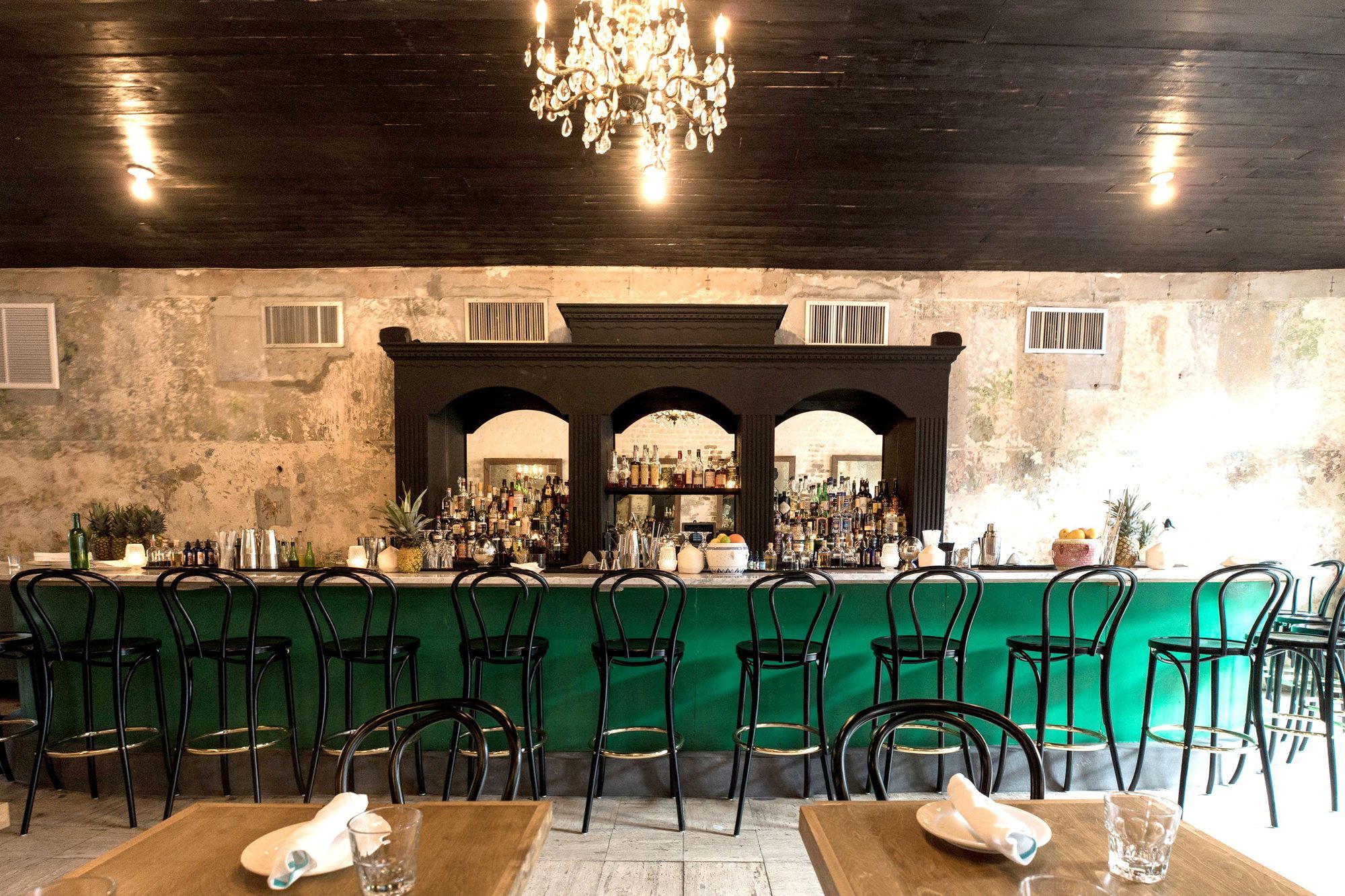
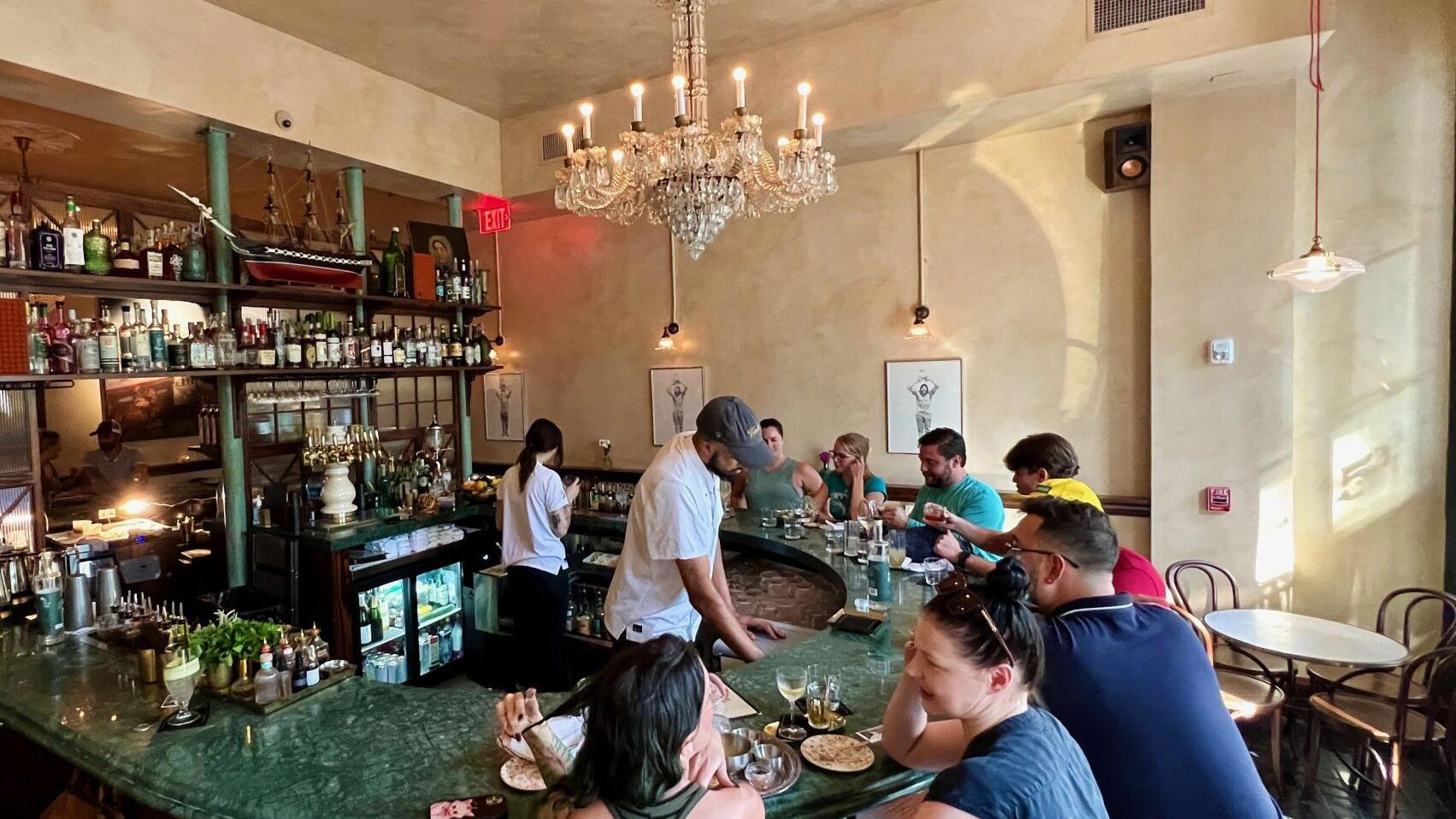
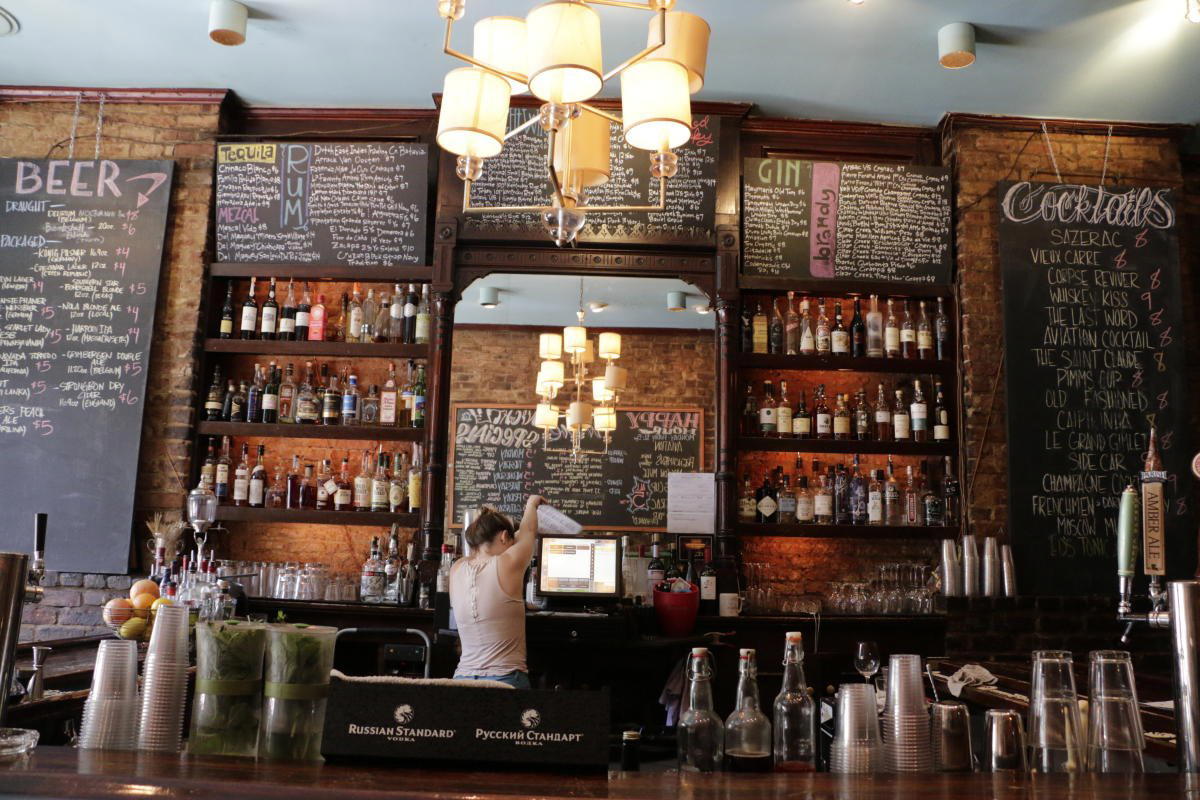
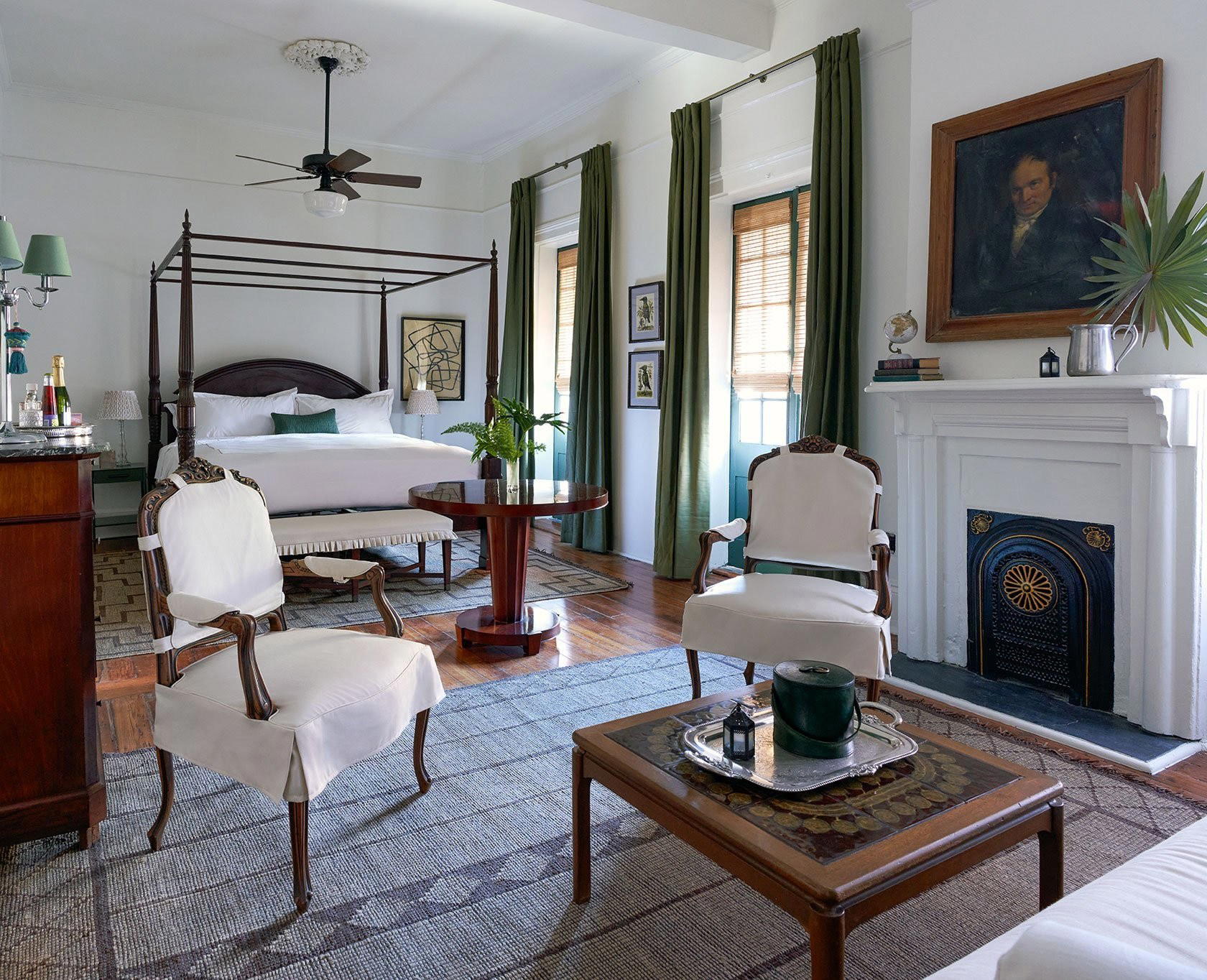
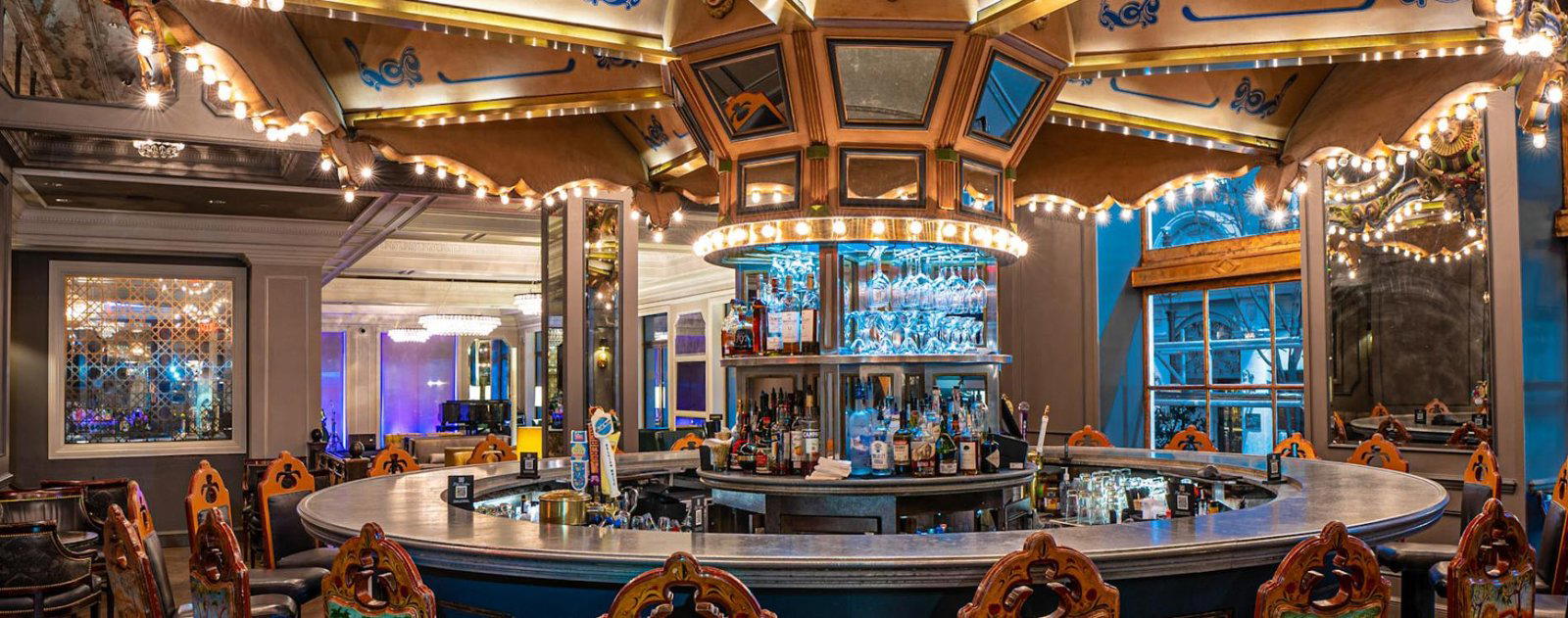
Warm, stylish, and welcoming with high pitched wooden ceilings, exposed brick, and a lively loft casual atmosphere enhanced by live music and performances.