Our verdict
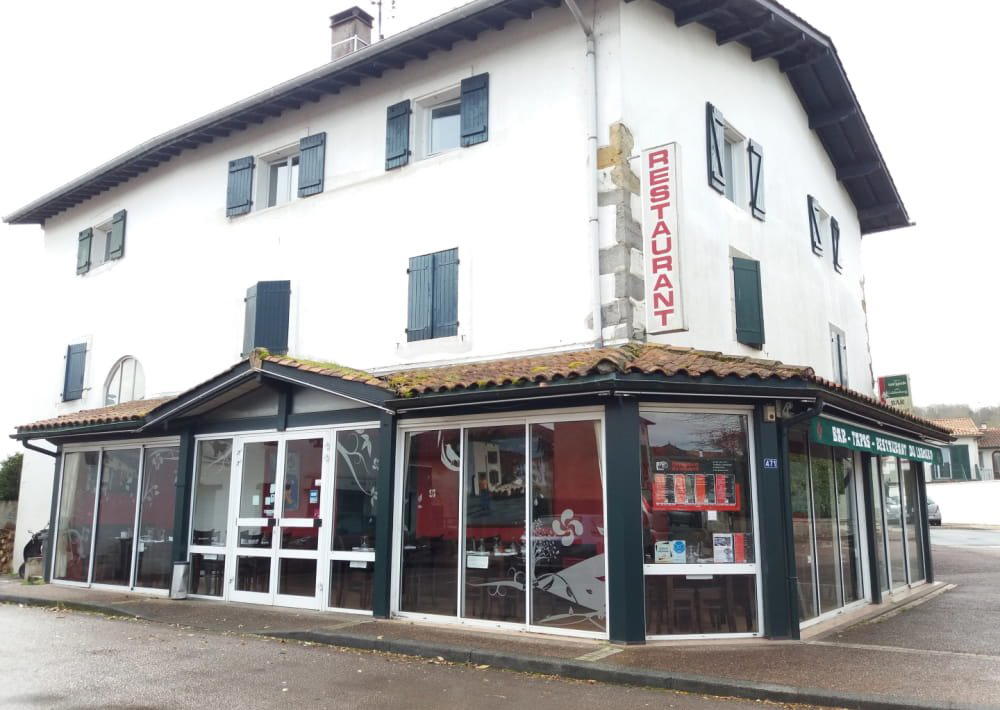
Capbourrut occupies a quietly considered address on the Place de la Croix du Bourg in Ustaritz, a Basque Country town where the Nive valley's agricultural depth meets France's Atlantic southwest. The kitchen draws on a region whose ingredient credentials — salt-marsh lamb, Espelette pepper, local txakoli producers, and the coastal catch of the Basque littoral — are among the most geographically coherent in France. For our full guide to the area, see our Ustaritz restaurants guide.

Pearl is the En Primeur Club membership app — saves, bookings, and concierge access live there. Same editors, same standards.
- Address
- Place de la croix du Bourg, 64480 Ustaritz, France
- Phone
- +33559930604
- Hours
- Mon–Tue ClosedWed 12–1:30 PMThu–Sat 12–1:30 PM, 7–9 PMSun 12–1:30 PM
- Website
- capbourrut.com
- Directions
- Get directions
The menu
What to order
- Raviole de foie gras au bouillon
- Cannelloni de céleri et crabe
A Square, a Village, and a Kitchen Rooted in the Basque Interior
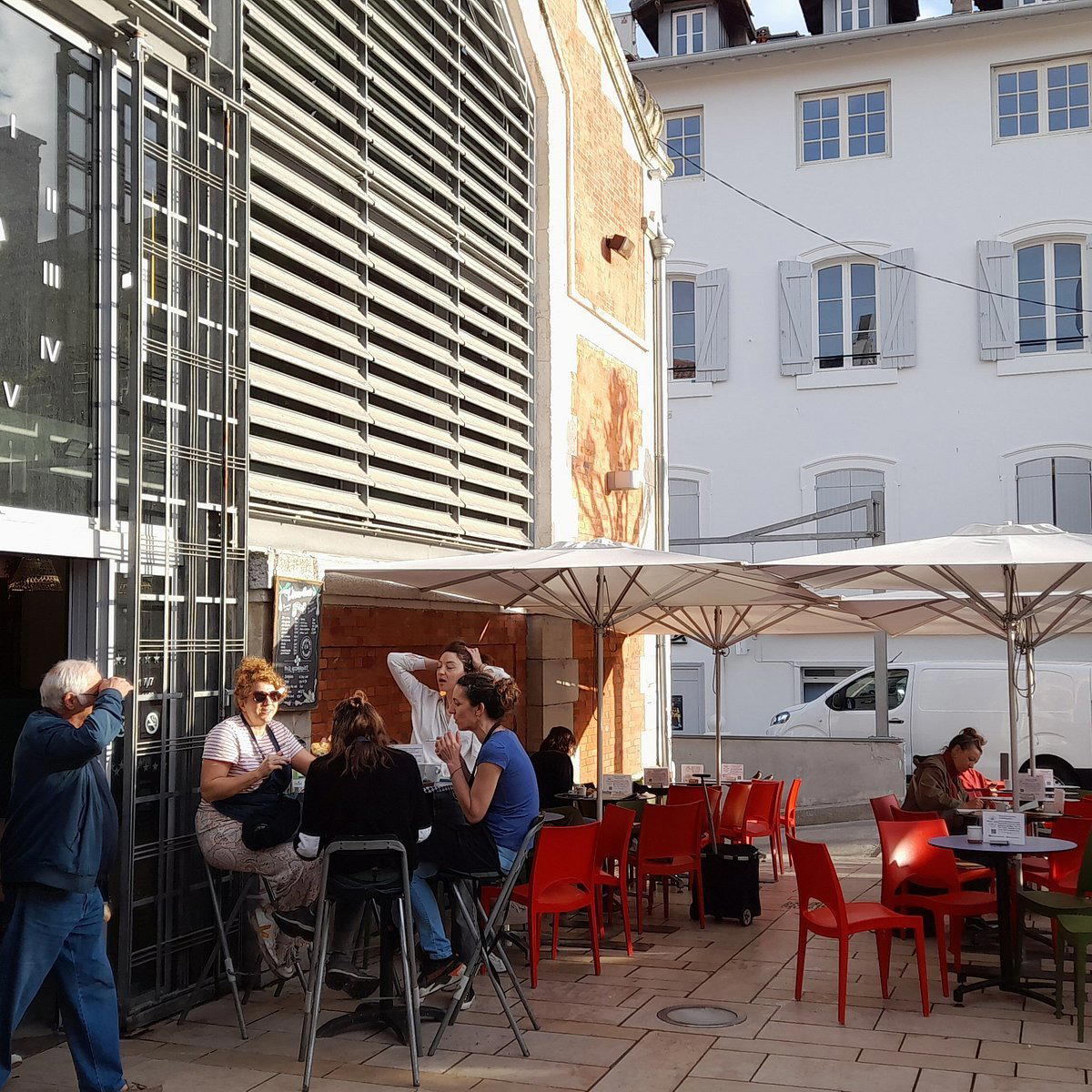
The Place de la Croix du Bourg in Ustaritz is not a destination square in any conventional tourist sense. It serves the village. Pelota courts, a church, a handful of locals going about their morning: this is the Basque Country at its least performed. Capbourrut sits within that frame, and that positioning tells you something before you've read a single menu line. Restaurants that choose this kind of address over the more visited coastal strip between Biarritz and Saint-Jean-de-Luz are generally making a deliberate argument about where their priorities lie, and in the Basque Country that argument almost always runs through the land.
Ustaritz itself sits roughly ten kilometres inland from the coast, in the lower Nive valley, close enough to Bayonne for day-trip logistics but sufficiently removed from the resort economy to operate on different terms. The surrounding territory is Labourd, one of the three French Basque provinces, and it produces some of the most regionally specific ingredients in the southwest: Espelette pepper (holding its own AOC), Basque black pig bred on the piedmont, salt-marsh lamb from the coastal estuary margins, and the dairy culture that underpins the local cheese tradition. A kitchen in this location, if it is paying attention, has a procurement geography that larger urban restaurants spend considerable effort trying to replicate.
The Ingredient Logic of the Basque Southwest
French regional cooking has undergone a significant reorientation over the past two decades. The model of the grand destination restaurant — the kind typified by institutions such as Paul Bocuse - L'Auberge du Pont de Collonges or Auberge de l'Ill — built its authority partly on codified technique applied to regional produce. That model remains powerful, but it has been joined by a secondary wave of smaller, more place-specific kitchens that treat provenance as the primary text rather than the supporting note.
The Basque Country has been particularly active in this shift. The proximity to Spain's Basque coast, where ingredient-first cooking at places like the San Sebastián pintxos bars and the broader Gipuzkoa restaurant scene has long set a regional tone, has pushed French Basque kitchens to sharpen their sourcing arguments. Espelette pepper, to take the most visible example, is not simply a local spice: it is a legally protected product with defined production zones and grading standards, grown in eleven communes of Labourd. Its presence in a kitchen signals a chain of procurement decisions that extends well beyond seasoning.
Similar logic applies to the Basque pig breeds raised on the Pyrenean piedmont, whose fat distribution and flavour profile differ materially from industrially raised pork. Restaurants in this part of France that build their menus around such materials are working with ingredients that carry both culinary and cultural specificity, the kind that kitchens at Bras in Laguiole or Les Prés d'Eugénie - Michel Guérard have long demonstrated can anchor a serious culinary identity rooted in French terroir. In France's southwest more broadly, the ingredient map is unusually dense: Périgord truffles, Gers duck, Basque seafood from the Bay of Biscay, and mountain cheeses from across the Pyrenean chain all exist within a manageable sourcing radius for a kitchen positioned in the Nive valley.
Situating Capbourrut in the Regional Picture
Ustaritz is not a town that generates heavy restaurant traffic on its own. Visitors to the French Basque Country tend to concentrate in Biarritz, Saint-Jean-de-Luz, and Bayonne, with the wider rural Labourd interior seeing lighter footfall. That dynamic shapes which restaurants survive in towns like Ustaritz: they are either serving a consistent local clientele or they have built a specific reason for people to seek them out.
Capbourrut's address on the village square places it in the former category of town-anchored dining rather than destination restaurant positioning. For comparison, that's a different category from a multi-Michelin address like Flocons de Sel in Megève or the coastal prestige of Mirazur in Menton, but it is not a lesser category, it is simply a different set of values. Community-embedded restaurants in France's village squares have their own kind of accountability: the same faces across the room, the same market suppliers in the morning, a feedback loop that formal dining rooms in larger cities rarely have.
This is the context worth holding when approaching Capbourrut. The Basque interior rewards the traveller willing to move beyond the coastal concentration. Bayonne is a short drive, and the combination of that city's ham-curing tradition, its covered market at Les Halles, and the valley's agricultural output creates a procurement environment that a small village kitchen can draw on with some seriousness. For further context on how French regional restaurants across price tiers work with place-specific ingredients, see our coverage of Auberge du Vieux Puits in Fontjoncouse and Maison Lameloise in Chagny, both of which demonstrate what deep regional sourcing looks like at different scales.
Planning a Visit
Ustaritz is accessible by car from Bayonne in under fifteen minutes via the D932, or from Biarritz in roughly twenty minutes. The town is also served by regional train connections on the Bayonne–Saint-Jean-Pied-de-Port line. Arriving by train and walking to the village square is direct. Given the absence of published booking information, contacting the restaurant directly at the address on Place de la Croix du Bourg is the practical approach. The Basque Country's high season runs from July through August, when coastal capacity compresses significantly; visiting in late spring or early autumn typically means less competition for tables across the region and better access to the valley's agricultural output at its seasonal peak.
For a broader sweep of what this corner of France offers at the table, our full Ustaritz restaurants guide maps the area's dining options by neighbourhood and price tier. Those interested in how the French southwest's ingredient culture translates across different dining formats can also follow our coverage of Alléno Paris au Pavillon Ledoyen, Troisgros - Le Bois sans Feuilles, Georges Blanc in Vonnas, La Table du Castellet, Le 1947 à Cheval Blanc in Courchevel, L'Oustau de Baumanière in Les Baux, La Vague d'Or in Saint-Tropez, Le Bernardin in New York City, and Lazy Bear in San Francisco.
Frequently asked questions
Would Capbourrut be comfortable with kids?
Capbourrut occupies Place de la Croix du Bourg in Ustaritz, a village square where pelota courts and everyday local life set the tone. That kind of unpretentious, community-rooted setting tends to be accommodating for families.
What's the vibe at Capbourrut?
The address says everything: Place de la Croix du Bourg, a working square at the centre of Ustaritz village life rather than a tourist-facing strip. Expect a grounded, neighbourhood atmosphere shaped by the rhythms of the Basque interior rather than the coastal restaurant scene in Biarritz or Saint-Jean-de-Luz.
Is Capbourrut worth a detour from Bayonne or Biarritz?
Ustaritz is under fifteen minutes from Bayonne by car via the D932, and roughly twenty minutes from Biarritz — close enough that Capbourrut sits within easy reach of either base. The case for going is less about a single dish than about accessing a village-scale restaurant operating outside the heavily trafficked coastal circuit of the French Basque Country.
What should I order at Capbourrut?
Ask staff what is current when you arrive — Basque interior kitchens in this region typically follow seasonal and market availability closely.
A Quick Peer Check
Comparable venues nearby, for context on price, style, and recognition.
| Venue | Cuisine | Price | Awards | Notes |
|---|---|---|---|---|
| CapbourrutThis venue — the venue you are viewing | Basque-Inspired French Bistronomique | $50–100 | Not listed | Not listed |
| Le Petit Canard | Traditional French Duck Bistro | Not listed | Not listed | 9th arrondissement |
| Atelier de Candale | Seasonal French wine‑country restaurant in the vineyards | $50–100 | Not listed | Saint-Laurent-des-Combes / Saint-Émilion vineyards |
| Kaldera | Modern French Bistro | $50–100 | Michelin Plate | Saint-Charles |
| Le Bon Cap | French Seafood Bistro | $20–30 | Not listed | Capbreton |
| L'Art des Mets | French Regional Bistro | $30–50 | Not listed | Saint Sever |
Capbourrut
The wine
- Wine program
- Curated wine list
- Extensive wine list
Details
- Rustic
- Cozy
- Elegant
- Intimate
- Date Night
- Special Occasion
- Historic Building
- Extensive Wine List
- Local Sourcing
- A La Carte
Current opening hours
- Monday
- Closed
- Tuesday
- Closed
- Wednesday
- 12–1:30 PM
- Thursday
- 12–1:30 PM, 7–9 PM
- Friday
- 12–1:30 PM, 7–9 PM
- Saturday
- 12–1:30 PM, 7–9 PM
- Sunday
- 12–1:30 PM
Hours can change for holidays and private events. Last verified .
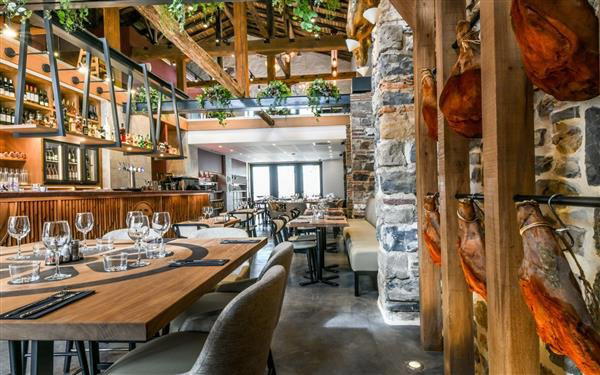
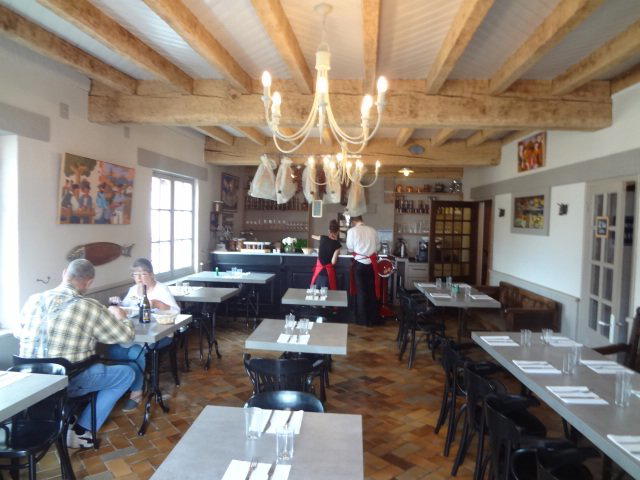
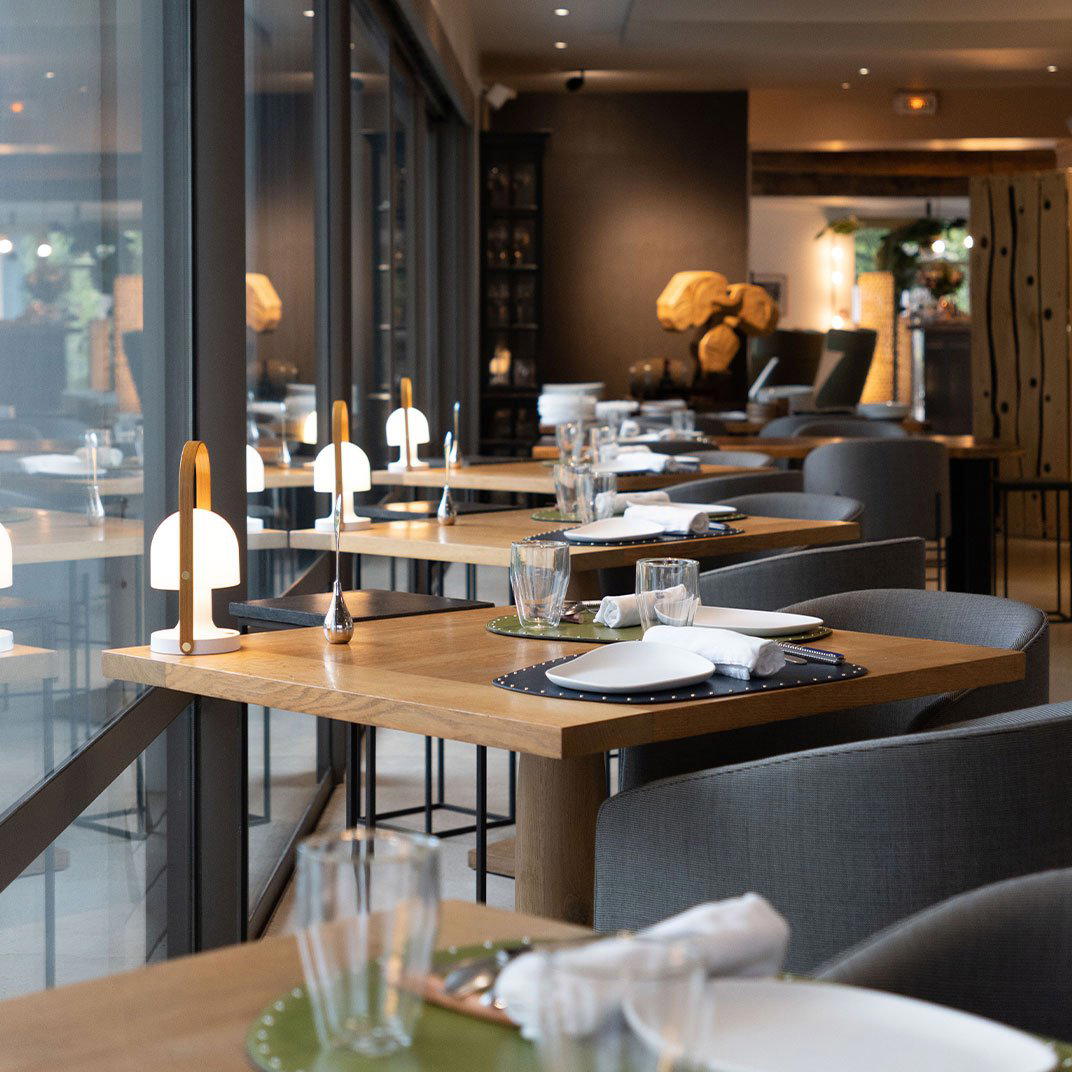
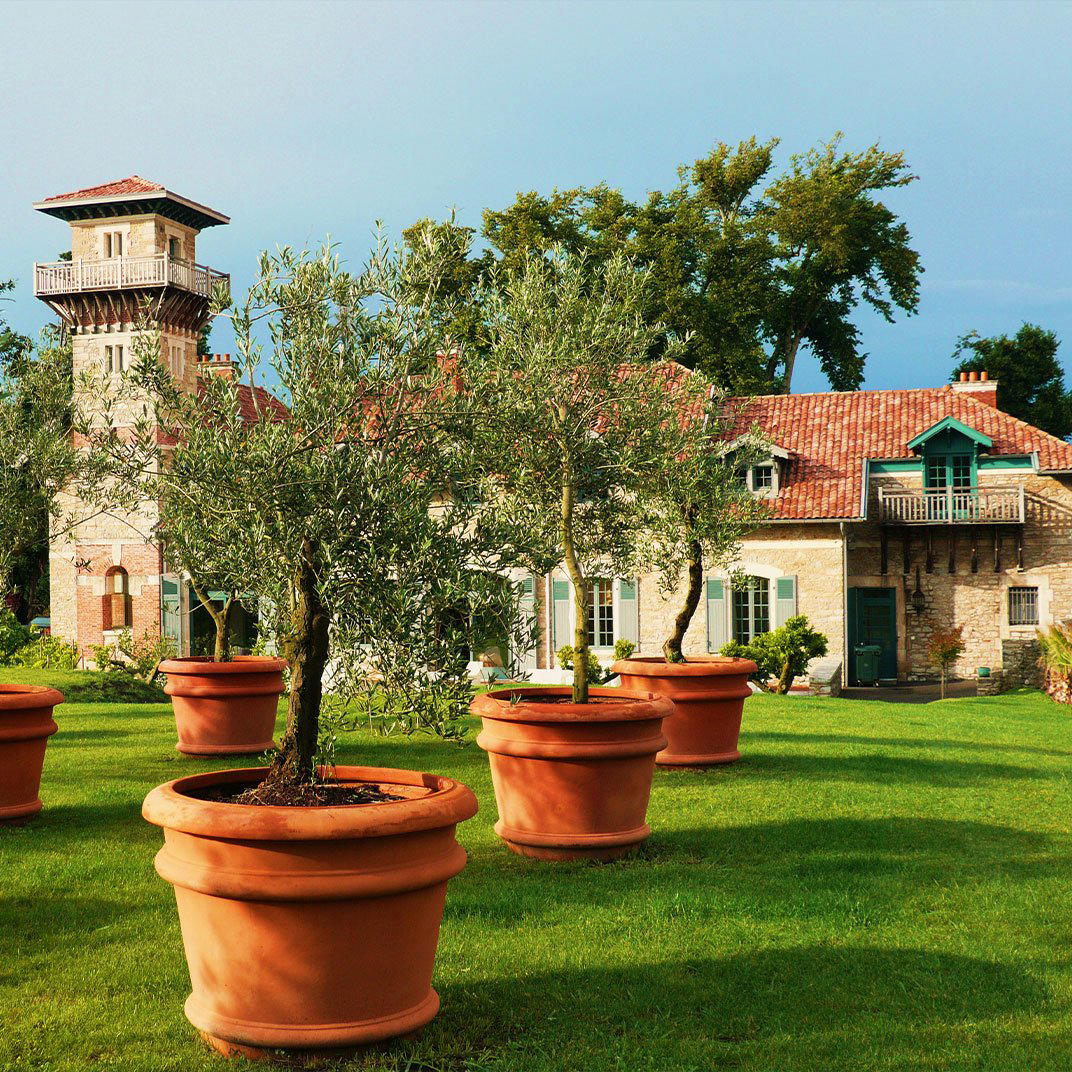
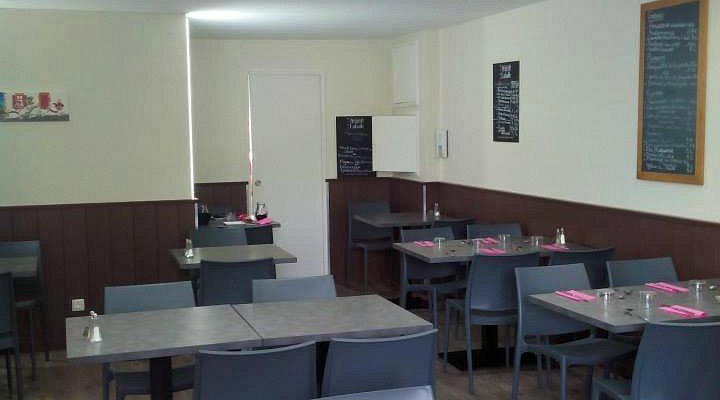
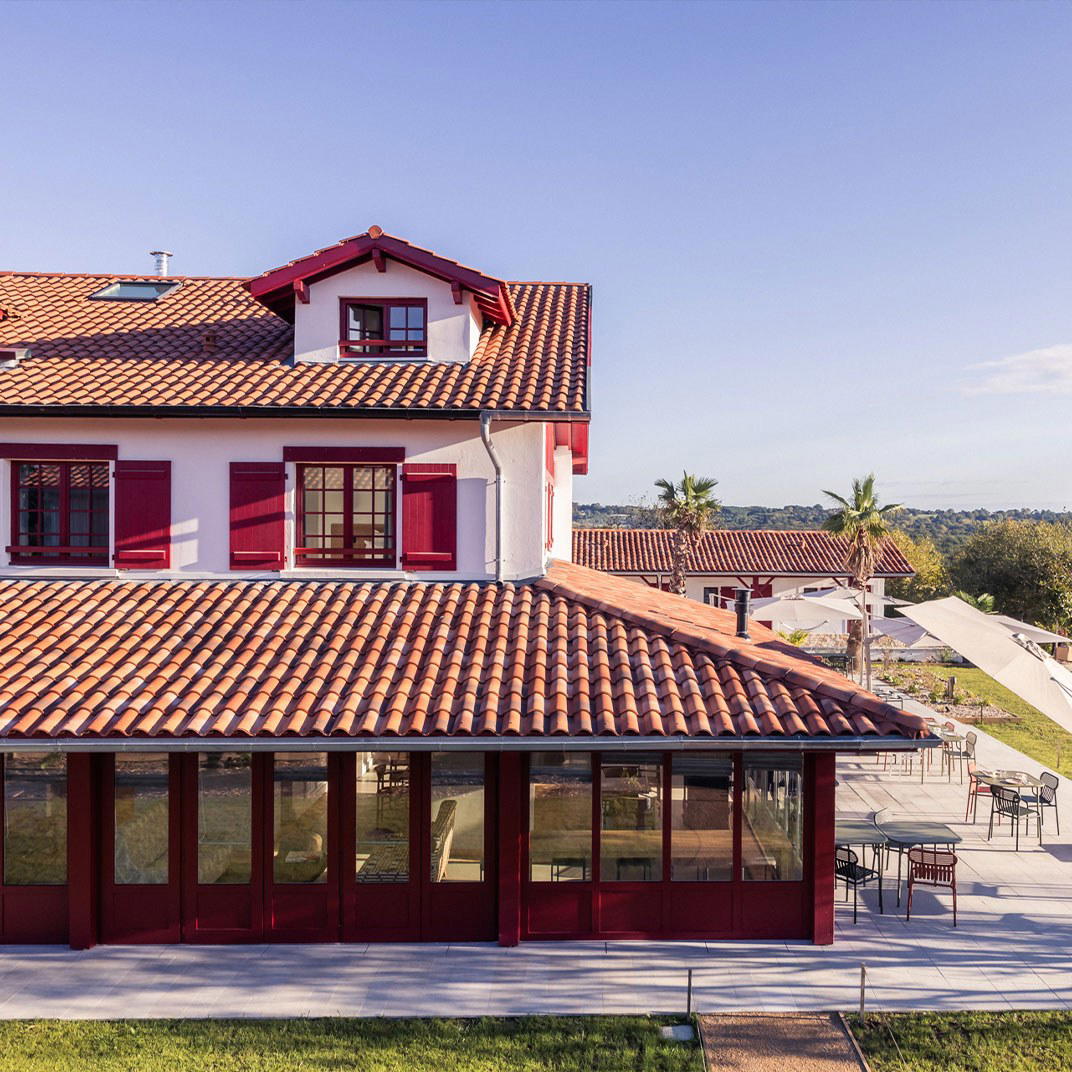
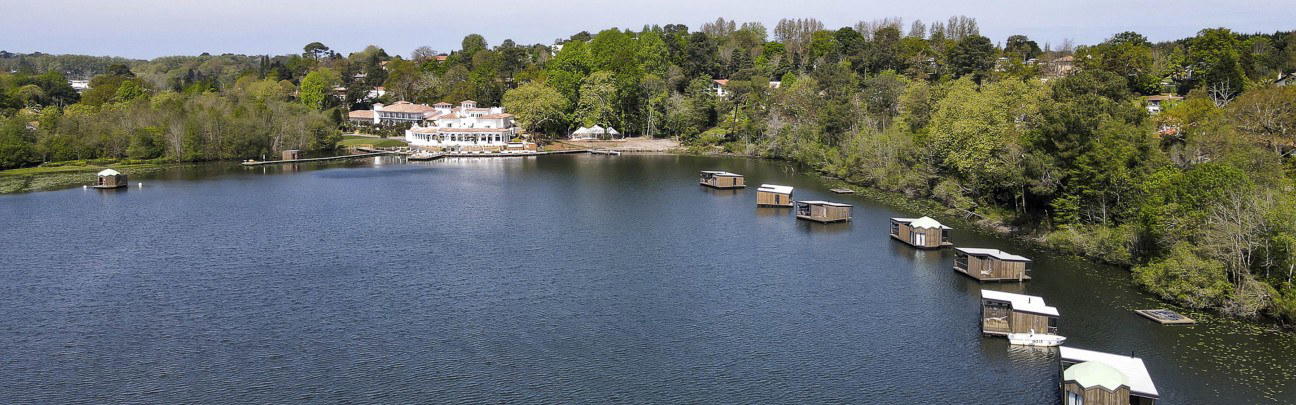
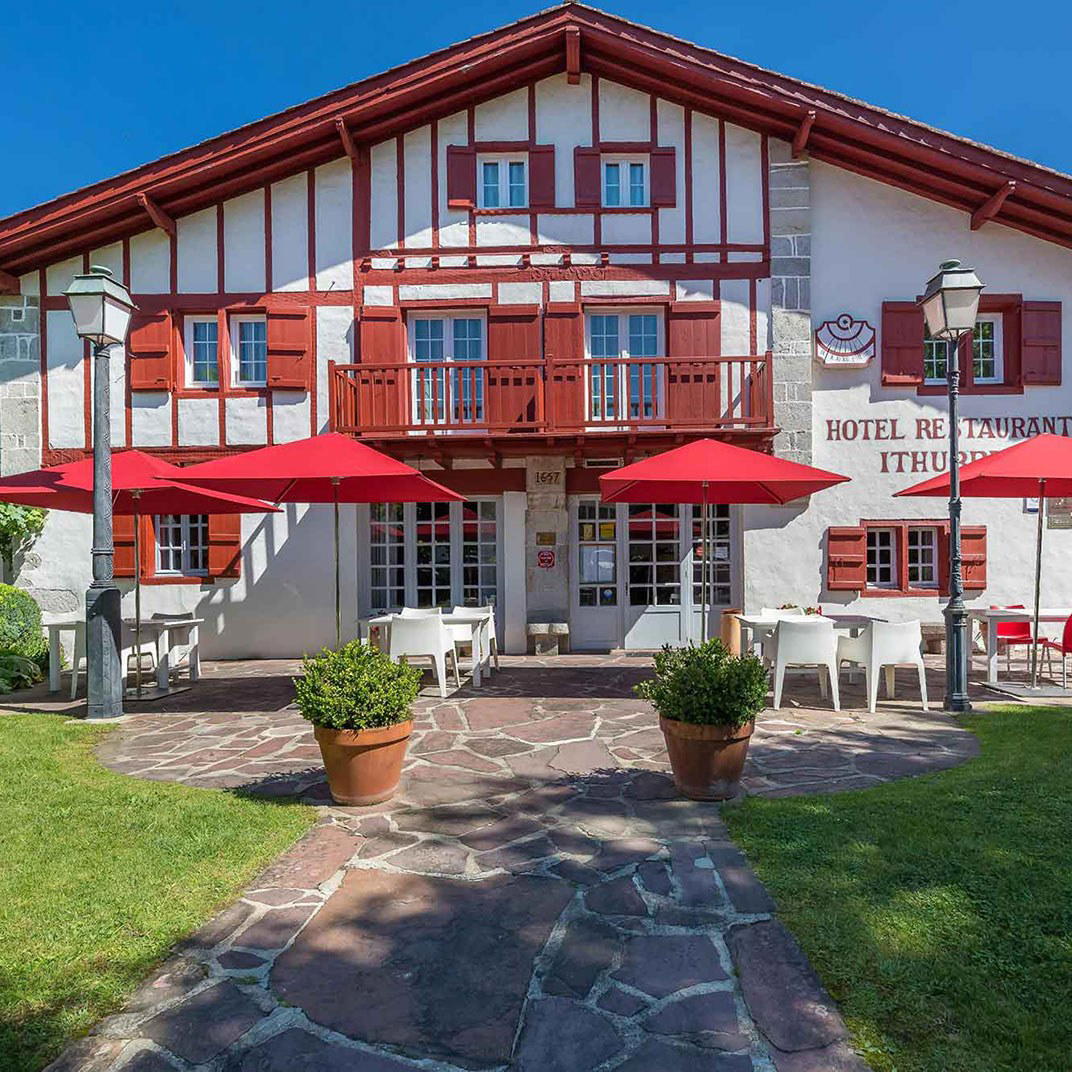
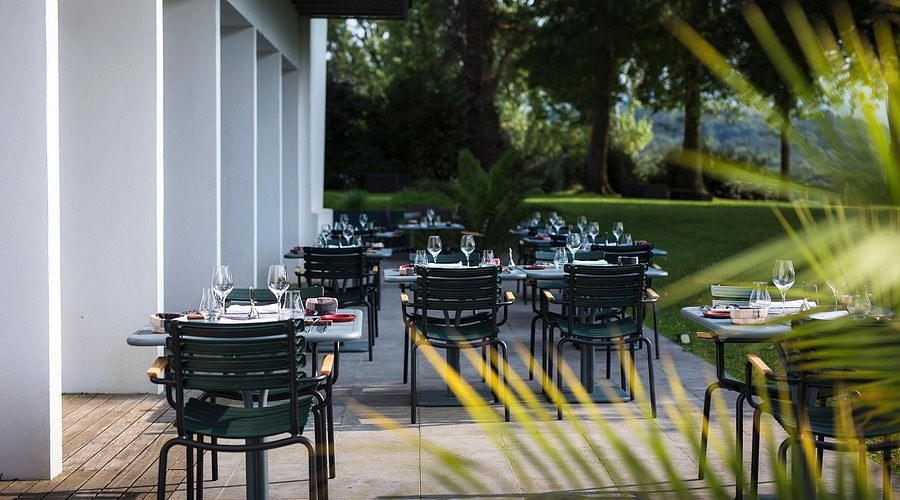
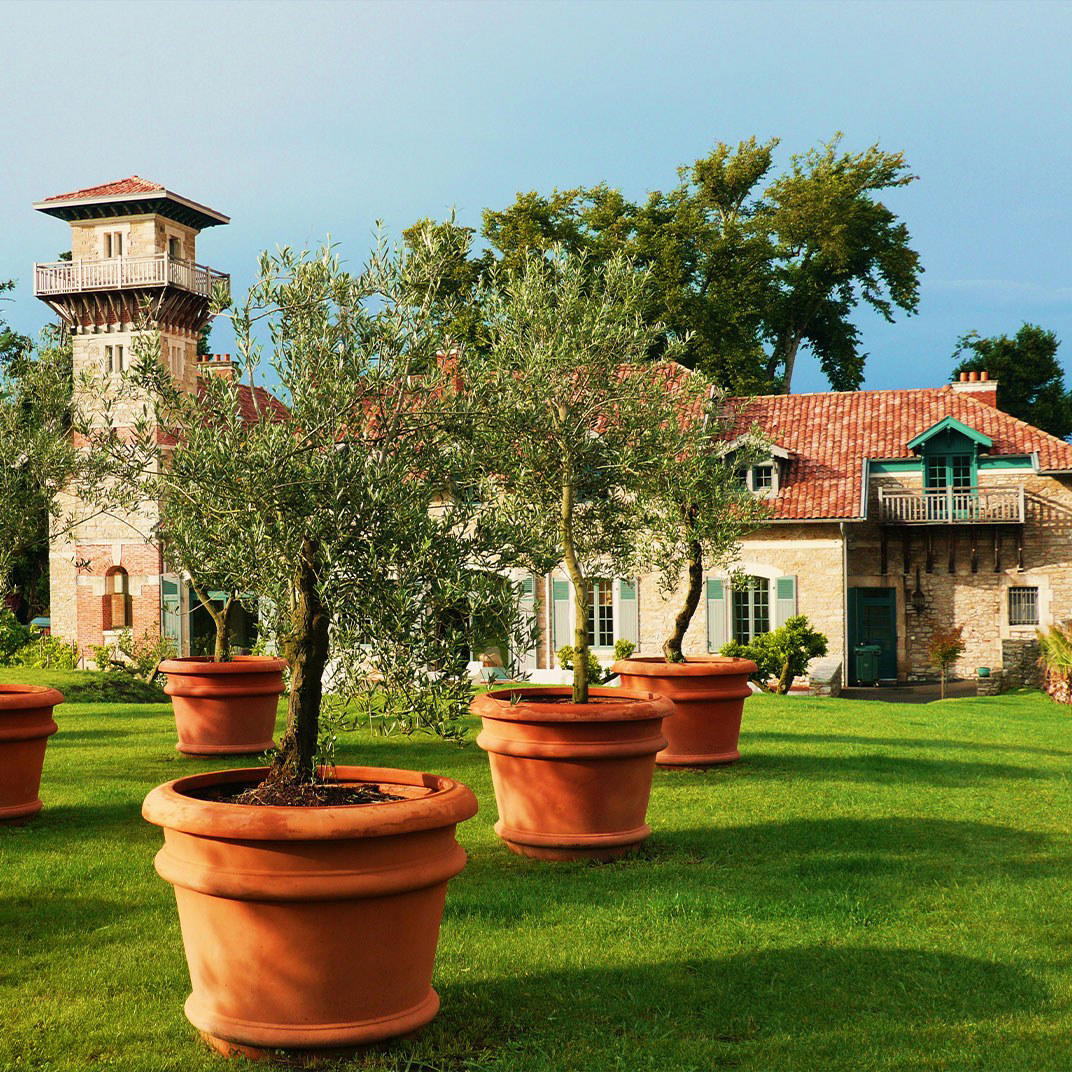
Warm and rustic atmosphere in a noble centenary-beamed bâtisse, fostering emotion and sharing with subtle, generous flavors.