L'Art des Mets
Our verdict
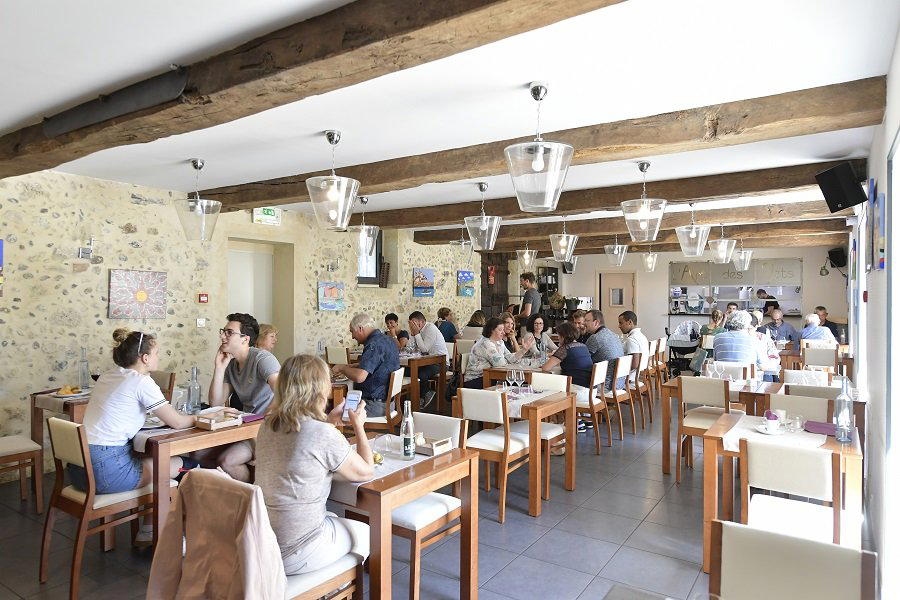
In the market town of Saint-Sever, deep in the Landes of southwestern France, L'Art des Mets at 19 Rue Louis Sentex represents the kind of address that rewards those willing to leave the well-worn routes of French fine dining. The surrounding region's exceptional produce, from Landes chicken to Adour river fish, shapes the culinary identity of this corner of Gascony, and dining here is an entry point into that tradition.

Pearl is the En Primeur Club membership app, where members save venues, book tables and use the concierge.
Gascony's Larder and the Restaurants That Draw From It
The Landes département does not announce itself loudly on the French restaurant circuit. It sits between the Basque Country to the south, where the dining scene generates considerable international attention, and Bordeaux to the north, which commands its own gravitational pull. What the Landes offers instead is a range of working farms, pine forests, and the Adour river corridor, producing some of France's most closely watched raw ingredients. The poulet jaune des Landes, bred on open pasture under strict AOC controls, is the region's most cited export, but it sits alongside Palourdas clams, Adour salmon, and foie gras from the Chalosse plateau. Restaurants in this part of Gascony that anchor their menus to this sourcing geography are making a deliberate argument: that proximity to ingredient origin is itself a culinary position.
L'Art des Mets, at 19 Rue Louis Sentex in Saint-Sever, occupies that position. The address places it within the historic centre of a bastide town whose Saturday market has been a local institution for centuries, drawing producers from the surrounding farms and river valleys. That market context matters: in towns like Saint-Sever, the proximity between producer and kitchen is not a marketing story but a logistical reality, with the supply chain compressed to the point where a chef can source to order and adjust the menu week to week based on what arrives. This is the culinary rhythm that distinguishes deep-provincial French cooking from its more codified urban counterparts, and it is the rhythm against which a restaurant like L'Art des Mets should be understood.
Approaching the Room
Saint-Sever's centre is built around the Abbaye Saint-Sever and the old market halls that ring its core streets, and the town moves at a pace that reflects its agricultural working character. Rue Louis Sentex runs through this fabric without spectacle. The approach to L'Art des Mets is quiet by the standards of French destination dining: no marquee frontage, no valet court, no theatrical entry sequence of the kind you encounter at Alléno Paris au Pavillon Ledoyen or the grand Alsatian houses like Au Crocodile in Strasbourg or Auberge de l'Ill in Illhaeusern. The physical scale is in keeping with the town itself: modest frontage, an interior that reads as a serious room without ostentation. In this part of France, that restraint is not a deficiency; it is the register in which the food is meant to speak.
Ingredient Geography as Menu Logic
The editorial angle for any restaurant rooted in this corner of southwestern France begins with sourcing. The Landes and Chalosse regions represent one of France's most ingredient-dense agricultural zones, and the restaurants that earn sustained local respect here are those that demonstrate genuine command of that geography, not just by naming producers on a menu, but by building dishes that would not transfer intact to another region. This is the same logic that animates Bras in Laguiole, where the cuisine of the Aubrac plateau is inseparable from the menu's identity, or Mirazur in Menton, where the garden above the restaurant determines the day's composition. For restaurants like L'Art des Mets operating in smaller market towns, the sourcing argument is not a luxury positioning tool but the natural outcome of working within a local supply system where the leading product goes first to those closest to it.
The Adour river corridor, which runs through the Landes before reaching the Bay of Biscay near Bayonne, supplies fresh fish that rarely reaches the Paris wholesale markets in prime condition. The poulet jaune, under its IGP designation, must be raised in the Landes under defined welfare and feed standards, and the leading examples move quickly among local buyers. Foie gras from the Chalosse, the rolling farmland east of Dax, is considered by many in the regional trade to be among France's finest, produced from farms that have not scaled to industrial size. A kitchen in Saint-Sever with the right supplier relationships is working with materials that larger, more visible restaurants in other cities would need to import at a premium and with diminished freshness.
France's provincial fine dining scene has historically divided between two models. The first is the multi-generational destination house, often in a small town or village, that earns Michelin recognition and begins drawing an international clientele: Auberge du Vieux Puits in Fontjoncouse, Georges Blanc in Vonnas, or L'Oustau de Baumanière in Les Baux each followed versions of this arc. The second model is the neighbourhood-anchored restaurant that serves a loyal local clientele and earns its standing from consistency, sourcing rigour, and an understanding of what the surrounding community expects from a serious table. L'Art des Mets, in a market town of modest scale in a part of France that sits outside the main fine dining travel circuits, aligns more naturally with the second model.
That positioning is not a limitation. Some of the most technically careful cooking in France happens in rooms that are not internationally reviewed, in towns where the dining room fills with regulars who would notice a drop in quality before any critic would. The coastal equivalent can be found at Christopher Coutanceau in La Rochelle or La Marine in Noirmoutier-en-l'île, where a regional product focus has driven serious recognition. In the southwest, the standard set by restaurants like Flocons de Sel in Megève in Alpine Haute-Savoie or Troisgros in Ouches demonstrates that regional rootedness and serious technical ambition are not mutually exclusive. For readers travelling through the Landes or approaching from the Basque Country, Saint-Sever is a plausible stop, and the pattern established by ingredient-led kitchens across provincial France suggests that restaurants anchored to a specific agricultural zone reward visitors willing to engage on those terms.
Planning a Visit
Saint-Sever sits roughly 20 kilometres south of Mont-de-Marsan, which is the administrative capital of the Landes and the nearest town with reliable rail connections. Visitors travelling from Bordeaux by TGV reach Dax in under an hour, and Saint-Sever is accessible from Dax by road. The town's Saturday market is the logical anchor for a visit that combines dining with direct engagement with the regional produce supply chain, and booking ahead for weekend lunch or dinner is advisable given the limited scale of most serious restaurants in towns of this size. For those building a wider itinerary through southwestern France, our full Saint Sever restaurants guide provides additional context on the town's dining options and the regional food culture that surrounds them. Those exploring France's broader fine dining geography beyond the major cities might also cross-reference counterpart addresses at Assiette Champenoise in Reims or Paul Bocuse in Collonges-au-Mont-d'Or to understand the range of what provincial anchoring has produced across France's regions. Contact details and current hours for L'Art des Mets are best confirmed directly through local sources before travelling.
Frequently asked questions
Can I bring kids to L'Art des Mets?
Saint-Sever is a working market town, not a tourist resort, and a restaurant operating at this register in provincial France tends to suit adults or older children comfortable with a measured, unhurried pace. The address at 19 Rue Louis Sentex sits within the town's historic core, where evenings run quietly rather than casually. Confirm directly with the restaurant before booking with young children.
What's the overall feel of L'Art des Mets?
The register here is that of a serious provincial French table calibrated to Saint-Sever's market-town character rather than to urban spectacle. This corner of the Landes has its own culinary logic, built around duck, maize-fed poultry, preserved meats, and the wines of Madiran and Armagnac, and a room drawing from that tradition will feel grounded and deliberate rather than performative. Expect a kitchen-led experience with sourcing from the Landes and Chalosse regions forming the editorial backbone of the menu.
Is L'Art des Mets worth a detour from Mont-de-Marsan?
Saint-Sever sits roughly 20 kilometres south of Mont-de-Marsan, the administrative capital of the Landes, making L'Art des Mets a plausible destination for anyone already in the département. The town's Abbaye Saint-Sever and its old market halls give the visit context beyond the meal itself. For travellers moving between the Basque Country and Bordeaux, Saint-Sever represents a logical overnight stop with a kitchen that draws directly from one of southwestern France's most distinctive agricultural zones.
What's the must-try dish at L'Art des Mets?
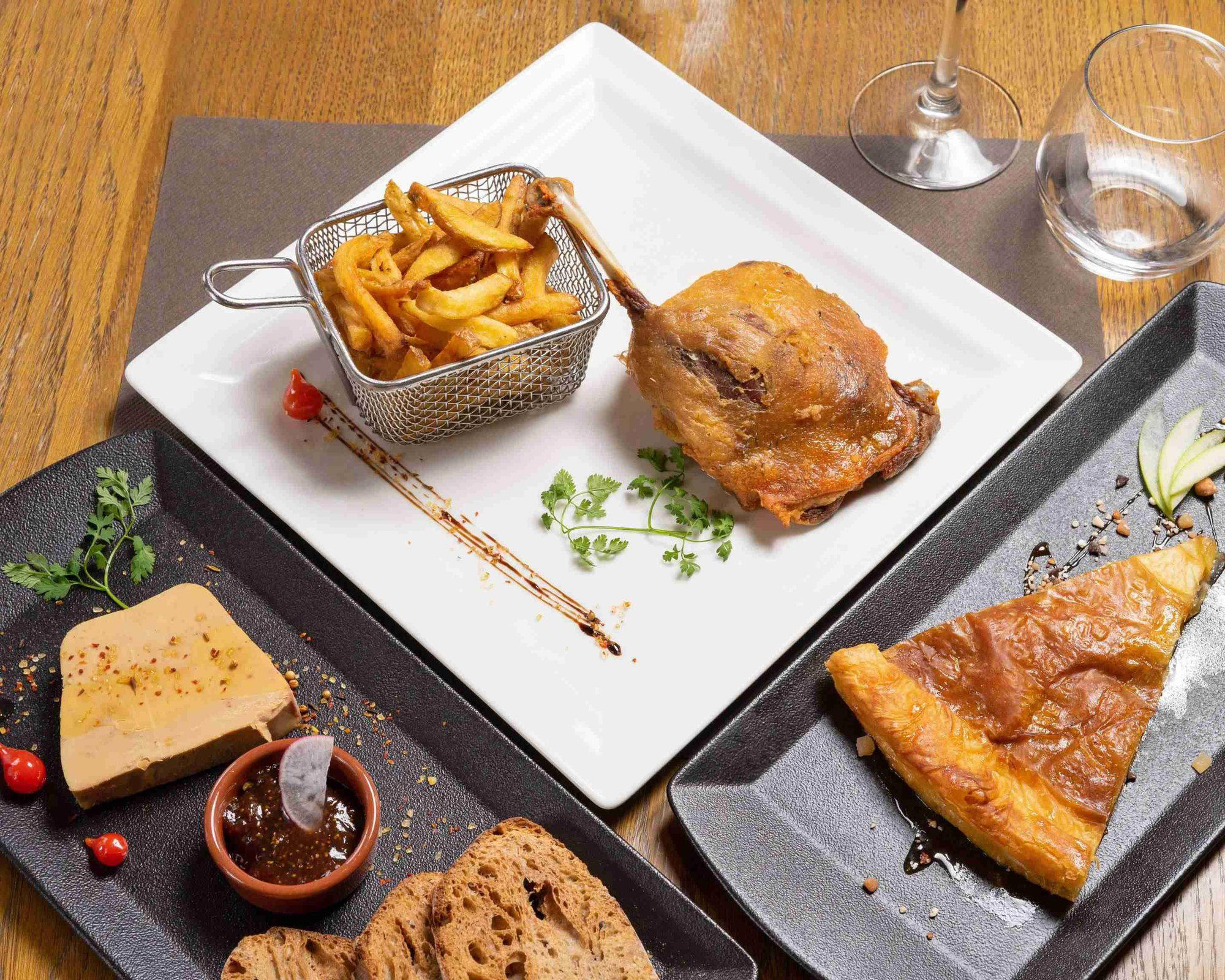
Without a current verified menu on record, naming a specific dish would require direct confirmation with the kitchen. What the culinary geography of the Landes does reliably anchor is a repertoire built around duck confit, foie gras preparations, and maize-fed poultry from the Chalosse, so dishes centred on those ingredients represent the strongest expression of what this region does with its own larder. Contact the restaurant at 19 Rue Louis Sentex, Saint-Sever for current menu details.
How do I find L'Art des Mets?
L'Art des Mets is located at 19 Rue Louis Sentex, 40500 Saint-Sever, France, Saint Sever.
In Context: Similar Options
Comparable venues nearby, for context on price, style, and recognition.
| Venue | Cuisine | Price | Notes |
|---|---|---|---|
| L'Art des MetsThis venue (the venue you are viewing) | French Regional Bistro | $30–50 | Not listed |
| Les Papilles Insolites | French Bistro with Natural Wines | $30–50 | Centre Ville |
| L’aventure | French Mountain Grill | $30–50 | Oz en Oisans |
| Le Bordeaux | Southwestern French Brasserie | $50–100 | Centre ville |
| L'Entrecôte | Classic French Steak Frites | $30–50 | Centre ville |
| Arrantzaleak | Traditional Basque Seafood | $30–50 | Ciboure |
Continue exploring
More in Saint Sever
Restaurants in Saint Sever
All restaurants in Saint Sever →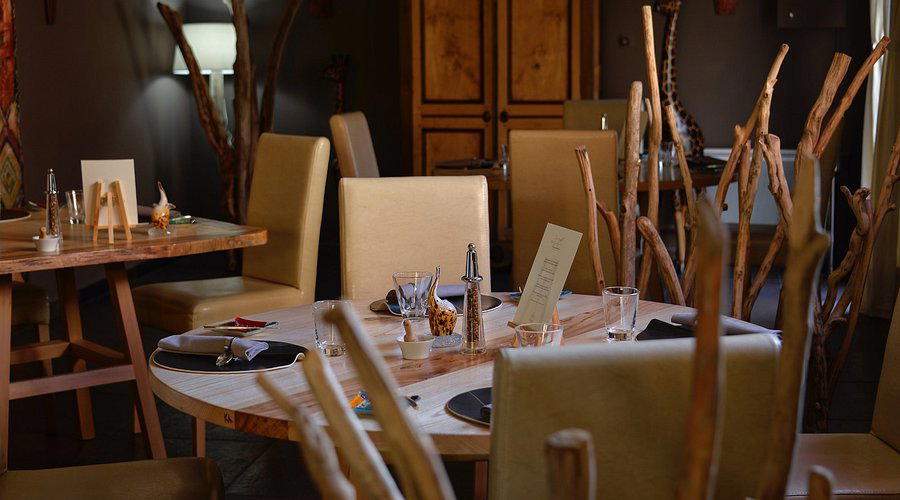
Hotels in Saint Sever
Browse all →
Wineries in Saint Sever
Browse all →
Details
- Elegant
- Cozy
- Rustic
- Date Night
- Special Occasion
- Group Dining
- Terrace
- Historic Building
- Extensive Wine List
- Local Sourcing
- A La Carte
Current opening hours
- Monday
- 12–3 PM
- Tuesday
- 12–3 PM
- Wednesday
- 12–3 PM
- Thursday
- 12–3 PM, 7:30–10:30 PM
- Friday
- 12–3 PM, 7:30–10:30 PM
- Saturday
- 12 PM–12 AM
- Sunday
- 12–3 PM
Hours can change for holidays and private events. Hours as of .
Refined and convivial atmosphere in a tastefully decorated historic space blending rustic elements with modern touches, featuring a terrace in good weather.