
Cana brings Adams Morgan into Washington’s 2026 dining conversation with a Washingtonian 100 Very Best Restaurants ranking at No. 26. The draw is less about ceremony than urban texture: a neighborhood room in a city where ambitious restaurants increasingly trade formality for atmosphere, pace, and a sharper sense of place.
 Discover on Pearl
Pearl is the En Primeur Club membership app — saves, bookings, and concierge access live there. Same editors, same standards.
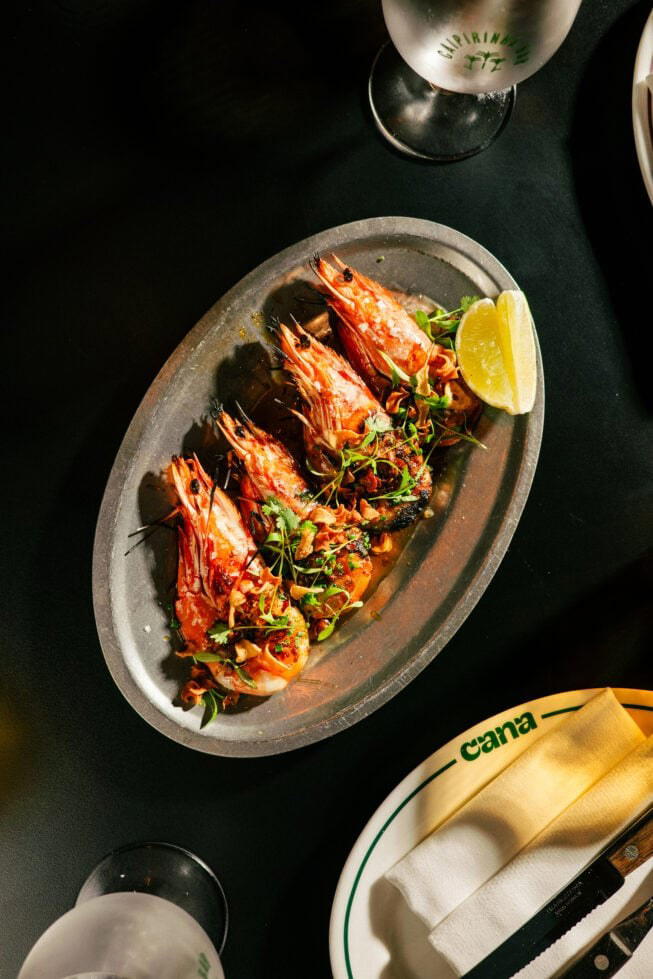
Adams Morgan changes pitch after dark: storefront light, sidewalk traffic, music leaking from doorways, and the loose energy of a neighborhood that has never been built around hushed dining rooms. Cana belongs to that Washington rhythm. The appeal is not a sealed-off temple of technique; it is a restaurant shaped by city noise, close tables, and the feeling that dinner can carry some of the street with it.
That matters in Washington in 2026. The city’s restaurant conversation has widened beyond expense-account rooms and tasting-menu seriousness into places where atmosphere is part of the argument. A room can be ambitious without being stiff. A menu can carry intent without turning dinner into a lecture. In that context, Cana’s recognition by Washingtonian, ranked No. 26 on the magazine’s 100 Leading Restaurants 2026 list, is a useful signal: this is not just a neighborhood convenience, but part of the city’s current dining hierarchy.
The sensory frame is the point. Adams Morgan gives restaurants an edge that quieter districts cannot manufacture. Foot traffic changes the arrival; the surrounding bars and late-night rooms affect the tempo; the room has to hold its own against a neighborhood already full of sound. For diners, that makes the experience more social than ceremonial. This is the kind of Washington table to choose when the night needs movement, conversation, and a setting with some urban friction.
Getting to Cana
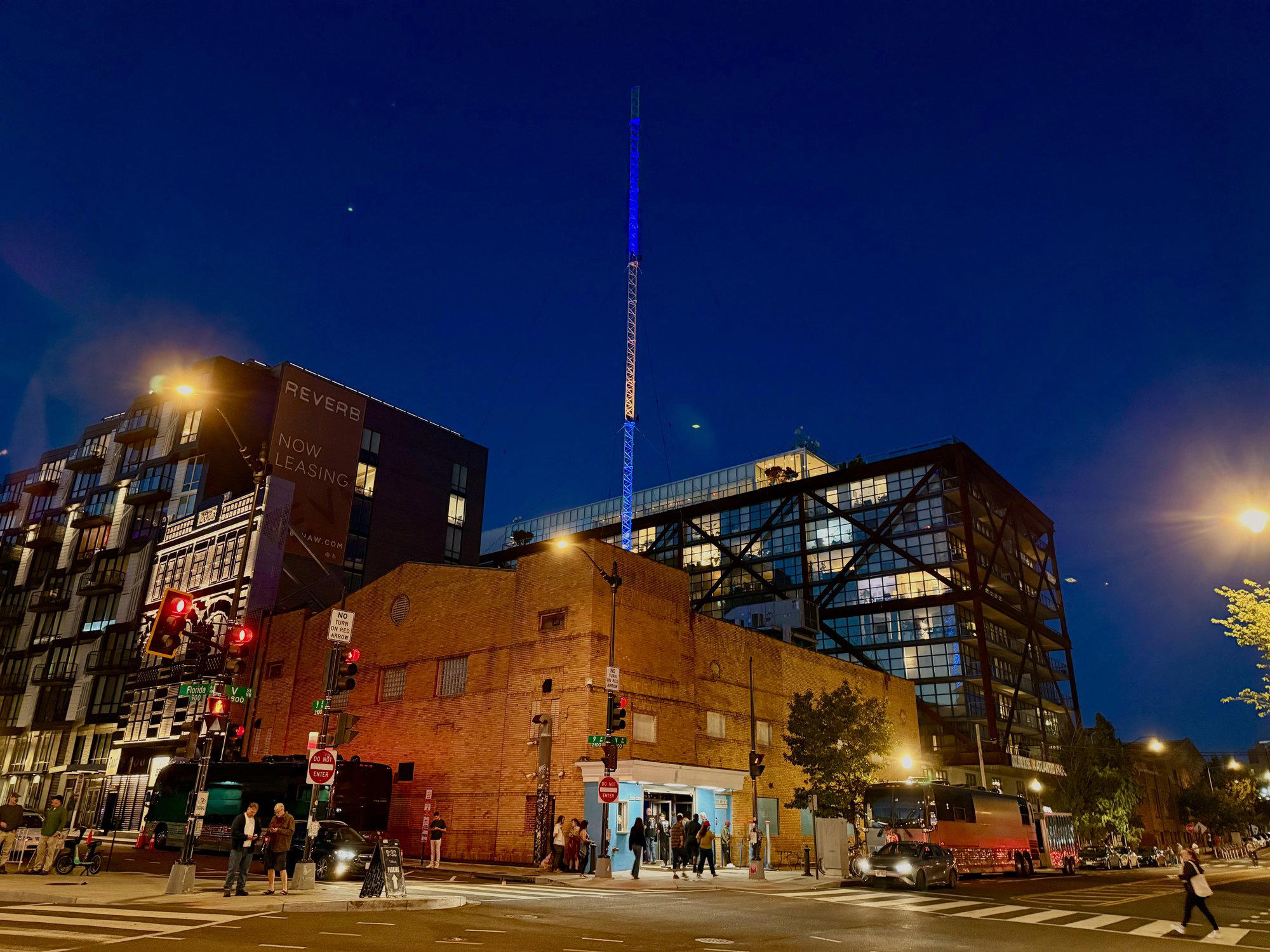
The restaurant sits on 18th Street NW, the spine of Adams Morgan’s dining and nightlife corridor. That location places it in a different category from destination restaurants whose entire experience begins at the host stand. Here, the approach is part of the meal: a walk through one of D.C.’s denser evening neighborhoods, with restaurants, bars, and music venues stacked close enough that the area rarely feels inert.
For planning, the main decision is not whether the room can supply energy, but how much of it a diner wants around the meal. Earlier seatings tend to suit groups that want conversation before the neighborhood hits its later rhythm; later evenings fit diners who prefer dinner as part of a broader Adams Morgan night. The address also makes it useful for visitors building an itinerary beyond one table, especially when paired with the city guides to Washington, D.C. restaurants, Washington, D.C. bars, Washington, D.C. hotels, Washington, D.C. wineries, and Washington, D.C. experiences.
Washington’s dining map now rewards neighborhood literacy. Different parts of the city carry different kinds of appetite: polished destination cooking, vegetable-led tasting formats, regional American rooms, and immigrant-influenced kitchens all compete for the same serious diner. For that broader spread, EP Club’s D.C. restaurant coverage includes Albi, Causa, Oyster Oyster, The Dabney, and Jônt. Cana reads differently from that group because its first impression is inseparable from Adams Morgan’s street life.
Cana awards and recognition
Washingtonian’s annual restaurant ranking functions as a local temperature check, not a decorative badge. A No. 26 placement on the 2026 list puts Cana in the part of the city conversation where editors are weighing consistency, personality, and relevance against a large field of serious rooms. In a market with Michelin-starred dining, chef-driven tasting counters, and ambitious neighborhood restaurants, that editorial placement gives travelers a practical reason to pay attention.
The ranking also says something about the city’s current appetite. Washington diners are not only rewarding formality. They are rewarding places that understand occasion in a broader sense: a date night with noise around it, a group dinner that does not feel anonymous, a room where the city outside remains legible. That is a different form of ambition from the national tasting-menu circuit represented in to Benu in San Francisco, Le Bernardin in New York City, Emeril’s in New Orleans, Alinea in Chicago, Single Thread Farm in Healdsburg, The French Laundry in Napa, Atomix in New York City, and Lazy Bear in San Francisco. Those references define another lane of American destination dining; Cana’s lane is more neighborhood-driven and more tied to the texture of Washington nightlife.
The useful critical read is simple: choose Cana for atmosphere with editorial validation, not for a silent room or a trophy-driven checklist. Its Washingtonian ranking supplies the trust signal; Adams Morgan supplies the context. Together, they make the restaurant a strong fit for diners who want their D.C. meal to feel connected to the city rather than insulated from it.
Continue exploring
More in Washington DC
Restaurants in Washington DC
Browse all →
Bars in Washington DC
Browse all →
Hotels in Washington DC
Browse all →
At a Glance
- Lively
- Trendy
- Energetic
- Modern
- Intimate
- Bohemian
- Date Night
- Group Dining
- Casual Hangout
- Celebration
- After Work
- Late Night
- Live Music
- Design Destination
- Standalone
- Craft Cocktails
- Zero Proof
- Beer Program
- Street Scene
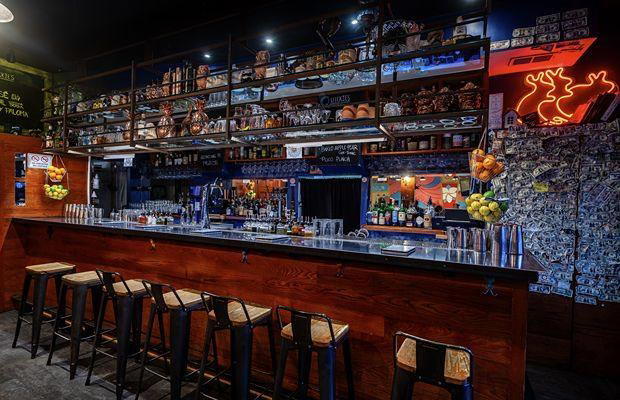
The ambiance is intimate and vibrant, with a retro-modern design, vinyl soundtrack, and the feel of a Brazilian neighborhood boteco where music, cocktails, and conversation create a lively, high-energy night-time atmosphere.[1][2][4][6][7]