Campione

James Beard Award Semi Finalist
Our verdict
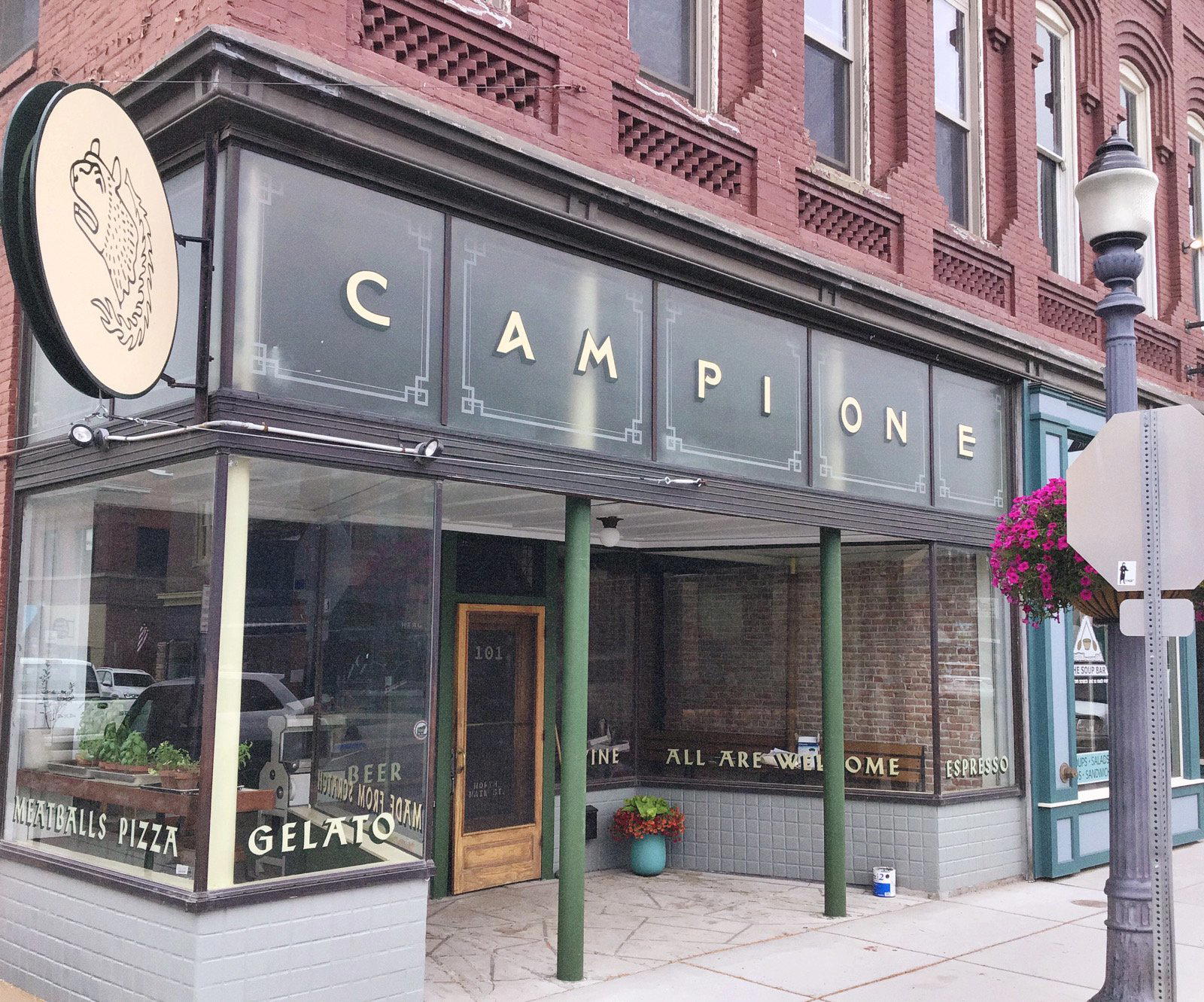
Campione sits at 101 N Main St in Livingston, Montana, a small-city address that punches above its market weight in a town better known for fly-fishing than fine dining. The restaurant occupies a position in Livingston's compact dining scene where Italian-inflected ambition meets a ranching-country setting, making it a reference point for visitors moving between Yellowstone and Bozeman.

Pearl is the En Primeur Club membership app — saves, bookings, and concierge access live there. Same editors, same standards.
- Address
- 101 N Main St, Livingston, MT 59047
- Phone
- (406) 333-2427
- Hours
- Mon 5–9 PMTue ClosedWed–Fri 5–9 PMSat–Sun 10 AM–1:45 PM, 5–9 PM
- Website
- eatcampione.com
- Directions
- Get directions
The menu
What to order
- Pasta dei Campioni
- Linguini and meatballs
Main Street, Mountain Town: Where Livingston Eats Italian
Livingston, Montana sits at the northern gateway to Yellowstone, a railroad-era town of roughly 8,000 people where the Yellowstone River cuts through the Paradise Valley and the wind off the Absaroka Range is a climatic fact of life. The dining scene here is small but specific: a handful of independently owned restaurants serving a transient visitor population alongside a permanent community of ranchers, artists, and the writers and film people who have been quietly moving here since the 1970s. Within that scene, Italian cooking occupies an interesting niche. It travels well to mountain towns because the format — pasta, cured meat, wine-forward hospitality — scales down without losing its logic, and because it speaks to a comfort register that works equally well in February snowstorms and August fishing season.
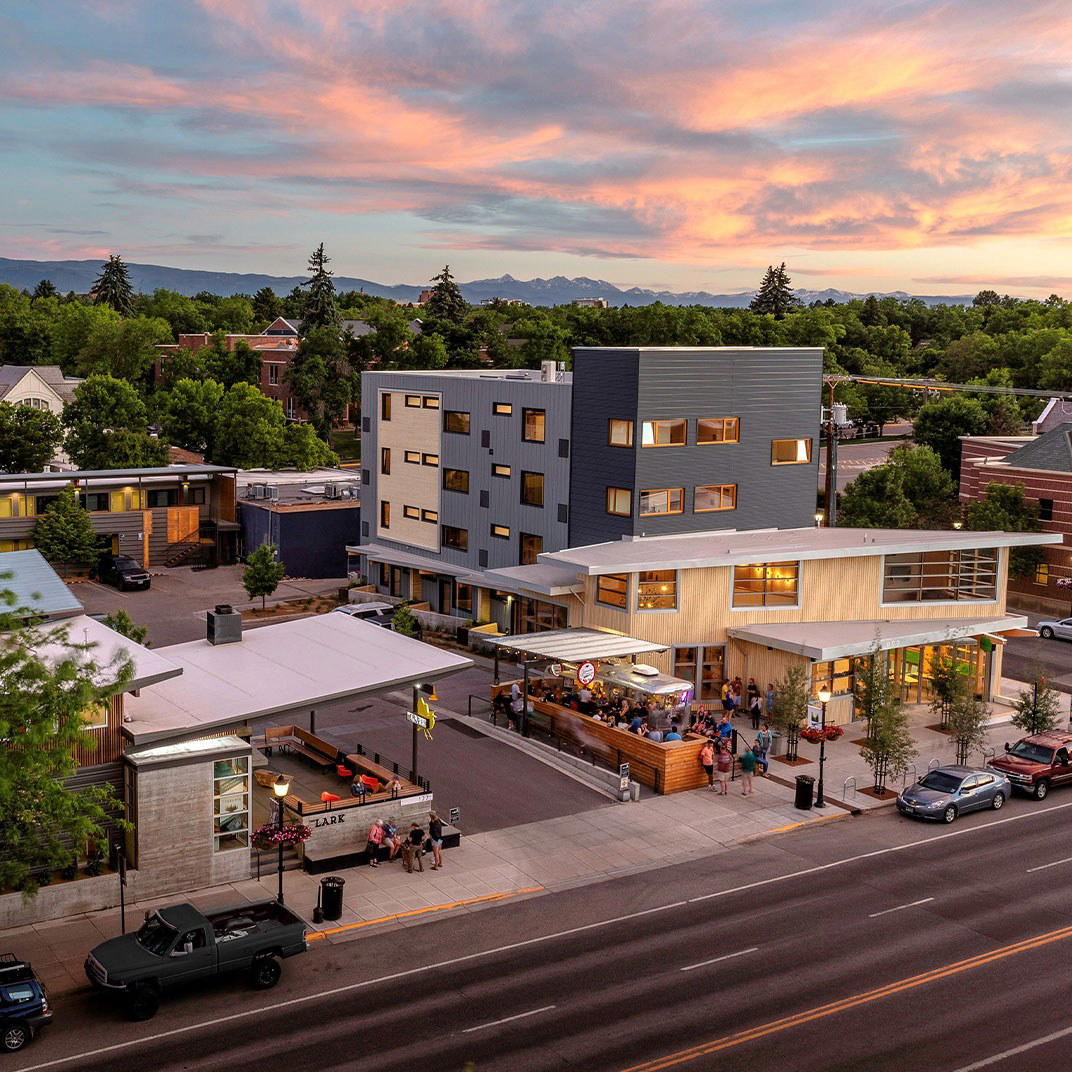
Campione, at 101 N Main St, sits inside that tradition. The address places it on Livingston's main commercial corridor, a street of brick-fronted buildings that still read as the working downtown of a Northern Pacific Railroad depot town. Walking the block, the visual grammar is Western vernacular: painted wooden signage, wide sidewalks, the occasional saddle shop still holding its ground against coffee bars. A restaurant with Italian ambitions in this context is not incongruous, it is a deliberate choice to bring a particular culinary culture into contact with a place that has its own strong identity.
The Cultural Weight of Italian Cooking in the American Interior
Italian cuisine arrived in the American interior through immigrant labor: mining camps, railroad gangs, the agricultural valleys of California and Colorado. In Montana specifically, the Italian presence was concentrated in the mining towns of the southwestern part of the state, Butte, Anaconda, where whole neighborhoods carried Sicilian and northern Italian surnames into the mid-twentieth century. That history gives Italian cooking in Montana a different resonance than it carries in coastal cities. It is not imported fine dining; it is, in a real historical sense, part of the region's own story.
The format that works in these settings tends toward the communal and the ingredient-driven: long pasta preparations, cured meats, slow braises built on whatever protein the local ranching economy provides. In a place like Livingston, where elk, bison, and lamb are available from ranchers within an hour's drive, the Italian tradition of cooking what is nearby and what is in season finds a direct application. The question for any Italian-inflected restaurant in this market is whether it leans into that regional conversation or defaults to a generic national-chain template. The restaurants that matter in mountain towns are the ones that answer the first way.
Within Livingston's small dining universe, the reference points are instructive. 2nd Street Bistro holds the French-bistro end of the market. The Mint Bar and Grill anchors the Western saloon tradition. Mediterranean cooking appears across multiple addresses: Lithos Estiatorio, THAVMA Mediterranean Grill, and Panevino Ristorante each occupy different points along the southern European spectrum. That Livingston sustains this range tells you something about the sophistication of its visitor base and the ambitions of its resident population. For a fuller picture of where Campione sits in relation to these options, the full Livingston restaurants guide maps the competitive set in detail.
The Scale of Ambition: Livingston Against a National Frame
It is worth placing Livingston's dining scene against a national context, not to diminish it but to clarify what it is doing. The American fine-dining circuit runs through urban anchors: Le Bernardin in New York City, The French Laundry in Napa, Smyth in Chicago, Atomix in New York City. Farm-to-table ambition finds its most developed expression at places like Blue Hill at Stone Barns in Tarrytown and Single Thread Farm in Healdsburg. California's coastal Italian-influenced kitchens, from Providence in Los Angeles to Addison in San Diego, operate at price points and staffing levels that small-market restaurants cannot match. What small-market restaurants can do, and what the best of them do well, is deliver the same quality of local sourcing and cooking intelligence at a fraction of the friction: no three-month booking windows, no tasting-menu commitments, no valet theater.
The comparison reaches across the Atlantic too. Atelier Moessmer Norbert Niederkofler in Brunico represents what happens when a chef in a mountain town commits to the full logic of regional cooking, sourcing entirely within an alpine ecosystem. Lazy Bear in San Francisco and Emeril's in New Orleans show how regional American culinary identity can be articulated through a single kitchen's point of view. The Inn at Little Washington in Washington demonstrates what happens when a destination-town restaurant becomes a destination in itself. Campione is operating at a different scale than all of these, but the question it is answering is the same: what does it mean to cook seriously in a place that is not a major city?
Planning a Visit to Campione
Campione is located at 101 N Main St, Livingston, MT 59047, in the center of the downtown commercial district, within walking distance of the Livingston Depot and the main run of independent businesses on Main Street. Peak summer months, July and August, see the town's population effectively double as Yellowstone traffic peaks, and walk-in availability at the better downtown restaurants compresses accordingly. If your travel window falls in that window, confirming a reservation in advance is the prudent move.
Frequently asked questions
Where do I go for Campione?
Campione is located at 101 N Main St, Livingston, MT 59047, Livingston.
Is Campione a good dinner option when driving through Livingston on the way to or from Yellowstone?
Campione sits at 101 N Main St in Livingston, which places it directly on the US-89 corridor connecting Yellowstone's northern entrance to Bozeman — roughly 55 miles from each. The downtown location means no detour from the main route, and an Italian format with table-service pacing suits the kind of meal travelers want after a day in the park rather than a quick highway stop.
What dish is Campione famous for?
Italian kitchens operating in Montana's mountain markets tend to anchor their menus around handmade pasta and braised proteins that suit the region's colder months, but specific menu claims for the 101 N Main St address require direct confirmation with the restaurant.
Do they take walk-ins at Campione?
Walk-in availability at Campione's downtown Livingston location shifts sharply with the season. July and August bring peak Yellowstone gateway traffic to Main Street, and the better-regarded restaurants in the district fill quickly on those evenings. Arriving before the dinner rush or visiting in shoulder season — May, September, October — improves your odds of a same-night seat considerably.
What's the signature at Campione?
What is established is the Italian-rooted identity and the address at 101 N Main St in Livingston — a downtown corridor that draws both local regulars and travelers moving between Yellowstone and Bozeman. check the venue's official channels for current menu specifics.
How does Campione handle allergies?
Independently operated Italian-format restaurants generally handle dietary needs on a per-table basis, but the specifics depend on kitchen setup and staffing. Given the Italian format, gluten-containing ingredients in pasta and bread are standard considerations worth raising when you book or arrive.
Is Campione worth the price?
What context provides: Livingston's dining scene operates at price points calibrated to a town of roughly 8,000 people, which typically means costs sit well below comparable Italian restaurants in Bozeman or resort towns further into the Rockies. Verify current pricing directly with the restaurant at 101 N Main St.
Pricing, Compared
Comparable venues nearby, for context on price, style, and recognition.
| Venue | Cuisine | Price | Awards | Notes |
|---|---|---|---|---|
| CampioneThis venue — the venue you are viewing | Italian-Inspired Roman Kitchen with Local Montana Ingredients | $50–100 | James Beard Award Semi Finalist | Not listed |
| 2nd Street Bistro | Classic French Bistro with Local Montana Ingredients | $50–100 | Not listed | historic downtown Livingston, Classic French Bistro with Local Montana Ingredients |
| The Mint Bar and Grill | American Bar & Grill | $20–30 | Not listed | downtown, American Bar & Grill |
| LaPa at SHINE Beer Sanctuary | Mexican Fusion Burritos | $10–20 | Not listed | historic downtown, Mexican Fusion Burritos |
| Lydia's Supper Club | Traditional Italian-American Supper Club | $30–50 | Not listed | Harrison Avenue, Traditional Italian-American Supper Club |
| Yellowstone Grill | American Cafe Breakfast | $10–20 | Not listed | Gardiner, American Cafe Breakfast |
Recognition history
Dated appearances from independent guides and award organizations, with the underlying list record or original source where available.
James Beard Award Semi Finalist
James Beard Award
Continue exploring
More in Livingston
Restaurants in Livingston
Browse all →
Bars in Livingston
Browse all →
Details
- Intimate
- Cozy
- Elegant
- Date Night
- Special Occasion
- Brunch
- Open Kitchen
- Local Sourcing
- A La Carte
- Small Plates
- Vegetarian Friendly
- Vegan Options
Current opening hours
- Monday
- 5–9 PM
- Tuesday
- Closed
- Wednesday
- 5–9 PM
- Thursday
- 5–9 PM
- Friday
- 5–9 PM
- Saturday
- 10 AM–1:45 PM, 5–9 PM
- Sunday
- 10 AM–1:45 PM, 5–9 PM
Hours can change for holidays and private events. Last verified .
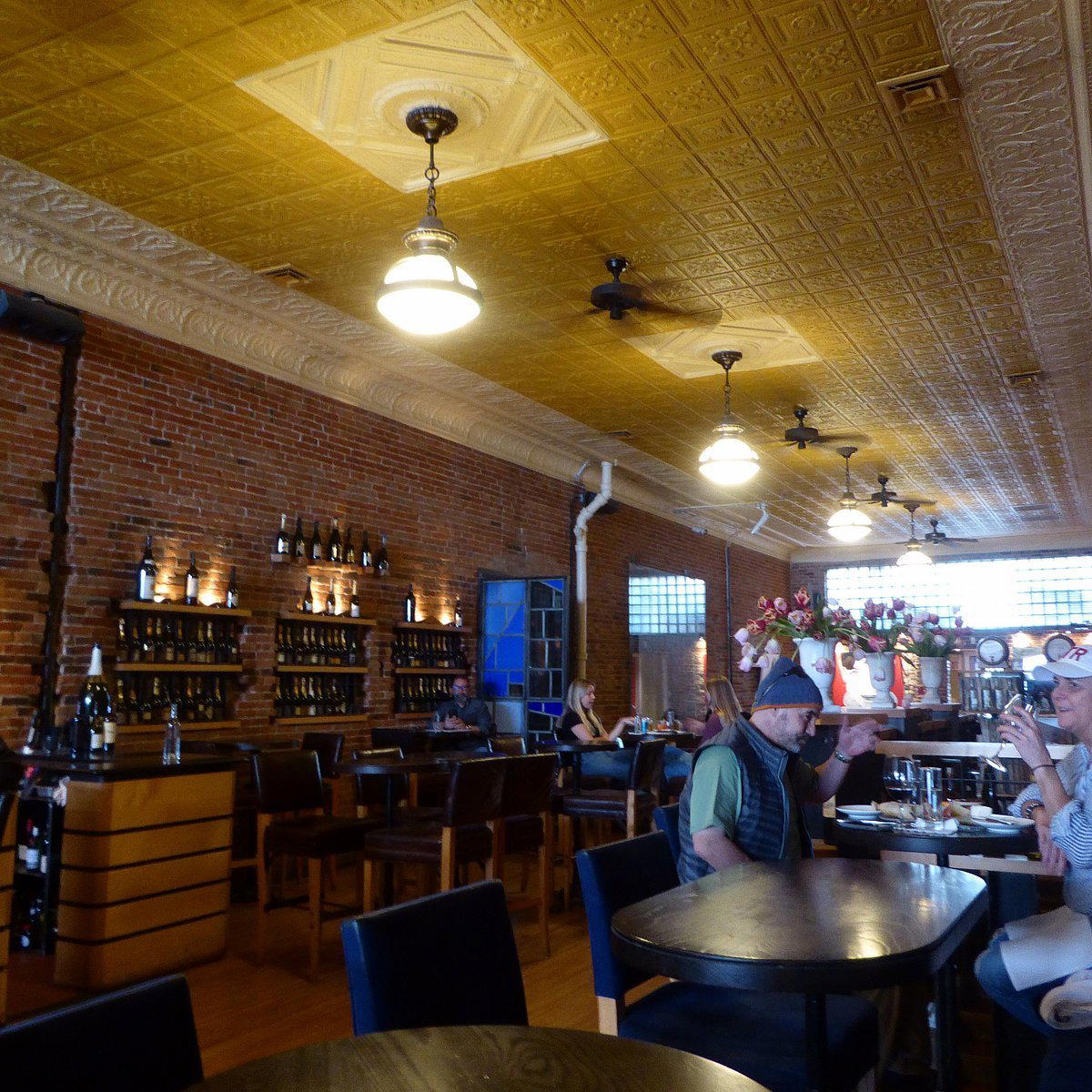
Warm yellow lighting emanates from the historic red brick building, creating a welcoming and intimate atmosphere.